PI3Kγ
PI3Kγ is a Class I PI3K isoform that generates PIP3 and supports leukocyte signaling during inflammation[1]. Mechanistically, PI3Kγ acts downstream of GPCRs, where p110γ couples with regulatory subunits to control chemoattractant-driven signaling[2]. In inflammatory models, PI3Kγ-null neutrophils show impaired PIP3 production, Akt activation, respiratory burst, and motility, while macrophages show reduced chemotactic migration and defective accumulation in septic peritonitis[3]. In cancer models, macrophage PI3Kγ controls a switch between immune stimulation and immune suppression through Akt/mTOR, NFκB, and C/EBPβ signaling[4]. Compared with related isoforms, PI3Kγ is the only Class IB PI3K catalytic isoform, whereas PI3Kα, PI3Kβ, and PI3Kδ belong to Class IA[5]. This distinction supports isoform-focused experimental design, especially when separating myeloid-cell PI3Kγ biology from lymphocyte-enriched PI3Kδ signaling[5][6]. For research applications, selective PI3Kγ inhibition reshaped suppressive myeloid cells and improved checkpoint blockade responses in mouse tumor models[7]. Dual PI3Kδ/PI3Kγ inhibitors such as IPI-145 provide tools for testing combined innate and adaptive immune PI3K signaling in biochemical, cellular, and in vivo assays[8].
References:
- [1]. Hawkins PT, et al. PI3K signalling in inflammation. Biochim Biophys Acta. 2015 Jun;1851(6):882-97. [Content Brief]
- [2]. Vadas O, et al. Molecular determinants of PI3Kγ-mediated activation downstream of G-protein-coupled receptors (GPCRs). Proc Natl Acad Sci U S A. 2013 Nov 19;110(47):18862-7. [Content Brief]
- [3]. Hirsch E, et al. Central role for G protein-coupled phosphoinositide 3-kinase gamma in inflammation. Science. 2000 Feb 11;287(5455):1049-53. [Content Brief]
- [4]. Kaneda MM, et al. PI3Kγ is a molecular switch that controls immune suppression. Nature. 2016 Nov 17;539(7629):437-442. [Content Brief]
- [5]. Lanahan SM, et al. The role of PI3Kγ in the immune system: new insights and translational implications. Nat Rev Immunol. 2022 Nov;22(11):687-700. [Content Brief]
- [6]. Okkenhaug K. Signaling by the phosphoinositide 3-kinase family in immune cells. Annu Rev Immunol. 2013;31:675-704. doi: 10.1146/annurev-immunol-032712-095946. Epub 2013 Jan 16. PMID: 23330955; PMCID: PMC4516760. et al. Signaling by the phosphoinositide 3-kinase family in immune cells. Annu Rev Immunol. 2013;31:675-704. [Content Brief]
- [7]. De Henau O, et al. Overcoming resistance to checkpoint blockade therapy by targeting PI3Kγ in myeloid cells. Nature. 2016 Nov 17;539(7629):443-447. [Content Brief]
- [8]. Wojnowska M, et al. Autophosphorylation activity of a soluble hexameric histidine kinase correlates with the shift in protein conformational equilibrium. Chem Biol. 2013 Nov 21;20(11):1411-20. [Content Brief]
-
PI3Kγ Related Products (187)
Related Products (187)

-
Alpelisib
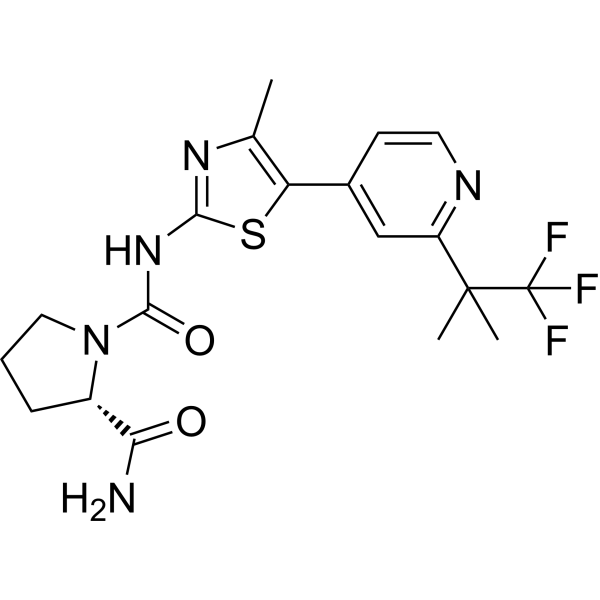 0 ImagesSynonyms: BYL-719Alpelisib (BYL-719) is an orally active PI3Kα-selective inhibitor that blocks the conversion of PIP2 to PIP3, thereby inhibiting pathways including PI3K/AKT/mTOR, MAPK/ERK, Notch and JAK-STAT. Alpelisib also induces apoptosis, G0/G1 phase arrest and senescence; it significantly inhibits the proliferation, self-renewal, stemness and epithelial-mesenchymal transition (EMT) of tumor cells, reduces cancer stem cell populations and decreases the expression of stem cell markers. Alpelisib not only enhances the sensitivity to Eribulin (HY-13442) and exerts a synergistic effect with Paclitaxel (HY-B0015), but may also induce drug resistance by upregulating the SGK3/GSK3β/β-catenin signaling pathway. Alpelisib can be applied to research related to breast cancer, gastric cancer and lipomas associated with PTEN hamartoma tumor syndrome.
-
Pictilisib
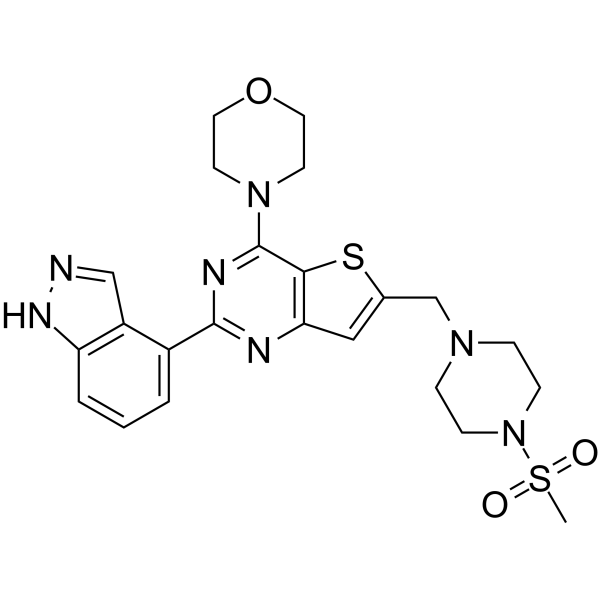 0 ImagesSynonyms: GDC-0941Pictilisib (GDC-0941) is a potent inhibitor of PI3Kα/δ with an IC50 of 3 nM, with modest selectivity against p110β (11-fold) and p110γ (25-fold).
-
AZD 6482
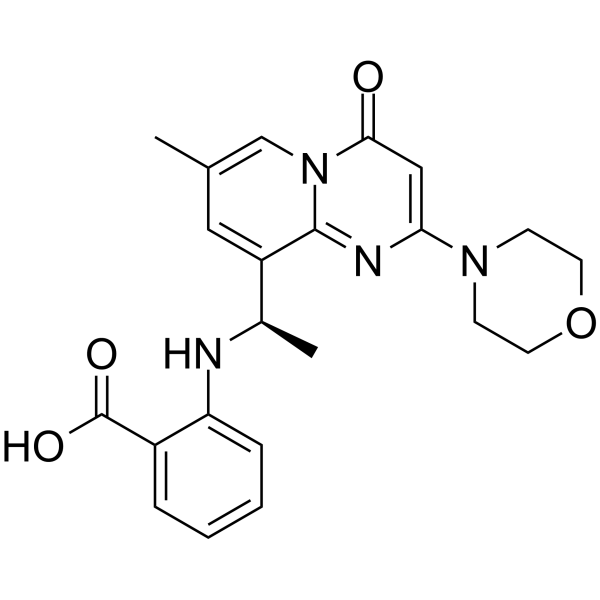 0 ImagesSynonyms: KIN-193AZD 6482 (KIN-193) is a potent and selective p110β inhibitor with an IC50 of 0.69 nM.
-
PROTAC PI3Kα degrader-1
 0 ImagesCat. No.: HY-174461Purity: 99.21%PROTAC PI3Kα degrader-1 is a PI3Kα PROTAC degrader that recruits CRBN, with a DC50 of 0.08 μM in T47D breast cancer cells. PROTAC PI3Kα degrader-1 inhibits the phosphorylation of AKT at the Ser473 site in cancer cells and exhibits in vivo anticancer efficacy in xenograft models. PROTAC PI3Kα degrader-1 can be used in cancer-related research.

-
Idelalisib
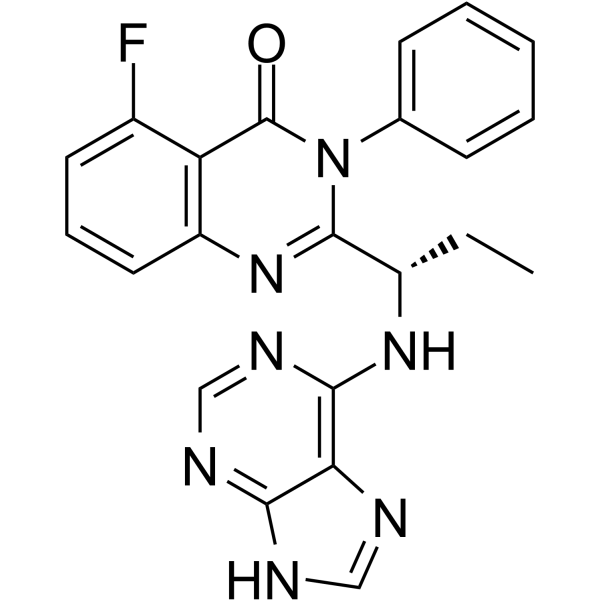 0 ImagesSynonyms: CAL-101; GS-1101
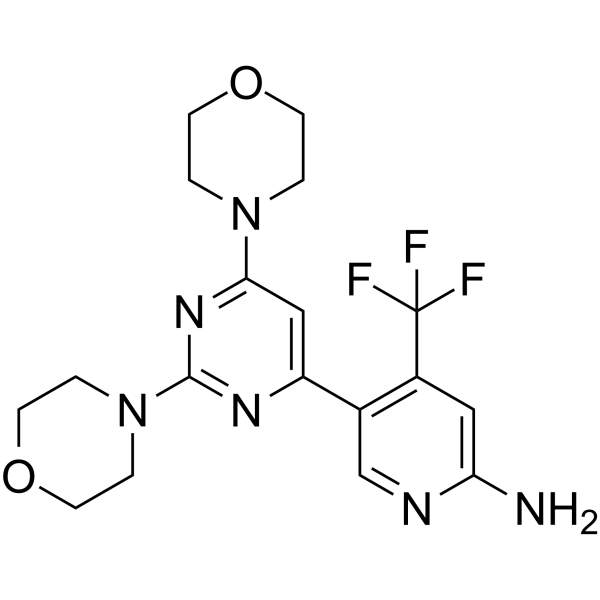
-
Dactolisib
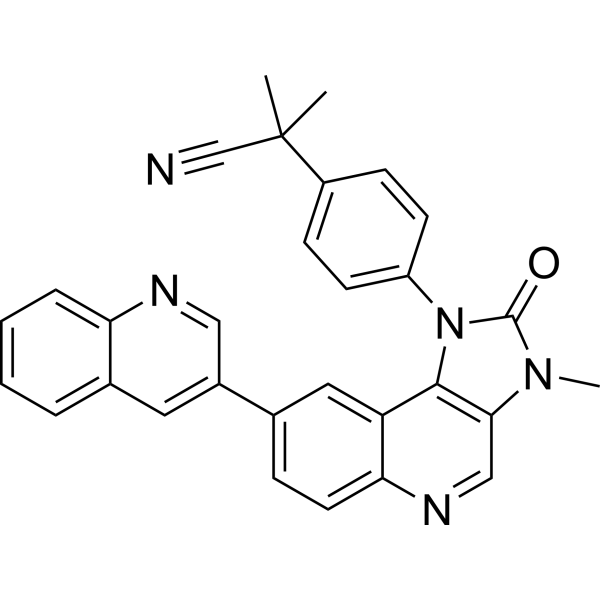 0 ImagesSynonyms: BEZ235; NVP-BEZ235
-
Gedatolisib
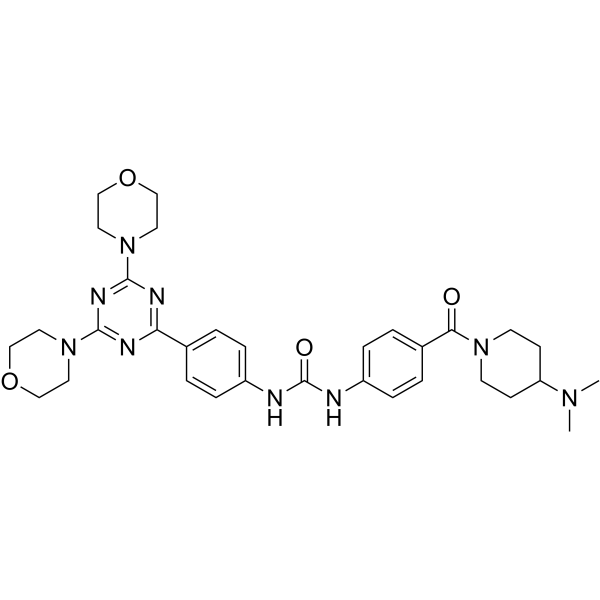 0 ImagesSynonyms: PKI-587; PF-05212384
-
Copanlisib
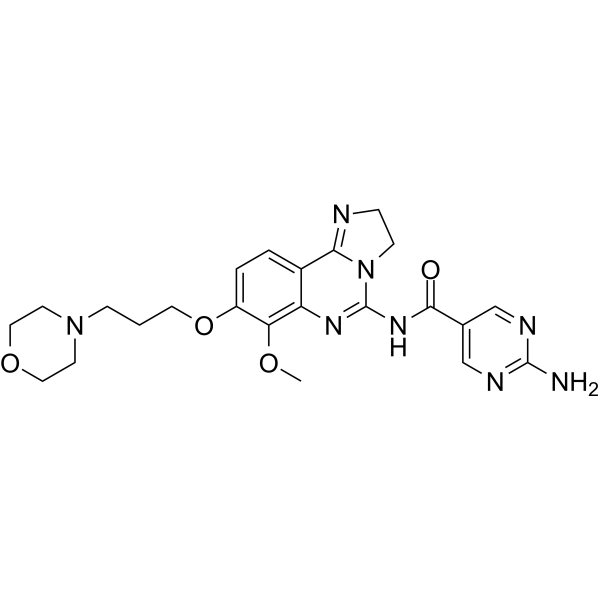 0 ImagesSynonyms: BAY 80-6946Copanlisib (BAY 80-6946) is a potent, selective and ATP-competitive pan-class I PI3K inhibitor, with IC50s of 0.5 nM, 0.7 nM, 3.7 nM and 6.4 nM for PI3Kα, PI3Kδ, PI3Kβ and PI3Kγ, respectively. Copanlisib has more than 2,000-fold selectivity against other lipid and protein kinases, except for mTOR. Copanlisib has superior antitumor activity.
-
Duvelisib
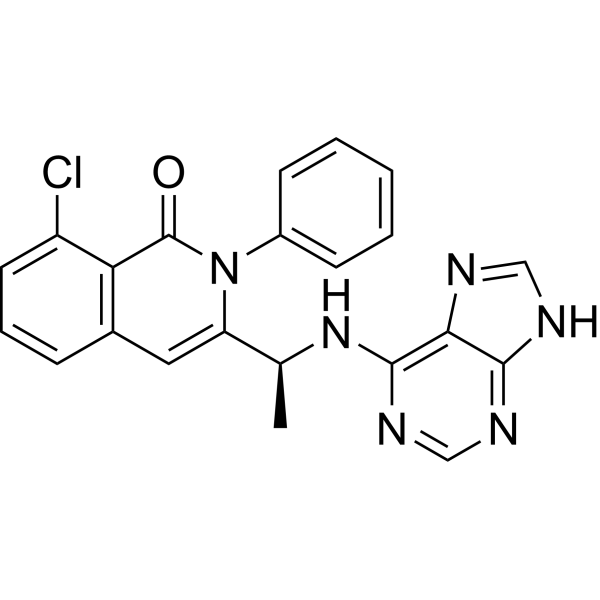 0 ImagesSynonyms: IPI-145; INK1197Duvelisib (IPI-145) is a selectivite p100δ inhibitor with IC50 of 2.5 nM, 27.4 nM, 85 nM and 1602 nM for p110δ, P110γ, p110β and p110α, respectively.
-
Eganelisib
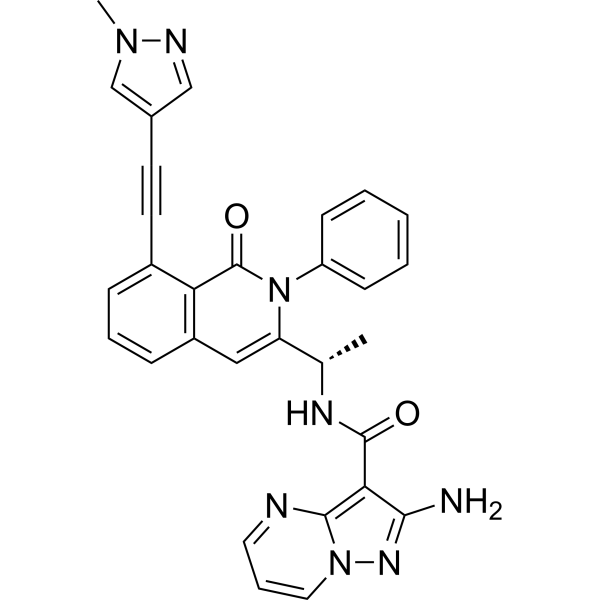 0 ImagesSynonyms: IPI-549
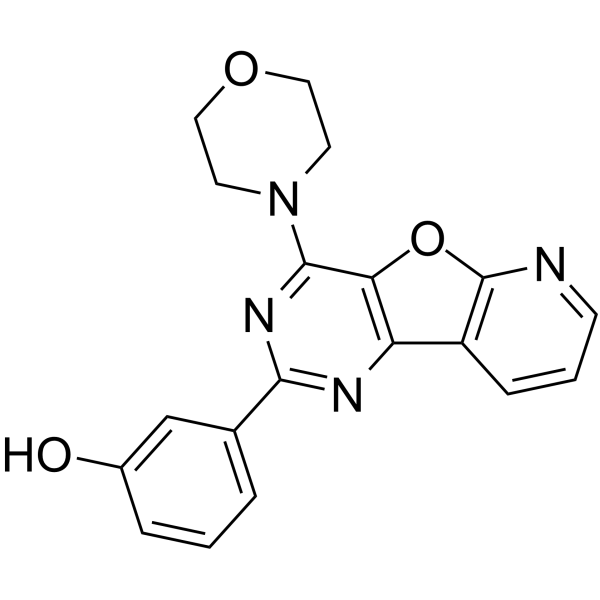
-
hSMG-1 inhibitor 11j
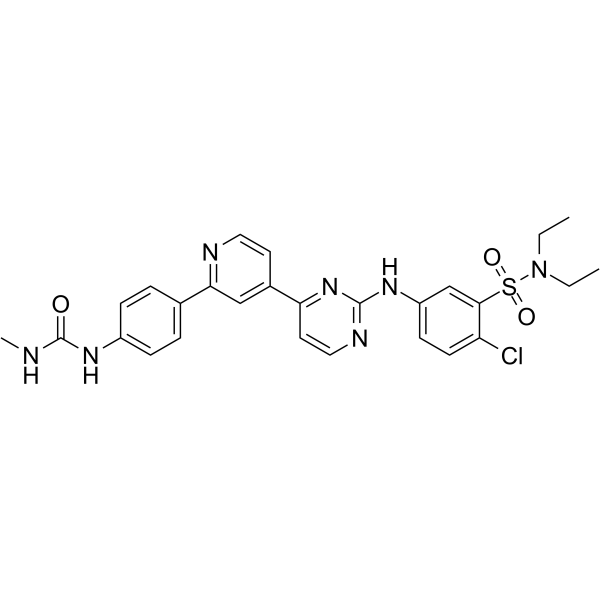 0 ImageshSMG-1 inhibitor 11j, a pyrimidine derivative, is a potent and selective inhibitor of hSMG-1, with an IC50 of 0.11 nM. hSMG-1 inhibitor 11j exhibits >455-fold selectivity for hSMG-1 over mTOR (IC50=50 nM), PI3Kα/γ (IC50=92/60 nM) and CDK1/CDK2 (IC50=32/7.1 μM). hSMG-1 inhibitor 11j can be used for the research of cancer.