



Sexually Transmitted Disease
-
Sexually Transmitted Disease (98)

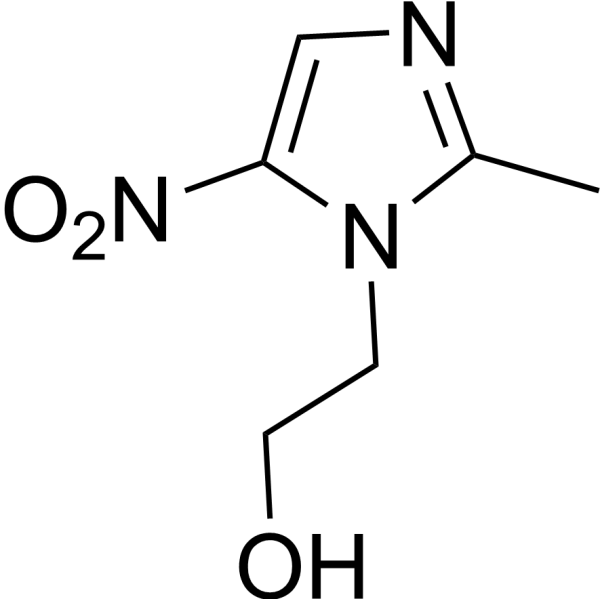
- Formula: C6H9N3O3
- Molecular Weight: 171.16
Metronidazole is an orally active nitroimidazole antibiotic. Metronidazole can cross blood brain barrier. Metronidazole can be used for the research of anaerobic infections.
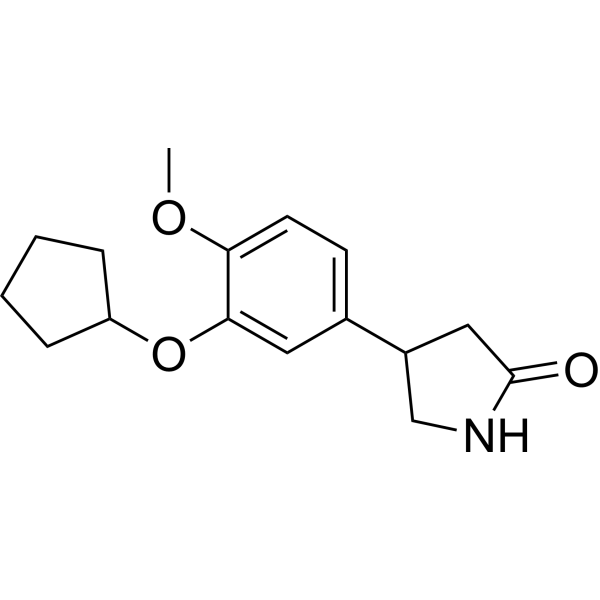
- Formula: C16H21NO3
- Molecular Weight: 275.35
Rolipram is a PDE4 inhibitor, with blood-brain barrier permeability, that reverses β-amyloid-induced learning and memory impairment in rats. Rolipram elevates intracellular cAMP and clevels and regulates the cAMP/CREB signaling pathway, thereby alleviating neuroinflammation and apoptotic responses. Rolipram promotes neuronal differentiation of human bone marrow mesenchymal stem cells and inhibits Methamphetamine- and morphine-induced hyperlocomotion in mice. Rolipram also reduces the viability of glioblastoma stem-like cells and enhances Bevacizumab (HY-P9906)-induced cell death. Rolipram inhibits the expression of proinflammatory cytokines and enhances central noradrenergic transmission. Rolipram is mainly used in studies related to various central nervous system diseases including Alzheimer's disease, major depressive disorder, glioblastoma multiforme, and multiple sclerosis.

- Molecular Weight: 6618.03 (free acid)
ssRNA40 sodium (R-1075 sodium) is a single-stranded RNA40 derived from HIV-1. ssRNA40 sodium activates the TLR7, TLR8, TLR2, RIG-I, MDA5, MyD88, Caspase-3, IRE1α, NLRP3 inflammasome and IRF7 signaling pathways. ssRNA40 sodium alters mRNA expression in neutrophils, induces pro-inflammatory cytokines, ROS, autophagy (autophagy), pyroptosis (pyroptosis), neuronal death, neurodegeneration, aggregate formation and NK cell activation. ssRNA40 sodium activates the expression of CD62L, CD11b, CD69, MX1, OAS1, ATG7, LC3B and XBP1 in immune cell and neuronal populations. ssRNA40 sodium causes cortical neuron loss and axonal damage in mice in a TLR7-dependent manner. ssRNA40 sodium can be used in research on HIV-1 infection, neurodegeneration, COVID-19 and HIV-associated neurological disorders.
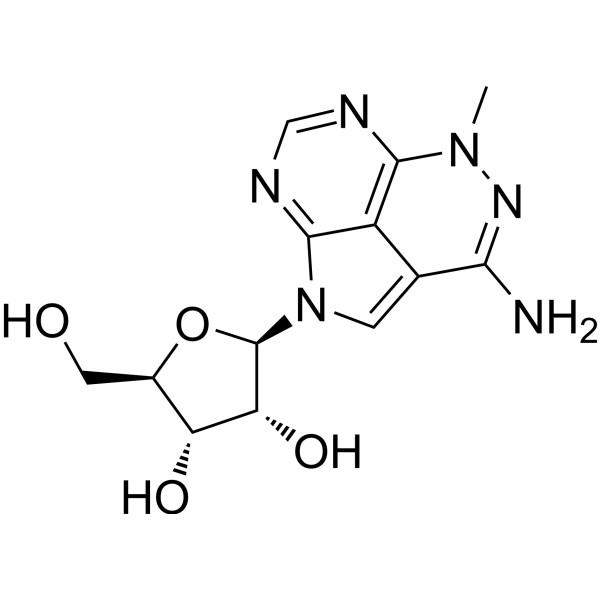
- Formula: C13H16N6O4
- Molecular Weight: 320.30
Triciribine is a DNA synthesis inhibitor, also inhibits Akt and HIV-1/2 with IC50 of 130 nM, and 0.02-0.46 μM, respectively.
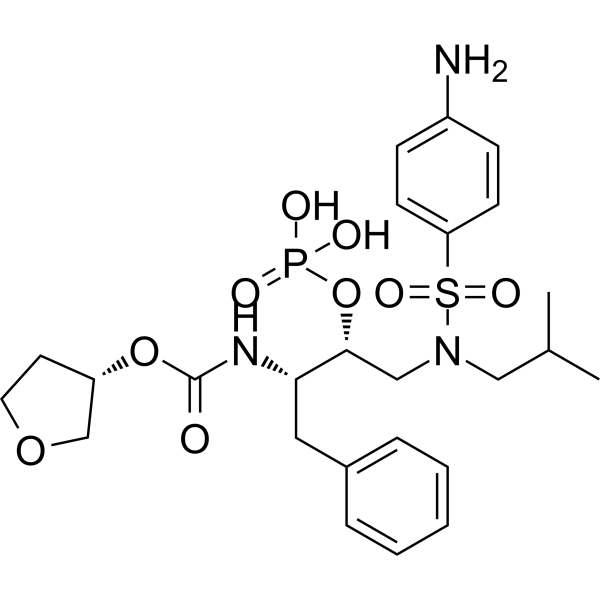
- Formula: C25H36N3O9PS
- Molecular Weight: 585.61
Fosamprenavir is an orally active inhibitor targeting HIV-1 protease and is a prodrug of Amprenavir (HY-17430). Fosamprenavir is hydrolyzed into Amprenavir (VX-478) by cell phosphatases in the intestinal epithelium. Amprenavir binds to the active site of HIV-1 protease, preventing the processing of viral gag and gag-pol polyprotein precursors, thereby inhibiting the formation of mature infectious virus particles and exerting anti-HIV-1 infection activity. Fosamprenavir can be used for the study of human immunodeficiency virus (HIV-1) infection.

- Formula: C24H18BrClN4O3S
- Molecular Weight: 557.85
RDEA 806 is an orally effective non-nucleoside reverse transcriptase (NNRT) inhibitor that exhibits potent in vitro inhibitory activity against wild-type HIV-1 (EC50 = 1.7 ng/mL) and NNRTI-resistant HIV-1. RDEA 806 rapidly reduces HIV-1 RNA viral load in vivo. RDEA 806 has a favorable biosafety profile. RDEA 806 can be used for research related to HIV-1 infection.

- Formula: C31H32O15
- Molecular Weight: 644.58
Procumbenoside A is a lignan glycoside discovered in Justicia procumbens. Procumbenoside A inhibits HIV-1 replication with an IC50 of 4.95 μM. Procumbenoside A exerts cytotoxic effects on various cancer cells. Procumbenoside A induces Cu (II)-mediated strand breaks in supercoiled plasmid DNA, generating the relaxed circular DNA form, while no linear form is detected. Procumbenoside A is used in studies related to liver cancer, colon adenocarcinoma, and HIV-1 infection.

- Formula: C6H14Cl2N2O2
- Molecular Weight: 217.09
CHMA1004 (Methyl piperazine-2-carboxylate; METTL3 activator-1) dihydrochloride is a METTL3/METTL14/WTAP methyltransferase complex activator. CHMA1004 dihydrochloride exhibits neuroprotective and anxiolytic potential by enhancing m6A methylation modification of RNA. CHMA1004 dihydrochloride promotes HIV replication in an infection context. CHMA1004 dihydrochloride can be used in studies related to anxiety disorders and HIV-1 infection.

- Formula: C19H27Cl3N2O
- Molecular Weight: 405.79
(-)-U-50488 hydrochloride ((-)-Trans-(1S,2S)-U-50488 hydrochloride) is a selective kappa-opioid receptor (KOR) agonist (Kd=2.2 nM) over μ-opioid receptor (MOR) (Kd=430 nM). (-)-U-50488 hydrochloride is a more active enantiomer than (+) trans-(1R,2R) U-50488 (HY-15997A) or the (±) trans-racemic mixture U-50488 (HY-15997B). (-)-U-50488 hydrochloride has a potent and sustained anti-HIV effect in fected blood monocyte-derived macrophages (MDM).
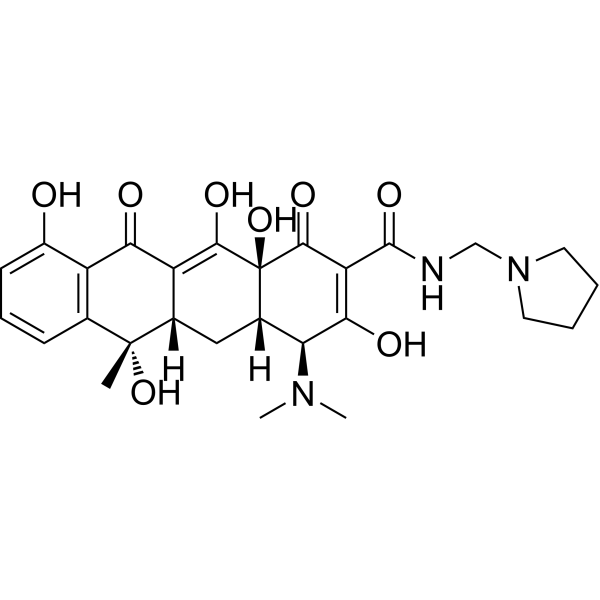
- Formula: C27H33N3O8
- Molecular Weight: 527.57
Rolitetracycline is a highly soluble, broad-spectrum antibiotic derived from tetracycline. Rolitetracycline binds to and stabilizes bovine serum albumin, and also inhibits HIV-1 integrase, blocks Aβ fibril formation and suppresses dengue virus proliferation. Rolitetracycline mediates the inhibition of Aβ fibrils via a specific three-dimensional pharmacophore conformation, and exerts bacteriostatic and bactericidal activities. Rolitetracycline acts synergistically with Penicillin G (HY-N7139) or Cephalothin (HY-B1275A) to alter the effects on microbial growth. Rolitetracycline serves as an important tool compound for the study of bacterial infections (urinary tract infections, sepsis), HIV-1 and dengue virus infections, as well as Alzheimer's disease.

- Molecular Weight: 145.889 kDa
Teropavimab (3BNC117-LS) is a broadly neutralizing antibody targeting the CD4-binding site of the HIV-1 envelope. Teropavimab binds to the CD4-binding site of HIV-1 gp120 to neutralize viruses, including multidrug-resistant HIV-1. Teropavimab can be used in studies related to HIV-1 infection and multidrug-resistant HIV-1 infection.

- Molecular Weight: 145.87 kDa
VRC-01 is a broadly neutralizing IgG1 monoclonal antibody that targets HIV-1 envelope glycoprotein gp120 Protein. VRC-01 blocks HIV-1 viral entry by mimicking CD4 receptor interaction with HIV-1 gp120 and neutralizes broad HIV-1 clades. VRC-01 can be used for the research of HIV-1 infection.

- Formula: C6H6BrNO4
- Molecular Weight: 236.02
N-Succinimidyl bromoacetate (NHS-Bromoacetate) is a heterobifunctional crosslinking reagent, mainly used to modify the ɛ-amino group of lysine side chains. By covalently linking its bromoacetyl moiety to the ɛ-amino group of lysine in peptidomimetics, N-Succinimidyl bromoacetate enables their conjugation with thiol-modified nanoparticles via thioether bonds. N-Succinimidyl bromoacetate also performs bromoacetylation modification on carrier proteins, which then forms stable thioether bonds with the thiol groups of cysteine in peptides, thus efficiently preparing soluble peptide-protein conjugates with high substitution ratios. N-Succinimidyl bromoacetate can be used to prepare activated Sepharose derivatives for affinity chromatography, protein affinity labeling reagents, and peptide-protein immunogen conjugates with non-immunogenic linkages. N-Succinimidyl bromoacetate is applicable to studies related to HIV-1 infection and glioblastoma multiforme.
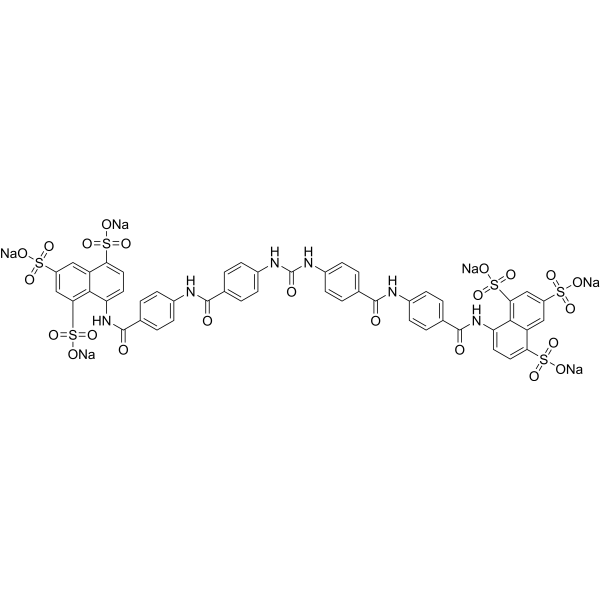
- Formula: C49H30N6Na6O23S6
- Molecular Weight: 1401.12
NF279 is a selective P2X1 receptor antagonist and NTPDase inhibitor, with a P2X1 IC50 value of 19 nM. NF279 suppresses GABA-evoked currents, reduces ATP-excited respiratory activity, alters hypoglossal nerve burst parameters, and blocks CXCR4, CCR5, CXCR3, and CXCR7-mediated calcium responses. NF279 arrests HIV-1 fusion downstream of CD4 binding, inhibits R5- and X4-tropic HIV-1 strains. NF279 can be used for the research of HIV-1 infection.
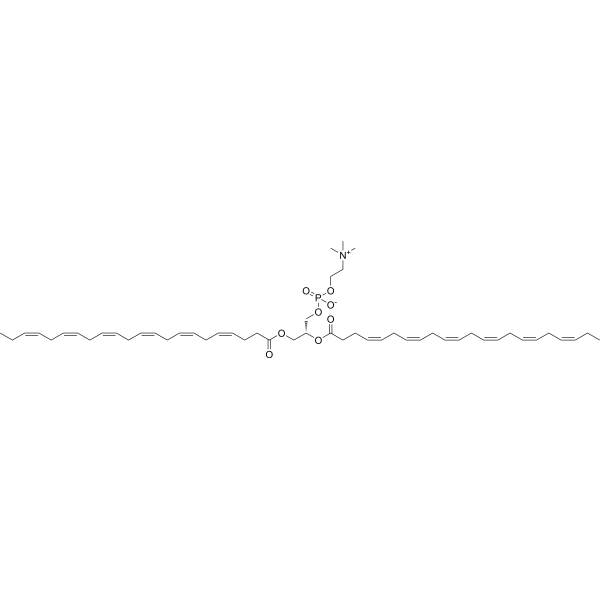
- Formula: C52H80NO8P
- Molecular Weight: 878.17
1,2-Didocosahexaenoyl-sn-glycero-3-phosphocholine is a polyunsaturated phospholipid that serves as a component of lipid monolayers and small unilamellar vesicles. 1,2-Didocosahexaenoyl-sn-glycero-3-phosphocholine can be used to prepare endoplasmic reticulum-targeted liposomes (PERLs), which are composed of 1,2-didocosahexaenoyl-sn-glycero-3-phosphoethanolamine, l-α-phosphatidylinositol and l-α-phosphatidylserine at a molar ratio of 1.5:1.5:1:1. PERLs reduce cholesterol levels in human peripheral blood mononuclear cells (PBMCs) and decrease HIV-1 particle secretion from HIV-1-infected PBMCs. Liposomes formed from 1,2-Didocosahexaenoyl-sn-glycero-3-phosphocholine exhibit cytotoxicity against leukemia cells. 1,2-Didocosahexaenoyl-sn-glycero-3-phosphocholine is applicable to studies related to hepatitis C virus infection, HIV infection, hepatitis B virus infection and leukemia.
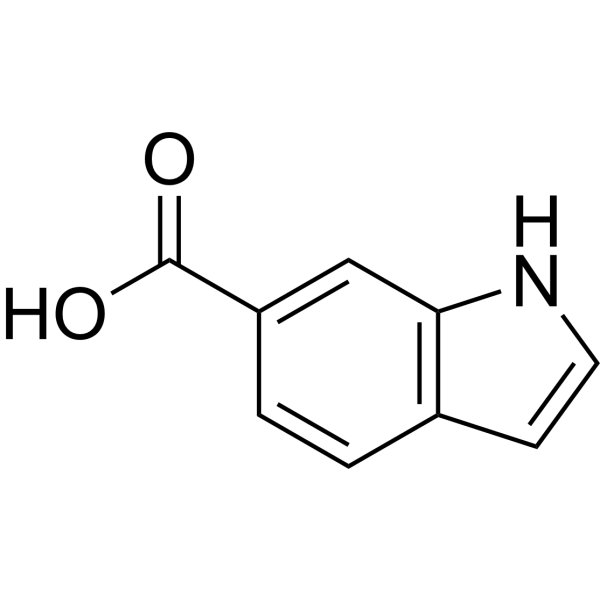

- Formula: C129H208N36O32S
- Molecular Weight: 2807.32
MPG peptides, Pβ is an amphipathic cell-penetrating peptide. MPG peptides, Pβ consists of three components: the hydrophobic fusion sequence (GALFLGFLGAAGSTMGA) of HIV glycoprotein 41, a spacer domain (WSQP), and the nuclear localization signal (KKKRKV) of the large T antigen of Simian virus 40. MPG peptides, Pβ can form stable non-covalent complexes with nucleic acids (including DNA) through electrostatic interactions and improve their intracellular delivery. MPG peptides, Pβ can be used in studies of HIV-1-related immune responses.
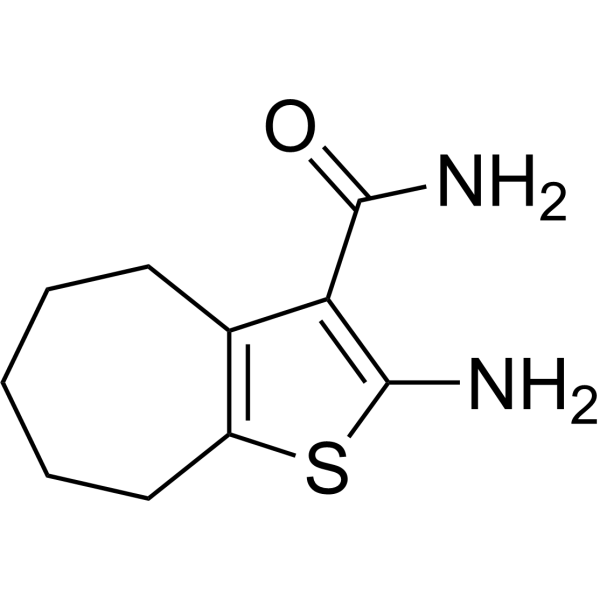
- Formula: C10H14N2OS
- Molecular Weight: 210.30
NSC727447 is a vinyl urea-based allosteric inhibitor of HIV reverse transcriptase-associated RNase H with IC50 values of 2.0 μM and 2.5 μM against HIV-1 and HIV-2 RNase H, respectively, and IC50 values of 100 μM and 10.6 μM against Escherichia coli and human RNase H, respectively. NSC727447 exerts allosteric inhibitory effects mainly by interacting with the region adjacent to α-helix I in the thumb subdomain of the p51 subunit of HIV-1 reverse transcriptase. Cys280, Lys281 and the RNase H primer grip region are involved in its action, and it may inhibit the catalytic activity of RNase H by altering the positioning of nucleic acid substrates or the geometry of the RNase H active site. NSC727447 can be used in studies related to HIV infection, the function of HIV reverse transcriptase RNase H, and allosteric inhibition mechanisms.
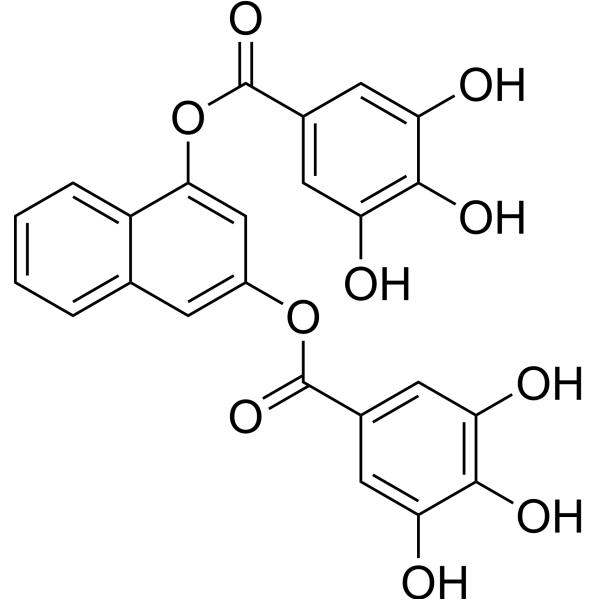
- Formula: C24H16O10
- Molecular Weight: 464.38
UCM05 (G28UCM) is a fatty acid synthase (FASN) and filamentous temperature-sensitive protein Z (Ftsz) inhibitor. UCM05 inhibits fatty acid synthesis, viral replication, and Gram-positive bacterial growth. UCM05 binds to FtsZ GTP-binding sites, inhibits GTPase activity, and disrupts Z-ring localization. UCM05 can be used for the research of HSV-1/2 infection, HIV-1 infection, and Gram-positive bacterial infections[1][2][3].



