



HIV-1
HIV-1 is a retrovirus whose replication relies on reverse transcription of viral RNA into DNA, integrating into host genomes to produce progeny virions[1]. Viral entry is mediated by interactions between the envelope glycoprotein gp120 and the host CD4 receptor, along with chemokine co-receptors CXCR4 or CCR5, triggering membrane fusion and infection of target cells[2][3]. Post-entry, reverse transcription and integration involve complex protein-nucleic acid interactions, with viral integrase and nucleocapsid proteins directing efficient DNA synthesis[4]. The viral replication cycle engages host signaling pathways, including calcium-dependent activation cascades, nitric oxide signaling, and protein kinase C isoforms, which modulate viral transcription and assembly[5][6]. HIV-1 accessory proteins, such as Nef and Vif, interact with host factors to enhance replication and evade immune detection, establishing persistent infection[7]. Compared with related retroviruses, HIV-1 exhibits unique isoform-specific interactions of its envelope and regulatory proteins with host pathways, enabling differential cellular tropism and pathogenicity[1]. Small molecule inhibitors and peptide agonists targeting gp120-CD4 binding, integrase activity, or host signaling components have been employed to dissect viral replication mechanisms in vitro and in vivo, providing tools for experimental modulation of viral processes[8][9]. Mechanistically, selective modulation of these pathways has been used to evaluate antiviral efficacy and to define host determinants of infection, highlighting the functional distinctions among viral isoforms and their cellular interactions[10][11].
参考文献:
- [1]. Downey GP, et al. Chemotactic peptide-induced activation of MEK-2, the predominant isoform in human neutrophils. Inhibition by wortmannin. J Biol Chem. 1996 Aug 30;271(35):21005-1011. [Content Brief]
- [2]. Boyé K, et al. Ligand activation induces different conformational changes in CXCR3 receptor isoforms as evidenced by plasmon waveguide resonance (PWR). Sci Rep. 2017 Sep 6;7(1):10703. [Content Brief]
- [3]. Karaś K, et al. The Dichotomous Nature of AZ5104 (an EGFR Inhibitor) Towards RORγ and RORγT. Int J Mol Sci. 2019 Nov 17;20(22):5780. [Content Brief]
- [4]. Maroney SA, et al. New insights into the biology of tissue factor pathway inhibitor. J Thromb Haemost. 2015 Jun;13 Suppl 1(0 1):S200-7. [Content Brief]
- [5]. Mourelle M, et al. The arginine/nitric oxide pathway modulates sphincter of Oddi motor activity in guinea pigs and rabbits. Gastroenterology. 1993 Nov;105(5):1299-305. [Content Brief]
- [6]. Liang C, et al. Rosiglitazone via upregulation of Akt/eNOS pathways attenuates dysfunction of endothelial progenitor cells, induced by advanced glycation end products. Br J Pharmacol. 2009 Dec;158(8):1865-73. [Content Brief]
- [7]. Kampa M, et al. Opioids are non-competitive inhibitors of nitric oxide synthase in T47D human breast cancer cells. Cell Death Differ. 2001 Sep;8(9):943-52. [Content Brief]
- [8]. Jing Q, et al. In search of potent and selective inhibitors of neuronal nitric oxide synthase with more simple structures. Bioorg Med Chem. 2013 Sep 1;21(17):5323-31. [Content Brief]
- [9]. Courilleau D, et al. The (R)-enantiomer of CE3F4 is a preferential inhibitor of human exchange protein directly activated by cyclic AMP isoform 1 (Epac1). Biochem Biophys Res Commun. 2013 Oct 25;440(3):443-8. [Content Brief]
- [10]. Shih CD. Activation of estrogen receptor beta-dependent nitric oxide signaling mediates the hypotensive effects of estrogen in the rostral ventrolateral medulla of anesthetized rats. J Biomed Sci. 2009 Jul 7;16(1):60. doi: 10.1186/1423-0127-16-60. PMID: 19583861; PMCID: PMC2717931. et al. Activation of estrogen receptor beta-dependent nitric oxide signaling mediates the hypotensive effects of estrogen in the rostral ventrolateral medulla of anesthetized rats. J Biomed Sci. 2009 Jul 7;16(1):60. [Content Brief]
- [11]. Larivière S, et al. Gonadotropin-releasing hormone inhibits pituitary adenylyl cyclase-activating polypeptide coupling to 3',5'-cyclic adenosine-5'-monophosphate pathway in LbetaT2 gonadotrope cells through novel protein kinase C isoforms and phosphorylation of pituitary adenylyl cyclase-activating polypeptide type I receptor. Endocrinology. 2008 Dec;149(12):6389-98. [Content Brief]
-
HIV-1 関連製品 (411)
関連製品 (411)

-
Chloroquine
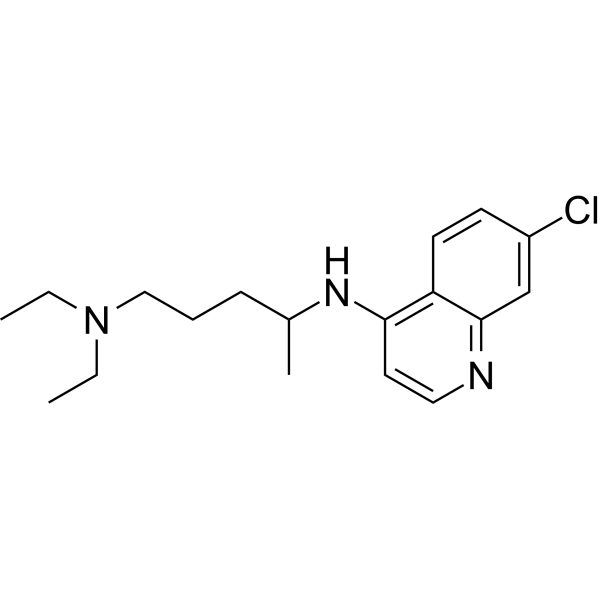 0 ImagesChloroquine is an antimalarial and anti-inflammatory agent widely used to treat malaria and rheumatoid arthritis. Chloroquine is an autophagy and toll-like receptors (TLRs) inhibitor. Chloroquine is highly effective in the control of SARS-CoV-2 (COVID-19) infection in vitro (EC50=1.13 μM).
-
Doxorubicin hydrochloride
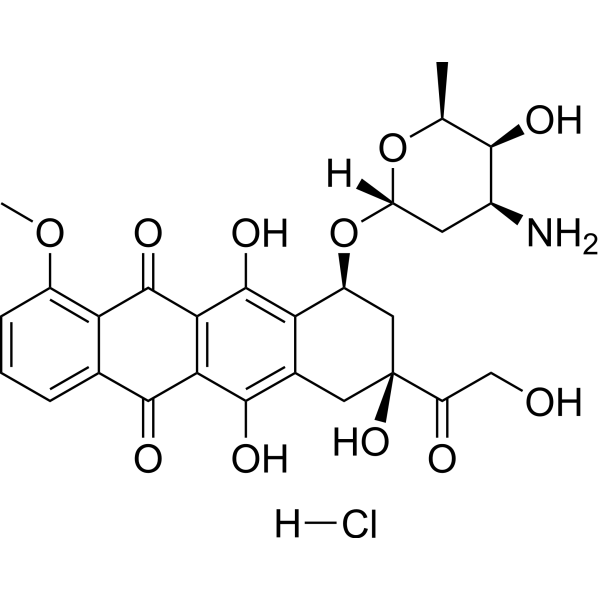 0 Images別名: Hydroxydaunorubicin hydrochloride; ADRDoxorubicin hydrochloride (Hydroxydaunorubicin hydrochloride; ADR), a cytotoxic anthracycline antibiotic, is an anti-cancer chemotherapy agent. Doxorubicin hydrochloride is a potent human DNA topoisomerase I and topoisomerase II inhibitor with IC50s of 0.8 μM and 2.67 μM, respectively. Doxorubicin hydrochloride reduces basal phosphorylation of AMPK and its downstream target acetyl-CoA carboxylase. Doxorubicin hydrochloride induces apoptosis and autophagy.
-
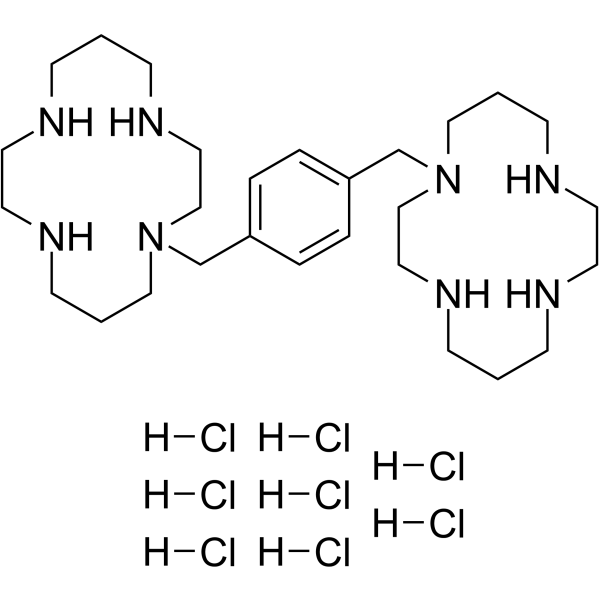
Plerixafor
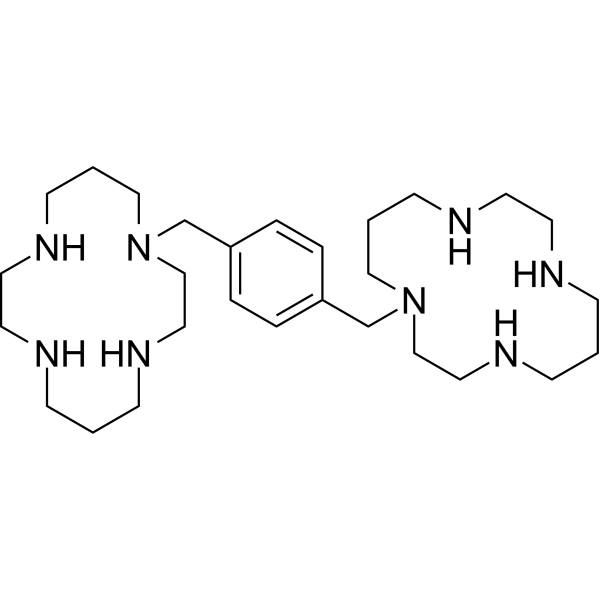 0 Images別名: AMD 3100; JM3100; SID791
-
Panobinostat
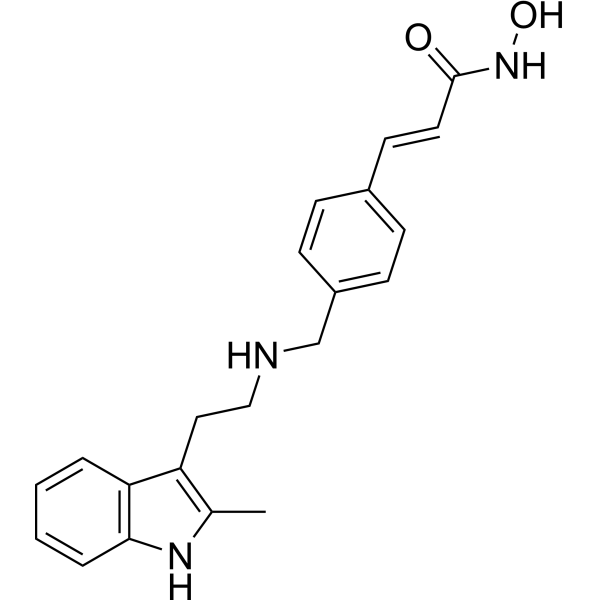 0 Images別名: LBH589; NVP-LBH589; MTX 110Panobinostat (LBH589; NVP-LBH589) is a potent and orally active non-selective HDAC inhibitor, and has antineoplastic activities. Panobinostat induces HIV-1 virus production even at low concentration range 8-31 nM, stimulates HIV-1 expression in latently infected cells. Panobinostat induces cell apoptosis and autophagy. Panobinostat can be used for the study of refractory or relapsed multiple myeloma.
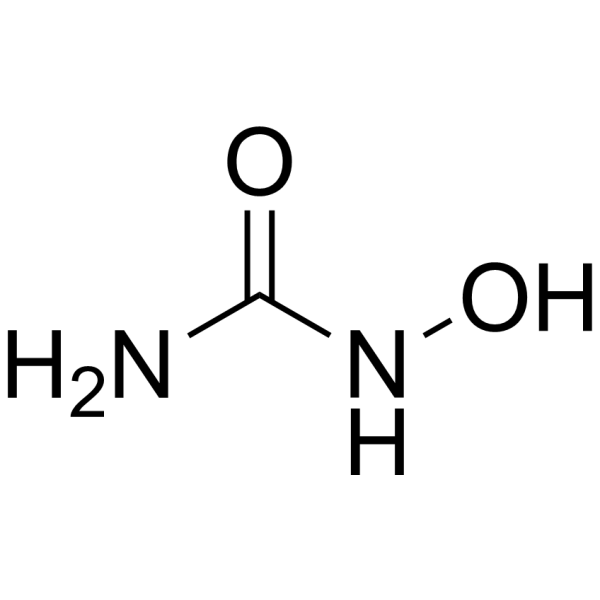
-
Efavirenz
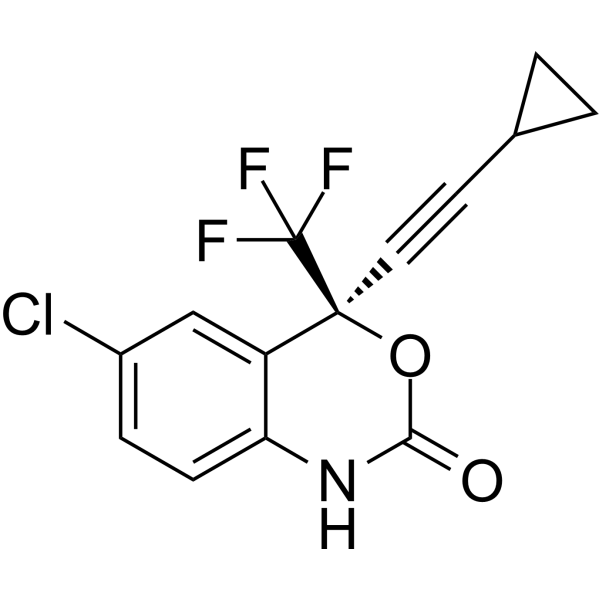 0 Images別名: DMP 266; EFV; L-743726Efavirenz (DMP 266) is a potent inhibitor of the wild-type HIV-1 reverse transcriptase with a Ki of 2.93 nM and exhibits an IC95 of 1.5 nM for the inhibition of HIV-1 replicative spread in cell culture.
-
Miltefosine
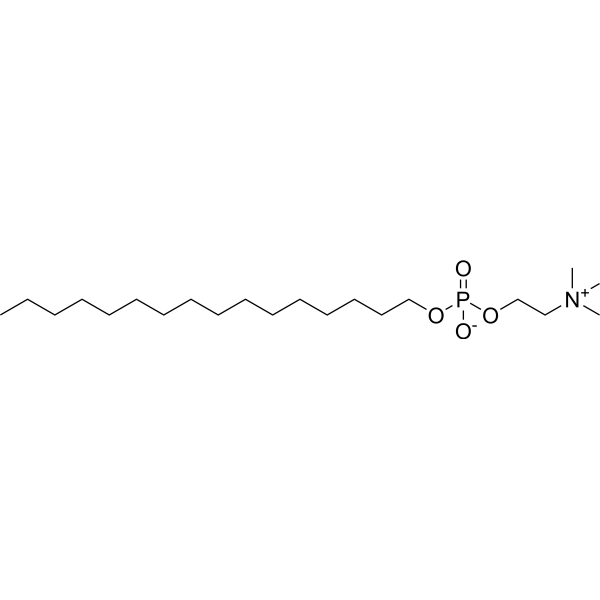 0 Images別名: HePC; Hexadecyl phosphocholineMiltefosine is a broad spectrum antimicrobial, anti-leishmanial, phospholipid agent acting by inhibiting the PI3K/Akt activity. Miltefosine is an inhibitor of CTP-phosphocholine cytidyltransferase (CCT).
-
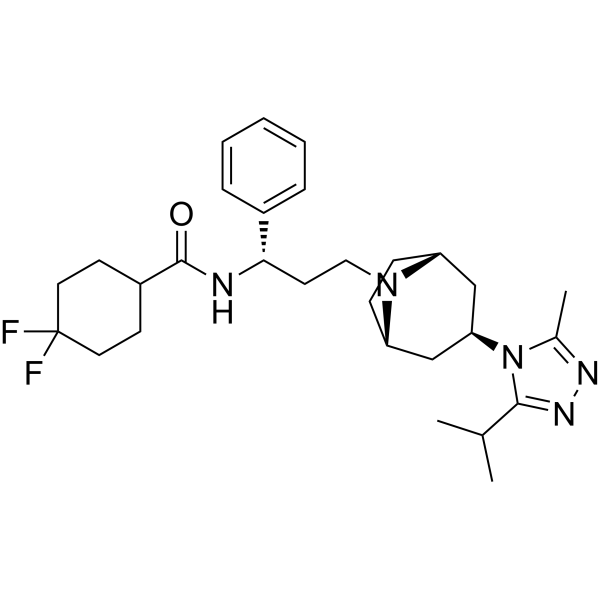
Chloroquine phosphate
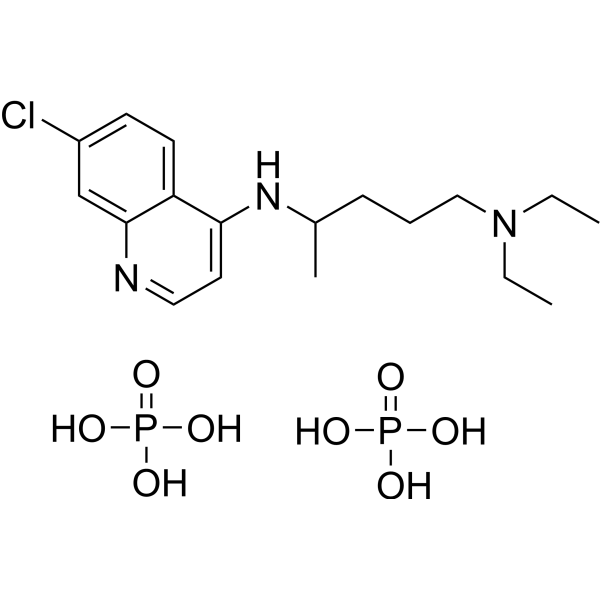 0 ImagesChloroquine phosphate is an antimalarial and anti-inflammatory agent widely used to treat malaria and rheumatoid arthritis. Chloroquine phosphate is an autophagy and toll-like receptors (TLRs) inhibitor. Chloroquine phosphate is highly effective in the control of SARS-CoV-2 (COVID-19) infection in vitro (EC50=1.13 μM).
-
CK-666
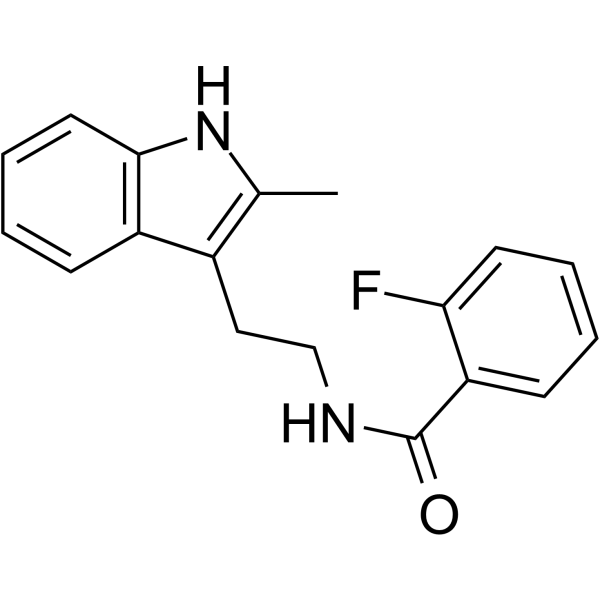 0 ImagesCK-666 is a cell-permeable actin-related protein Arp2/3 complex inhibitor (IC50=12 μM). CK-666 binds to Arp2/3 complex, stabilizes the inactive state of the complex, blocking movement of the Arp2 and Arp3 subunits into the activated filament-like (short pitch) conformation.
-
Ivermectin
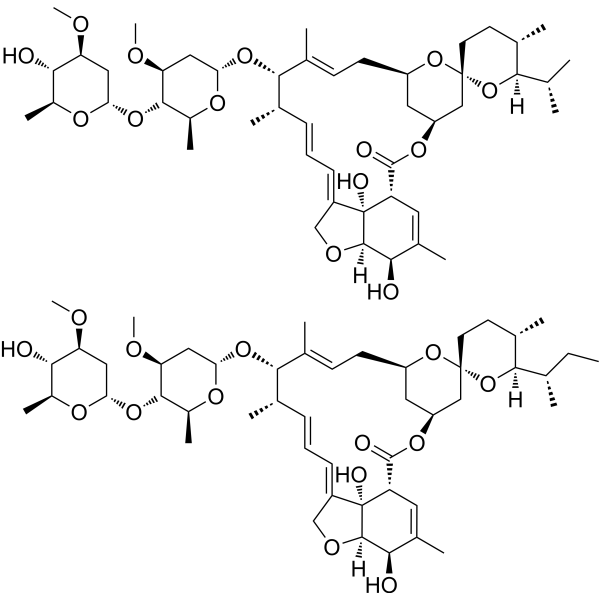 0 Images別名: MK-933; CD-5024; K-237Ivermectin (MK-933) is a broad-spectrum anti-parasite agent. Ivermectin (MK-933) is a specific inhibitor of Impα/β1-mediated nuclear import and has potent antiviral activity towards both HIV-1 and dengue virus. It is a positive allosteric effector of P2X4 and the α7 neuronal nicotinic acetylcholine receptor (nAChRs). Ivermectin also inhibits bovine herpesvirus1 (BoHV-1) replication and inhibits BoHV-1 DNA polymerase nuclear import. Ivermectin is a candidate therapeutic against SARS-CoV-2/COVID-19.
-
Ebselen
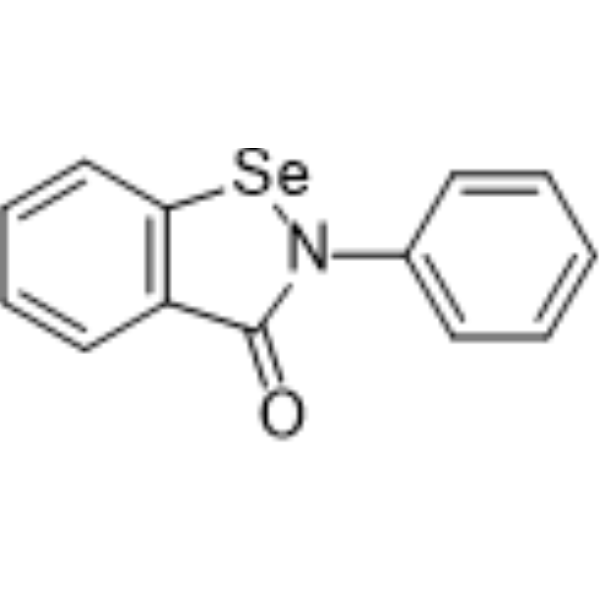 0 Images別名: SPI-1005; PZ-51; CCG-39161Ebselen (SPI-1005), a glutathione peroxidase mimetic, is a potent voltage-dependent calcium channel (VDCC) blocker. Ebselen potently inhibits Mpro (IC50=0.67 μM) and COVID-19 virus (EC50=4.67 μM).Ebselen is an inhibitor of HIV-1 capsid CTD dimerization. Ebselen, an organoselenium compound, can permeate the blood-brain barrier and has anti-inflammatory, antioxidant and anticancer activity.
-
Scutellarin
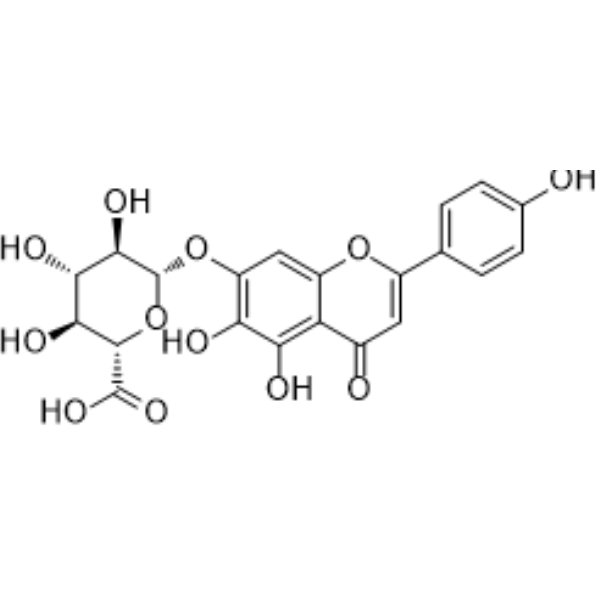 0 ImagesScutellarin, an active flavone isolated from Scutellaria baicalensis, can down-regulates the STAT3/Girdin/Akt signaling in HCC cells, and inhibits RANKL-mediated MAPK and NF-κB signaling pathway in osteoclasts. Scutellarin is active against HIV-1IIIB, HIV-1(74V) and HIV-1KM018 with EC50s of 26 μM, 253 μM and 136 μM, respectively.
-
Zidovudine
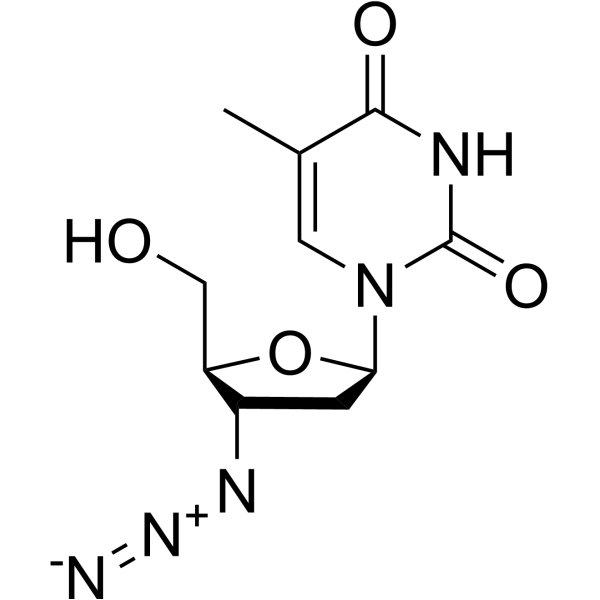 0 Images別名: Azidothymidine; AZT; ZDVZidovudine is a nucleoside reverse transcriptase inhibitor (NRTI), widely used to treat HIV infection.
-
Betulinic acid
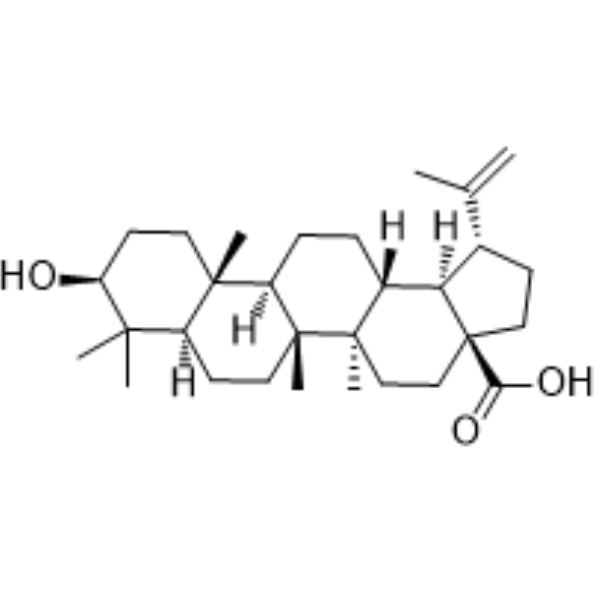 0 ImagesBetulinic acid is a natural pentacyclic triterpenoid, acts as a eukaryotic topoisomerase I inhibitor, with an IC50 of 5 μM, and possesses anti-HIV, anti-malarial, anti-inflammatory and anti-tumor properties. Betulinic acid can cross the blood-brain barrier.
-
ONX-0914
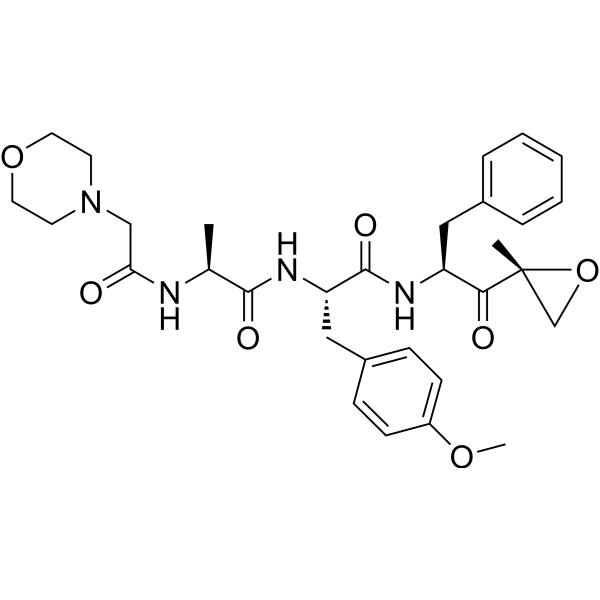 0 Images別名: PR-957ONX-0914 (PR-957) is a selective inhibitor of low-molecular mass polypeptide-7 (LMP7), the chymotrypsin-like subunit of the immunoproteasome. ONX-0914 blocks cytokine production and attenuates progression of experimental arthritis. ONX-0914 is a noncompetitive irreversible inhibitor of the mycobacterial proteasome (Ki=5.2 μM). ONX-0914 reactivates latent HIV-1 through p-TEFb activation mediated by HSF-1.
-
Rottlerin
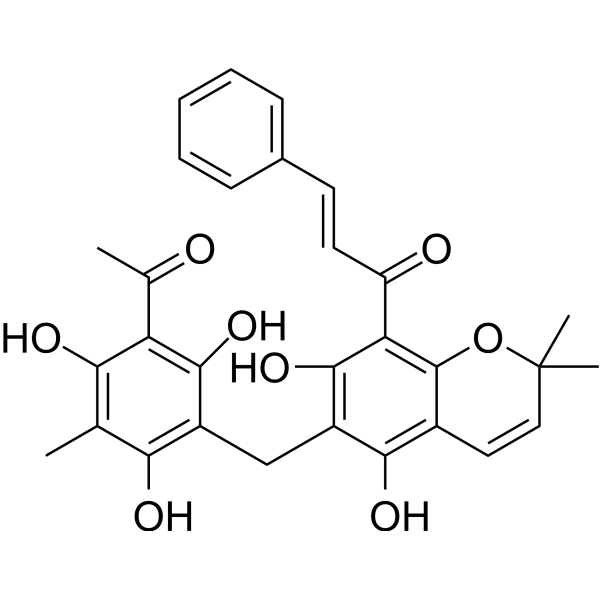 0 ImagesRottlerin, a natural product purified from Mallotus Philippinensis, is a specific PKC inhibitor, with IC50 values for PKCδ of 3-6 μM, PKCα,β,γ of 30-42 μM, PKCε,η,ζ of 80-100 μM. Rottlerin acts as a direct mitochondrial uncoupler, and stimulates autophagy by targeting a signaling cascade upstream of mTORC1. Rottlerin induces apoptosis via caspase 3 activation. Rottlerin inhibits HIV-1 integration and Rabies virus (RABV) infection.
-
Tenofovir
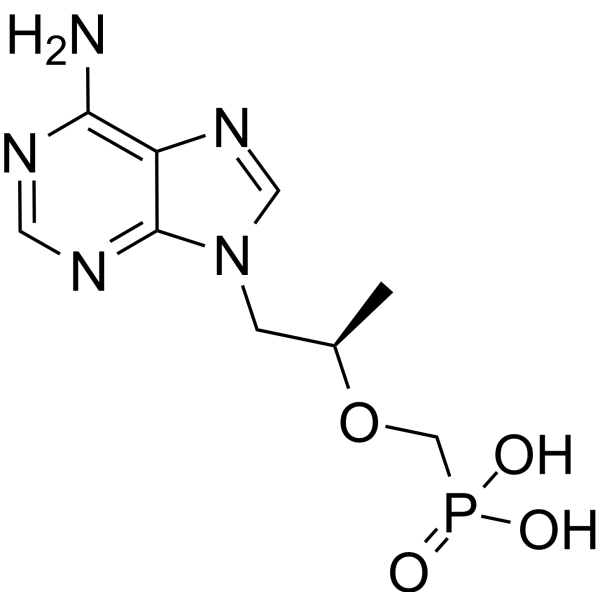 0 Images別名: GS 1278; PMPATenofovir (GS 1278; PMPA) is a nucleotide reverse transcriptase inhibitor to treat HIV and chronic Hepatitis B (HBV).
-
α-Lipoic Acid
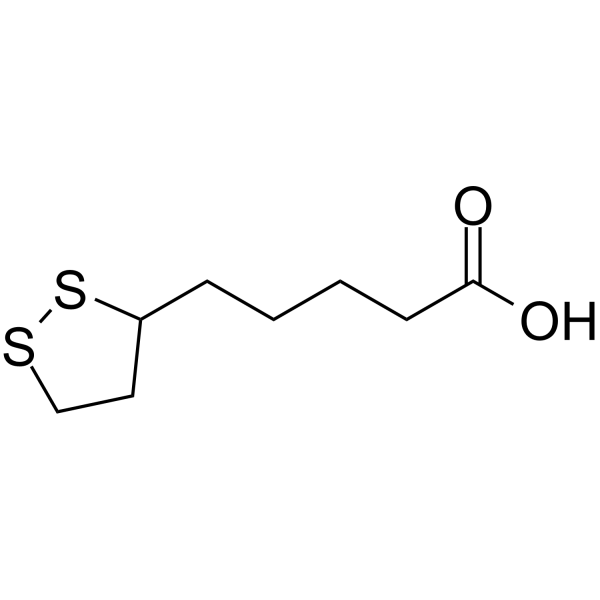 0 Imagesα-Lipoic Acid (Thioctic acid) is an antioxidant, which is an essential cofactor of mitochondrial enzyme complexes. α-Lipoic Acid inhibits NF-κB-dependent HIV-1 LTR activation. α-Lipoic Acid induces endoplasmic reticulum (ER) stress-mediated apoptosis in hepatoma cells. α-Lipoic Acid can be used with CPUL1 (HY-151802) to construct the self-assembled nanoaggregate CPUL1-LA NA, which has improved antitumor efficacy than CPUL1.



