



Chelators
Chelators refer to a class of compounds capable of forming complexes with metal ions. They contain two or more ligands that react with metal ions to form stable chelates. Typically, chelators possess multiple functional groups, such as quaternary ammonium and amino groups, which can encapsulate metal ions within the molecule. This encapsulation reduces the catalytic performance of metal ions, thereby mitigating their influence on reactions.
Chelators are widely used in the fields of pharmaceutical preparations, cosmetics and food to regulate pH values and enhance stability.
- Formula: C14H24N2O10
- Molecular Weight: 380.35
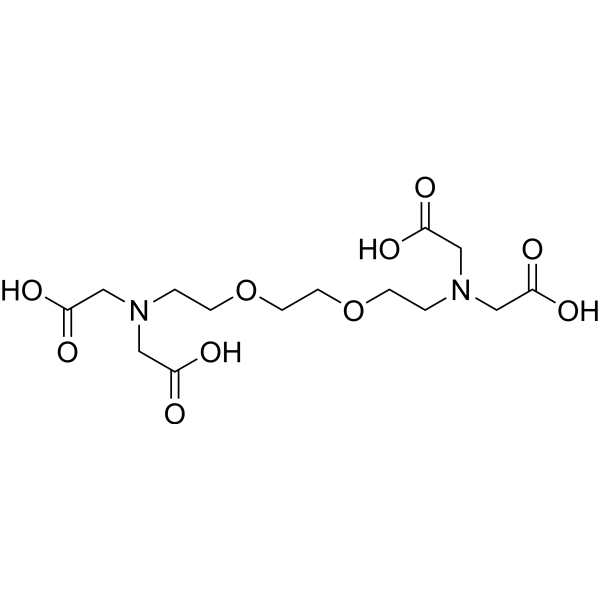
EGTA is a cell-impermeant specific calcium ion chelator. EGTA has an apparent calcium dissociation constant (Kd) of 60.5 nM at physiological pH (7.4) and has very high specificity for Ca2+ over Mg2+ (Mg2+ Kd 1-10 mM). EGTA significantly inhibits the substrate adherence capacity of inflammatory macrophages.
- Formula: C10H16N2O8
- Molecular Weight: 292.24
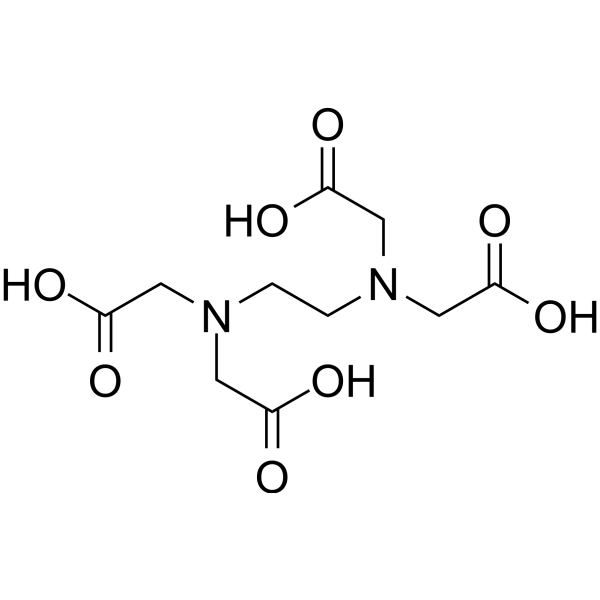
Ethylenediaminetetraacetic acid (EDTA) is a kind of metal chelating agent (binds to bivalent and trivalent metal cations, including calcium). Ethylenediaminetetraacetic acid has antibacterial, anti-inflammatory, antioxidant, anti-hypercalcemia and anticoagulant activities. Ethylenediaminetetraacetic acid decreases the metal ion-catalyzed oxidative damage to proteins, and allows maintenance of reducing environment during protein purification. Ethylenediaminetetraacetic acid can alleviate the liver fibrosis. Ethylenediaminetetraacetic acid can be used for coronary artery disease and neural system disease research.
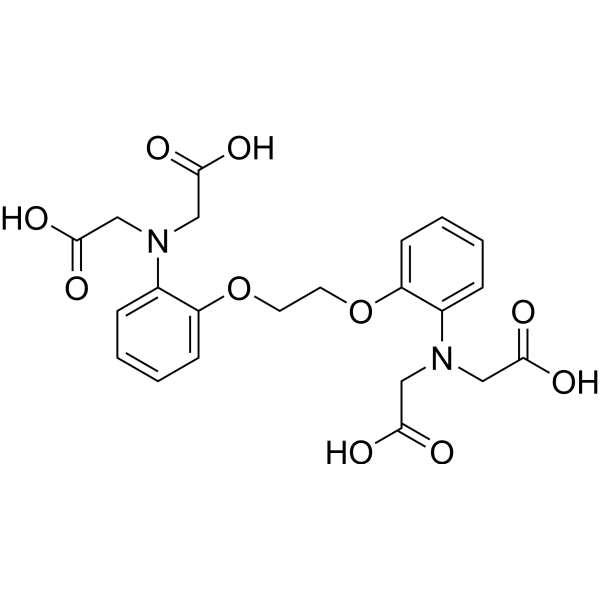
- Formula: C22H24N2O10
- Molecular Weight: 476.43
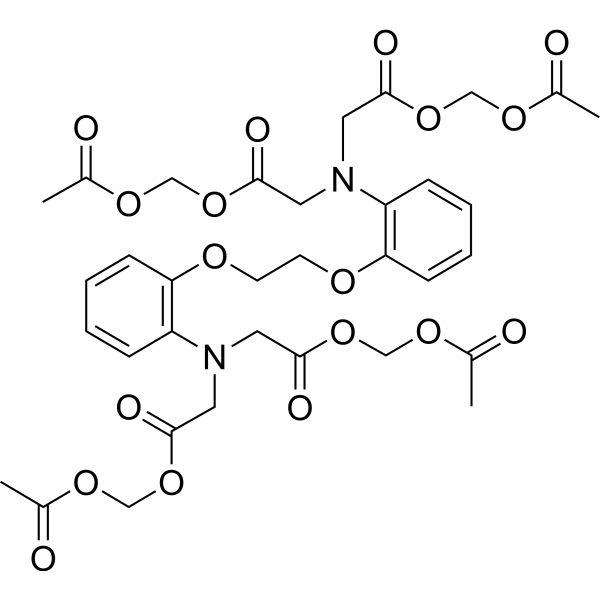
BAPTA is a selective and cell-impermeant chelator for calcium. BAPTA has high selectivity against magnesium and calcium. BAPTA can also inhibit phospholipase C activity independently of their role as Ca2+ chelators.
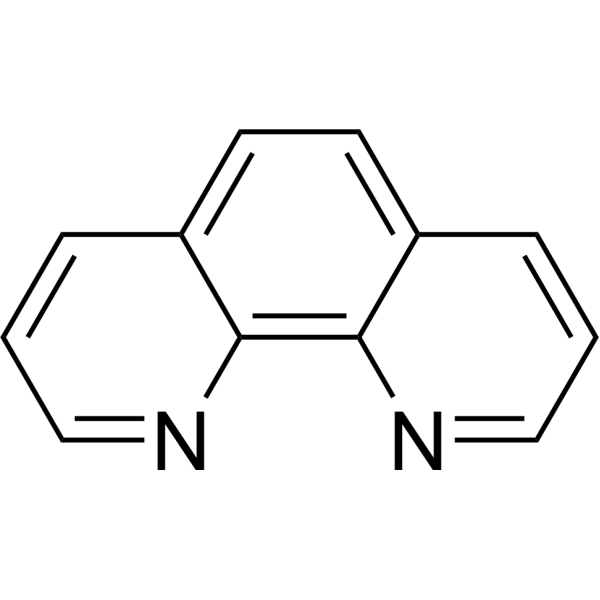
- Formula: C12H8N2
- Molecular Weight: 180.21
o-Phenanthroline (1,10-Phenanthroline), a metal chelator, prevents the induction of chromosomal aberrations in streptozotocin-treated cells. o-Phenanthroline (1,10-Phenanthroline) forms a red chelate with Fe2+ that absorbs maximally at 510 nm. o-Phenanthroline (1,10-Phenanthroline) is also a MMP inhibitor.
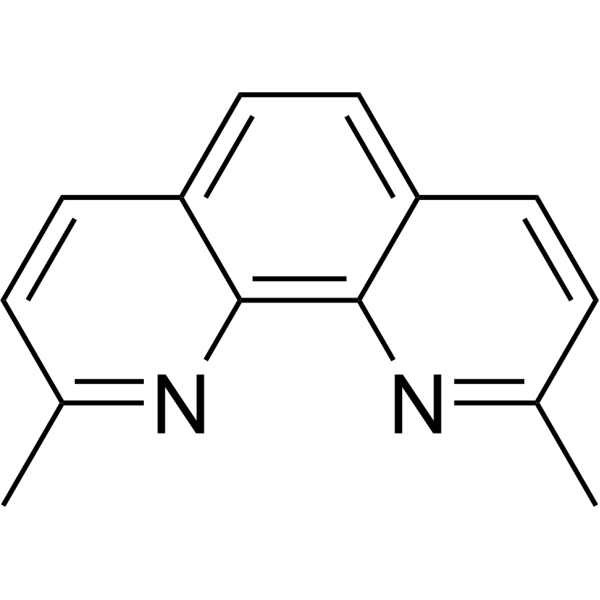
- Formula: C14H12N2
- Molecular Weight: 208.26
Neocuproine is an organic compound commonly used as a complexing reagent and copper ion detector. It can form stable complexes with copper ions, and can play a catalytic role in certain chemical reactions and analytical methods. In addition, this compound is also widely used in some biomedical fields, such as in the study of copper metabolism disorders and neurodegenerative diseases
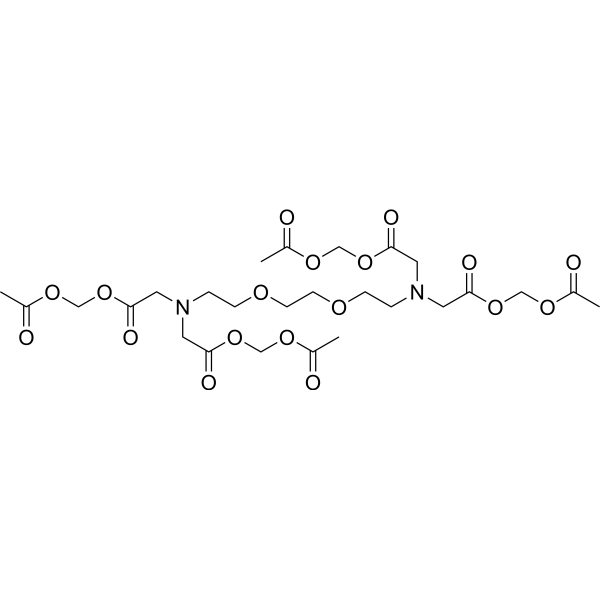

- Formula: C10H14N2Na2O8
- Molecular Weight: 336.21
EDTA disodium salt, also known as ethylenediaminetetraacetic acid disodium, belongs to the chelating agent category, which is formed by chelating a central metal ion with four carboxylate groups and two amine groups. This compound, with its ability to bind and chelate metal ions such as calcium, magnesium and iron, is commonly used in a variety of applications, including industrial, medical and research settings. It is used as a preservative in food and beverage, as a stabilizer in medicine, as a chelating agent in water treatment, and as a reagent in biochemical and biomedical research. In addition, EDTA disodium salt has been studied for potential research effects such as improving heavy metal poisoning and cardiovascular disease.
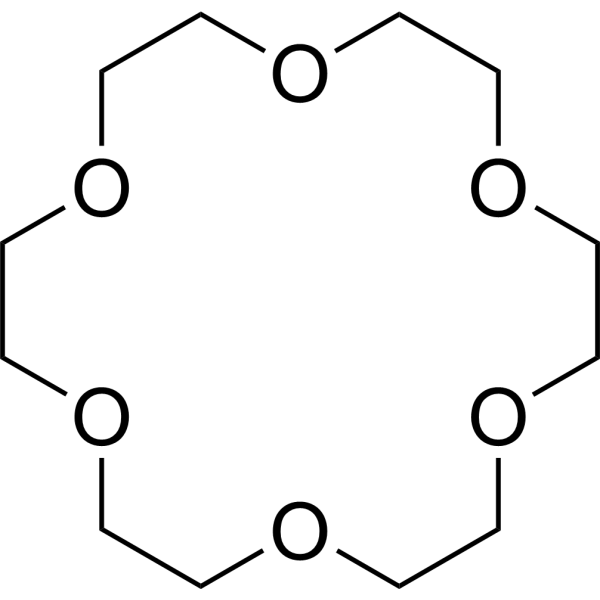
- Formula: C12H24O6
- Molecular Weight: 264.32
18-Crown-6-ether is a type of crown ether compound and a specific structure dissociating agent. 18-Crown-6-ether can compete with K+ for binding to G-quadruplexes, disrupting their stable structure to regulate the functions of related systems. 18-Crown-6-ether combines with K+ and other metal ions to achieve precise ion transmembrane transport. 18-Crown-6-ether can act as an "susceptibility substrate" for the multi-drug efflux pump EmrE (a bacterial multidrug resistance transporter), ultimately inhibiting bacterial growth. 18-Crown-6-ether can be used in microcapsule controlled release and the research on developing antibacterial enhancers.

- Formula: NaOOCCOONa
- Molecular Weight: 134.00
Sodium oxalate is an orally active dispersant and coordination agent. Sodium oxalate causes mitochondrial dysfunction. Sodium oxalate has catalytic enhancing activity. Sodium oxalate induces stable chronic kidney disease. Sodium oxalate induces highly malignant and undifferentiated breast tumors.
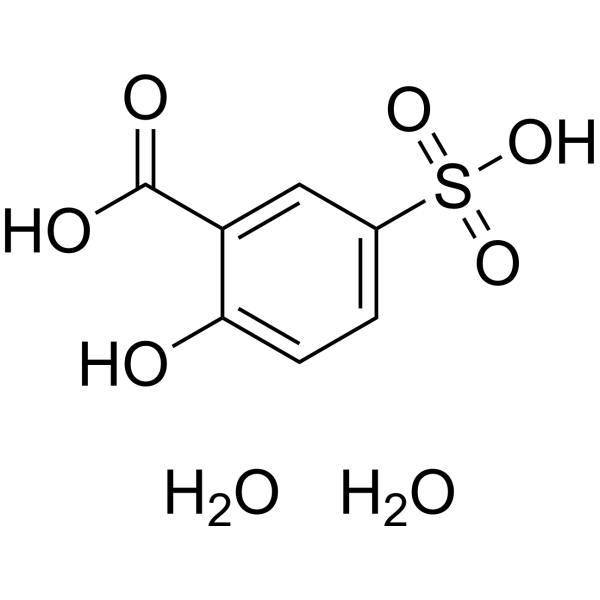
- Formula: C7H10O8S
- Molecular Weight: 254.21
5-Sulfosalicylic acid dihydrate is a sulfonated salicylic acid derivative. 5-Sulfosalicylic acid dihydrate is effective against the breast cancer cell line, MCF-7, with less toxicity. 5-Sulfosalicylic acid dihydrate has antioxidant activities.
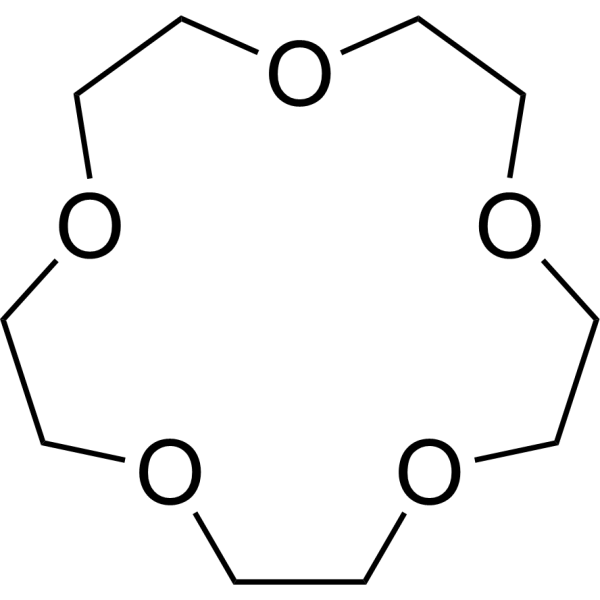
- Formula: C10H20O5
- Molecular Weight: 220.26
15-Crown-5 is a biochemical reagent that can be used as a biological material or organic compound for life science related research.
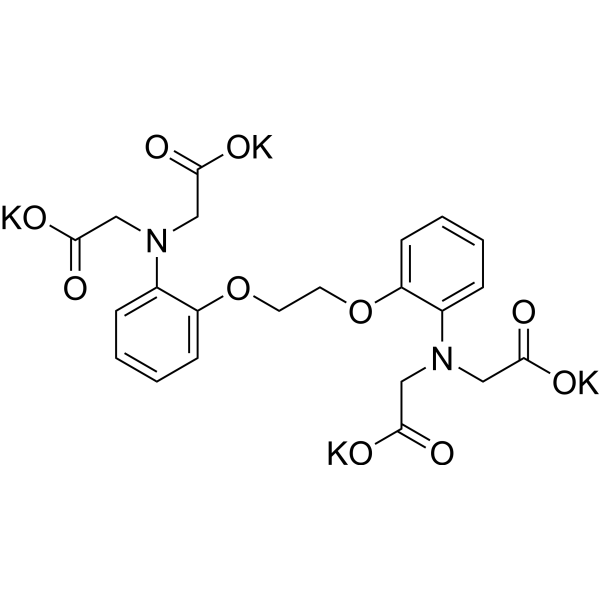
- Formula: C22H20K4N2O10
- Molecular Weight: 628.79
BAPTA tetrapotassium is a selective and cell-impermeant chelator for calcium. BAPTA has high selectivity against magnesium and calcium. BAPTA tetrapotassium can also inhibit phospholipase C activity independently of their role as Ca2+ chelators.
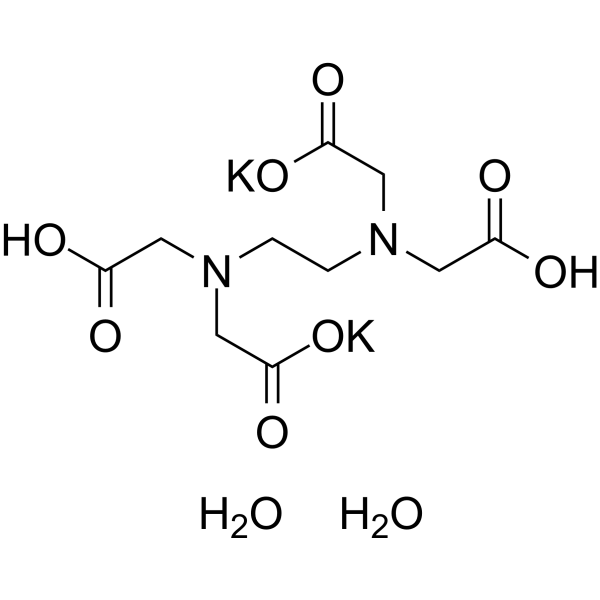
- Formula: C10H18K2N2O10
- Molecular Weight: 404.45
EDTA dipotassium dihydrate is a metal ion chelator that forms stable and water-soluble chelates with a variety of metal ions. EDTA dipotassium is commonly used as a blood anticoagulant, which can effectively prevent blood coagulation and maintain the morphology and function of cells in blood samples. In the industrial field, EDTA dipotassium can be used to remove the adverse effects of metal ions and prevent oxidation and deterioration caused by metal ions.
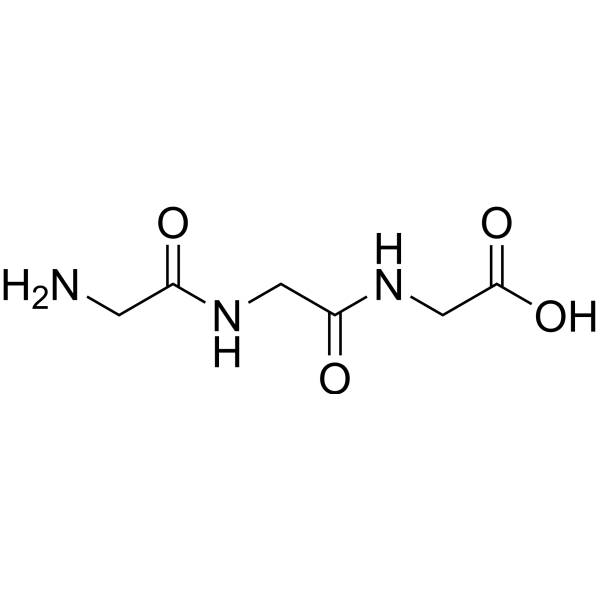
- Formula: C6H11N3O4
- Molecular Weight: 189.17
H-Gly-Gly-Gly-OH, also known as Triglycine, is a tripeptide composed of glycine, glycine and glycine, which are linked by peptide bonds. Often used as a model compound in the study of protein structure and function. Glycylglycylglycine also acts as a neurotransmitter in the central nervous system and has been shown to have antioxidant properties. Furthermore, it may have potential research roles in various diseases such as cancer, diabetes and neurodegenerative diseases.

- Formula: C5H16NNaO3S2
- Molecular Weight: 225.31
Sodium diethylcarbamodithioate (Ditiocarb sodium) trihydrate is a copper reagent. The reaction with Cu2+ solution resulted in the formation of a complex, which increased the copper displacement precipitation rate. Sodium diethylcarbamodithioate trihydrate can reduce HIV infection and can be used in adjuvant immune research of high-risk breast cancer.
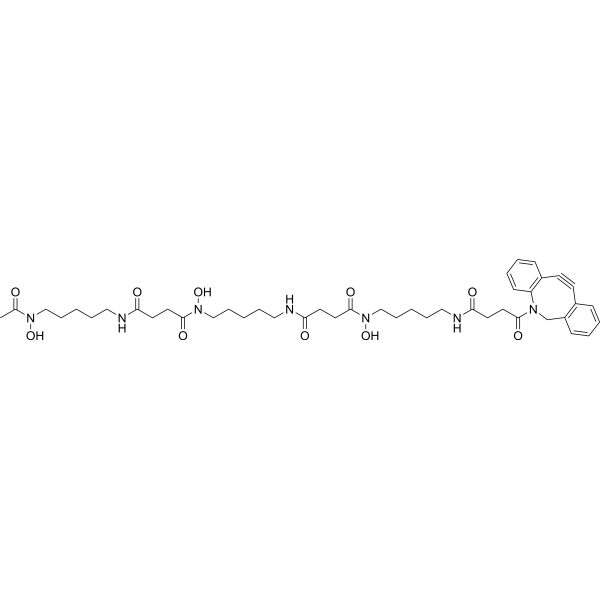
- Formula: C44H61N7O10
- Molecular Weight: 848.00
Deferoxamine-DBCO is a bifunctional chelating agent. Deferoxamine-DBCO efficiently chelates with radioactive metals (such as 89Zr) through the DFO structure to achieve radiolabeling. Deferoxamine-DBCO undergoes a metal-free Huisgen cycloaddition reaction with azide-containing biomolecules (such as siRNA, monoclonal antibodies) under bioorthogonal conditions through the DBCO structure to achieve targeted coupling. Deferoxamine-DBCO has efficient metal chelating ability and specific bioorthogonal reaction activity. Deferoxamine-DBCO can be used for targeted radioactive imaging studies of tumors.
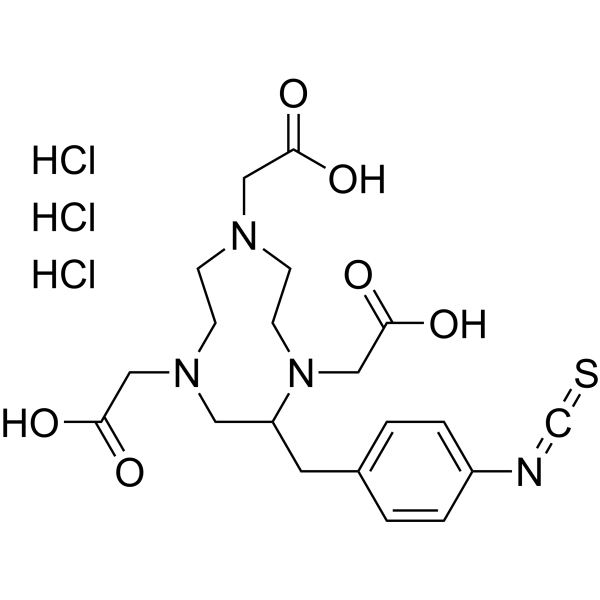
- Formula: C20H29Cl3N4O6S
- Molecular Weight: 559.89
p-SCN-Bn-NOTA trihydrochloride is a macrocyclic chelator. p-SCN-Bn-NOTA trihydrochloride can be covalently coupled to molecules such as peptides through the thiocyanate group to form hexacoordinate copper (such as 64Cu) complexes. p-SCN-Bn-NOTA trihydrochloride specifically binds to GRPR or EGFR highly expressed on the surface of tumor cells, mediating tumor enrichment of radioactive probes. p-SCN-Bn-NOTA trihydrochloride can be used to study malignant tumors expressing GRPR or EGFR, such as prostate cancer and colorectal cancer.
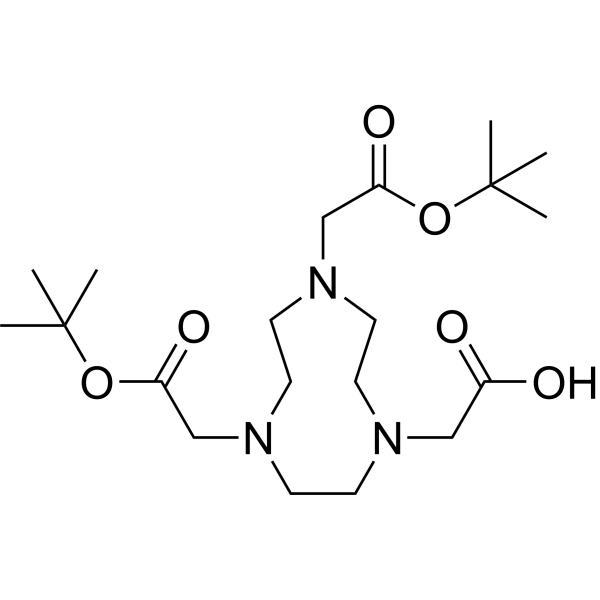
- Formula: C20H37N3O6
- Molecular Weight: 415.52
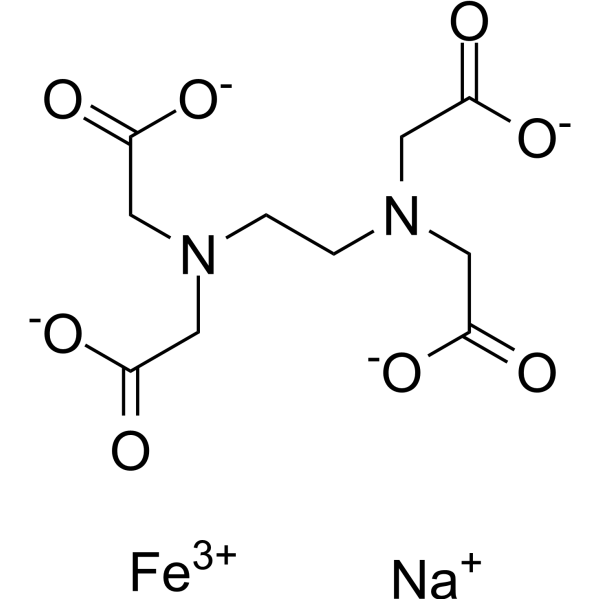
- Formula: C10H12FeN2NaO8
- Molecular Weight: 367.05
EDTA iron sodium (Ethylenediaminetetraacetic acid iron sodium) is an orally active food fortifier and iron chelate. EDTA iron sodium provides absorbable iron during consumption of fortified soy sauce, rice-based meals, or complementary foods made from high-phytate grains. EDTA iron sodium increases serum iron levels for up to 4 h, and total non-heme iron levels in the liver also rise with increasing doses. EDTA iron sodium is applicable to research on iron deficiency anemia and lymphoma.



