




Alzheimer's disease (AD) is a complex neurodegenerative disease driven by multiple pathological processes. Over the past few decades, treatment strategies centered on amyloid-β (Aβ) clearance have advanced disease-modifying therapy and led to the clinical application of anti-Aβ monoclonal antibodies. However, although Aβ-targeted therapy can significantly reduce amyloid plaque burden in the brain, its cognitive benefits remain limited, suggesting that targeting a single pathological pathway is insufficient to reverse AD progression[1]. Increasing evidence indicates that Aβ deposition, aberrant tau propagation, neuroinflammation, synaptic damage, and vascular dysfunction interact to form a pathogenic network. Therefore, AD treatment is gradually shifting from a "single-target clearance" toward "multi-pathological synergistic regulation", with disease stage, biomarker characteristics, and individual pathological differences increasingly informing precise combination therapies targeting multiple key pathological nodes[2].
This article summarizes how anti-Aβ therapy has reshaped the AD therapeutic landscape, discusses emerging evidence supporting multi-pathology combination therapy, and highlights recent advances in biomarker-guided precision treatment.
- Success and Limitations of the Single-Target Era
- Key Nodes Linking Multiple Pathological Pathways
- Clinical Translation of Precise Stratification and Combination Therapy

Figure 1. The amyloid hypothesis of Alzheimer disease[3].
Over the past three decades, AD drug development has largely centered on the Aβ cascade hypothesis, with strategies designed to reduce Aβ production, inhibit aggregation, or promote clearance. Although early anti-Aβ strategies failed to yield significant cognitive benefits in clinical trials, continuous mechanistic optimization ultimately led to the development of anti-Aβ monoclonal antibodies. Aducanumab, Lecanemab, and Donanemab have reduced amyloid plaque burden and modestly slowed clinical progression in early AD, providing the first evidence that disease-modifying effects can be achieved in this disorder[3].
Clinical experience with Aβ-targeted therapy has also clarified the limitations of single-target strategies. First, Aβ deposition typically begins more than a decade before symptom onset, whereas cognitive decline is more closely associated with tau spread, synaptic dysfunction, and neuronal loss. Clearing Aβ alone is therefore unlikely to reverse an established neurodegenerative process. Second, AD is not driven by a single molecular abnormality, but by interactions among Aβ, tau, neuroinflammation, vascular dysfunction, and metabolic alterations. Although anti-Aβ therapy can reduce a major pathological burden, it does not directly address parallel or downstream processes, which may help explain its limited clinical benefits. Thus, the success of Aβ clearance both validates the targeting of key pathological nodes and points toward a broader strategy: coordinated modulation of multiple disease-driving networks. Rather than disproving the amyloid hypothesis, these findings suggest that amyloid removal alone may be insufficient once downstream pathological cascades become self-sustaining.
These findings do not indicate the end of single-target approaches. Rather, they suggest that future strategies should integrate interventions across multiple validated pathological targets, shifting the focus from isolated pathological clearance toward modulation of disease-driving molecular networks[4].

Figure 2. Select mechanisms by which the innate and adaptive immune responses modulate AD pathology[5].
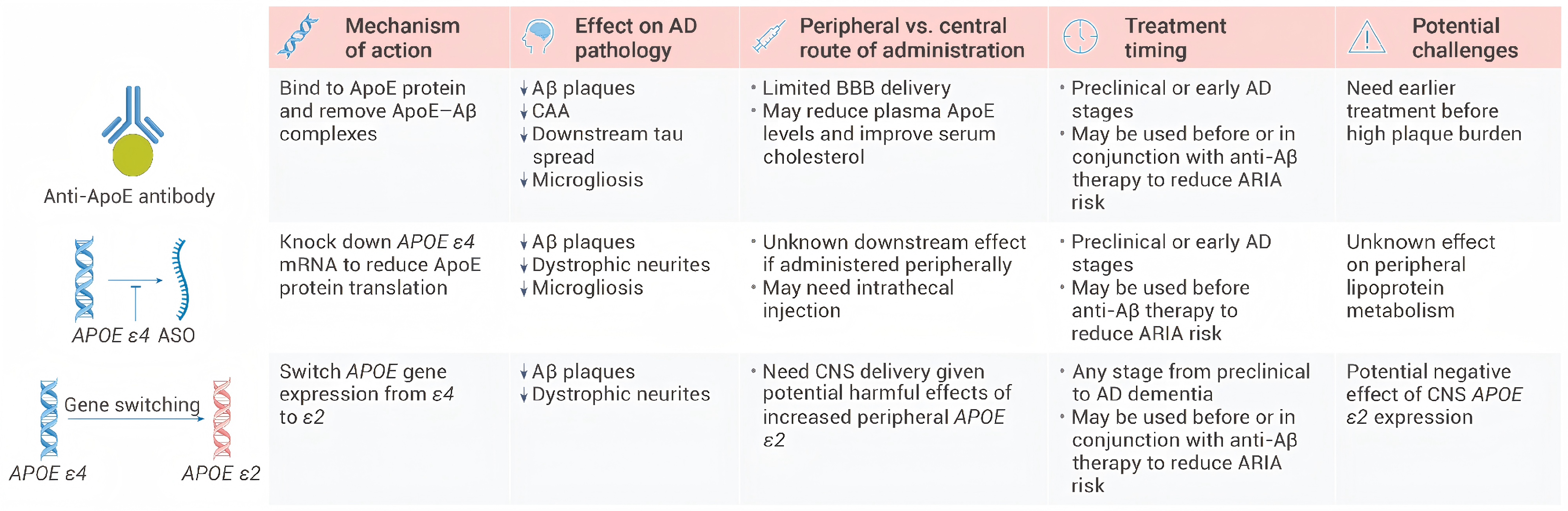
Figure 3. Overview of APOE-targeted therapies[4].
For many years, APOE ε4 has been recognized as a major genetic risk factor for sporadic AD. More recent research has positioned APOE as a pathogenic network hub linking Aβ, tau, neuroinflammation, and cerebrovascular dysfunction. APOE4 not only impairs Aβ clearance but also promotes tau aggregation and propagation and sustains microglial activation by altering cholesterol metabolism, lysosomal function, and blood-brain barrier integrity. APOE therefore acts across multiple stages of disease progression, extending beyond its established role in amyloid deposition. Mechanistic studies further indicate that APOE3 Christchurch modulates microglial responses and suppresses Aβ-induced tau seeding and propagation, providing strong human genetic evidence that APOE functions upstream of several interconnected pathological pathways rather than solely through amyloid metabolism.
These findings have stimulated the development of APOE-targeted therapies. For instance, LX1001 (AAV-mediated APOE2 gene replacement) and antisense oligonucleotides (ASOs) targeting APOE4 have entered preclinical and early clinical investigation. These approaches aim to reduce toxic APOE4-associated effects or restore the protective functions of APOE2, with the potential to influence Aβ deposition, neuroinflammation, and neuronal injury rather than a single pathological marker. Recent work also suggests that interventions may need to account for cell-type-specific APOE4 functions in astrocytes, microglia, and neurons, moving the field from a general risk gene framework toward more precisely defined combination strategies.

Figure 4. Local neuronal and immune cell interactions in Alzheimer disease[6].
Neuroinflammation is increasingly recognized as a key contributor to AD progression. Aβ deposition can activate microglia and induce chronic inflammatory signaling through pathways involving TREM2, the NLRP3 inflammasome, and the complement system, thereby promoting aberrant tau phosphorylation, synaptic loss, and neuronal injury. Genetic studies have further shown that loss-of-function variants in TREM2 increase AD risk. TREM2 regulates not only microglial phagocytosis and Aβ clearance but also lipid metabolism and cellular energy homeostasis, making it an important link among Aβ pathology, neuroinflammation, and neurodegeneration. The NLRP3 inflammasome serve as an amplifier of inflammatory signaling by promoting the release of cytokines such as IL-1β and facilitating tau propagation. Clinical experience, however, underscores the complexity of immune modulation. Despite encouraging preclinical findings, the phase II trial of the TREM2 agonist AL002 failed to achieve its primary endpoint, suggesting that response may depend on disease stage, immune status, and patient stratification. These observations have shifted attention from generalized immune activation toward context-dependent modulation of neuroimmune responses[6].
A notable recent advance is the identification of clonally expanded CD8+ T cells in the AD brain. Studies have detected antigen-specific CD8+ T cell clones associated with tau pathology, with clonal expansion occurring after CXCL16-CXCR6-mediated trafficking to the cerebrospinal fluid[7].
cDC1 cells can take up and present tau-related antigens, activate CD8+ T cells, and support their sustained expansion, thereby intensifying intracerebral inflammation and tau pathology. Conversely, genetic deletion or pharmacological inhibition of cDC1 has been reported to reduce tau deposition, attenuate neuroinflammation, and limit neuronal injury. Together, these findings support a mechanistic framework involving a cDC1-CD8+ T-cell axis in AD and broaden the study of neuroinflammation from microglia-centered innate immunity to interactions between innate and adaptive immune responses.
These studies expand current models of AD pathogenesis and suggest additional avenues for combination research. Strategies that pair anti-Aβ approaches with TREM2 modulation, NLRP3 inhibition, or blockade of CD8+ T-cell recruitment may enable coordinated intervention across proteinopathy, neuroinflammation, and peripheral immune dysregulation. Their value will likely depend on disease stage and the underlying immune context.
Abnormal lipid metabolism is increasingly recognized as a pathological node linking Aβ, tau, and neuroinflammation, rather than simply a secondary feature of AD. APOE4 can drive lipid metabolic reprogramming in microglia, leading to the accumulation of cholesterol esters and lipid droplets. These changes impair Aβ phagocytosis, sustain inflammatory signaling, and promote tau propagation. The immunoregulatory oxysterol 25-hydroxycholesterol (25-HC) can further activate the NLRP3 inflammasome, creating a positive feedback loop between lipid dysregulation and neuroinflammation. These findings suggest that restoring lipid homeostasis may influence several pathological processes simultaneously[8].
Based on this framework, research is moving beyond simple lipid reduction toward restoration of intracerebral lipid homeostasis and remodeling of the brain microenvironment. Activation of the LXR-ABCA1 pathway, enhancement of APOE lipidation, and promotion of cholesterol efflux may restore microglial lipid homeostasis, improve Aβ phagocytosis, and attenuate tau-related neurodegeneration. For example, LXR agonists such as GW3965 exert neuroprotective effects by reducing phosphorylated tau protein, while GLP-1 receptor agonists like Semaglutide may influence lipid metabolism, neuroinflammation, and brain energy homeostasis[9]. The glymphatic system is also closely linked to Aβ and tau clearance. Sleep disruption can reduce glymphatic clearance and exacerbate inflammatory responses, whereas gamma frequency stimulation (GENUS) can enhance brain lymphatic clearance and promote Aβ removal[10]. Together, these findings support a broader research framework that integrates lipid metabolism, the brain microenvironment, and protein clearance to address interconnected disease-driving networks.

Figure 5. Current and emerging AD biomarkers[5].
As disease-modifying therapies enter clinical practice, AD treatment strategies are shifting from diagnosed-based decisions toward biomarker-guided stratification. Plasma p-tau217 has emerged as a key biomarker for identifying AD pathology and predicting Aβ-PET positivity, supporting early detection, participant stratification, and assessment of eligibility for anti-Aβ therapy. MTBR-tau243 provides a more direct measure of neurofibrillary tangle burden. Plasma and CSF MTBR-tau243 levels increase in Aβ-positive mild cognitive impairment (MCI) and AD dementia, showing high consistency with tau-PET, with reported AUC values of 0.92-0.95. These findings support its potential role as a "T" biomarker within the A/T/(N) framework. Importantly, MTBR-tau243 may help identify individuals with relatively low tau burden, providing more refined enrollment criteria for trials combining anti-Aβ and anti-tau approaches[11].
Clinical trial findings support this stratification framework. In TRAILBLAZER-ALZ 2, patients with low or intermediate tau burden showed greater slowing of clinical decline with donanemab than those with high tau burden, suggesting that pathological staging may predict treatment response more effectively than clinical staging alone. These results support earlier intervention, more precise stratification, and biomarker-informed evaluation of combined approaches.
Following the clinical validation of anti-Aβ therapy, combination strategies have become a significant direction in AD drug development. The DIAN-TU Tau NexGen platform, for example, evaluates sustained Aβ lowering together with etalanetug (E2814), an antibody targeting the tau microtubule-binding region (MTBR), with the aim of addressing both Aβ deposition and tau propagation. A phase II study in sporadic AD has also used plasma p-tau217 for participant screening and CSF MTBR-tau243 as a pharmacodynamic endpoint, illustrating a shift from empirical combinations toward biomarker-informed study design. Beyond anti-Aβ plus anti-tau approaches, combinations involving APOE modulation, immune regulation, or metabolic intervention are being evaluated in preclinical and early clinical studies, reflecting a broader move toward coordinated intervention across multiple pathological pathways[12].
The development of combination approaches remains constrained by the efficiency and safety of transport across the blood-brain barrier. Transferrin receptor 1 (TfR1)-based brain-shuttle platforms offer one strategy for improving central nervous system exposure. Trontinemab uses an anti-Aβ/TfR1 bispecific antibody design to enhance brain delivery through TfR1-mediated transcytosis. Early studies have reported rapid amyloid clearance at lower doses and a lower observed incidence of amyloid-related imaging abnormalities. A global Phase III study has been initiated. More broadly, TfR-based shuttle platform are being extended to anti-tau bispecific antibodies and multi-antibody delivery, providing a technical basis for transporting anti-Aβ, anti-tau, and immunomodulatory agents into the brain and potentially broadening the therapeutic window for multi-pathology combination approaches[13].
Efficient transport across the blood-brain barrier will become increasingly important as treatment regimens evolve from single antibodies toward combinations of multiple biologic agents.
Anti-Aβ therapy has reshaped the AD treatment landscape by providing the first clinically validated disease-modifying strategy. However, accumulating evidence suggests that sustained clinical benefit may require coordinated intervention across multiple interconnected pathological pathways. Advances in biomarker-guided stratification, rational combination design, and brain delivery technologies are supporting a more precise framework in which interventions can be matched to disease biology and pathological stage rather than to a single hallmark.
Product Name | Cat. No. | Target | Description |
|---|---|---|---|
| Solanezumab | HY-P99317 | Amyloid-β | Slow the accumulation of amyloid protein in the brain |
| Crenezumab | HY-P99835 | Bind multiple forms of Aβ | |
| Aducanumab | HY-P9967 | Target aggregated (Aβ) | |
| Lecanemab (Mouse IgG2a) | HY-P990110 | Reduce cognitive decline | |
| Donanemab | HY-P99859 | Direct at an N-terminal pyroglutamate Aβ epitope |
Product Name | Cat. No. | Target | Description |
|---|---|---|---|
| EZ-482 | HY-103076 | APOE | Novel ligand of APOE |
| AL002 | HY-P991220 | TREM2 | Blood-brain barrier-permeable TREM2 modulator |
| GW3965 | HY-10627 | LXR | LXR agonist |
| Semaglutide | HY-114118 | GLP-1R | GLP-1R agonist |
| Etalanetug | HY-P990995 | Tau Protein | Inhibit the spread of pathological tau protein, can be used in combination with Lecanemab |
| Trontinemab | HY-P9999 | Amyloid-β/TFR1 | Bind to immune cells in the brain regions affected by AD, triggering plaque clearance |
| Product Name | Cat. No. | Application | Reactivity |
|---|---|---|---|
| Phospho-Tau (Ser202/Thr205) Antibody (YA3436) | HY-P83700 | WB, IP | Human |
| Phospho-Tau (T217) Antibody (YA3476) | HY-P83778 | WB, IHC-P, IHC-F, ICC/IF | Human, Mouse, Rat |
| beta-Amyloid 1-42 Antibody (YA6439) | HY-P86747 | WB, IHC-P, IHC-F, IF-Tissue | Human |
| Neurofilament/NF-L Antibody (YA3678) | HY-P83981 | WB, IHC-P, ICC/IF, FC, ELISA | Human |
Note: MCE can provide products for research use only. We do not sell to patients.
 LinkedIn
 Researchgate
 Instagram
 X
X Facebook
 WhatsApp
 Reddit
 Mail
Mail- [1]. Scheltens P, et al. Lancet. 2021 Apr 24;397(10284):1577-1590. [Content Brief]
- [2]. Llibre-Guerra JJ, et al. Nat Rev Neurol. 2025 Dec;21(12):721-733. [Content Brief]
- [3]. Karran E, et al. Nat Rev Drug Discov. 2022 Apr;21(4):306-318. [Content Brief]
- [4]. Narasimhan S, et al. Nat Neurosci. 2024 Jul;27(7):1236-1252. [Content Brief]
- [5]. Rudman MD, et al. Cell. 2026 Jul 9;189(14):4193-4224. [Content Brief]
- [6]. Heneka MT, et al. Nat Rev Immunol. 2025 May;25(5):321-352. [Content Brief]
- [7]. Gate D, et al. Nature. 2020 Jan;577(7790):399-404. [Content Brief]
- [8]. Toral-Rios D, et al. J Exp Med. 2024 Apr 1;221(4):e20232000. [Content Brief]
- [9]. Kingwell K. et al. Nat Rev Drug Discov. 2024 Feb;23(2):106. [Content Brief]
- [10]. Murdock MH, et al. Nature. 2024 Mar;627(8002):149-156. [Content Brief]
- [11]. Horie K, et al. Nat Med. 2025 Jun;31(6):2044-2053. [Content Brief]
- [12]. Zhou, J., et al. Alzheimer's Dement., 19: e082771.
- [13]. Rafii MS, et al. Nat Rev Neurol. 2025 Sep;21(9):490-498. [Content Brief]

