




Synthetic lethality describes a genetic or functional relationship in which disruption of either of two genes or pathways alone is tolerated, whereas simultaneous disruption of both are leads to loss of cell viability[1]. The BRCA1/2–PARP relationship remains the best-established example and has demonstrated how tumor-specific genetic defects can create selective dependencies[2,3]. In recent years, however, synthetic lethality research has expanded beyond individual gene pairs toward broader, context-dependent cancer vulnerabilities shaped by DNA repair defects, replication stress, metabolic alterations, genomic instability, and other molecular states[4,5].
This article explores emerging synthetic lethal vulnerabilities beyond BRCA–PARP, and examines how CRISPR screening, patient-derived organoids, multi-omics, and artificial intelligence are advancing their discovery and prediction.
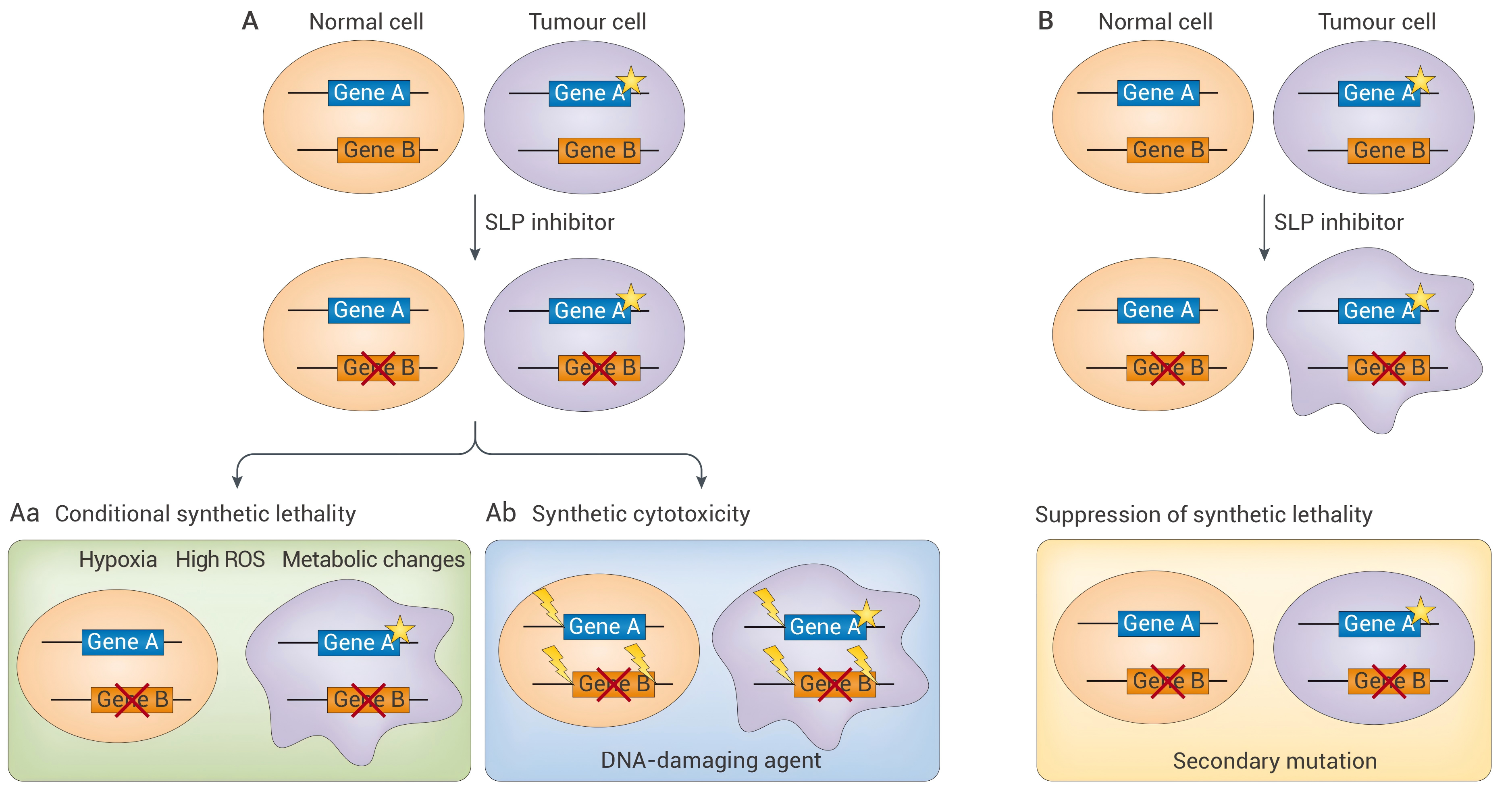
Figure 1. Synthetic lethal strategies in tumor[1].
- From BRCA–PARP to Context-Dependent Synthetic Lethality
- Expanding Cancer Vulnerabilities Beyond BRCA–PARP
- Mapping the Next Generation of Synthetic Lethal Interactions
BRCA1 and BRCA2 are key tumor suppressors involved in maintaining genomic stability and play central roles in homologous recombination repair (HRR) of DNA double-strand breaks. PARP1, by contrast, participates in the repair of single-strand DNA lesions and contributes to replication fork stability.
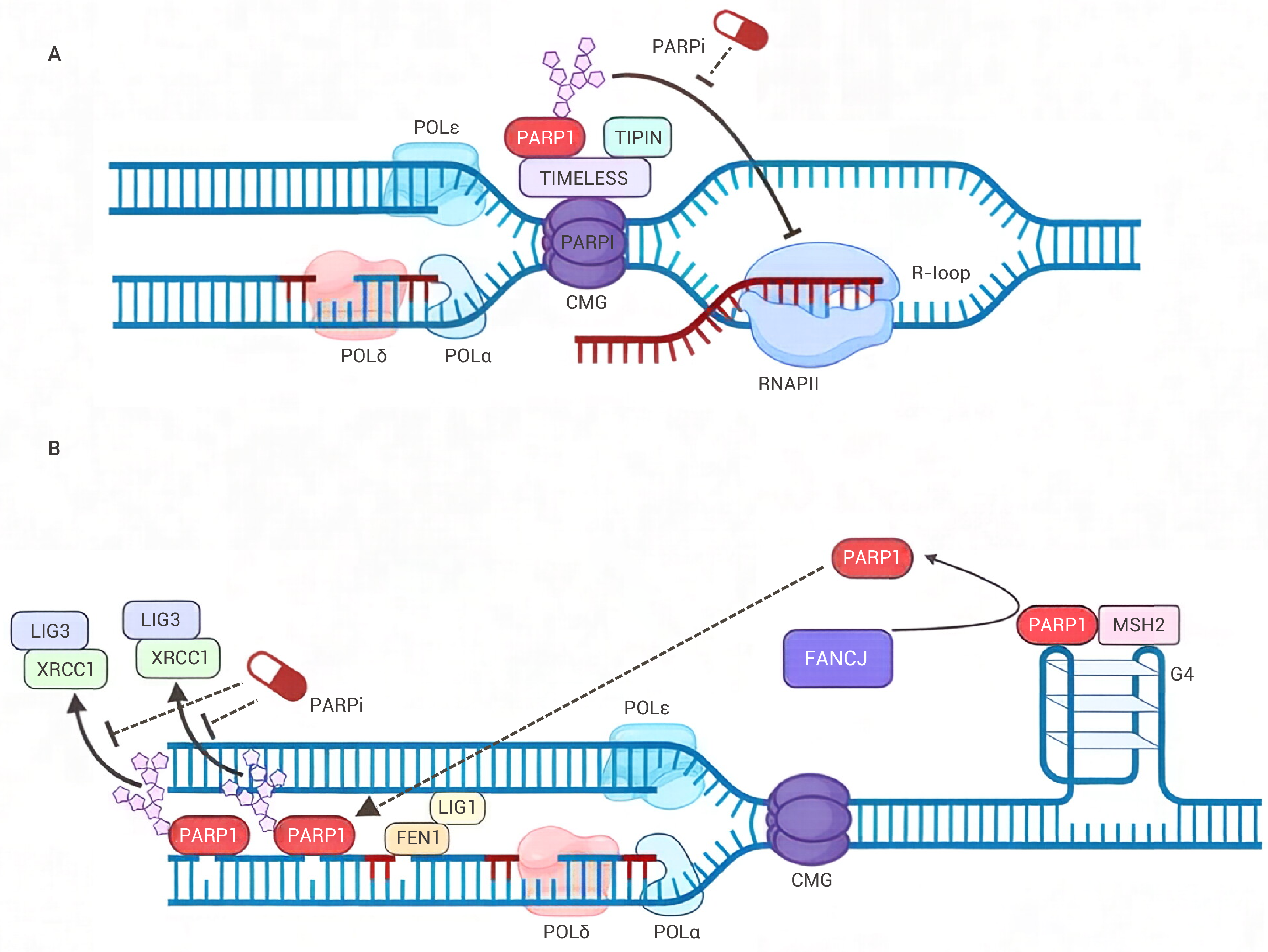
Figure 2. PARP1 activity is essential during replication in BRCA-deficient cancers[7].
In 2005, Bryant et al. and Farmer et al. published two landmark studies in Nature, demonstrating that BRCA1/2-deficient cells are highly sensitive to PARP inhibition, whereas BRCA-proficient cells are substantially less affected. PARP inhibition promotes the accumulation of unresolved DNA lesions that can be converted into double-strand breaks during DNA replication. Because BRCA-deficient cells have impaired HRR capacity, these lesions become increasingly difficult to resolve, creating a synthetic lethal interaction[2,3].
Subsequent studies showed that PARP inhibitors not only suppress PARP catalytic activity but can also trap PARP proteins on DNA, generating protein–DNA complexes that interfere with replication and repair. PARP trapping has therefore long been considered an important contributor to PARP inhibitor cytotoxicity[6].
In 2014, Olaparib was approved for BRCA-mutated advanced ovarian cancer, marking an important milestone in the clinical translation of synthetic lethality[4].
Most recent studies have challenged the view that PARP trapping is the predominant mechanism underlying synthetic lethality in BRCA-deficient cells. Catalytic inhibition of PARP1—loss of its poly(ADP-ribosyl)ation activity—independently contributes to synthetic lethality. This inhibition disrupts PARP1-mediated resolution of transcription–replication conflicts and impairs backup Okazaki fragment processing, leading to persistent single-stranded DNA gaps behind replication forks that BRCA-deficient cells cannot efficiently resolve. These findings suggest that both catalytic inhibition and PARP trapping contribute to PARP inhibitor-induced synthetic lethality, with their relative importance depending on the genetic context[7].
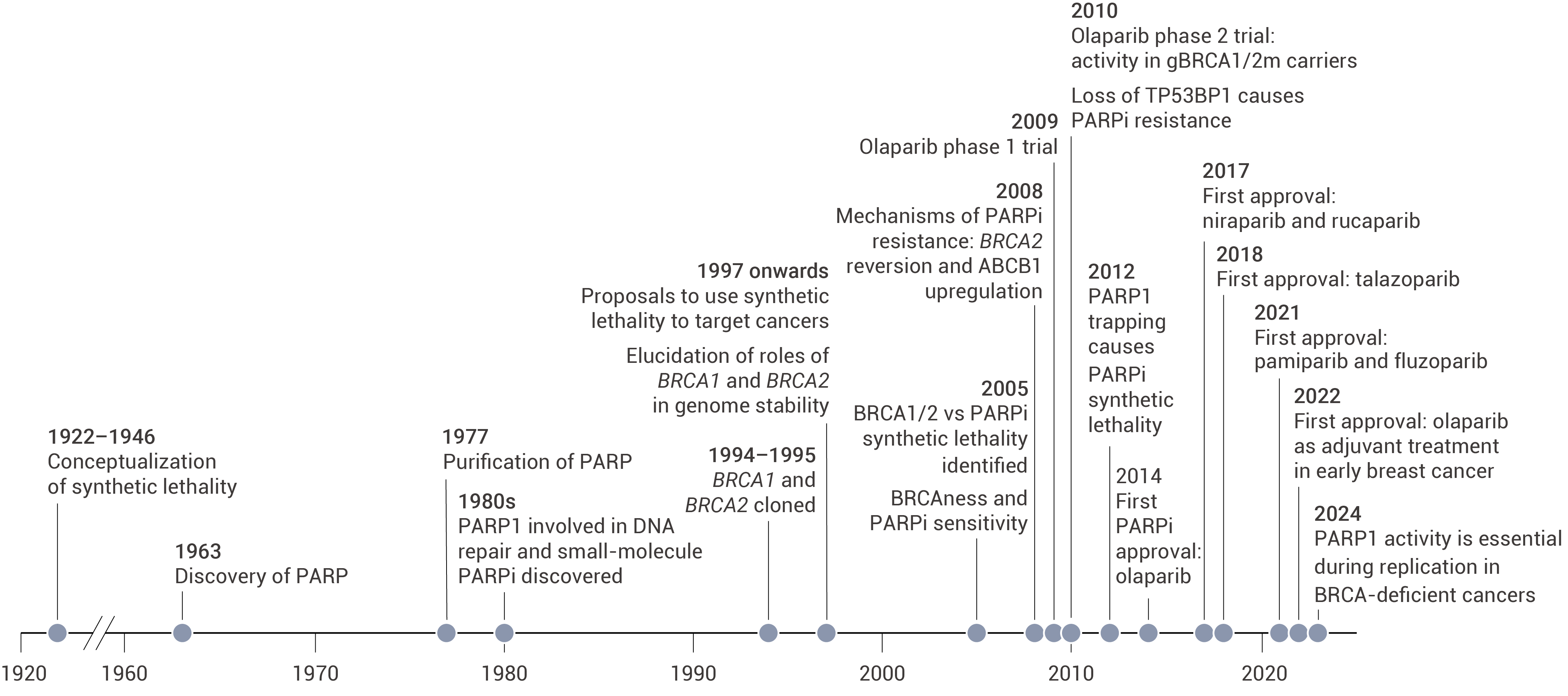
Figure 3. A timeline of BRCA-PARP synthetic lethality[8].
The significance of BRCA–PARP extends beyond this individual target combination. It established a broader principle: when tumor cells lose one pathway required for maintaining cellular fitness, they may become increasingly dependent on a compensatory pathway. Disrupting that remaining dependency can expose a selective cancer vulnerability[1,4].
Synthetic lethality is often introduced as a relatively simple interaction between two genes. However, the biological context of real tumors is far more complex. The same genetic alteration can produce different functional consequences across cancer types, molecular subtypes, and cellular states. For example, BRCA1 alterations do not necessarily confer identical responses to PARP inhibition across high-grade serous ovarian cancer and triple-negative breast cancer.
A 2026 review in Nature Reviews Cancer highlighted the growing importance of context-dependent synthetic lethality, in which cancer-specific vulnerabilities arise not only from DNA repair defects but also from loss of functional redundancy, metabolic imbalance, genomic instability, epigenetic states, and restricted signaling tolerance[5]. Accordingly, the determinants of synthetic lethal interactions are no longer limited to individual mutations. Copy-number alterations, transcriptional programs, epigenetic states, metabolic environments, and oncogenic signaling intensity can all influence whether a particular dependency emerges[4,5].
The field is therefore moving beyond the search for another BRCA–PARP-like gene pair. The emerging goal is to identify functional dependencies within defined molecular contexts. In this broader framework, synthetic lethality is evolving from a relatively narrow genetic concept into a systematic strategy for mapping cancer vulnerabilities[1].
| Product Name | Cat. No. | Disease Field |
|---|---|---|
| Talazoparib | HY-16106 | Breast cancer, Prostate cancer |
| Olaparib | Ovarian cancer, Breast cancer, Pancreatic cancer | |
| Veliparib | HY-10129 | Ovarian cancer, breast cancer, non-small cell lung cancer, ect |
| Niraparib | HY-10619 | Ovarian cancer |
| Rucaparib | HY-10617A | Breast cancer, Prostate cancer |
| Pamiparib | Ovarian cancer | |
| Fluzoparib | HY-114778 | Ovarian cancer, triple-negative breast cancer, pancreatic cancer, prostate cancer |
| KU0058948 | HY-136489 | Breast cancer, leukemia |
| AG14361 | Colorectal cancer, lung cancer, ovarian cancer, leukemia |
Note: MCE can provide products for research use only. We do not sell to patients.
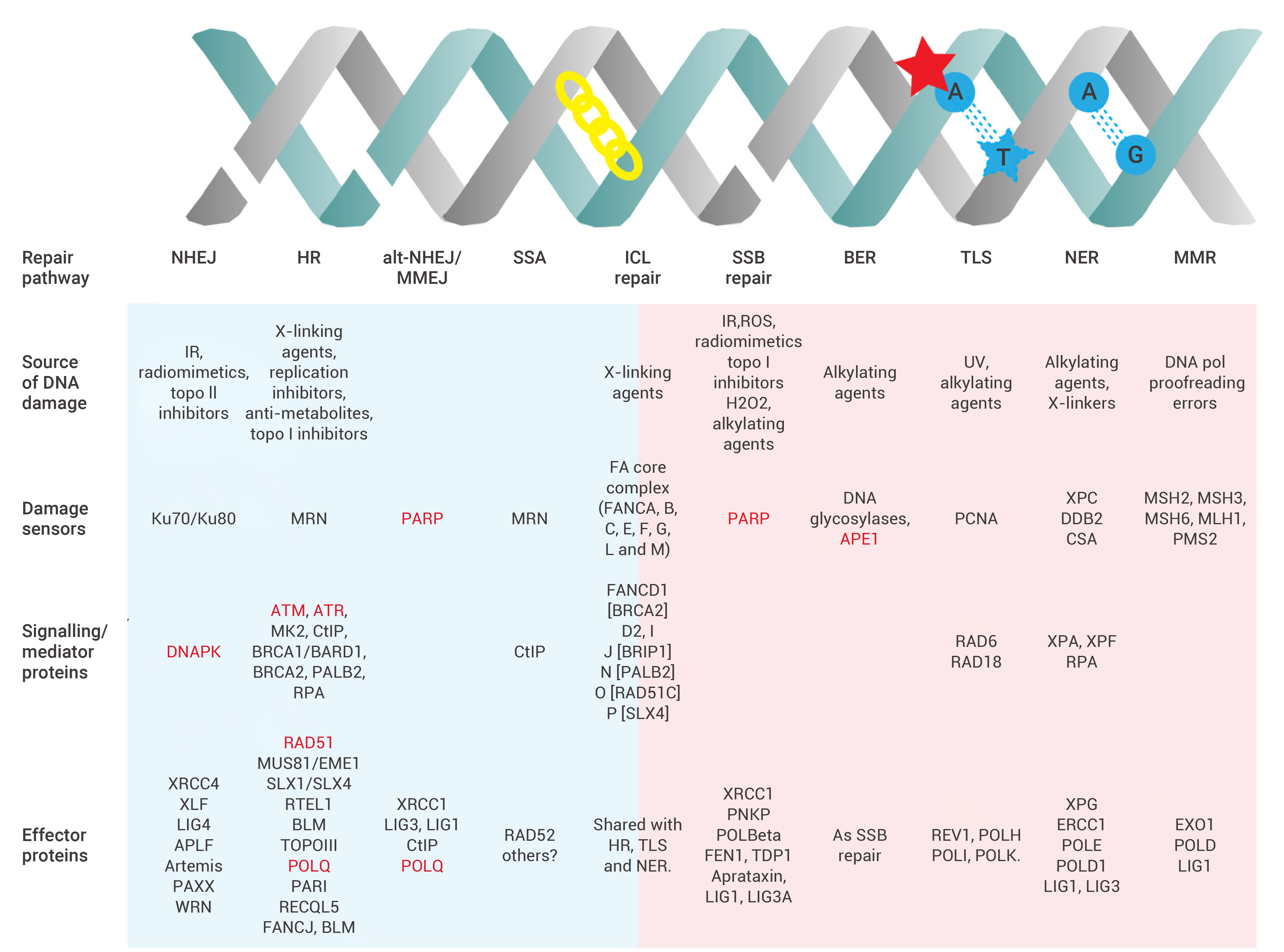
Figure 4. Panoramic view of the DNA damage response pathway[9].
The DNA damage response (DDR) remains one of the most extensively studied areas of synthetic lethality. Beyond PARP, targets including ATR, CHK1, WEE1, POLQ, USP1, and DNA-PK have attracted increasing attention[9]. Cancer cells frequently experience elevated replication stress as a consequence of oncogene activation, rapid proliferation, nucleotide imbalance, and DNA repair defects. The ATR–CHK1 pathway is critical for stabilizing replication forks and coordinating the cell cycle. Consequently, tumors with pre-existing DNA repair defects or high replication stress may become increasingly dependent on ATR–CHK1 signaling.
For example, ARID1A-mutated ovarian clear cell carcinoma has shown increased sensitivity to ATR inhibition in experimental models. WEE1 represents another important node in this network. By restraining CDK1 activity and regulating the G2/M checkpoint, WEE1 helps prevent cells carrying unresolved DNA damage from entering mitosis. Tumors with checkpoint defects or elevated replication stress, including some TP53-mutant and SETD2-deficient cancers, may therefore develop enhanced dependence on WEE1-mediated cell-cycle control.

Figure 5. A model for the FEN1/LIG1: WDR48-USP1 synthetic lethal interactions[11].
Theta-mediated end joining (TMEJ) acts as a backup DNA repair pathway when HR is impaired, with POLQ playing a key role. This makes HR-deficient tumors, including BRCA-mutant cancers more dependent on POLQ. In 2015, Ceccaldi et al. demonstrated in Nature that POLQ inhibition selectively impaired the survival of BRCA-deficient cells[10], establishing POLQ as an important synthetic lethal vulnerability associated with HR deficiency.
USP1 provides another example of how functional redundancy within the DDR can create context-specific dependencies. USP1 regulates several proteins involved in DNA damage tolerance through deubiquitination. A large-scale CRISPRi study published in Nature in 2025 identified synthetic lethal relationships linking the WDR48–USP1 complex with FEN1/LIG1 deficiencies, revealing previously unresolved functional interactions within DNA replication and repair networks[11].
Together, these examples illustrate that cancer cells do not rely on a single DNA repair mechanism. Instead, they depend on interconnected networks that preserve replication and genomic stability. The degree of dependence on individual node varies according to the molecular context, providing a foundation of context-dependent synthetic lethality[9].
Another major expansion of synthetic lethality research is the shift from DNA repair toward cancer metabolism. Cancer cells undergo extensive metabolic reprogramming to support proliferation, and adapt to nutrient and environmental constraints. Loss of specific metabolic genes can therefore create new biochemical dependencies, making metabolic state itself an important context for synthetic lethal interactions[12].
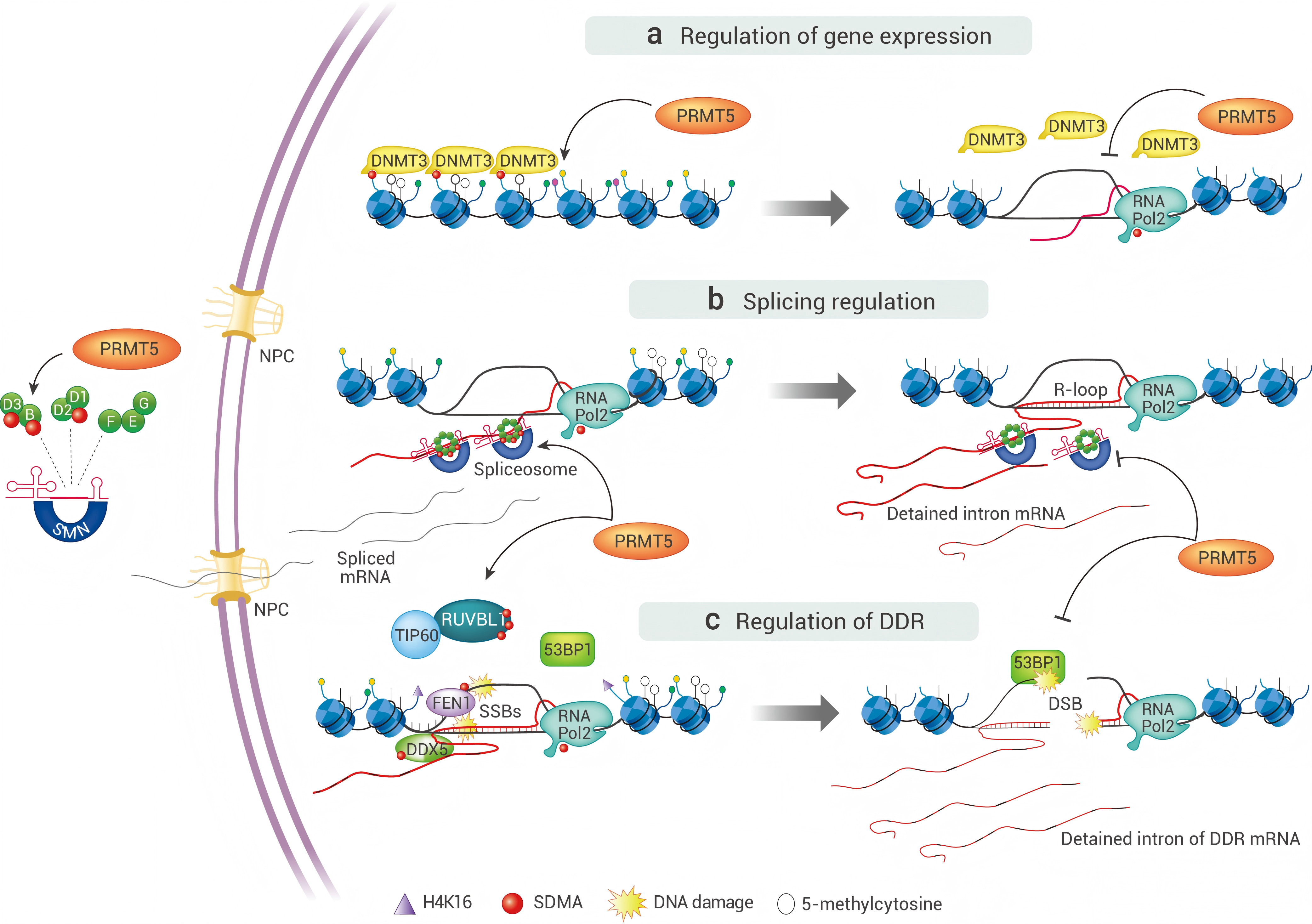
Figure 6. PRMT5 and MAT2A in MTAP/p16-deleted cancers[15].
The relationship between MTAP deletion and PRMT5/MAT2A dependency is one of the best-established examples. MTAP is located at chromosome 9p21.3 and is frequently co-deleted with neighboring genes such as CDKN2A across multiple cancer types, including glioma, pancreatic cancer, melanoma, lung cancer, and bladder cancer. MTAP loss leads to accumulation of methylthioadenosine (MTA), a metabolite that partially inhibits PRMT5 activity. This altered biochemical state can increase the dependence of MTAP-deficient cells on residual PRMT5 function.
In 2016, Mavrakis et al. and Kryukov et al. published complementary studies in Science identifying the relationship between MTAP loss and PRMT5 dependency. MAT2A, which contributes to the production of adenosylmethionine (SAM), an essential methyl donor used by PRMT5, also emerged as a potential vulnerability in MTAP-deficient cells[13,14].
This biological relationship has encouraged the development of approaches designed to exploit the altered metabolic environment created by MTAP deletion. MTA-cooperative PRMT5 inhibitors such as MRTX1719, for example, are designed to preferentially engage PRMT5 in the biochemical context of elevated MTA and have progressed into clinical development.
The MTAP–PRMT5/MAT2A relationship demonstrates that synthetic lethality does not need to originate from a conventional DNA repair defect. Tumor-specific metabolic states can also reshape cellular dependence on enzymes and signaling nodes, creating additional entry points for identifying cancer vulnerabilities beyond DNA repair[12].
Specific genomic states can also generate highly selective cancer dependencies. One of the most closely studied examples is the dependence of microsatellite instability-high (MSI-H) tumors on the WRN helicase.
MSI-H arises from mismatch repair deficiency and is frequently observed in colorectal, endometrial, and gastric cancers. WRN belongs to the RecQ family of helicases and contributes to DNA replication and genome stability.
Genome-wide CRISPR screening revealed that MSI-H cancer cells show a strong dependency on WRN, whereas microsatellite-stable cells are substantially less dependent on WRN function. Subsequent work demonstrated that WRN helicase activity is particularly important in MSI-H cells, where it helps resolve abnormal DNA structures formed at unstable microsatellites sequences[16,17]. Loss of WRN function can therefore lead to replication stress, DNA damage and chromosomal abnormalities in MSI-H models.
This relationship established WRN as a synthetic lethal vulnerability associated with a defined genomic state rather than a single mutated gene. Several WRN inhibitors have since entered early-stage clinical development, making WRN one of the most actively investigated genotype-specific synthetic lethal targets beyond PAR[16].
From BRCA–PARP to MTAP–PRMT5/MAT2A and MSI–WRN, synthetic lethality research is increasingly being understood as a multidimensional network of cancer vulnerabilities. These dependencies can emerge from DNA repair defects, metabolic reprogramming, genomic instability, or specific signaling states. Synthetic lethality is therefore evolving from a single-mechanism strategy into a broader framework connecting cancer genetics, metabolism, and functional genomics[1,4,5].
| Product Name | Cat. No. | Target |
|---|---|---|
| Ceralasertib | HY-19323 | ATR Inhibitor |
| Berzosertib | HY-13902 | |
| Elimusertib | HY-101566 | |
| Camonsertib | HY-139609 | |
| Prexasertib | HY-18174 | CHK1 Inhibitor |
| AZD7762 | HY-10992 | |
| SCH900776 | HY-15532 | |
| Adavosertib | HY-10993 | WEE1 Inhibitor |
| Nedisertib | HY-101570 | DNA-PK Inhibitor |
| NU7441 | HY-11006 | |
| AZD0156 | HY-100016 | ATM Inhibitor |
| AZD1390 | HY-109566 | |
| KU-55933 | HY-12016 | |
| KU-60019 | HY-12061 | |
| Novobiocin | HY-B0425 | POLQ Inhibitor |
| ART558 | ||
| ML323 | HY-17543 | USP1 Inhibitor |
| KSQ-4279 | HY-145471 | |
| EPZ015938 | HY-101563 | PRMT5 Inhibitor |
| EPZ015666 | HY-12727 | |
| JNJ-64619178 | HY-101564 | |
| AG-270 | HY-138630 | MAT2A Inhibitor |
| PF-9366 | HY-107778 |
Note: MCE can provide products for research use only. We do not sell to patients.
The discovery of novel synthetic lethal relationships has been closely linked to advances in functional genomics. Traditional candidate-based approaches are limited by relatively low throughput and narrow biological coverage. CRISPR-Cas9, CRISPRi, and CRISPRa technologies have substantially expanded this capability by enabling genome-scale perturbation screens in defined genetic backgrounds[18].
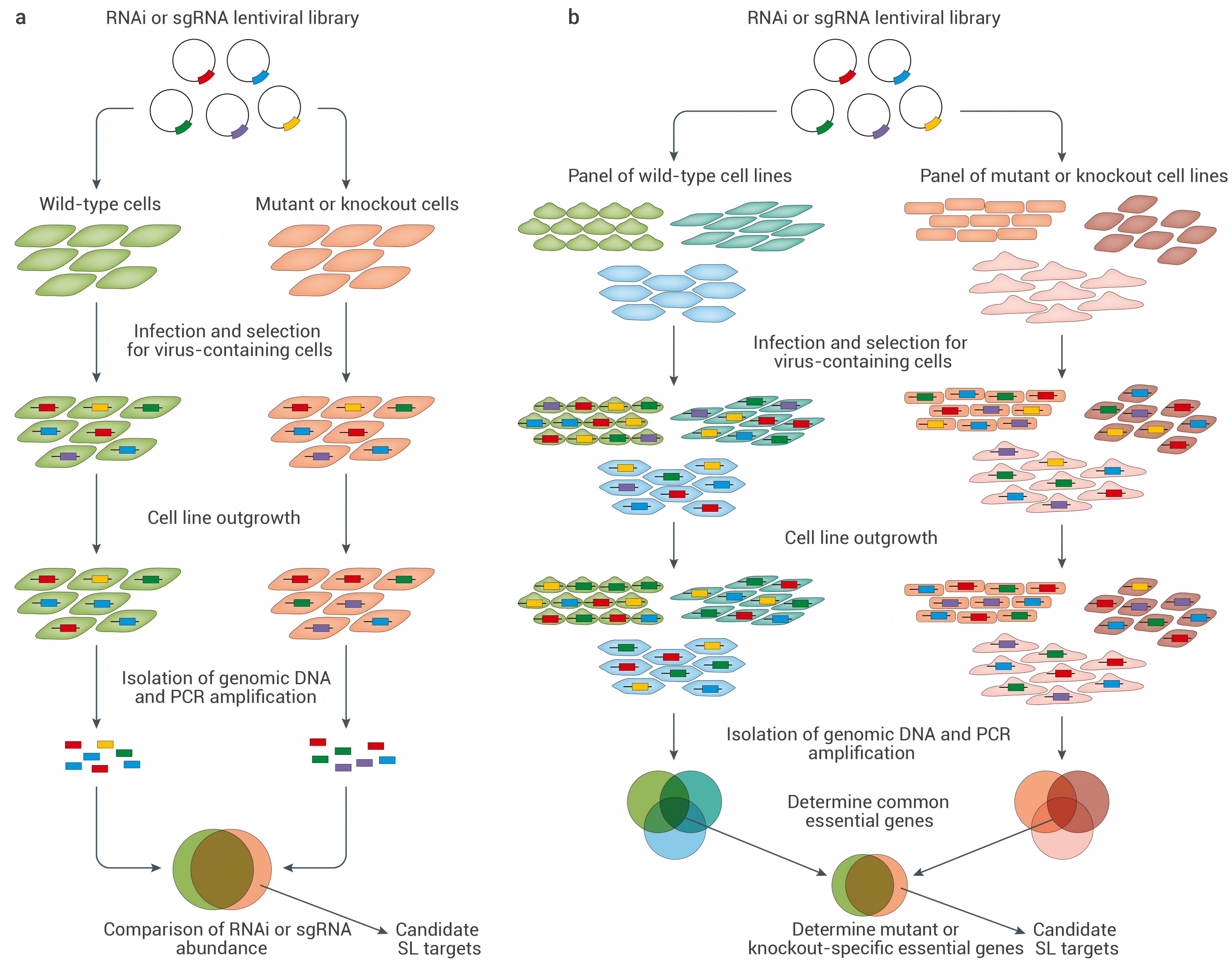
Figure 7. Strategy for large-scale synthetic lethality screens for a gene of interest in human cells[1].
These approaches allow researchers to systematically identify genes that become essential only within specific molecular contexts. Rather than asking whether a single preselected gene participates in a synthetic lethal interaction, genome-wide screening can reveal previously unknown dependencies across entire biological networks.
A CRISPRi study published in Nature in 2025 systematically mapped genetic interaction among core DDR genes. In addition to validating established relationships, the study uncovered multiple functional connections that had not previously been resolved[11]. Advances in dual-gene and combinatorial screening further extend this approach by enabling direct mapping of pairwise genetic interaction at much larger scales.
Together, these technologies are shifting synthetic lethality research from candidate validation toward systematic dependency mapping.
Although conventional cancer cell lines remain valuable experimental systems, long-term in vitro culture can introduce adaptive changes and may not fully preserve the genetic diversity and heterogeneity of primary tumors.
Patient-derived tumor organoids (PDOs) provide an important complementary model. They can retain key histological features, genomic alterations, and phenotypic characteristics of the tumors from which they originate, allowing cancer dependencies to be studied in systems that more closely reflect patient-specific biology.
In 2026, a Nature study established a biobank of 256 clinically annotated PDOs spanning colorectal, esophageal, ovarian, pancreatic, and gastric cancers. Genome-wide CRISPR screening was performed across 162 models, generating a large-scale map of cancer gene dependencies in patient-derived systems[19].
The study showed that PDOs can reveal dependencies associated with specific genotypes and biological contexts. Importantly, paired pre- and post-treatment models also suggested that cancer dependencies may shift as tumors evolve.
Integrating CRISPR screening with PDOs therefore provides a way to identify vulnerabilities in biologically diverse and clinically relevant contexts. In this setting, "context dependency" becomes not only a conceptual framework but also an experimentally measurable feature of tumor biology[18].
Identifying that disruption of a gene impairs cell survival is only the first step in understanding a synthetic lethal relationship. It is equally important to determine why the dependency arises, which molecular features predict it, and whether the interaction is likely to persist across different biological contexts.
For this reason, functional screening is increasingly being integrated with genomics, transcriptomics, epigenomics, proteomics, and metabolomics. By comparing molecular states with CRISPR dependency profiles, researchers can begin to identify biomarkers associated with specific vulnerabilities. Examples include HRD status as a predictor of PARP inhibitor sensitivity, MSI status as a predictor of WRN dependency, and MTAP deletion as a marker of altered PRMT5/MAT2A dependency.
Single-cell perturbation approaches such as Perturb-seq add another layer of resolution by linking genetic perturbations with transcriptional responses at the single-cell level. These methods can reveal heterogeneous responses that would otherwise be obscured in bulk measurements.
As functional and molecular datasets continue to expand, synthetic lethality research is also moving toward computational prediction. The PRECISE European initiative, introduced in Nature Genetics in 2026, aims to integrate patient cohorts, disease models, perturbation biology, multimodal molecular analysis, and artificial intelligence to develop mechanistically interpretable models of cancer vulnerabilities.
A future discovery workflow may therefore involve several interconnected steps: computational models first prioritize candidate dependencies from multi-omic and perturbational data; functional screens then test these predictions; mechanistic studies explain why the dependencies arise; and patient-derived models assess whether they persist in more clinically relevant biological contexts.
AI does not replace experiments validation. Rather, it can help identify latent patterns within high-dimensional datasets and prioritize relationships for further investigation. Functional genomics provides causal perturbation data, multi-omics defines molecular context, patient-derived models capture tumor heterogeneity, and computational approaches integrate these layers into predictive vulnerability models.
Together, these technologies are driving cancer research from descriptive molecular atlases toward increasingly functional and predictive maps of cancer vulnerabilities.
Note: MCE can provide products for research use only. We do not sell to patients.
Synthetic lethality research is evolving from the canonical BRCA–PARP paradigm toward a broader framework for mapping cancer vulnerabilities. Mechanistically, the field has expanded beyond a single DNA repair pathway to include dependencies associated with DNA repair and replication stress, metabolic reprogramming, and genomic instability across diverse cancer types. Conceptually, context dependency has become central to understanding why synthetic lethal interactions emerge only under specific molecular conditions.
At the same time, genome-wide CRISPR screening, patient-derived organoids, multi-omic integration, and AI-based prediction are shifting the field from the discovery of individual interactions toward the systematic mapping and prediction of cancer vulnerabilities. Key challenges remain, including defining the molecular boundaries of dependencies, validating candidate targets in models that better reflect tumor biology, understanding mechanisms of resistance, and translating emerging vulnerabilities into clinically relevant strategies.. As experimental and computational approaches continue to advance, synthetic lethality is becoming an increasingly important framework for precision cancer research.
 LinkedIn
 Researchgate
 Instagram
 X
X Facebook
 WhatsApp
 Reddit
 Mail
Mail- [1]. O'Neil NJ, et al. Nat Rev Genet. 2017 Oct;18(10):613-23.
- [2]. Bryant HE, et al. Nature. 2005 Apr 14;434(7035):913-7.
- [3]. Farmer H, et al. Nature. 2005 Apr 14;434(7035):917-21. [Content Brief]
- [4]. Lord CJ, et al. Science. 2017 Mar 17;355(6330):1152-8.
- [5]. Chang L, et al. Nat Rev Cancer. 2026 Jul;26(7):534-554. [Content Brief]
- [6]. Murai J, et al. Cancer Res. 2012 Nov 1;72(21):5588-99. [Content Brief]
- [7]. MacGilvary N, et al. DNA Repair (Amst). 2024 Dec;144:103775.
- [8]. Lord CJ,et al. Nature. 2026 May;653(8113):41-51.
- [9]. Brown JS, et al. Cancer Discov. 2017 Jan;7(1):20-37. [Content Brief]
- [10]. Ceccaldi R, et al. Nature. 2015 Feb 12;518(7538):258-62. [Content Brief]
- [11]. Fielden J, et al. Nature. 2025 Apr 9;640(8060):1093-102.
- [12]. Previtali V, et al. J Med Chem. 2024 Jul 2;67(14):11488-521.
- [13]. Mavrakis KJ, et al. Science. 2016 Mar 11;351(6280):1208-13. [Content Brief]
- [14]. Kryukov GV, et al. Science. 2016 Mar 11;351(6280):1214-8. [Content Brief]
- [15]. Marjon K, et al. Annu Rev Cancer Biol. 2021;5:371-90.
- [16]. Chan EM, et al. Nature. 2018 Jun 14;558(7709):291-6.
- [17]. van Wietmarschen N, et al. Nature. 2020 Oct;586(7828):292-298. [Content Brief]
- [18]. Shalem O, et al. Nat Rev Genet. 2015 Apr;16(5):299-311.
- [19]. Herranz-Ors C, et al. Nature. 2026 Aug 5.

