



Disaccharides
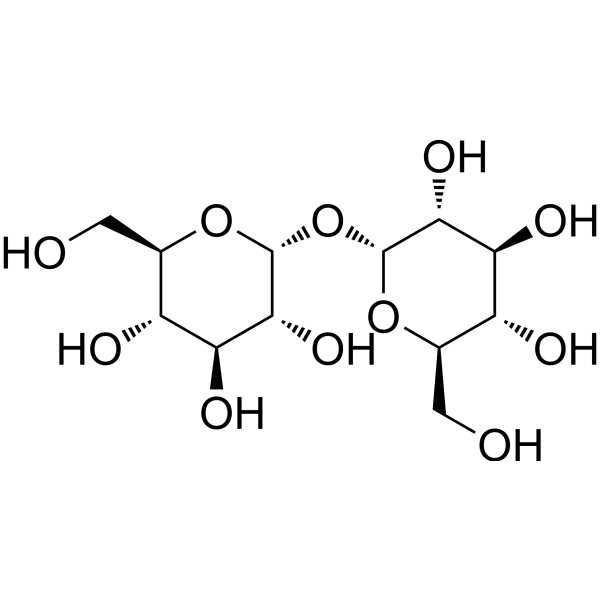
- Formel: C12H22O11
- Molecular Weight: 342.30
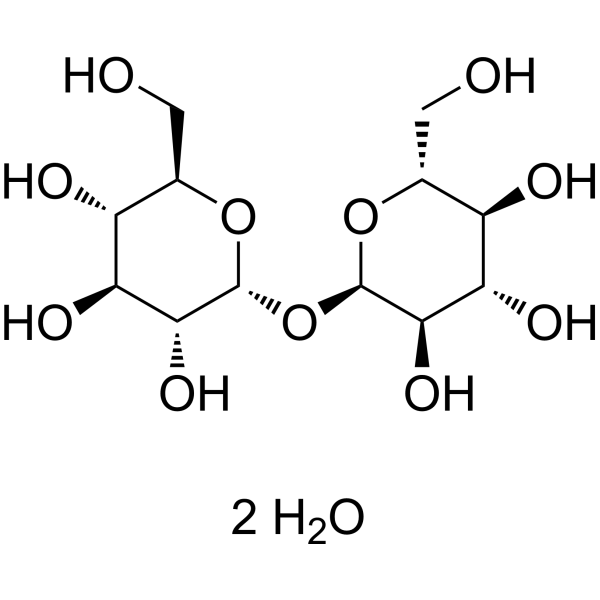
D-(+)-Trehalose (α,α-Trehalose) is an orally active disaccharide, showing anti-desiccant and cryopreservative activities. D-(+)-Trehalose acts as an osmolyte, and stress protectant and helps in the storage and transport of carbon. D-(+)-Trehalose can be used as a food ingredient and pharmaceutical excipient.
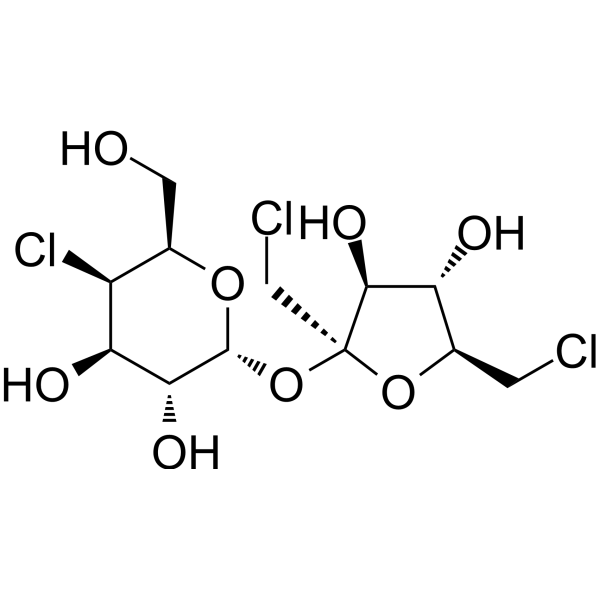
- Formel: C12H19Cl3O8
- Molecular Weight: 397.63
Sucralose (E955; Trichlorosucrose) is a non-nutritive artificial sweetener and sugar substitute. Sucralose can activate a conserved neural fasting response and thereby exerts an appetite-stimulating effect in rodents.
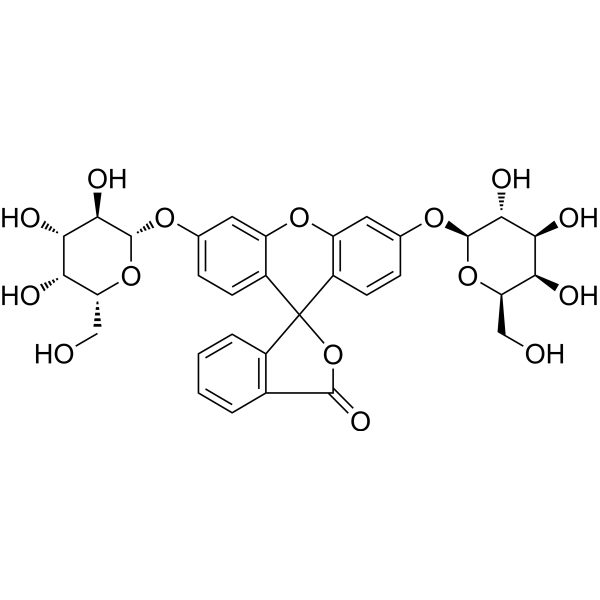
- Formel: C32H32O15
- Molecular Weight: 656.59
Fluorescein di(β-D-galactopyranoside) is a fluorogenic substrate for β-galactosidase (λex=485 nm, λem=535 nm).
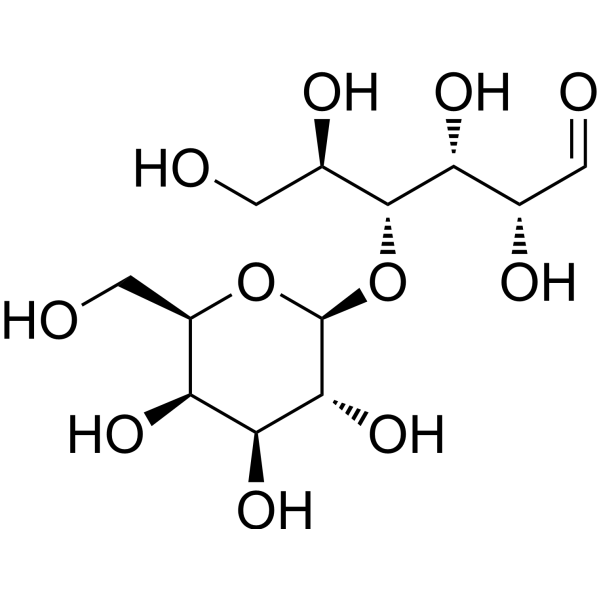
- Formel: C12H22O11
- Molecular Weight: 342.30
Lactose is a β-galactoside consisting of galactose and glucose residues, the main carbohydrate in mammalian breast milk. Lactose, a macronutrient and an inducer of host innate immune responses, possesses immune modulatory functions.
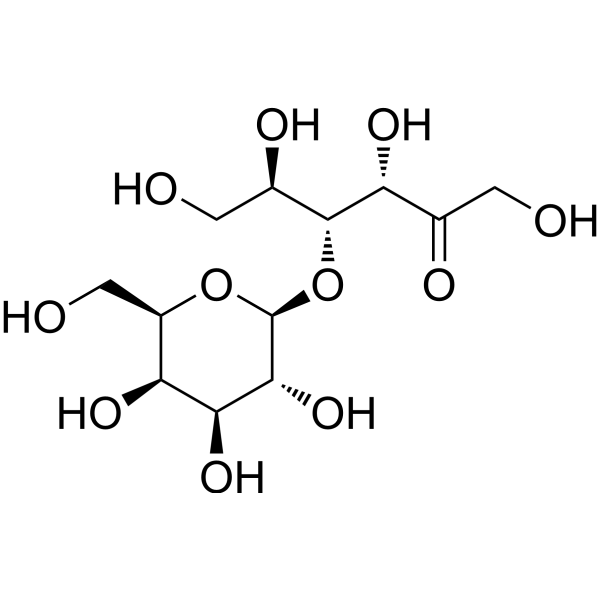
- Formel: C12H22O11
- Molecular Weight: 342.30
Lactulose is an orally active galactose-fructose disaccharide. Lactulose suppresses upregulation of TNF-α and IL-6. Lactulose decreases the degree of DNA damage. Lactulose exhibits many of the properties of other oligosaccharides, including increasing the numbers of Bifidobacteria in feces. Lactulose restores the structure and composition of the intestinal microbiota, mitigates inflammation, and suppresses inflammatory tumorigenesis in mice with colitis-associated cancer. Lactulose can be used in the research of constipation.
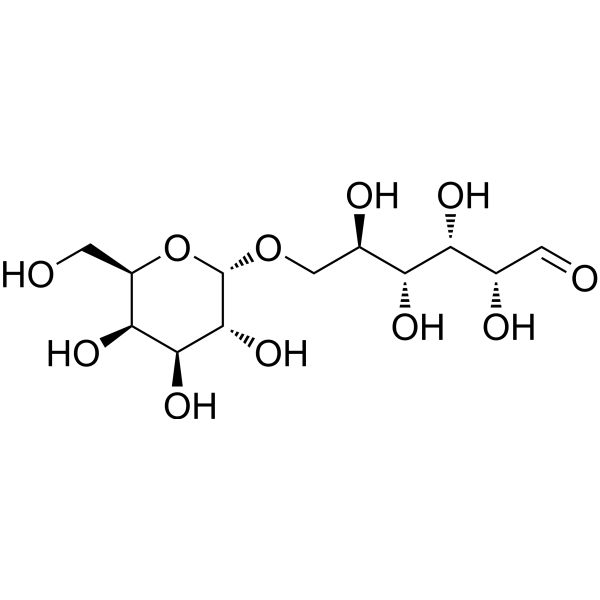
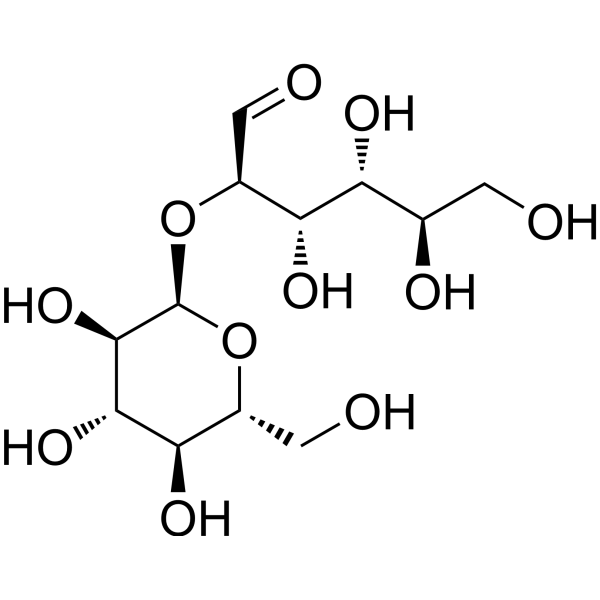
- Formel: C12H22O11
- Molecular Weight: 342.30
Kojibiose, an orally active prebiotic disaccharide, can specifically inhibit the activity of α-glucosidase I. kojibiose is a proliferation factor for Bifidobacterium, lactic acid bacteria, and eubacteria. kojibiose is a low-calorie sweetener capable of increasing the absorption of iron. Kojibiose exhibits antitoxic activity. Kojibiose reduces hepatic expression of inflammatory markers in vivo.
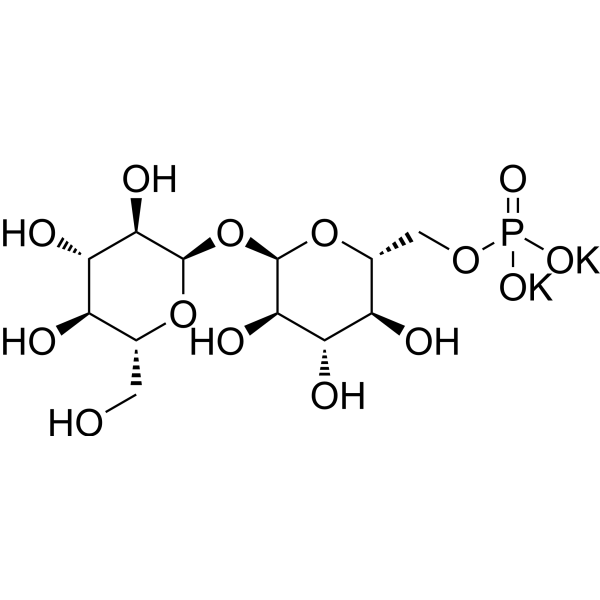
- Formel: C12H21K2O14P
- Molecular Weight: 498.46
α,α-Trehalose 6-phosphate (Tre6P) potassium is a glucose analogue with potent anti-hyperglcaemic activity. α,α-Trehalose 6-phosphate potassium is rapidly converted to the end product, α,α′-trehalose, through the action of α,α-Trehalose 6-phosphate phosphatase (T6PP).
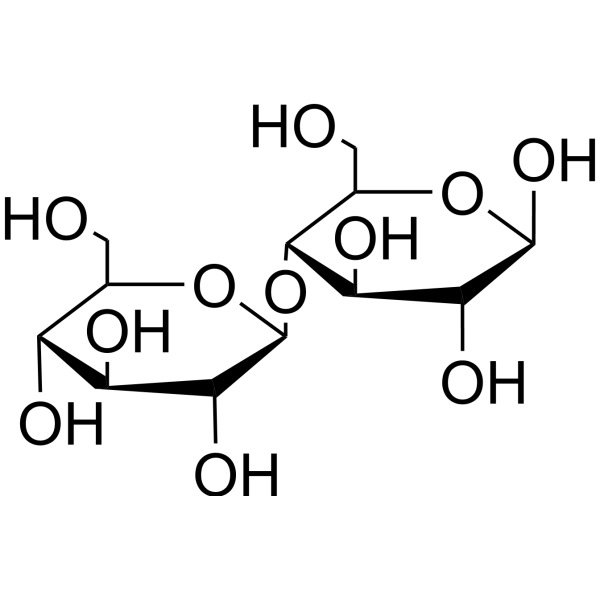
- Formel: C12H22O11
- Molecular Weight: 342.30
D-(+)-Cellobiose is a water-soluble disaccharide and an important intermediate product in the degradation process of cellulose and hemicellulose. D-(+)-cellobiose is used as a carbon source by microorganisms in fermentation processes, where it is converted into ethanol or other metabolic products. D-(+)-Cellobiose has significant application value in biofuel production, such as bioethanol.
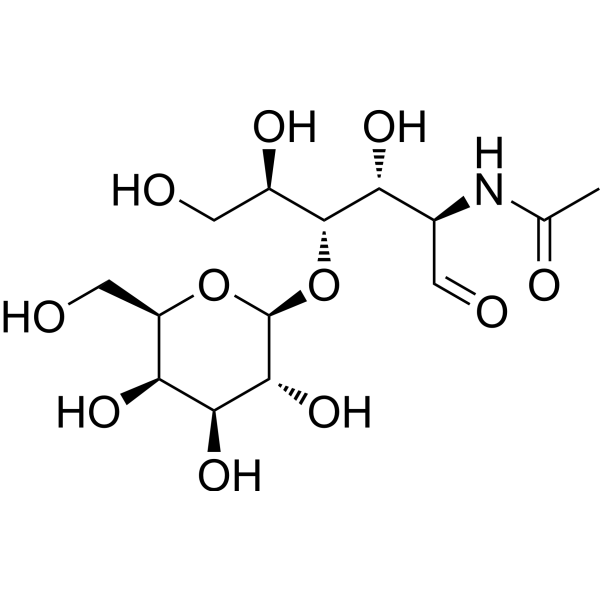
- Formel: C14H25NO11
- Molecular Weight: 383.35
N-Acetyllactosamine (N-Acetyl-D-lactosamine), a nitrogen-containing disaccharide, is a galectin-3 inhibitor, which is an important component of various oligosaccharides such as glycoproteins and sialyl Lewis X. N-Acetyllactosamine can be used as the starting material for the synthesis of various oligosaccharides. N-Acetyllactosamine has prebiotic effects.
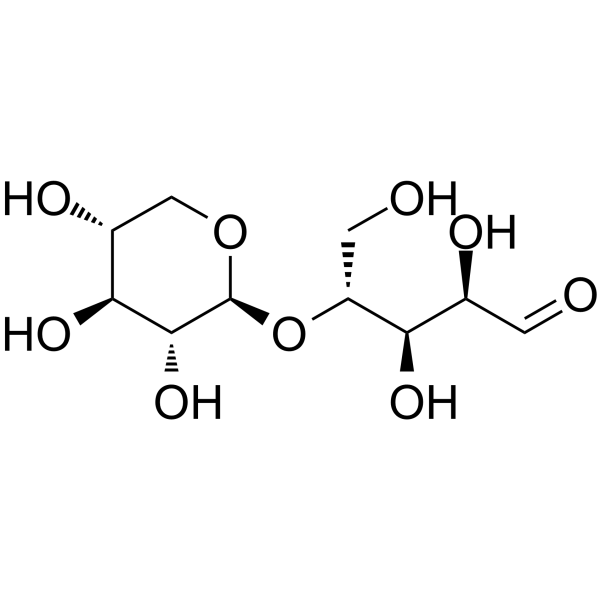
- Formel: C10H18O9
- Molecular Weight: 282.24
Xylobiose (1,4-β-D-Xylobiose; 1,4-D-Xylobiose) is an orally active Claudin 2/CLDN2 inhibitor and HSP27 inducer. Xylobiose works by regulating intestinal barrier function and glucose and lipid metabolism-related signaling pathways. Xylobiose inhibits CLDN2 expression to reduce intestinal permeability, induces HSP27 to enhance cell protection, and regulates the miR-122a/miR-33a axis to inhibit liver lipid synthesis and improve insulin resistance. Xylobiose can strengthen intestinal barrier integrity, reduce blood sugar and blood lipid levels, and reduce oxidative stress and inflammatory response. Xylobiose can be used in the study of type 2 diabetes and metabolic syndrome.
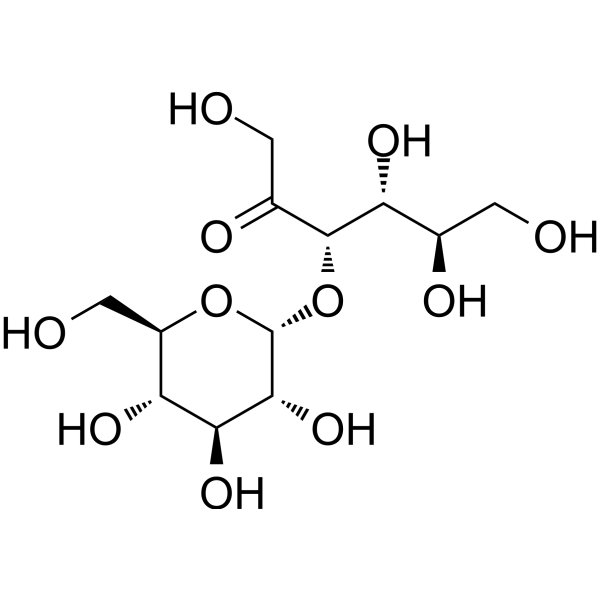
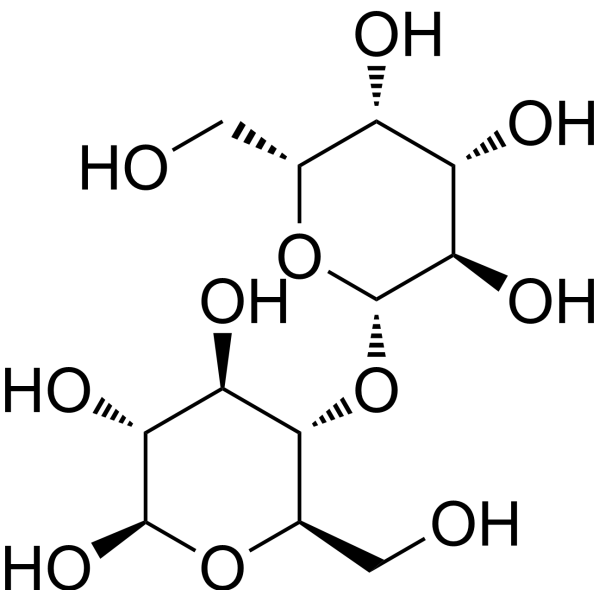
- Formel: C12H22O11
- Molecular Weight: 342.30
β-Lactose is a disaccharide commonly found in milk and dairy products. It consists of two monosaccharides, glucose and galactose, linked by β-glycosidic bonds. β-Lactose has various applications in the food industry, especially as a sweetener and bulking agent. Furthermore, it can be used as a substrate for enzymes involved in lactose metabolism and as a model compound for studying carbohydrate-protein interactions.
- Formel: C12H22O11
- Molecular Weight: 342.30
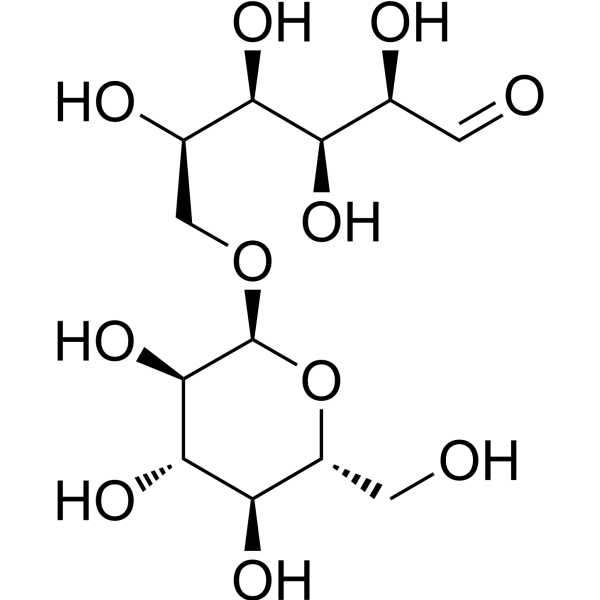
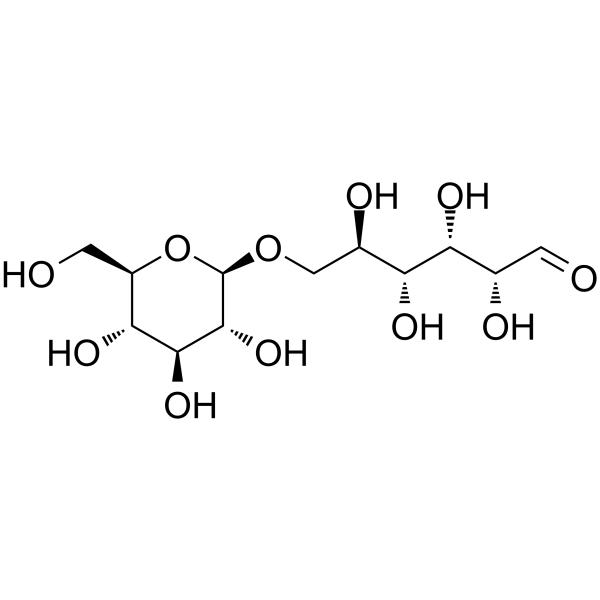
Isomaltose (6-O-α-D-Glucopyranosyl-D-glucose) is a glucose disaccharide. Isomaltose induces G-CSF secretion via heat-induced oxidative polymerization of glucose groups into high-molecular-weight compounds. Isomaltose modulates cecal bacterial cluster structure in mice. Isomaltose exhibits low glycemic index, slow hydrolysis, and prebiotic properties. Isomaltose reduces in vivo Cryptosporidium parvum colonization in neonatal mice. Isomaltose can be used for the research of Cryptosporidium parvum infection.
Trehalose 6,6'-dimycolate (Cord Factor) is trehalose 6,6'-dimycolate, a cell wall glycolipid of Mycobacterium tuberculosis, which can be used to simulate inflammation and granuloma induced by Mycobacterium tuberculosis (MTB) form. Trehalose 6,6′-dimycolate also protects Mycobacterium tuberculosis from macrophage-mediated killing, inhibits efficient antigen presentation, and reduces the development of protective T cell responses.
Iron sucrose (Iron saccharate) is a intravenous iron preparation and a pro-oxidant agent. Iron sucrose has the potential for iron deficiency anemia treatment.
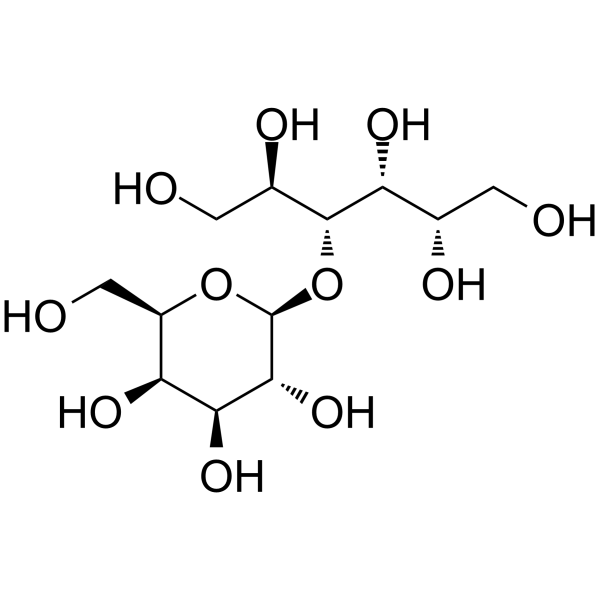
- Formel: C12H24O11
- Molecular Weight: 344.31
Lactitol (D-Lactitol) is a non-absorbable disaccharide and Bacterial regulator. Lactitol reduces the populations of Bacteroides, Clostridium, coliforms and Eubacterium, while increasing the populations of Lactobacillus and Streptococcus. Lactitol can be used in the research of portosystemic encephalopathy and chronic constipation.
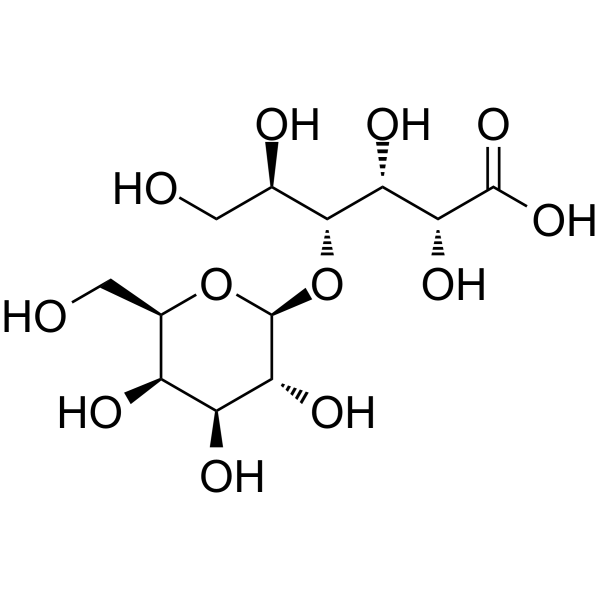
- Formel: C12H22O12
- Molecular Weight: 358.30
Lactobionic acid is a bionic acid that can be naturally found in the Caspian Sea yogurt and chemically constituted of a gluconic acid bonded to a galactose. Lactobionic acid has antioxidant, antimicrobial, chelating, stabilizer, acidulant, and moisturizing properties. Lactobionic acid can be obtained by electrolytic methods, microbial fermentation or biocatalytic approaches. Lactobionic acid can be used in foodstuffs, to produce new functional products and against food-borne pathogens. Lactobionic acid inhibits DNA repair and protein synthesis, induction of oxidative stress and inhibition of metabolic pathways against MRSA.



