Conventional small-molecule drugs typically act by occupying well-defined binding pockets on target proteins. However, many transcription factors, RNA-binding proteins, and other complex regulatory factors lack tractable binding sites and remain difficult to modulate directly. Molecular glue degraders address this challenge by inducing the formation of ternary complexes between E3 ligases and neo-substrates, thereby driving targeted protein degradation and opening new avenues for targeting traditionally intractable proteins.
This review traces the evolution of molecular glues from serendipitous discovery to rational design, highlighting how targets such as GSPT1, HuR, and WIZ expand the druggable proteome and how screening, proteomics, structural biology, and artificial intelligence are advancing their development.
- From Serendipitous Discovery to Rational Design
- Expanding Druggable Spaces via Molecular Glues
- From Broad Screening to Directed Discovery
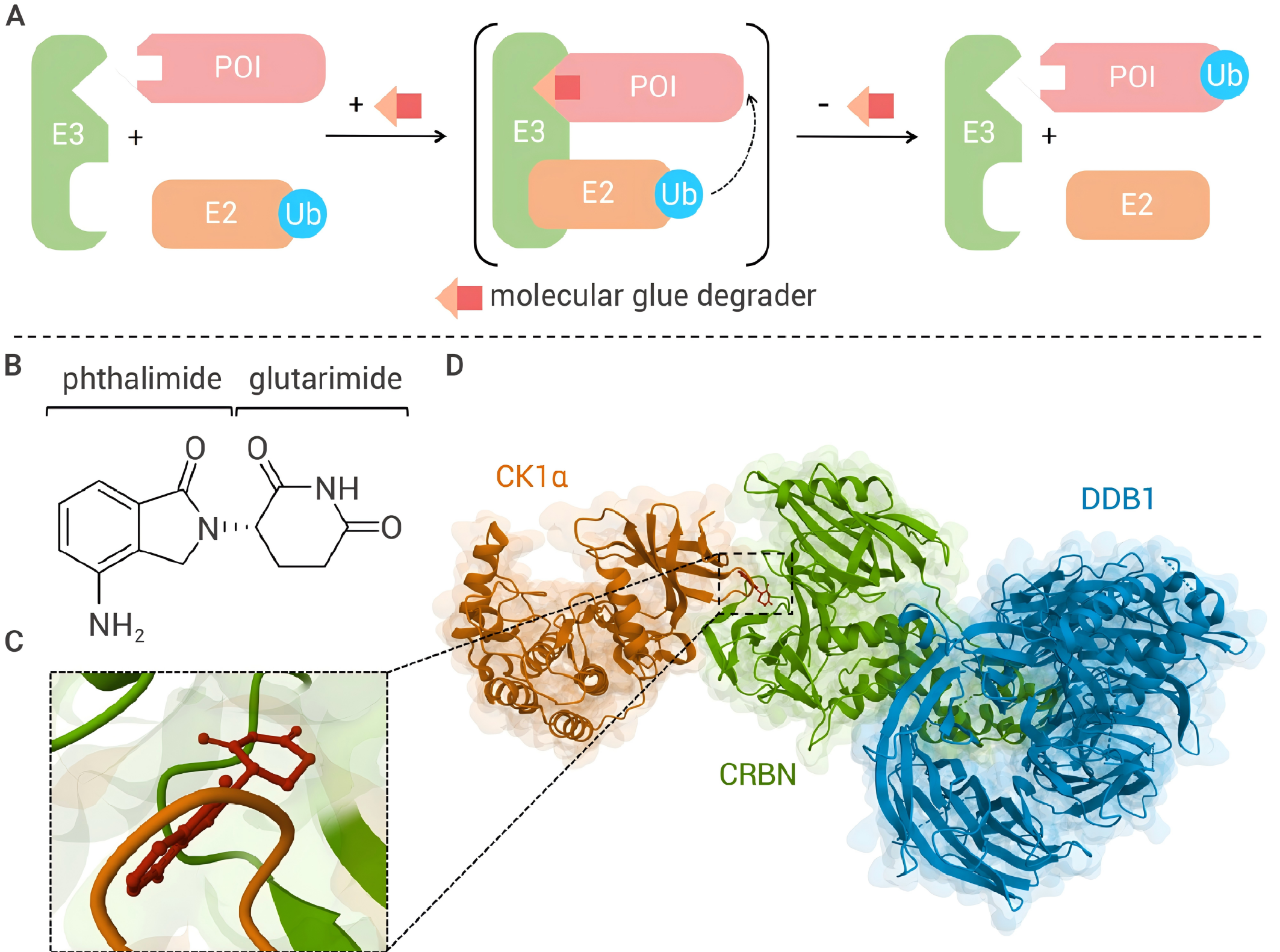
Figure 1. Mechanism, chemical scaffold and ternary complex structure of molecular glue degraders[1].
(A) Molecular glue-mediated ubiquitination cascade. The degrader molecule remodels the substrate pocket of E3 ligase, induces de novo proximity among E3 ligase, Ub-loaded E2 enzyme, and target POI, and mediates ubiquitin transfer to the POI to mark it for proteasomal degradation. (B) Chemical structure of classical immunomodulatory imide drugs (IMiDs). (C) Structural visualization of the ligand-binding interface. (D) 3D structure of the CRBN-centered ternary complex, comprising DDB1 adaptor protein, CRBN E3 ligase, CK1α neo-substrate.
Molecular glue technology originated from the unexpected mechanism of thalidomide. Initially developed as a sedative and antiemetic, thalidomide was later withdrawn because of severe teratogenicity effects. However, its activity in multiple myeloma and other hematological malignancies prompted further investigation into its mechanism of action.
In 2010, thalidomide and its analogs, including lenalidomide and pomalidomide, were found to bind cereblon (CRBN), the substrate-recognition subunit of the CRL4CRBN E3 ubiquitin ligase complex. This interaction alters the substrate specificity of CRBN and promotes the ubiquitination and proteasomal degradation of neo-substrates such as IKZF1/3 and CK1α.
This discovery established the central principle of molecular glues: small molecules can induce new interactions between E3 ligases and target proteins, enabling selective protein degradation. Molecular glues have since evolved from serendipitous discoveries toward increasingly rational design. Molecular glues can be broadly divided into degradative and non-degradative types. Degradative molecular glues, exemplified by CRBN-recruiting immunomodulatory imide drugs (IMiDs) and DCAF15-targeting aryl sulfonamides, promote the ubiquitination and degradation of neo-substrates. Non-degradative molecular glues, including rapamycin and FK506, stabilize protein–protein interactions without inducing degradation.
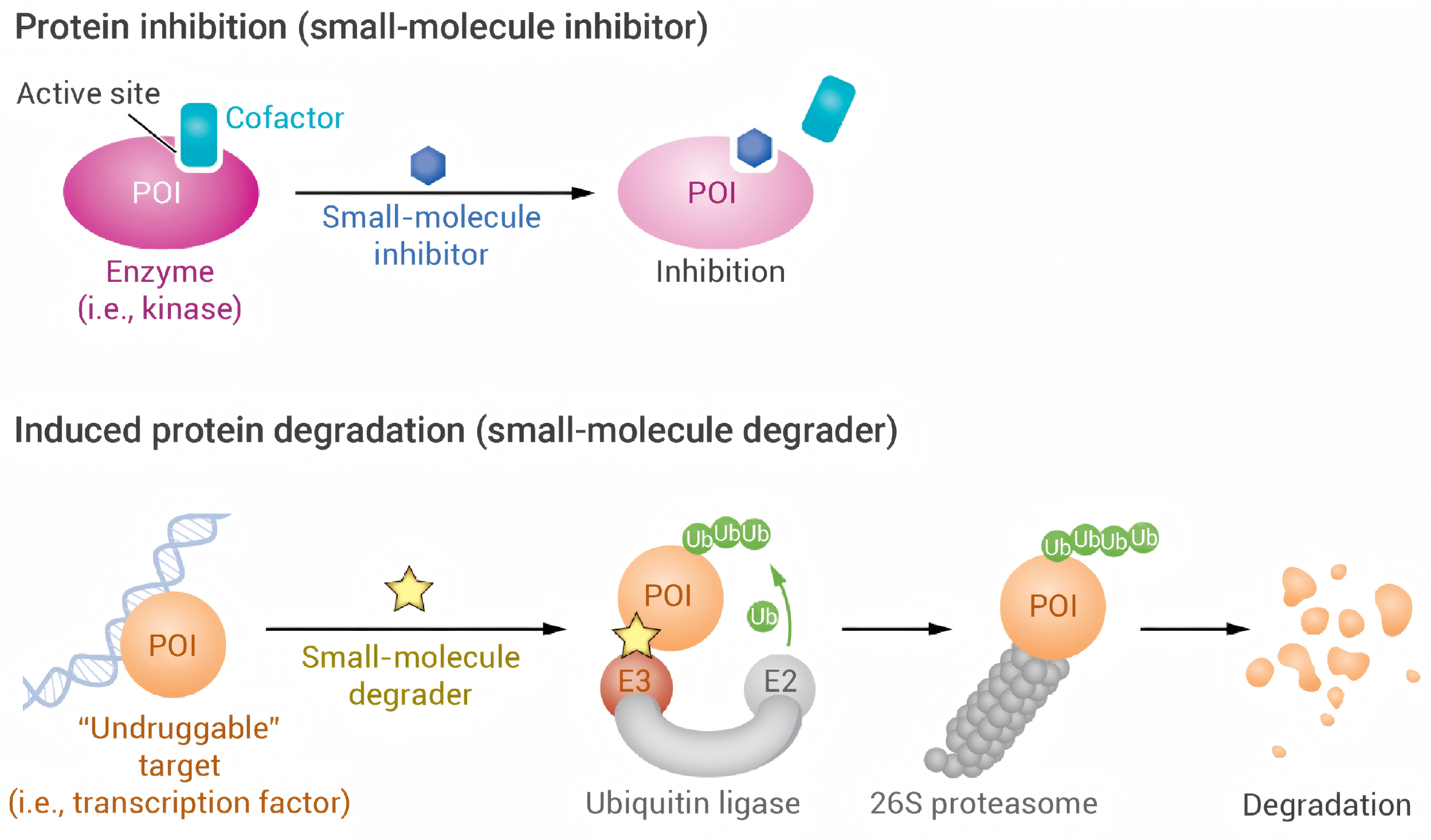
Figure 2. Mechanistic distinctions between conventional small-molecule inhibition and targeted protein degradation mediated by small-molecule degraders[2].
Targeted protein degradation (TPD) uses the endogenous ubiquitin-proteasome system to remove disease-related proteins rather than simply inhibit their activity. By driving protein ubiquitination and proteasomal clearance, TPD can achieve depletion of target proteins and may provide a way to address previously undruggable proteins or mechanisms of drug resistance. Molecular glue degraders and proteolysis-targeting chimeras (PROTACs) are two major TPD platforms, with molecular glues displaying unique structural and mechanistic advantages.
E3 ubiquitin ligases are the principal specificity-determining components of the ubiquitin-proteasome system, coordinating substrate recognition and ubiquitin transfer. During molecular glue-mediated degradation, E3 ligases such as CRL4CRBN and CRL4DCAF15 undergo ligand-induced changes at their substrate-recognition interfaces, enabling the recruitment and degradation of disease-relevant proteins.
A neo-substrate is a target protein that does not normally interact with a given E3 ligase under physiological conditions. Molecular glues act as interfacial mediators to reshape E3 ligase surfaces and generate de novo protein–protein interaction interfaces. Recruited substrates—including IKZF1/3 for CRBN and RBM39 for DCAF15—are therefore described as neo-substrates and undergo ubiquitination and proteasomal degradation in the presence of the molecular glue.
The ternary complex represents the essential structural basis for molecular glue activity and comprises three interdependent components: the molecular glue, the E3 ubiquitin ligase, and the neo-substrate (protein of interest). In contrast to the binary binding mode of conventional inhibitors, stable assembly of this ternary architecture promotes E3-mediated ubiquitination and is therefore central to targeted protein degradation.
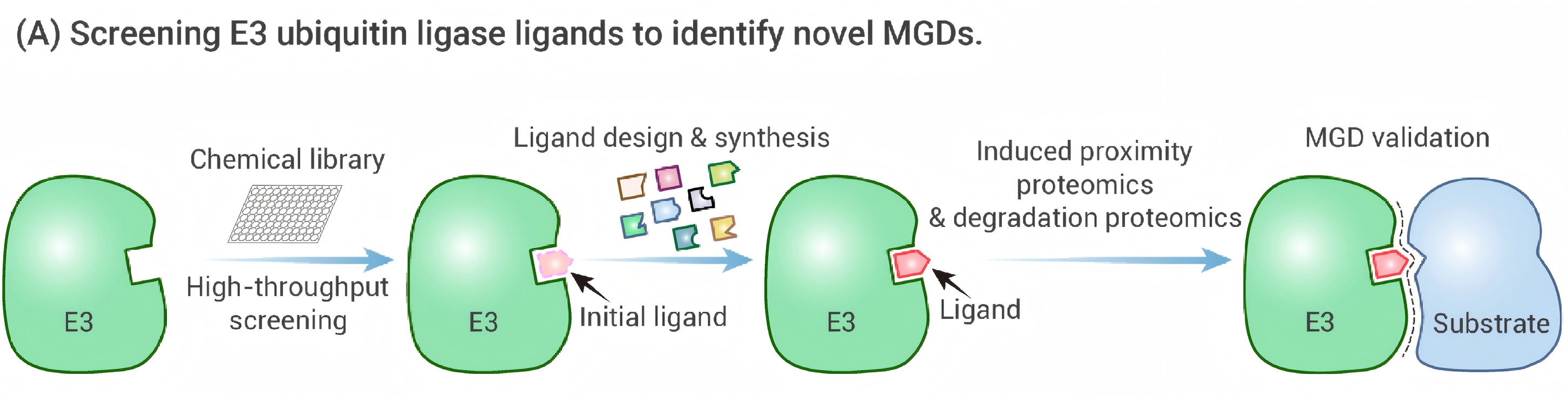
Figure 3. Discovery workflow of novel molecular glue degraders (MGDs) via screening of E3 ubiquitin ligase ligands[3].
Cooperativity refers to the mutual interfacial stabilization within the ternary complex. Binding of the molecular glue to the E3 ligase optimizes its surface conformation to facilitate neo-substrate docking, while engagement of the neo-substrate can further stabilize the molecular glue–E3 ligase complex. This bidirectional synergy allows efficient degradation even when binary binding between the small molecule and either the protein partner is relatively weak.
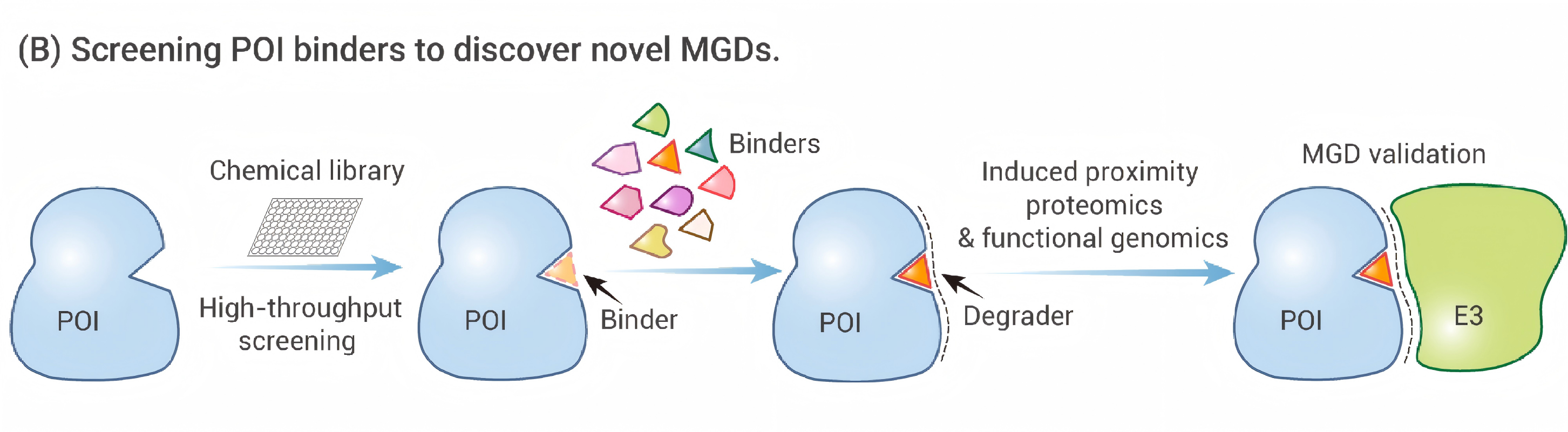
Figure 4. Discovery workflow of novel molecular glue degraders (MGDs) via screening of protein-of-interest (POI) binders[3].
Notably, the substrate selectivity of molecular glues is governed by the composite interface formed by the small molecule, the E3 ligase, and the neo-substrate, rather than by high-affinity binding to a single protein partner. Small structural changes at this ternary interface can substantially alter substrate recognition and degradation specificity—a key distinction between molecular glues and traditional small-molecule inhibitors.
Compared with canonical PROTACs, molecular glue degraders exhibit distinct characteristics. Molecular glues typically have more compact scaffolds and lower molecular weights, which may provide favorable drug-like properties. Whereas PROTACs use a linker to connect separate E3-ligase and target-protein ligands, molecular glues usually do not require a dedicated POI-binding motif and instead induce new interactions by remodeling protein interfaces. However, because ternary complex formation is highly sensitive to interface geometry and cooperativity, predicting neo-substrates and designing molecular glues de novo remain more challenging than designing many PROTACs.
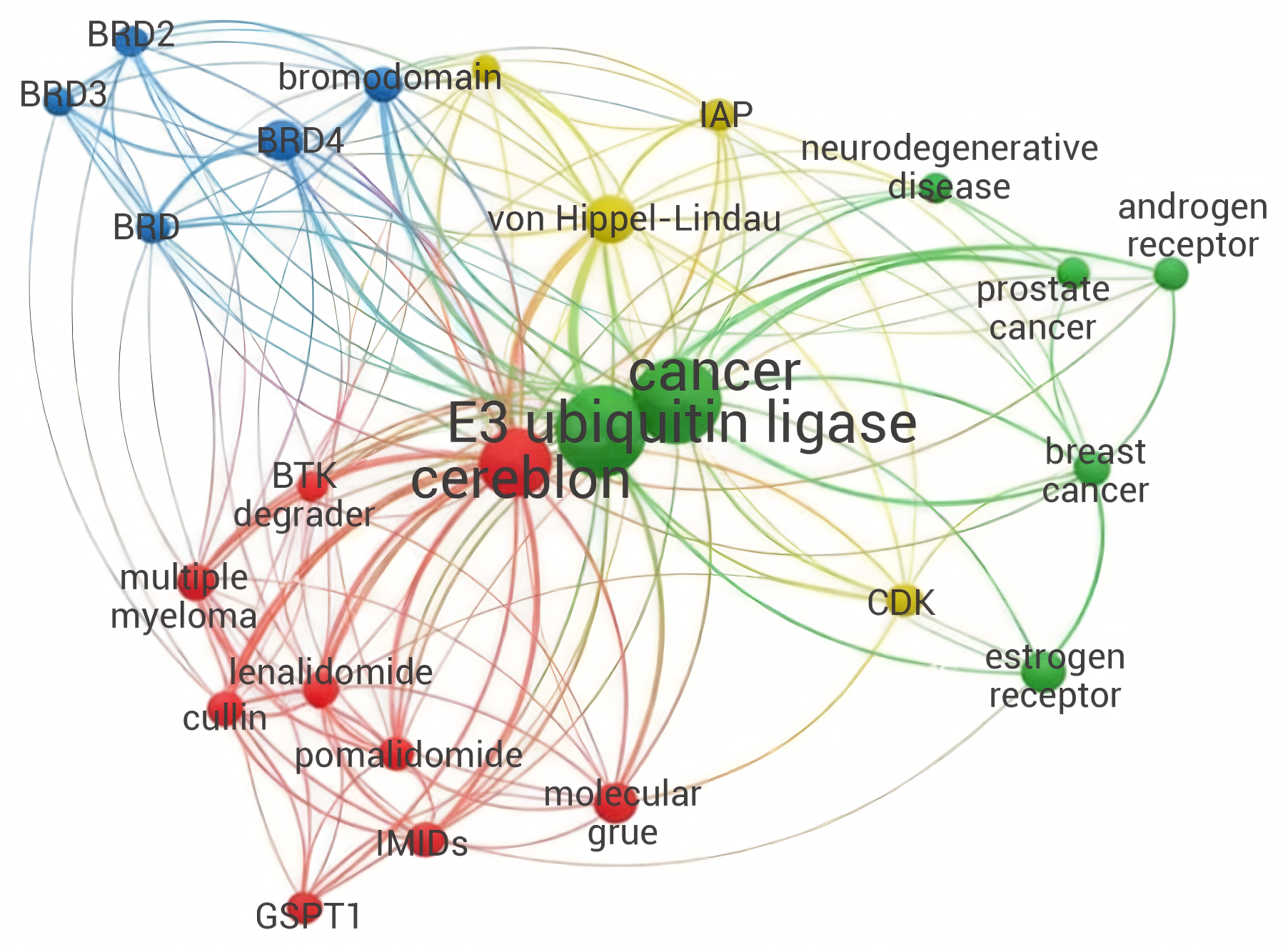
Figure 5. Knowledge mapping network of molecular glue degraders centered on E3 ubiquitin ligase (cereblon)[4].
Molecular glue research has advanced from mechanistic discovery to early clinical translation. Several degrader programs now target proteins involved in hematologic malignanciesand solid tumors, while preclinical studies are broadening the modality toward additional biological systems and disease areas.
GSPT1, also known as eRF3a, is a translation termination factor whose degradation can produce strong antiproliferative effects in selected hematologic malignancies such as acute myeloid leukemia (AML). The development of GSPT1-targeted molecular glues has entered clinical translation, with multiple candidates progressing through early-stage clinical studies.
To reduce off target degradation, CRBN binding scaffolds have been expanded beyond conventional phthalimide cores to include novel scaffolds such as benzotriazinones, benzimidazoles, and oximes, with the aim of improving target selectivity and degradation activity. In addition, substituents on benzene and heterocyclic rings can enhance interactions with CRBN and GSPT1, stabilize the ternary complex, and strengthen antiproliferative activity.
Current optimization strategies for GSPT1 molecular glues focus on high selectivity and combination therapy to support clinical translation and application.
DEG6498 is an orally bioavailable CRBN-recruiting molecular glue designed to degrade the RNA-binding protein HuR (ELAVL1). It became the first HuR-targeting molecular glue reported to enter clinical development and is currently in Phase I clinical trials. The ongoing trials focus on advanced solid tumors including colorectal cancer, lung cancer, and hepatocellular carcinoma.
DEG6498 was identified through the GlueXplorer® platform using high-throughput screening of a molecular glue-focused compound library. Subsequent medicinal chemistry optimization aimed to improve physicochemical properties, oral bioavailability, conformational control, and target selectivity.
To date, the compound has demonstrated favorable tolerability in patients with no dose limiting toxicities observed. It holds great potential to fill the unmet medical need for the treatment of multiple refractory solid tumors.
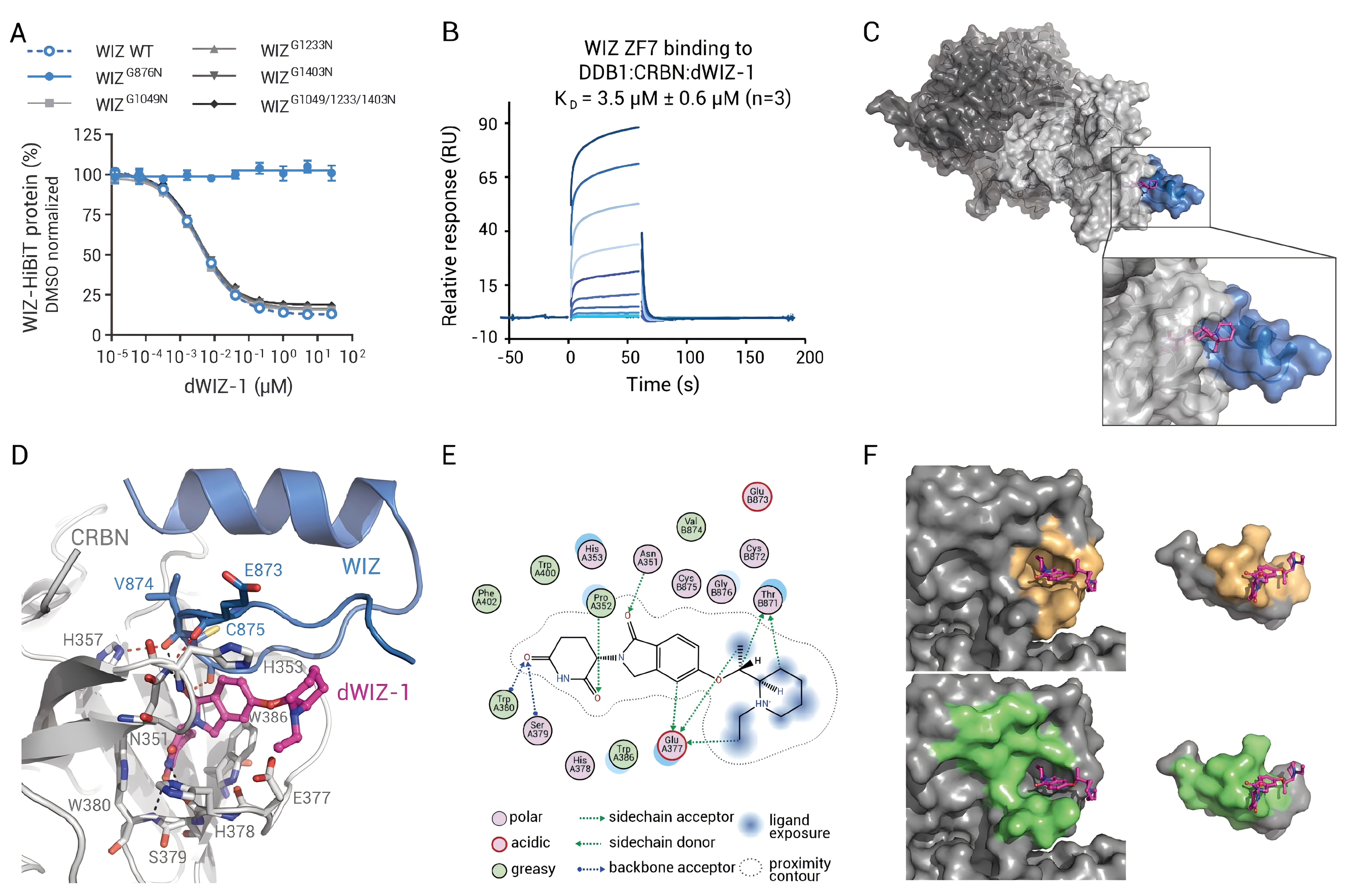
Figure 6. WIZ is recruited to CRBN through ZF7[5].
In 2024, researchers reported CRBN-recruiting molecular glue degraders targeting the transcription factor WIZ. Phenotypic screening of a CRBN-biased compound library identified dWIZ-1 and dWIZ-2, which increased fetal hemoglobin (HbF) expression without impairing erythroid proliferation or differentiation[5], thereby ameliorating sickle cell disease (SCD) and thalassemia.
Both compounds recruit the ZF7 domain of WIZ to CRBN. Structural analysis showed that the β-hairpin glycine G876 of WIZ accommodates the phthalimide moiety, which occupies the CRBN tri-tryptophan pocket. Mechanistically, dWIZ-1 forms direct hydrogen bonds with WIZ(ZF7) V874 and reinforces an interprotein hydrogen-bonding network, thereby stabilizing the CRBN-WIZ interface.
dWIZ-1 showed limitations related to in vivo bioavailability and stereoisomeric complexity associated with its chiral methyl group. Removal of this methyl group in dWIZ-2 simplified the scaffold and addressed some of these limitations.
Subsequent structure–activity relationship (SAR) optimization used piperidine cyclization based on dWIZ-2 to restrict molecular flexibility. Site-specific methyl substitution on the piperidine ring was applied to boost WIZ degradation efficacy while maintaining selectivity against SALL4 through steric hindrance. The resulting showed superior potency, excellent selectivity, and favorable pharmacokinetic properties.
These findings have stimulated further development of WIZ-targeted molecular glues as a potential oral strategy for disorders in which induction of fetal hemoglobin may be beneficial.
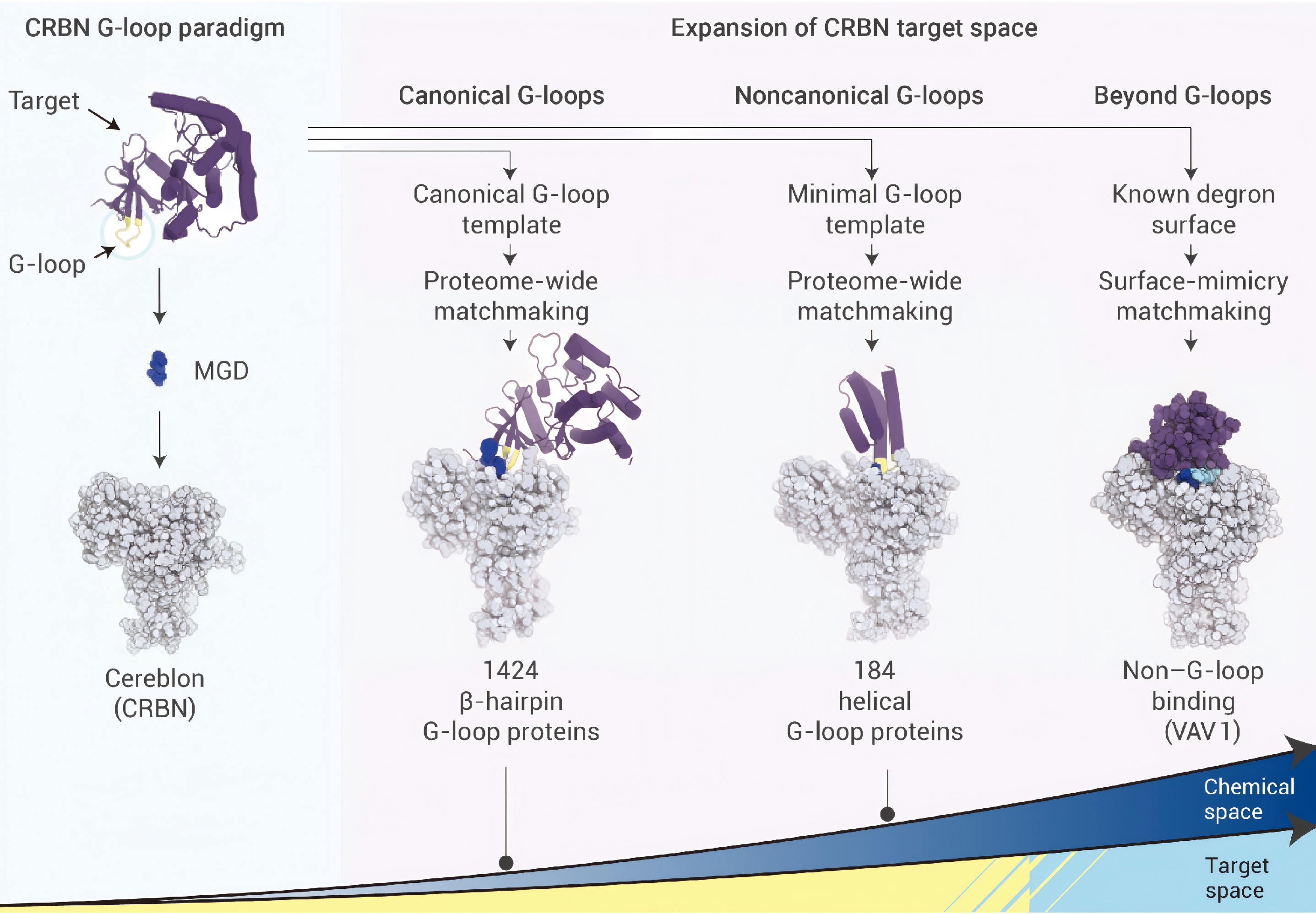
Figure 7. The G-loop serves as the core recognition motif for molecular glue-mediated recruitment of client proteins to CRBN. Computational matching algorithms predict that over 1600 human proteins harbor CRBN-compatible β-hairpin or helical G-loop motifs[6].
Driven by advances in multi-omics profiling, structural biology and artificial intelligence (AI), molecular glue research is moving from largely serendipitous discovery toward a more systematic and rational development framework. Structure-based computational approaches can profile CRBN-compatible G-loop structures across the human proteome, identify previously unrecognized binding patterns and expand the potential substrate space of CRBN-dependent molecular glues[6]. The target spectrum of molecular glues has broadened from canonical transcription factors to other challenging protein classes, including kinases, RNA-binding proteins and GTPases. Their potential applications are also being explored beyond hematological malignancies in solid tumors and other disease areas.
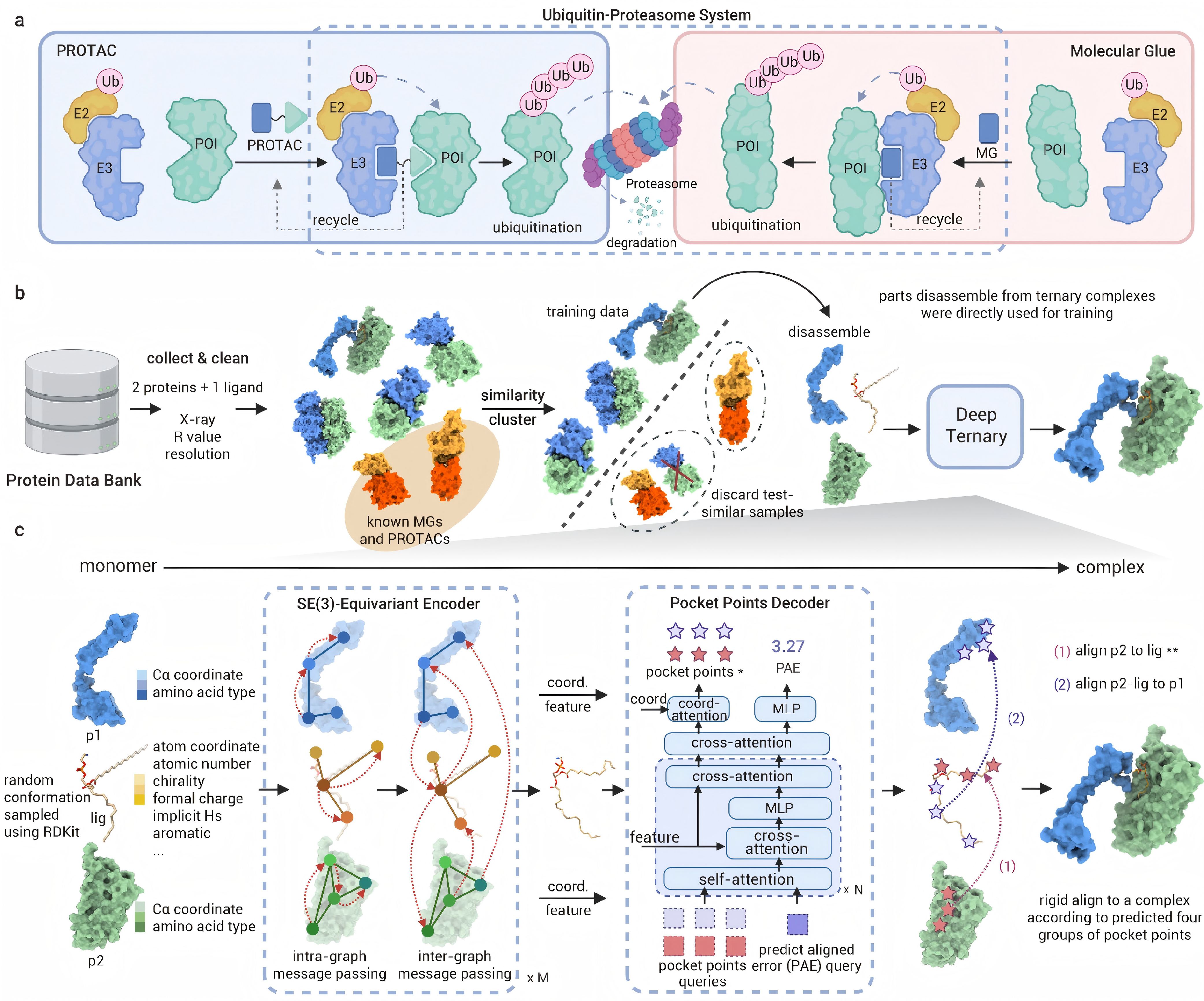
Figure 8. DeepTernary is a deep learning model for predicting the structure of the ternary complex induced by PROTACs and MG(D)s[7].
Advanced screening technologies, including DNA-encoded libraries, affinity screening mass spectrometry (ASMS) and high-throughput screening (HTS), support the efficient identification of active compounds and candidate targets. When combined with deep-learning approaches for ternary complex prediction[7], these tools can contribute to an integrated workflow spanning compound screening, target validation, mechanistic analysis and structural optimization, thereby making molecular glue discovery more systematic and interpretable.
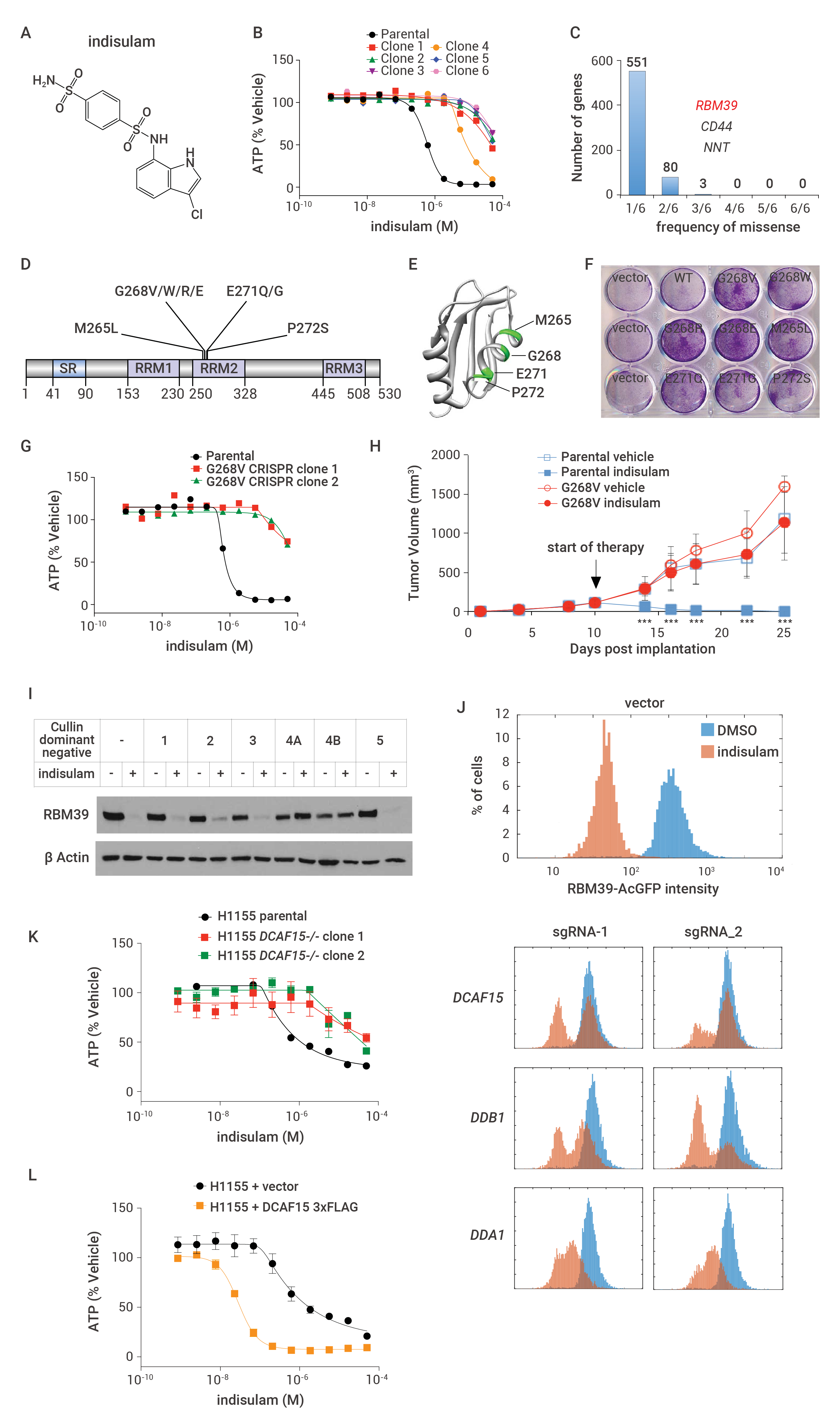
Figure 9. Forward Genetics and CRISPR Screening Decipher Molecular Glue Mechanism[8].
The classic indisulam–DCAF15–RBM39 molecular glue system illustrates the value of integrating multiple discovery technologies. Phenotypic screening first identified the antitumor activity of indisulam. Subsequent CRISPR-based genetic screening established DCAF15 as the E3 ubiquitin ligase required for activity, clarifying target dependency and potential resistance mechanisms. Quantitative proteomics then identified RBM39 as the recruited substrate and helped distinguish selective degradation from broader off-target effects. Structural biology resolved the ternary complex and revealed the basis of interfacial cooperativity and substrate recognition. Building on these experimental data, AI and computational models can help narrow chemical search space and prioritize binding modes or degradation hypotheses, while medicinal chemistry remains essential for balancing degradation activity, substrate selectivity and drug-like properties.
Collectively, the integration of complementary technologies has moved molecular glue research from largely empirical discovery toward more interpretable and increasingly designable development. AI tools can improve molecular screening, ternary complex prediction and structural optimization, but their performance remains limited by training data, generalizability, and the difficulty of reproducing complex physiological environments. Experimental validation,including cellular functional assays, proteomic substrate identification, structural analysis, and in vivo studies, therefore remains essential for evaluating the activity, selectivity and mechanism of molecular glue candidates.
Despite substantial technological progress, the clinical translation of molecular glues still faces multiple bottlenecks. Because ternary complex interfaces are highly sensitive to conformation, molecular glues may recruit unintended substrates, creating risks of off‑target degradation and toxicity. Structural optimization must also balance degradation potency, selectivity, drug-like properties and in vivo pharmacokinetics. Additional challenges include tissue-dependent expression of E3 ligases, the emergence of resistance, and the identification of reliable biomarkers. Molecular glue development also remains heavily concentrated on CRBN. Expanding underexplored E3 ligase systems, including VHL, TRIM21 and KBTBD4, may diversify the substrate spectrum and broaden future applications.
Molecular glue degraders redirect E3 ubiquitin ligases toward neo-substrates, enabling the selective degradation of proteins that are difficult to address with conventional small molecules. Representative targets such as GSPT1, HuR and WIZ illustrate how this approach can expand the druggable proteome to include translational regulators, RNA-binding proteins and transcriptional regulators.
Advances in phenotypic and CRISPR screening, quantitative proteomics, structural biology and AI are accelerating the transition from serendipitous discovery to more systematic and rational molecular glue design. However, challenges remain in controlling proteome-wide selectivity, minimizing off-target degradation, overcoming tissue-dependent E3 ligase expression, and the balancing degradation potency with pharmacokinetic properties.
Future progress will depend on a deeper understanding of ternary complex formation, improved prediction and validation of neo-substrates, and the exploitation of E3 beyond CRBN. Together, these developments may support the discovery of more selective and broadly applicable molecular glue degraders.
| Cat. No. | Products | Description |
|---|---|---|
| HY-L918 | Molecular Glue Analogue Library | Curated analogs for phenotypic and target-based screening. |
| HY-L137 | Molecular Glue Compound Library | 84 well-characterized molecular glue degraders covering diverse targets. |
| HY-L934 | CRBN Ligand Library | 600+ high-affinity CRBN ligands, including classic IMiD scaffolds and novel non-IMiD chemotypes. |
| HY-L935 | Molecular Glue POI Ligand Library | 1,000+ POI-binding fragments for modular glue design. |
| HY-L936V0 | Molecular Glue Virtual Library | Generative AI-integrated virtual library for high-throughput in silico |
Note: MCE can provide products for research use only. We do not sell to patients.
 LinkedIn
 Researchgate
 Instagram
 X
X Facebook
 WhatsApp
 Reddit
 Mail
Mail- [1]. Tan X, et al. Science. 2024;27(9):110712. [Content Brief]
- [2]. Yoon H, et al. 2024;134(1):e175265. [Content Brief]
- [3]. Liu Y, et al. Trends Biochem Sci. 2025;50(2):134–142. [Content Brief]
- [4]. Sasso JM, et al. 2023;62(3):601–623.
- [5]. Ting PY, et al. Science. 2024;385(6704):91–99. [Content Brief]
- [6]. Petzold G, et al. Science. 2025;389(6755):eadt6736. [Content Brief]
- [7]. Xue F, et al. Nat Commun. 2025;16(1):5514. [Content Brief]
- [8]. Han T, Goralski M, Gaskill N, et al. Science. 2017;356(6336):eaal3755. [Content Brief]