



Fatty Aldehydes
- 1
- 2
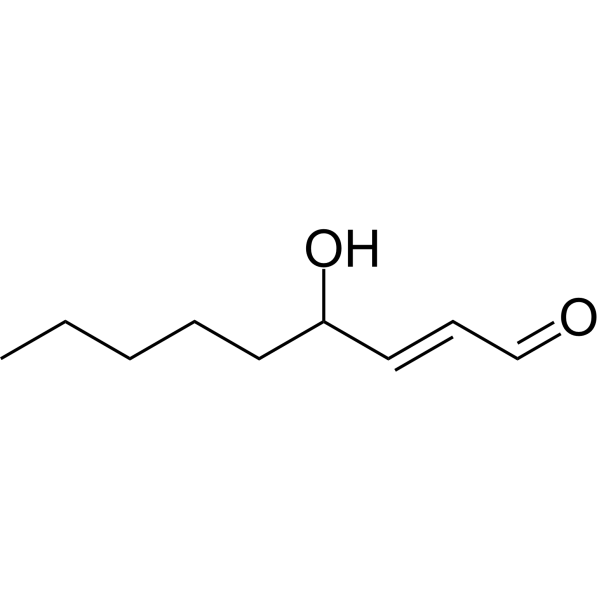
- 分子式: C9H16O2
- 分子量: 156.22
4-Hydroxynonenal (4-HNE) is an α,β unsaturated hydroxyalkenal and an oxidative/nitrosative stress biomarker. 4-Hydroxynonenal is a substrate and an inhibitor of acetaldehyde dehydrogenase 2 (ALDH2). 4-Hydroxynonenal can modulate a number of signaling processes mainly through forming covalent adducts with nucleophilic functional groups in proteins, nucleic acids, and membrane lipids. 4-Hydroxynonenal plays an important role in cancer through mitochondria.
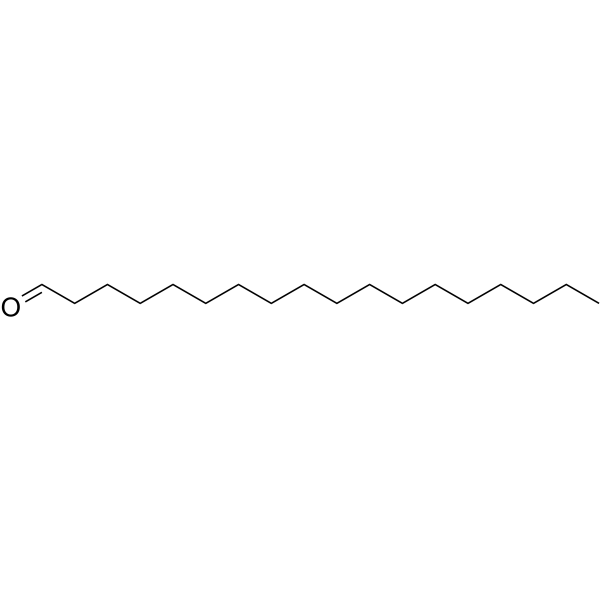
- 分子式: C18H36O
- 分子量: 268.48
Octadecanal (Stearyl aldehyde) is a long-chain aldehyde component. Octadecanal exists in the phospholipid fractions of thigh and breast muscles of broiler chickens.
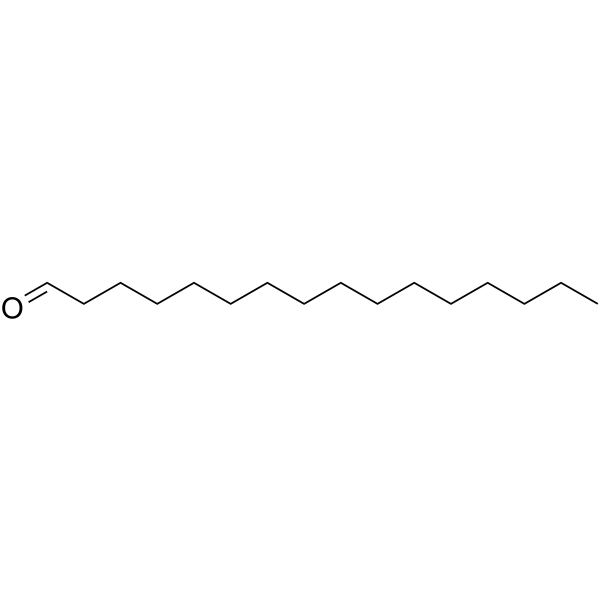
- 分子式: C16H32O
- 分子量: 240.42
Hexadecanal (Palmitaldehyde) , a volatile long-chain aliphatic aldehyde, is emitted from human feces, skin, and breath. The receptor for hexadecanal(OR37B) is highly conserved across mammals. Hexadecanal may exert its effects by modulating functional connectivity between the brain substrates of social appraisal and the brain substrates of aggressive execution. Also, Hexadecanal is confirmed to be highly deterrent to the ant Lasius niger. Hexadecanal is promising for the research of startle responses and aggression
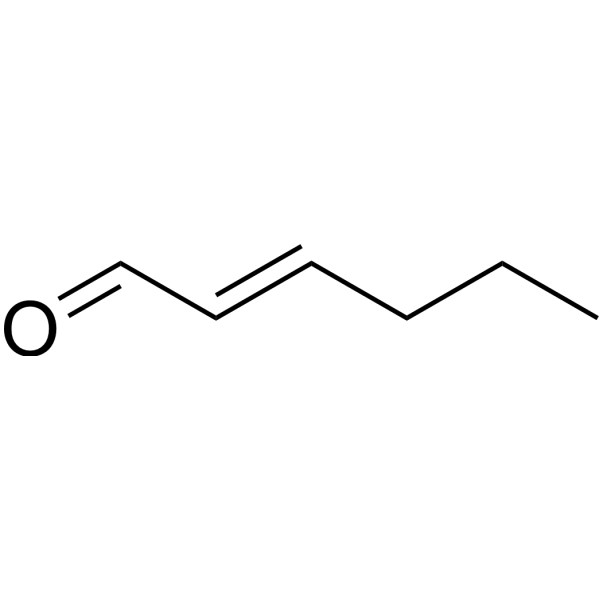
- 分子式: C6H10O
- 分子量: 98.15
trans-2-Hexenal ((E)-2-Hexenal) is a volatile compound widely present in fresh plants, vegetables, and fruits, with a unique leafy aroma. trans-2-Hexenal has antifungal activity and can also inhibit the germination of soybean seeds and the growth of seedlings. In addition, trans-2-Hexenal can be used to determine low-molecular-weight carbonyl compounds that are reactive with biological nucleophiles in biological samples.
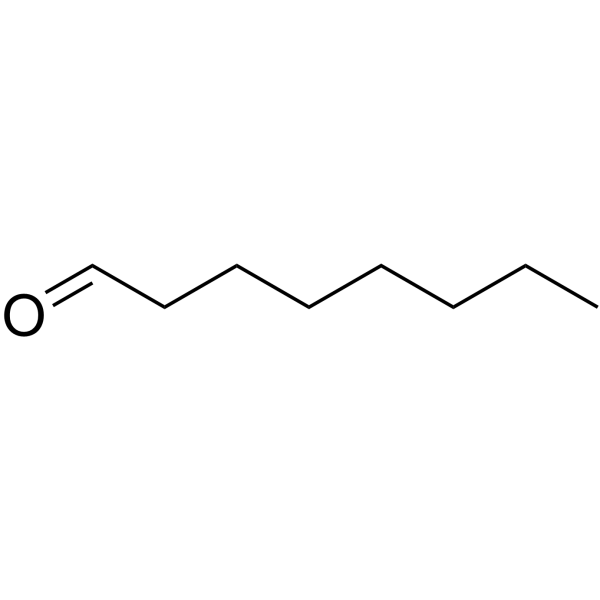
- 分子式: C8H16O
- 分子量: 128.22
Octanal is a fragrant aldehyde with antioxidant and antibacterial activity. Its antifungal effect against G. citri-aurantii may be related to the disruption of cell membrane integrity and the leakage of cellular components. Additionally, Octanal exhibits cytotoxicity towards HeLa cells, with an IC50 value of 3.5 μg/mL.
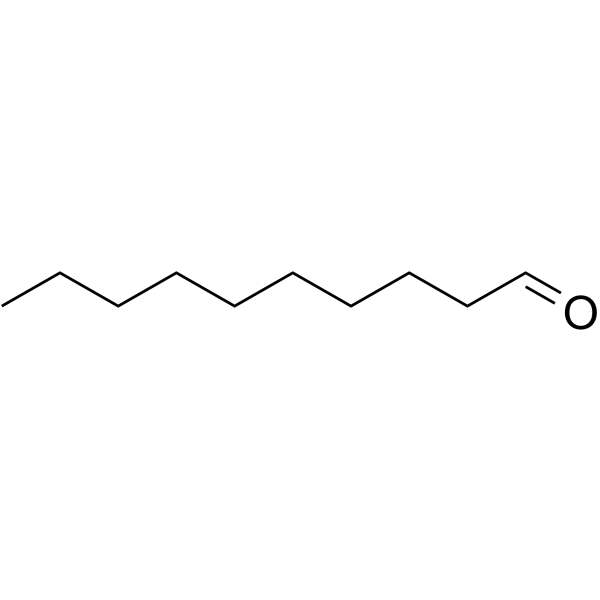
- 分子式: C10H20O
- 分子量: 156.27
Decyl aldehyde is a simple ten-carbon aldehyde. Decyl aldehyde is a bacterial luciferase substrate.
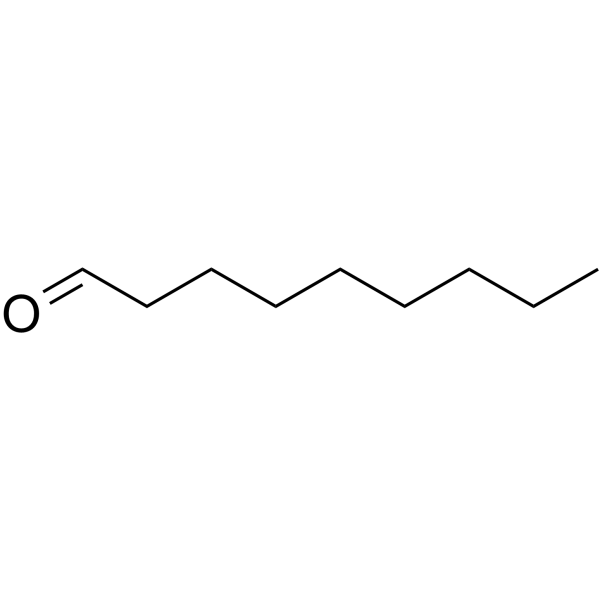
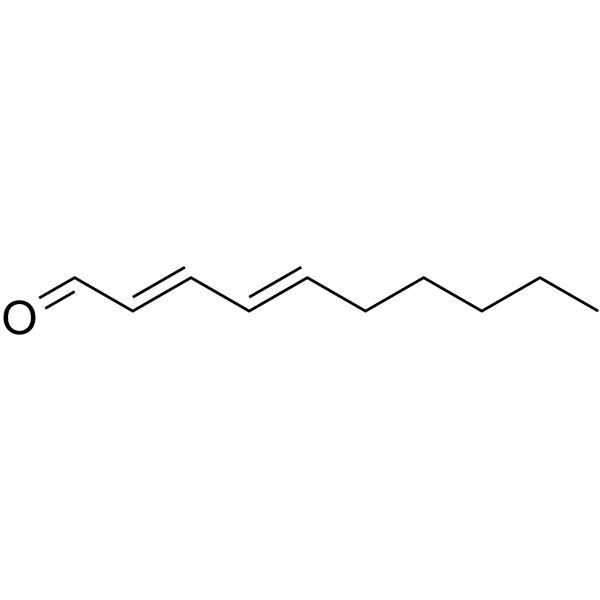
- 分子式: C10H16O
- 分子量: 152.23
trans,trans-2,4-Decadienal is a lipid peroxidation product of linolieic acid.
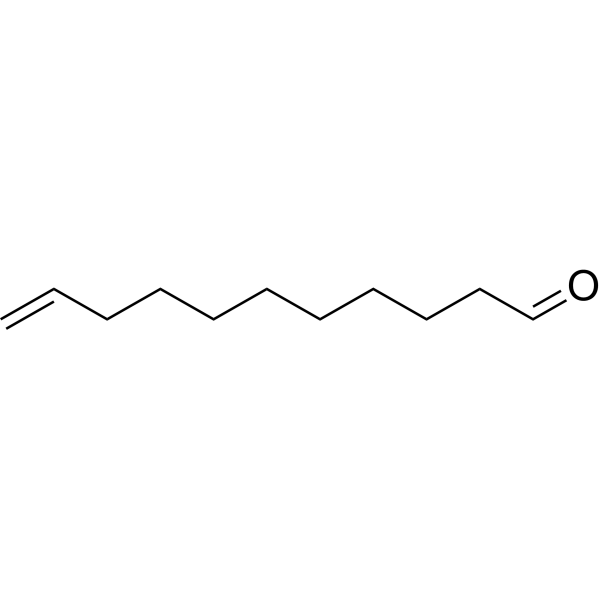
- 分子式: C11H20O
- 分子量: 168.28
10-Undecenal consists of an 11-carbon chain with a double bond between the 9th and 10th carbon atoms and an aldehyde group attached to the 1st carbon atom. This compound has a pungent or fatty smell and is commonly used as a flavoring commodity in foods such as bakery, confectionary and beverages.
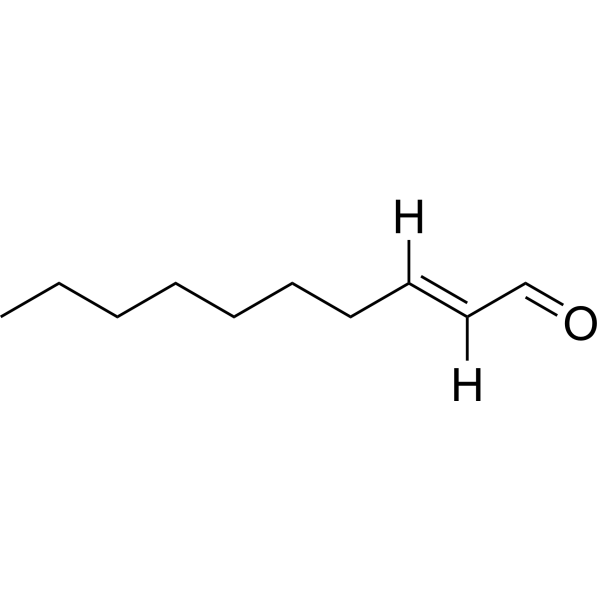
- 分子式: C10H18O
- 分子量: 154.25
trans-2-Decenal ((E)-Dec-2-enal) acts as a urease inhibitor and antibacterial agent against Helicobacter pylori, with an IC50 of 9.484 μg/mL against Helicobacter pylori urease. trans-2-Decenal reduces the urease activity of Helicobacter pylori, and possesses antibacterial, bactericidal, anti-biofilm and anti-migratory activities. It alters the morphology of Helicobacter pylori, induces bacterial rupture, inhibits biofilm formation, reduces the number of mature biofilms and impairs the migratory capacity of Helicobacter pylori. trans-2-Decenal disrupts the cell wall integrity of Phytophthora capsici, damages membrane integrity and permeability, triggers intracellular reactive oxygen species (ROS) accumulation, decreases glutathione levels and disrupts the mitochondrial membrane potential of Phytophthora capsici. trans-2-Decenal is applicable to studies related to Helicobacter pylori and plant diseases induced by and Phytophthora capsici.

- 分子式: C8H14O
- 分子量: 126.20
(E)-2-Octenal is an Antifungal agent. (E)-2-Octenal disrupts cell membrane integrity and causes ROS accumulation. (E)-2-Octenal decreases the activities of phosphofructokinase and pyruvate kinase. (E)-2-Octenal inhibits Neofusicoccum parvum growth by disrupting mitochondrial energy metabolism. (E)-2-Octenal suppresses the growth of a Prochloraz (HY-B0845)-resistant Penicillium italicum strain. (E)-2-octenal exerts a broad-spectrum and potent inhibitory effect on various fungi, including Sclerotium rolfsii, Metarhizium anisopliae sensu lato, and Aspergillus flavus, etc. (E)-2-Octenal can be used for the research of citrus blue mold and mango stem-end rot.
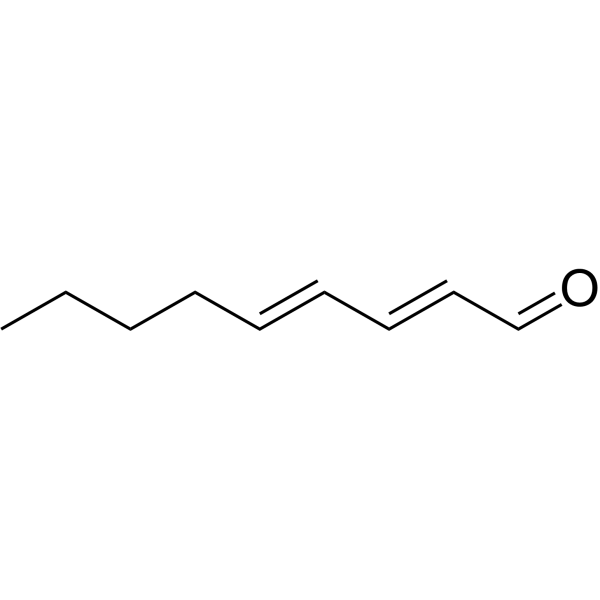
- 分子式: C9H14O
- 分子量: 138.21
Trans,trans-2,4-NonadienalIt is an organic compound belonging to aldehydes. It has a strong, pungent smell and is commonly found in a variety of foods, including fruits and vegetables. Trans,trans-2,4-NonadienalIt has a variety of applications in the flavor and fragrance industry, especially as a fragrance agent in products such as perfume, cologne and air fresheners. In addition, it can also be used as an intermediate in the synthesis of various chemicals and drugs.
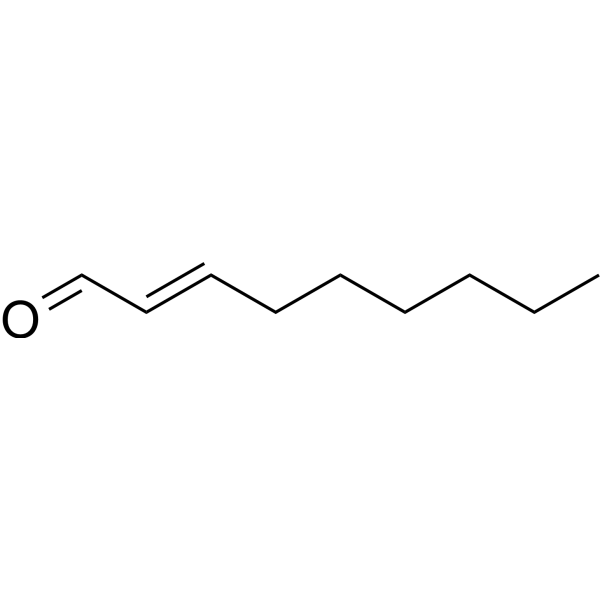
- 分子式: C9H16O
- 分子量: 140.22
trans-2-Nonenal (trans-2-Nonen-1-al) is an endogenous peroxidation product of polyunsaturated fatty acids, acting as an inhibitor of COX and 12-LOX, as well as an inducer of apoptosis. trans-2-Nonenal is also a malodorous compound secreted by the human body, and its content gradually increases with aging. trans-2-Nonenal inhibits the activities of multiple enzymes such as platelet membrane-bound PTPase, preferentially covalently modifies proteins at lysine residues to form immunogenic adducts, and regulates platelet Arachidonic acid (HY-109590) metabolism. trans-2-Nonenal also exhibits significant cytotoxicity, reduces the viability of keratinocytes, promotes their apoptosis, and effectively decreases the thickness of epidermal models and the number of proliferating cells. trans-2-Nonenal is commonly used in studies of thrombotic, atherosclerotic diseases, renal adenocarcinoma, etc..
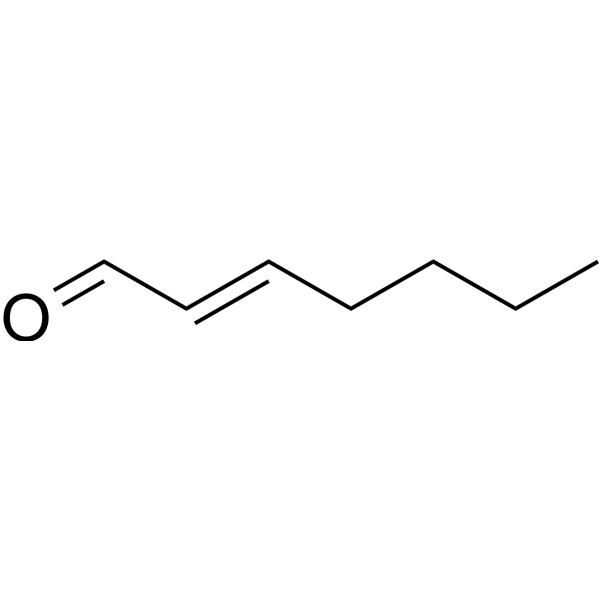
- 分子式: C7H12O
- 分子量: 112.17
trans-2-Heptenal is a biochemical reagent that can be used as a biological material or organic compound for life science related research.
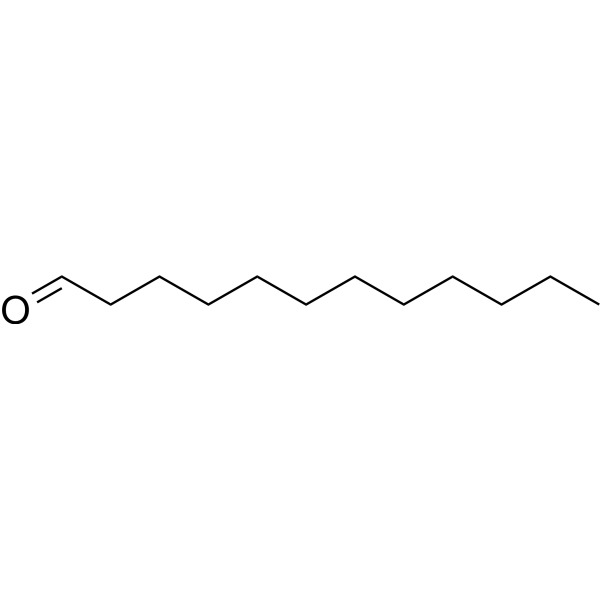
- 分子式: C12H24O
- 分子量: 184.32
Dodecanal is an aliphatic aldehyde and serves as the major volatile metabolite in the leaves, stems and roots of Polygonum minus. Dodecanal acts as a substrate for oxidation reactions and is converted into dodecanoic acid by endogenous ALDH enzymes. Dodecanal is an intermediate in the biological oxidation pathway of n-dodecane and the biotransformation pathway of ω-aminododecane.

- 分子式: C16H30O
- 分子量: 238.41
(E)-2-Hexadecenal (trans-2-Hexadecenal) is an MLK3 activator that induces cytoskeletal remodeling, leading to cell rounding, detachment, and ultimately apoptosis in human and mouse cells. (E)-2-Hexadecenal activates the MLK3 signaling pathway, phosphorylating MKK4/7 and JNK, subsequently activating downstream targets of JNK, such as c-Jun phosphorylation, cytochrome c release, Bax activation, Bid cleavage, and Bim translocation to mitochondria. (E)-2-Hexadecenal has potential applications in research related to sphingolipid signaling pathways.
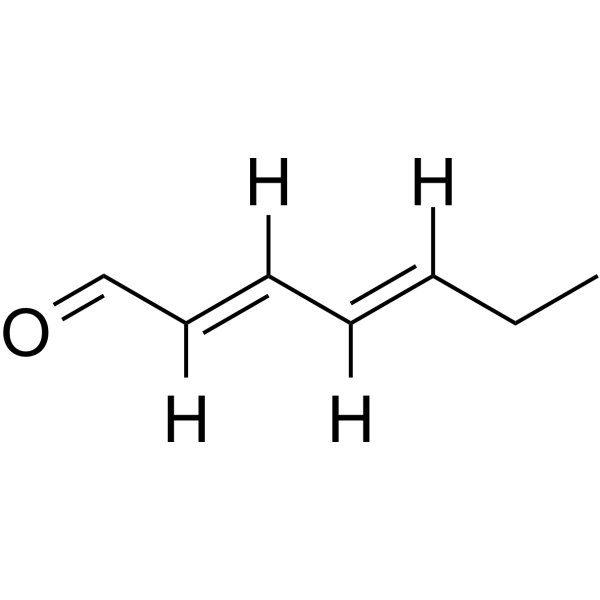
- 分子式: C7H10O
- 分子量: 110.16
(2E,4E)-Hepta-2,4-dienal is a biochemical reagent that can be used as a biological material or organic compound for life science related research.

- 分子式: C6H10O2
- 分子量: 114.14
4-Hydroxy hexenal (4-HHE) is a lipid peroxidation product derived from oxidized ω-3 fatty acids such as DHA.

- 分子式: C16H28O
- 分子量: 236.39
(E,E)-10,12-Hexadecadienal is a female pheromone isolated from female Earias insulana.
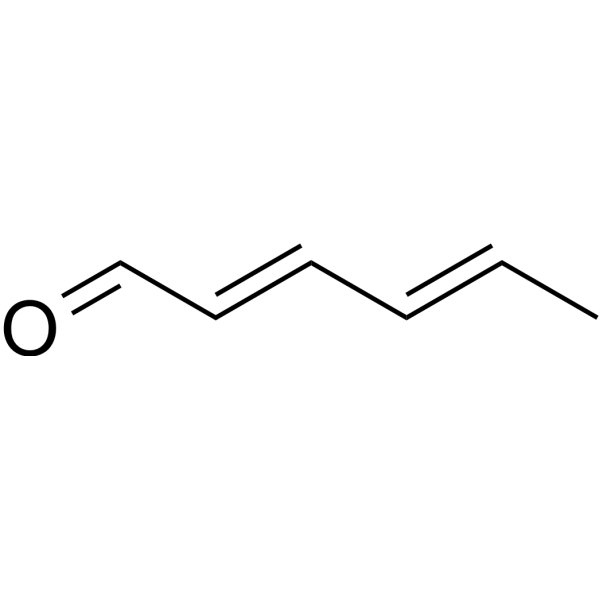
- 分子式: C6H8O
- 分子量: 96.13
(E,E)-2,4-Hexadienal is a biochemical reagent that can be used as a biological material or organic compound for life science related research.
- 1
- 2



