



Sleep-Wake Disorder
-
Sleep-Wake Disorder (40)

- 1
- 2
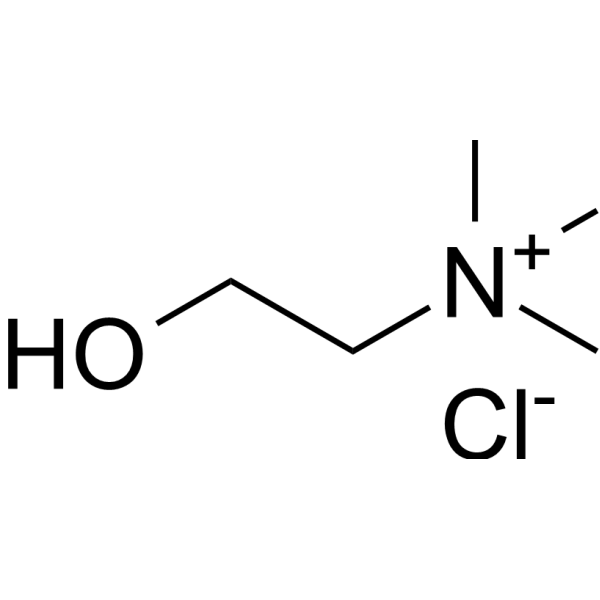
- Formula: C5H14ClNO
- Molecular Weight: 139.62
Choline chloride is an orally active methylxanthine derivative. Choline chloride exhibits weak antihistaminic and anticholinergic activities and potentiates the effects of histamine and acetylcholine. Choline chloride relaxes bronchial smooth muscle, dilates coronary and peripheral blood vessels, increases urine output and electrolyte excretion, stimulates locomotor activity in the central nervous system, and induces transient hypotension following a pressor phase. Choline chloride modulates sleep architecture by increasing wakefulness time and reducing slow-wave sleep, without altering the frequency or severity of nocturnal hypoxemia, apnea, or hypopnea events. Choline chloride is used in studies of bronchospasm, nocturnal asthma, and chronic asthma.

- Formula: C3H2ClF5O
- Molecular Weight: 184.49
Isoflurane is a volatile anaesthetic. Isoflurane diminishs the effect of ROS activity. Isoflurane suppresses respiration. Isoflurane enables rapid anesthesia induction and emergence. Isoflurane protects against noise-induced hearing loss and tissue damage in mice. Isoflurane protects against renal ischemia and reperfusion injury and modulates leukocyte infiltration.
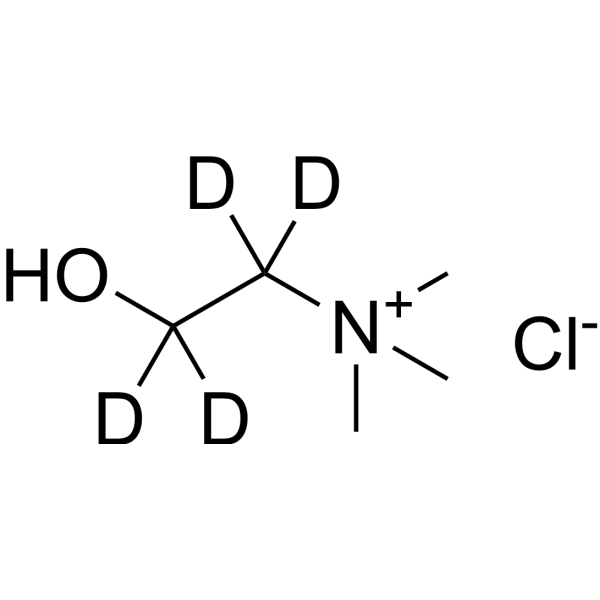
- Formula: C5H10D4ClNO
- Molecular Weight: 143.65
Choline-d4 chloride is the d4-labeled Choline chloride (HY-B1337). Choline chloride is an orally active methylxanthine derivative. Choline chloride exhibits weak antihistaminic and anticholinergic activities and potentiates the effects of histamine and acetylcholine. Choline chloride relaxes bronchial smooth muscle, dilates coronary and peripheral blood vessels, increases urine output and electrolyte excretion, stimulates locomotor activity in the central nervous system, and induces transient hypotension following a pressor phase. Choline chloride modulates sleep architecture by increasing wakefulness time and reducing slow-wave sleep, without altering the frequency or severity of nocturnal hypoxemia, apnea, or hypopnea events. Choline chloride is used in studies of bronchospasm, nocturnal asthma, and chronic asthma.
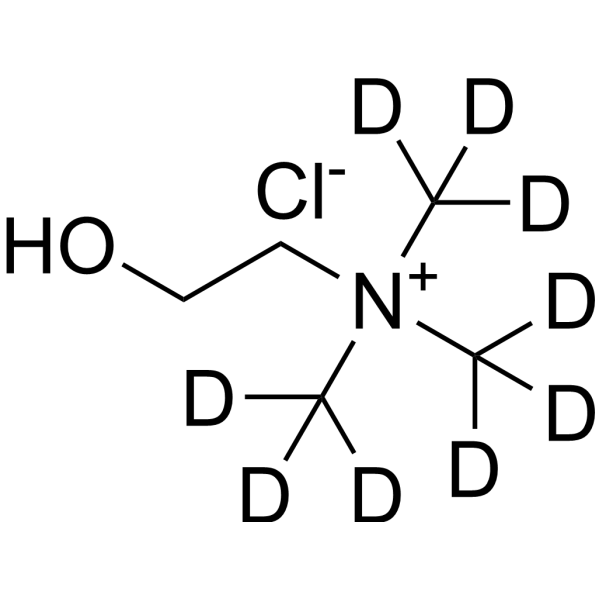
- Formula: C5H5D9ClNO
- Molecular Weight: 148.68
Choline-d9 chloride is the d9-labeled Choline chloride (HY-B1337). Choline chloride is an orally active methylxanthine derivative. Choline chloride exhibits weak antihistaminic and anticholinergic activities and potentiates the effects of histamine and acetylcholine. Choline chloride relaxes bronchial smooth muscle, dilates coronary and peripheral blood vessels, increases urine output and electrolyte excretion, stimulates locomotor activity in the central nervous system, and induces transient hypotension following a pressor phase. Choline chloride modulates sleep architecture by increasing wakefulness time and reducing slow-wave sleep, without altering the frequency or severity of nocturnal hypoxemia, apnea, or hypopnea events. Choline chloride is used in studies of bronchospasm, nocturnal asthma, and chronic asthma.

- Formula: C15H13F2NO2S
- Molecular Weight: 309.33
Lauflumide (BisfluoroModafinil) is a selective dopamine reuptake inhibitor and wake-promoting agent. Lauflumide inhibits the dopamine transporter (DAT). Lauflumide induces sustained wakefulness without eliciting hyperlocomotion, stereotypy or abnormal behaviors in Mus musculus (house mice). Lauflumide reduces non-rapid eye movement (NREM) sleep rebound in rats, modulates electroencephalogram (EEG) spectral composition, and produces anti-aggressive effects. Lauflumide alleviates circadian rhythm disturbances in rats, increases spontaneous activity in fatigued rats, and facilitates their recovery from severe fatigue. Lauflumide can be used in research related to excessive daytime sleepiness as well as chronic severe fatigue/chronic fatigue syndrome (CFS).
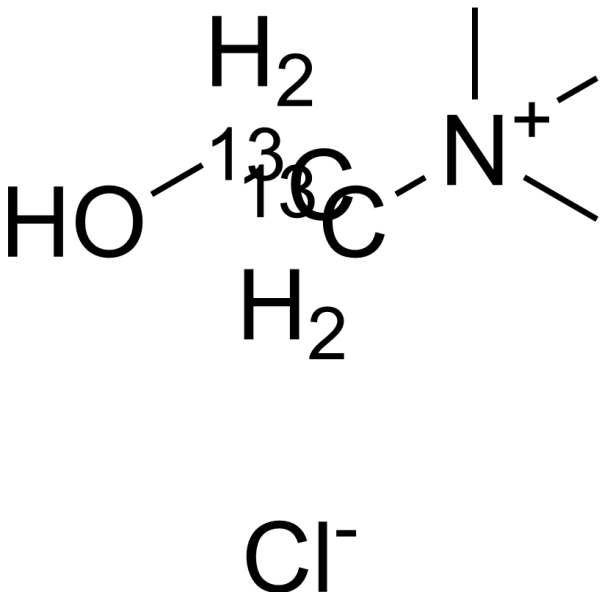
- Formula: C313C2H14ClNO
- Molecular Weight: 141.61
Choline-13C2 chloride is the 13C-labeled Choline chloride (HY-B1337). Choline chloride is an orally active methylxanthine derivative. Choline chloride exhibits weak antihistaminic and anticholinergic activities and potentiates the effects of histamine and acetylcholine. Choline chloride relaxes bronchial smooth muscle, dilates coronary and peripheral blood vessels, increases urine output and electrolyte excretion, stimulates locomotor activity in the central nervous system, and induces transient hypotension following a pressor phase. Choline chloride modulates sleep architecture by increasing wakefulness time and reducing slow-wave sleep, without altering the frequency or severity of nocturnal hypoxemia, apnea, or hypopnea events. Choline chloride is used in studies of bronchospasm, nocturnal asthma, and chronic asthma.
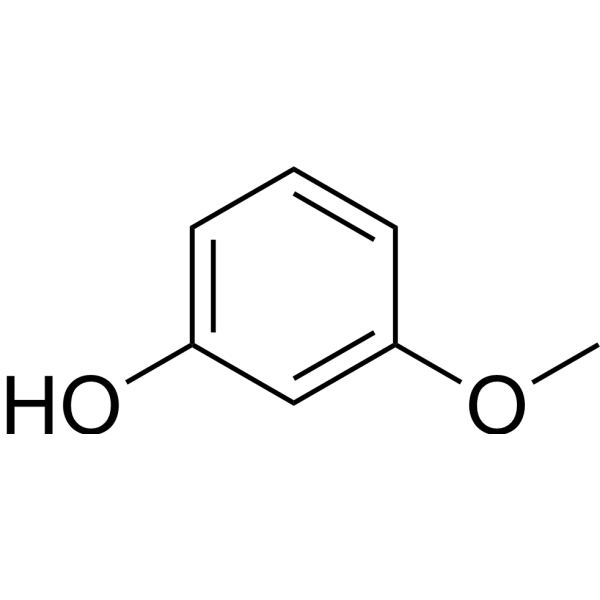
- Formula: C7H8O2
- Molecular Weight: 124.14
3-Methoxyphenol is an environmental pollutant. 3-Methoxyphenol occurs in the aroma components of dried bonito. 3-Methoxyphenol potentially enhances GABA-evoked responses of α1β1 GABAA receptors by increasing the affinity of GABA binding sites. 3-Methoxyphenol is used as a flavoring substance in food and animal feed. 3-Methoxyphenol prolongs pentobarbital-induced sleeping time and reduces elevated plus maze behavior.
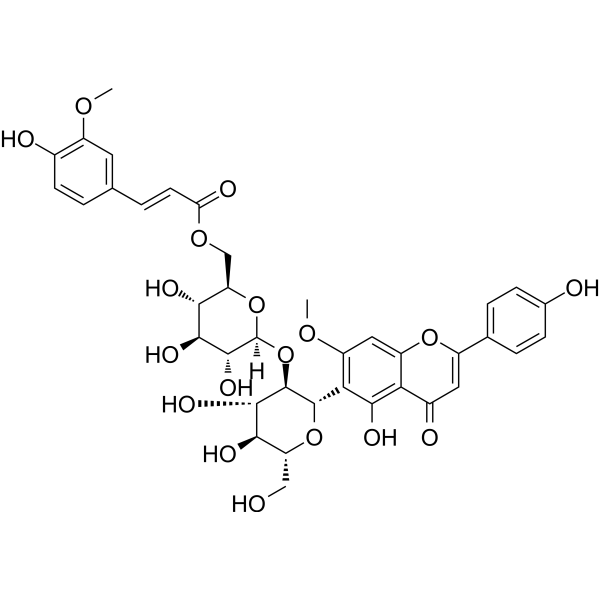
- Formula: C38H40O18
- Molecular Weight: 784.71
6'''-Feruloylspinosin is an orally active RORα activator that crosses the blood-brain barrier, with a Kd of 0.308 μM, and is found in natural sources. 6'''-Feruloylspinosin modulates AMPK and mTOR phosphorylation. 6'''-Feruloylspinosin promotes autophagy through the AMPK/mTOR signaling pathway, inhibits GSK3β phosphorylation at Tyr216, and activates the PGC-1α/Nrf2/HO-1 pathway. 6'''-Feruloylspinosin regulates neurotransmitter levels, enhances mRNA expression of GABAA α1, α5, and GABAB R1 receptor subunits, increases brain 5-HT and GABA, restores melatonin levels, and ameliorates anxiety-like behaviors. 6'''-Feruloylspinosin regulates oxidative stress homeostasis, inhibits mitochondrial dysfunction, decreases MDA while increasing GSH. 6'''-Feruloylspinosin can be used for research on Alzheimer's disease, acute myocardial infarction, heart failure with insomnia, and insomnia.

- Formula: C₅H₁₄ClNO
- Molecular Weight: 139.62
Choline chloride (Standard) is the analytical standard of Choline chloride (HY-B1337). This product is intended for research and analytical applications. Choline chloride is an orally active methylxanthine derivative. Choline chloride exhibits weak antihistaminic and anticholinergic activities and potentiates the effects of histamine and acetylcholine. Choline chloride relaxes bronchial smooth muscle, dilates coronary and peripheral blood vessels, increases urine output and electrolyte excretion, stimulates locomotor activity in the central nervous system, and induces transient hypotension following a pressor phase. Choline chloride modulates sleep architecture by increasing wakefulness time and reducing slow-wave sleep, without altering the frequency or severity of nocturnal hypoxemia, apnea, or hypopnea events. Choline chloride is used in studies of bronchospasm, nocturnal asthma, and chronic asthma.
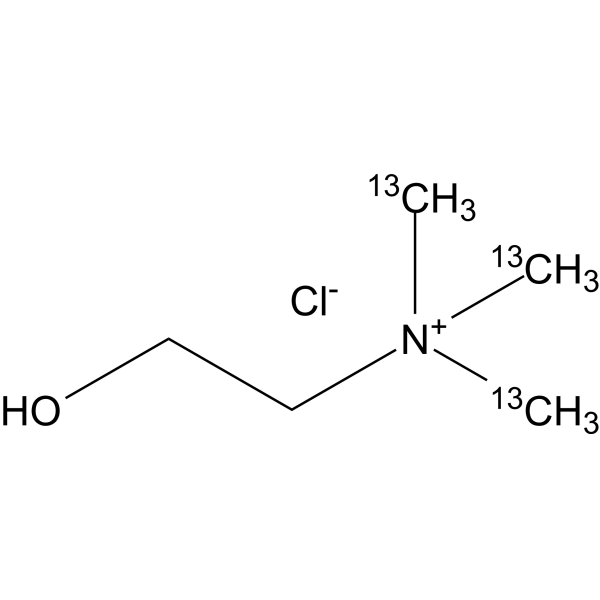
- Formula: C213C3H14ClNO
- Molecular Weight: 142.60
Choline Chloride-13C3 is the 13C-labeled Choline chloride (HY-B1337). Choline chloride is an orally active methylxanthine derivative. Choline chloride exhibits weak antihistaminic and anticholinergic activities and potentiates the effects of histamine and acetylcholine. Choline chloride relaxes bronchial smooth muscle, dilates coronary and peripheral blood vessels, increases urine output and electrolyte excretion, stimulates locomotor activity in the central nervous system, and induces transient hypotension following a pressor phase. Choline chloride modulates sleep architecture by increasing wakefulness time and reducing slow-wave sleep, without altering the frequency or severity of nocturnal hypoxemia, apnea, or hypopnea events. Choline chloride is used in studies of bronchospasm, nocturnal asthma, and chronic asthma.
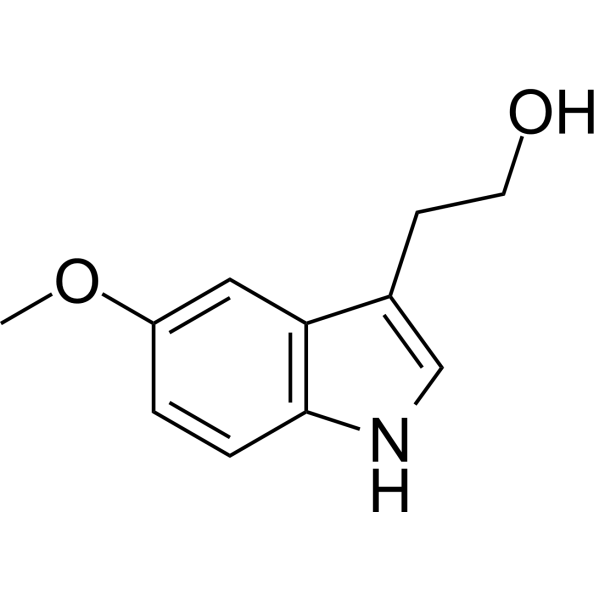
- Formula: C11H13NO2
- Molecular Weight: 191.23
5-Methoxytryptophol is a 5-methoxyindole alcohol structurally homologous to Melatonin (HY-B0075). It is secreted by the mammalian pineal gland and exhibits an inverse circadian rhythm. 5-Methoxytryptophol regulates bone metabolism by activating the ERK1/2 pathway. It reduces the levels of pro-inflammatory cytokines TNF-α and IL-1β, as well as proteolytic enzymes MMP-1 and MMP-2, in serum and dental pulp tissues, thereby ameliorating acute pulpitis. 5-Methoxytryptophol induces rapid sleep in mice, while high doses cause respiratory depression and death. 5-Methoxytryptophol. 5-Methoxytryptophol can be used in studies related to acute pulpitis, hypnosis, and bone metabolism.
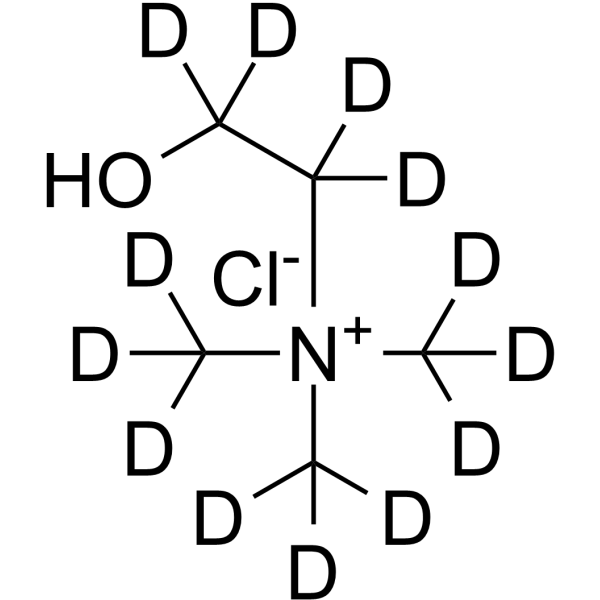
- Formula: C5HD13ClNO
- Molecular Weight: 152.70
Choline-d13 chloride is the d13-labeled Choline chloride (HY-B1337). Choline chloride is an orally active methylxanthine derivative. Choline chloride exhibits weak antihistaminic and anticholinergic activities and potentiates the effects of histamine and acetylcholine. Choline chloride relaxes bronchial smooth muscle, dilates coronary and peripheral blood vessels, increases urine output and electrolyte excretion, stimulates locomotor activity in the central nervous system, and induces transient hypotension following a pressor phase. Choline chloride modulates sleep architecture by increasing wakefulness time and reducing slow-wave sleep, without altering the frequency or severity of nocturnal hypoxemia, apnea, or hypopnea events. Choline chloride is used in studies of bronchospasm, nocturnal asthma, and chronic asthma.
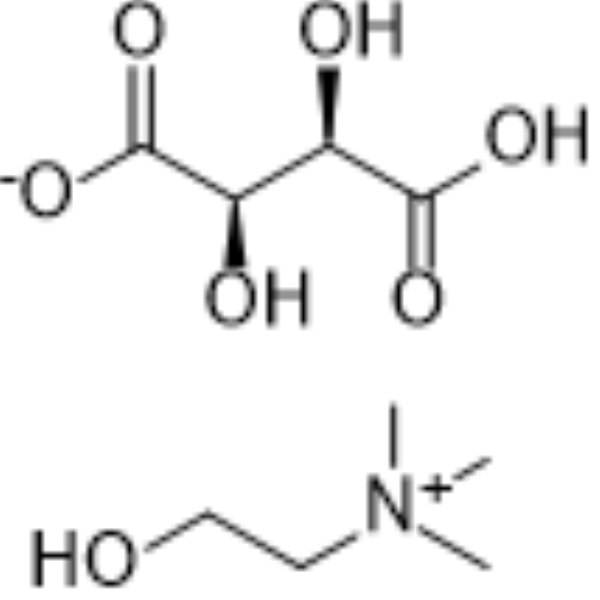
- Formula: C9H19NO7
- Molecular Weight: 253.25
Choline bitartrate (Oxtriphylline) is an orally active methylxanthine-derived choline salt of theophylline. Choline bitartrate exhibits weak antihistaminic and anticholinergic activities and can enhance the effects of histamine and acetylcholine. Choline bitartrate relaxes bronchial smooth muscle, dilates coronary and peripheral blood vessels, increases urine output and electrolyte excretion, stimulates central nervous system motor activity, and induces transient hypotension following a pressor phase. Choline bitartrate modulates sleep architecture by increasing wakefulness time and reducing slow-wave sleep, without altering the frequency or severity of nocturnal hypoxemia, apnea, or hypopnea events. Choline bitartrate is used in studies of bronchospasm, nocturnal asthma, and chronic asthma.
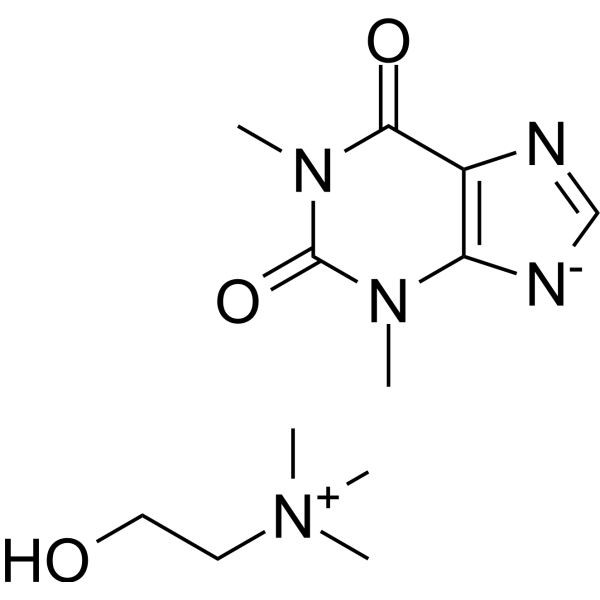
- Formula: C12H21N5O3
- Molecular Weight: 283.33
Choline theophyllinate (Oxtriphylline) is an orally active methylxanthine derivative. Choline theophyllinate exhibits weak antihistaminic and anticholinergic activities and potentiates the effects of histamine and acetylcholine. Choline theophyllinate relaxes bronchial smooth muscle, dilates coronary and peripheral blood vessels, increases urine output and electrolyte excretion, stimulates locomotor activity in the central nervous system, and induces transient hypotension following a pressor phase. It modulates sleep architecture by increasing wakefulness time and reducing slow-wave sleep, without altering the frequency or severity of nocturnal hypoxemia, apnea, or hypopnea events. Choline theophyllinate is used in studies of bronchospasm, nocturnal asthma, and chronic asthma.
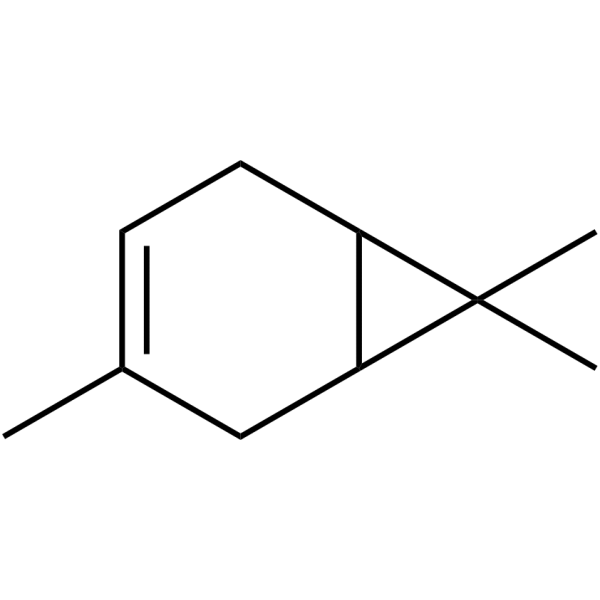
- Formula: C10H16
- Molecular Weight: 136.23
3-Carene is an orally active TCA cycle enzyme inhibitor. 3-Carene inhibits succinate dehydrogenase and malate dehydrogenase as well as pyruvate kinase, disrupting energy metabolism. 3-Carene disrupts cell wall and cell membrane integrity, leading to potassium ion leakage, protein leakage, membrane depolarization, ATP depletion, morphological disruption, and cell lysis. 3-Carene interferes with amino acid metabolism, pantothenate and CoA biosynthesis, purine and pyrimidine metabolism, and aminoacyl-tRNA biosynthesis. 3-Carene enhances GABA receptor-mediated synaptic responses. 3-Carene can be used in research on bacterial infections, inflammation, anxiety, and sleep disorders.

- Formula: C9H19NO7
- Molecular Weight: 253.25
Choline bitartrate (Standard) is the analytical standard of Choline bitartrate (HY-101036). This product is intended for research and analytical applications. Choline bitartrate is an orally active methylxanthine-derived choline salt of theophylline. Choline bitartrate exhibits weak antihistaminic and anticholinergic activities and can enhance the effects of histamine and acetylcholine. Choline bitartrate relaxes bronchial smooth muscle, dilates coronary and peripheral blood vessels, increases urine output and electrolyte excretion, stimulates central nervous system motor activity, and induces transient hypotension following a pressor phase. Choline bitartrate modulates sleep architecture by increasing wakefulness time and reducing slow-wave sleep, without altering the frequency or severity of nocturnal hypoxemia, apnea, or hypopnea events. Choline bitartrate is used in studies of bronchospasm, nocturnal asthma, and chronic asthma.

- Formula: C21H30N2O5S
- Molecular Weight: 422.54
Alixorexton (ALKS 2680) enantiomer is the enantiomer of Alixorexton (HY-172412). Alixorexton is a selective, orally active and brain-penetrant agonist for orexin-2 receptor and can be used for hypersomnias research.


- Formula: C39H61N7O11
- Molecular Weight: 803.94
YLDLAPL is a sleep-enhancing peptide that can be isolated from truffle albumin hydrolysate. YLDLAPL exhibits sleep-promoting effects via regulation of lysosomal autophagy, neurological activity, tyrosine metabolism, and fatty acid elongation.

- Formula: C20H12F6N4O4S
- Molecular Weight: 518.39
Balumorexton is an orally active orexin type 2 receptor (OX2R) agonist. Balumorexton is used for the research of narcolepsy.
- 1
- 2



