



This article introduces chromatin immunoprecipitation (ChIP), a powerful technique for detecting interactions between epigenetic regulators and DNA.
Scientific Reviews
-

-
Scientists have studied ion channels in biological membranes for decades.
-
 Explore new molecular glue paradigms, noncanonical interface recognition, and advances driving more systematic, structure-guided discovery and design.
-
 Explore optogenetics through its molecular mechanisms, experimental strategies, research applications, and translational advances.
-
 Explore emerging synthetic lethal vulnerabilities beyond BRCA–PARP and advances in their discovery and prediction through CRISPR screening, organoids, multi-omics, and AI.
-
 Review the metabolic regulation of ferroptosis through iron homeostasis, lipid peroxidation and antioxidant defence, and the emerging polyamine–iron buffering axis.
-
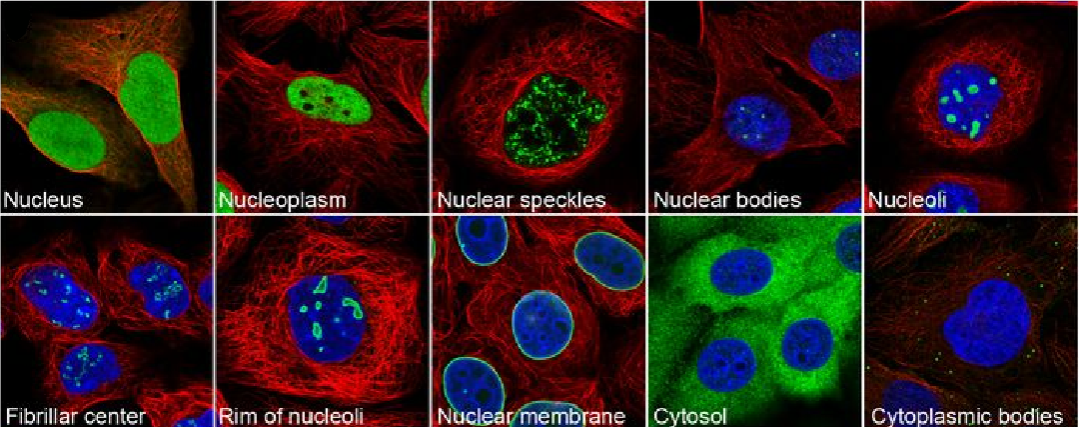 Immunocytochemistry and immunofluorescence use antibodies and fluorescent labels to visualize specific molecules on the cell surface or inside cells. A typical workflow includes sample preparation, fixation, permeabilization, blocking, antibody incubation, counterstaining, mounting, and imaging.
-
 Explore conserved antiviral mechanisms across mammals and bacteria, from virus recognition and immune signaling to metabolic defense and gasdermin-mediated cell death, and their implications for innate immune evolution.
-
 Explore how mitochondrial quality control, inflammatory signaling, and metabolic–epigenetic reprogramming regulate cellular senescence and the SASP, along with strategies to restore mitochondrial homeostasis.
-
 Explore the mechanisms of tumor immune evasion, dynamic checkpoint regulation, and the evolution of mechanism-driven combinations and patient stratification.