



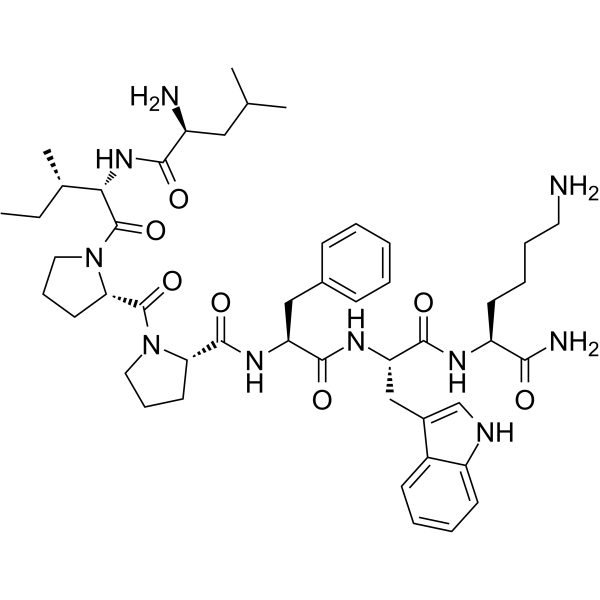
- Formule: C48H70N10O7
- Masse moléculaire: 899.13
Cardiotoxin Analog (CTX) IV (6-12) is a membrane active peptide that specifically targets negatively charged phospholipid membranes (such as phosphatidylserine and phosphatidylinositol). Cardiotoxin Analog (CTX) IV (6-12) was discovered in the venom of the Taiwan cobra. Cardiotoxin Analog (CTX) IV (6-12) is a chemically synthesized snake venom cardiotoxin that binds to cell membranes and embeds into lipid bilayers through hydrophobic interactions and electrostatic attraction, thereby destroying the stability of membrane structure. Cardiotoxin Analog (CTX) IV (6-12) can induce membrane lipid disorder and cell lysis, exhibiting hemolysis and cytotoxicity.
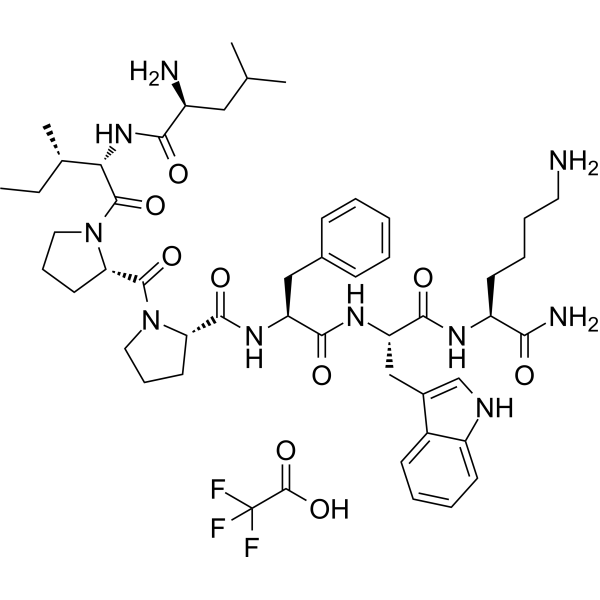
- Formule: C50H71F3N10O9
- Masse moléculaire: 1013.16
Cardiotoxin Analog (CTX) IV (6-12) TFA is a membrane active peptide that specifically targets negatively charged phospholipid membranes (such as phosphatidylserine and phosphatidylinositol). Cardiotoxin Analog (CTX) IV (6-12) TFA was discovered in the venom of the Taiwan cobra. Cardiotoxin Analog (CTX) IV (6-12) TFA is a chemically synthesized snake venom cardiotoxin that binds to cell membranes and embeds into lipid bilayers through hydrophobic interactions and electrostatic attraction, thereby destroying the stability of membrane structure. Cardiotoxin Analog (CTX) IV (6-12) TFA can induce membrane lipid disorder and cell lysis, exhibiting hemolysis and cytotoxicity.

- Formule: C93H162N32O34
- Masse moléculaire: 2272.48

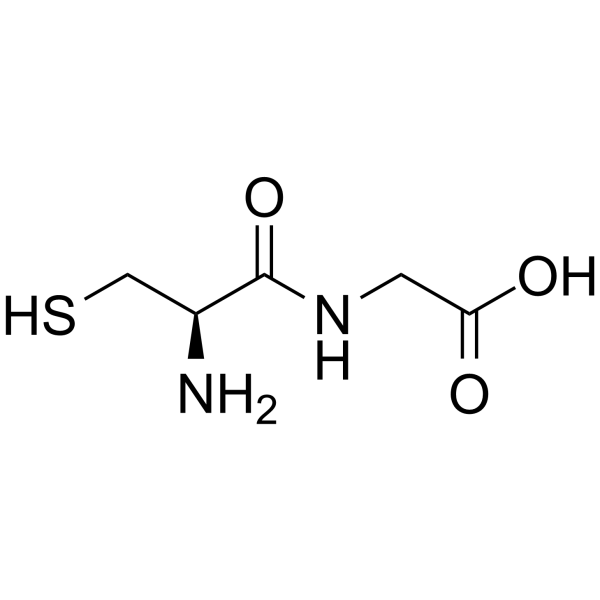
- Formule: C5H10N2O3S
- Masse moléculaire: 178.21
Cysteinylglycine (L-Cysteinylglycine; Cys-Gly) is a dipeptide formed by the peptide bond linkage between cysteine (Cysteine) and glycine (Glycine). Cysteinylglycine is an important metabolic intermediate in the human body, mainly derived from the degradation of glutathione (GSH). Cysteinylglycine reduces ferric iron to ferrous iron, drives the redox cycle of iron, generates reactive oxygen species (ROS), stimulates oxidative reactions, induces lipid peroxidation of human plasma LDL lipoproteins, and causes oxidative damage to DNA bases. Cysteinylglycine can be used as a biomarker to evaluate ischemic heart disease, breast cancer and other conditions.
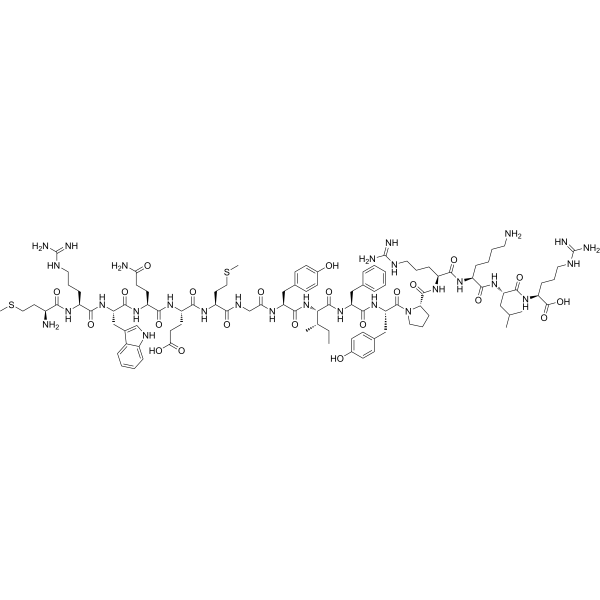
- Formule: C101H152N28O22S2
- Masse moléculaire: 2174.59
MOTS-c (human) is a mitochondrial-derived peptide that modulates the AMPK/PGC-1α pathway to enhance insulin sensitivity. MOTS-c (human) inhibits the folate cycle and de novo purine synthesis, increases AICAR levels to activate AMPK, and then regulates the Nrf2/Keap1 antioxidant pathway and inhibits the NF-κB inflammatory pathway, while promoting mitochondrial biogenesis and energy metabolism. MOTS-c (human) has the effects of improving glucose and lipid metabolism, anti-oxidative stress, anti-inflammatory and neuroprotection, and can be used in the study of type 2 diabetes, traumatic brain injury, inflammatory diseases and aging-related metabolic disorders.
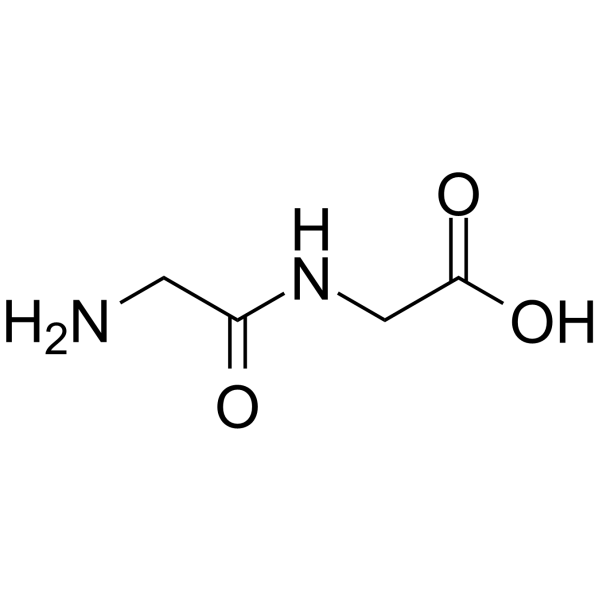
- Formule: C4H8N2O3
- Masse moléculaire: 132.12
Glycylglycine is a non-selective glycylglycine dipeptidase substrate and iNOS inhibitor. Glycylglycine can cross the cell membrane by passive diffusion and is hydrolyzed to glycine in the cell, participating in energy metabolism and antioxidant processes. Glycylglycine promotes spermatogonial stem cells (SSCs) proliferation, inhibits astrocyte overactivation and reduces nitric oxide (NO) release, while upregulating the expression of neurotrophic factors (such as PDGFA, FGF2, CNTF) to support nerve myelin repair. Glycylglycine can be used to study male reproductive biology (such as SSCs proliferation regulation) and neurodegenerative diseases (such as neuroprotective mechanisms in multiple sclerosis).
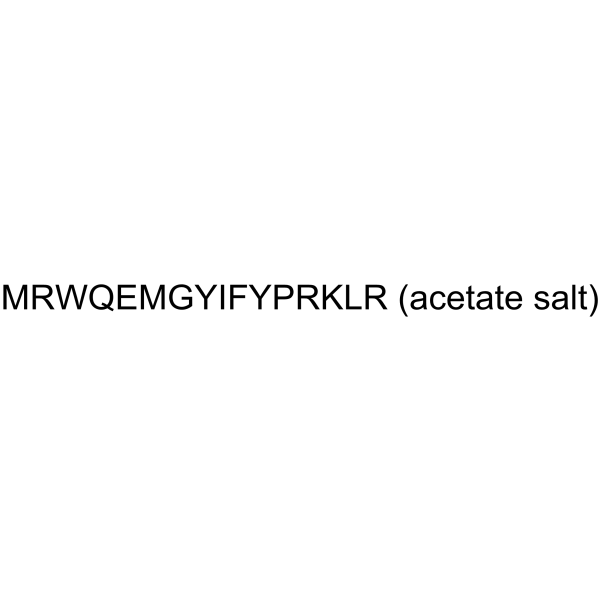
- Formule: C103H156N28O24S2
- Masse moléculaire: 2234.64
MOTS-c (human) acetate is a mitochondrial-derived peptide that modulates the AMPK/PGC-1α pathway to enhance insulin sensitivity. MOTS-c (human) acetate inhibits the folate cycle and de novo purine synthesis, increases AICAR levels to activate AMPK, and then regulates the Nrf2/Keap1 antioxidant pathway and inhibits the NF-κB inflammatory pathway, while promoting mitochondrial biogenesis and energy metabolism. MOTS-c (human) acetate has the effects of improving glucose and lipid metabolism, anti-oxidative stress, anti-inflammatory and neuroprotection, and can be used in the study of type 2 diabetes, traumatic brain injury, inflammatory diseases and aging-related metabolic disorders.
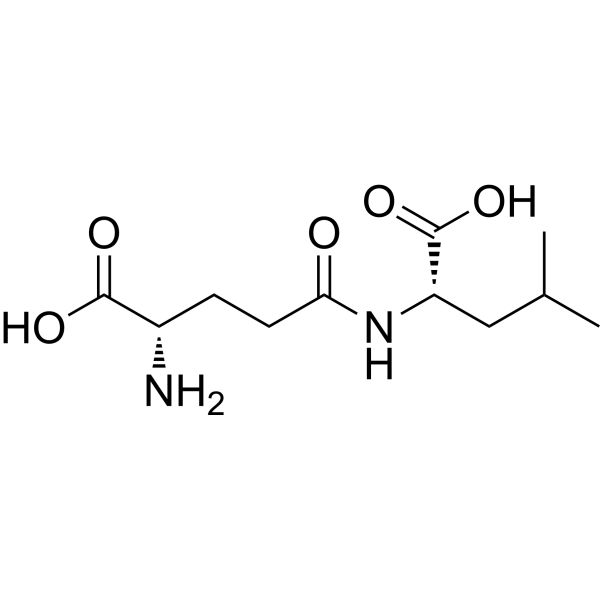
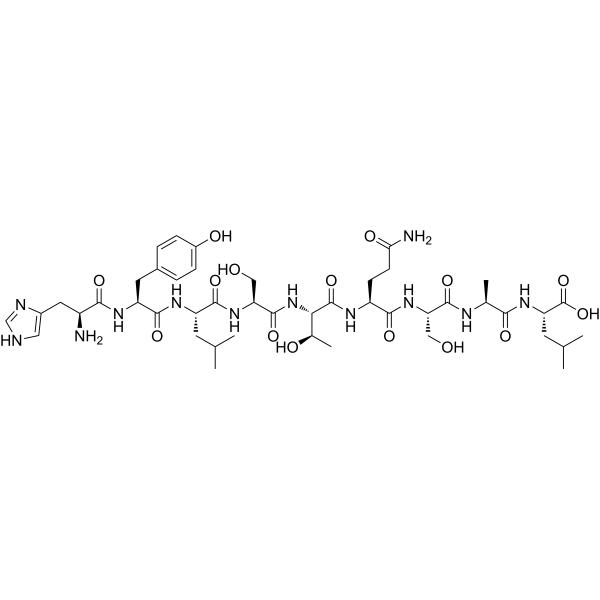
- Formule: C45H70N12O15
- Masse moléculaire: 1019.11
Enhanced Green Fluorescent Protein (EGFP) (200-208) is a specific peptide of enhanced green fluorescent protein (EGFP), containing 9 amino acids, and is the immunodominant epitope of EGFP1].
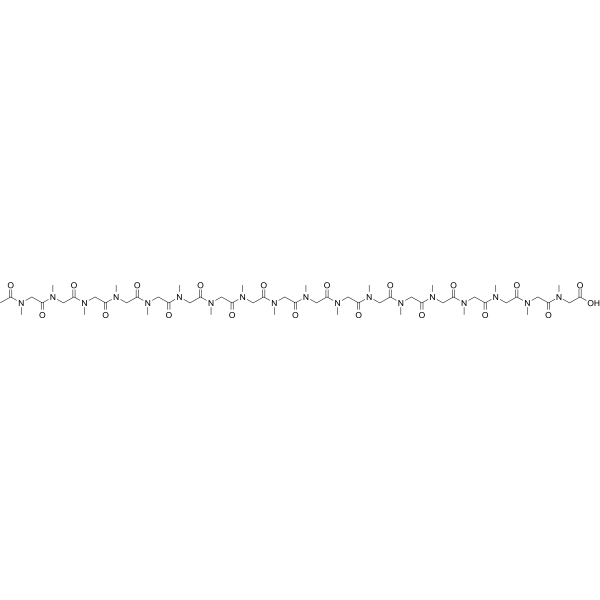
- Formule: C56H94N18O20
- Masse moléculaire: 1339.45
PSAR18-COOH (Ac-PSAR18-COOH) is a polysarcosine PSAR derivative. PSAR is a biodegradable, non-immunogenic polymer that has been used in a variety of compounds or diagnostic delivery systems. PSAR18 can be used as a component of ADC linkers.
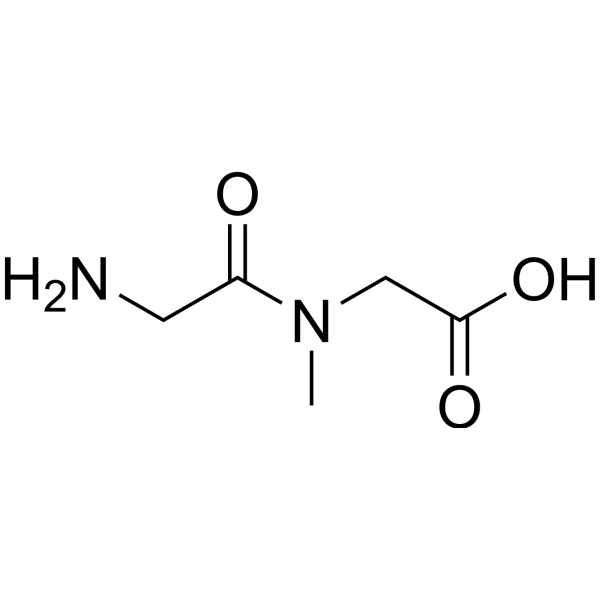
- Formule: C5H10N2O3
- Masse moléculaire: 146.14

- Formule: C10H16N2O4
- Masse moléculaire: 228.25
H-Pro-Hyp-OH is a collagen peptide composed of proline (Pro) and hydroxyproline (Hyp). H-Pro-Hyp-OH can be used in research on slowing down facial aging.
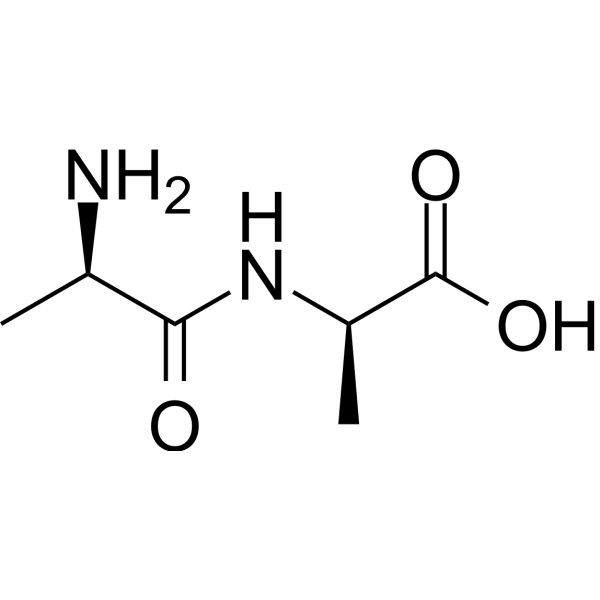
- Formule: C6H12N2O3
- Masse moléculaire: 160.17
D-Ala-D-Ala is a bacterial endogenous metabolite. D-Ala-D-Ala constitutes the terminus of the peptide part of the peptidoglycan monomer unit and is involved in the transpeptidation reaction as the substrate. D-Ala-D-Ala is catalyzed by D-Alanine-D-Alanine ligase.
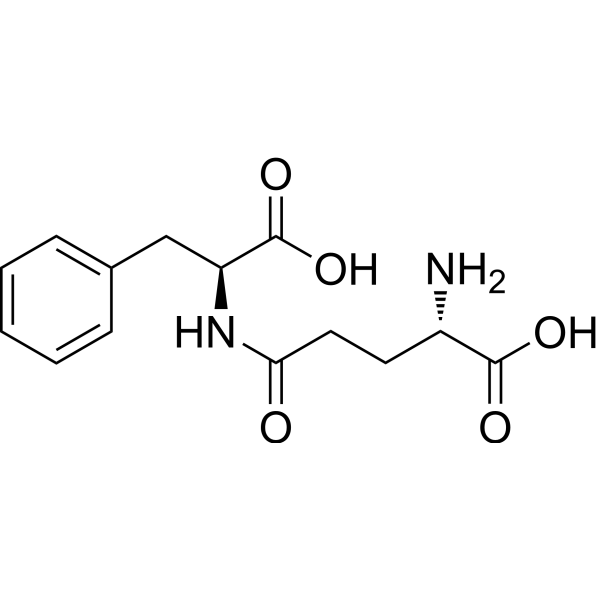
- Formule: C14H18N2O5
- Masse moléculaire: 294.30
γ-Glu-Phe is synthesized by Bacillus amyloliquefaciens (GBA) and Aspergillus oryzae (GAO). γ-Glu-Phe or the post-enzymatic reaction mixture enhances the umami intensity of commercial soy sauce and model chicken broth.
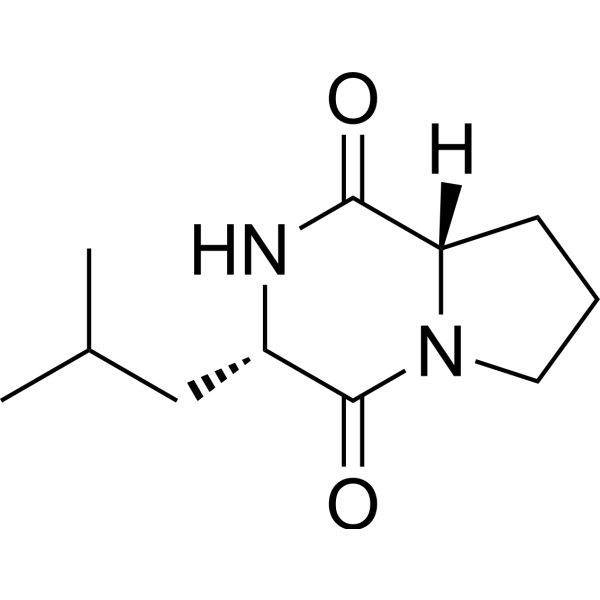
- Formule: C11H18N2O2
- Masse moléculaire: 210.27
Cyclo(L-Leu-L-Pro) is a cyclic dipeptide with broad-spectrum antibacterial, antiviral and antifungal activities. Its biological activity is highly dependent on the stereoconfiguration and is widely present in microbial metabolites. Cyclo(L-Leu-L-Pro) efficiently and specifically inhibits the production of aflatoxin by Aspergillus flavus. The cis configuration of Cyclo(L-Leu-L-Pro) (cis-cyclo(L-Leu-L-Pro)) has broad-spectrum antibacterial activity against multi-drug resistant bacteria and significantly inhibits the influenza A virus H3N2.
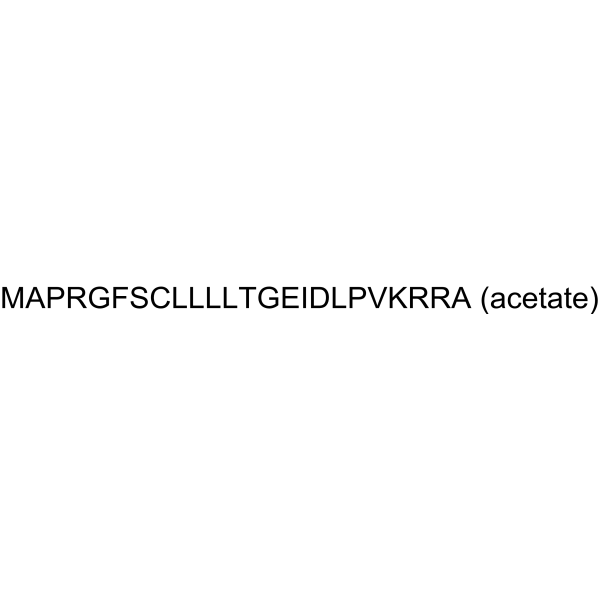
- Formule: C118H202N34O31S2.xC2H4O2
- Masse moléculaire: 2657.21 (free acid)
(Gly14)-Humanin (human) (14-Glycine-Humanin (human)) acetate is an analog of Humanin in which the 14th amino acid serine was replaced with glycine (Gly). (Gly14)-Humanin (human) acetate has anti-apoptotic and neuroprotective functions.

- Formule: C99H157N31O26S
- Masse moléculaire: 2229.56
SppIP (Sakacin P inducer peptide) is a peptide consisting of 19 amino acids. SppIP is an essential inducer for sakacin P production. SppIP can induce the expression of PRRSV GP5 and SARS-CoV-2 spike protein in recombinant Lactobacillus plantarum. SppIP can activate the transcription of the sakacin P promoter to drive the expression of downstream heterologous capsid proteins, increasing the proportion of PCV2d capsid proteins displayed on the cell surface of Lactobacillus plantarum. SppIP can be used in studies related to sakacin P induction.

- Formule: C128H192N28O30S
- Masse moléculaire: 2635.13
PSMα3 is an inhibitor of NF-κB p65 and p38 MAPK. PSMα3 forms membrane pores and binds to residues of human insulin B chain to inhibit insulin aggregation. PSMα3 forms α-type amyloid-like fibrils to exert cytotoxic effects, and acts as a functional amyloid virulence determinant of Staphylococcus aureus. PSMα3 is applicable to research related to spondyloarthritis, rheumatoid arthritis, insulin-derived amyloidosis, and Staphylococcus aureus infection.
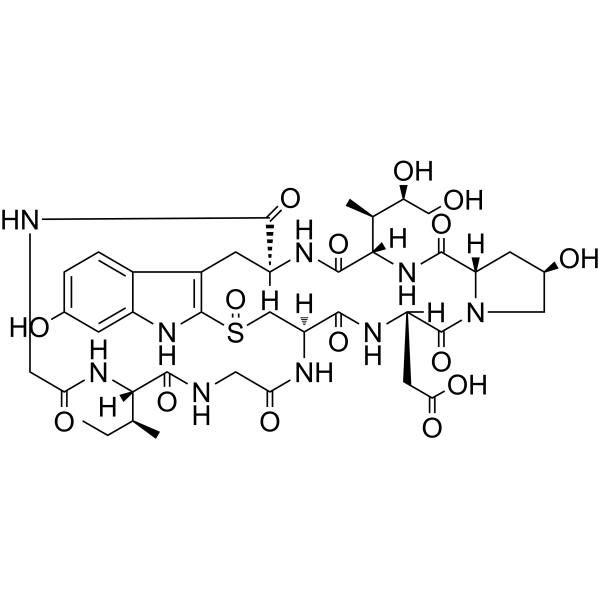
- Formule: C39H53N9O15S
- Masse moléculaire: 919.95
β-Amanitin is a cyclic peptide toxin in the poisonous Amanita phalloides mushroom. β-Amanitin inhibits inhibits eukaryotic RNA polymerase II and III. β-Amanitin inhibits protein synthesis. β-Amanitin can be used as a cytotoxic component of antibody-drug conjugates (ADCs).



