



Chemical Synthesis
Acyl-CoA oxidase (ACO) is a peroxisomal catalyst. Acyl-CoA oxidase acts as a key rate-limiting enzyme in the process of peroxisomal fatty acid β-oxidation. Acyl-CoA oxidase participates in lipid catabolism and phytohormone biosynthesis pathways.
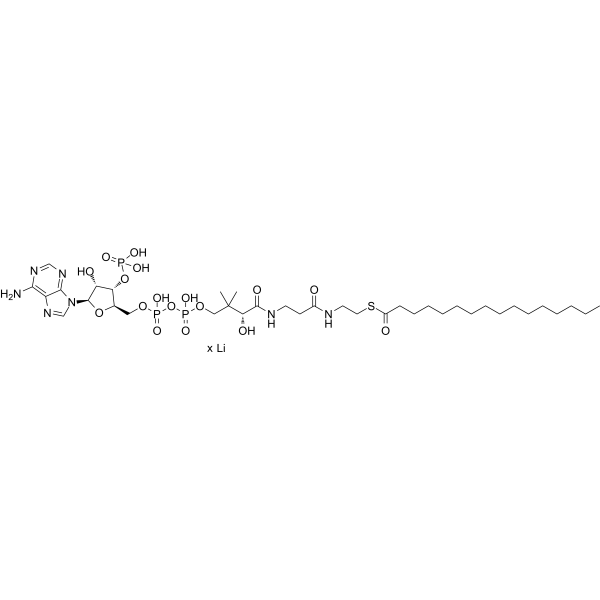
- Formula: C37H66N7O17P3S.xLi
Palmitoyl coenzyme A lithium is an acyl-CoA thioester that can be transported into the mitochondrial matrix via the carnitine shuttle system and is involved in β-oxidation. Palmitoyl coenzyme A lithium can also be used as a substrate for sphingosine biosynthesis.
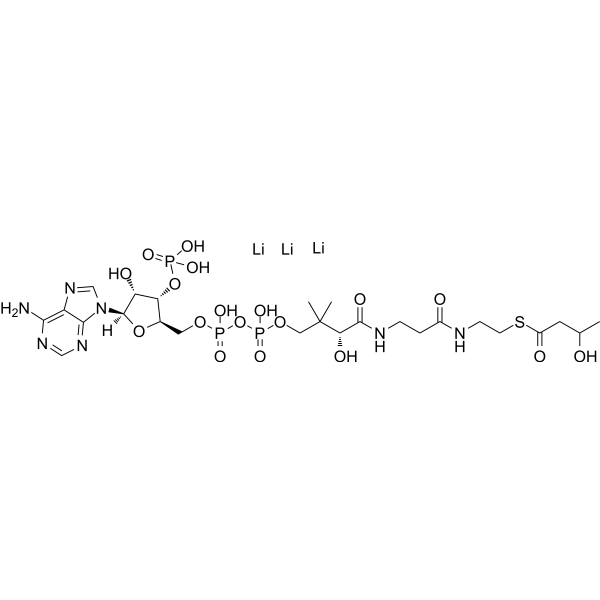
- Formula: C25H42Li3N7O18P3S
- Molecular Weight: 874.45
DL-β-Hydroxybutyryl coenzyme A lithium is an intermediate in the fermentation of butyric acid and the metabolism of lysine and tryptophan, and is produced from β-hydroxybutyric acid by short-chain-CoA synthase.

Ribonucleoside vanadyl complexes are a class of potent RNase and Taq polymerase inhibitors. Ribonucleoside vanadyl complexes protect RNA during RNA isolation by inhibiting ribonucleases, and also reduce the viability of bacteria and eukaryotic cells by interfering with ribosomal subunit assembly. Ribonucleoside vanadyl complexes block PCR and reverse transcription reactions templated by viral nucleic acids and enhance the effects of antibiotics against Staphylococcus aureus, but do not directly inhibit protein synthesis. Ribonucleoside vanadyl complexes can be effectively removed by phenol-chloroform extraction, thus enabling subsequent PCR analysis. Ribonucleoside vanadyl complexes can be applied in research related to chronic hepatitis C (HCV) and Staphylococcus aureus infection.
Acyl coenzyme A synthetase (ACS), namely acetyl coenzyme A synthetase, is often used in biochemical research. Acyl coenzyme A synthetase can catalyze the activation of fatty acids by coenzyme A through a two-step thioesterification reaction to produce acyl coenzyme A, and then participate in a variety of anabolic and catabolic lipid metabolism pathways, and participate in the TCA cycle in aerobic respiration.
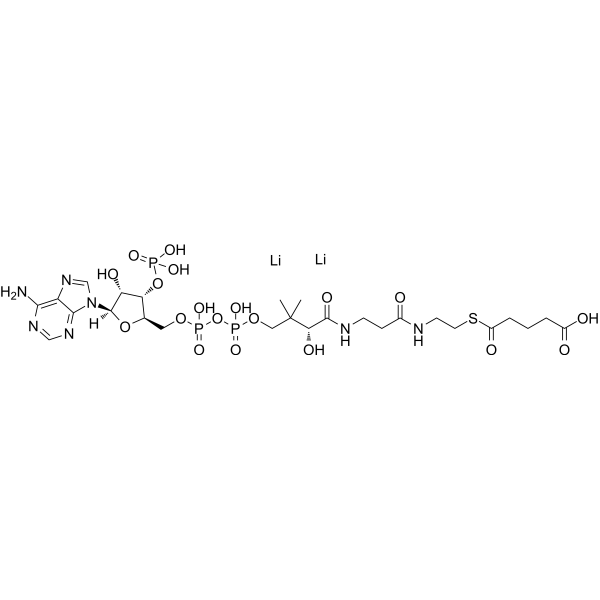
- Formula: C26H40Li2N7O19P3S
- Molecular Weight: 893.50
Glutaryl coenzyme A lithium is an endogenous metabolite. Glutaryl coenzyme A lithium acts on the E2k subunit to inhibit KGDHc. It serves as a substrate for the reverse reaction of E2k and does not affect the E1k or E3 subunits of KGDHc. Glutaryl coenzyme A lithium exhibits weak inhibitory activity against citrate synthase. It can be used in research on glutaryl-CoA dehydrogenase deficiency (type I glutaric acidemia).
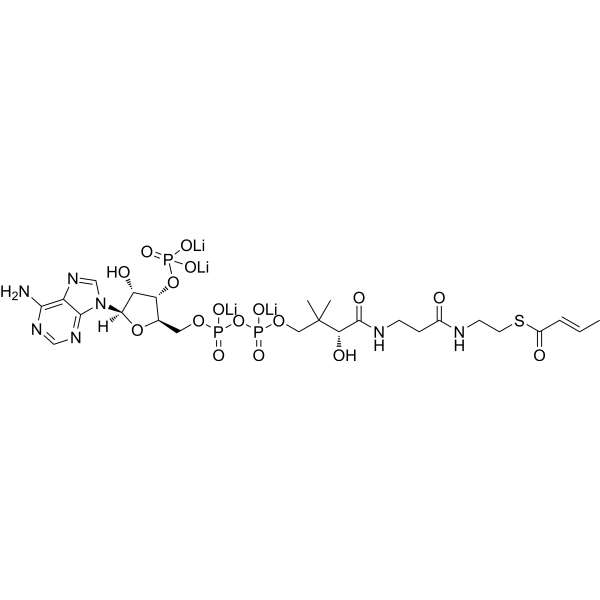
- Formula: C25H36Li4N7O17P3S
- Molecular Weight: 859.34
2-Butenoyl coenzyme A lithium is an inactivator and a substrate of Plasmodium falciparum enoyl-β-hydroxyacyl-acyl carrier protein (ACP) reductase and other enoyl-CoA reductases, and it is also the lithium salt of trans-2-methyl-2-butenoyl coenzyme A. 2-Butenoyl coenzyme A lithium acts on short-chain and medium-chain coenzyme A dehydrogenases as well as glutaryl-CoA dehydrogenase, and shows no activity against wild-type isovaleryl-CoA dehydrogenase. 2-Butenoyl coenzyme A lithium functions as a metabolite in the L-isoleucine catabolic pathway, and can serve as a substrate in the activity assay of 3-ketothiolase. 2-Butenoyl coenzyme A lithium is applicable to research related to 3-ketothiolase deficiency.
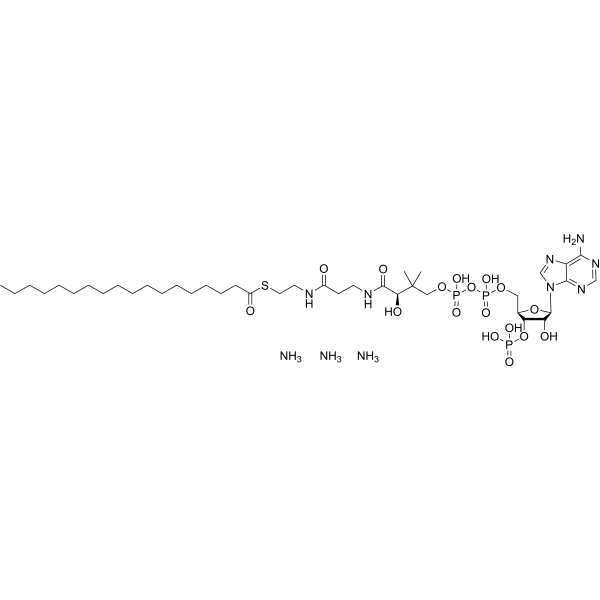
- Formula: C39H79N10O17P3S
- Molecular Weight: 1085.09
18:0 Coenzyme A (triammonium) is a preferred substrate of stearoyl-CoA desaturases (SCDs).
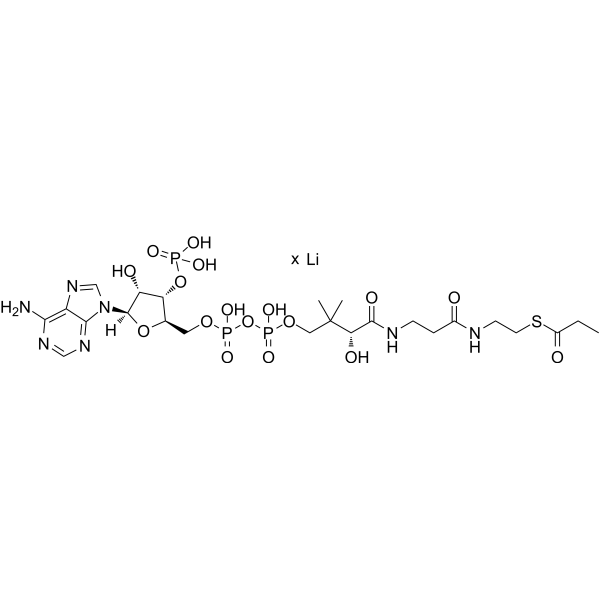
- Formula: C24H40N7O17P3S.xLi
Propionyl coenzyme A lithium, a coenzyme A derivative of propionic acid, is an important metabolic intermediate formed by the thioester bond between coenzyme A and propionic acid. The breakdown and production of Propionyl coenzyme A lithim is important for the metabolism of organisms.
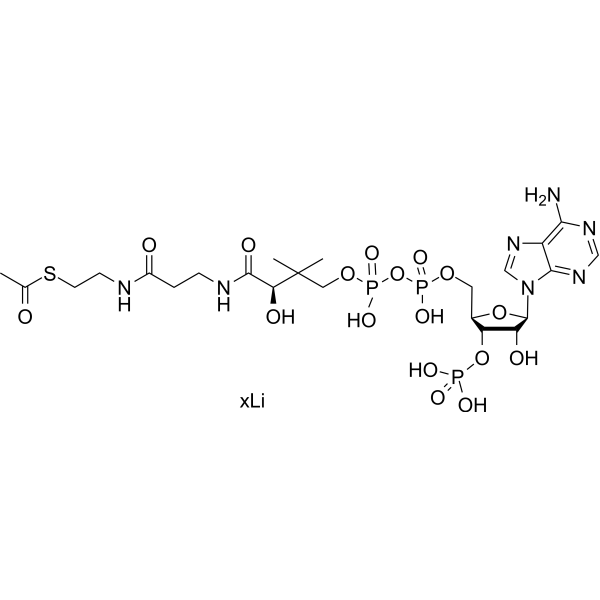
- Formula: C23H38N7O17P3S
- Molecular Weight: 809.57
Acetyl-coenzyme A (Acetyl-CoA) lithium is a membrane-impermeant central metabolic intermediate, participates in the TCA cycle and oxidative phosphorylation metabolism. Acetyl-coenzyme A lithium, regulates various cellular mechanisms by providing (sole donor) acetyl groups to target amino acid residues for post-translational acetylation reactions of proteins. Acetyl Coenzyme A lithium is also a key precursor of lipid synthesis.
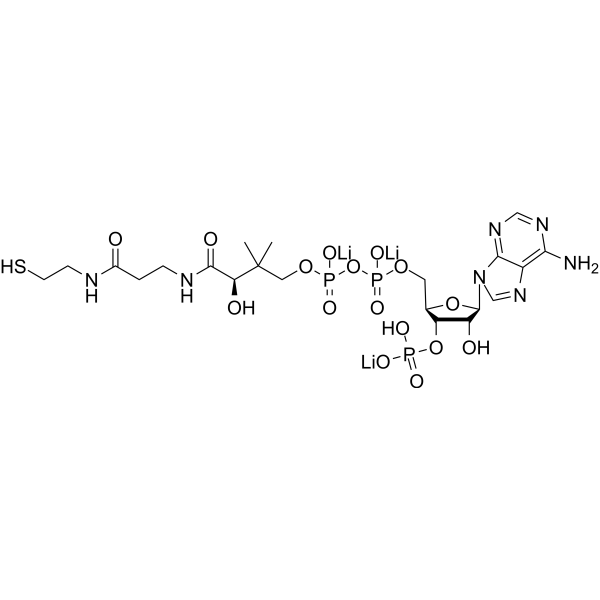
- Formula: C21H33Li3N7O16P3S
- Molecular Weight: 785.33
Coenzyme A (CoASH) is a ubiquitous and essential cofactor, which is an acyl group carrier and carbonyl-activating group for the citric acid cycle and fatty acid metabolism. Coenzyme A plays a central role in the oxidation of pyruvate in the citric acid cycle and the metabolism of carboxylic acids, including short- and long-chain fatty acids.
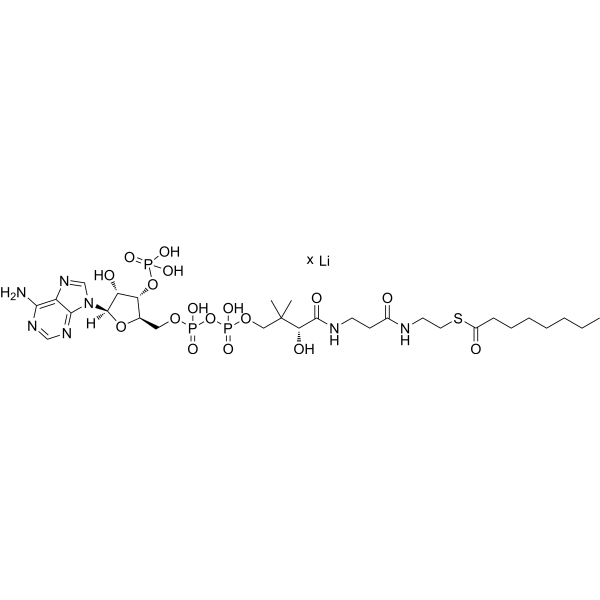
- Formula: C29H50N7O17P3S.xLi
Octanoyl coenzyme A lithium is an enoyl-CoA hydratase binder. Octanoyl coenzyme A lithium binds to the active site of enoyl-CoA hydratase, occupies the binding pocket for the fatty acid tail of the enzyme's substrate, and induces a conformational shift in a flexible protein loop via its longer octanoyl chain, forming an open channel leading to the inter-trimer gap.
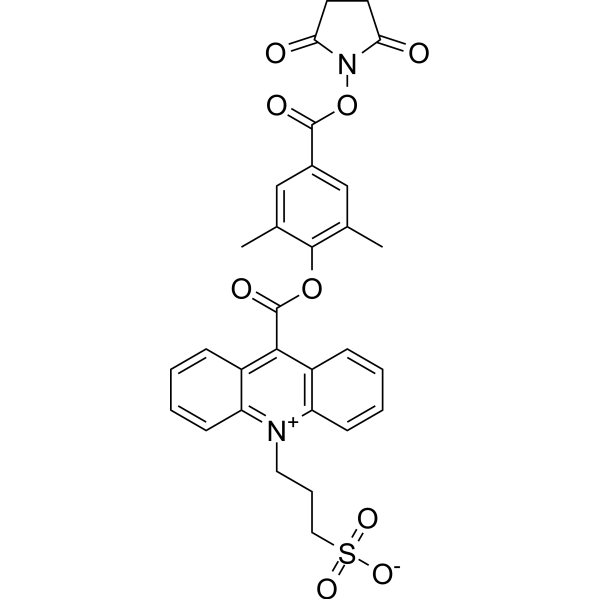
- Formula: C30H26N2O9S
- Molecular Weight: 590.60
NSP-DMAE-NHS is an acridinium ester-based signal amplifier that can act as a luminescent probe to effectively improve the detection performance of biosensors. NSP-DMAE-NHS preserves the biochemical activity of biomolecules during the conjugation process. NSP-DMAE-NHS has been successfully applied to label mouse anti-human PI3 monoclonal antibodies for chemiluminescent immunoassays, as well as for pre-competitive chemiluminescent immunochromatographic detection of TP53 fusion proteins. NSP-DMAE-NHS can be used in detection studies of cancer and related biomarkers.
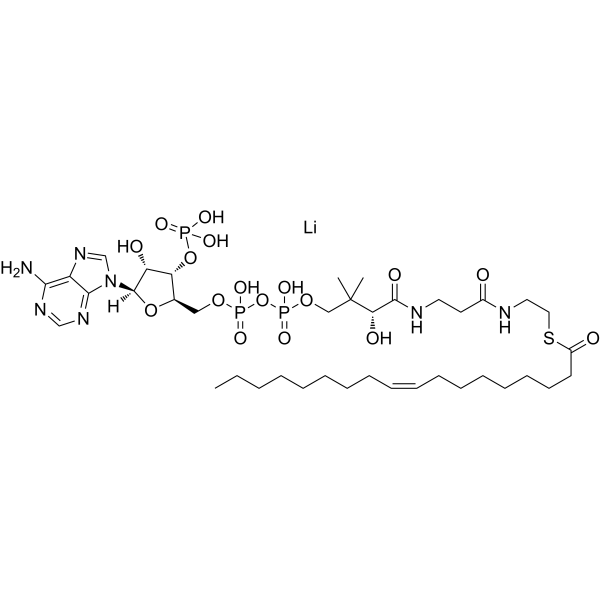
- Formula: C39H68LiN7O17P3S
- Molecular Weight: 1038.92
Oleoyl coenzyme A (Oleoyl-CoA) lithium is a thioester of oleic acid and coenzyme A. Oleoyl coenzyme A lithium has a role as an Escherichia coli metabolite and a mouse metabolite.
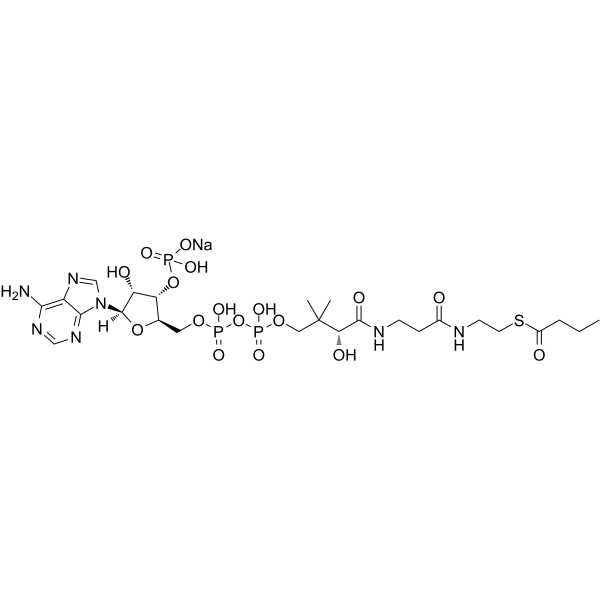
- Formula: C25H41N7NaO17P3S
- Molecular Weight: 859.61
Butyryl-Coenzyme A (Butyryl CoA) sodium is a coenzyme A-containing derivative of Butyric acid. Butyryl-Coenzyme A sodium is responsible for the final step of Butyrate production in bacteria.
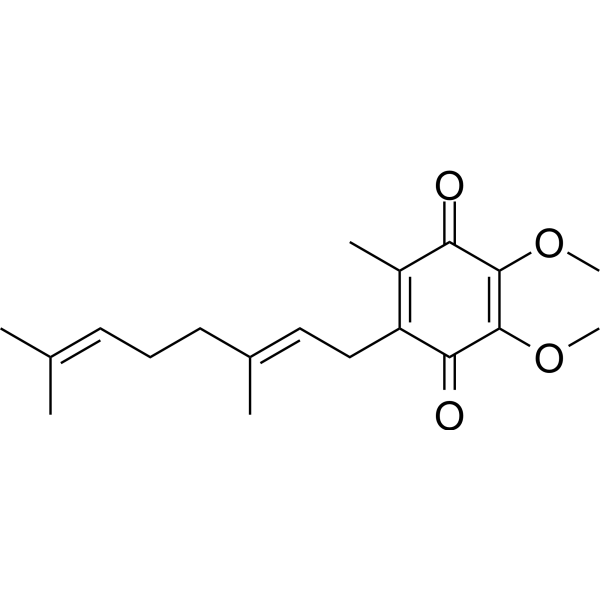
Acetyl-CoA synthetase (ACS) is a key enzyme that catalyzes the conversion of acetic acid to acetyl-CoA (Ac-CoA). Acetyl-CoA synthetase catalyzes the formation of a thioester bond between coenzyme A and carboxylic acid, while hydrolyzing ATP to AMP and pyrophosphate. Acetyl-CoA synthetase has two mammalian isoforms, mediates the only pathway for the conversion of free acetic acid to acetyl-CoA in mammals, serves as a marker gene for the Wood-Ljungdahl pathway, and catalyzes the exchange between carbonyl groups and CoA-acetyl-CoA. Acetyl-CoA synthetase can be used for studies of metabolism-related diseases.
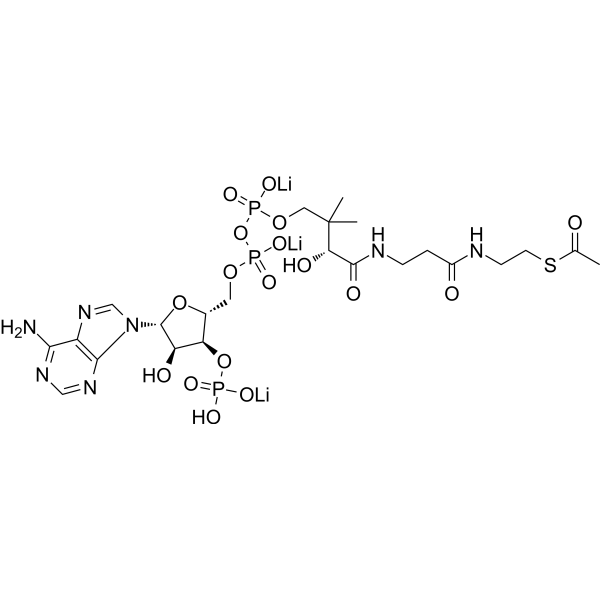
- Formula: C23H35Li3N7O17P3S
- Molecular Weight: 827.37
Acetyl-coenzyme A (Acetyl-CoA) trilithium is a membrane-impermeant central metabolic intermediate, participates in the TCA cycle and oxidative phosphorylation metabolism. Acetyl-coenzyme A trilithium regulates various cellular mechanisms by providing (sole donor) acetyl groups to target amino acid residues for post-translational acetylation reactions of proteins. Acetyl Coenzyme A trilithium is also a key precursor of lipid synthesis.
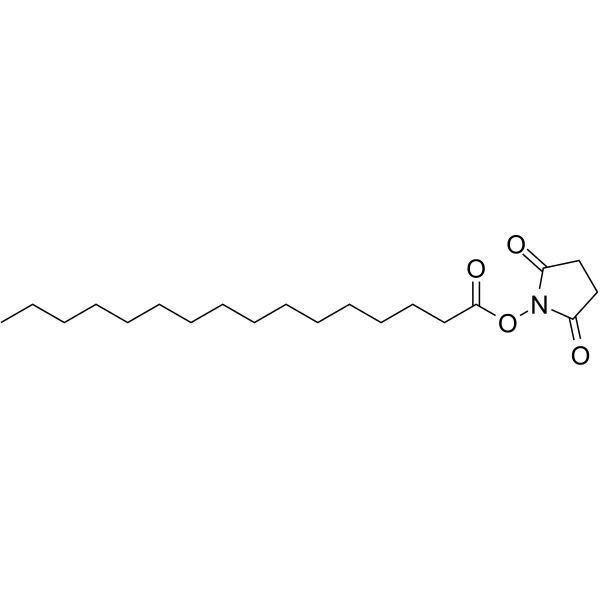
- Formula: C20H35NO4
- Molecular Weight: 353.50
Palmitic acid N-hydroxysuccinimide is used to conjugate proteins to prepare targeted delivery vectors. Palmitic acid N-hydroxysuccinimide can be used as lipophilic electrophile. Palmitic acid N-hydroxysuccinimide can be used for the covalent connection between palmitic acid and ovalbumin. Palmitic acid N-hydroxysuccinimide can be used to synthesize cetacyl derivatives of amino acids, aminoacyl-trNA, coenzyme A, mercaptoacetic acid and other amino and thiogenic compounds.
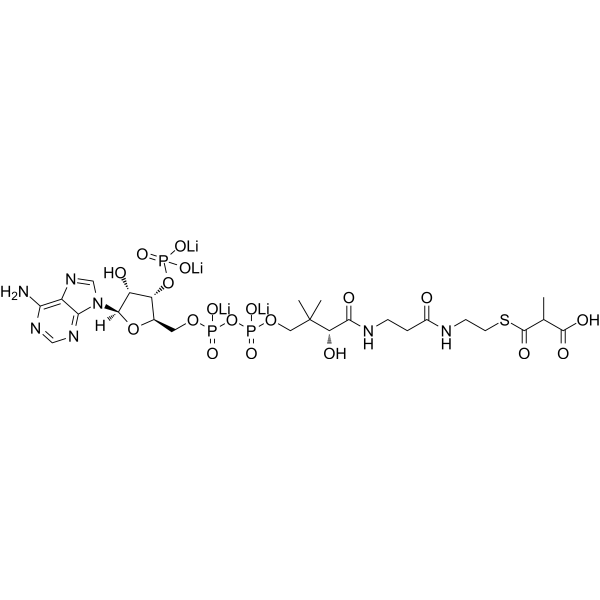
- Formula: C25H36Li4N7O19P3S
- Molecular Weight: 891.34
Methylmalonyl-CoA (Methylmalonyl coenzyme A) tetralithium is a catabolite of valine, isoleucine, methionine, threonine, odd-chain fatty acids, and cholesterol. Methylmalonyl-CoA tetralithium is converted to succinyl-CoA by enzymatic reaction of methylmalonyl-CoA mutase (MCM) with coenzyme vitamin B12.



