



Others
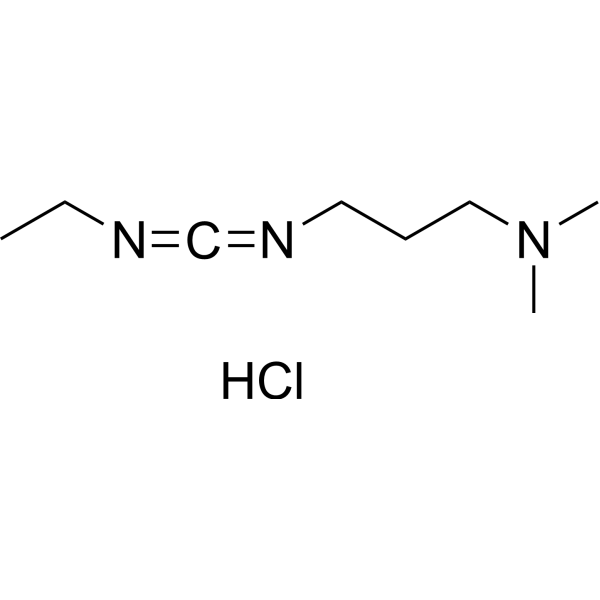
- Formula: C8H18ClN3
- Molecular Weight: 191.70
1-Ethyl-(3-dimethylaminopropyl)carbodiimide hydrochloride is a carbodiimide reagent that can form nucleic acid and compounds with amide bonds. 1-(3-Dimethylaminopropyl)-3-ethylcarbodiimide hydrochloride accelerates the formation reaction of esters, amides, and peptides, as a condensing and dehydrating agent, which are often used for polynucleotide synthesis, anhydroxydation, lactonization and esterification.

Cholesterol Water Soluble is a major sterol in mammals, constituting 20-25% of the structural composition of the plasma membrane. The plasma membrane is highly permeable to water but relatively impermeable to ions and protons. Cholesterol Water Soluble plays an important role in determining the fluidity and permeability characteristics of membranes and the function of transporters and signaling proteins. Cholesterol Water Soluble is also an endogenous estrogen-related receptor alpha (ERRα) agonist. Cholesterol Water Soluble can be used to study the effects of cholesterol on potassium currents in inner hair cells.
(Note: This product is a mixture of Cholesterol and Methyl-β-cyclodextrin. The product specifications below only indicate the effective content of Cholesterol.)
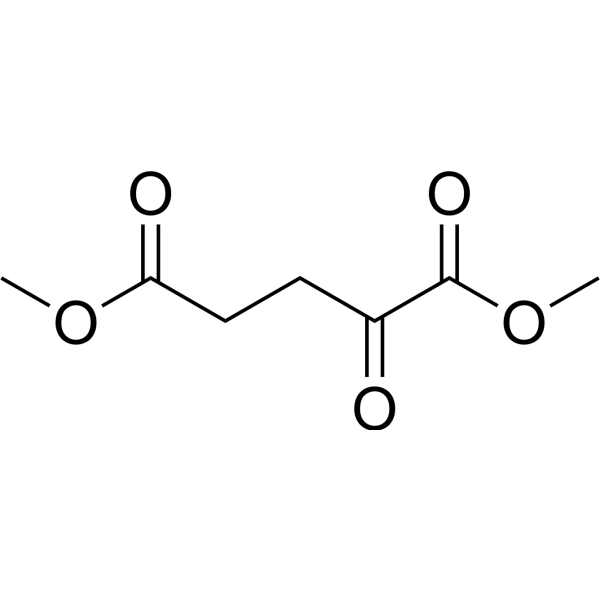
- Formula: C7H10O5
- Molecular Weight: 174.15
Dimethyl 2-oxoglutarate (Dimethyl α-ketoglutarate) is a cell-permeable derivative of 2-oxoglutarate and tricarboxylic acid cycle metabolite with antioxidant properties. Dimethyl 2-oxoglutarate inhibits Autophagy. Dimethyl 2-oxoglutarate prevents mitochondrial damage and reduces ROS production. Dimethyl 2-oxoglutarate alleviates Carbon tetrachloride (HY-Y0298)-induced liver fibrosis. Dimethyl-2-oxoglutaric acid can be used in the research of diseases such as Alzheimer's disease, diabetes, and cardiomyopathy.
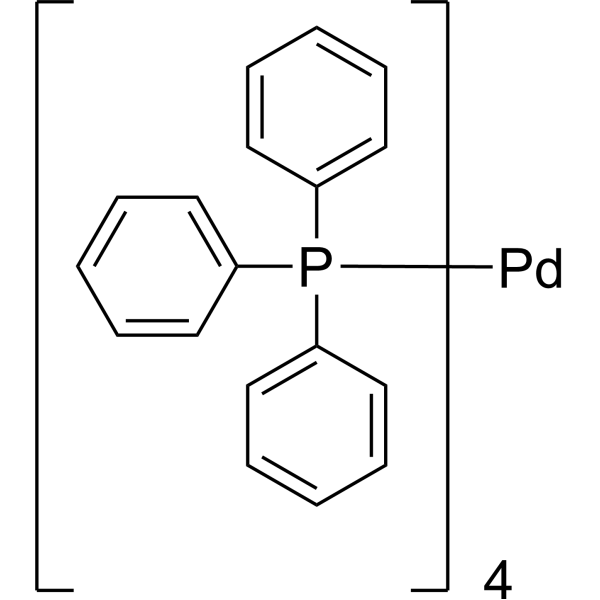
- Formula: C72H60P4Pd
- Molecular Weight: 1155.56
Tetrakis(triphenylphosphine)palladium is a catalyst. Tetrakis(triphenylphosphine)palladium catalyzes the highly regioselective addition of phenyl thiocyanate (PhSCN) to terminal alkynes.


- Formula: C44H84NO8P
- Molecular Weight: 786.11
1,2-Dioleoyl-sn-glycero-3-phosphocholine (DOPC) is a phospholipid and is commonly used alone, or with other components, in the generation of micelles, liposomes, and other types of artificial membranes.
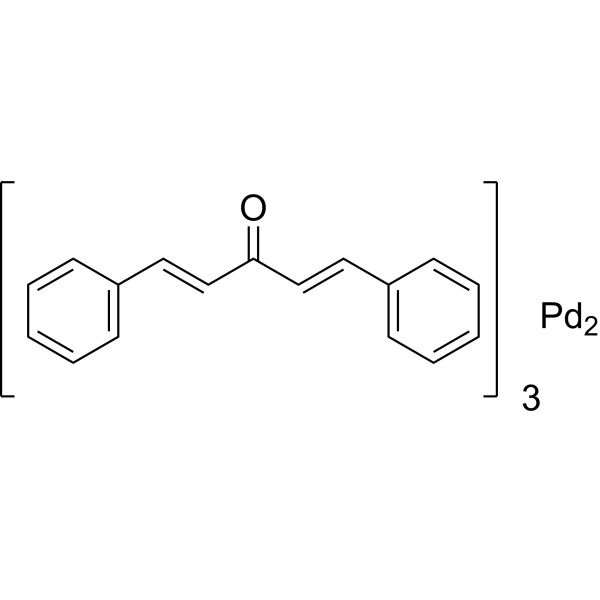
- Formula: C17H14OPd2
- Molecular Weight: 915.71
Tris(dibenzylideneacetonyl)bis-palladium is a catalyst that catalyzes the coupling reaction of N-methyl-2-pyrrolidinone (NMP). Tris(dibenzylideneacetonyl)bis-palladium participates in the synthesis of camptothecin derivatives, 5-HT antagonists, etc.
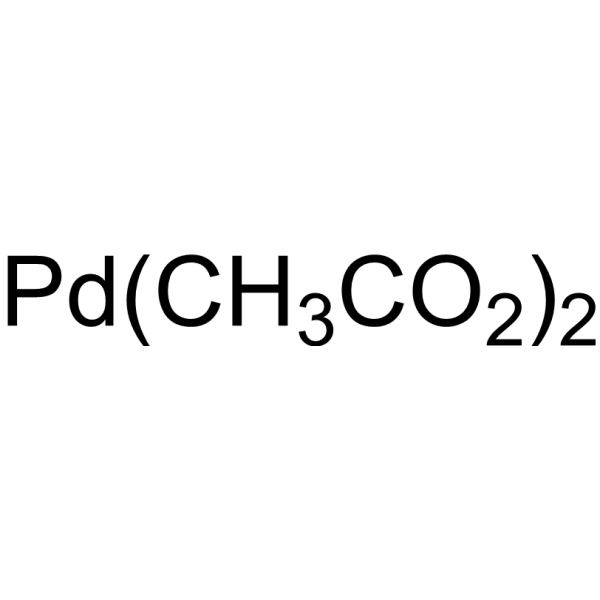
- Formula: Pd(OCOCH3)2
- Molecular Weight: 224.51
Palladium (II) acetate is a catalyst that catalyzes aromatic substitution reactions. Palladium(II) acetate catalyzes the reaction of stoichiometric palladium acetate with arylboronic acid to form C-phenyl glycosides.
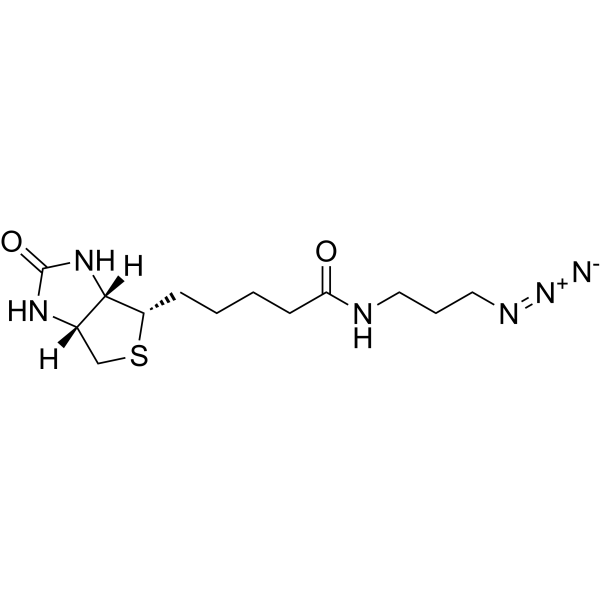
- Formula: C13H22N6O2S
- Molecular Weight: 326.42
Biotin-azide (N-(3-Azidopropyl)biotinamide) is a form of biotin with a terminal azide group. Biotin-azide can be used to prepare various biotinylated conjugates via Click Chemistry. Biotin-azide is a click chemistry reagent, it contains an Azide group and can undergo copper-catalyzed azide-alkyne cycloaddition reaction (CuAAc) with molecules containing Alkyne groups. It can also undergo strain-promoted alkyne-azide cycloaddition (SPAAC) reactions with molecules containing DBCO or BCN groups.
Insulin-Transferrin-Selenium, 100X (ITS-G) is a mixture of Insulin, transferrin, and sodium selenite that is a general supplement designed for use in classic media such as DMEM, RPMI-1640, and nutrient media such as Ham's F-12, DMEM/F-12. Insulin-Transferrin-Selenium is added to basal medium to reduce the amount of fetal calf serum required to culture cells.
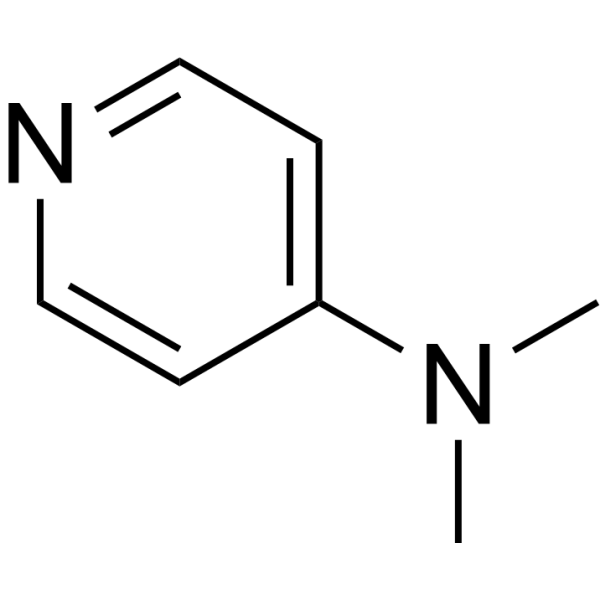
- Formula: C7H10N2
- Molecular Weight: 122.17
4-Dimethylaminopyridine is an acyl transfer catalyst. 4-Dimethylaminopyridine is used for labeling and analysis of glycoproteins on the surface of living cells. 4-Dimethylaminopyridine reduces dyskinesia attacks.
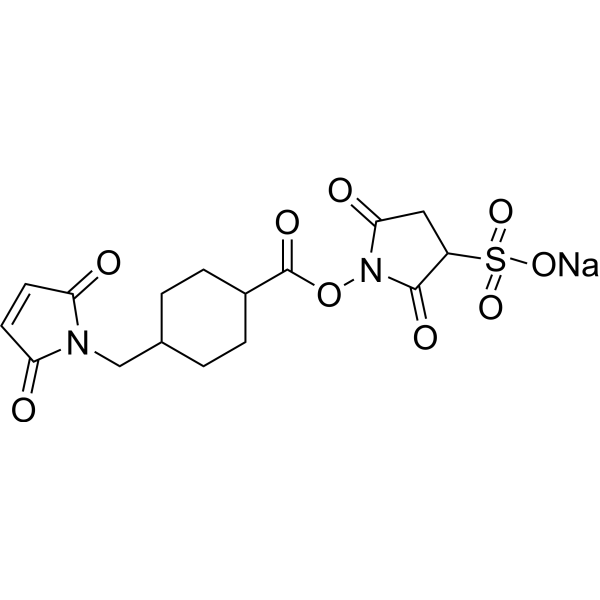
- Formula: C16H17N2NaO9S
- Molecular Weight: 436.37
Sulfo-SMCC sodium is a commonly used hetero-bifunctional, noncleavable ADC crosslinker bearing N-hydroxysuccinimide (NHS) ester and maleimide groups to react with primary amines and sulfhydryl groups, respectively.
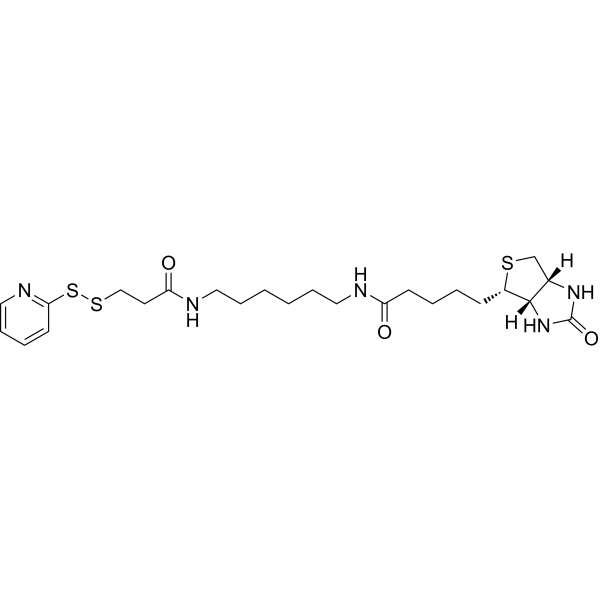
- Formula: C24H37N5O3S3
- Molecular Weight: 539.78
Biotin-HPDP is a biochemical reagent. Biotin-HPDP can couple with GMPS and label free protein thiols. Biotin-HPDP can be used as a biological material or organic compound for life science related research.
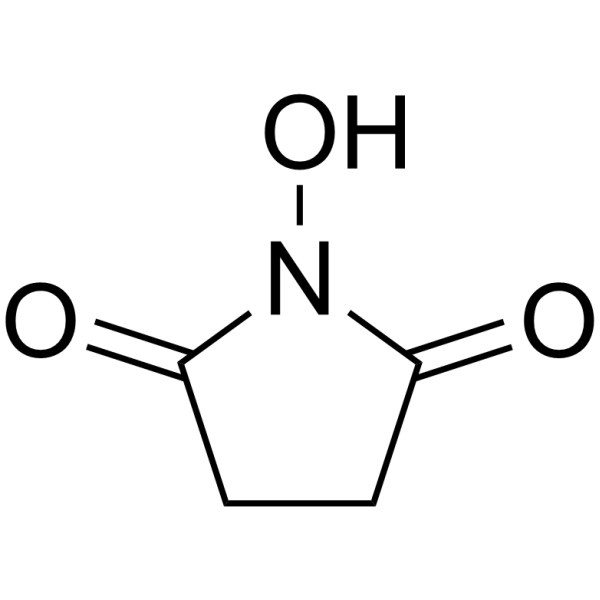
- Formula: C4H5NO3
- Molecular Weight: 115.09
N-Hydroxysuccinimide (HOSu; 1-Hydroxy-2,5-pyrrolidinedione) is a covalent crosslinker commonly used in bioconjugation technology with a primary amine group. N-Hydroxysuccinimide reacts with amino groups (-NH2) to form a stable amide bond, which can modify amino-containing biomolecules. N-Hydroxysuccinimide can be used, for example, for protein labeling with fluorescent dyes and enzymes, surface activation of chromatography supports, microbeads, nanoparticles and microarray slides, and chemical synthesis of peptides. N-Hydroxysuccinimide has a wide range of applications in biomaterial synthesis (such as collagen, chitosan crosslinking), drug delivery systems (such as hydrogel preparation) and tissue engineering.

- Formula: C10H17ClN4O3
- Molecular Weight: 276.72
DMTMM (4-(4,6-dimethoxy-1,3,5-triazine-2-yl)-4-methylmorpholinium chloride) is a coupling agent. DMTMM can activate carboxyl groups and promote the formation of amide bonds. DMTMM plays an important role in promoting the chemical modification of biomacromolecules such as polysaccharides and proteins. DMTMM can be used for research of tissue engineering, breast cancer, corneal regeneration, and biomaterials.

- Formula: C3H5NaO2
- Molecular Weight: 96.06
Sodium propionate is an orally active short-chain fatty acid. Sodium propionate can be produced by intestinal bacteria from the metabolism of dietary fiber. Sodium propionate increases PPAR-γ, inhibits NF-κB activation, and reduces COX-2 expression and NO production. Sodium propionate also induces Apoptosis and Autophagy. Sodium propionate reduces HSV-1-induced keratitis. Sodium propionate has anticancer effects against glioblastoma. Sodium propionate exhibits neuroprotective, antioxidant, and anti-inflammatory activities. Sodium propionate can be used in the research of spinal cord injury and Alzheimer's disease.
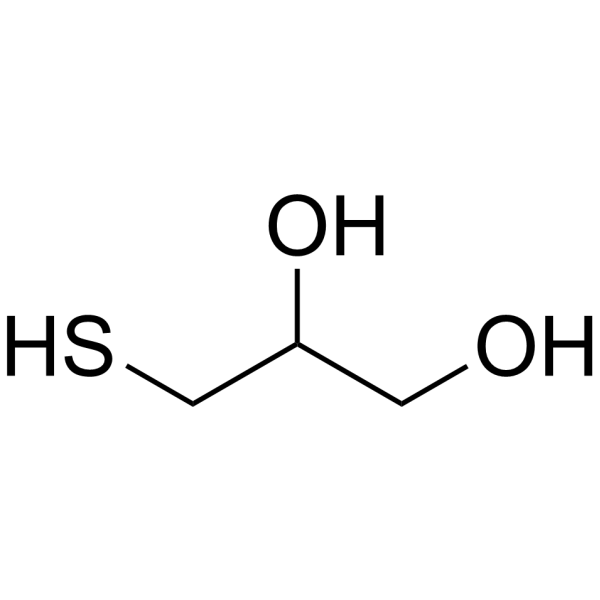
- Formula: C3H8O2S
- Molecular Weight: 108.16
1-Thioglycerol, commonly used as a reducing agent in various biochemical and biophysical applications, especially in protein chemistry and molecular biology, it can protect proteins from oxidation and denaturation, and can reduce disulfide bonds to thiols base, which can then be modified or analyzed. In addition, 1-Thioglycerol has been investigated for potential medical applications, including as an inhibitor of cystic fibrosis, which may help improve the function of lung cells, and has also been studied for Used in the preparation of metal nanoparticles and as a stabilizer for certain pharmaceutical preparations.

Chymotrypsin (EC 3.4.21.1; Chymotrypsin A) is an orally effective inhibitor targeting molecules such as TLR4, NF-κB, MMP-1, TNF-α, IL-1β, and IL-6. Chymotrypsin downregulates the TLR4/NF-κB signaling pathway, inhibiting the release of inflammatory factors, reducing cell infiltration and tissue damage. It also reduces the expression of tumor cell adhesion molecules (such as CD44 and CD54) and can be specifically detected by fluorescent probes (such as NBD-3). Chymotrypsin has anti-inflammatory, hepatoprotective, joint damage-reducing, liver protection against lipotoxicity, and anti-tumor metastasis functions. It can be used in research on diseases such as rheumatoid arthritis, non-alcoholic fatty liver disease, and melanoma metastasis. Chymotrypsin can be used in studies of inflammation, edema, and expectoration.
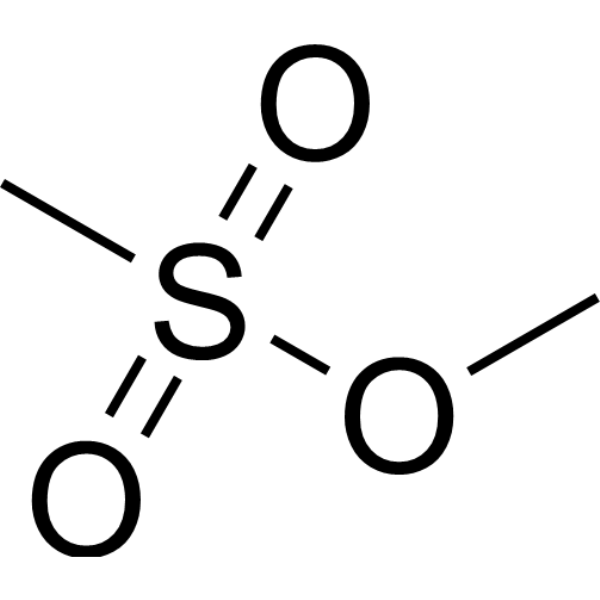
- Formula: C2H6O3S
- Molecular Weight: 110.13
Methyl methanesulfonate is an alkylating agent which transfers methyl groups, and induces DNA damage. Methyl methanesulfonate is a biochemical reagent that can be used as a biological material or organic compound for life science related research.

- Formula: C12H24B2O4
- Molecular Weight: 253.94
Bis(pinacolato)diborane is an organoboron reagent. Bis(pinacolato)diborane serves as a source of the [Bpin] moiety with pronounced nucleophilic character and is used in the synthesis of various organoboranes, including organoboron compounds and arylboronates.Bis(pinacolato)diborane reacts with p-benzyne to produce tetraborylated products through a series of steps involving addition and 1,2-migration of the boryl group.



