



HSV-1
Herpes simplex virus type 1 (HSV-1) is a neurotropic DNA virus that exploits host cellular machinery to ensure efficient replication[1][2]. Mechanistically, HSV-1 hijacks the cyclin-dependent kinase (CDK)-4EBP1 signaling axis to disrupt host translational control, promoting viral protein synthesis[2]. The virus also induces filopodia formation in activated T lymphocytes through actin polymerization mediated by Cdc42, enhancing viral entry and dissemination[3]. HSV-1 modulates host innate immunity by targeting the STING pathway, including alternative splice isoforms such as STING-∆N, which suppress interferon induction and autophagy, facilitating viral replication[4]. Heat-shock protein 90α (Hsp90α) is critical for maintaining VP16 stability, enabling transactivation of immediate-early α genes, and thereby supporting lytic infection[5]. Stress conditions and corticosterone increase HSV-1 susceptibility via autophagic degradation of PML, further highlighting host pathway exploitation[1]. In addition, HSV-1 replication engages JNK/p38 MAP kinase pathways and BRD4 redistribution, demonstrating reliance on stress-activated signaling for viral transcriptional elongation[6][7]. Distinct from related isoforms, truncated STING variants lack transmembrane domains and selectively inhibit wild-type STING signaling[8][4]. Pharmacologically, small-molecule inhibitors like BX-795 or CDK inhibitors such as GW8510 suppress HSV-1 replication by interfering with these host-dependent pathways, providing experimental tools for mechanistic studies[6][2].
References:
- [1]. Li W, et al. Autophagic degradation of PML promotes susceptibility to HSV-1 by stress-induced corticosterone. Theranostics. 2020 Jul 11;10(20):9032-9049. [Content Brief]
- [2]. Su AR, et al. BX-795 inhibits HSV-1 and HSV-2 replication by blocking the JNK/p38 pathways without interfering with PDK1 activity in host cells. Acta Pharmacol Sin. 2017 Mar;38(3):402-414. [Content Brief]
- [3]. Madavaraju K, et al. A CDK-4EBP1 signaling axis drives HSV-1 replication and underscores a druggable pathway for potent antiviral intervention. mBio. 2026 Feb 11;17(2):e0374125. [Content Brief]
- [4]. Rodríguez-García E, et al. TMEM173 Alternative Spliced Isoforms Modulate Viral Replication through the STING Pathway. Immunohorizons. 2018 Dec 11;2(11):363-376. [Content Brief]
- [5]. Sasivimolrattana T. HSV-1 induces filopodia formation in activated T lymphocytes. Chulalongkorn University Theses and Dissertations. 2018.
- [6]. Wang Y, et al. Heat-shock protein 90α is involved in maintaining the stability of VP16 and VP16-mediated transactivation of α genes from herpes simplex virus-1. Mol Med. 2018 Dec 22;24(1):65. [Content Brief]
- [7]. Sun W, et al. Activation of the stress-activated protein kinase JNK in response to herpes simplex virus-1 infection coordinates transition of BRD4 from chromosome association to transcription elongation. J Biol Chem. 2025 Sep;301(9):110590. [Content Brief]
- [8]. Deng J, et al. STING-ΔN, a novel splice isoform of STING, modulates innate immunity and autophagy in response to DNA virus infection. Cell Commun Signal. 2025 Jun 21;23(1):299. [Content Brief]
All Product Categories
-
HSV-1 관련 제품 (95)
관련 제품 (95)

-
2-Deoxy-D-glucose
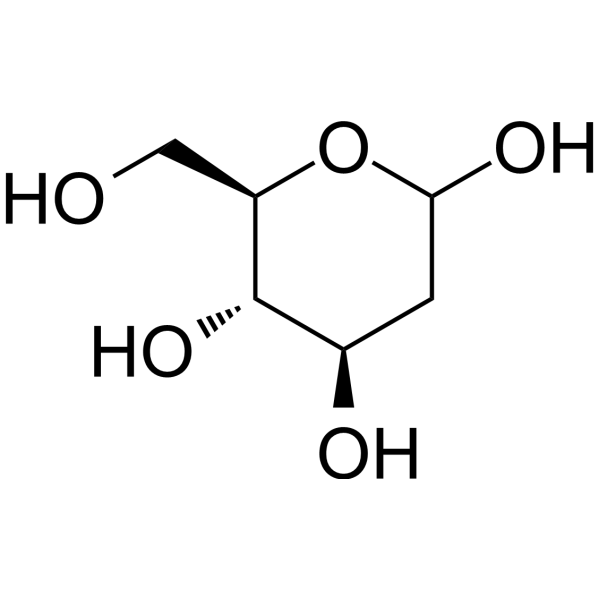 0 ImagesSynonyms: 2-DG; 2-Deoxy-D-arabino-hexose; D-Arabino-2-deoxyhexose2-Deoxy-D-glucose is a glucose analog that acts as a competitive inhibitor of glucose metabolism, inhibiting glycolysis via its actions on hexokinase.
-
Brefeldin A
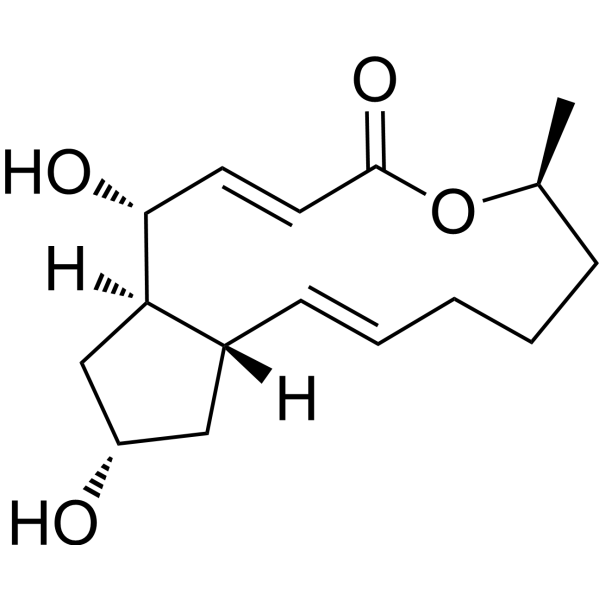 0 ImagesSynonyms: BFA; Cyanein; DecumbinBrefeldin A (BFA) is a lactone antibiotic and a specific inhibitor of protein trafficking. Brefeldin A blocks the transport of secreted and membrane proteins from endoplasmic reticulum to Golgi apparatus. Brefeldin A is also an autophagy and mitophagy inhibitor. Brefeldin A inhibits HSV-1 and has anti-cancer activity.
-
Cytarabine
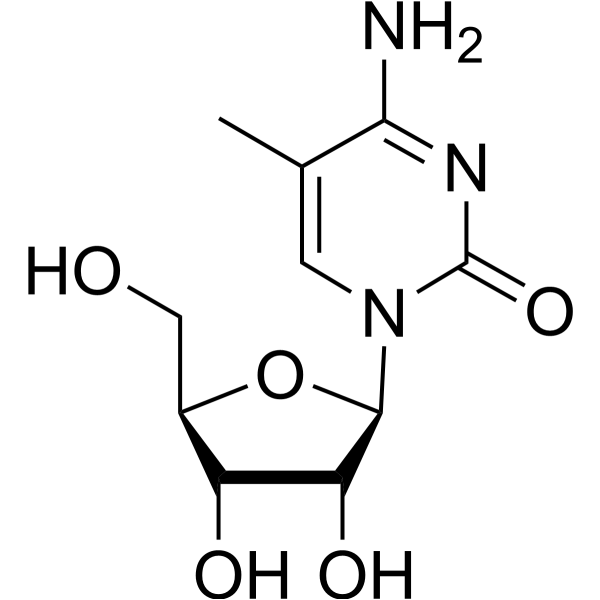
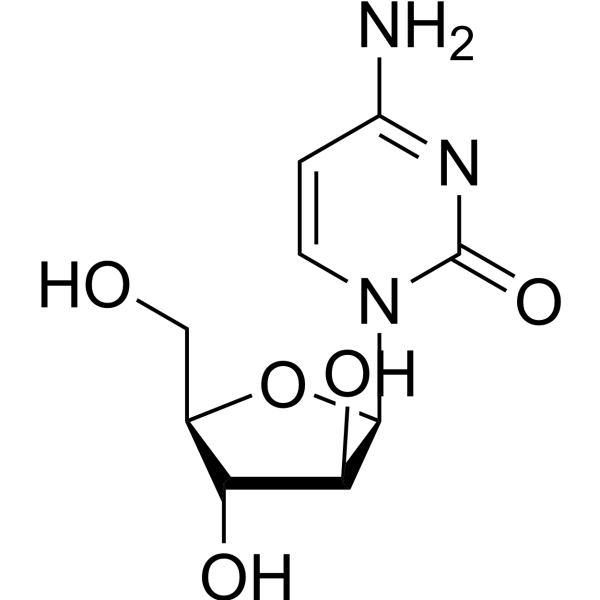 0 ImagesSynonyms: Cytosine β-D-arabinofuranoside; Cytosine Arabinoside; Ara-CCytarabine, a nucleoside analog, causes S phase cell cycle arrest and inhibits DNA polymerase. Cytarabine inhibits DNA synthesis with an IC50 of 16 nM. Cytarabine has antiviral effects against HSV. Cytarabine shows anti-orthopoxvirus activity.
-
Xanthohumol
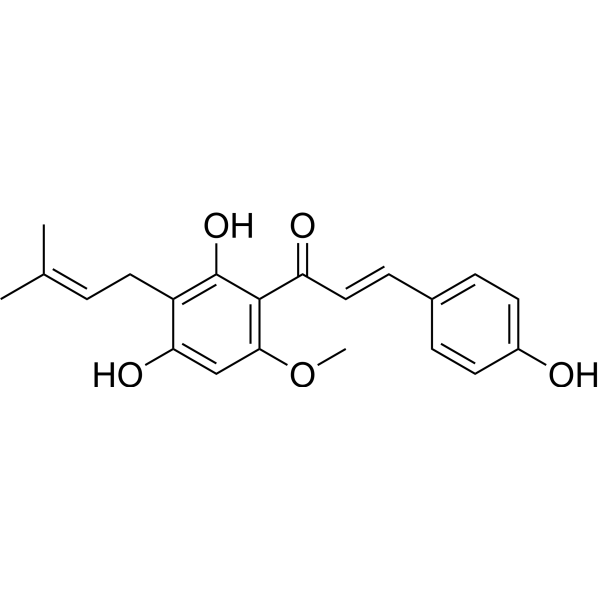 0 ImagesXanthohumol is one of the principal flavonoids isolated from hops, the inhibitor of diacylglycerol acetyltransferase (DGAT), COX-1 and COX-2, and shows anti-cancer and anti-angiogenic activities. Xanthohumol also has antiviral activity against bovine viral diarrhea virus (BVDV), rhinovirus, HSV-1, HSV-2 and cytomegalovirus (CMV).
-
Oxyresveratrol
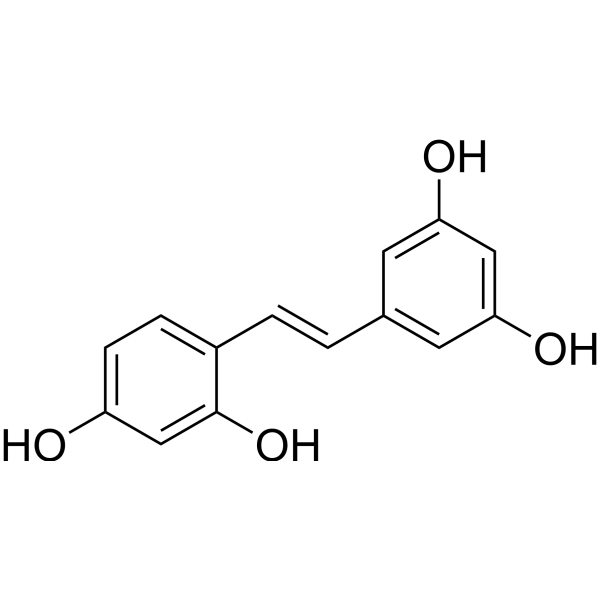 0 ImagesSynonyms: trans-OxyresveratrolOxyresveratrol (trans-Oxyresveratrol) is a potent naturally occurring antioxidant and free radical scavenger (IC50 of 28.9 μM against DPPH free radicals). Oxyresveratrol is potent and noncompetitive tyrosinase inhibitor with an IC50 value of 1.2 μM for mushroom tyrosinase. Oxyresveratrol is effective against HSV-1, HSV-2 and varicella-zoster virus, and has neuroprotective effects.
-
Ivermectin
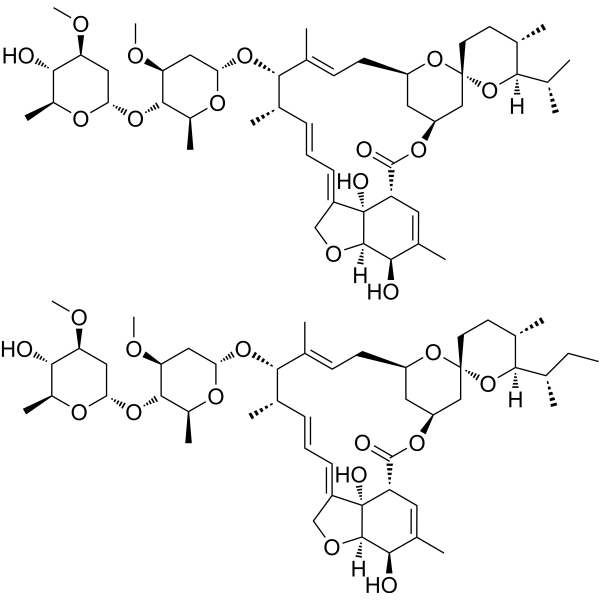 0 ImagesSynonyms: MK-933; CD-5024; K-237Ivermectin (MK-933) is a broad-spectrum anti-parasite agent. Ivermectin (MK-933) is a specific inhibitor of Impα/β1-mediated nuclear import and has potent antiviral activity towards both HIV-1 and dengue virus. It is a positive allosteric effector of P2X4 and the α7 neuronal nicotinic acetylcholine receptor (nAChRs). Ivermectin also inhibits bovine herpesvirus1 (BoHV-1) replication and inhibits BoHV-1 DNA polymerase nuclear import. Ivermectin is a candidate therapeutic against SARS-CoV-2/COVID-19.
-
Ganciclovir
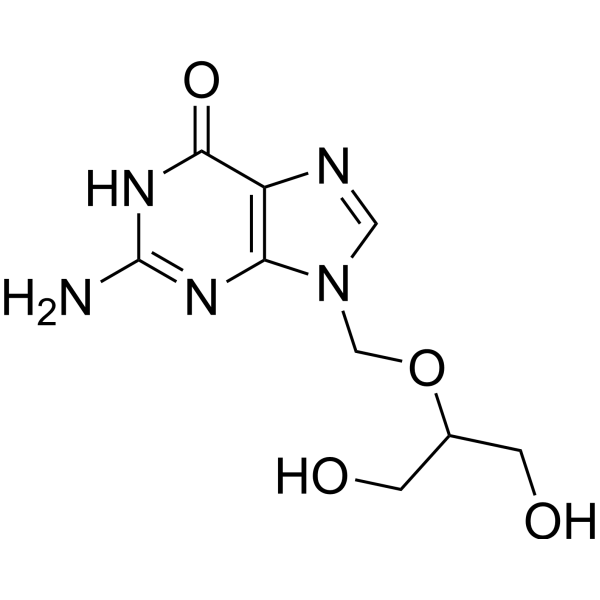 0 ImagesSynonyms: BW 759; 2'-Nor-2'-deoxyguanosineGanciclovir (BW 759), a nucleoside analogue, is an orally active antiviral agent with activity against CMV. Ganciclovir also has activity in vitro against members of the herpes group and some other DNA viruses. Ganciclovir inhibits the in vitro replication of human herpes viruses (HSV 1 and 2, CMV) and adenovirus serotypes 1, 2, 4, 6, 8, 10, 19, 22 and 28. Ganciclovir has an IC50 of 5.2 μM for feline herpesvirus type-1 (FHV-1) and can diffuse into the brain.
-
Salubrinal
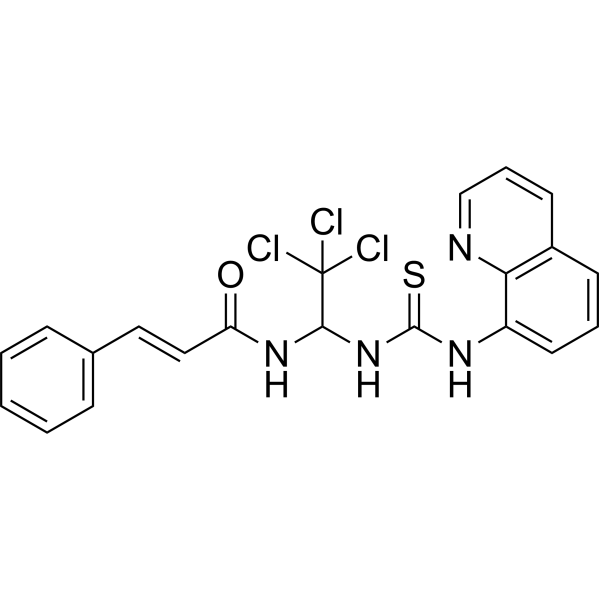 0 ImagesSalubrinal is a cell-permeable and selective inhibitor of eIF2α dephosphorylation. Salubrinal acts as a dual-specificity phosphatase 2 (Dusp2) inhibitor and suppresses inflammation in anti-collagen antibody-induced arthritis. Salubrinal has antiviral activity against HSV-1 and inhibits dephosphorylation of eIF2α mediated by the HSV-1 protein ICP34.5.
-
Acyclovir
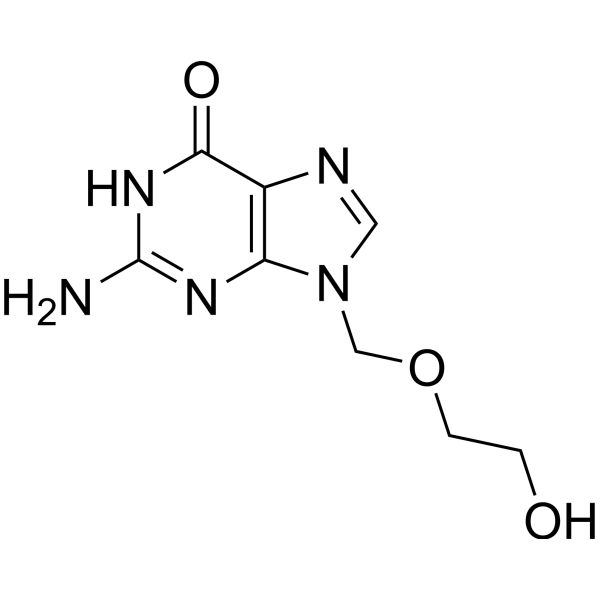 0 ImagesSynonyms: Aciclovir; AcycloguanosineAcyclovir (Aciclovir) is a potent, orally active antiviral agent. Acyclovir has antiherpetic activity with IC50 values of 0.85 μM and 0.86 μM for HSV-1 and HSV-2, respectively. Acyclovir induces cell cycle perturbation and apoptosis. Acyclovir prevents bacterial infections during induction therapy for acute leukaemia.
-
Sodium propionate
 0 ImagesSodium propionate is an orally active short-chain fatty acid. Sodium propionate can be produced by intestinal bacteria from the metabolism of dietary fiber. Sodium propionate increases PPAR-γ, inhibits NF-κB activation, and reduces COX-2 expression and NO production. Sodium propionate also induces Apoptosis and Autophagy. Sodium propionate reduces HSV-1-induced keratitis. Sodium propionate has anticancer effects against glioblastoma. Sodium propionate exhibits neuroprotective, antioxidant, and anti-inflammatory activities. Sodium propionate can be used in the research of spinal cord injury and Alzheimer's disease.
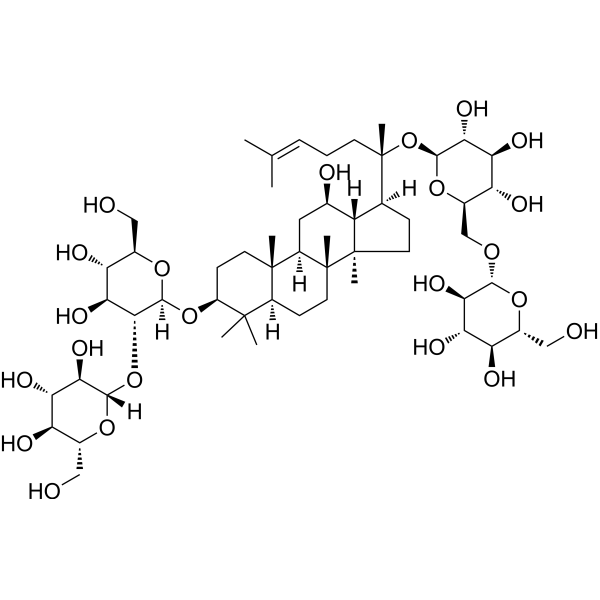
-
Digitoxin
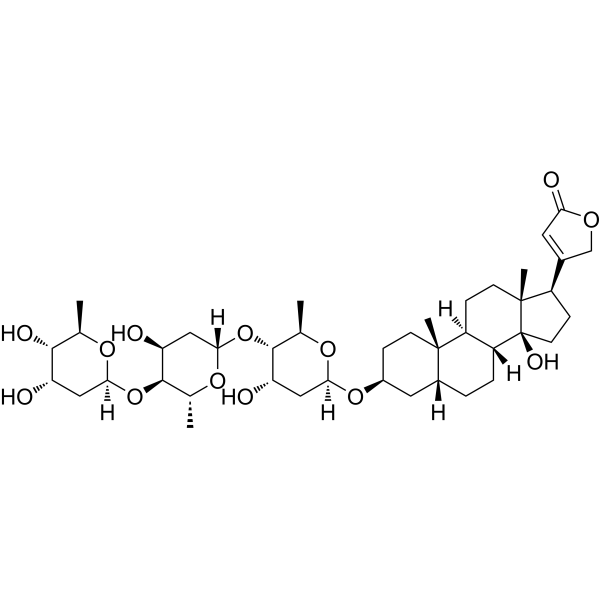 0 ImagesDigitoxin is an anti-cancer agent. Digitoxin induces apoptosis, inhibits influenza cytokine storm, causes DNA double-stranded breaks (DSBs) and blocks the cell cycle at the G2/M phase. Digitoxin induces calcium uptake into cells by forming transmembrane calcium channels and can be used for research of heart failure .
-
Levamisole hydrochloride
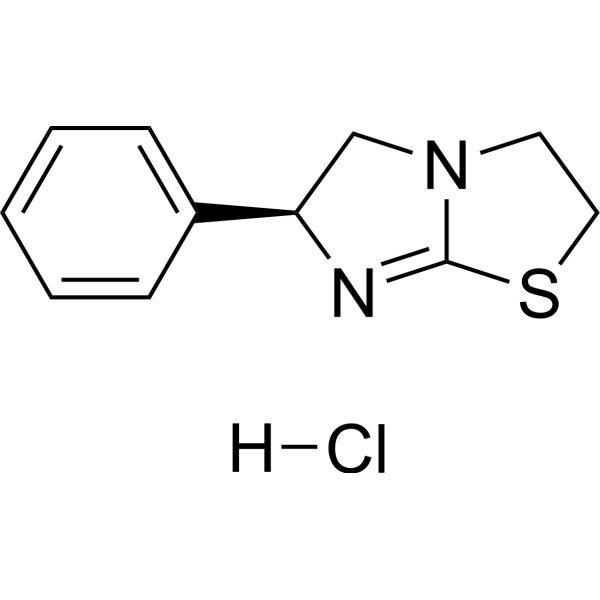 0 ImagesSynonyms: (-)-Tetramisole hydrochloride
-
Imiquimod hydrochloride
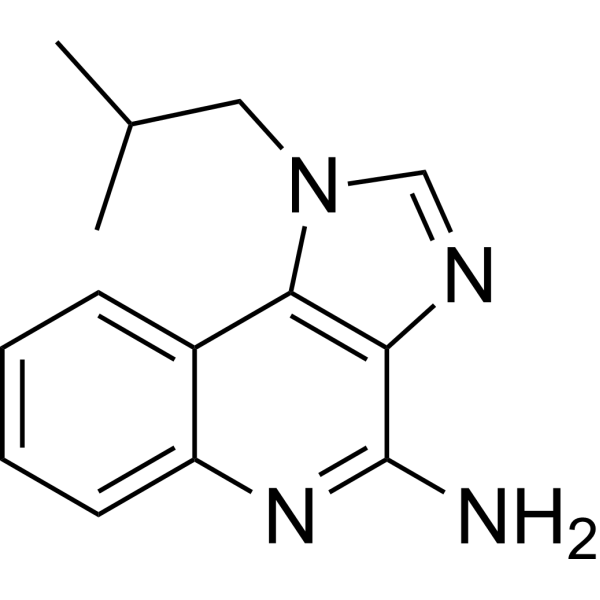
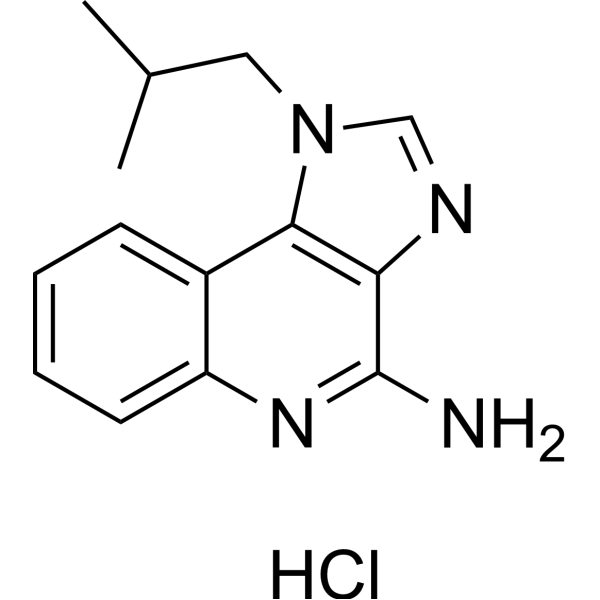 0 ImagesSynonyms: R 837 hydrochlorideImiquimod hydrochloride (R 837 hydrochloride), an immune response modifier, is a selective toll like receptor 7 (TLR7) agonist. Imiquimod hydrochloride exhibits antiviral and antitumor effects in vivo. Imiquimod hydrochloride can be used for the research of external genital, perianal warts, cancer and COVID-19.
-
Surfactin
 0 ImagesSurfactin is a potent cyclic lipopeptide biosurfactants consists of four isomers (Surfactin A, B, C and D), which mediates flux of mono-and divalent cations, such as calcium, across lipid bilayer membranes. Surfactin can act as an antimicrobial adjuvant with anti-bacterial, anti-fungal, antimycoplasma and hemolytic effects. Surfactin also has antiviral activity against a variety of enveloped viruses.
-
Trifluridine
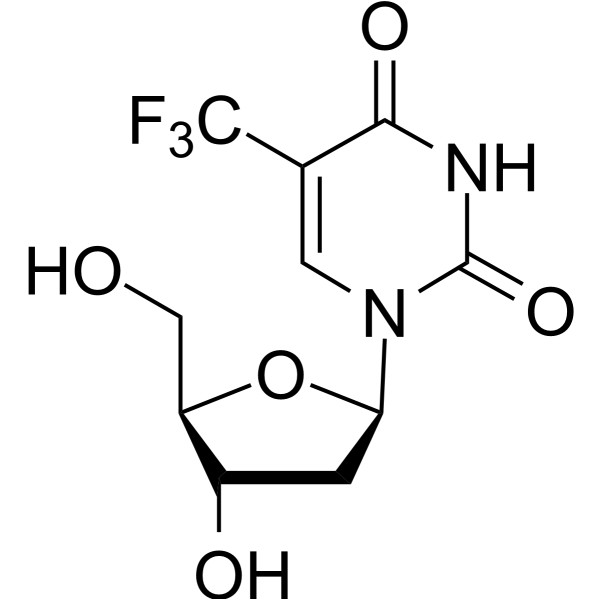 0 ImagesSynonyms: Trifluorothymidine; 5-Trifluorothymidine; TFTTrifluridine (Trifluorothymidine) is an irreversible and orally active thymidylate synthase inhibitor, and thereby suppressing DNA synthesis. Trifluridine is an antiviral molecule used for research of HSV, rhabdovirus and orthopoxvirus infection. Trifluridine induces cell apoptosis and autophagy. Trifluridine is also an anticancer agent used in studies of metastatic colorectal cancer, gastrointestinal tumors.
-
Surfen dihydrochloride
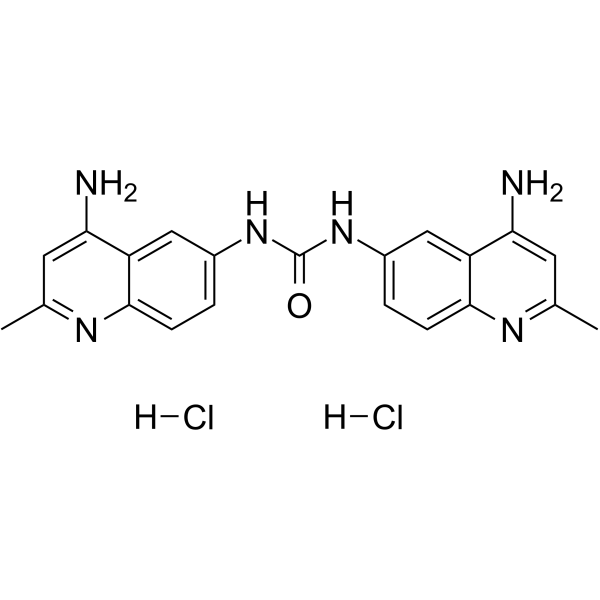 0 ImagesSynonyms: Aminoquinuride dihydrochlorideSurfen dihydrochloride is a potent heparan sulfate antagonist. Surfen inhibits FGF2 binding and signal transduction. Surfen binds to glycosaminoglycans and reduces tau hyperphosphorylation. Surfen dihydrochloride inhibits the activity of recombinant uronyl 2-O-sulfotransferase with an IC50 of approximately 2 μM. Surfen dihydrochloride inhibits HSV-1 viral infection. Surfen dihydrochloride inhibits neural differentiation, delays remyelination, and alleviates EAE.



