



COX-1
COX-1 (cyclooxygenase-1, PTGS1) is a constitutively expressed prostaglandin-endoperoxide synthase that catalyzes the conversion of arachidonic acid into prostaglandin intermediates, thereby initiating prostaglandin and thromboxane biosynthesis essential for physiological homeostasis[1][2]. Mechanistically, COX-1 participates in the cyclooxygenase and peroxidase reactions that generate prostaglandin H2, a central precursor for multiple bioactive prostanoids regulating vascular function, platelet activity, renal perfusion, and gastrointestinal integrity[1][3]. Through sustained prostanoid production, COX-1 contributes to tissue-protective and housekeeping functions across mammalian organs, including maintenance of gastric mucosal defense and thromboxane A2-dependent platelet aggregation[3][2]. In disease and pharmacological models, inhibition of COX-1 reduces prostaglandin synthesis and underlies the therapeutic actions of aspirin and other nonsteroidal anti-inflammatory drugs (NSAIDs), while also contributing to gastrointestinal adverse effects associated with nonselective COX blockade[1][2][4]. Compared with the inducible isoform COX-2, which is preferentially upregulated by inflammatory stimuli and cellular stress, COX-1 exhibits stable basal expression and is primarily associated with physiological regulation rather than acute inflammatory responses[3][2][4]. For experimental applications, selective and nonselective COX inhibitors remain important tools for dissecting prostanoid-dependent signaling pathways and distinguishing constitutive versus inducible cyclooxygenase functions in inflammation, thrombosis, and tissue homeostasis[1][3][4].
References:
- [1]. Fitzpatrick FA. Cyclooxygenase enzymes: regulation and function. Curr Pharm Des. 2004;10(6):577-88. doi: 10.2174/1381612043453144. PMID: 14965321. et al. Cyclooxygenase enzymes: regulation and function. Curr Pharm Des. 2004;10(6):577-88. [Content Brief]
- [2]. Database: Guide to pharmacology.
- [3]. Vane JR, et al. Cyclooxygenases 1 and 2. Annu Rev Pharmacol Toxicol. 1998;38:97-120. [Content Brief]
- [4]. Database: Guide to pharmacology.
- [5]. Rouzer CA, et al. Structural and Chemical Biology of the Interaction of Cyclooxygenase with Substrates and Non-Steroidal Anti-Inflammatory Drugs. Chem Rev. 2020 Aug 12;120(15):7592-7641. [Content Brief]
All Product Categories
-
COX-1 Related Products (202)
Related Products (202)

-
Acetaminophen
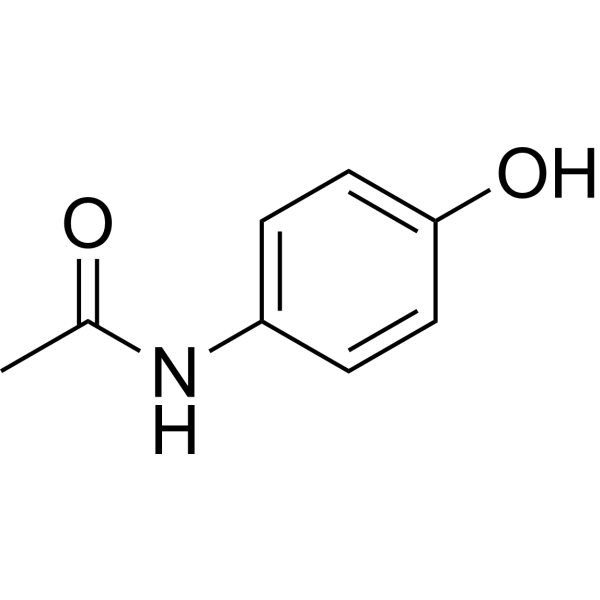 0 ImagesSynonyms: Paracetamol; 4-Acetamidophenol; 4'-HydroxyacetanilideAcetaminophen (Paracetamol) is a selective cyclooxygenase-2 (COX-2) inhibitor with an IC50 of 25.8 μM; is a widely used antipyretic and analgesic agent.. Acetaminophen is a potent hepatic N-acetyltransferase 2 (NAT2) inhibitor. Acetaminophen induces ferroptosis and leads to acute liver injury in mice model.
-
Aspirin
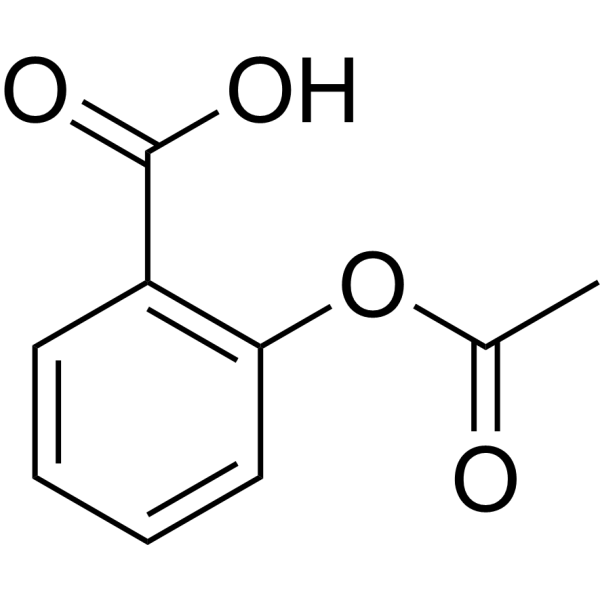 0 ImagesAspirin (Acetylsalicylic acid) is an orally active, potent and irreversible inhibitor of cyclooxygenase COX-1 and COX-2, with IC50 values of 5 and 210 μg/mL, respectively. Aspirin induces apoptosis. Aspirin inhibits the activation of NF-κB. Aspirin also inhibits platelet prostaglandin synthetase, and can prevent coronary artery and cerebrovascular thrombosis.
-
Diclofenac
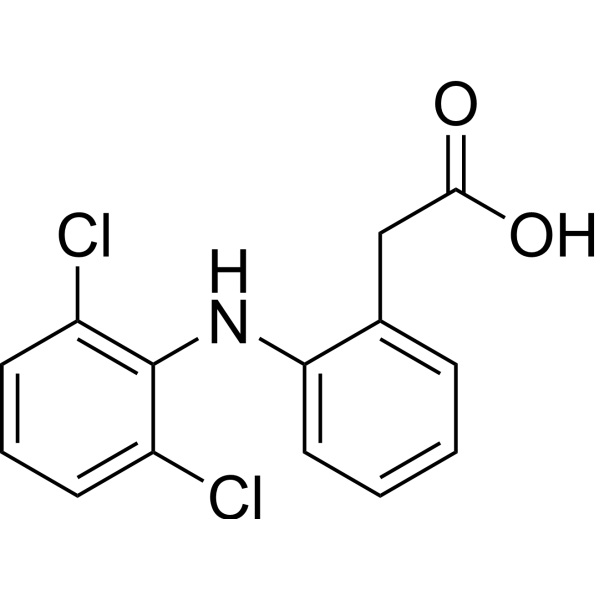 0 ImagesDiclofenac is a potent and nonselective anti-inflammatory agent, acts as a COX inhibitor, with IC50s of 4 and 1.3 nM for human COX-1 and COX-2 in CHO cells, and 5.1 and 0.84 μM for ovine COX-1 and COX-2, respectively. Diclofenac induces apoptosis of neural stem cells (NSCs) via the activation of the caspase cascade.
-
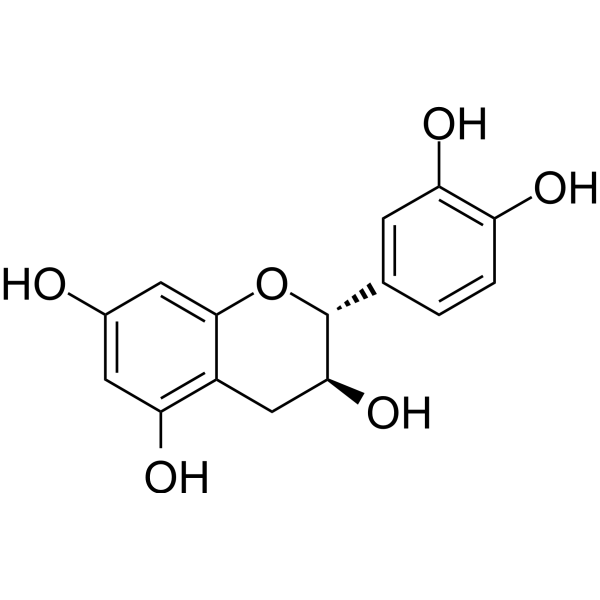
(-)-Epicatechin
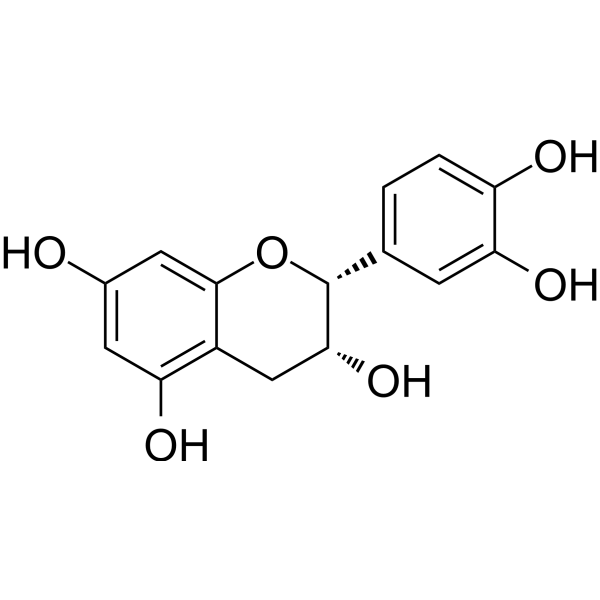 0 ImagesSynonyms: (-)-Epicatechol; Epicatechin; epi-Catechin
-
Xanthohumol
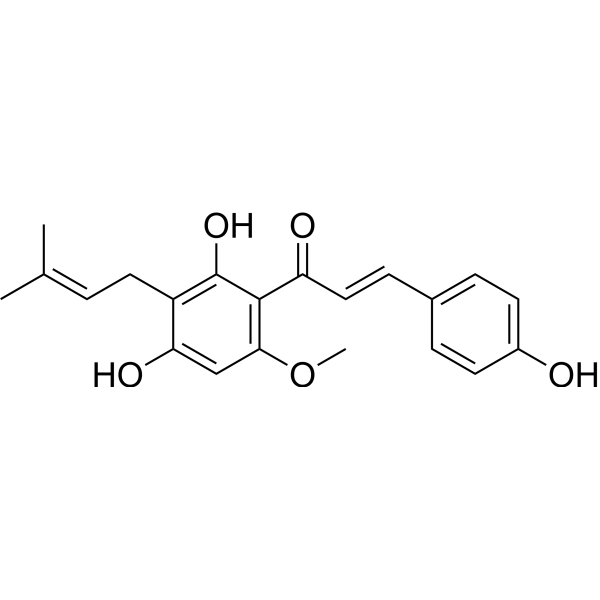 0 ImagesXanthohumol is one of the principal flavonoids isolated from hops, the inhibitor of diacylglycerol acetyltransferase (DGAT), COX-1 and COX-2, and shows anti-cancer and anti-angiogenic activities. Xanthohumol also has antiviral activity against bovine viral diarrhea virus (BVDV), rhinovirus, HSV-1, HSV-2 and cytomegalovirus (CMV).
-
Ibuprofen
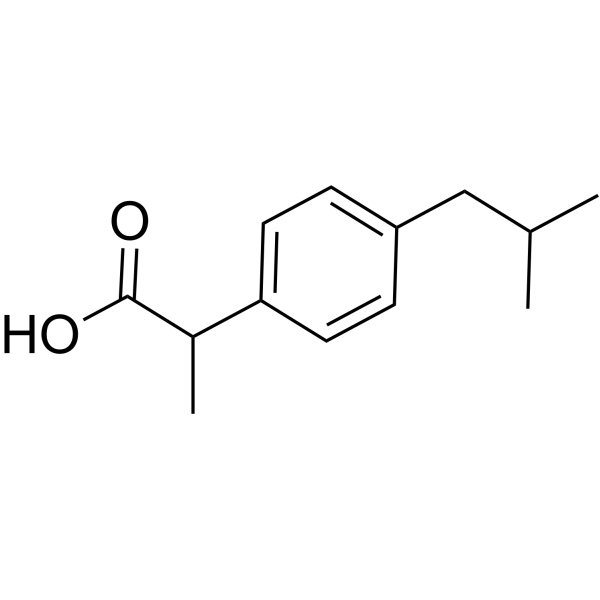 0 ImagesSynonyms: (±)-IbuprofenIbuprofen ((±)-Ibuprofen) is a potent, orally active, selective COX-1 inhibitor with an IC50 value of 13 μM. Ibuprofen inhibits cell proliferation, angiogenesis, and induces cell apoptosis. Ibuprofen is a nonsteroidal anti-inflammatory agent and a nitric oxide (NO) donor. Ibuprofen ((±)-Ibuprofen) can be used in the research of pain, swelling, inflammation, infection, immunology, cancers.
-
Diclofenac Sodium
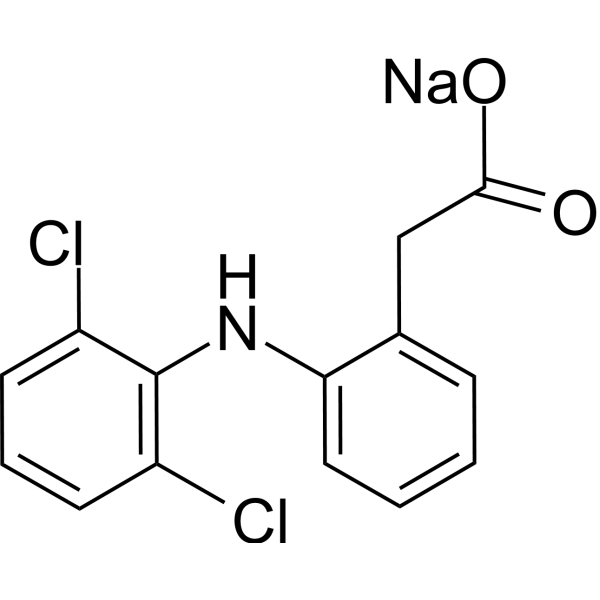 0 ImagesSynonyms: GP 45840Diclofenac Sodium (GP 45840) is a potent and nonselective anti-inflammatory agent, acts as a COX inhibitor, with IC50s of 4 and 1.3 nM for human COX-1 and COX-2 in CHO cells, and 5.1 and 0.84 μM for ovine COX-1 and COX-2, respectively. Diclofenac Sodium induces apoptosis of neural stem cells (NSCs) via the activation of the caspase cascade.
-
Ketoprofen
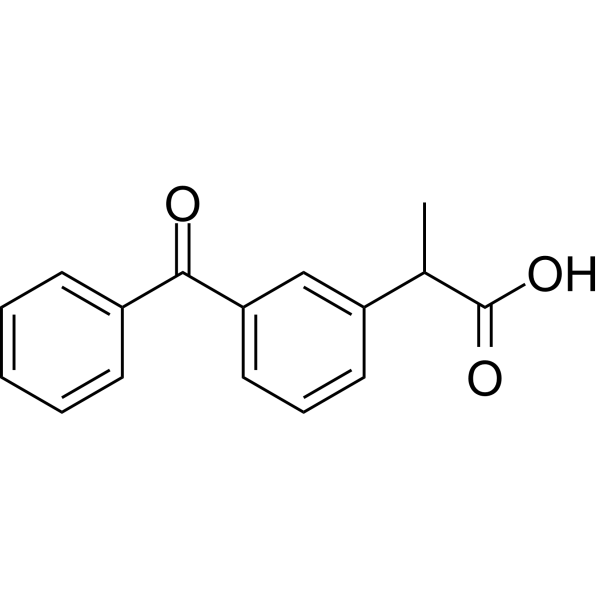 0 ImagesSynonyms: RP-19583Ketoprofen (RP-19583) is a non-steroidal anti-inflammatory agent. Ketoprofen can inhibits the activity of cyclooxygenase with IC50 values of 2 nM (COX-1) and 26 nM (COX-2). which is potential in the research of inflammation, immunology, and metabolic disease such as obesity.
-
(-)-Epicatechin gallate
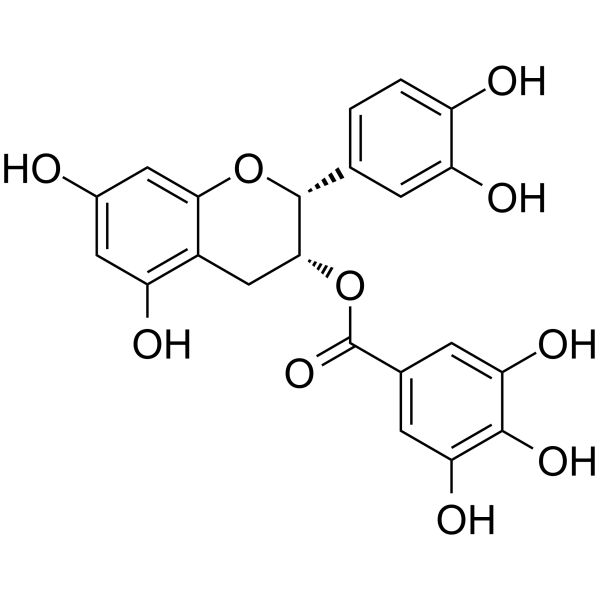 0 ImagesSynonyms: Epicatechin gallate; ECG; (-)-Epicatechin 3-O-gallate
-
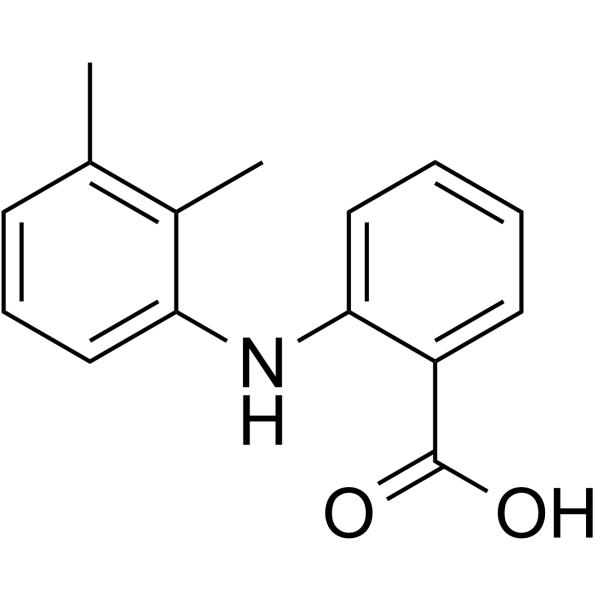
Aspirin (Standard)
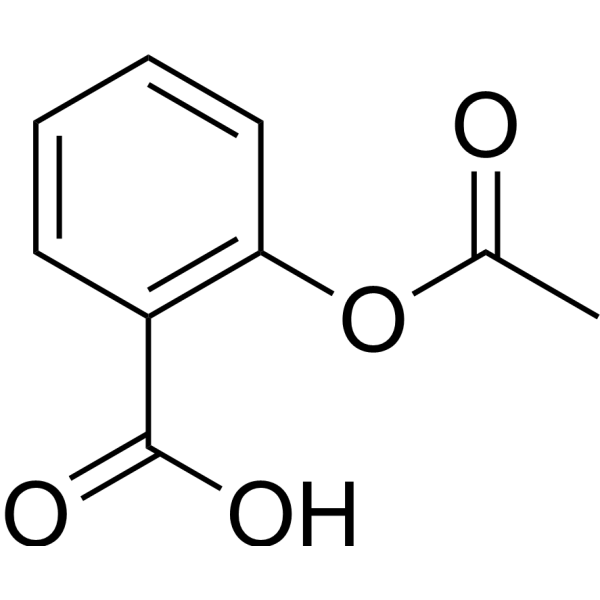 0 ImagesSynonyms: Acetylsalicylic acid(Standard); ASA (Standard)Aspirin (Standard) is the analytical standard of Aspirin. This product is intended for research and analytical applications. Aspirin (Acetylsalicylic acid) is an orally active, potent and irreversible inhibitor of cyclooxygenase COX-1 and COX-2, with IC50 values of 5 and 210 μg/mL, respectively. Aspirin induces apoptosis. Aspirin inhibits the activation of NF-κB. Aspirin also inhibits platelet prostaglandin synthetase, and can prevent coronary artery and cerebrovascular thrombosis.
-
(S)-(+)-Ibuprofen
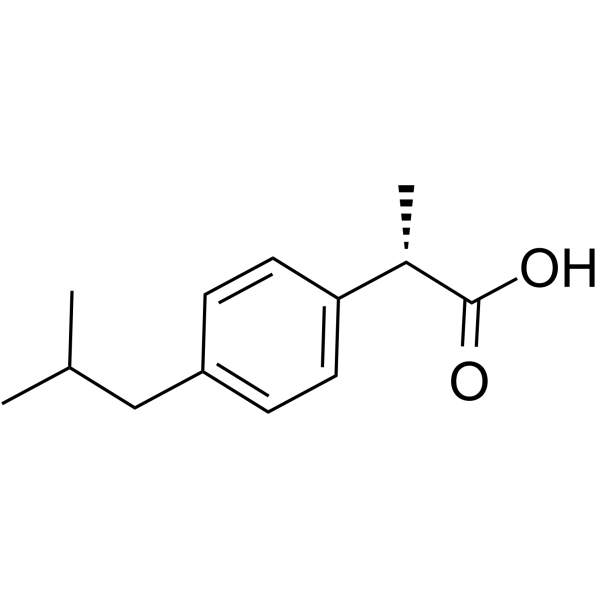 0 ImagesSynonyms: Dexibuprofen(S)-(+)-Ibuprofen ((S)-Ibuprofen), a S(+)-enantiomer of Ibuprofen, is a potent COX-1 and COX-2 inhibitor with IC50s of 2.1 μM and 1.6 μM, respectively. (S)-(+)-Ibuprofen has analgesic, anti-inflammatory, anticancer and antipyretic effects.
-
Rutaecarpine
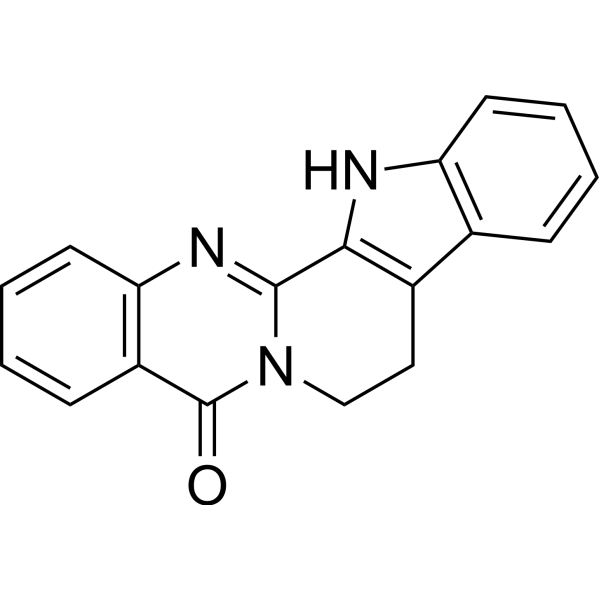 0 ImagesRutaecarpine, an alkaloid of Evodia rutaecarpa, is an inhibitor of COX-2 with an IC50 value of 0.28 μM. Rutaecarpine can target and activate the NRF2/HO-1 pathway to reduce craniofacial injury. Rutaecarpine sttenuates oxidative stress-induced traumatic brain injury (TBI) and reduces secondary injury via the PGK1/KEAP1/NRF2 signaling pathway. Rutaecarpine can cross the blood-brain barrier (BBB).



