



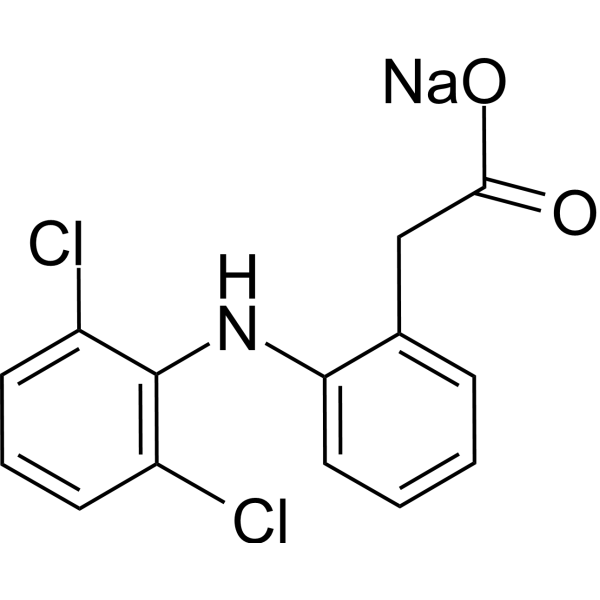
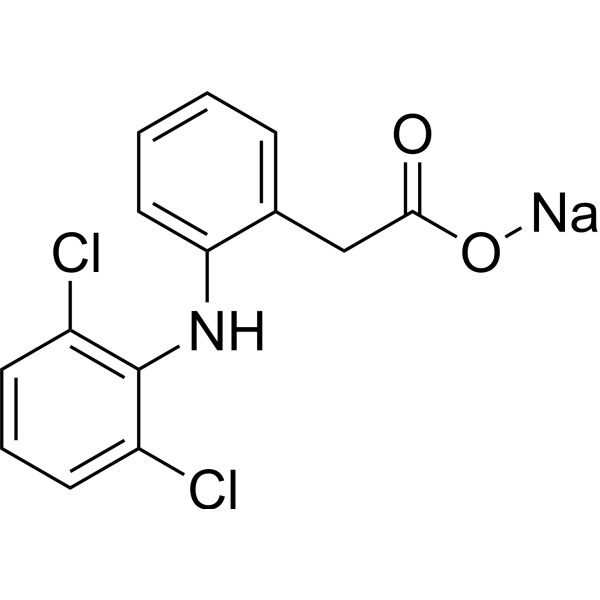
Diclofenac Sodium
Based on 26 publication(s) in Google Scholar
Diclofenac Sodium (GP 45840) is a potent and nonselective anti-inflammatory agent, acts as a COX inhibitor, with IC50s of 4 and 1.3 nM for human COX-1 and COX-2 in CHO cells, and 5.1 and 0.84 μM for ovine COX-1 and COX-2, respectively. Diclofenac Sodium induces apoptosis of neural stem cells (NSCs) via the activation of the caspase cascade.
For research use only. We do not sell to patients.
- Purity : 99.81%
- CAS No.: 15307-79-6
- Formula: C14H10Cl2NNaO2
- Molecular Weight:318.13
-
Storage:
4°C, sealed storage, away from moisture
* In solvent : -80°C, 6 months; -20°C, 1 month (sealed storage, away from moisture)

To place orders, for customer services and technical support, please contact: MedChemExpress USA
Tel: 609-228-6898 E-mail: [email protected] [email protected]


-
 Biological Activity
-
Chemical Information
-
Solvent & Solubility
- Protocols
- Purity & Documentation
- References
-
 Help & FAQs


-
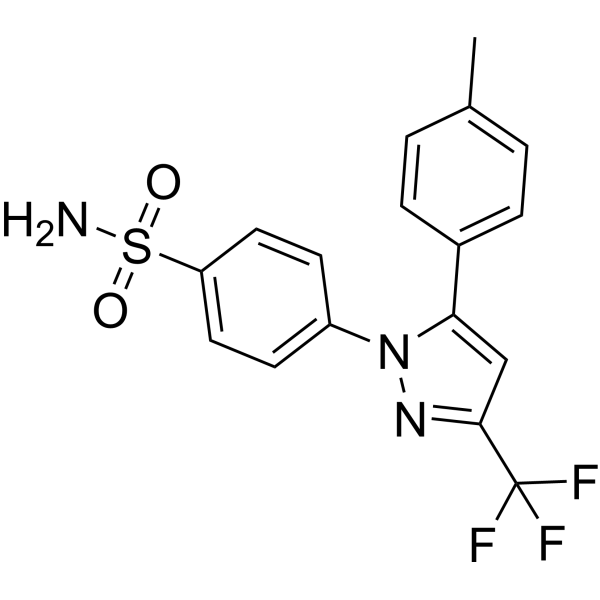
HY-14398
CelecoxibCOX-2inhibitor -
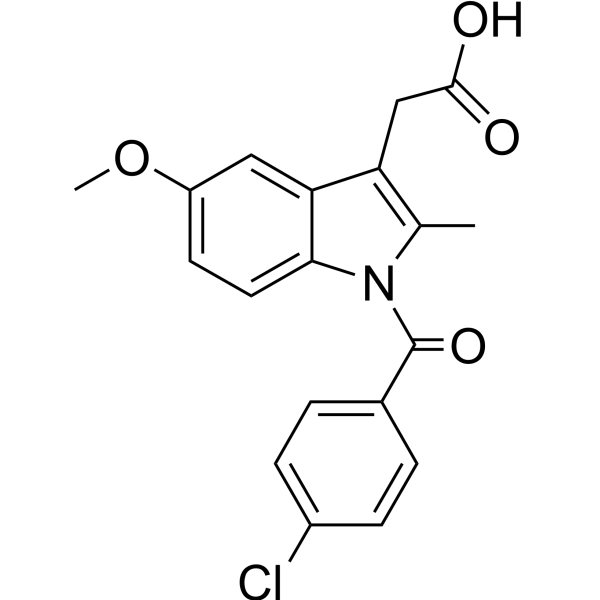
HY-14397
IndomethacinCOX1/2 Inhibitor -
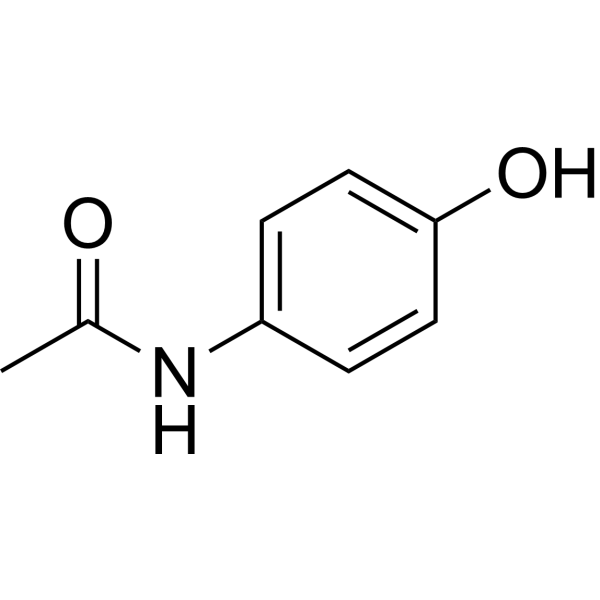
HY-66005
AcetaminophenCOX-2 Inhibitor -
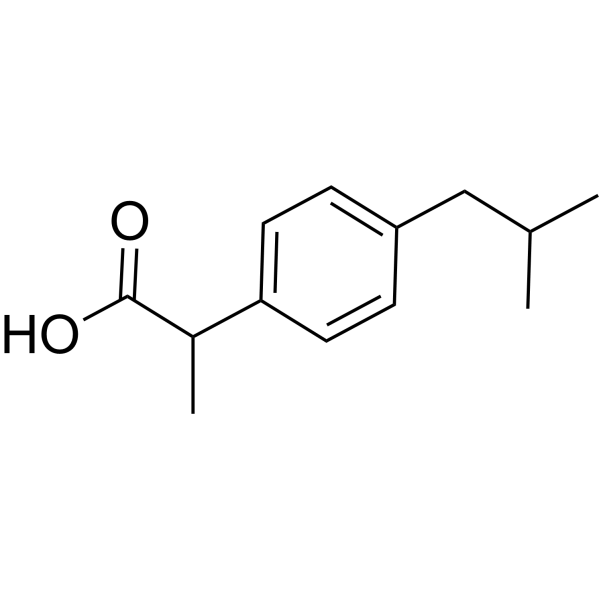
HY-78131
IbuprofenCOX-1 Inhibitor -
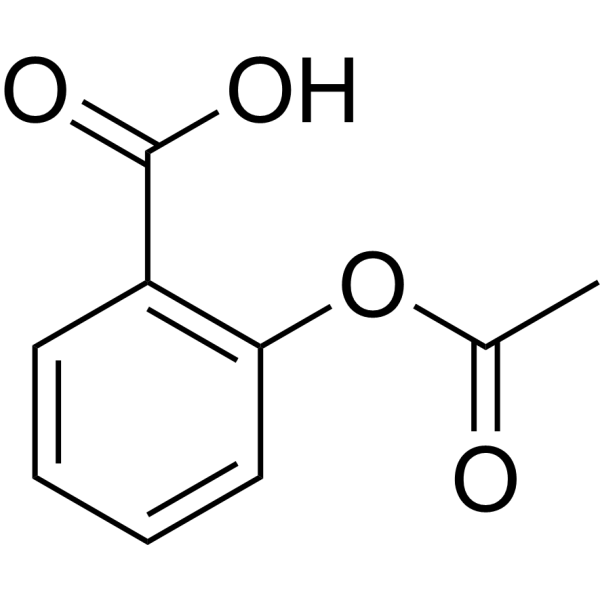
HY-14654
AspirinCOX Inhibitor -
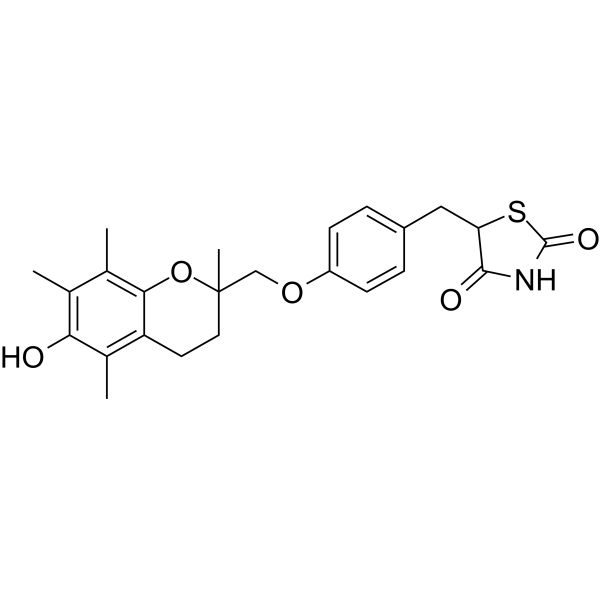
HY-50935
TroglitazonePPARγ Agonist -
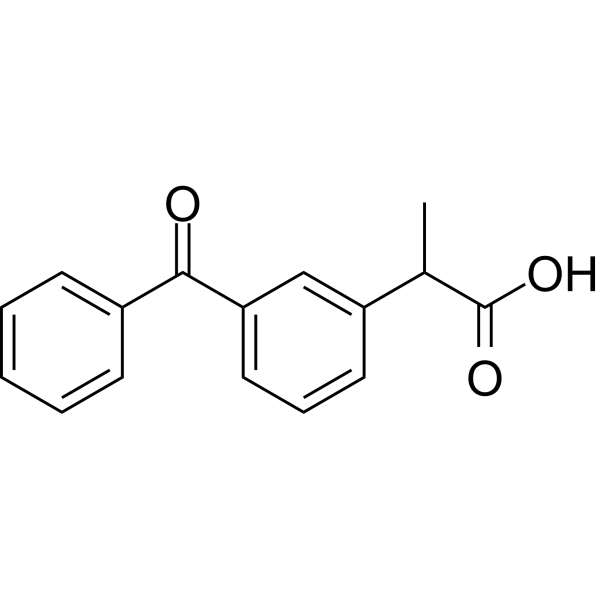
HY-B0227
KetoprofenAnti-inflammatory agent -
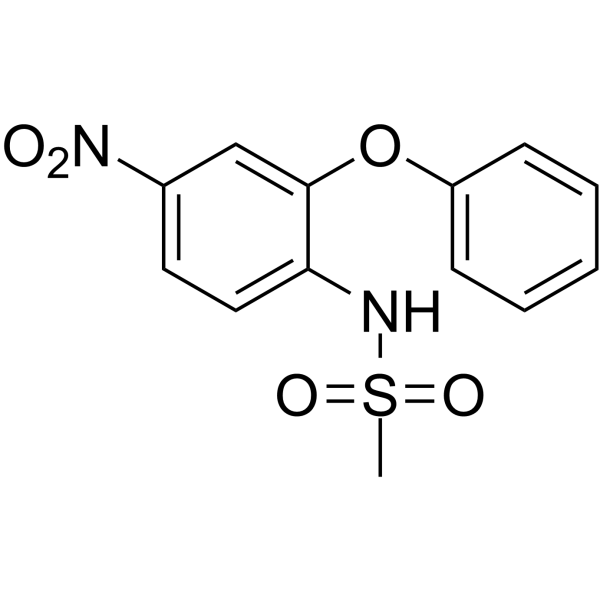
HY-B0363
NimesulideCOX Inhibitor -
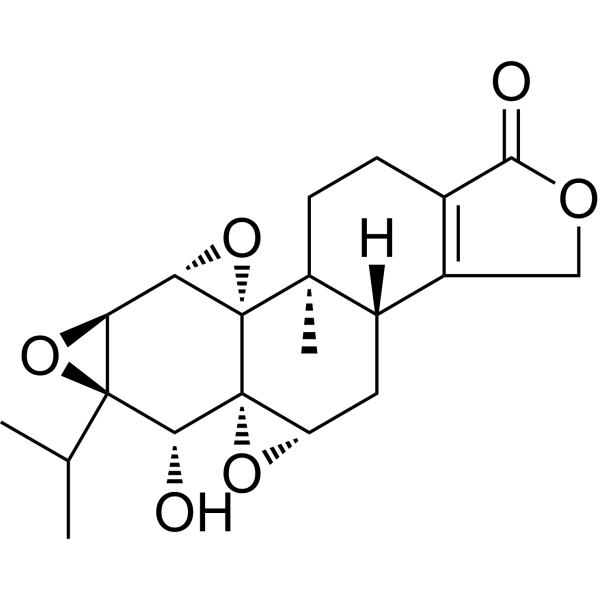
HY-32735
TriptolideImmunosuppressive Agent -
HY-15037R
Diclofenac Sodium (Standard)COX Inhibitor -
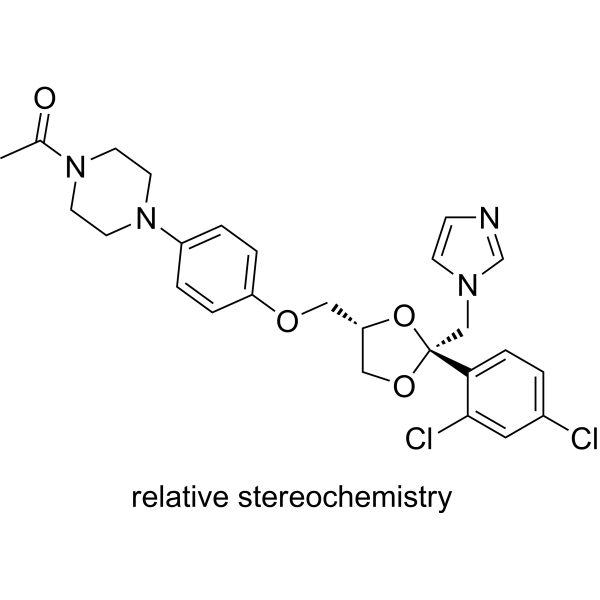
HY-B0105
KetoconazoleCYP3A4 Inhibitor -
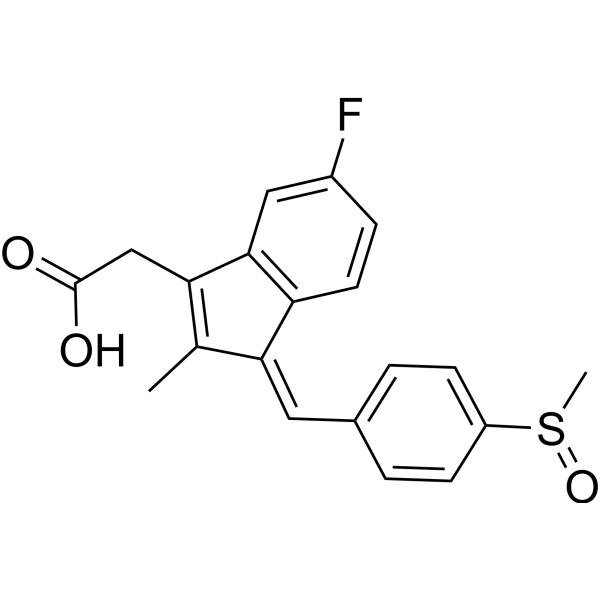
HY-B0008
SulindacAnti-inflammatory Agent
Publications Citing Use of MedChemExpress (MCE) Diclofenac Sodium
More- Adv Funct Mater. 2026 Feb 3.
- J Hazard Mater. 2015 May 30:289:18-27. [Abstract]
- Biomater Res. 2025 Nov 7:29:0280. [Abstract]
- Int J Biol Macromol. 2026 Mar:352:151224. [Abstract]
- Emerg Contam. 2026 Feb 23.
- Cell Rep. 2025 Feb 7;44(2):115263. [Abstract]
- Anal Chem. 2025 Jun 3;97(21):11099-11109. [Abstract]
- Ecotoxicol Environ Saf. 2025 Nov 15:307:119433. [Abstract]
- Gels. 2026 Jul 20;12(7):651.
- J Phys Chem Solids. 2017 October;109:117-123.
- Cell Rep Methods. 2023 Oct 23;3(10):100599. [Abstract]
- Int J Mol Sci. 2022 Oct 11;23(20):12066. [Abstract]
- Chem Biol Interact. 2021 Apr 1:338:109425. [Abstract]
- ACS Infect Dis. 2024 Aug 9;10(8):2860-2869. [Abstract]
- Pharm Res. 2022 Oct;39(10):2515-2527. [Abstract]
- Biotechnol Bioeng. 2021 Dec;118(12):4687-4698. [Abstract]
- Drug Metab Dispos. 2026 Jul 14;54(8):100365.
- Arch Microbiol. 2024 Jun 7;206(7):289. [Abstract]
- J Pharm Biomed Anal. 2021 Jul 15:201:114105. [Abstract]
- Phys Chem Chem Phys. 2016 Jan 21;18(3):1526-36. [Abstract]
- Toxicol Mech Methods. 2019 Nov;29(9):654-664. [Abstract]
- Eur J Drug Metab Pharmacokinet. 2022 Sep;47(5):639-652. [Abstract]
- Thai Journal of Pharmaceutical Sciences. 2025 Dec.
- bioRxiv. 2024 Apr 7.
- Chemosphere. 2019 Jun:225:378-387. [Abstract]
- Federal University of Rio Grande do Sul. 2017 Nov.
 Customer Validation & Images

-
Bio/Physico-chemical Assay

-
Cell Imaging/Staining

-
Flow Cytometry

-
IF

-
RT-PCR


Biological Activity
Description
|
Human COX-2 1.3 nM (IC50, in CHO cells) |
Human COX-1 4 nM (IC50, in CHO cells) |
Ovine COX-2 0.84 μM (IC50) |
Ovine COX-1 5.1 μM (IC50) |
Cellular Effect
|
Cell Line

|
Type | Value | Description | References |
|---|---|---|---|---|
| Erythrocyte | EC50 |
11.7 μg/mL
Compound: Diclofenac sodium
|
Anti-inflammatory activity in human red blood cells assessed as stabilization of cell membrane
Anti-inflammatory activity in human red blood cells assessed as stabilization of cell membrane
|
[PMID: 32485533] |
| HT-29 | IC50 |
137.1 μM
Compound: Diclofenac sodium
|
Cytotoxicity against human HT-29 cells assessed as reduction in cell viability incubated for 24 hrs by MTS assay
Cytotoxicity against human HT-29 cells assessed as reduction in cell viability incubated for 24 hrs by MTS assay
|
[PMID: 32485532] |
| RAW264.7 | IC50 |
10.27 μM
Compound: Diclofenac sodium
|
Inhibition of LPS-induced TNFalpha production in mouse RAW264.7 cells preincubated for 2 hrs followed by LPS stimulation and measured after 20 hrs by ELISA
Inhibition of LPS-induced TNFalpha production in mouse RAW264.7 cells preincubated for 2 hrs followed by LPS stimulation and measured after 20 hrs by ELISA
|
[PMID: 33892270] |
| RAW264.7 | IC50 |
12.19 μM
Compound: Diclofenac sodium
|
Inhibition of LPS-induced 15(S)-HETE production in mouse RAW264.7 cells preincubated for 2 hrs followed by LPS stimulation and measured after 20 hrs by ELISA
Inhibition of LPS-induced 15(S)-HETE production in mouse RAW264.7 cells preincubated for 2 hrs followed by LPS stimulation and measured after 20 hrs by ELISA
|
[PMID: 33892270] |
| RAW264.7 | IC50 |
12.91 μM
Compound: Diclofenac sodium
|
Inhibition of LPS-induced IL-6 production in mouse RAW264.7 cells preincubated for 2 hrs followed by LPS stimulation and measured after 20 hrs by ELISA
Inhibition of LPS-induced IL-6 production in mouse RAW264.7 cells preincubated for 2 hrs followed by LPS stimulation and measured after 20 hrs by ELISA
|
[PMID: 33892270] |
| RAW264.7 | IC50 |
25.51 μM
Compound: Diclofenac sodium
|
Antioxidant activity in mouse RAW264.7 cells assessed as inhibition of LPS-induced intracellular ROS production preincubated for 2 hrs followed by LPS stimulation and measured after 20 hrs by DCFH-DA staining based fluorescence analysis
Antioxidant activity in mouse RAW264.7 cells assessed as inhibition of LPS-induced intracellular ROS production preincubated for 2 hrs followed by LPS stimulation and measured after 20 hrs by DCFH-DA staining based fluorescence analysis
|
[PMID: 33892270] |
| RAW264.7 | IC50 |
331 μM
Compound: Diclofenac sodium
|
Antiinflammatory activity in mouse RAW264.7 cells assessed as inhibition of LPS-induced NO production incubated for 24 hrs by Griess reagent based analysis
Antiinflammatory activity in mouse RAW264.7 cells assessed as inhibition of LPS-induced NO production incubated for 24 hrs by Griess reagent based analysis
|
[PMID: 38805684] |
| RAW264.7 | IC50 |
36.28 μM
Compound: Diclofenac sodium
|
Inhibition of LPS-induced NO production in mouse RAW264.7 cells preincubated for 2 hrs followed by LPS stimulation and measured after 20 hrs by DAF-FM based fluorescence analysis
Inhibition of LPS-induced NO production in mouse RAW264.7 cells preincubated for 2 hrs followed by LPS stimulation and measured after 20 hrs by DAF-FM based fluorescence analysis
|
[PMID: 33892270] |
| THP-1 | IC50 |
200.9 μM
Compound: Diclofenac sodium
|
Cytotoxicity against PMA/LPS-challenged human THP1 cells assessed as reduction in cell viability incubated for 24 hrs by MTS assay
Cytotoxicity against PMA/LPS-challenged human THP1 cells assessed as reduction in cell viability incubated for 24 hrs by MTS assay
|
[PMID: 32485532] |
In Vitro
Diclofenac effectively blocks COX-1 mediated prostanoid production from U937 cell microsomes, with an IC50 of 7±3 nM[1].
Diclofenac (1-60 μM; 1 day) induces neural stem cells (NSCs)death in a concentration-dependent manner[3].
Diclofenac (10-60 μM; 6 hours) increases the expression of cleaved (activated) caspase-3[3].
MedChemExpress (MCE) has not independently confirmed the accuracy of these methods. They are for reference only. Further protocols information, click here.
-
Cell Line:Neural stem cells (NSCs)
-
Concentration:1, 3, 10, 30, 60 μM
-
Incubation Time:1 day
-
Result:Induction of cell death was concentration-dependent and the effect was not saturated at a concentration of up to 60 μM.
-
Cell Line:Neural stem cells (NSCs)
-
Concentration:10, 30 or 60 μM
-
Incubation Time:6 hours
-
Result:The activation of caspase-3 was increased in a concentration-dependent manner.
In Vivo
Diclofenac (10 mg/kg; administered via oral route just prior to induction of inflammation) shows in vivo anti-inflammatory activity in Wistar rats[1].
MedChemExpress (MCE) has not independently confirmed the accuracy of these methods. They are for reference only.
-
Animal Model:Male Sprague-Dawley rats (150±200 g)[1]
-
Dosage:3 mg/kg
-
Administration:Oral administration, b.i.d., for 5 days
-
Result:Resulted in a significant increase in faecal 51Cr excretion.
-
Animal Model:Wistar rats (150-175 g) bearing Formalin-induced rat foot paw edema model[2]
-
Dosage:10 mg/kg
-
Administration:Administered via oral route just prior to induction of inflammation
-
Result:Showed in vivo anti-inflammatory activity (% edema inhibition=29.2, 1 h; 22.2, 3 h; 20, 6 h).


Chemical Information
-
CAS No. 15307-79-6
-
Appearance Solid
-
Molecular Weight 318.13
-
Formula C14H10Cl2NNaO2
-
Color White to off-white
-
SMILES
O=C(O[Na])CC1=CC=CC=C1NC2=C(Cl)C=CC=C2Cl
-
Synonyms
GP 45840
-
Shipping
Room temperature in continental US; may vary elsewhere.
-
Storage
4°C, sealed storage, away from moisture
* In solvent : -80°C, 6 months; -20°C, 1 month (sealed storage, away from moisture)


Publications (26)
-
Journal Impact Factor
-
Most Recent
-
Diclofenac Sodium purchased from MedChemExpress. Usage Cited in: Adv Funct Mater. 2026 Feb 3.
Cumulative release of DS (Diclofenac Sodium; 50 μg/mL; 0-24 h) from HDPCK hydrogels. DS showed rapid initial release, with approximately 80% released within half a day, followed by gradual release associated with hydrogel degradation.
Diclofenac Sodium purchased from MedChemExpress. Usage Cited in: Adv Funct Mater. 2026 Feb 3.
Intracellular ROS was visualized in chondrocytes stimulated with IL-1β and then co-cultured for 1 day with HDPC or HDPCK hydrogels containing DS (Diclofenac Sodium; 50 μg/mL); “+” groups received 808 nm NIR irradiation (0.75 W/cm²; 7 min). DS-containing hydrogels reduced intracellular ROS compared with the inflamed control group.
Diclofenac Sodium purchased from MedChemExpress. Usage Cited in: Adv Funct Mater. 2026 Feb 3.
Chondrocyte apoptosis was analyzed by flow cytometry after IL-1β-stimulated chondrocytes were co-cultured for 1 day with HDPC or HDPCK hydrogels containing DS (Diclofenac Sodium; 50 μg/mL). DS-containing hydrogels reduced both early and late apoptosis, with the strongest effects observed in the NIR-assisted groups.
Diclofenac Sodium purchased from MedChemExpress. Usage Cited in: Adv Funct Mater. 2026 Feb 3.
Immunofluorescence staining and semi-quantification of Col II, ACAN, and MMP13 were performed in IL-1β-stimulated chondrocytes after exposure to HDPC or HDPCK hydrogels containing DS (Diclofenac Sodium; 50 μg/mL; 1 day). DS-containing hydrogels restored Col II and ACAN expression while MMP13 was suppressed, with the most pronounced changes in the HDPCK+ group.
Diclofenac Sodium purchased from MedChemExpress. Usage Cited in: Adv Funct Mater. 2026 Feb 3.
RT-qPCR analysis of Col II, Acan, and Mmp13 mRNA expression was performed in IL-1β-stimulated chondrocytes after exposure to HDPC or HDPCK hydrogels containing DS (Diclofenac Sodium; 50 μg/mL; 1 day). Hydrogel exposure upregulated Col II and Acan and downregulated Mmp13, with the most significant changes in the HDPCK+ group.

Diclofenac Sodium purchased from MedChemExpress. Usage Cited in: Adv Funct Mater. 2026 Feb 3.
Western blotting was used to analyze proteins involved in inflammation-, cell metabolism-, and growth-related pathways in chondrocytes under IL-1β-induced inflammatory conditions following exposure to HDPCK or HDPCK+ hydrogels containing DS (Diclofenac Sodium; 50 μg/mL; 1 day).

Diclofenac Sodium purchased from MedChemExpress. Usage Cited in: Adv Funct Mater. 2026 Feb 3.
H&E and Safranin O/Fast Green (SO/FG) staining of articular cartilage was performed in ACLT-induced osteoarthritis rats after intra-articular administration of HDPC or HDPCK hydrogels containing DS (Diclofenac Sodium; 50 μg/mL; i.a.; once every 2 weeks for 6 weeks). The results of H&E staining and SO/FG staining showed that the PBS group exhibited severe cartilage degeneration with significant loss of proteoglycans, whereas the treatment groups displayed effective cartilage protection.

Diclofenac Sodium purchased from MedChemExpress. Usage Cited in: Adv Funct Mater. 2026 Feb 3.
Immunohistochemical staining and semi-quantification of Col II and ACAN were performed in ACLT-induced osteoarthritis rats after intra-articular administration of HDPC or HDPCK hydrogels containing DS (Diclofenac Sodium; 50 μg/mL; i.a.; once every 2 weeks for 6 weeks). After the incorporation of photothermal therapy and DS, articular cartilage was effectively protected.
-
J Hazard Mater
Microwave-assisted activated carbon from cocoa shell as adsorbent for removal of sodium diclofenac and nimesulide from aqueous effluents. [Abstract]2015 May 30:289:18-27. PMID: 25702636 -
Biomater Res
Distinct Roles of Matrigel Enabled the Production of Expandable Hepatoblast and Polarized Hepatocyte Organoids from Human Embryonic Stem Cells under 3-Dimensional Suspension Conditions. [Abstract]2025 Nov 7:29:0280. PMID: 41209312 -
Int J Biol Macromol
Reticuline isomerase AKR1B1 with aldo-keto reductase activity and detoxification function from the insect Blaps rhynchopetera. [Abstract]2026 Mar:352:151224. PMID: 41791543 -
-
Cell Rep
Spatial proteomics identifies a CRTC-dependent viral signaling pathway that stimulates production of interleukin-11. [Abstract]2025 Feb 7;44(2):115263. PMID: 39921859 -
Anal Chem
Exposome-Scale Investigation of Cl-/Br-Containing Chemicals Using High-Resolution Mass Spectrometry, Multistage Machine Learning, and Cloud Computing. [Abstract]2025 Jun 3;97(21):11099-11109. PMID: 40401576 -
Ecotoxicol Environ Saf
PPARγ-responsive luciferase reporter system for high-throughput screening of chemical toxins with potential pulmonary fibrosis effects. [Abstract]2025 Nov 15:307:119433. PMID: 41273832 -
-
-
Cell Rep Methods
RECOVER identifies synergistic drug combinations in vitro through sequential model optimization. [Abstract]2023 Oct 23;3(10):100599. PMID: 37797618 -
Int J Mol Sci
Diclofenac Sensitizes Signet Ring Cell Gastric Carcinoma Cells to Cisplatin by Activating Autophagy and Inhibition of Survival Signal Pathways. [Abstract]2022 Oct 11;23(20):12066. PMID: 36292923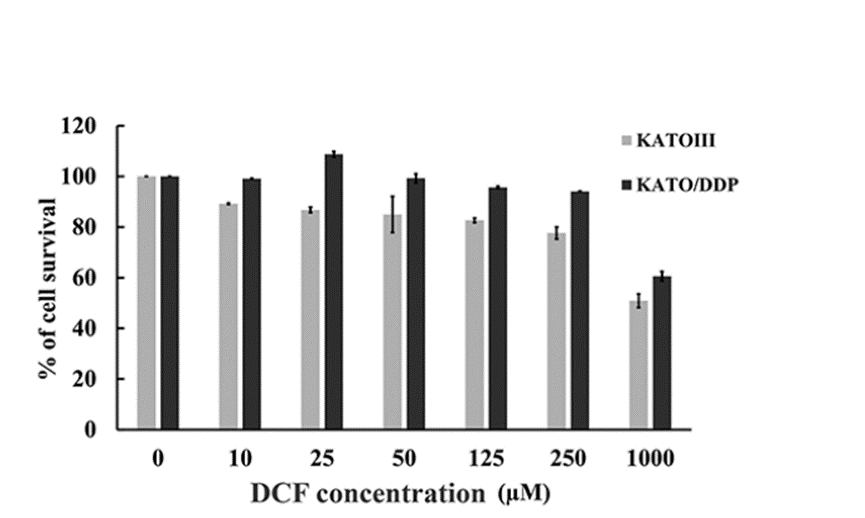
Diclofenac Sodium purchased from MedChemExpress. Usage Cited in: Int J Mol Sci. 2022 Oct 11;23(20):12066. [Abstract]
KATOIII and KATO/DDP were treated with different concentration of Diclofenac (DCF) (0–1000 µM) for 48 h, and cell viability was assessed.
Diclofenac Sodium purchased from MedChemExpress. Usage Cited in: Int J Mol Sci. 2022 Oct 11;23(20):12066. [Abstract]
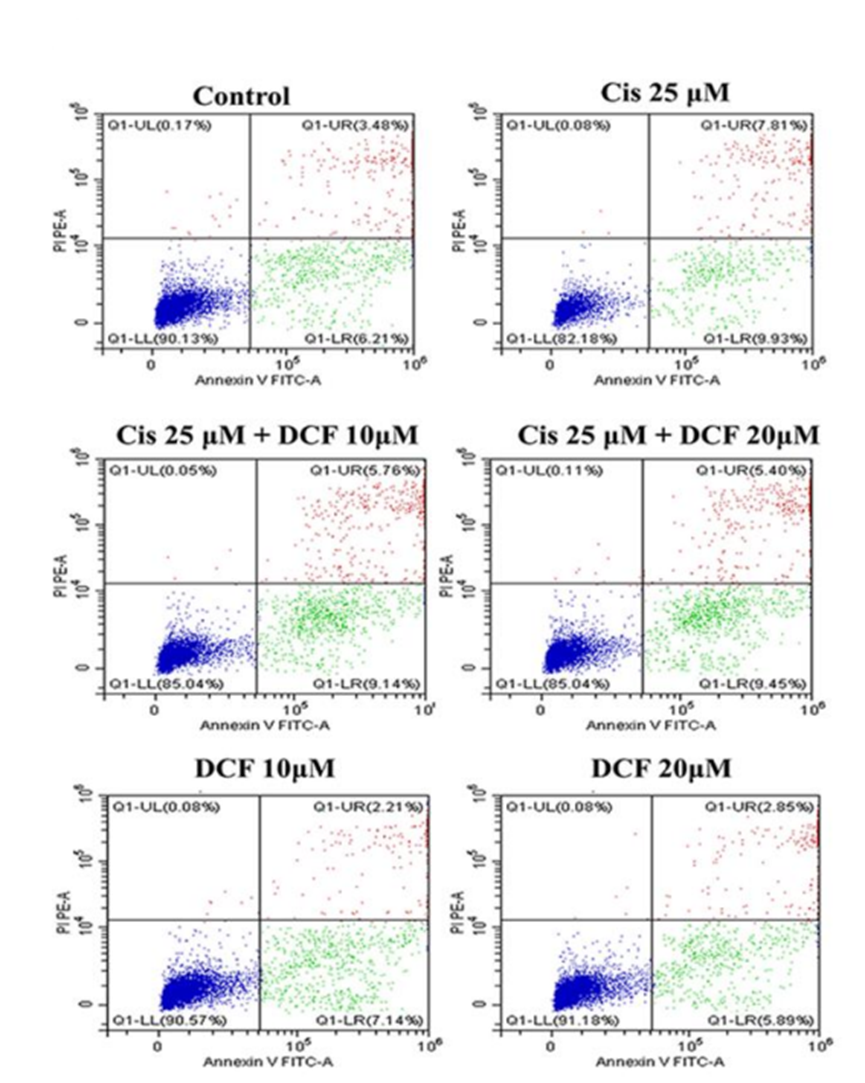
The KATO/DDP cells were treated with Cisplatin alone or cisplatin in combination with Diclofenac (DCF) at 10 or 20 µM for 24 h, at 37 °C. The apoptosis cells were detected by using annexin V and PI staining and analyzed by flow cytometer.
Diclofenac Sodium purchased from MedChemExpress. Usage Cited in: Int J Mol Sci. 2022 Oct 11;23(20):12066. [Abstract]
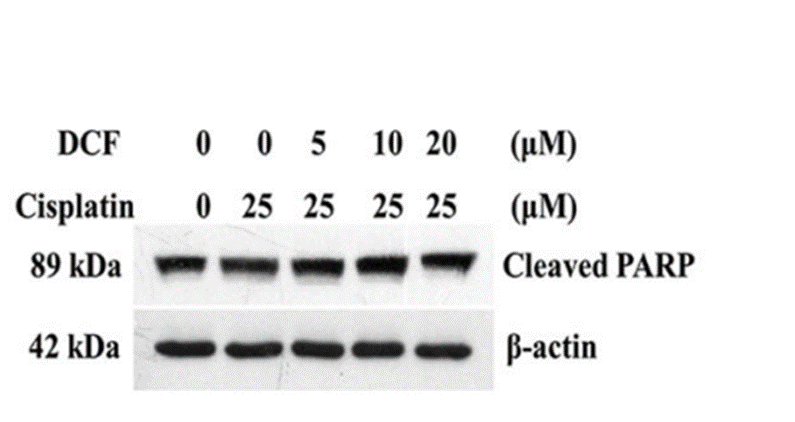
The combination effect of Diclofenac (DCF) (0, 5, 10, 20 μM) and Cisplatin on the expression of cleaved PARP in KATO/DDP cells was examined by Western blot analysis.
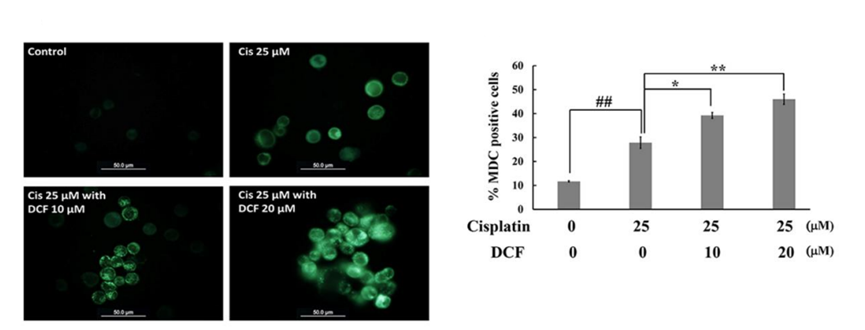
Diclofenac Sodium purchased from MedChemExpress. Usage Cited in: Int J Mol Sci. 2022 Oct 11;23(20):12066. [Abstract]
The formation of autophagic vacuoles in KATO/DDP cells increased from 27% to 39% and 45% in cotreatments involving cisplatin and Diclofenac (DCF) at 10 and 20 μM, respectively, when compared with treatment of cisplatin alone.
-
Chem Biol Interact
Regulatory effects of non-steroidal anti-inflammatory drugs on cardiac ion channels Nav1.5 and Kv11.1. [Abstract]2021 Apr 1:338:109425. PMID: 33617802 -
ACS Infect Dis
Diclofenac Sodium Restores the Sensitivity of Colistin-Resistant Gram-Negative Bacteria to Colistin. [Abstract]2024 Aug 9;10(8):2860-2869. PMID: 39073350 -
Pharm Res
Effect of Salt Form on Gelation and Drug Delivery Properties of Diclofenac-Loaded Poloxamer Gels for Delivery to Impaired Skin. [Abstract]2022 Oct;39(10):2515-2527. PMID: 36002613 -
Biotechnol Bioeng
An integrated biomimetic array chip for establishment of collagen-based 3D primary human hepatocyte model for prediction of clinical drug-induced liver injury. [Abstract]2021 Dec;118(12):4687-4698. PMID: 34478150 -
-
Arch Microbiol
Diclofenac sodium effectively inhibits the biofilm formation of Staphylococcus epidermidis. [Abstract]2024 Jun 7;206(7):289. PMID: 38847838 -
J Pharm Biomed Anal
A validated UHPLC-MS/MS method for simultaneous determination of lumiracoxib and its hydroxylation and acyl glucuronidation metabolites in rat plasma: Application to a pharmacokinetic study. [Abstract]2021 Jul 15:201:114105. PMID: 33991809 -
Phys Chem Chem Phys
Adsorption of sodium diclofenac on graphene: a combined experimental and theoretical study. [Abstract]2016 Jan 21;18(3):1526-36. PMID: 26671178 -
Toxicol Mech Methods
Evaluation of 3D re-cellularized tissue engineering: a drug-induced hepatotoxicity model for hepatoprotectant research. [Abstract]2019 Nov;29(9):654-664. PMID: 31345115 -
Eur J Drug Metab Pharmacokinet
Evaluation of an Ussing Chamber System Equipped with Rat Intestinal Tissues to Predict Intestinal Absorption and Metabolism in Humans. [Abstract]2022 Sep;47(5):639-652. PMID: 35733077 -
-
-
Chemosphere
Mass-balance-model-based evaluation of sewage treatment plant contribution to residual pharmaceuticals in environmental waters. [Abstract]2019 Jun:225:378-387. PMID: 30884299 -


Solvent & Solubility
In Vitro:
DMSO : 125 mg/mL (392.92 mM; Need ultrasonic; Hygroscopic DMSO has a significant impact on the solubility of product, please use newly opened DMSO)
H2O : 10 mg/mL (31.43 mM; ultrasonic and warming and heat to 60°C)
Please refer to the solubility information to select the appropriate solvent. Once prepared, please aliquot and store the solution to prevent product inactivation from repeated freeze-thaw cycles.
Storage method and period of stock solution: -80°C, 6 months; -20°C, 1 month (sealed storage, away from moisture). When stored at -80°C, please use it within 6 months. When stored at -20°C, please use it within 1 month.
* Note: If you choose water as the stock solution, please dilute it to the working solution, then filter and sterilize it with a 0.22 μm filter before use.
Please refer to the solubility information to select the appropriate solvent. Once prepared, please aliquot and store the solution to prevent product inactivation from repeated freeze-thaw cycles.
Storage method and period of stock solution: -80°C, 6 months; -20°C, 1 month (sealed storage, away from moisture). When stored at -80°C, please use it within 6 months. When stored at -20°C, please use it within 1 month.
* Note: If you choose water as the stock solution, please dilute it to the working solution, then filter and sterilize it with a 0.22 μm filter before use.
Concentration (start) × Volume (start) = Concentration (final) × Volume (final)
In Vivo:
For the following dissolution methods, please prepare the working solution directly:
It is recommended to prepare fresh solutions and use them promptly within a short period of time.
The percentages shown for the solvents indicate their volumetric ratio in the final prepared solution. If precipitation or phase separation occurs during preparation, heat and/or sonication can be used to aid dissolution.
Add each solvent one by one: PBS
Solubility: 4.55 mg/mL (14.30 mM); Clear solution; Need ultrasonic and warming and heat to 60°C

Protocols
-
Apoptosis
Apoptosis, also called programmed cell death, is generally characterized by distinct morphological characteristics.
-
TUNEL staining for apoptotic DNA fragmentation
TUNEL staining detects DNA strand breaks by using terminal deoxynucleotidyl transferase to add labeled nucleotides to exposed 3′-OH DNA termini, generating either microscopic staining in fixed cells or tissue sections, or fluorescence/cytometric signal in cell suspensions. TUNEL positivity reflects DNA fragmentation but should not be interpreted alone as definitive apoptosis, because TUNEL can also label necrotic, autolytic, mechanically damaged, or DNA-repair-associated DNA breaks.
-
Annexin V plus membrane-impermeant dye apoptosis staining
Annexin V-based apoptosis assays rely on the detection of phosphatidylserine (PS) externalization from the inner leaflet of the plasma membrane to the outer leaflet, an early biochemical hallmark of apoptosis. Fluorescently labeled Annexin V binds PS in a calcium-dependent manner, enabling identification of early apoptotic cells by flow cytometry or fluorescence microscopy. When combined with a membrane-impermeant DNA-binding dye (e. g. , propidium iodide), this approach allows discrimination between viable (Annexin V−/dye−), early apoptotic (Annexin V+/dye−), and late apoptotic or necrotic (Annexin V+/dye+) cell populations by assessing membrane integrity and PS exposure.
-
Apoptosis Solutions
Apoptosis is a regulated, generally non-lytic cell-death pathway that removes unwanted, damaged, infected, or abnormal cells through coordinated morphological changes, caspase activation, DNA fragmentation, and membrane remodeling. The intrinsic apoptosis pathway is controlled mainly by mitochondrial outer membrane permeabilization, BCL-2 family proteins, cytochrome c release, apoptosome formation, caspase-9 activation, and downstream executioner caspase-3/7 activation. The extrinsic apoptosis pathway is initiated by death receptors such as Fas, TNFR, and TRAIL receptors, which recruit adaptor proteins and activate caspase-8 before engaging executioner caspases or mitochondrial amplification through BID cleavage. Apoptosis is linked to many phenotypes, including cancer cell killing, tissue homeostasis, immune regulation, neurodegeneration, infection response, and treatment-induced cytotoxicity; unresolved questions include how apoptosis interacts with necroptosis, pyroptosis, ferroptos
-
Research Protocol for Inflammation-related Diseases
The NLRP3 inflammasome is a cytosolic innate immune signaling platform that integrates priming signals and danger-signal activation to promote caspase-1 activation, maturation of IL-1β and IL-18, and gasdermin D-mediated pyroptotic cell death. The core experimental logic is to determine whether inflammatory disease phenotypes are driven by increased NLRP3 expression, ASC-containing inflammasome assembly, caspase-1 cleavage, GSDMD cleavage, and extracellular release of IL-1β/IL-18 rather than by nonspecific cell injury alone. The pathway is strongly linked to inflammation-related disease phenotypes because monosodium urate crystals activate NALP3/NLRP3 inflammasome signaling in gout-like crystal inflammation, cholesterol crystals activate NLRP3 inflammasomes in atherogenesis models, and DSS-induced intestinal inflammation has been reported to involve NLRP3 inflammasome activity. However, experimental colitis studies also show context-dependent protective effects of NLRP3 inflammasome co


Purity & Documentation
-
Data Sheet (283 KB)
-
SDS (788 KB)
- English - EN (788 KB)
- Français - FR (788 KB)
- Deutsch - DE (788 KB)
- Norwegian - NO (788 KB)
- Español - ES (788 KB)
- Swedish - SV (788 KB)
- Italian - IT (788 KB)
- Korean - KR (788 KB)
- Portuguese - PT (788 KB)
-
Handling Instructions (2659 KB)
References
[1]. Riendeau D, et al. Biochemical and pharmacological profile of a tetrasubstituted furanone as a highly selective COX-2 inhibitor. Br J Pharmacol. 1997 May;121(1):105-17. [Content Brief]
[2]. Labib MB, et al. Design, synthesis of novel isoindoline hybrids as COX-2 inhibitors: Anti-inflammatory, analgesic activities and docking study. Bioorg Chem. 2018 Oct;80:70-80. [Content Brief]
[3]. Chiho Kudo, et al. Diclofenac Inhibits Proliferation and Differentiation of Neural Stem Cells. Biochem Pharmacol. 2003 Jul 15;66(2):289-95. [Content Brief]


Complete Stock Solution Preparation Table
Please refer to the solubility information to select the appropriate solvent. Once prepared, please aliquot and store the solution to prevent product inactivation from repeated freeze-thaw cycles.
Storage method and period of stock solution: -80°C, 6 months; -20°C, 1 month (sealed storage, away from moisture). When stored at -80°C, please use it within 6 months. When stored at -20°C, please use it within 1 month.
| Optional Solvent | Concentration Solvent Mass | 1 mg | 5 mg | 10 mg | 25 mg |
|---|---|---|---|---|---|
| H2O / DMSO | 1 mM | 3.1434 mL | 15.7168 mL | 31.4337 mL | 78.5842 mL |
| 5 mM | 0.6287 mL | 3.1434 mL | 6.2867 mL | 15.7168 mL | |
| 10 mM | 0.3143 mL | 1.5717 mL | 3.1434 mL | 7.8584 mL | |
| 15 mM | 0.2096 mL | 1.0478 mL | 2.0956 mL | 5.2389 mL | |
| 20 mM | 0.1572 mL | 0.7858 mL | 1.5717 mL | 3.9292 mL | |
| 25 mM | 0.1257 mL | 0.6287 mL | 1.2573 mL | 3.1434 mL | |
| 30 mM | 0.1048 mL | 0.5239 mL | 1.0478 mL | 2.6195 mL | |
| DMSO | 40 mM | 0.0786 mL | 0.3929 mL | 0.7858 mL | 1.9646 mL |
| 50 mM | 0.0629 mL | 0.3143 mL | 0.6287 mL | 1.5717 mL | |
| 60 mM | 0.0524 mL | 0.2619 mL | 0.5239 mL | 1.3097 mL | |
| 80 mM | 0.0393 mL | 0.1965 mL | 0.3929 mL | 0.9823 mL | |
| 100 mM | 0.0314 mL | 0.1572 mL | 0.3143 mL | 0.7858 mL |
* Note: If you choose water as the stock solution, please dilute it to the working solution, then filter and sterilize it with a 0.22 μm filter before use.


Diclofenac Sodium Related Classifications
HY-15037 Related Classifications
 Powered by Bioz