



Urologic Disease
-
Urologic Disease (39)

- 1
- 2

- Molecular Weight: 144.8 kDa
Sutimlimab is a humanized monoclonal IgG4 antibody. Sutimlimab inhibits complement protein component 1, s subcomponent (C1s). Sutimlimab blocks C3 and C4 activation. Sutimlimab can be used for the research of cold agglutinin disease and complement-mediated hemolytic uremic syndrome.
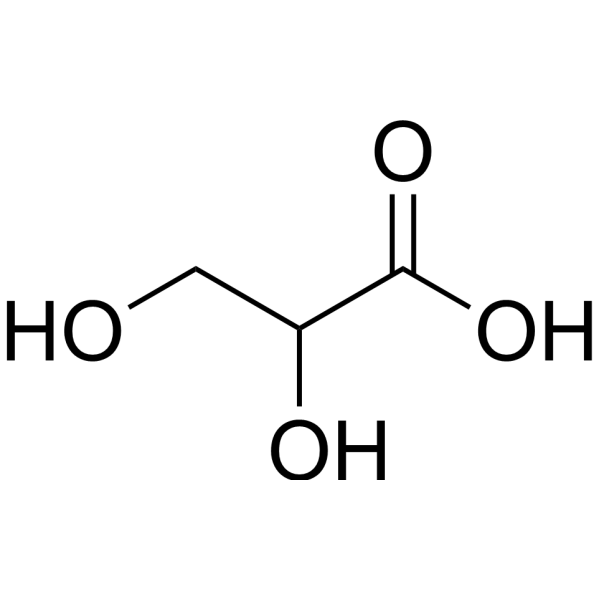
- Formula: C3H6O4
- Molecular Weight: 106.08
DL-Glyceric Acid (20% in water) is a metabolite of plants and mammals and exists in two configurations, D and L.

- Formula: C3H3NaO3S
- Molecular Weight: 142.11
Sodium mercaptopyruvate serves as a substrate for Lactate dehydrogenase and Sulfurtransferase. Sodium mercaptopyruvate forms through enzymatic transamination and oxidative deamination of L-cysteine (HY-Y0337). Sodium mercaptopyruvate abolishes lactate dehydrogenase reaction activity. It increases urinary thiosulfate excretion, fails to sustain rat growth by replacing L-cystine (HY-N0394), and does not induce morbidity or mortality in mice. Sodium mercaptopyruvate is applicable to research related to 3-mercaptopyruvate disulfiduria and 3-mercaptolactate disulfiduria.

- Formula: C3H6O3
- Molecular Weight: 90.08
3-Hydroxypropionic acid (30% in water) is a metabolite of β-Alanine (HY-N0230) and also a precursor for the synthesis of various chemical products. 3-Hydroxypropionic acid (30% in water) exhibits reduced urinary levels in elderly male patients with nocturia, which correlates with altered β-Alanine metabolic pathogenesis. 3-Hydroxypropionic acid (30% in water) can be used in studies related to nocturia.

- Formula: C5H10O2
- Molecular Weight: 102.13
Pivalic acid (Trimethylmethanecarboxylic acid) is a carboxylic acid. Pivalic acid induces Carnitine deficiency. Pivalic acid conjugated with Antibiotics, such as Pivmecillinam (HY-B0810) and Pivampicillin (HY-119011), are used in urinary tract infection. Pivalic acid can be used in physical exercise research.

- Formula: C10H11NO2
- Molecular Weight: 177.20
2-Aminoindan-2-carboxylic acid is a conformationally restricted Phenylalanine analog and molecular building block. 2-Aminoindan-2-carboxylic acid constitutes a component of allosteric LFA-1 antagonists targeting the LFA-1/ICAM-1 interaction. 2-Aminoindan-2-carboxylic acid serves as a molecular building block for various biologically active peptides, including μ-receptor-selective opioid analogs, activated protein C inhibitors, and histone deacetylase inhibitors. 2-Aminoindan-2-carboxylic acid can be used in the research of autoimmune diseases, inflammatory diseases, opioid receptor-related diseases, antidiuresis-related diseases, and cancers.

- Formula: C23H13Cl2N6NaO5S
- Molecular Weight: 579.35
PSB-10211 is a P2X2 receptor antagonist with an IC50 of 0.086 μM against rat P2X2 receptors. PSB-10211 inhibits ATP-mediated currents of rat P2X2 receptors expressed in Xenopus oocytes. PSB-10211 can be used in studies related to pain and urinary incontinence.

- Formula: C13H14N2
- Molecular Weight: 198.26
α1A Adrenoceptor agonist-1 (compound 13) is an α1A adrenoceptor (α1A adrenoceptor) agonist with an EC50 of 385 nM for α1A. α1A Adrenoceptor agonist-1 exhibits in vitro functional agonistic activity targeting adrenoceptors. α1A Adrenoceptor agonist-1 can be used for the research of stress urinary incontinence.

- Formula: C24H29NaO8
- Molecular Weight: 468.47
Estrone 3-glucuronide sodium is a metabolite of 17-Estradiol.

- Formula: C3H5NaO3
- Molecular Weight: 112.06
3-Hydroxypropionic acid sodium is a metabolite of β-Alanine (HY-N0230) and also a precursor for the synthesis of various chemical products. 3-Hydroxypropionic acid sodium exhibits reduced urinary levels in elderly male patients with nocturia, which correlates with altered β-Alanine metabolic pathogenesis. 3-Hydroxypropionic acid sodium can be used in studies related to nocturia.
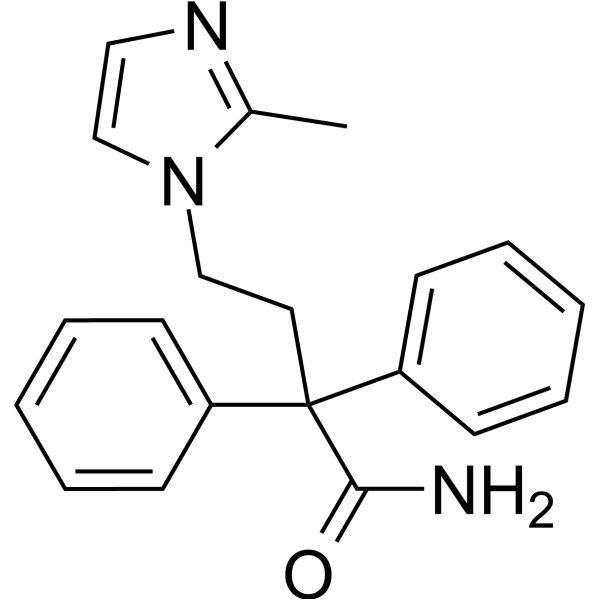
- Formula: C20H21N3O
- Molecular Weight: 319.40
Imidafenacin (KRP-197; ONO-8025) is an orally active inhibitor of muscarinic (mAChR) M1 and M3 receptors. Imidafenacin potently inhibits bladder contraction in vivo and exerts an antidiuretic effect by enhancing the signaling pathway of vasopressin (antidiuretic hormone). Imidafenacin can be used in research related to overactive bladder.
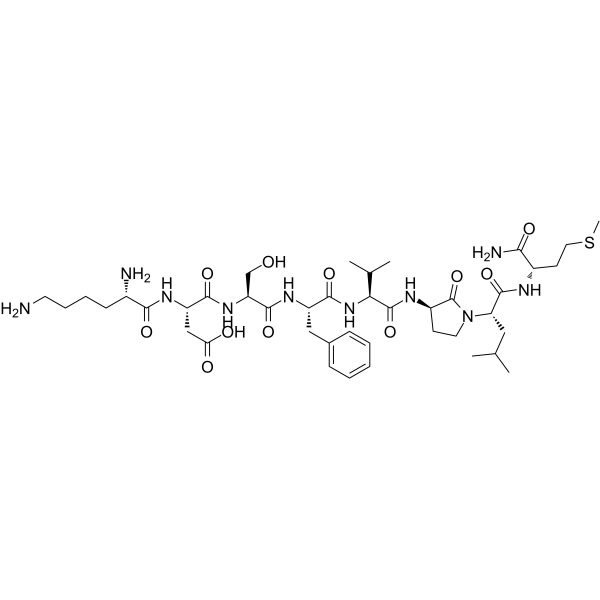
- Formula: C42H68N10O11S
- Molecular Weight: 921.11
GR 64349 is a selective neurokinin 2 (NK2) receptor agonist. GR 64349 selectively activates the NK-2 receptor subtype. GR 64349 activates tonic and rhythmic bladder contractions of the micturition reflex. GR 64349 acetate does not inhibit rhythmic bladder contraction activation induced by normal saline. GR 64349 induces inward currents.

- Molecular Weight: 145.982 kDa
Ruxoprubart (NM8074) is an inhibitor of complement factor B (Bb subunit). Ruxoprubart selectively binds to active Bb to inhibit the alternative complement pathway without affecting the classical complement pathway. By blocking the activities of AP C3 and C5 convertases, Ruxoprubart effectively inhibits red blood cell hemolysis and reduces C3b deposition, thereby preventing intravascular and extravascular hemolysis. Ruxoprubart can be used in research related to paroxysmal nocturnal hemoglobinuria, atypical hemolytic uremic syndrome, C3 glomerulopathy, and IgA nephropathy.

- Formula: C2H3NaO3
- Molecular Weight: 98.03
Sodium glycolate, 98% (Sodium hydroxyacetate, 98%) is an orally active, versatile organic salt. Sodium glycolate, 98% acts as an enzyme activity regulator that increases the activities of glycolate oxidase (GAO) and lactate dehydrogenase (LDH), while reducing the activity of glycolate dehydrogenase (GAD). Sodium glycolate, 98% induces oxalate biosynthesis and causes hyperoxaluria in rats. Sodium glycolate, 98% reduces urinary calcium excretion in male albino rats. Sodium glycolate, 98% can be used in studies related to calcium oxalate urolithiasis and hyperoxaluria.
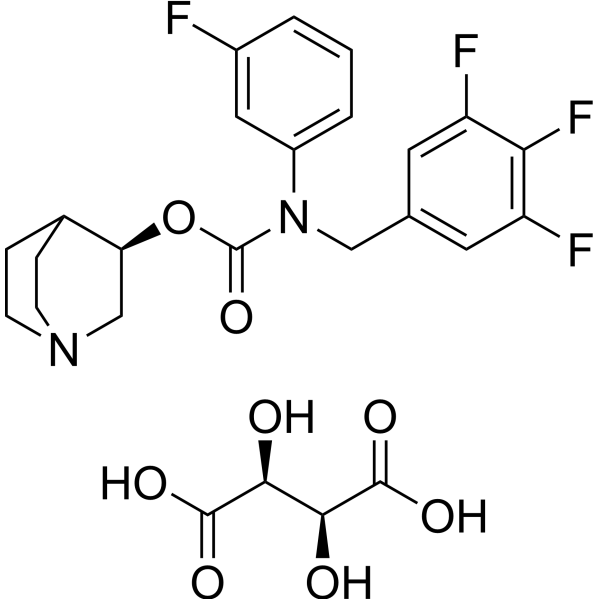
- Formula: C25H26F4N2O8
- Molecular Weight: 558.48
Tarafenacin (SVT-40776) D-tartrate is an orally active, selective M3 muscarinic receptor (M3 muscarinic receptor) antagonist with 203-fold selectivity over the M2 muscarinic receptor. Tarafenacin D-tartrate does not affect atrial contraction, arterial blood pressure or arterial pressure at high doses. Tarafenacin D-tartrate can be used in the research of overactive bladder.
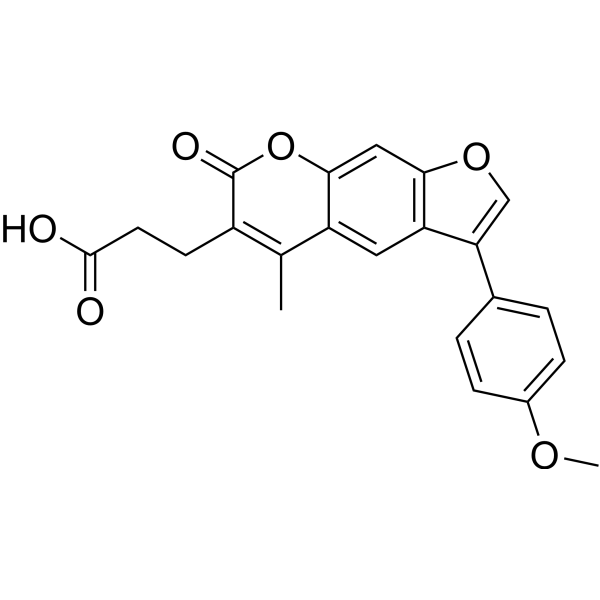
- Formula: C22H18O6
- Molecular Weight: 378.37
Scaff10-8 is a RhoA inhibitor. Scaff10-8 binds to RhoA, inhibits AKAP-Lbc-mediated RhoA activation. Scaff10-8 can be used for research on diabetes insipidus and bipolar disorder.
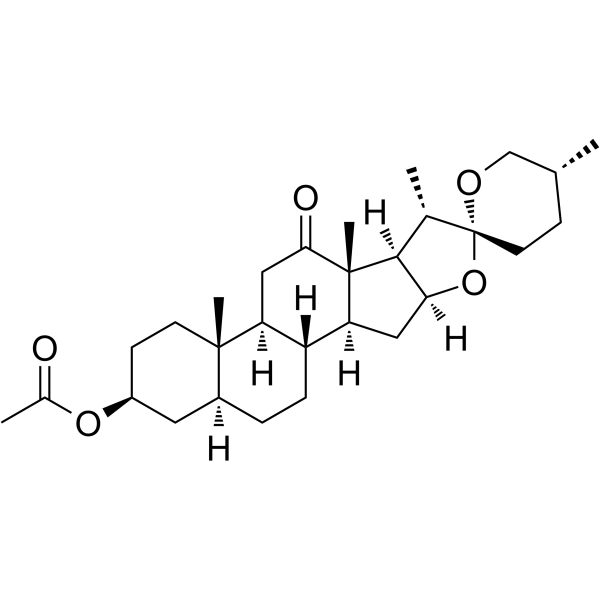
- Formula: C29H44O5
- Molecular Weight: 472.66
Hecogenin acetate is an orally active steroid saponin aglycone with extensive biological activities. Hecogenin acetate inhibits the phosphorylation of NF-κB and p38 MAPK signaling pathways, antagonizes TRPA1/TRPM8 channels, inhibits the production of pro-inflammatory cytokines, and has anti-inflammatory and analgesic effects. Hecogenin acetate inhibits the production of ROS and the activation of NLRP3 inflammasome; downregulates the expression of MMP-2, and has neuroprotective and anti-tumor activities. Hecogenin acetate enhances gastric mucosal defense and promotes ulcer healing. Hecogenin acetate can be used in combination with certain antibiotics to regulate bacterial efflux pumps and restore antibiotic sensitivity.

- Formula: C11H12O4
- Molecular Weight: 208.21
5-(3',4'-Dihydroxyphenyl)-γ-valerolactone is an intestinal microbiota metabolite of (-)-Epicatechin (HY-N0001). 5-(3',4'-Dihydroxyphenyl)-γ-valerolactone downregulates TNF-α-stimulated phosphorylation of IKK and IκBα, inhibits the transcriptional activation of NF-κB, and suppresses the expression of adhesion molecules and chemokines. 5-(3',4'-Dihydroxyphenyl)-γ-valerolactone promotes autophagy, alleviates oxidative stress, maintains osteoblast differentiation, induces G1 phase arrest, inhibits adipogenesis, and scavenges ABTS free radicals. 5-(3',4'-Dihydroxyphenyl)-γ-valerolactone inhibits the adhesion of uropathogenic Escherichia coli to bladder epithelial cells; when used in combination with Curcumin (HY-N0005), it downregulates the NLRP3 and NOX2/Nrf2 signaling pathways, thereby reducing microglial activation. 5-(3',4'-Dihydroxyphenyl)-γ-valerolactone can be used in research related to diabetes, atherosclerosis, osteoporosis, obesity, neurodegenerative diseases involving microglial activation, and urinary tract infections.
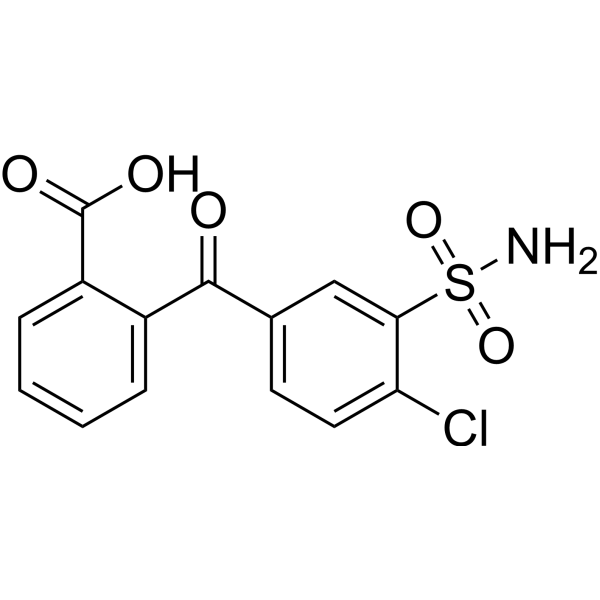
- Formula: C14H10ClNO5S
- Molecular Weight: 339.75
Chlorthalidone impurity (Compound Impurity B) is an impurity of Chlorthalidone (HY-15833). Chlorthalidone is a type of thiazide-like diuretic and is used for the study of hypertension.
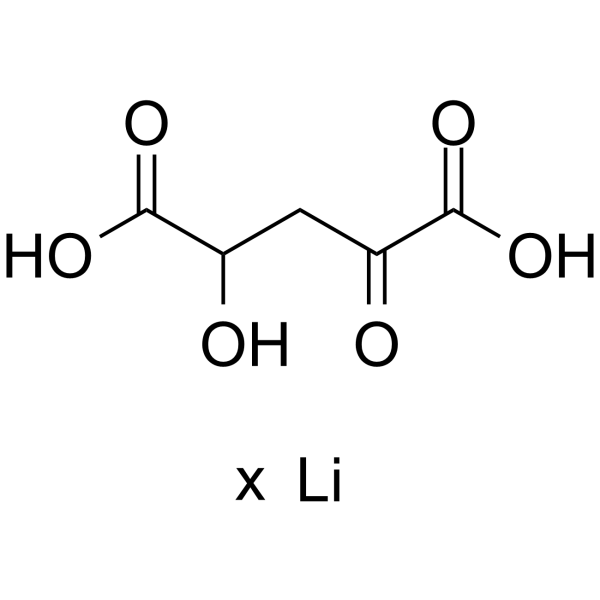
- Formula: C5H6O6.xLi
DL-4-Hydroxy-2-ketoglutarate lithium is one of the metabolites that is characteristically elevated in the urine of patients with type 3 primary hyperoxaluria (PH3), and it is produced by the accumulation of substrates of mitochondrial 4-hydroxy-2-oxoglutarate aldolase (HOGA). DL-4-Hydroxy-2-ketoglutarate lithium can be used in studies related to PH3.
- 1
- 2



