



Cell-adhesion Peptides
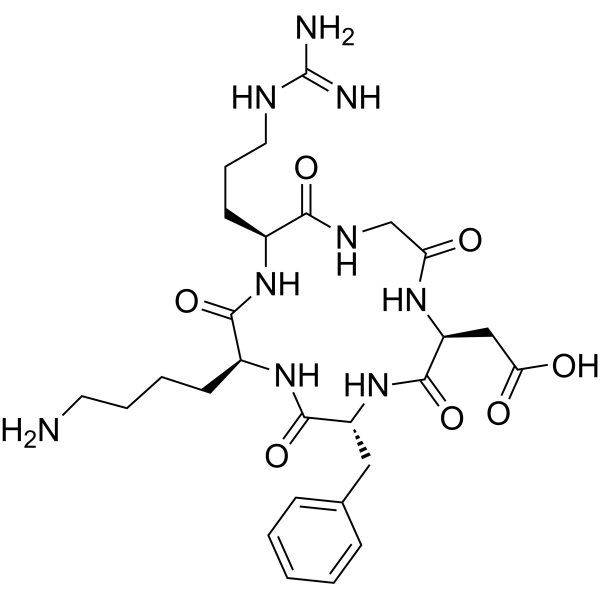
- Formula: C27H41N9O7
- Molecular Weight: 603.67
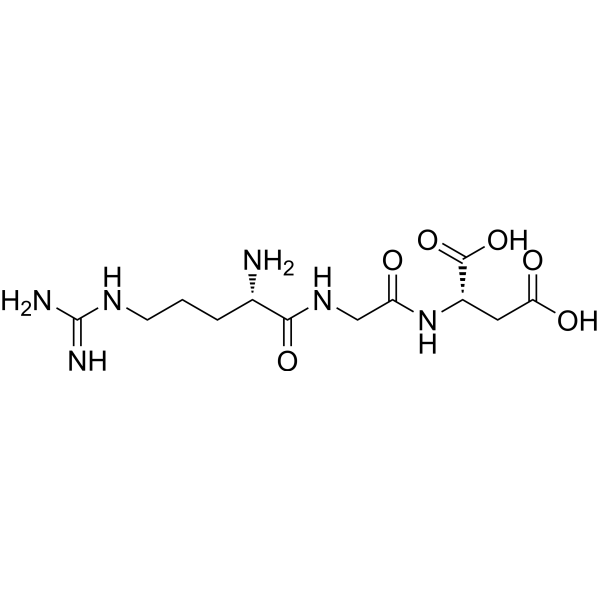
- Formula: C12H22N6O6
- Molecular Weight: 346.34
RGD is a tripeptide that effectively triggers cell adhesion, addresses certain cell lines and elicits specific cell responses; binds to integrins.
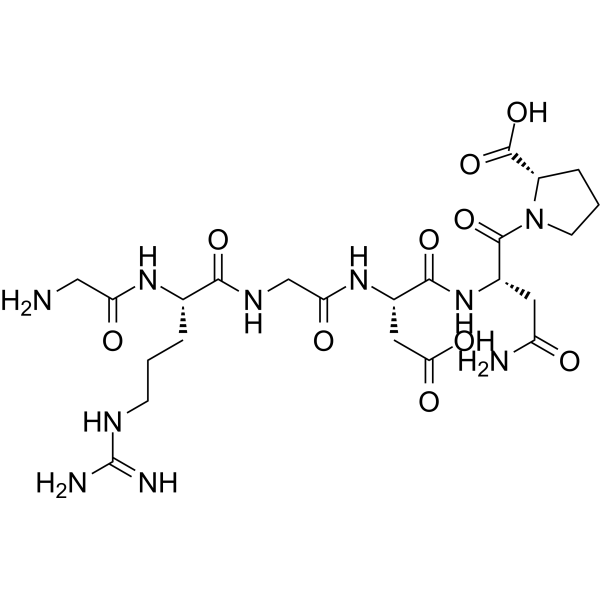
- Formula: C23H38N10O10
- Molecular Weight: 614.61
RGD peptide (GRGDNP) is an inhibitor of integrin-ligand interactions. RGD peptide (GRGDNP) competitively inhibits α5β1 binding with extracellular matrice (ECM). RGD peptide (GRGDNP) promotes apoptosis through activation of conformation changes that enhance pro-caspase-3 activation and autoprocessing. RGD peptide (GRGDNP) plays an important role in cell adhesion, migration, growth, and differentiation.
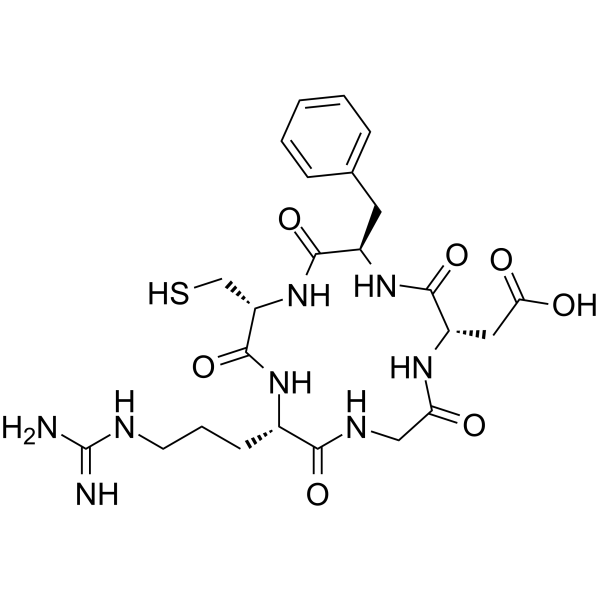
- Formula: C24H34N8O7S
- Molecular Weight: 578.64
Cyclo(Arg-Gly-Asp-D-Phe-Cys) (Cyclo RGDfC), a cyclic RGD peptide which has high affinity to αvβ3, can disrupt cell integrin interactions. Cyclo(Arg-Gly-Asp-D-Phe-Cys) inhibits pluripotent marker expression in embryonic stem cells (ESCs) and the tumorigenic potential of mESCs in vivo. Cyclo(Arg-Gly-Asp-D-Phe-Cys) can be used in the research of tumors.
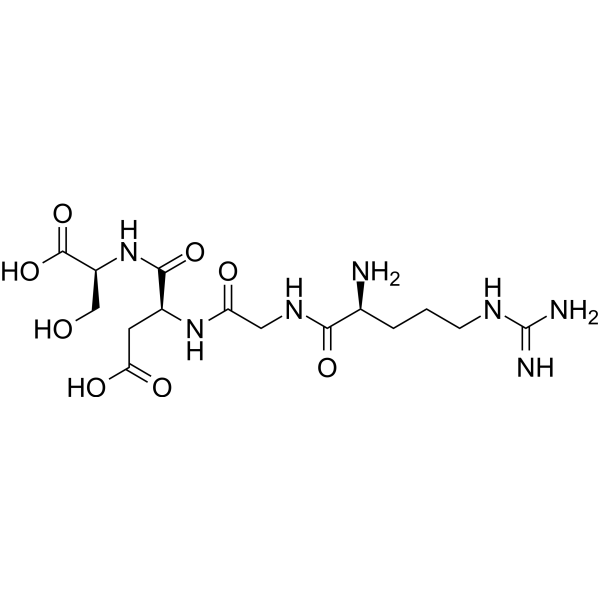
- Formula: C15H27N7O8
- Molecular Weight: 433.42
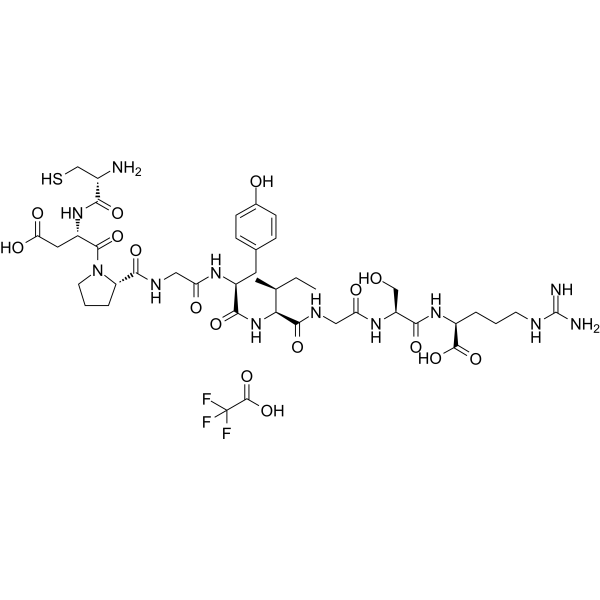
- Formula: C42H63F3N12O16S
- Molecular Weight: 1081.08
Laminin peptide CDPGYIGSR TFA (Laminin (925-933) TFA) is a peptide fragment derived from the laminin B1 chain that binds to laminin receptors, and acts as a ligand for the laminin receptor. Laminin peptide CDPGYIGSR TFA mediates cell spreading, induces the clustering of receptors with vinculin and α-actinin, regulates the actin cytoskeleton, promotes the formation of stress fibers, and enhances epithelial cell adhesion. Laminin peptide CDPGYIGSR TFA can be used in studies related to tumor metastasis and nerve injury.
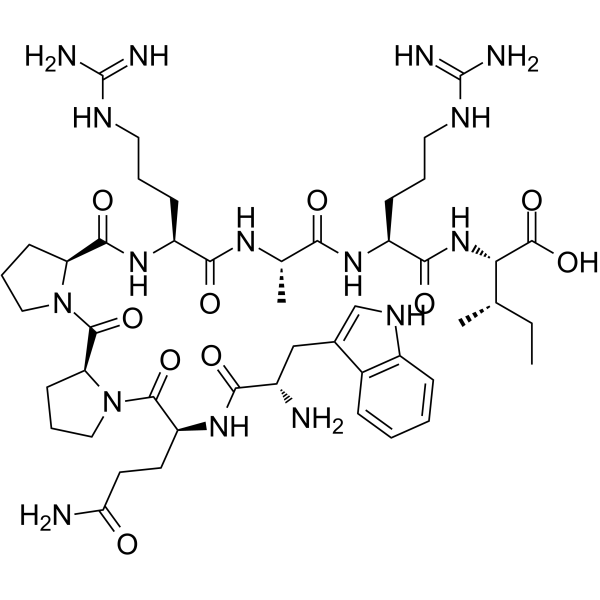
- Formula: C47H74N16O10
- Molecular Weight: 1023.19
Fibronectin Adhesion-promoting Peptide (Heparin Binding Peptide) is one of the heparin-binding amino acid sequences found in the carboxy-terminal heparin-binding domain of fibronectin. It promotes assembly of mesenchymal stem cell (MSC) spheroids into larger aggregates. Fibronectin Adhesion-promoting Peptide directly promotes the adhesion, spreading, and migration of endothelial cells by reacting with heparin binding domains of cells.
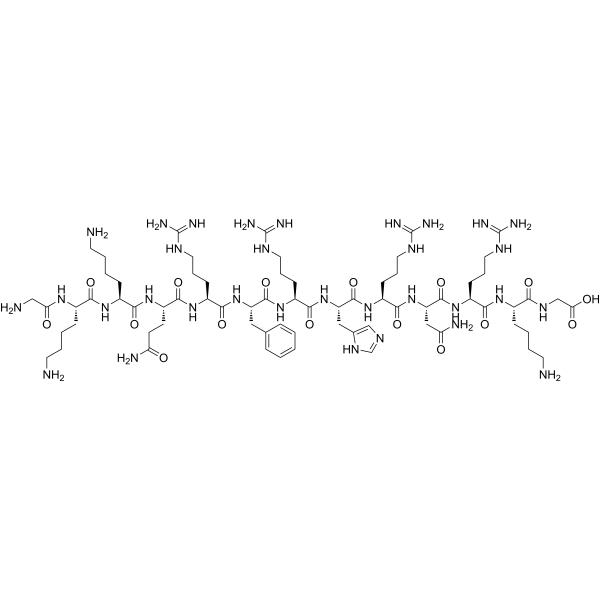
- Formula: C70H122N32O16
- Molecular Weight: 1667.92
Vitronectin (367-378) corresponds to the 367-378 residue fragment of Vitronectin and is a heparin/glycosaminoglycan-binding peptide. Vitronectin (367-378) acts on cell surface glycosaminoglycans and does not directly bind integrins. Vitronectin (367-378) supports pluripotent stem cell adhesion, proliferation, long-term self-renewal, pluripotency markers, normal karyotype, and undifferentiated culture. Vitronectin (367-378) facilitates the differentiation of human pluripotent stem cells into definitive endoderm and mesoderm. Vitronectin (367-378) can be used in research related to stem cell fate regulation.
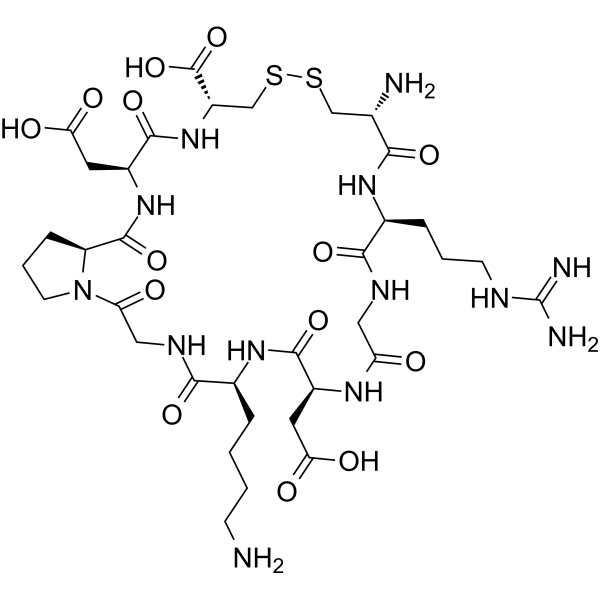
- Formula: C35H57N13O14S2
- Molecular Weight: 948.04
iRGD peptide is a 9-amino acid cyclic peptide, triggers tissue penetration of agents by first binding to αv-integrins, then proteolytically cleaved in the tumor to produce CRGDK/R to interact with neuropilin-1, and has tumor-targeting and tumor-penetrating properties.
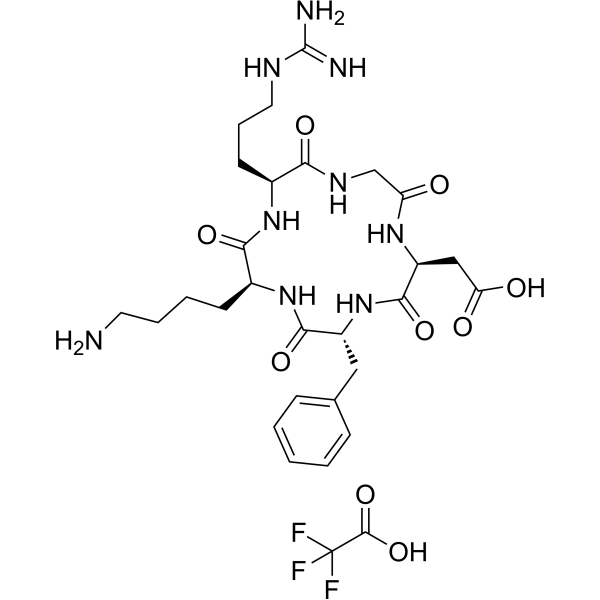
- Formula: C29H42F3N9O9
- Molecular Weight: 717.69
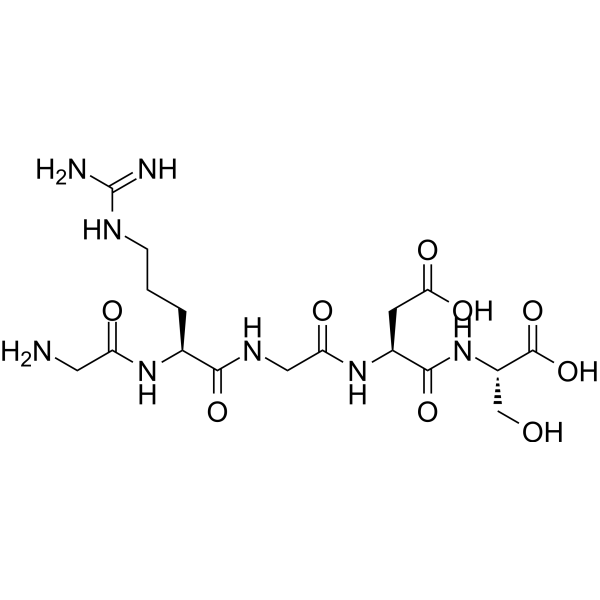
- Formula: C17H30N8O9
- Molecular Weight: 490.47
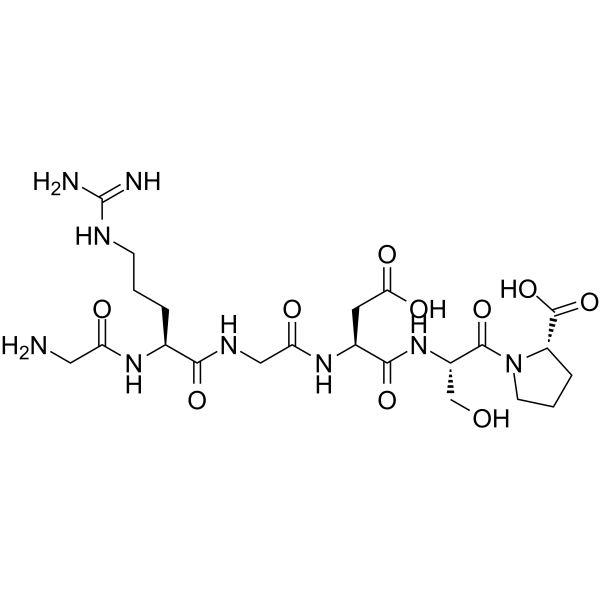
Gly-Arg-Gly-Asp-Ser (GRGDS) is a pentapeptide that forms the cell-binding domain of a glycoprotein, osteopontin. Gly-Arg-Gly-Asp-Ser binds to integrin receptors αvβ3 and αvβ5 with estimated IC50 of ~5 and ~6.5 μM
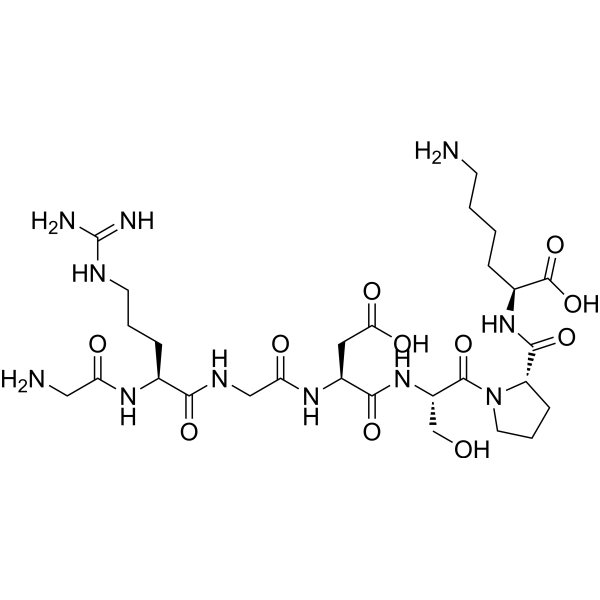
- Formula: C28H49N11O11
- Molecular Weight: 715.76
GRGDSPK (EMD 56574) is a peptide incluing Arg-Gly-Asp (RGD). GRGDSPK (EMD 56574) is an competitive and reversible inhibitory peptide for inhibiting integrin-fibronectin binding. GRGDSPK is used to study the role of integrins in bone formation and resorption.
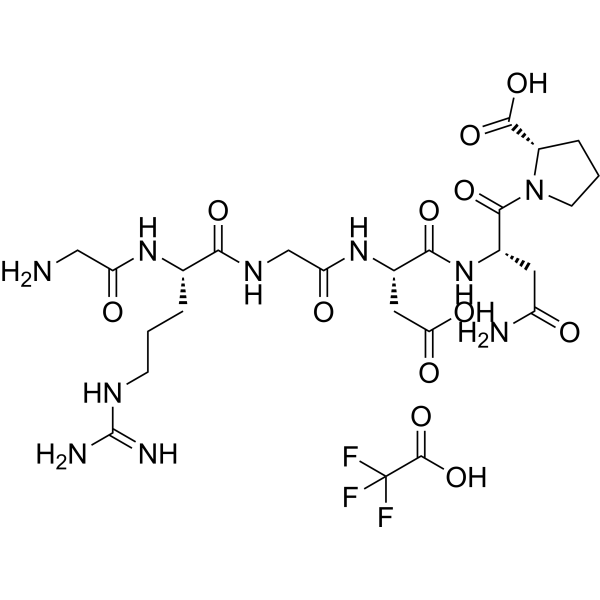
- Formula: C25H39F3N10O12
- Molecular Weight: 728.63
RGD peptide (GRGDNP) TFA is an inhibitor of integrin-ligand interactions. RGD peptide (GRGDNP) TFA competitively inhibits α5β1 binding with extracellular matrice (ECM). RGD peptide (GRGDNP) TFA promotes apoptosis through activation of conformation changes that enhance pro-caspase-3 activation and autoprocessing. RGD peptide (GRGDNP) TFA plays an important role in cell adhesion, migration, growth, and differentiation.
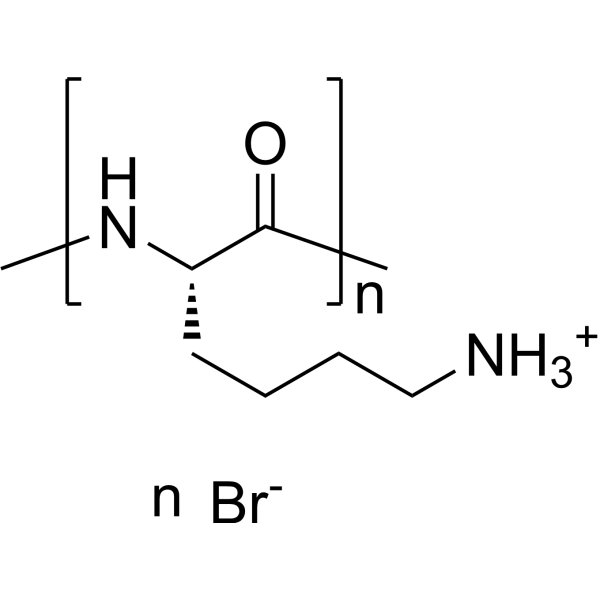
- Formula: C8H19BrN2O
- Molecular Weight: 70000-150000
Poly-L-lysine (hydrobromide) (MW 70000-150000), a positively charged amino acid polymer, is a nonspecific attachment factor for cells. Poly-L-lysine (hydrobromide) (MW 70000-150000) has good biocompatibility. Poly-L-lysine (hydrobromide) (MW 70000-150000) is used to increase cell adhesion to solid substrates by enhancing electrostatic interaction between negatively charged ions of the cell membrane and the culture surface.
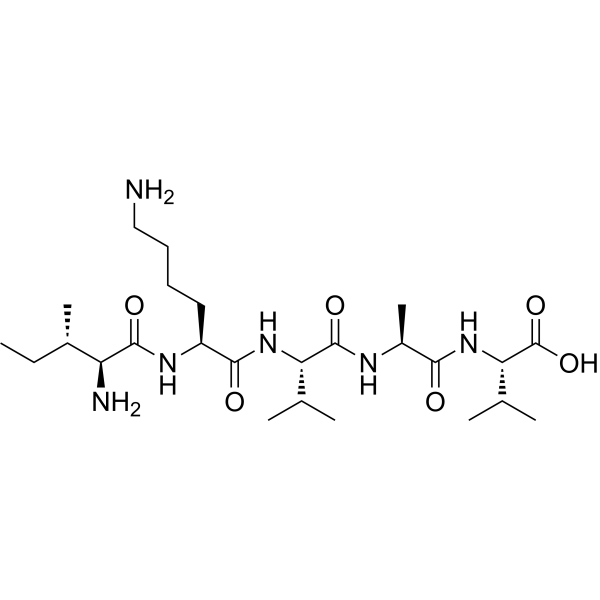
- Formula: C25H48N6O6
- Molecular Weight: 528.69
H-Ile-Lys-Val-Ala-Val-OH is one of the most potent active sites of laminin-1. H-Ile-Lys-Val-Ala-Val-OH promotes cell adhesion, neurite outgrowth, and tumor growth. H-Ile-Lys-Val-Ala-Val-OH stimulates BMMSC population growth and proliferation by activating MAPK/ERK1/2 and PI3K/Akt signalling pathways.
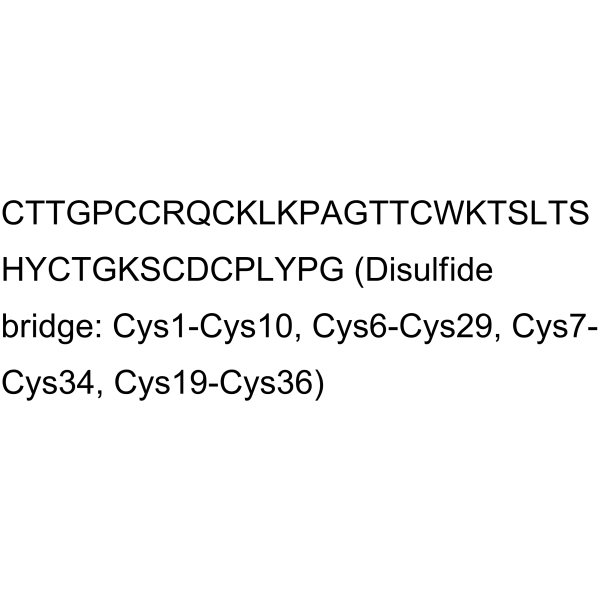
- Formula: C184H284N52O57S8
- Molecular Weight: 4393.06
Obtustatin is a non-RGD disintegrin consisting of 41 residues. Obtustatin inhibits the adhesion of α1β1 integrin to type IV Collagen (HY-NP003), blocks α1β1 integrin signaling in endothelial cells, and suppresses FGF2-induced angiogenesis. Obtustatin inhibits tumor progression in mouse models and upregulates VEGF expression in sarcoma-bearing mice. Obtustatin can be used in research related to Lewis lung carcinoma and S-180 sarcoma.
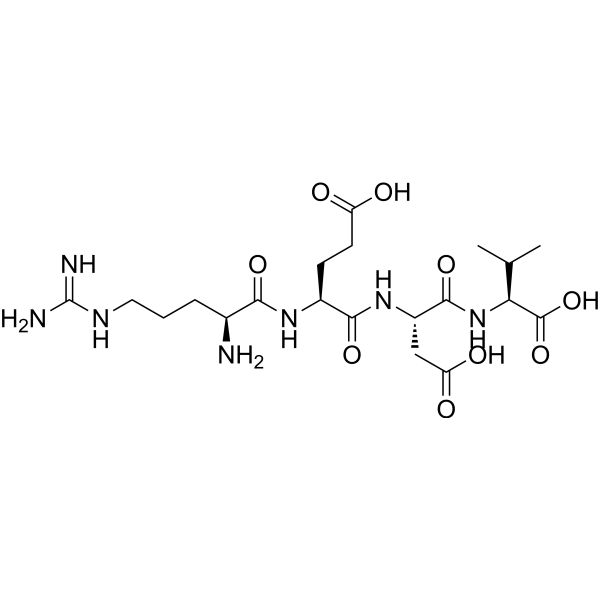
- Formula: C20H35N7O9
- Molecular Weight: 517.53
REDV is the minimal active sequence within the CS5 site of the alternatively spliced type III connecting segment (IIICS) region of fibronectin. REDV can mediate adhesion to the IIICS region of plasma fibronectin by binding the integrin alpha 4 beta 1(α4β1). REDV can be used for the research of cell adhesion. REDV is used to study the effects of gene vectors containing REDV on cells.
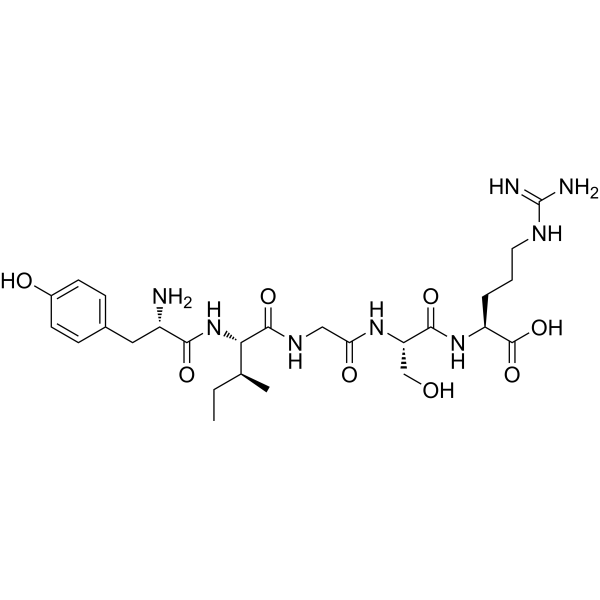
- Formula: C26H42N8O8
- Molecular Weight: 594.66
YIGSR (Laminin Fragment 929-933) is a polypeptide that inhibits tumor growth and metastasis of leukemia cells. YIGSR specifically binds to the 67kDa laminin receptor and regulates the expression of eNOS in endothelial cells. YIGSR can be used in leukemia-related research.
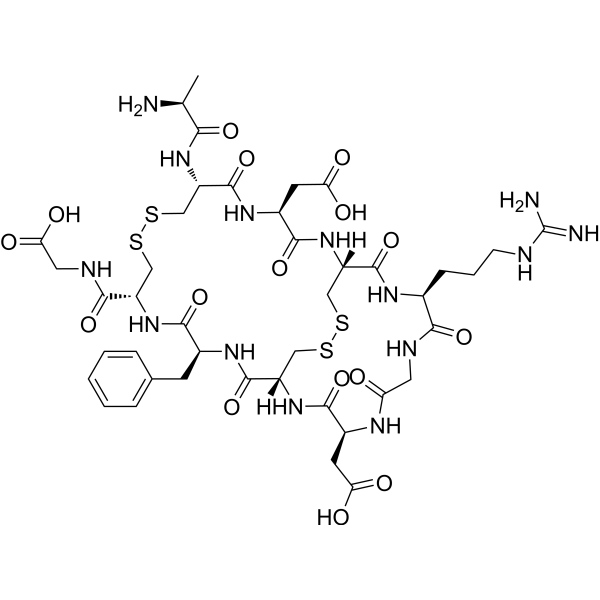
- Formula: C42H60N14O16S4
- Molecular Weight: 1145.27
RGD-4C is a arginine-glycine-aspartic acid peptide (ACDCRGDCFC) with integrin binding activity. The Arg-Gly-Asp (RGD) sequence serves as the primary integrin recognition site in extracellular matrix proteins, and peptides containing this sequence can mimic the recognition specificity of the matrix proteins. RGD-4C is a αv-integrin ligand, can conjugate with bioactive molecule to exert antitumor effects in animal models.



