



Peptide Epitopes
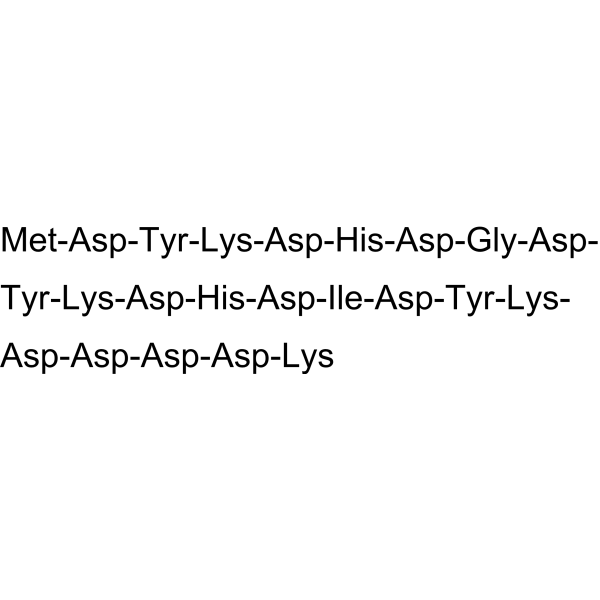
- Formula: C120H169N31O49S
- Molecular Weight: 2861.87
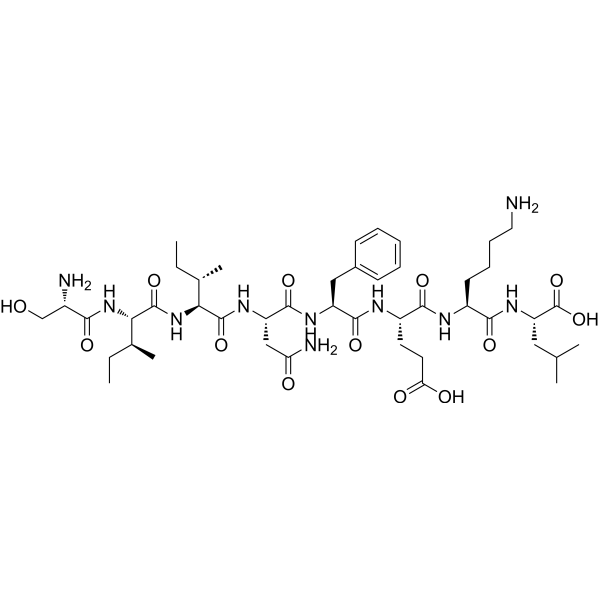
- Formula: C45H74N10O13
- Molecular Weight: 963.13
OVA Peptide(257-264) is a class I (Kb)-restricted peptide epitope of OVA, an octameric peptide can be from ovalbumin presented by the class I MHC molecule, H-2Kb.
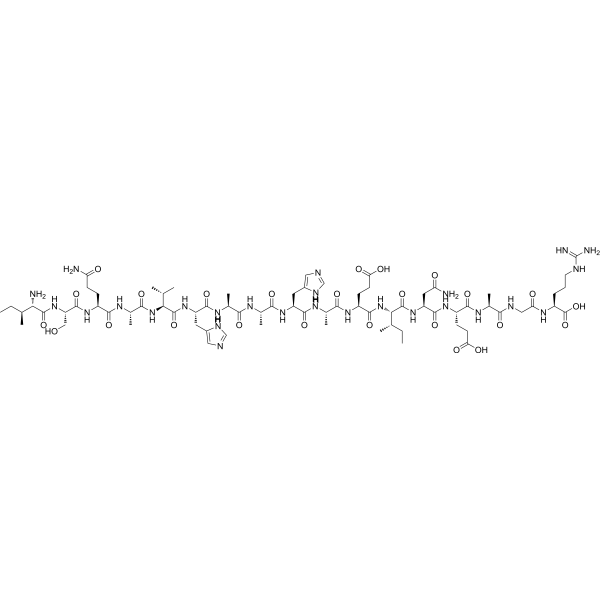
- Formula: C74H120N26O25
- Molecular Weight: 1773.90
OVA Peptide (323-339) represents a T and B cell epitope of Ovalbumin (Ova), which is important in the generation and development of immediate hypersensitivity responses in BALB/c mice.
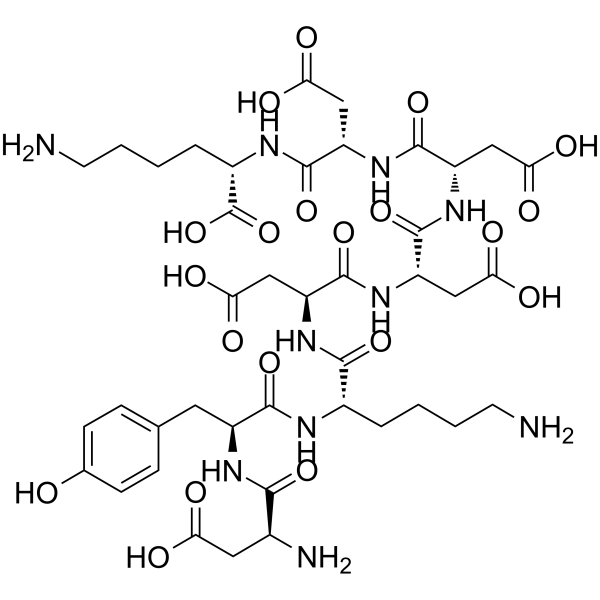
- Formula: C41H60N10O20
- Molecular Weight: 1012.97
FLAG peptide is a multifunctional fusion tag for the purification of recombinant proteins. FLAG peptide maintances the natural folding of its fusing proteins. FLAG peptide can be removed by enterokinase, and eluted under non-denaturing conditions.
- Formula: C53H67N9O17
- Molecular Weight: 1102.15
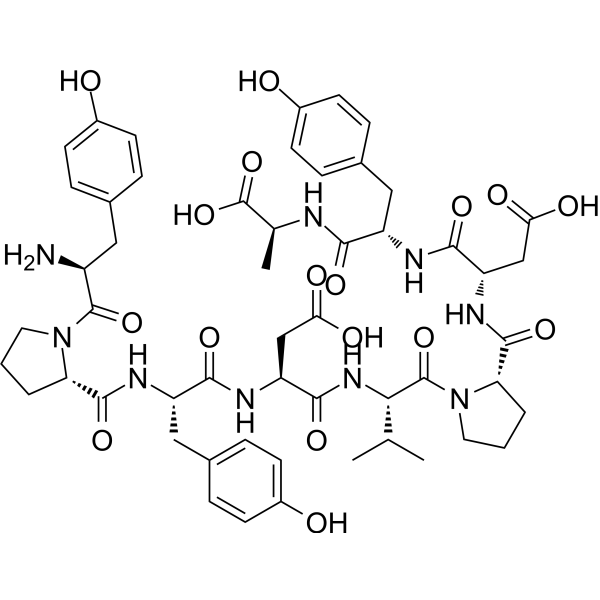
HA Peptide (HA tag) is a nine amino acids peptide derived from the human influenza hemagglutinin (HA). HA Peptide is extensively used to isolate, purify, detect, and track the protein of interest in cell biology and biochemistry.

- Formula: C94H141N21O32
- Molecular Weight: 2077.25
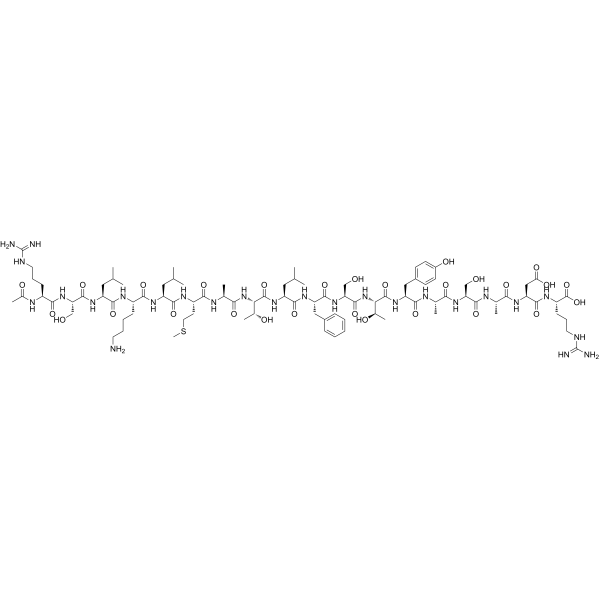
Myhc-α(334–352) is a sequence fragment of amino acid residues 334 to 352 of cardiac myosin heavy chain α. Myhc-α(334–352) is an immunodominant epitope that can induce autoimmune reactions in A/J mice, leading to the occurrence of myocarditis. Myhc-α(334–352) can be used to study the autoimmune pathways of myocarditis and dilated cardiomyopathy.
- Formula: C45H75N9O13
- Molecular Weight: 950.13
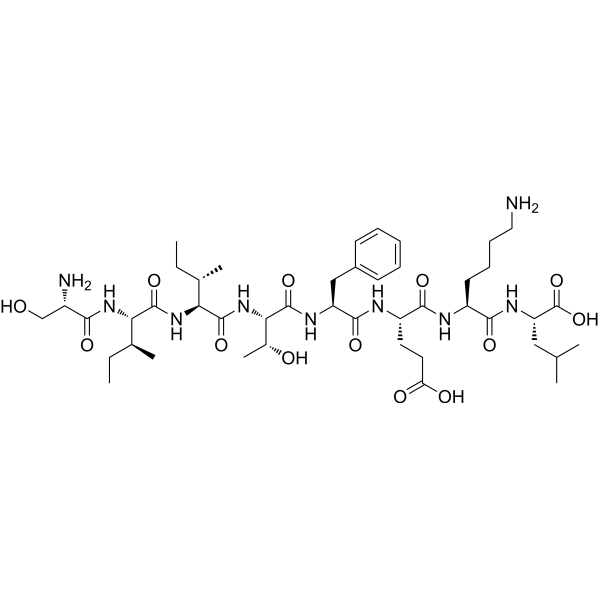
OVA-T4 Peptide (SIITFEKL; OVA (257-264) Variant) is a modified peptide ligand of OVA 257-264 that binds to mouse OT-I TCR with Kd = 1.22 μM, acts as a weaker agonist than the parental N4 peptide to modulate the strength of antigen-presenting cell-T lymphocyte interactions, and alters the amplitude of cytokine responses and NFAT1, p-Erk, and NF-κB signaling responses. OVA-T4 Peptide can be used for research on colon cancer and ovarian cancer.
- Formula: C45H72F3N9O14
- Molecular Weight: 1020.10
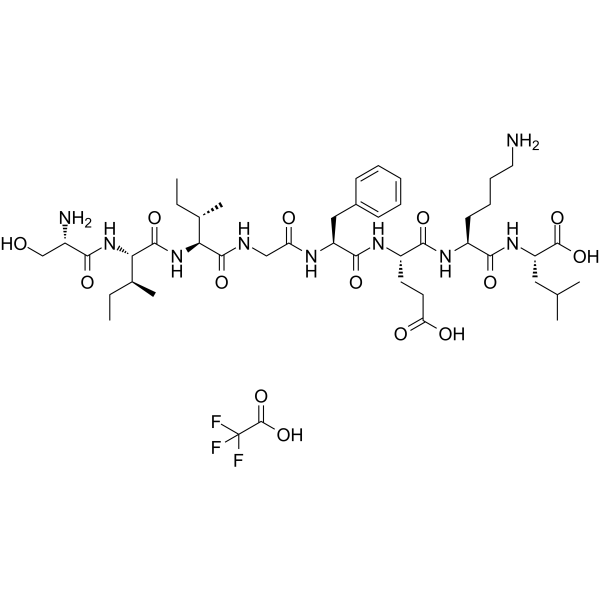
OVA G4 peptide TFA is a modified peptide ligand derived from ovalbumin and also a weak OT-I TCR agonist. OVA G4 peptide TFA binds OT-I TCR with a certain affinity, stimulates TCR signaling, and induces T cell activation. OVA G4 peptide TFA can be used in research related to OVA-expressing tumors.

- Formula: C118H177N35O29S
- Molecular Weight: 2581.95
MOG (35-55) mouse, rat (Myelin Oligodendrocyte Glycoprotein Peptide (35-55), mouse, rat) is a minor component of CNS myelin. MOG (35-55) mouse, rat has encephalitogenic activity and induces T cell proliferative. MOG (35-55) mouse, rat induces Th1 cytokine response as well as relatively high levels of IgG antibodies. MOG (35-55) mouse, rat produces a relapsing-remitting neurological disease with extensive plaque-like demyelination. MOG (35-55) mouse, rat (MOG (35-55)) can be used for experimental autoimmune encephalomyelitis (EAE) modeling.
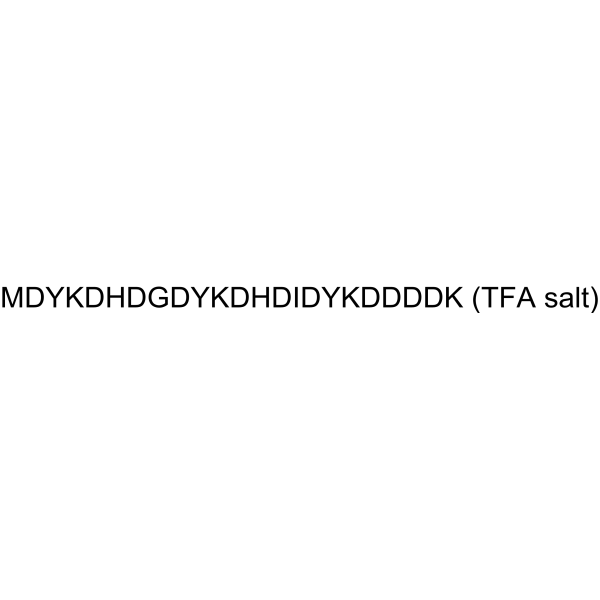
- Formula: C122H170F3N31O51S
- Molecular Weight: 2975.84
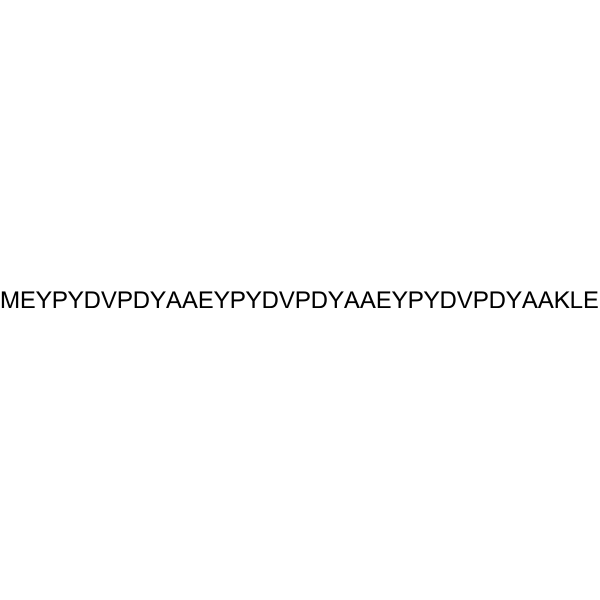
3X FLAG peptide TFA is a FLAG-tagged peptide containing three repeats of the Asp-Tyr-Lys-Xaa-Xaa-Asp motif. 3X FLAG peptide TFA can be used for protein separation and purification, and competitive elution with target proteins.
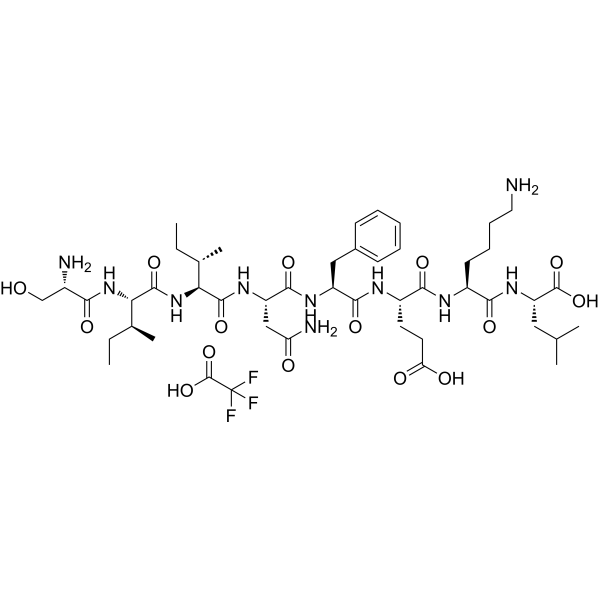
- Formula: C47H75F3N10O15
- Molecular Weight: 1077.15
OVA Peptide(257-264) TFA is a class I (Kb)-restricted peptide epitope of OVA, an octameric peptide can be from ovalbumin presented by the class I MHC molecule, H-2Kb.
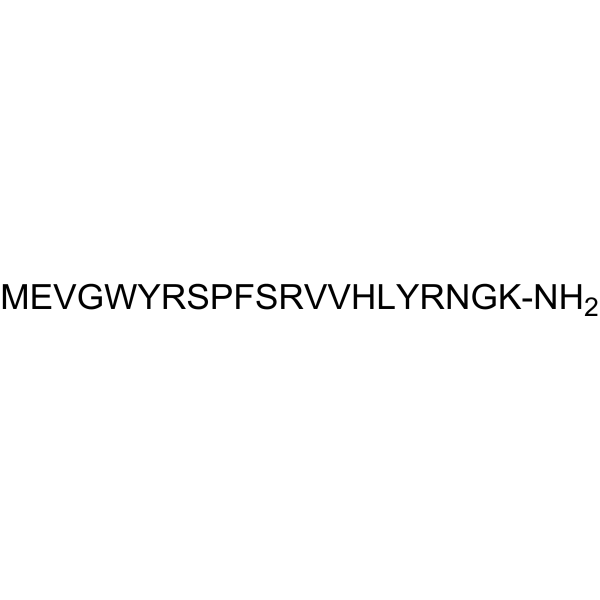
- Formula: C118H178N36O28S
- Molecular Weight: 2580.97
MOG (35-55) amide, mouse, rat the terminal amidation form of the 35-55 fragment of the myelin oligodendrocyte glycoprotein (MOG) immunogenic peptide (MOG (35-55) (HY-P1240)). MOG(35-55) amide, mouse, rat can be used for experimental autoimmune encephalomyelitis (EAE) modeling.
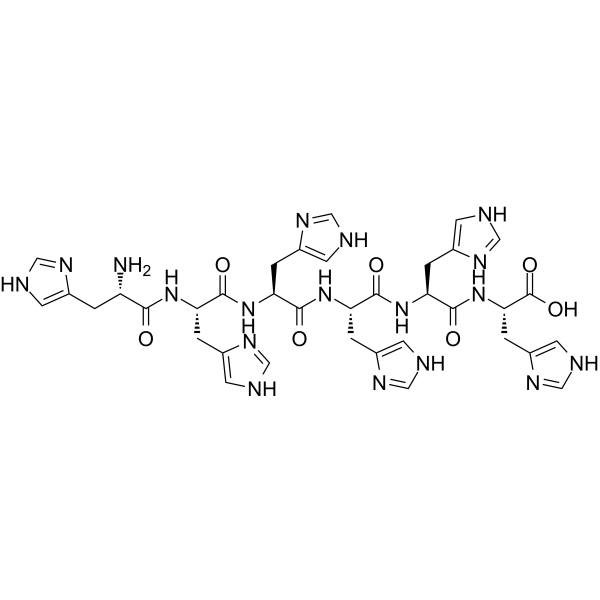
- Formula: C36H44N18O7
- Molecular Weight: 840.85
Hexa-His (6X His Tag) is a commonly used affinity tag made up of six histidine residues. HEXA-HIS can bind to affinity chromatography media containing transition metal ions like nickel (Ni2+) or cobalt (Co2+), making it useful for protein purification.
- Formula: C154H248N46O42
- Molecular Weight: 3415.90
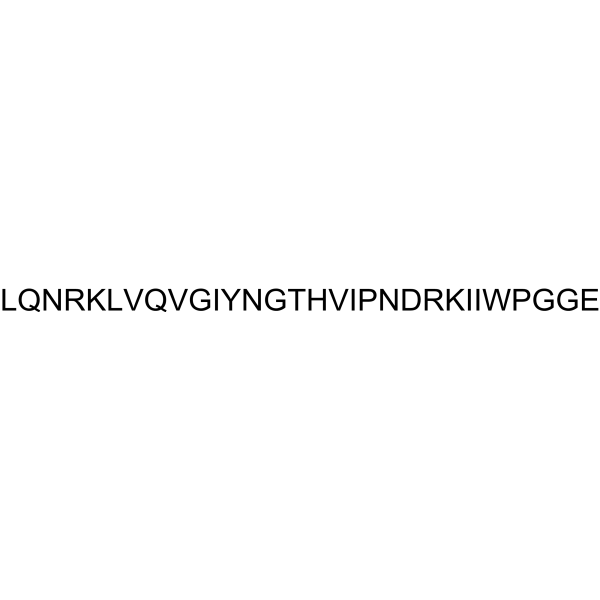
GluN1 (356-385) is a polypeptide targeting NMDAR GluN1. GluN1 (356-385) induces the production of autoantibodies, which reduce the density of cell surface NMDAR clusters, impair long-term potentiation, and decrease NMDAR-mediated Ca2+ influx. As an immunogen, GluN1 (356-385) induces symptoms similar to anti-NMDAR encephalitis, including memory loss, in mice. GluN1 (356-385) can be used to establish a mouse model that mimics the pathogenesis of anti-NMDAR encephalitis. GluN1 (356-385) is applicable to research related to anti-NMDAR encephalitis.
- Formula: C120H178F3N35O31S
- Molecular Weight: 2695.97
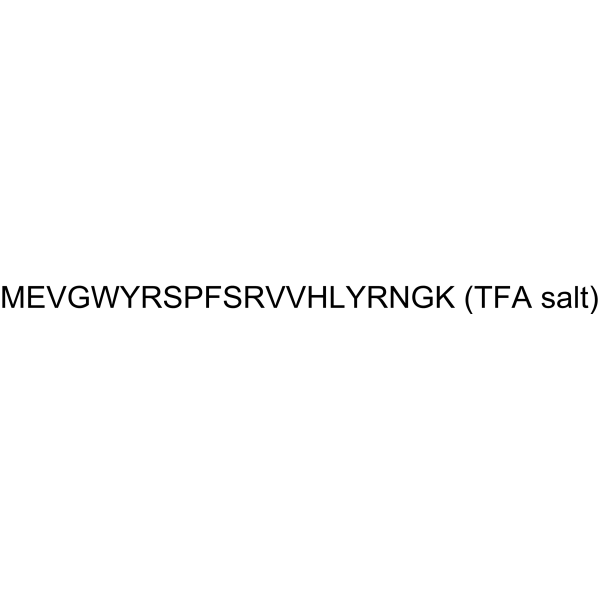
MOG (35-55) (MOG (35-55)) TFA is a minor component of CNS myelin. MOG (35-55) (TFA) has encephalitogenic activity and induces T cell proliferative. MOG (35-55) (TFA) induces Th1 cytokine response as well as relatively high levels of IgG antibodies. MOG (35-55) (TFA) produces a relapsing-remitting neurological disease with extensive plaque-like demyelination. MOG (35-55) (MOG (35-55)) TFA can be used for experimental autoimmune encephalomyelitis (EAE) modeling.

- Formula: C91H151N25O32
- Molecular Weight: 2107.32
IRBP (651-670) human, mouse is an epitope and uveitis inducer naturally processed from the conserved region of native IRBP. IRBP (651-670) human, mouse increases the levels of proinflammatory cytokines in ocular tissues (IL-1β, IL-6, TNFα, IL-17A and IL-17F). IRBP (651-670) human, mouse is a IRBP fragment conserved among human, mouse and bovine species. IRBP (651-670) human, mouse induces experimental autoimmune uveitis. IRBP (651-670) human, mouse is applicable to research related to experimental autoimmune uveitis.

- Formula: C48H73N11O13S
- Molecular Weight: 1044.22
LCMV gp33-41, the carboxyl-extended 9-aa-long peptide, is an lymphocytic choriomeningitis virus sequence restricted by MHC class I H-2Db molecules and presented to cytotoxic T lymphocytes.
- Formula: C106H162N24O30
- Molecular Weight: 2252.56
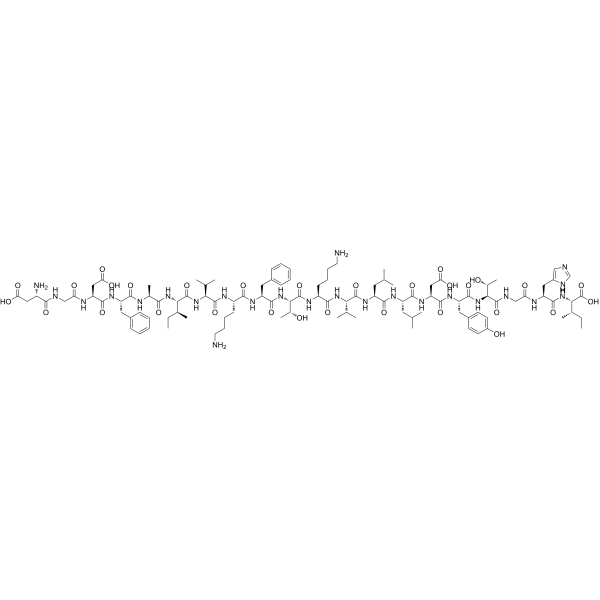
AChRα(97-116) is a synthetic peptide corresponding to the 97-116 region of the rat acetylcholine receptor α-subunit, and also an inducer of autoimmune diseases. AChRα(97-116) can be used in studies related to experimental autoimmune myasthenia gravis.



