



Enzyme Substrates

Enzyme substrates are compounds that enzymes act upon and catalyze, The specific binding between the enzyme and the substrate forms an enzyme-substrate complex, resulting in color or fluorescence changes that facilitate detection.
MCE provides highly sensitive and specific enzyme substrates, including chromogenic and fluorescent substrates.
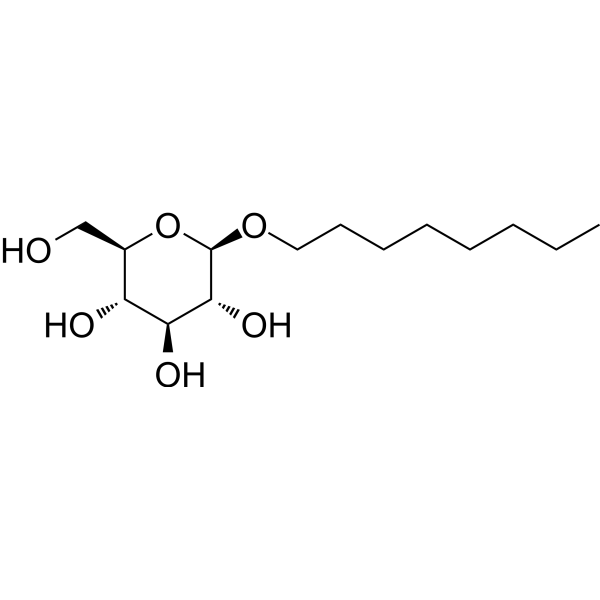
- Formula: C14H28O6
- Molecular Weight: 292.37
n-Octyl-β-d-glucopyranoside is a non-ionic detergent, it can be widely used in the research of biotechnical, biochemical applications, solubilization and crystallization of membrane proteins. n-Octyl-β-d-glucopyranoside can completely inhibit cavitation-induced cell lysis in vitro.
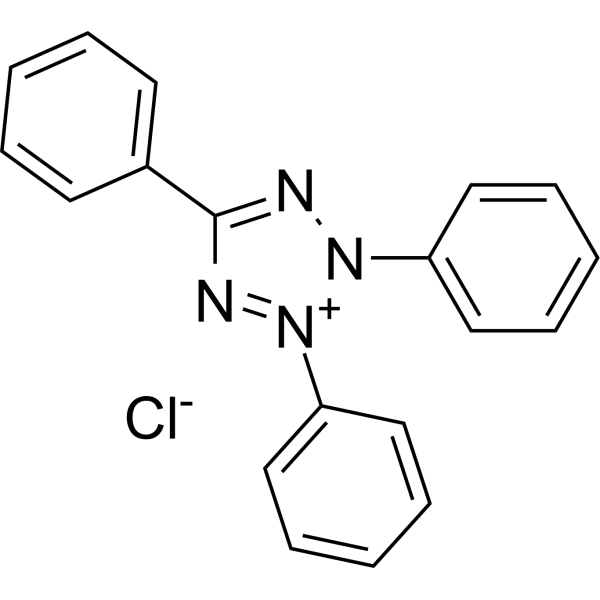
- Formula: C19H15ClN4
- Molecular Weight: 334.80
Tetrazolium Red (2,3,5-Triphenyltetrazolium chloride; TTC) is a not brain-penetrant, colorless, water-soluble dye that is reduced by mitochondrial enzymes to a deep red, water-insoluble compound (formazan) mainly in the mitochondria of living cells. Tetrazolium Red is used to observe the activity of dehydrogenase, and it turns colorless to red when exposed to hydrogen. Tetrazolium Red distinguishes between surviving and infarcted brain tissue after stroke. Tetrazolium Red has been used to stain heart tissue to measure the extent of acute lesions and also used to stain brain tissue to detect the size of the infarcted area. The absorption wavelength of Tetrazolium Red is 570 nm.
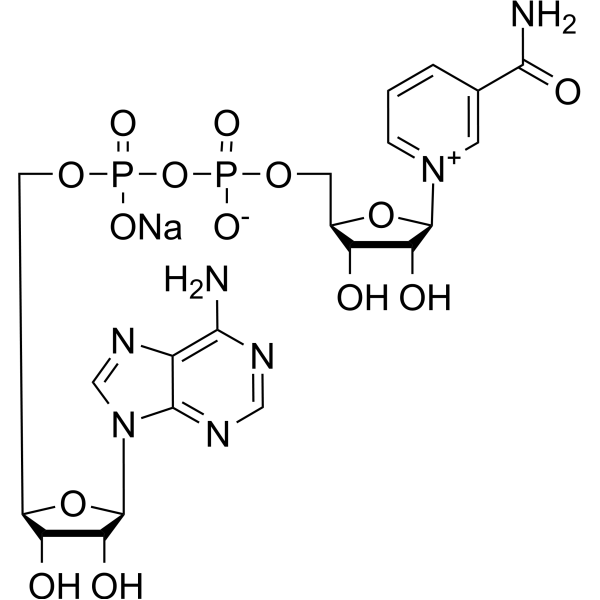
- Formula: C21H26N7NaO14P2
- Molecular Weight: 685.41
NAD sodium is an orally effective cofactor and homeostatic regulator. NAD sodium can be reduced to β-nicotinamide adenine dinucleotide (NADH) during coupling with reactions that oxidize organic substrates. NAD sodium can be converted to β-nicotinamide adenine dinucleotide (NADH) and passes to the inside of mitochondria, which indirectly generates ATP. NAD sodium can be used for the research of non-alcoholic fatty liver disease, obesity, and glucose intolerance.
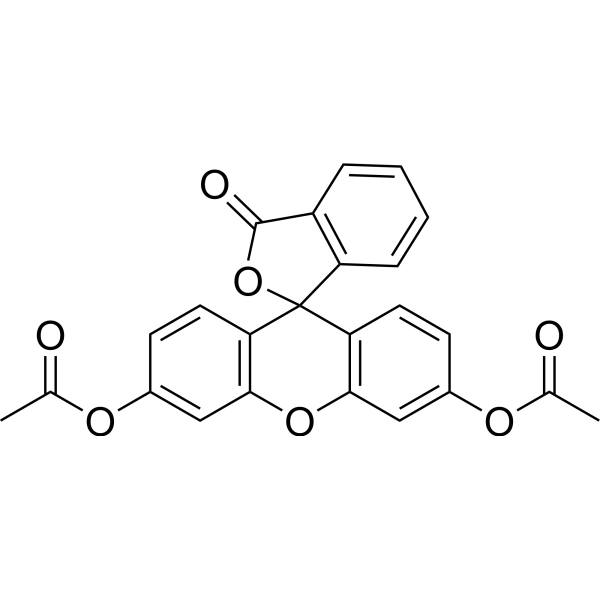
- Formula: C24H16O7
- Molecular Weight: 416.38
Fluorescein diacetate is a cell permeable esterase-substrate. Fluorescein diacetate can be used as a fluorogenic substrate for hGSTP1-1.
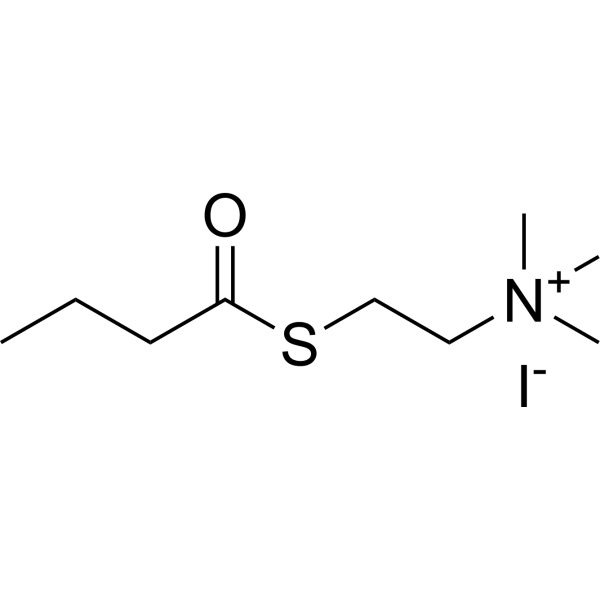
- Formula: C9H20INOS
- Molecular Weight: 317.23
S-n-Butyrylthiocholine iodide is a thiocholine ester substrate of butyrylcholinesterase (BChE) that is hydrolyzed to produce thiocholine. S-n-Butyrylthiocholine iodide is a butyrylcholine substrate used for the detection of butyrylcholinesterase activity.
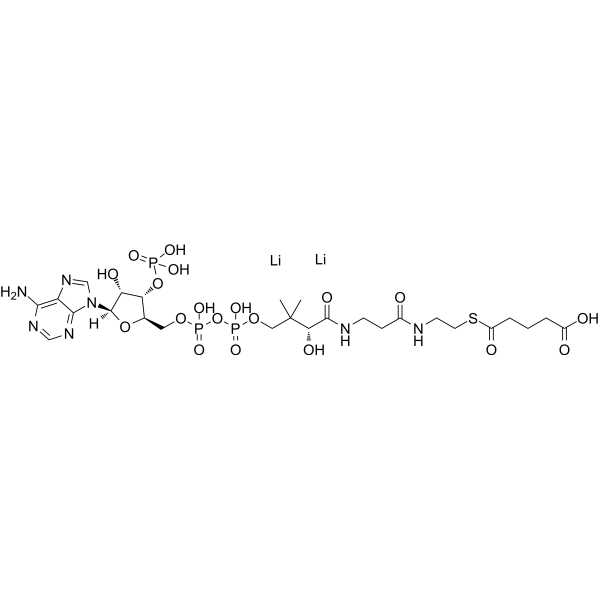
- Formula: C26H40Li2N7O19P3S
- Molecular Weight: 893.50
Glutaryl coenzyme A lithium is an endogenous metabolite. Glutaryl coenzyme A lithium acts on the E2k subunit to inhibit KGDHc. It serves as a substrate for the reverse reaction of E2k and does not affect the E1k or E3 subunits of KGDHc. Glutaryl coenzyme A lithium exhibits weak inhibitory activity against citrate synthase. It can be used in research on glutaryl-CoA dehydrogenase deficiency (type I glutaric acidemia).
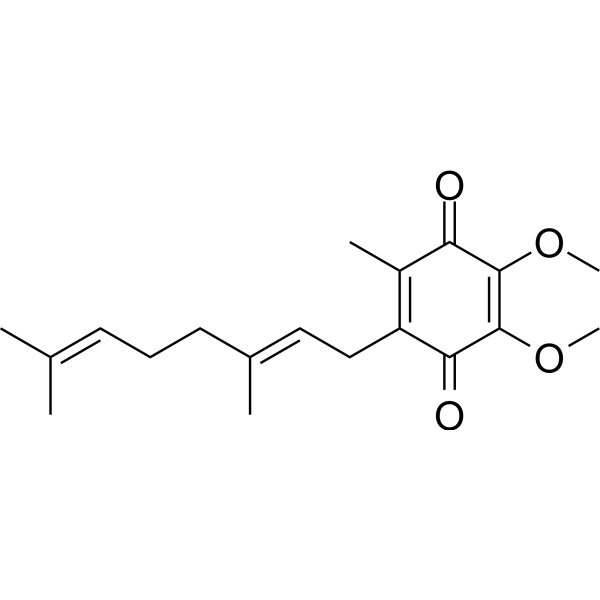
- Formula: C19H26O4
- Molecular Weight: 318.41
Coenzyme Q2 is a benzoquinone electron carrier in the mitochondrial electron transport chain and a p53-dependent apoptosis inducer. Coenzyme Q2 induces p53 phosphorylation at Ser15, promoting p53 accumulation and functional activation. Coenzyme Q2 induces ROS generation, caspase-3 activation, DNA fragmentation, phosphatidylserine externalization, mitochondrial permeability transition pore opening, and oxidative phosphorylation uncoupling. Coenzyme Q2 inhibits Complex I, Complex III, and Complex IV activities, disrupting electron transport and membrane potential generation. Coenzyme Q2 induces excessive mitochondrial proton leak in forebrain mitochondria. Coenzyme Q2 causes loss of righting reflex in mice, accompanied by slow-wave delta EEG activity and reversible loss of wakefulness. Coenzyme Q2 inhibits lipid peroxidation and scavenges superoxide radicals. Coenzyme Q2 is used in research on leukemia, myocardial ischemia-reperfusion injury, and mitochondrial encephalomyopathy.
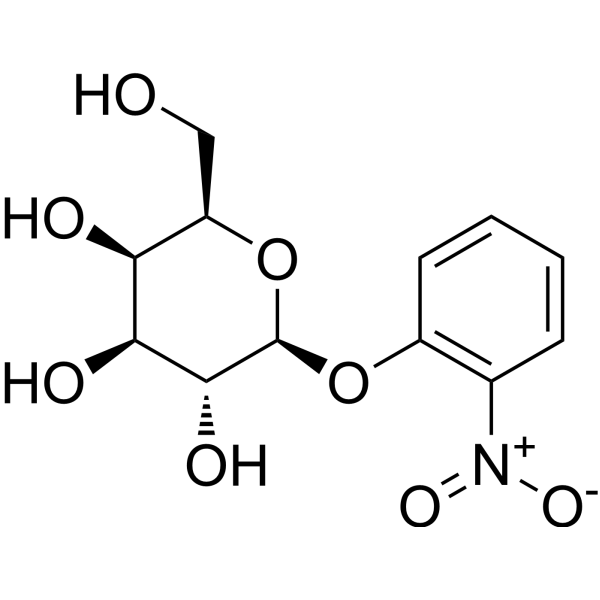
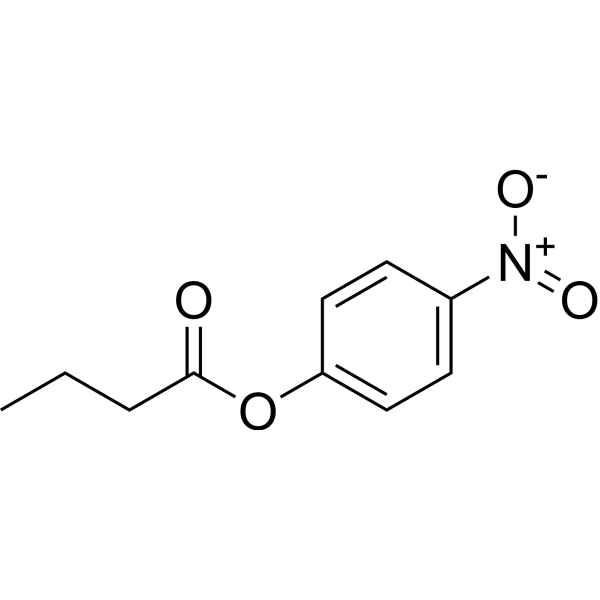
- Formula: C10H11NO4
- Molecular Weight: 209.20
4-Nitrophenyl butyrate consists of butyric acid chains esterified with 4-nitrophenol groups, thus giving it a yellow color. This compound is commonly used as a substrate in enzyme assays to measure esterase and lipase activity. When these enzymes cleave the ester bond, the nitrophenol group is released and the color changes from yellow to orange. Thus, the rate of color change can be used to determine enzyme activity. In addition, 4-Nitrophenyl butyrate can also be used as organic synthesis reagent and dye intermediate.
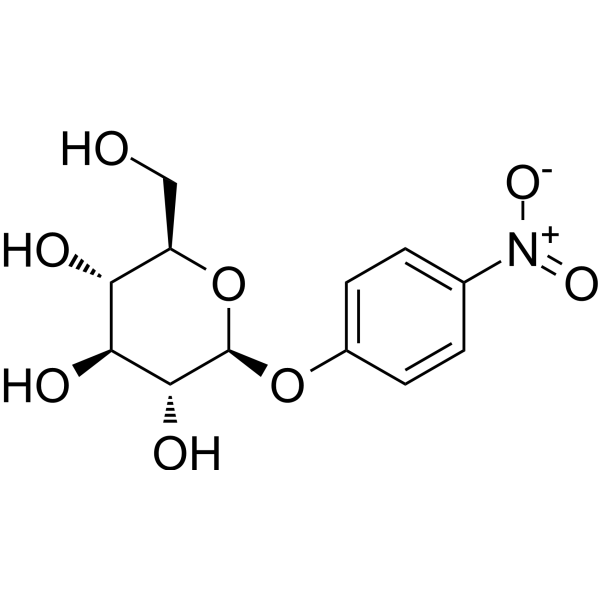
- Formula: C12H15NO8
- Molecular Weight: 301.25
4-Nitrophenyl β-D-glucopyranoside is a chromogenic substrate for β-glucosidase. 4-Nitrophenyl β-D-glucopyranoside is converted to a colored product, p-nitrophenol that is easily detected spectrophotometrically at 405 nm when used in a β-glycosidase assay. 4-Nitrophenyl β-D-glucopyranoside is hydrolysed through intramolecular nucleophilic catalysis by the phosphate group in the 2-position. 4-Nitrophenyl β-D-glucopyranoside is promising for research of postmenopausal osteoporosis.
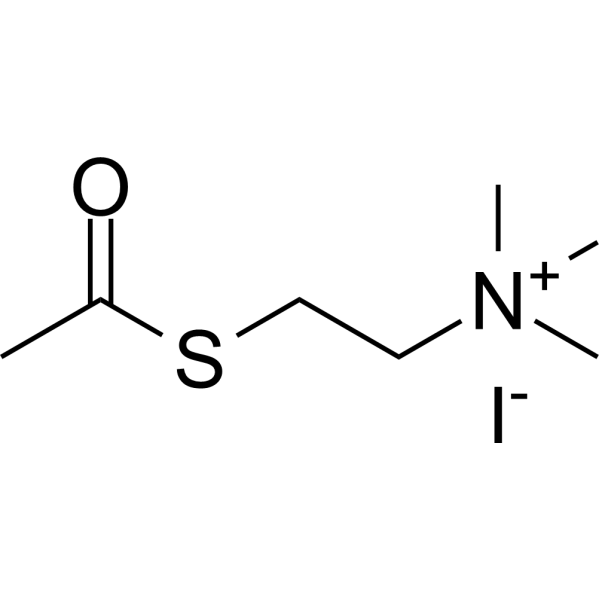
- Formula: C7H16INOS
- Molecular Weight: 289.18
Acetylthiocholine iodide can be used as a substrate for certain enzymes, such as cholinesterase, etc., and can be used to determine the activity level of these enzymes. In addition, the compound is used in some medical research, for example in the fields of neuroscience and organ physiology.
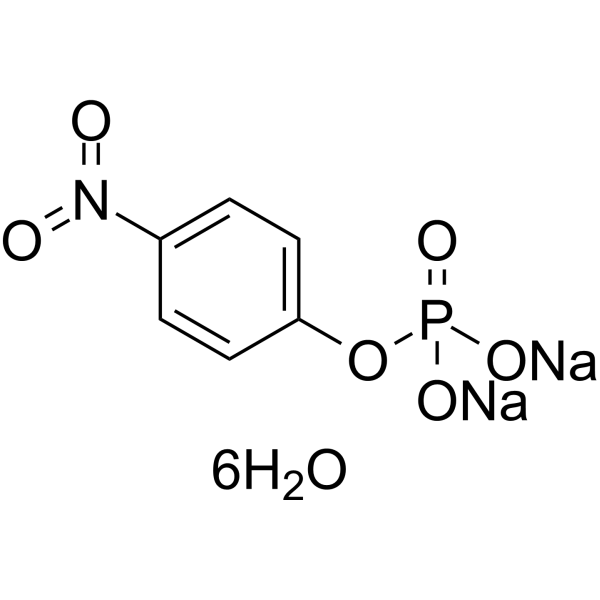
- Formula: C6H6NOP.6H2O.2Na
- Molecular Weight: 371.14
4-Nitrophenyl phosphate (p-nitrophenyl phosphate) disodium hexahydrate is widely used as a small molecule phosphotyrosine-like substrate in activity assays for protein tyrosine phosphatases. 4-Nitrophenyl phosphate disodium hexahydrate is a colorless substrate that upon hydrolysis is converted to a yellow 4-nitrophenolate ion that can be monitored by absorbance at 405 nm.
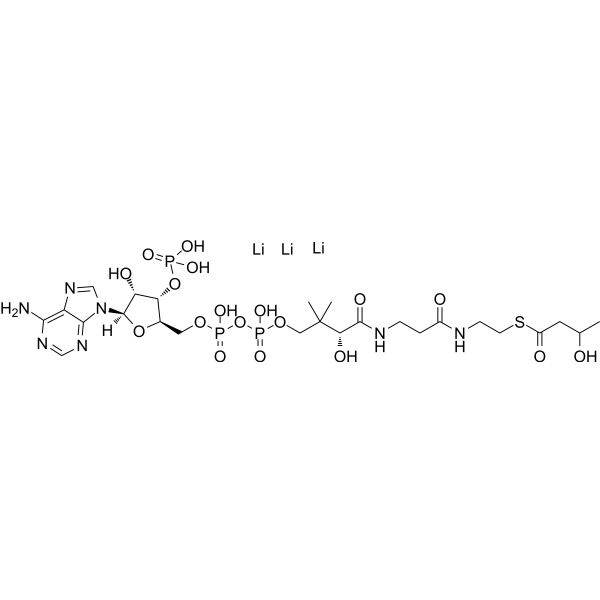
- Formula: C25H42Li3N7O18P3S
- Molecular Weight: 874.45
DL-β-Hydroxybutyryl coenzyme A lithium is an intermediate in the fermentation of butyric acid and the metabolism of lysine and tryptophan, and is produced from β-hydroxybutyric acid by short-chain-CoA synthase.
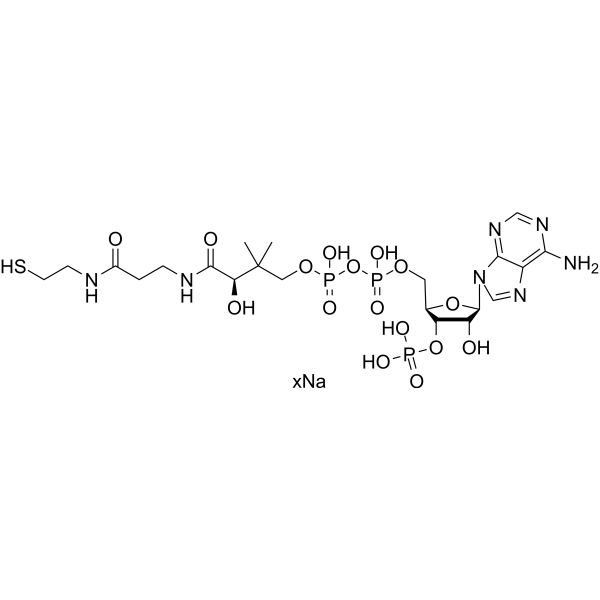
- Formula: C21H33N7Na3O16P3S
- Molecular Weight: 833.48
Coenzyme A (CoASH) sodium is a ubiquitous and essential cofactor, which is an acyl group carrier and carbonyl-activating group for the citric acid cycle and fatty acid metabolism. Coenzyme A plays a central role in the oxidation of pyruvate in the citric acid cycle and the metabolism of carboxylic acids, including short- and long-chain fatty acids.
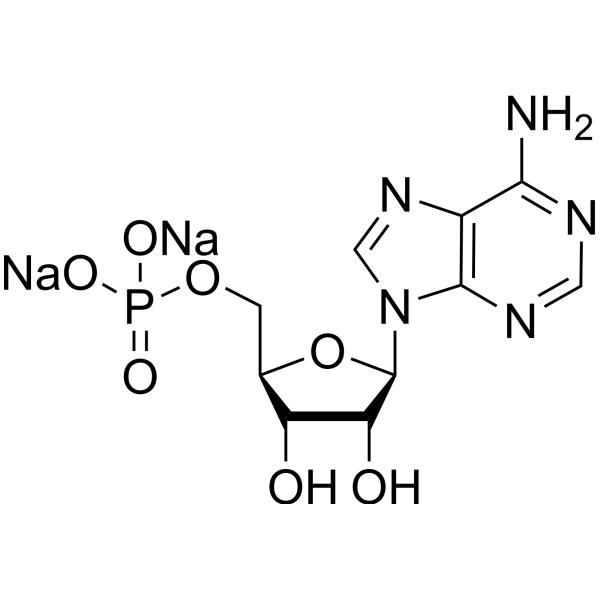
- Formula: C10H12N5Na2O7P
- Molecular Weight: 391.18
Adenosine 5'-monophosphate disodium is an orally active purine nucleotide, and participates in ATP metabolism. Adenosine 5'-monophosphate disodium is also a ligand for adenosine 2B receptor. Adenosine 5'-monophosphate disodium can activate AMPK in skeletal muscle, and ameliorates insulin resistance and impaired glucose metabolism. Adenosine 5'-monophosphate disodium can be used for research of diabetes.
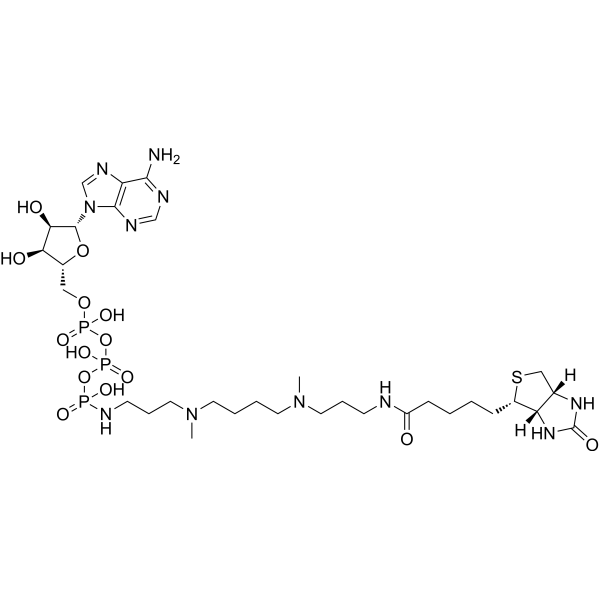
- Formula: C32H58N11O14P3S
- Molecular Weight: 945.85
ATP-polyamine-biotin, the first cell-permeable ATP analogue, is an efficient kinase cosubstrate. ATP-polyamine-biotin promotes biotin labeling of kinase substrates in live cells.
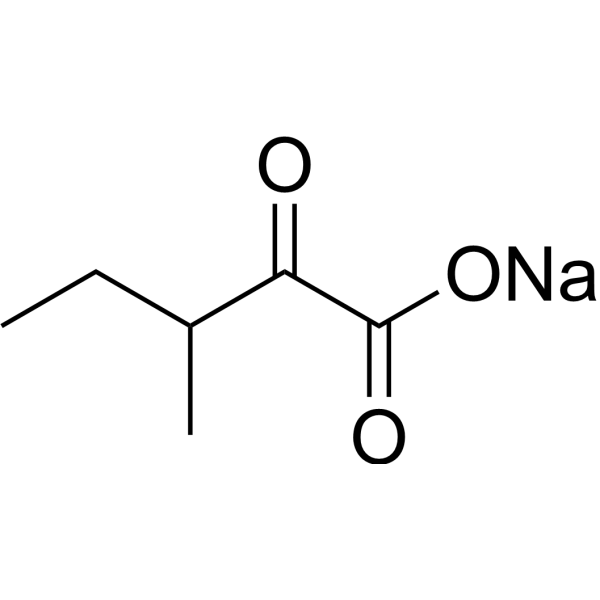
- Formula: C6H9NaO3
- Molecular Weight: 152.12
3-Methyl-2-oxovaleric acid sodium is a degradation product from Isoleucine. 3-Methyl-2-oxovaleric acid sodium is a biomarker of mustard airway diseases (MADs) and uric acid stone.
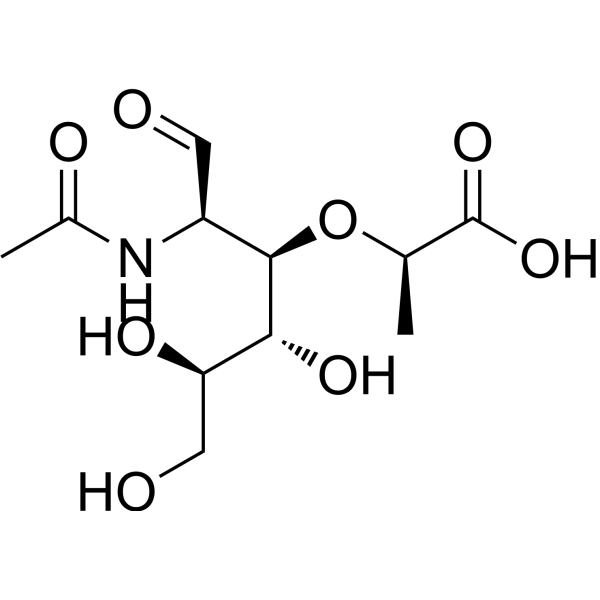
- Formula: C11H19NO8
- Molecular Weight: 293.27
N-acetylmuramic acid is a component of the bacterial cell wall peptidoglycan, essential for maintaining cell shape and integrity. N-acetylmuramic acid inhibits spore germination by inhibiting a coat-associated hexosaminidase and a core enzyme. N-acetylmuramic acid is required by Bacteroides forsythus for proliferation and the maintenance of its cell shape. N-Acetylmuramic acid inhibits the p38 MAPK/NF-κB signaling pathway, and exhibits anti-inflammatory activity. N-Acetylmuramic acid is orally active.
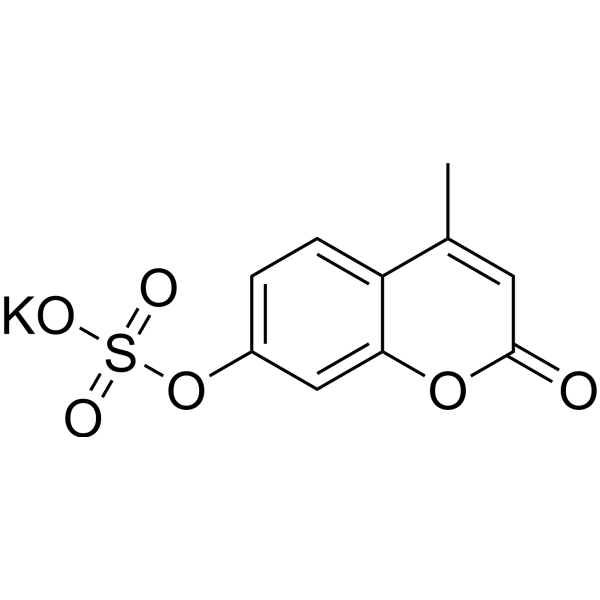
- Formula: C10H7KO6S
- Molecular Weight: 294.32
4-Methylumbelliferyl sulfate (potassium), a fluorescent substrate, is commonly used to detect sulfatase activity in biochemical and biomedical research. It consists of a sulfate group attached to a fluorescent molecule, which can be cleaved by sulfatase enzymes. Upon cleavage, 4-Methylumbelliferyl sulfate releases a highly fluorescent product that can be detected using fluorescence microscopy or spectroscopy. The use of 4-Methylumbelliferyl sulfate as a substrate for sulfatase enzymes allows accurate detection and quantification of these enzymes in a variety of biological samples.



