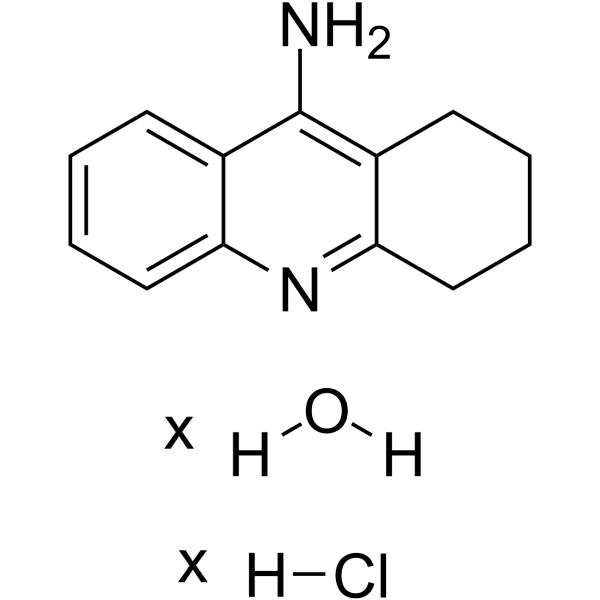
BChE
Butyrylcholinesterase (BChE, EC 3.1.1.8) is a cholinesterase family enzyme that hydrolyzes a broad range of choline esters and other ester-containing substrates, contributing to cholinergic regulation as well as xenobiotic detoxification processes[1][2]. BChE is widely distributed in human tissues and plasma, where it participates in cholinergic transmission, ester metabolism, and the neutralization of toxic compounds including organophosphates and carbamates[1]. Mechanistically, BChE functions as a hydrolytic enzyme that can buffer acetylcholine metabolism when acetylcholinesterase (AChE) activity is reduced, thereby influencing cholinergic homeostasis[2]. In disease contexts, increasing evidence links BChE to neurodegenerative disorders, particularly Alzheimer’s disease (AD), where BChE activity and expression become more prominent during disease progression and are associated with late-stage cholinergic dysfunction[3][4]. Experimental studies therefore consider BChE an important therapeutic target and biomarker candidate for AD-related research[3][4]. Compared with the closely related isoform AChE, which primarily terminates synaptic acetylcholine signaling, BChE exhibits broader substrate specificity, distinct tissue distribution, and a stronger role in drug metabolism, detoxification, and non-neuronal physiological processes[1][2]. For experimental applications, selective BChE inhibitors are widely used to investigate cholinergic mechanisms and have been developed as pharmacological tools for evaluating therapeutic strategies in neurodegenerative disease models, with high selectivity over AChE considered a key design objective[3][4].
References:
- [1]. Hajimohammadi S, et al. New views on physiological functions and regulation of butyrylcholinesterase and potential therapeutic interventions. Front Mol Biosci. 2025 Jun 19;12:1625318. [Content Brief]
- [2]. Jovičić SM. Enzyme ChE, et al. Enzyme ChE, cholinergic therapy and molecular docking: Significant considerations and future perspectives. Int J Immunopathol Pharmacol. 2024 Jan-Dec;38:3946320241289013. [Content Brief]
- [3]. Brus B, et al. Discovery, biological evaluation, and crystal structure of a novel nanomolar selective butyrylcholinesterase inhibitor. J Med Chem. 2014 Oct 9;57(19):8167-79. [Content Brief]
- [4]. Zhou Y, et al. Discovery of Selective Butyrylcholinesterase (BChE) Inhibitors through a Combination of Computational Studies and Biological Evaluations. Molecules. 2019 Nov 20;24(23):4217. [Content Brief]
All Product Categories
-
BChE Related Products (223)
Related Products (223)

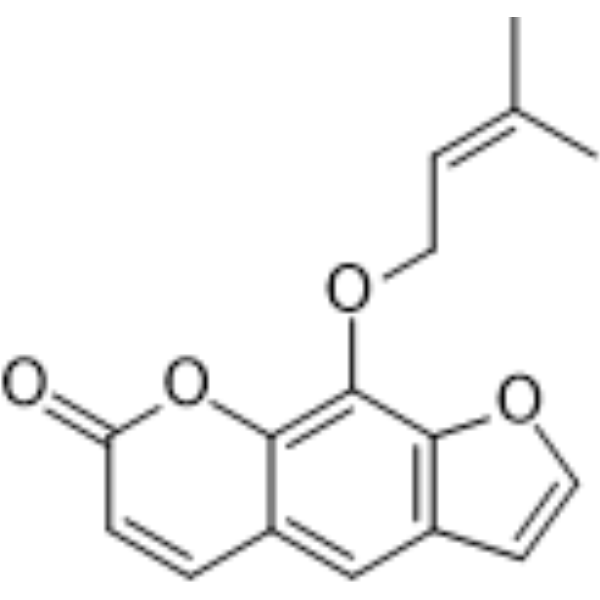
-
Garcinol
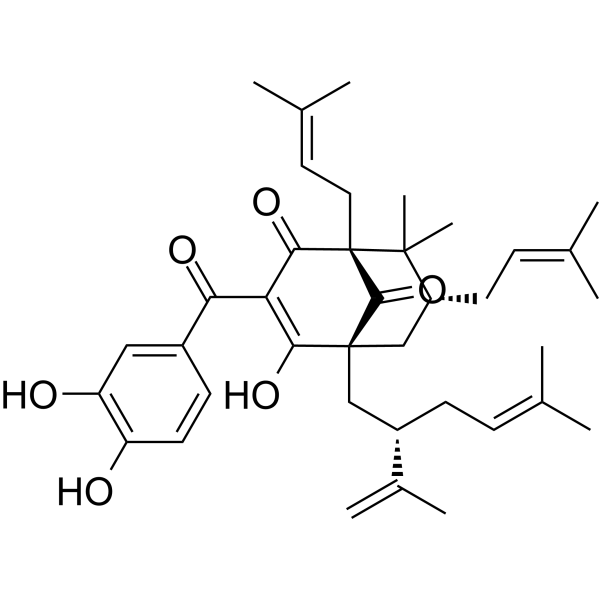 0 ImagesGarcinol, a polyisoprenylated benzophenone harvested from Garcinia indica, exerts anti-cholinesterase properties towards acetyl cholinesterase (AChE) and butyrylcholinesterase (BChE) with IC50s of 0.66 μM and 7.39 μM, respectively. Garcinol also inhibits histone acetyltransferases (HATs, IC50= 7 μM) and p300/CPB-associated factor (PCAF, IC50 = 5 μM). Garcinol has anti-inflammatory and anti-cancer activity.
-
Rivastigmine
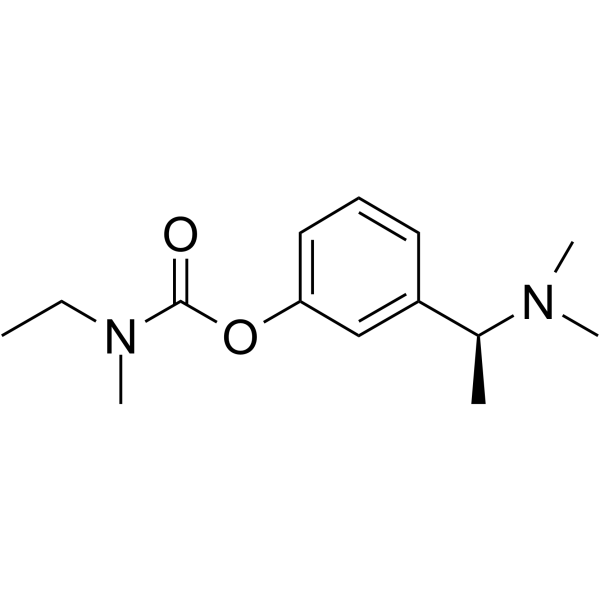 0 ImagesSynonyms: ENA 713 free base; SDZ-ENA 713 free baseRivastigmine (ENA 713 free base) is an orally active and potent cholinesterase (ChE) inhibitor and inhibits butyrylcholinesterase (BChE) and acetylcholinesteras (AChE) with IC50s of 0.037 μM , 4.15 μM, respectively. Rivastigmine can pass the blood brain barrier (BBB). Rivastigmine is a parasympathomimetic or cholinergic agent used for the research of mild to moderate dementia of the Alzheimer's type and dementia due to Parkinson's disease.
-
Epiberberine chloride
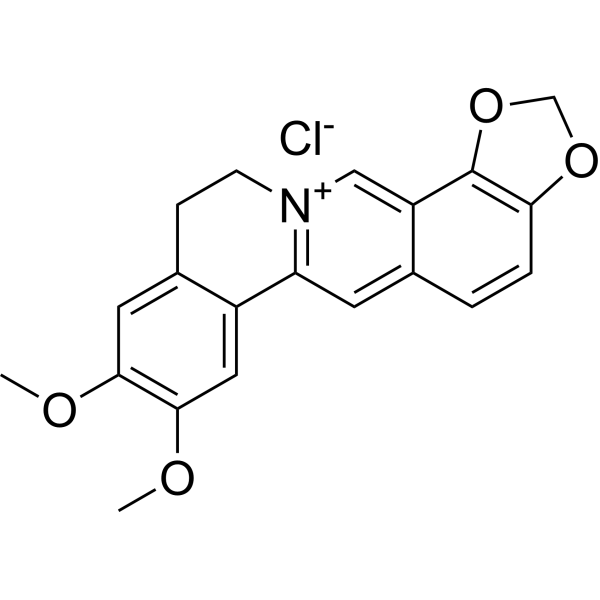 0 ImagesEpiberberine chloride is an alkaloid isolated from Coptis chinensis, acts as a potent AChE and BChE inhibitor, and a non-competitive BACE1 inhibitor, with IC50s of 1.07, 6.03 and 8.55 μM, respectively. Epiberberine chloride has antioxidant activity, with peroxynitrite ONOO- scavenging effect (IC50, 16.83 μM), and may protect against Alzheimer disease. Epiberberine chloride inhibits the early stage of differentiation of 3T3-L1 preadipocytes, downregulates the Raf/MEK1/2/ERK1/2 and AMPKα/Akt pathways. Epiberberine has the potential effect in the research of diabetic disease.
-
3-Isomangostin
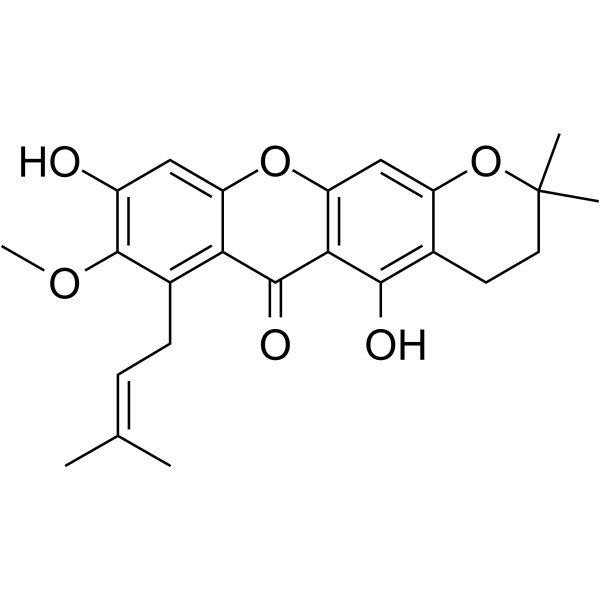 0 Images3-Isomangostin is a flavonoid compound that acts as an inhibitor of MTH1 and acetylcholinesterase, with an IC50 of 52 nM against MTH1 and IC50 values of 5.75 μM and 12.96 μM against AChE and BChE, respectively. 3-Isomangostin also inhibits human aldose reductase and CDK4/Cyclin D1 with IC50 values of 3.48 μM and 15.6 μM, respectively. 3-Isomangostin inhibits polyol pathway flux, competes with 8-oxo-dGTP for binding to the MTH1 active site through hydrogen bonding and hydrophobic xanthone interactions, blocks cell cycle progression, reduces cancer cell viability, and exhibits growth inhibitory effects against both normal and penicillin-resistant Staphylococcus aureus. 3-Isomangostin is used in research on Alzheimer's disease, diabetic complications, Staphylococcus aureus infections, and colon cancer.
-
PE154
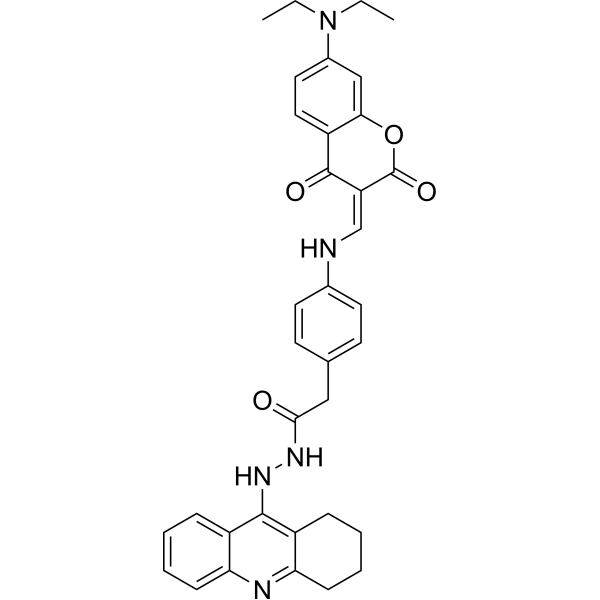 0 ImagesPE154 is a fluorescent probe that binds to Aβ plaques, as well as a potent fluorescent inhibitor of AChE and BChE, with an IC50 of 280 pM against hAChE and 16 nM against hBChE. PE154 is applicable for histochemical detection of Aβ plaques in mouse and human brain tissues. PE154 can be used in research related to Alzheimer's disease.
-
Icopezil maleate
 0 ImagesCat. No.: HY-105157ACAS No.: 145815-98-1Synonyms: CP-118954 maleateIcopezil maleate (CP-118954 maleate) is an orally active, selective AchE inhibitor with an IC50 of 0.33 nM. Icopezil maleate increases acetylcholine levels in the brain and striatum of mammals, induces centrally mediated tremors and peripherally mediated salivation, and improves working memory performance in aged dogs. Icopezil maleate serves as a parent compound for radioiodine-labeled acetylcholinesterase imaging agents. Icopezil maleate is applicable to research related to Alzheimer's disease.
-
Ethopropazine hydrochloride
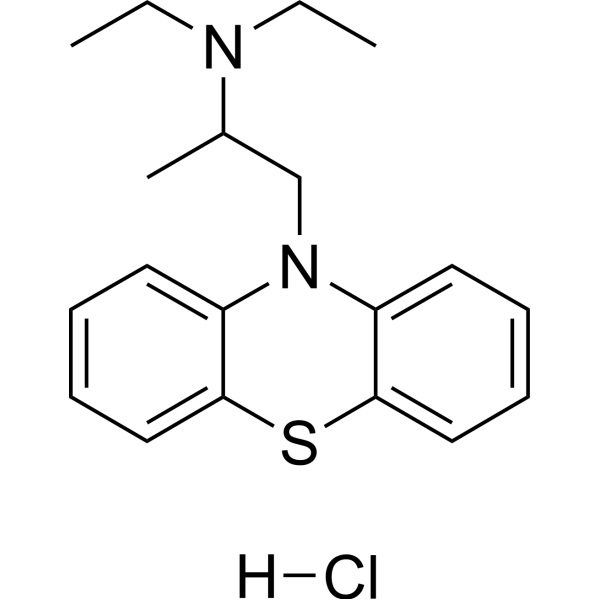 0 ImagesEthopropazine (Isothazine) hydrochloride is a potent and selective BChE inhibitor, a poor AChE inhibitor and a non-selective mAChR and NMDA antagonist. Ethopropazine hydrochloride has anticholinergic, antihistamine, antiadrenergic actions and properties. Ethopropazine hydrochloride alleviates thermal hyperalgesia in a dose dependent manner. Ethopropazine hydrochloride can be used for the research of Parkinson’s disease.
-
Cornuside
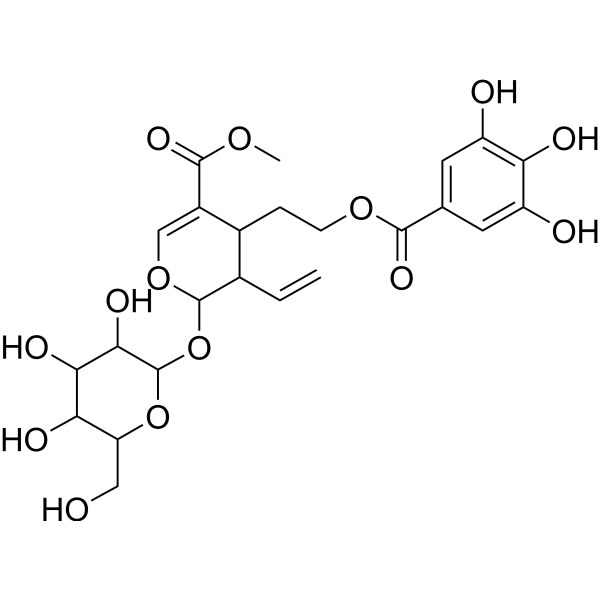 0 ImagesCornuside is an iridoid glycoside with anti-allergic, anti-inflammatory, and neuroprotective activities. Cornuside exerts anti-allergic activity by downregulating the p38 MAPK, JNK, and NF-κB signaling pathways, and inhibits IgE-mediated histamine release from mast cells. Cornuside improves cognitive impairment in mice by inhibiting BACE1 activity (IC50 = 55.84 μg/mL) and enhancing ChAT activity. Cornuside inhibits LPS (HY-D1056)-induced inflammatory mediators, including iNOS, COX-2, PGE2, TNF-α, IL-6, and IL-1β, by suppressing NF-κB activation.
-
Aaptamine
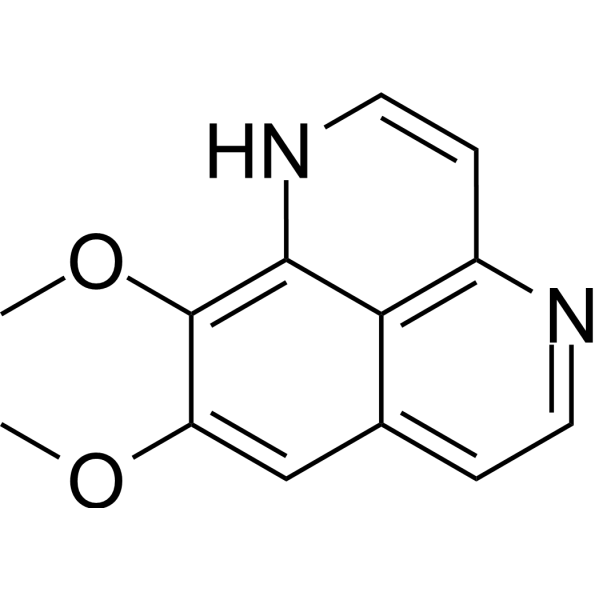 0 ImagesAaptamine is an alkaloid that can be isolated from the sponge Aaptos suberitoides. Aaptamine is a competitive antagonist of the α-adrenergic receptor, as well as an inhibitor of the proteasome and cholinesterase. Aaptamine is cytotoxic to tumor cells and can induce apoptosis, cell cycle arrest of tumor cells, and the expression of p21 through a p53-independent pathway. Aaptamine has multiple activities such as anti-tumor, antioxidant, antibacterial, and analgesic effects.
-
Drofenine hydrochloride
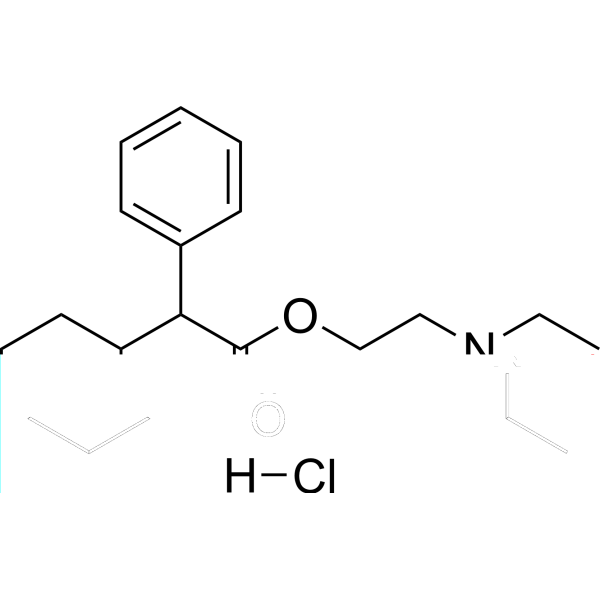 0 ImagesDrofenine (Cycloadiphene; Hexahydroadiphenine) hydrochloride is an brain-penetrant antispasmodic agent. Drofenine hydrochloride is a Kv2.1 channel inhibitor with human IC50 of 9.53 μM. Drofenine hydrochloride is a butyrylcholinesterase (BChE) inhibitor with Ki of 0.003 mM, and is a TRPV3 activator. Drofenine hydrochloride blocks Kv2.1-dependent potassium efflux, inhibits Kv2.1/JNK/NF-κB and IkBa/NF-kB signaling, suppresses Kv2.1 mRNA/protein expression. Drofenine suppresses oligomeric Aβ-induced microglial NLRP3 inflammasome activation and neuronal Tau hyperphosphorylation, improves cognitive impairment, promotes neurite outgrowth. Drofenine hydrochloride induces calcium influx in keratinocytes and exert cytotoxicity against keratinocytes. Drofenine hydrochloride ameliorates diabetic peripheral neuropathy -like pathology. Drofenine hydrochloride can be used for the researches of Alzheimer's disease, diabetic peripheral neuropathy and smooth muscle spasm.
-
ACG548B
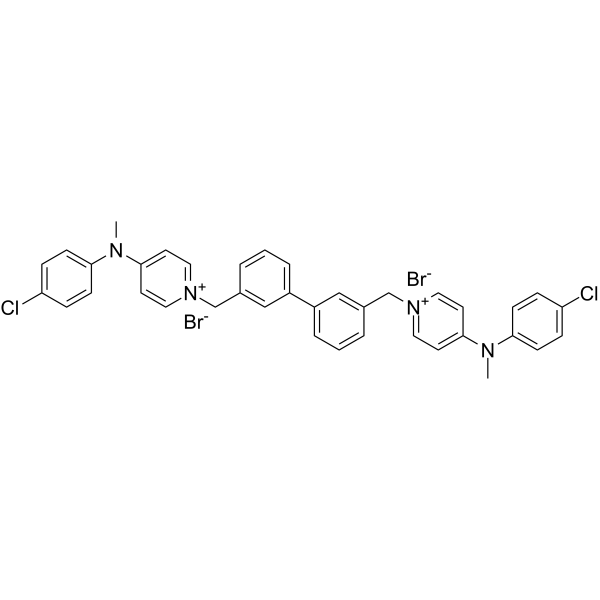 0 ImagesACG548B (compound 24) is a potent inhibitor of acetyl- and butyrylcholinesterase (AChE and BChE) with IC50s of 1.78 and 0.496 μM, respectively. ACG548B has higher AChE affinity and selectivity over BChE and ChoK (choline kinase). ACG548B can be uesd for the study of myasthenia gravis and neuromuscular blockade.

-
Pteryxin
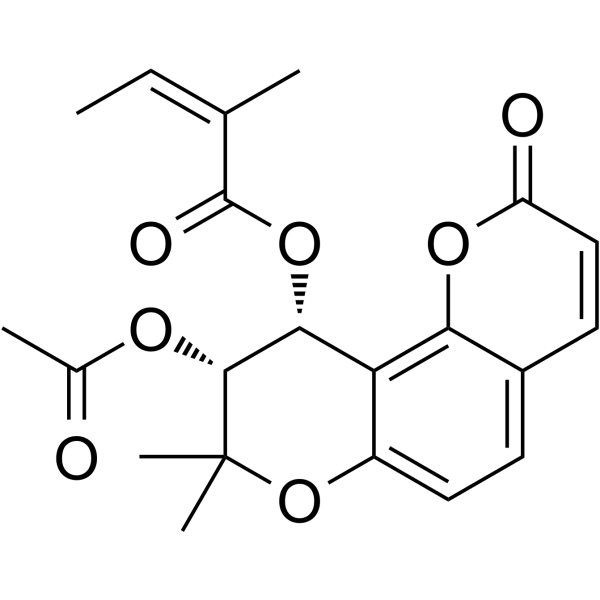 0 ImagesSynonyms: (+)-PteryxinPteryxin ((+)-Pteryxin) is an orally active multi-target inhibitor that targets NF-κB, MAPK, NLRP3 inflammasome, and Nrf2/ARE pathways. Pteryxin is also a BChE inhibitor (IC50=12.96 μg/mL) with a low inhibitory efficiency on AChE. Pteryxin inhibits the Ca2+-calcineurin-NFATc1 pathway by blocking NF-κB/MAPK signaling, inhibiting NLRP3 inflammasome activation, and reducing ROS generation, and activates Nrf2-mediated antioxidant enzyme expression. Pteryxin has anti-inflammatory, antioxidant, and osteoclastogenesis inhibitory activities. Pteryxin can be used in the study of inflammatory diseases, osteoporosis, diabetes, and Alzheimer's disease.
-
N-Nornuciferine
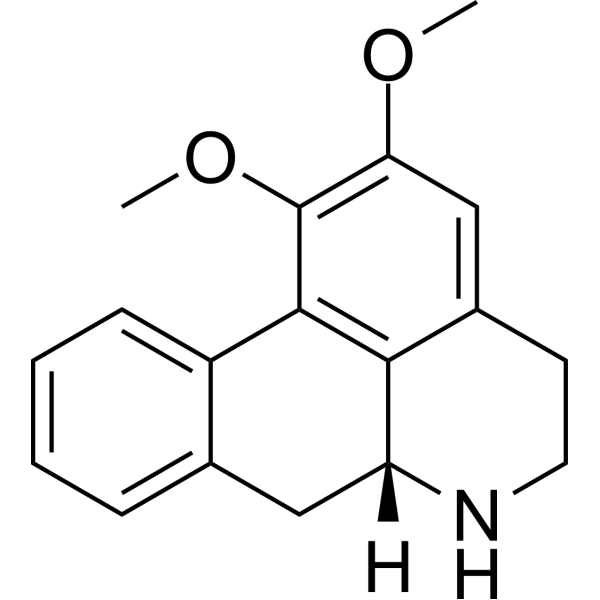 0 ImagesN-Nornuciferine is an orally active, blood-brain barrier-permeable CYP2D6 inhibitor, with an IC50 of 3.76 μM and a Ki of 2.34 μM against human CYP2D6. N-Nornuciferine also acts as a BChE inhibitor, showing an IC50 of 5.6 μM in mice. N-Nornuciferine can be used in the research of neurological-related diseases.
-
Gypsogenin
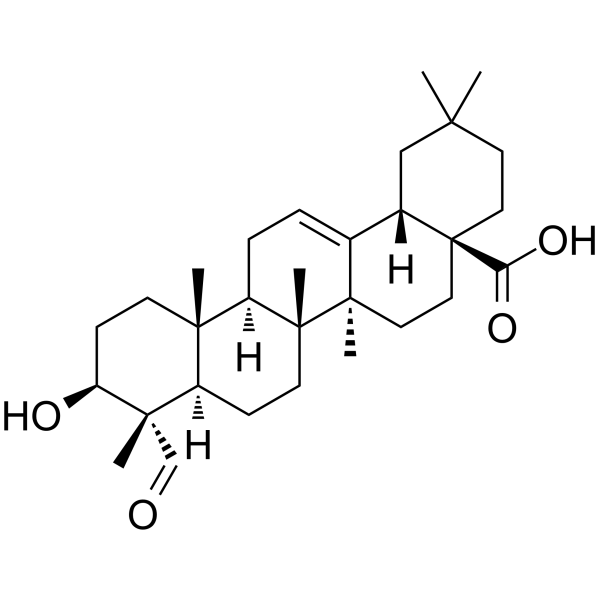 0 ImagesGypsogenin is a selective mixed-type BChE inhibitor (Ki=19.99 μM) that also exhibits significant cytotoxicity against various human cancer cell lines. Gypsogenin inhibits tumor growth by inducing cell cycle arrest and triggering apoptosis. Gypsogenin displays antibacterial activity against bacteria such as Bacillus subtilis and Bacillus thuringiensis, and often serves as a key parent nucleus for the synthesis of anticancer compounds. Gypsogenin is widely used in research on Alzheimer's disease and various cancers including colon cancer, melanoma, and leukemia.