GSK-3β
Glycogen synthase kinase-3β (GSK-3β) is a constitutively active serine/threonine kinase that regulates numerous cellular substrates and functions as a central signaling node in metabolism, development, and cell fate control[1]. Mechanistically, GSK-3β participates in multiple signaling pathways, including Wnt/β-catenin, PI3K/Akt, Notch, and NF-κB networks, where its phosphorylation-dependent activity influences transcriptional regulation, cellular differentiation, and stress responses[2][3]. Through these pathway interactions, GSK-3β contributes to the control of glucose metabolism and broader cardiometabolic homeostasis, while dysregulated GSK-3β signaling has been linked to pathological remodeling and disease progression in diverse experimental models[4][1]. In neurological disease models, GSK-3β has been associated with hyperphosphorylated tau pathology and neuronal dysfunction, supporting its relevance as a target for mechanistic studies of neurodegeneration[3]. Compared with the closely related isoform GSK-3α, GSK-3β exhibits both overlapping and isoform-specific biological functions, and genome-wide as well as genetic studies demonstrate distinct downstream targets and physiological roles for the two kinases[4][5][6]. This isoform divergence is particularly important for experimental design because GSK-3α and GSK-3β can exert different or even opposing effects in specific biological contexts[4]. For experimental applications, small-molecule GSK-3 inhibitors remain widely used research tools; however, many available compounds lack isoform selectivity, emphasizing the need for isoform-specific pharmacological and genetic approaches when investigating GSK-3β-dependent mechanisms[6][5].
References:
- [1]. Beurel E, et al. Glycogen synthase kinase-3 (GSK3): regulation, actions, and diseases. Pharmacol Ther. 2015 Apr;148:114-31. [Content Brief]
- [2]. Espinosa L, et al. Phosphorylation by glycogen synthase kinase-3 beta down-regulates Notch activity, a link for Notch and Wnt pathways. J Biol Chem. 2003 Aug 22;278(34):32227-35. [Content Brief]
- [3]. Kaidanovich-Beilin O, et al. GSK-3: Functional Insights from Cell Biology and Animal Models. Front Mol Neurosci. 2011 Nov 16;4:40. doi: 10.3389/fnmol.2011.00040. PMID: 22110425; PMCID: PMC3217193. [Content Brief]
- [4]. Umbarkar P, et al. GSK-3 at the heart of cardiometabolic diseases: Isoform-specific targeting is critical to therapeutic benefit. Biochim Biophys Acta Mol Basis Dis. 2023 Aug;1869(6):166724. doi: 10.1016/j.bbadis.2023.166724. Epub 2023 Apr 23. PMID: 37094727; PMCID: PMC10247467. [Content Brief]
- [5]. Lee HC, et al. Glycogen synthase kinase 3 alpha and 3 beta have distinct functions during cardiogenesis of zebrafish embryo. BMC Dev Biol. 2007 Aug 3;7:93. [Content Brief]
- [6]. Chen X, et al. A Chemical-Genetic Approach Reveals the Distinct Roles of GSK3α and GSK3β in Regulating Embryonic Stem Cell Fate. Dev Cell. 2017 Dec 4;43(5):563-576.e4. doi: 10.1016/j.devcel.2017.11.007. PMID: 29207259; PMCID: PMC5851779. [Content Brief]
-
GSK-3β Related Products (186)
Related Products (186)

-
Recombinant Proteins (5)
-
Antibodies (4)
-
Laduviglusib
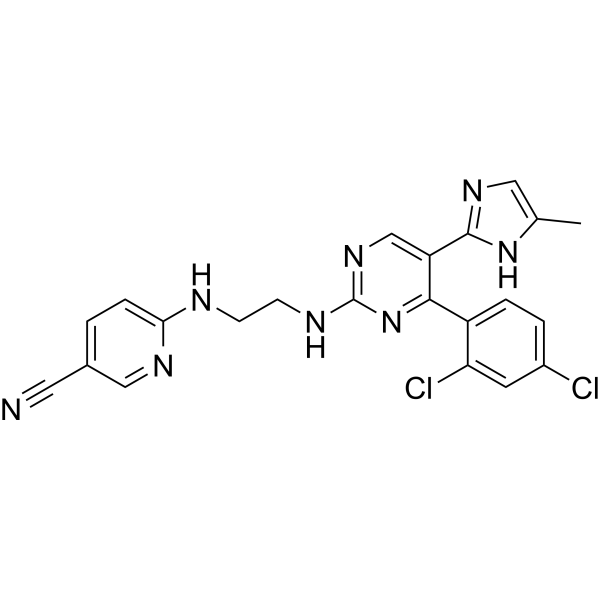 0 ImagesSynonyms: CHIR-99021; CT99021Laduviglusib (CHIR-99021) is a potent, selective and orally active GSK-3α/β inhibitor with IC50s of 10 nM and 6.7 nM. Laduviglusib shows >500-fold selectivity for GSK-3 over CDC2, ERK2 and other protein kinases. Laduviglusib is also a potent Wnt/β-catenin signaling pathway activator. Laduviglusib enhances mouse and human embryonic stem cells self-renewal. Laduviglusib induces autophagy.
-
Erlotinib
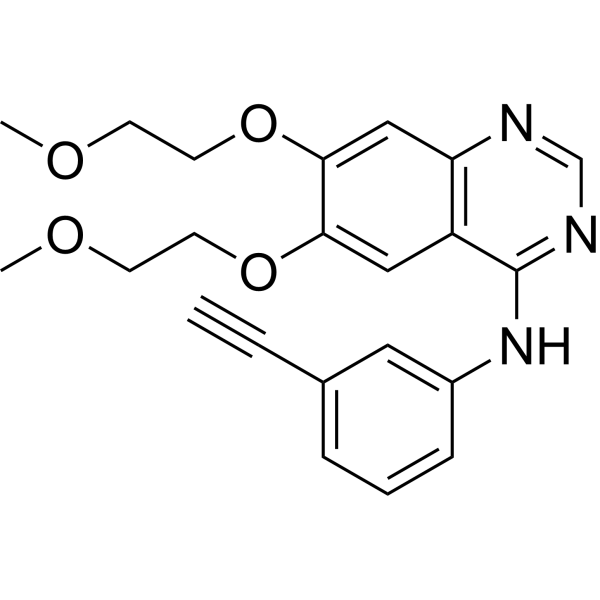 0 ImagesSynonyms: CP-358774; NSC 718781; OSI-774Erlotinib (CP-358774) is a selective, orally active EGFR tyrosine kinase inhibitor. Erlotinib also acts as a substrate and inhibitor of OATP2B1, with an IC50 of approximately 0.079 μM for inhibiting OATP2B1-mediated uptake of estrone 3-sulfate. Erlotinib blocks EGFR phosphorylation, downstream signal transduction, as well as the growth and proliferation of cancer cells. Erlotinib inhibits MMP-10-mediated renal injury, fibrotic lesions, the ERK1/2, GSK-3β and β-catenin signaling pathways, fibronectin, α-SMA, collagen deposition, and renal injury markers. Erlotinib is metabolized via CYP3A to produce the active metabolite OSI-420. Erlotinib can be used in research related to non-small cell lung cancer, gastric cancer, papillary renal cell carcinoma, pancreatic cancer, renal fibrosis, and other conditions.
-
LY2090314
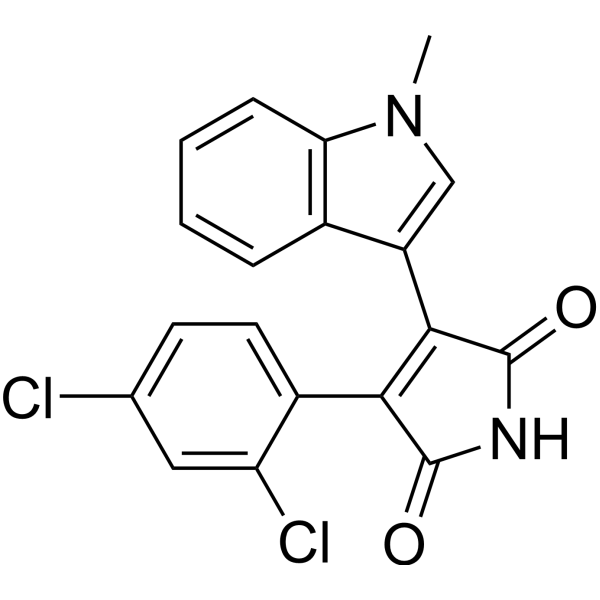
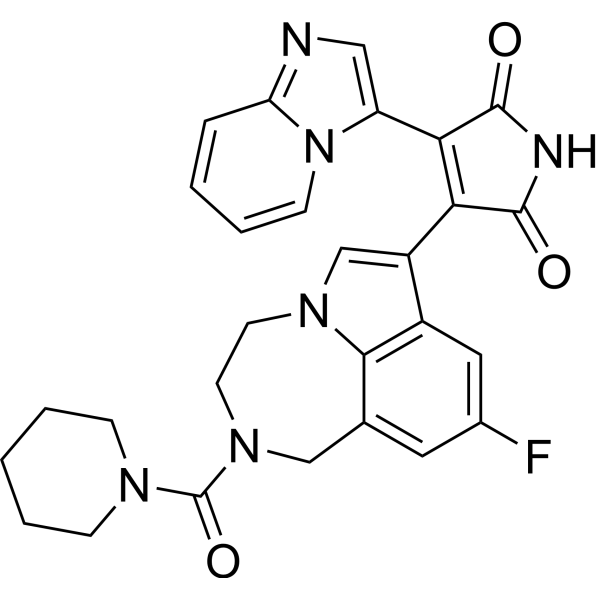 0 ImagesLY2090314 is a potent inhibitor of glycogen synthase kinase-3 (GSK-3) with IC50 values of 1.5 nM and 0.9 nM for GSK-3α and GSK-3β, respectively.
-
Laduviglusib monohydrochloride
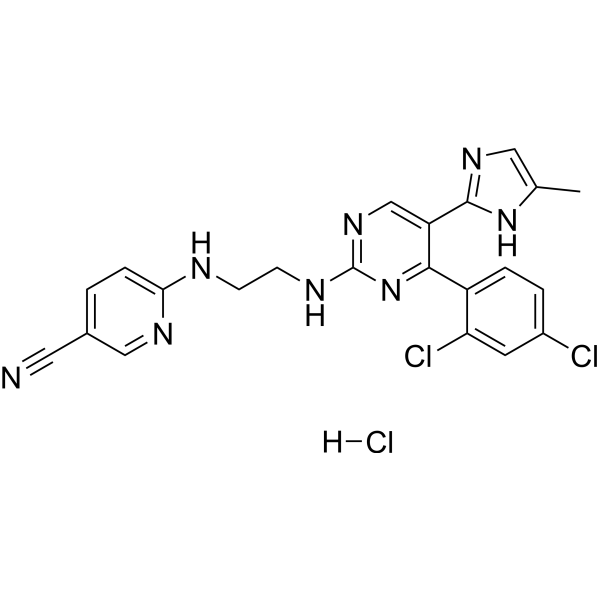 0 ImagesSynonyms: CHIR-99021 monohydrochloride; CT99021 monohydrochlorideLaduviglusib (CHIR-99021) monohydrochloride is a potent and selective GSK-3α/β inhibitor with IC50s of 10 nM and 6.7 nM. Laduviglusib monohydrochloride shows >500-fold selectivity for GSK-3 over CDC2, ERK2 and other protein kinases. Laduviglusib monohydrochloride is also a potent Wnt/β-catenin signaling pathway activator. Laduviglusib monohydrochloride enhances mouse and human embryonic stem cells self-renewal. Laduviglusib monohydrochloride induces autophagy.
-
RGB-286638
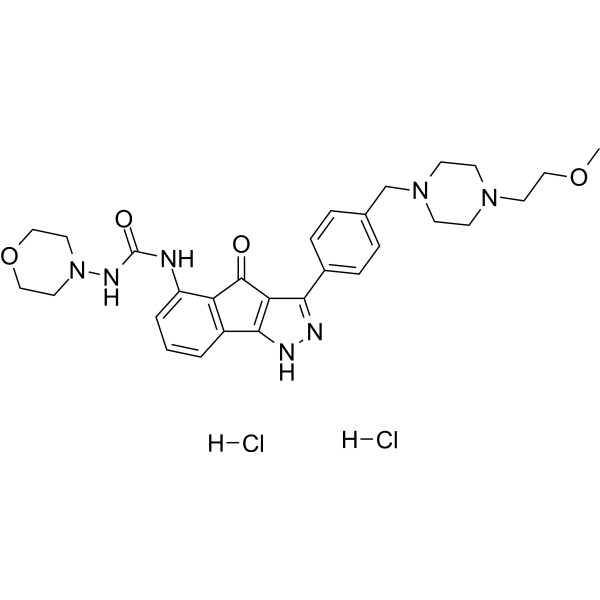 0 ImagesRGB-286638 is a potent inhibitor of CDK and MAPK9. RGB-286638 inhibits the activities of cyclin T1-CDK9, cyclin B1-CDK1, cyclin E-CDK2, cyclin D1-CDK4, cyclin E-CDK3 and p35-CDK5, with IC50 values of 1, 2, 3, 4, 5 and 5 nM, respectively. RGB-286638 inhibits GSK-3β and TAK1, with IC50 values of 3 nM and 5 nM, respectively. RGB-286638 induces caspase-dependent Apoptosis in cells. RGB-286638 delays tumor growth in an orthotopic glioblastoma mouse model. RGB-286638 extends survival in multiple myeloma models. RGB-286638 can be used in research related to glioblastoma and multiple myeloma.
-
Gomisin N
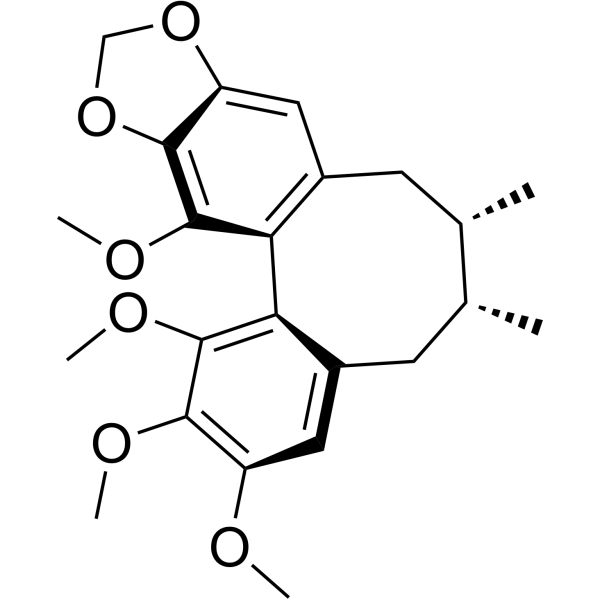 0 ImagesGomisin N is an orally active lignan compound. Gomisin N can be isolated from Schisandra chinensis. Gomisin N induces Apoptosis in a variety of cells. Gomisin N activates AMPK, Akt, MAPK/ERK, Nrf2, caspase-3 and PARP-1. Gomisin N inhibits GSK3β, nitric oxide (NO), and proinflammatory cytokines (IL-1β, IL-6, TNF-α). Gomisin N has anti-inflammatory, antioxidant, anti-obesity, anti-diabetic, and anti-melanogenesis activities. Gomisin N has anti-tumor activity against cervical cancer and liver cancer. Gomisin N improves Alzheimer's disease.
-
RGB-286638 free base
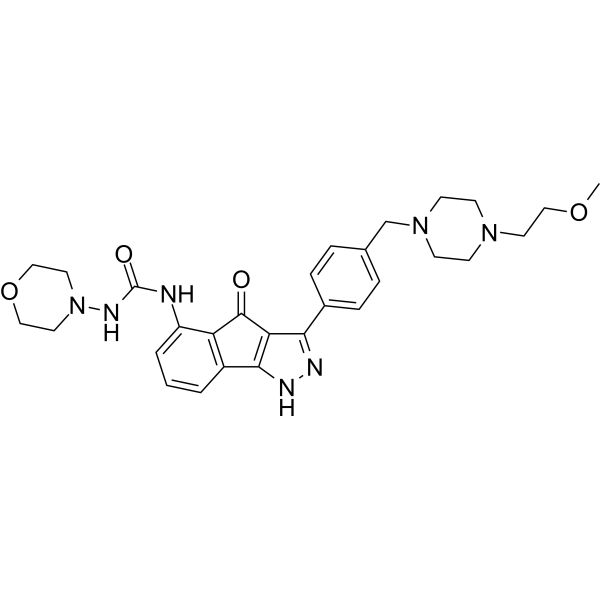 0 ImagesRGB-286638 free base is a potent inhibitor of CDK and MAPK9. RGB-286638 free base inhibits the activities of cyclin T1-CDK9, cyclin B1-CDK1, cyclin E-CDK2, cyclin D1-CDK4, cyclin E-CDK3 and p35-CDK5, with IC50 values of 1, 2, 3, 4, 5 and 5 nM, respectively. RGB-286638 free base inhibits GSK-3β and TAK1, with IC50 values of 3 nM and 5 nM, respectively. RGB-286638 free base induces caspase-dependent Apoptosis in cells. RGB-286638 free base delays tumor growth in an orthotopic glioblastoma mouse model. RGB-286638 free base extends survival in multiple myeloma models. RGB-286638 free base can be used in research related to glioblastoma and multiple myeloma.
-
Laduviglusib trihydrochloride
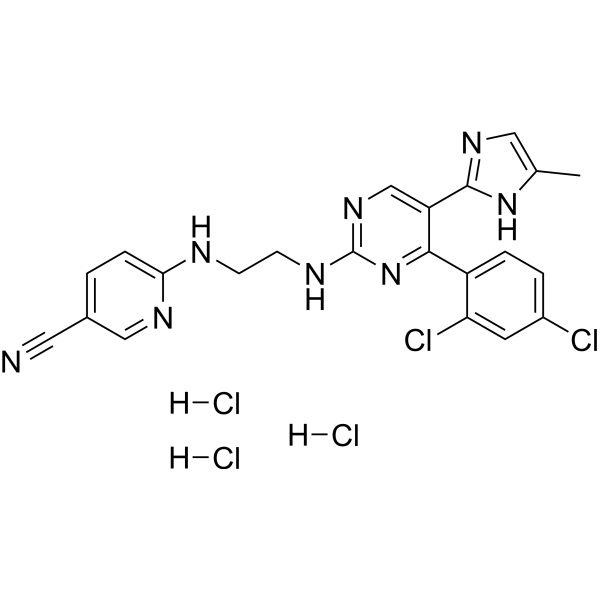 0 ImagesSynonyms: CHIR-99021 trihydrochloride; CT99021 trihydrochlorideLaduviglusib (CHIR-99021) trihydrochloride is a potent and selective GSK-3α/β inhibitor with IC50s of 10 nM and 6.7 nM. Laduviglusib trihydrochloride shows >500-fold selectivity for GSK-3 over CDC2, ERK2 and other protein kinases. Laduviglusib trihydrochloride is also a potent Wnt/β-catenin signaling pathway activator. Laduviglusib trihydrochloride enhances mouse and human embryonic stem cells self-renewal. Laduviglusib trihydrochloride induces autophagy.
-
Kenpaullone
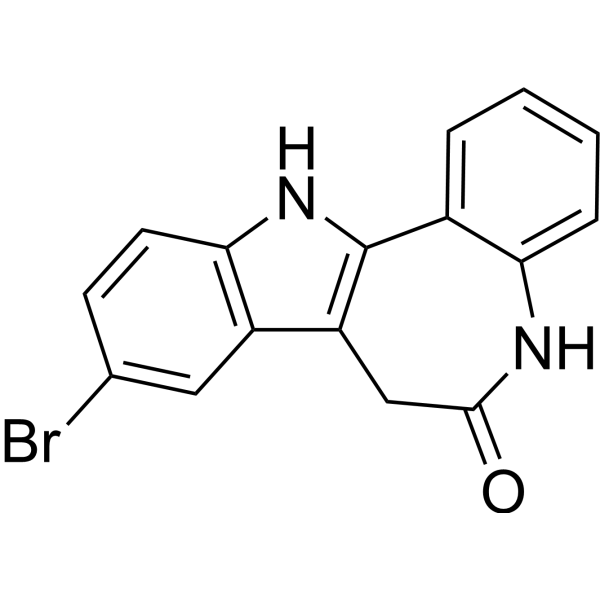 0 ImagesSynonyms: 9-Bromopaullone; NSC-664704Kenpaullone is a potent inhibitor of CDK1/cyclin B and GSK-3β, with IC50s of 0.4 μM and 23 nM, and also inhibits CDK2/cyclin A, CDK2/cyclin E, and CDK5/p25 with IC50s of 0.68 μM, 7.5 μM, 0.85 μM, respectively. Kenpaullone, a small molecule inhibitor of KLF4, reduces self-renewal of breast cancer stem cells and cell motility in vitro.
-
MRT68921
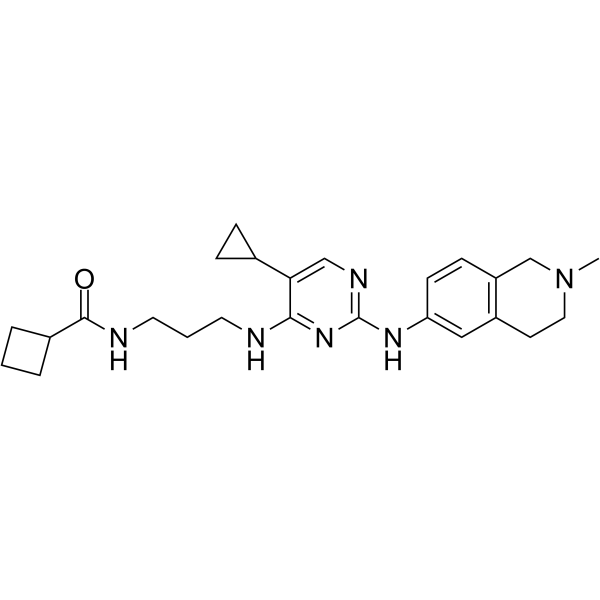 0 ImagesMRT68921 is a potent NUAK1/ULK1 dual inhibitor. MRT68921 inhibits ULK1 and ULK2 with IC50 values of 2.9 nM and 1.1 nM, respectively. MRT68921 can block cells autophagy and kill tumor cells by breaking the balance of oxidative stress signals. MRT68921 can inhibit cell proliferation and induce ROS production and apoptosis. MRT68921 can be used for the research of cancer, such as breast cancer.
-
Laduviglusib (GMP)
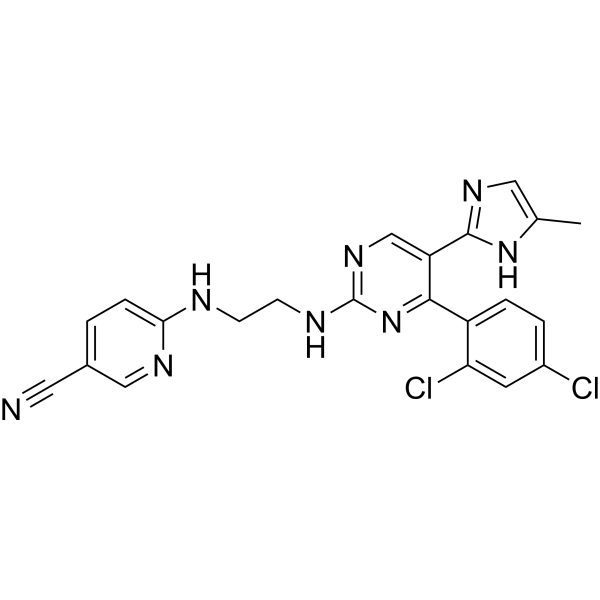 0 ImagesCat. No.: HY-10182GCAS No.: 252917-06-9Synonyms: CHIR-99021 (GMP); CT99021 (GMP)Laduviglusib (CHIR-99021) (GMP) is Laduviglusib (HY-10182) produced by using GMP guidelines. GMP small molecules works appropriately as an auxiliary reagent for cell therapy manufacture. Laduviglusib is a potent, orally active and selective GSK-3α/β inhibitor.
-
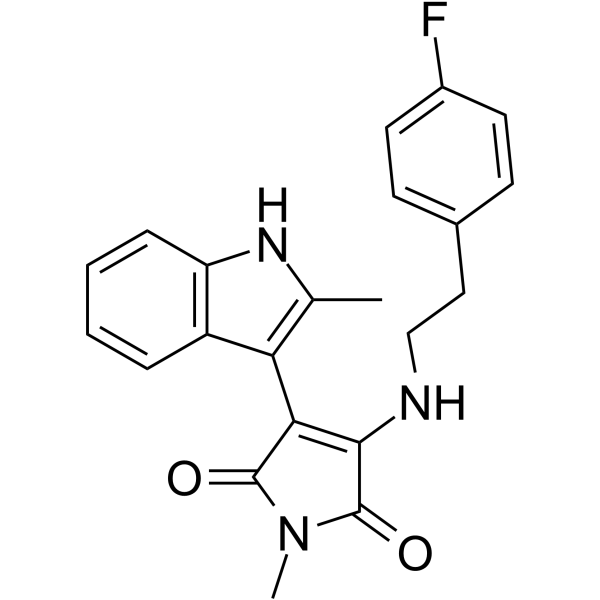
9-ING-41
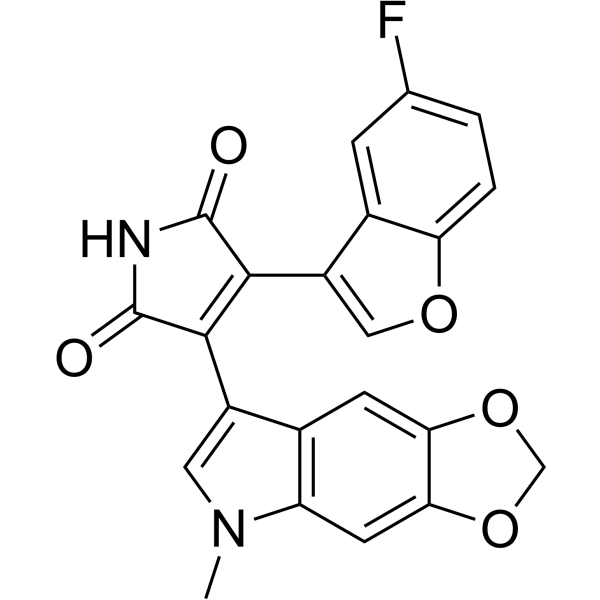 0 ImagesSynonyms: Elraglusib9-ING-41 (Elraglusib) is a maleimide-based ATP-competitive and selective glycogen synthase kinase-3β (GSK-3β) inhibitor with an IC50 of 0.71 μM. 9-ING-41 significantly leads to cell cycle arrest, autophagy and apoptosis in cancer cells. 9-ING-41 has anticancer activity and has the potential for enhancing the antitumor effects of chemotherapeutic agents.
-
Erlotinib Hydrochloride
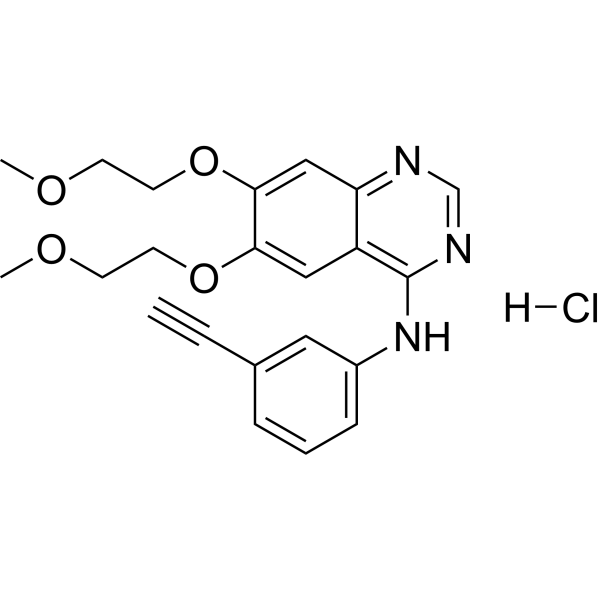 0 ImagesSynonyms: CP-358774 hydrochloride; NSC 718781 hydrochloride; OSI-774 hydrochlorideErlotinib (CP-358774) Hydrochloride is a selective, orally active EGFR tyrosine kinase inhibitor. Erlotinib Hydrochloride also acts as a substrate and inhibitor of OATP2B1, with an IC50 of approximately 0.079 μM for inhibiting OATP2B1-mediated uptake of estrone 3-sulfate. Erlotinib Hydrochloride blocks EGFR phosphorylation, downstream signal transduction, as well as the growth and proliferation of cancer cells. Erlotinib Hydrochloride inhibits MMP-10-mediated renal injury, fibrotic lesions, the ERK1/2, GSK-3β and β-catenin signaling pathways, as well as the deposition of fibronectin, α-SMA, collagen and renal injury markers. Erlotinib Hydrochloride is metabolized via CYP3A to produce the active metabolite OSI-420. Erlotinib Hydrochloride can be used in research related to non-small cell lung cancer, gastric cancer, papillary renal cell carcinoma, EGFR inhibitor resistance and renal fibrosis.
-
AR-A014418
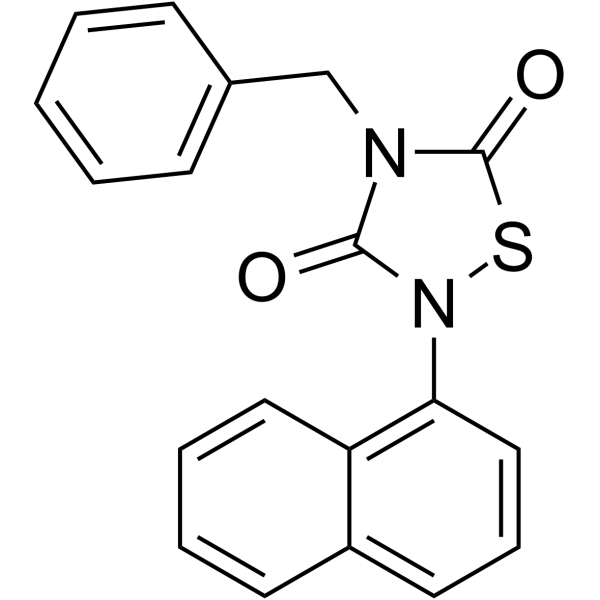
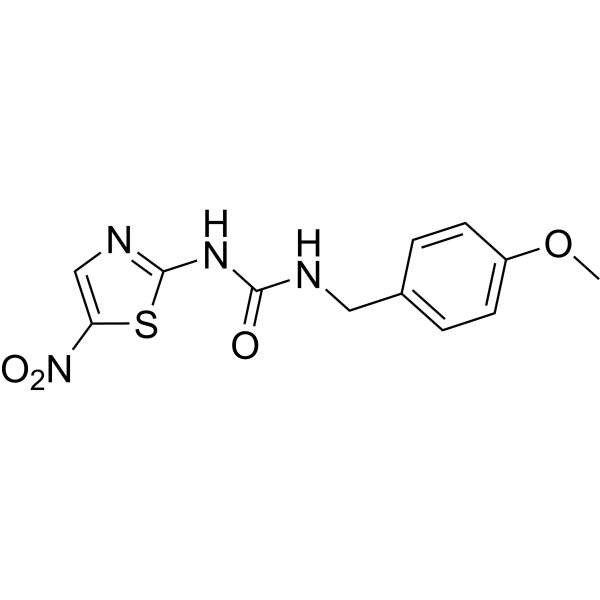 0 ImagesSynonyms: AR 0133418; GSK 3β inhibitor VIII; AR 014418AR-A014418 is a potent, selective and ATP-competitive GSK3β inhibitor (IC50=104 nM; Ki=38 nM).
-
MRT68921 dihydrochloride
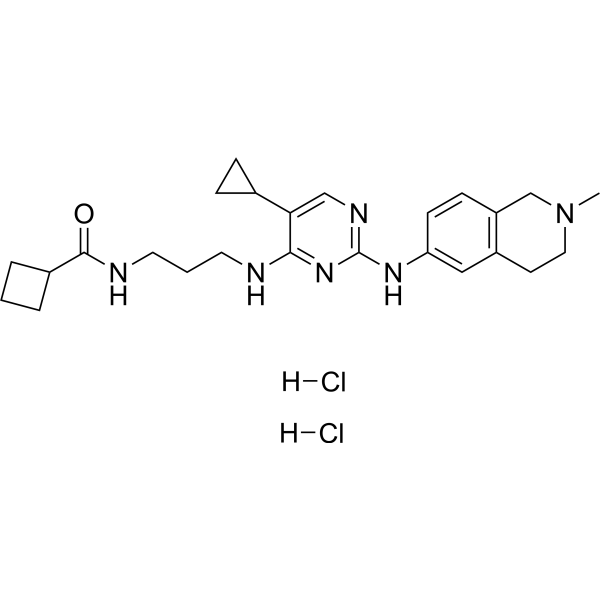 0 ImagesMRT68921 dihydrochloride is a potent NUAK1/ULK1 dual inhibitor. MRT68921 dihydrochloride inhibits ULK1 and ULK2 with IC50 values of 2.9 nM and 1.1 nM, respectively. MRT68921 dihydrochloride can block cells autophagy and kill tumor cells by breaking the balance of oxidative stress signals. MRT68921 dihydrochloride can inhibit cell proliferation and induce ROS production and apoptosis. MRT68921 dihydrochloride can be used for the research of cancer, such as breast cancer.