



RGB-286638 free base
Based on 3 publication(s) in Google Scholar
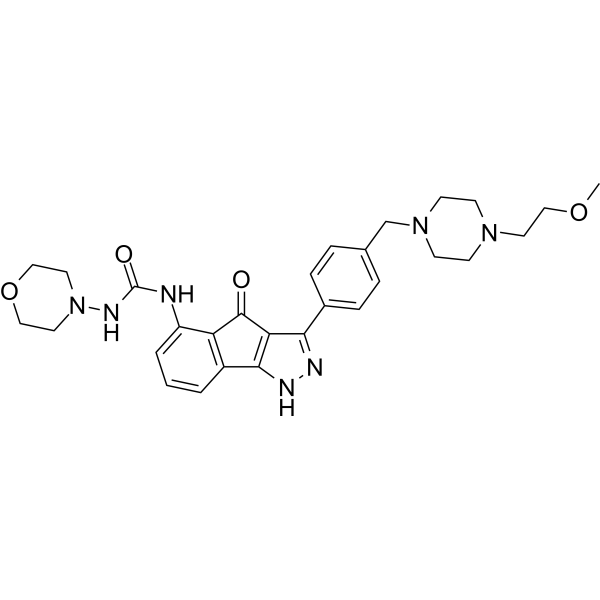
RGB-286638 free base is a potent inhibitor of CDK and MAPK9. RGB-286638 free base inhibits the activities of cyclin T1-CDK9, cyclin B1-CDK1, cyclin E-CDK2, cyclin D1-CDK4, cyclin E-CDK3 and p35-CDK5, with IC50 values of 1, 2, 3, 4, 5 and 5 nM, respectively. RGB-286638 free base inhibits GSK-3β and TAK1, with IC50 values of 3 nM and 5 nM, respectively. RGB-286638 free base induces caspase-dependent Apoptosis in cells. RGB-286638 free base delays tumor growth in an orthotopic glioblastoma mouse model. RGB-286638 free base extends survival in multiple myeloma models. RGB-286638 free base can be used in research related to glioblastoma and multiple myeloma.
For research use only. We do not sell to patients.
- Purity : 98.76%
- CAS No.: 784210-88-4
- Formula: C29H35N7O4
- Molecular Weight:545.63
-
Storage:Powder -20°C, 3 years , 4°C, 2 years ; In solvent -80°C, 2 years , -20°C, 1 year

To place orders, for customer services and technical support, please contact: MedChemExpress USA
Tel: 609-228-6898 E-mail: [email protected] [email protected]


-
 Biological Activity
-
Chemical Information
-
Solvent & Solubility
- Protocols
- Purity & Documentation
- References
-
 Help & FAQs


-
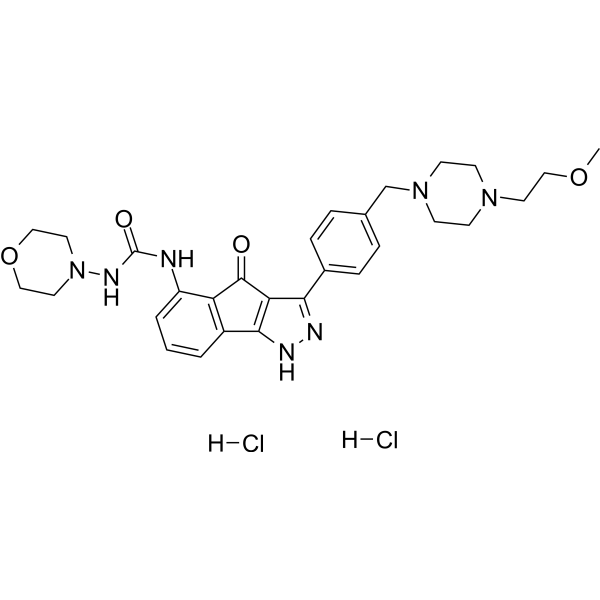
HY-15504
RGB-286638CDK/MAPK9 Inhibitor -
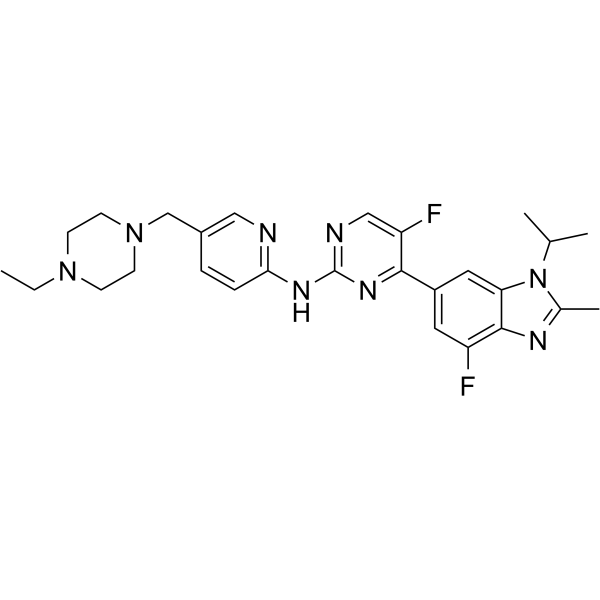
HY-16297A
AbemaciclibCDK4/6 Inhibitor -
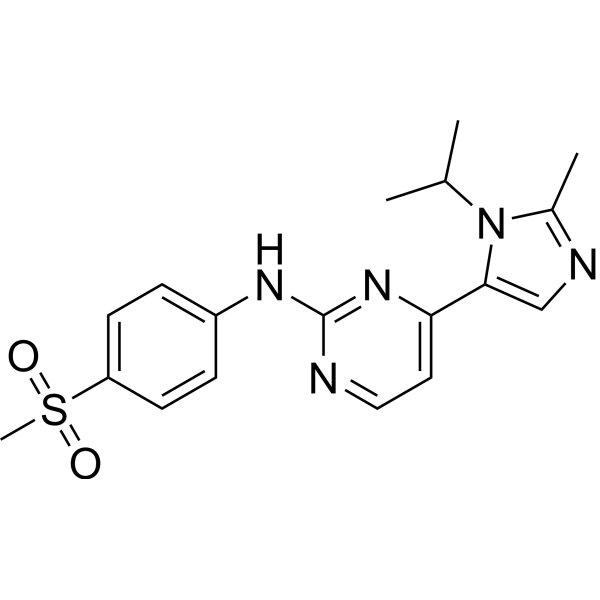
HY-10012
AZD-5438CDK1/2/9 Inhibitor -
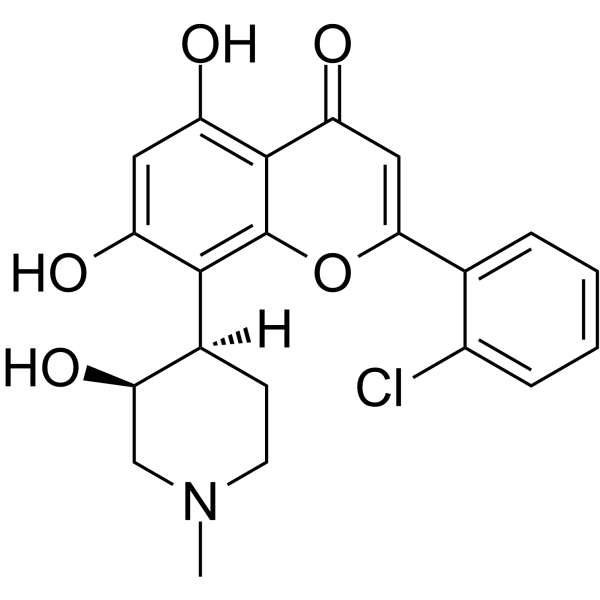
HY-10005
FlavopiridolCDK Inhibitor -
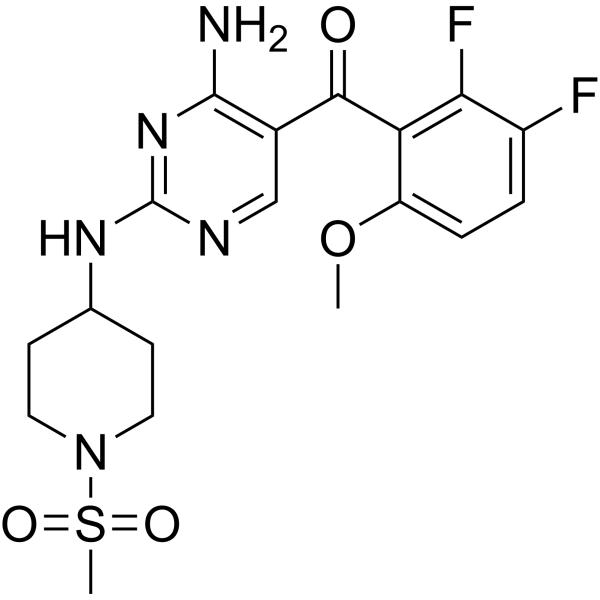
HY-10014
R547CDK Inhibitor -
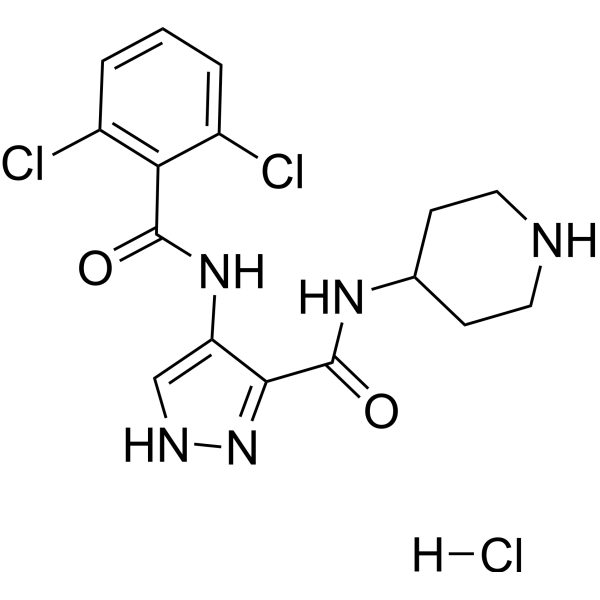
HY-50943
AT7519 HydrochlorideCDK Inhibitor -

HY-16297R
Abemaciclib methanesulfonate (Standard)CDK4/6 Inhibitor -
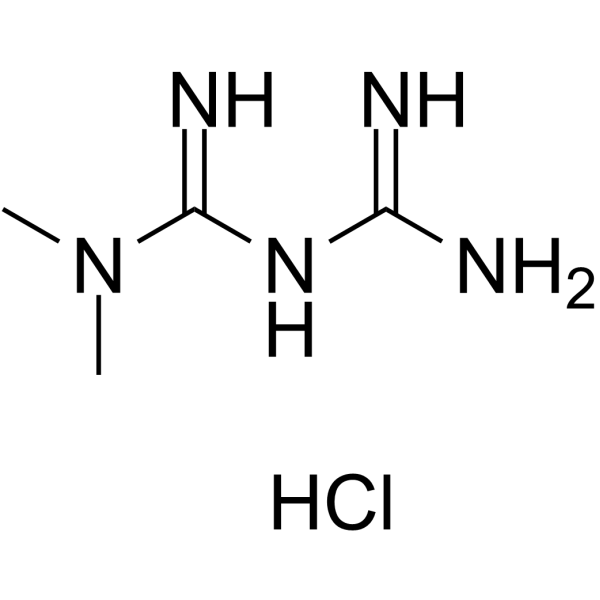
HY-17471A
Metformin hydrochlorideAntihyperglycemic Agent -
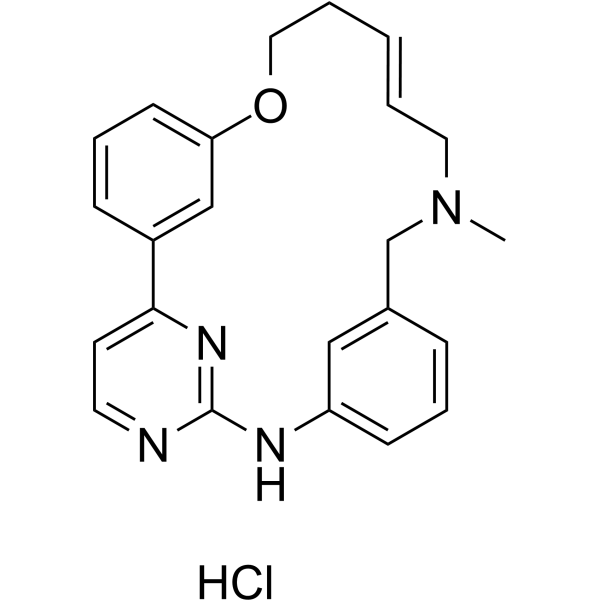
HY-15166A
(E/Z)-Zotiraciclib hydrochlorideCDK2/JAK2/FLT3 Inhibitor -
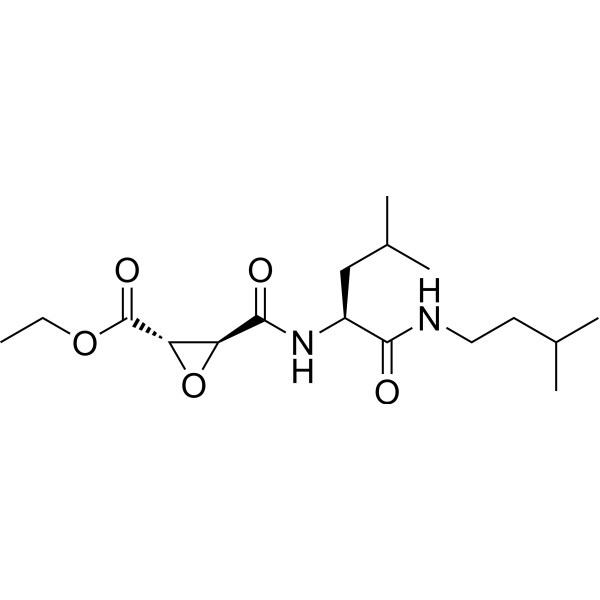
HY-100229
AloxistatinCysteine Protease Inhibitor -

HY-16297AR
Abemaciclib (Standard)CDK4/6 Inhibitor -
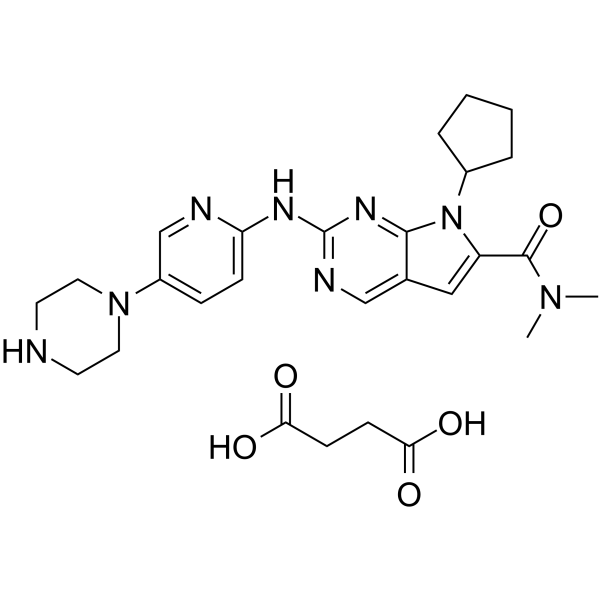
HY-15777B
Ribociclib succinateCDK4/6 Inhibitor
Publications Citing Use of MedChemExpress (MCE) RGB-286638 free base
MoreAll MEK Isoforms
More

Biological Activity
Description
IC50 & Target
[1]|
T1-CDK9 1 nM (IC50) |
cyclin B1-CDK1 2 nM (IC50) |
cyclin E-CDK2 3 nM (IC50) |
cyclin D1-CDK4 4 nM (IC50) |
cyclin E-CDK3 5 nM (IC50) |
p35-CDK5 5 nM (IC50) |
cyclin H-CDK7 44 nM (IC50) |
cyclin D3-CDK6 55 nM (IC50) |
GSK-3β 3 nM (IC50) |
JAK2 50 nM (IC50) |
MEK1 54 nM (IC50) |
JNK2 |
In Vitro
RGB-286638 (0-20 μM; 72 h) free base potently reduces viability in U87, U251, T98G, U138, GBM8, and a subset of GSC glioblastoma models, with IC50 values ranging from 0.01 to 0.03 μM[1].
MedChemExpress (MCE) has not independently confirmed the accuracy of these methods. They are for reference only. Further protocols information, click here.
-
Cell Line:U87, U251, T98G, U138, HT29, GBM8, patient-derived glioblastoma sphere cultures (GSCs)
-
Concentration:0-20 μM
-
Incubation Time:72 h
-
Result:Induced near-complete viability inhibition in U87, U251, T98G, U138, and HT29 cell lines, with IC50 values ranging from 0.01 to 0.03 μM.
Caused approximately one-third of GSC models to show high sensitivity matching established cell lines, one-third to show incomplete response with 5-30% viability after exposure to 1 μM, and one-third to show resistance.
In Vivo
RGB-286638 (30-40 mg/kg; i.v.; daily; 5 consecutive days) free base achieves a log10 cell kill of 1.6, maximum tumor growth inhibition of 85.06-86.34%, and prolonged survival in a mouse multiple myeloma xenograft model[2].
MedChemExpress (MCE) has not independently confirmed the accuracy of these methods. They are for reference only.
-
Animal Model:athymic nude-Fox1nu (female, 6-8 weeks old, orthotopic glioblastoma model via intracranial injection of luciferase- and mCherry-expressing GBM8 primary GBM cells)[1]
-
Dosage:40 mg/kg
-
Administration:i.v.; daily; 5 consecutive days
-
Result:Reduced in vivo luminescence signals (tumor growth measure) significantly compared to vehicle and control groups.
Showed no significant difference in median overall survival (53 days) versus vehicle-treated mice (47 days).
-
Animal Model:CB-17 severe combined immunodeficient (SCID) (male, 5-6 weeks old, irradiated with 2 Gy 24 hours prior to subcutaneous inoculation of MM.1S cells)[2]
-
Dosage:30 mg/kg; 40 mg/kg
-
Administration:i.v.; daily; 5 consecutive days
-
Result:Achieved a maximum tumor growth inhibition (TGI) of 85.06% at day 14 post-treatment.
Achieved a maximum tumor growth inhibition (TGI) of 86.34% at day 14 post-treatment.
Achieved a log10 cell kill of 1.6.
Prolonged survival, with the first death occurring at day 43 compared to day 24 in controls.
Caused maximum body weight loss of 8.4% at day 5, with subsequent weight recovery within two weeks.
Caused maximum body weight loss of 9.9% at day 15, with subsequent weight recovery within two weeks.
Resulted in no toxic deaths during the study.


Chemical Information
-
CAS No. 784210-88-4
-
Appearance Solid
-
Molecular Weight 545.63
-
Formula C29H35N7O4
-
Color Light yellow to green yellow
-
SMILES
O=C(NN1CCOCC1)NC2=CC=CC(C3=C4C(C5=CC=C(CN6CCN(CCOC)CC6)C=C5)=NN3)=C2C4=O
-
Shipping
Room temperature in continental US; may vary elsewhere.
-
Storage
Powder -20°C 3 years 4°C 2 years In solvent -80°C 2 years -20°C 1 year


Publications (3)
-
Journal Impact Factor
-
Most Recent
-
Science
2017 Dec 1;358(6367):eaan4368. PMID: 29191878 -
Cancers (Basel)
Identification of New Vulnerabilities in Conjunctival Melanoma Using Image-Based High Content Drug Screening. [Abstract]2022 Mar 19;14(6):1575. PMID: 35326726 -


Solvent & Solubility
In Vitro:
DMSO : 100 mg/mL (183.27 mM; Need ultrasonic and warming; Hygroscopic DMSO has a significant impact on the solubility of product, please use newly opened DMSO)
Ethanol : < 1 mg/mL (insoluble)
Please refer to the solubility information to select the appropriate solvent. Once prepared, please aliquot and store the solution to prevent product inactivation from repeated freeze-thaw cycles.
Storage method and period of stock solution: -80°C, 2 years; -20°C, 1 year. When stored at -80°C, please use it within 2 years. When stored at -20°C, please use it within 1 year.
Please refer to the solubility information to select the appropriate solvent. Once prepared, please aliquot and store the solution to prevent product inactivation from repeated freeze-thaw cycles.
Storage method and period of stock solution: -80°C, 2 years; -20°C, 1 year. When stored at -80°C, please use it within 2 years. When stored at -20°C, please use it within 1 year.
Concentration (start) × Volume (start) = Concentration (final) × Volume (final)
In Vivo:
Select the appropriate dissolution method based on your experimental animal and administration route.
- For the following dissolution methods, please ensure to first prepare a clear stock solution using an In Vitro approach and then sequentially add co-solvents:
- To ensure reliable experimental results, the clarified stock solution can be appropriately stored based on storage conditions. As for the working solution for In Vivo experiments, it is recommended to prepare freshly and use it on the same day.
- The percentages shown for the solvents indicate their volumetric ratio in the final prepared solution. If precipitation or phase separation occurs during preparation, heat and/or sonication can be used to aid dissolution.
Add each solvent one by one: 10% DMSO 40% PEG300 5% Tween-80 45% Saline
Solubility: ≥ 5 mg/mL (9.16 mM); Clear solution
This protocol yields a clear solution of ≥ 5 mg/mL (saturation unknown).
Taking 1 mL working solution as an example, add 100 μL DMSO stock solution (50.0 mg/mL) to 400 μL PEG300, and mix evenly; then add 50 μL Tween-80 and mix evenly; then add 450 μL Saline to adjust the volume to 1 mL.
Preparation of Saline: Dissolve 0.9 g sodium chloride in ddH₂O and dilute to 100 mL to obtain a clear Saline solution.
Add each solvent one by one: 10% DMSO 90% (20% SBE-β-CD in Saline)
Solubility: ≥ 5 mg/mL (9.16 mM); Clear solution
This protocol yields a clear solution of ≥ 5 mg/mL (saturation unknown).
Taking 1 mL working solution as an example, add 100 μL DMSO stock solution (50.0 mg/mL) to 900 μL 20% SBE-β-CD in Saline, and mix evenly.
Preparation of 20% SBE-β-CD in Saline (4°C, storage for one week): 2 g SBE-β-CD powder is dissolved in 10 mL Saline, completely dissolve until clear.
For the following dissolution methods, please prepare the working solution directly:
It is recommended to prepare fresh solutions and use them promptly within a short period of time.
The percentages shown for the solvents indicate their volumetric ratio in the final prepared solution. If precipitation or phase separation occurs during preparation, heat and/or sonication can be used to aid dissolution.
Add each solvent one by one: 17% Solutol HS-15 in Saline
Solubility: 10 mg/mL (18.33 mM); Suspended solution; Need ultrasonic
In Vivo Dissolution Calculator
Please enter the basic information of animal experiments:
-
-
-
-
Recommended: Prepare an additional quantity of animals to account for potential losses during experiments.
Please enter your animal formula composition:
-
%DMSO +
Recommended: Keep the proportion of DMSO in working solution below 2% if your animal is weak.
-
%+
-
+%Tween-80 + +
-
%Saline +
The co-solvents required include: DMSO, . All of co-solvents are available by MedChemExpress (MCE). , Tween 80. All of co-solvents are available by MedChemExpress (MCE).
Working solution concentration: 0.22 mg/mL
Method for preparing stock solution: mg drug dissolved in μL DMSO. Stock solution concentration: mg/mL.
1. Take μL DMSO stock solution;
2. Add μL .
μL , mix evenly;
3. Then add μL Tween 80, mix evenly;
4. Then add μL
Please ensure that the stock solution in the first step is dissolved to a clear state, and add co-solvents in sequence. You can use ultrasonic heating (ultrasonic cleaner, recommended frequency 20-40 kHz), vortexing, etc. to assist dissolution.

Protocols
-
Apoptosis
Apoptosis, also called programmed cell death, is generally characterized by distinct morphological characteristics.
-
TUNEL staining for apoptotic DNA fragmentation
TUNEL staining detects DNA strand breaks by using terminal deoxynucleotidyl transferase to add labeled nucleotides to exposed 3′-OH DNA termini, generating either microscopic staining in fixed cells or tissue sections, or fluorescence/cytometric signal in cell suspensions. TUNEL positivity reflects DNA fragmentation but should not be interpreted alone as definitive apoptosis, because TUNEL can also label necrotic, autolytic, mechanically damaged, or DNA-repair-associated DNA breaks.
-
Cell Cytotoxicity Assay
Cytotoxicity assays are usually based on the assessment of cell membrane damage, which can also be indirectly detected by measuring cell viability. Detection methods include MTT assay, CKK-8 assay, LDH assay and ATP assay, etc.
-
Annexin V plus membrane-impermeant dye apoptosis staining
Annexin V-based apoptosis assays rely on the detection of phosphatidylserine (PS) externalization from the inner leaflet of the plasma membrane to the outer leaflet, an early biochemical hallmark of apoptosis. Fluorescently labeled Annexin V binds PS in a calcium-dependent manner, enabling identification of early apoptotic cells by flow cytometry or fluorescence microscopy. When combined with a membrane-impermeant DNA-binding dye (e. g. , propidium iodide), this approach allows discrimination between viable (Annexin V−/dye−), early apoptotic (Annexin V+/dye−), and late apoptotic or necrotic (Annexin V+/dye+) cell populations by assessing membrane integrity and PS exposure.
-
Patient-Derived Xenograft (PDX)
Patient-derived xenograft (PDX) models are generated by engrafting primary human tumor tissue directly into immunodeficient mice, allowing in vivo propagation of patient tumor biology without initial in vitro adaptation. These models are used to preserve key histopathological and molecular characteristics of the original tumor and enable assessment of tumor growth dynamics and therapeutic response in a living organism. The biological readout is tumor engraftment and subsequent growth in the murine host, which reflects the ability of human tumor cells to survive, vascularize, and expand in an immunocompromised microenvironment.
-
Apoptosis Solutions
Apoptosis is a regulated, generally non-lytic cell-death pathway that removes unwanted, damaged, infected, or abnormal cells through coordinated morphological changes, caspase activation, DNA fragmentation, and membrane remodeling. The intrinsic apoptosis pathway is controlled mainly by mitochondrial outer membrane permeabilization, BCL-2 family proteins, cytochrome c release, apoptosome formation, caspase-9 activation, and downstream executioner caspase-3/7 activation. The extrinsic apoptosis pathway is initiated by death receptors such as Fas, TNFR, and TRAIL receptors, which recruit adaptor proteins and activate caspase-8 before engaging executioner caspases or mitochondrial amplification through BID cleavage. Apoptosis is linked to many phenotypes, including cancer cell killing, tissue homeostasis, immune regulation, neurodegeneration, infection response, and treatment-induced cytotoxicity; unresolved questions include how apoptosis interacts with necroptosis, pyroptosis, ferroptos
-
Patient-Derived Orthotopic Xenograft (PDOX)
Patient-derived orthotopic xenograft (PDOX) modeling implants fresh patient tumor tissue or patient-derived tumor cells into the anatomically corresponding organ or tissue site of immunodeficient mice, usually by surgical orthotopic implantation, to preserve patient tumor histology, local microenvironmental context, invasion, metastatic behavior, and treatment-response features better than subcutaneous implantation. PDOX readouts include tumor engraftment, orthotopic tumor growth, local invasion, metastasis, recurrence after resection, histologic similarity to the donor tumor, biomarker retention, molecular concordance, survival, and response or resistance to therapy. PDOX models are used for preclinical drug testing and individualized therapy evaluation, but engraftment success varies by tumor type and specimen quality.
-
Subcutaneous Cell-Line-Derived Xenograft
Subcutaneous cell-line-derived xenograft (CDX) models are established by implanting cultured human cancer cell lines into immunodeficient mice, where the injected cells form localized tumors that can be monitored in vivo as a measure of tumorigenic potential, growth kinetics, and treatment response. These models are widely used in oncology research because they allow reproducible tumor formation and enable comparative assessment of tumor growth between different cell lines or genetic manipulations in a controlled in vivo microenvironment. Subcutaneous implantation of cancer cells in immunodeficient mice is a standard approach for evaluating tumor growth behavior and therapeutic response across multiple cancer types, including prostate, esophageal, pancreatic, and colon cancer models.
-
Orthotopic Cell-Line Xenograft
Orthotopic cell-line xenograft models involve implantation of human cancer cell lines into the anatomically corresponding organ of immunodeficient mice to reproduce tumor growth within a native microenvironment, enabling more clinically relevant tumor behavior compared with subcutaneous models. These models are widely used because orthotopic placement better recapitulates tumor progression, including invasion and metastatic spread, which are often underrepresented in heterotopic implantation systems. Compared with conventional xenografts, orthotopic implantation is described as more technically complex but provides improved simulation of tumor-microenvironment interactions and metastatic behavior, making it particularly valuable for translational oncology research. Surgical orthotopic implantation approaches have been emphasized as enabling faithful reproduction of clinical cancer features, including metastasis and disease progression patterns that align with the tumor’s organ of origi
-
How to Choose the Right Model Animal
Choosing the right model animal is a validity-driven decision in which the species, strain, sex, age, genetic background, disease-induction method, outcome measures, and welfare burden must match the scientific question rather than laboratory tradition or convenience. A model should be selected by judging face validity, construct validity, and predictive validity: whether it resembles the human phenotype, whether it reproduces relevant mechanisms, and whether results are likely to predict human biology or treatment response. Animal studies often fail to translate because of species differences, weak disease resemblance, poor experimental design, inadequate reporting, publication bias, and underuse of randomization, blinding, and sample-size justification. Unresolved questions include how to rank competing models objectively, how much human-disease complexity must be reproduced for a given objective, and when non-animal systems such as organoids, ex vivo tissue, or computational models


Purity & Documentation
-
Data Sheet (289 KB)
-
SDS (254 KB)
- English - EN (254 KB)
- Français - FR (254 KB)
- Deutsch - DE (254 KB)
- Norwegian - NO (254 KB)
- Español - ES (254 KB)
- Swedish - SV (254 KB)
- Italian - IT (254 KB)
- Korean - KR (254 KB)
- Portuguese - PT (254 KB)
-
Handling Instructions (2659 KB)
References


Complete Stock Solution Preparation Table
Please refer to the solubility information to select the appropriate solvent. Once prepared, please aliquot and store the solution to prevent product inactivation from repeated freeze-thaw cycles.
Storage method and period of stock solution: -80°C, 2 years; -20°C, 1 year. When stored at -80°C, please use it within 2 years. When stored at -20°C, please use it within 1 year.
| Optional Solvent | Concentration Solvent Mass | 1 mg | 5 mg | 10 mg | 25 mg |
|---|---|---|---|---|---|
| DMSO | 1 mM | 1.8327 mL | 9.1637 mL | 18.3274 mL | 45.8186 mL |
| 5 mM | 0.3665 mL | 1.8327 mL | 3.6655 mL | 9.1637 mL | |
| 10 mM | 0.1833 mL | 0.9164 mL | 1.8327 mL | 4.5819 mL | |
| 15 mM | 0.1222 mL | 0.6109 mL | 1.2218 mL | 3.0546 mL | |
| 20 mM | 0.0916 mL | 0.4582 mL | 0.9164 mL | 2.2909 mL | |
| 25 mM | 0.0733 mL | 0.3665 mL | 0.7331 mL | 1.8327 mL | |
| 30 mM | 0.0611 mL | 0.3055 mL | 0.6109 mL | 1.5273 mL | |
| 40 mM | 0.0458 mL | 0.2291 mL | 0.4582 mL | 1.1455 mL | |
| 50 mM | 0.0367 mL | 0.1833 mL | 0.3665 mL | 0.9164 mL | |
| 60 mM | 0.0305 mL | 0.1527 mL | 0.3055 mL | 0.7636 mL | |
| 80 mM | 0.0229 mL | 0.1145 mL | 0.2291 mL | 0.5727 mL | |
| 100 mM | 0.0183 mL | 0.0916 mL | 0.1833 mL | 0.4582 mL |


RGB-286638 free base Related Classifications
HY-15504A Related Classifications
 Powered by Bioz