



CLK
CLKs (Cdc2-like kinases) belong to the dual-specificity protein kinase family and regulate transcript splicing through phosphorylation of SR proteins[1]. Mechanistically, CLK activity supports spliceosome molecular machinery and alternative pre-mRNA splicing, processes linked to cancer, neurodegeneration, inflammation, viral replication, and Duchenne muscular dystrophy[1]. In cellular models, CLK inhibitors reduce phosphorylated SR proteins, alter pre-mRNA splicing, suppress cancer cell growth, and induce apoptosis[2]. Compared with related isoforms, CLK1-CLK4 share splicing-control functions, but inhibitor selectivity remains difficult, especially because many CLK1 inhibitors also target CLK4, DYRK kinases, or haspin[3]. Structural studies show that CX-4945 inhibits CLK1, CLK2, and CLK3, with the strongest inhibitory effect on CLK2, supporting isoform-aware inhibitor design[4]. For experimental applications, TG003 suppresses CLK-mediated phosphorylation, SR-protein phosphorylation, nuclear-speckle dissociation, and CLK1-dependent alternative splicing in mammalian cells[5].
参考文献:
- [1]. Song M, et al. Cdc2-like kinases: structure, biological function, and therapeutic targets for diseases. Signal Transduct Target Ther. 2023 Apr 7;8(1):148. [Content Brief]
- [2]. Araki S, et al. Inhibitors of CLK protein kinases suppress cell growth and induce apoptosis by modulating pre-mRNA splicing. PLoS One. 2015 Jan 12;10(1):e0116929. [Content Brief]
- [3]. ElHady AK, et al. An overview of cdc2-like kinase 1 (Clk1) inhibitors and their therapeutic indications. Med Res Rev. 2023 Mar;43(2):343-398. [Content Brief]
- [4]. Lee JY, et al. Structural Basis for the Selective Inhibition of Cdc2-Like Kinases by CX-4945. Biomed Res Int. 2019 Aug 18;2019:6125068. [Content Brief]
- [5]. Muraki M, et al. Manipulation of alternative splicing by a newly developed inhibitor of Clks. J Biol Chem. 2004 Jun 4;279(23):24246-54. [Content Brief]
All Product Categories
-
CLK 関連製品 (31)
関連製品 (31)

- 1
- 2
-
T025
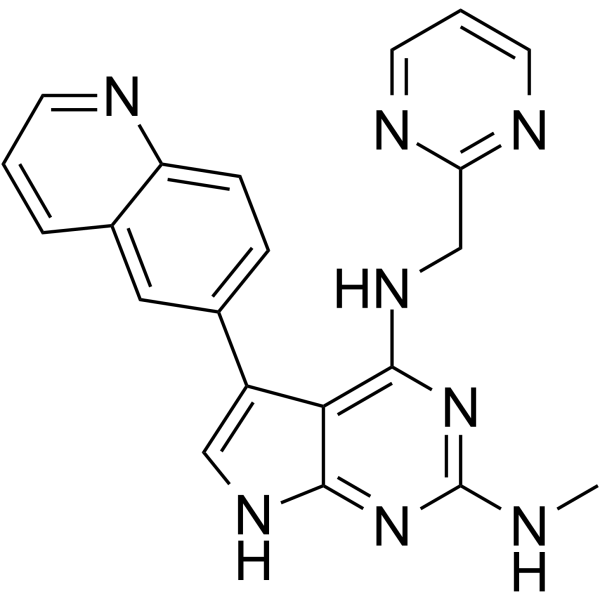 0 ImagesT025 is an orally active and highly potent inhibitor of Cdc2-like kinase (CLKs), with Kd values of 4.8, 0.096, 6.5, 0.61, 0.074, 1.5 and 32 nM for CLK1, CLK2, CLK3, CLK4, DYRK1A, DYRK1B and DYRK2, respectively. T025 induces caspase-3/7-mediated cell apoptosis. T025 reduces CLK-dependent phosphorylation. T025 exerts anti-proliferative activities in both hematological and solid cancer cell lines (IC50 values: 30-300 nM). T025 has an anti-tumor efficiency, mainly for MYC-driven disease research.
-
CDD-2807
 0 ImagesCDD-2807 is a blood-testis barrier-penetrant STK33 inhibitor (Kd = 0.02 nM). CDD-2807 acts by impairing sperm motility and hyperactivation, while inhibiting off-target kinases such as CLK4 (Kd = 0.9 nM), CLK2 (Ki = 1.3 nM), RET (Ki = 0.3 nM), and CLK1 (Ki = 3.1 nM). CDD-2807 can be used in research on reversible male contraception.
-
AP4-43
 0 Images製品番号: HY-183068純度: 99.76%AP4-43 is an orally active CLK1, CLK4, PI3K, DDR1, EGFR and NEK4 inhibitor. AP4-43 reduces growth of mammalian colorectal cancer organoids. AP4-43 improves survival in a transgenic Drosophila model of KRAS-mutant colorectal cancer. AP4-43 can be used for the research of KRAS-mutant colorectal cancer.
-
DYRK2-IN-2 hydrochloride
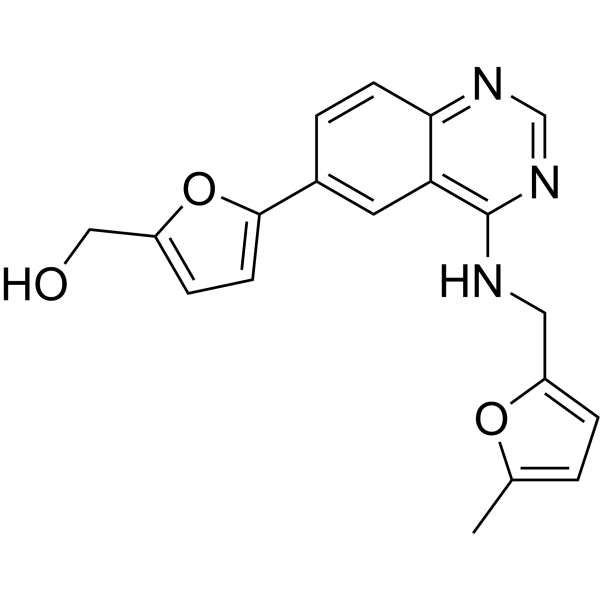
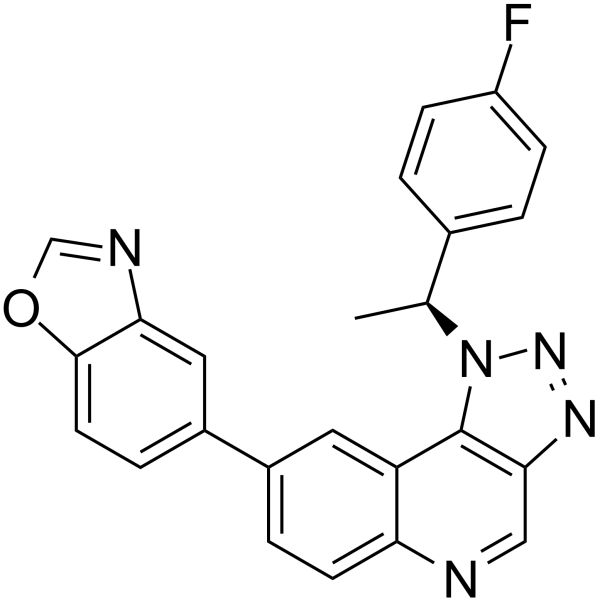
 0 Images製品番号: HY-402805ADYRK2-IN-2 hydrochloride is a selective DYRK2 inhibitor with an IC50 of 40.3 nM. DYRK2-IN-2 hydrochloride shows weaker inhibitory activity against DYRK1A (IC50 = 1842 nM), DYRK1B (IC50 = 1335 nM), DYRK4 (IC50 = 1931 nM), DYRK3 (IC50 = 112 nM) and CLK (IC50 = 540-6496 nM). DYRK2-IN-2 hydrochloride inhibits the phosphorylation of Thr212 in Tau protein. DYRK2-IN-2 hydrochloride is applicable for neuronal research.
-
Leucettine L41
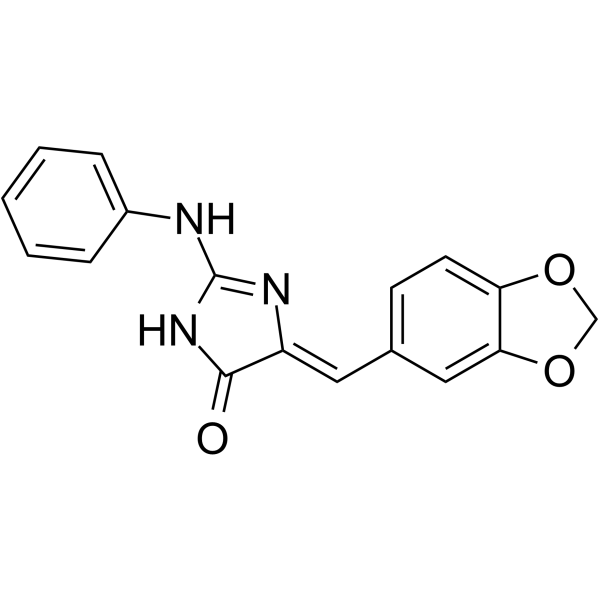 0 ImagesLeucettine L41 is a potent inhibitor of dual-specificity tyrosine phosphorylation-regulated kinases (DYRKs) and CDC-like kinases (CLKs). Leucettine L41 can also inhibit GSK-3 singnaling. Leucettine L41 can inhibit cell apoptosis and ROS production. Leucettine L41 can promote β-cell cell cycle progression, cell proliferation and increase insulin secretion. Leucettine L41 can be used for the researches of neurological disease and metabolic disease, such as Alzheimer’s disease (AD) and diabetes.
-
KH-CB19
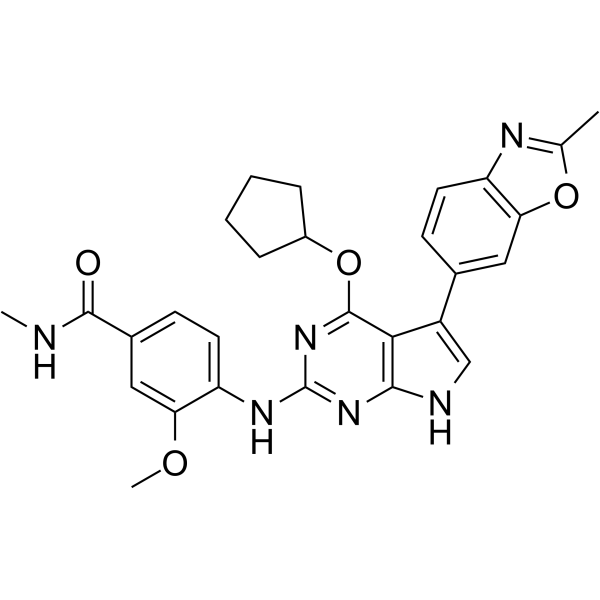
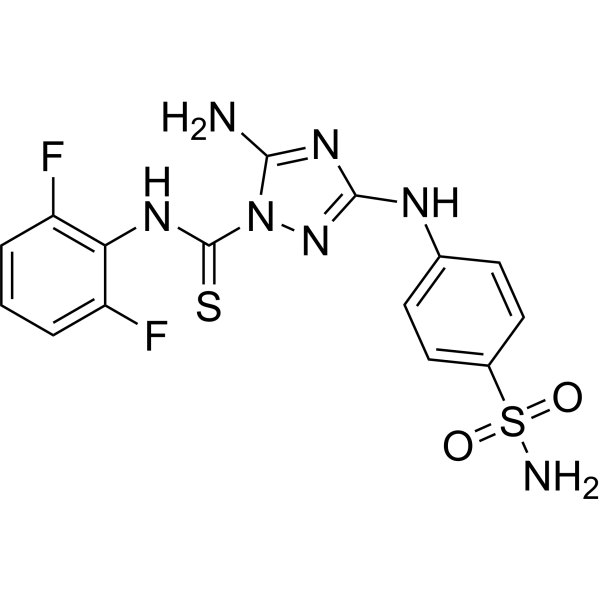
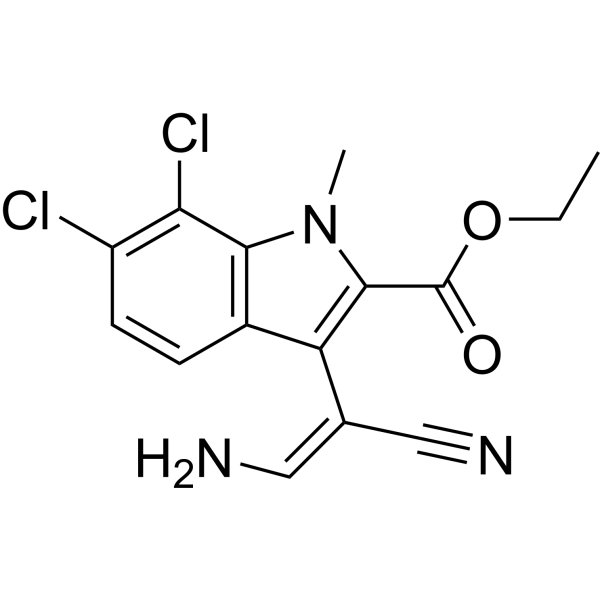 0 ImagesKH-CB19 is a potent CLK (cdc2-like kinase) inhibitor (CLK1 IC50=19.7 nM; CLK3 IC50=530 nM). KH-CB19 shows antiviral activity and inhibits influenza virus replication (IC50=13.6?μM).
-
MU1210
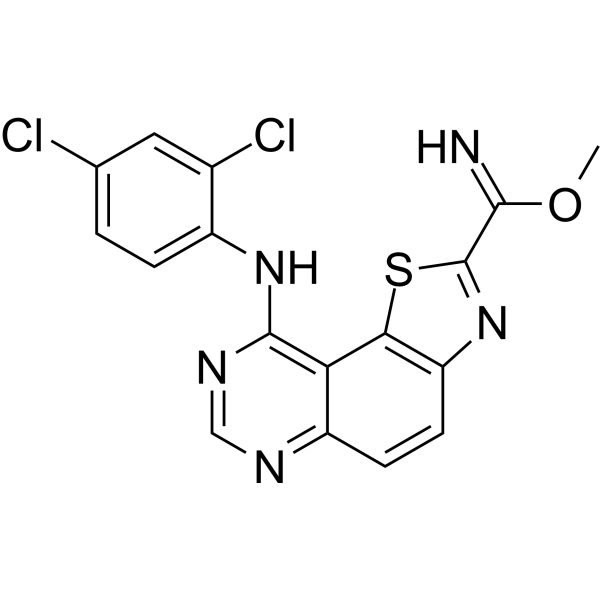
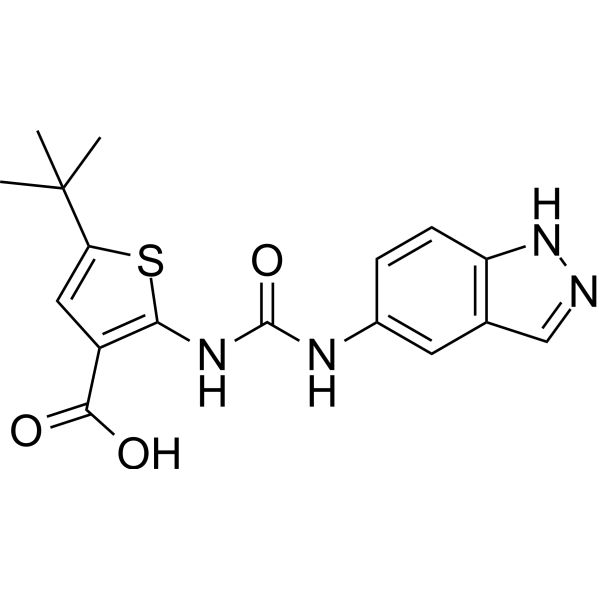
 0 ImagesMU1210 (compound 12f), a chemical probe, is an inhibitor of CDC-like kinases Clk1, Clk2, and Clk4 (with IC50 values of 8, 20, and 12 nM respectively), with IC50 for HIPK1 and DYRK2 are 187 and 1309 nM. MU1210 also has favorable pharmacokinetic characteristics (in mice, 10 mg/kg, intraperitoneal injection: Cmax=1.24 μM, T1/2=58 minutes; no acute toxicity observed).
-
CLK1-IN-3
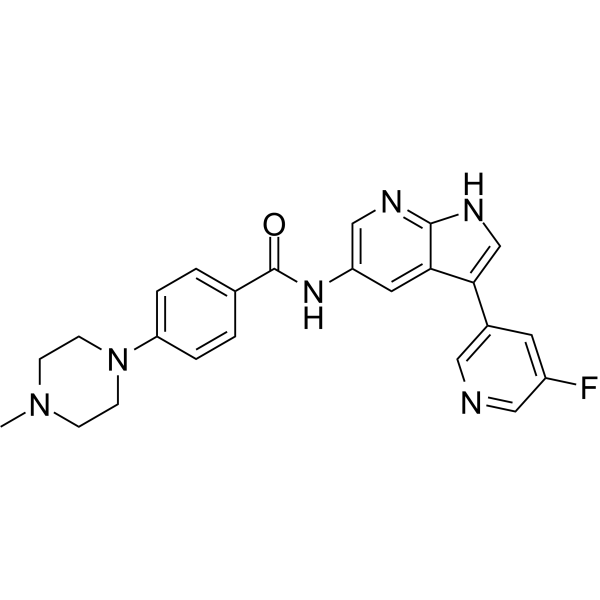 0 ImagesCLK1-IN-3 (compound 10ad) is a potent and selective Clk1 inhibitor, with an IC50 of 5 nM and over 300-fold selectivity for Dyrk1A. CLK1-IN-3 also shows a relatively potent inhibition against Clk2 and Clk4, with IC50 values of 42 and 108 nM, respectively. CLK1-IN-3 potently induces autophagy in vitro. CLK1-IN-3 can be used for acute liver injury (ALI) research.
-
HS-243
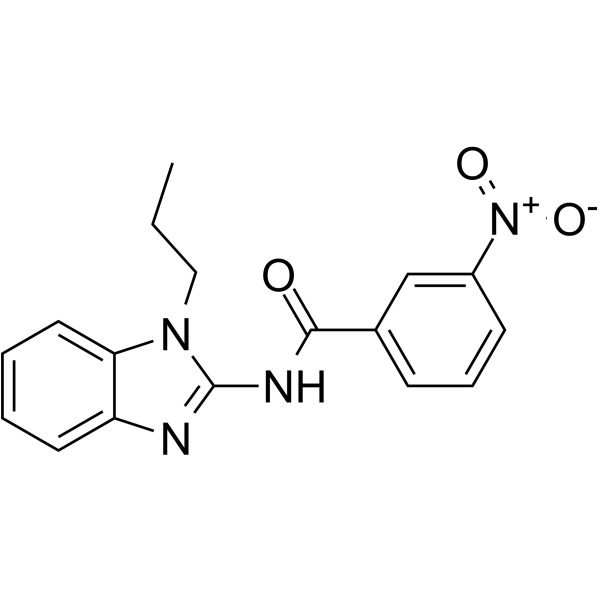 0 ImagesHS-243 is a potent and selective IRAK-4 and IRAK-1 inhibitor, with IC50 values of 20 and 24 nM. HS-243 shows minimal TAK1 (transforming growth factor β-activated kinase 1) inhibition activity, with a IC50 of 0.5 μM. HS-243 shows anti-inflammatory and anticancer activity.
- 1
- 2



