



CDK1
CDK1 (cyclin-dependent kinase 1) is a highly conserved serine/threonine kinase that functions as a central regulator of eukaryotic cell-cycle progression through cyclin-dependent substrate phosphorylation, particularly during G2/M transition and mitosis[1][2]. Mechanistically, CDK1 forms active complexes with cyclins and coordinates centrosome dynamics, chromosome segregation, spindle organization, and mitotic progression through phosphorylation-dependent signaling networks[2][3]. CDK1 also regulates translational control during mitosis by directly phosphorylating key components of the protein synthesis machinery, including 4E-BP1, thereby linking cell-cycle progression with cellular growth programs[4][5]. In disease models, aberrant CDK1 activity contributes to tumor-cell proliferation, and elevated dependence on CDK1-mediated mitotic signaling has supported its investigation as a therapeutic target across multiple malignancies[6][7]. Compared with related cyclin-dependent kinase isoforms, CDK1 is distinguished by its indispensable role in driving mitotic entry and execution, making it a critical node for cell-cycle control and experimental interrogation of mitotic mechanisms[1][2]. For experimental applications, the ATP-competitive inhibitor RO-3306 is widely used to achieve reversible CDK1 suppression, inducing G2/M arrest and enabling mechanistic studies of mitotic regulation, DNA-damage responses, apoptosis, and cancer-cell vulnerability[6][8]. Furthermore, pharmacological inhibition of CDK1 blocks phosphorylation-dependent oncogenic functions of downstream substrates, including SET isoform 1, which regulates mitotic fidelity, cell migration, invasion, and tumor growth in cellular and xenograft models[3][6].
References:
- [1]. Wikipedia.
- [2]. Łukasik P, et al. Cyclin-Dependent Kinases (CDK) and Their Role in Diseases Development-Review. Int J Mol Sci. 2021 Mar 13;22(6):2935. [Content Brief]
- [3]. Yin L, et al. Cyclin-dependent kinase 1-mediated phosphorylation of SET at serine 7 is essential for its oncogenic activity. Cell Death Dis. 2019 May 16;10(6):385. [Content Brief]
- [4]. Jin Z, et al. Compartmentation of Metabolism of the C12-, C9-, and C5-n-dicarboxylates in Rat Liver, Investigated by Mass Isotopomer Analysis: ANAPLEROSIS FROM DODECANEDIOATE. J Biol Chem. 2015 Jul 24;290(30):18671-7. [Content Brief]
- [5]. Velásquez C, et al. Mitotic protein kinase CDK1 phosphorylation of mRNA translation regulator 4E-BP1 Ser83 may contribute to cell transformation. Proc Natl Acad Sci U S A. 2016 Jul 26;113(30):8466-71. [Content Brief]
- [6]. Kojima K, et al. Cyclin-dependent kinase 1 inhibitor RO-3306 enhances p53-mediated Bax activation and mitochondrial apoptosis in AML. Cancer Sci. 2009 Jun;100(6):1128-36. [Content Brief]
- [7]. Shi Z, et al. From Structure Modification to Drug Launch: A Systematic Review of the Ongoing Development of Cyclin-Dependent Kinase Inhibitors for Multiple Cancer Therapy. J Med Chem. 2022 May 12;65(9):6390-6418. [Content Brief]
-
CDK1 Related Products (195)
Related Products (195)

-
Recombinant Proteins (9)
-
Antibodies (3)
-
Abemaciclib
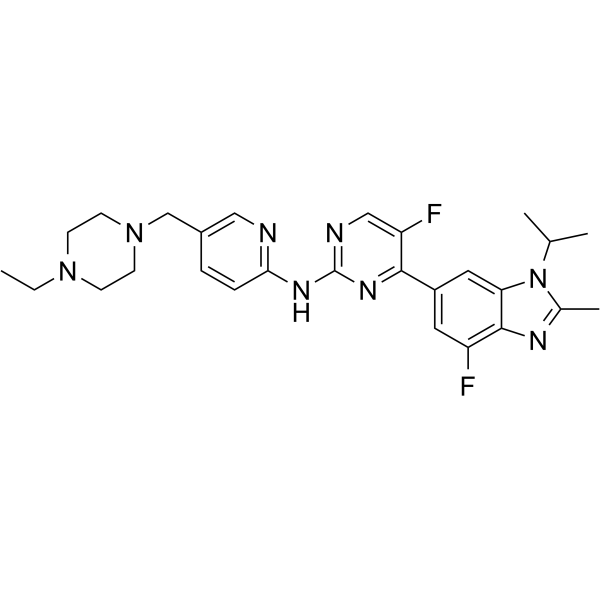 0 ImagesSynonyms: LY2835219
-
(R)-Roscovitine
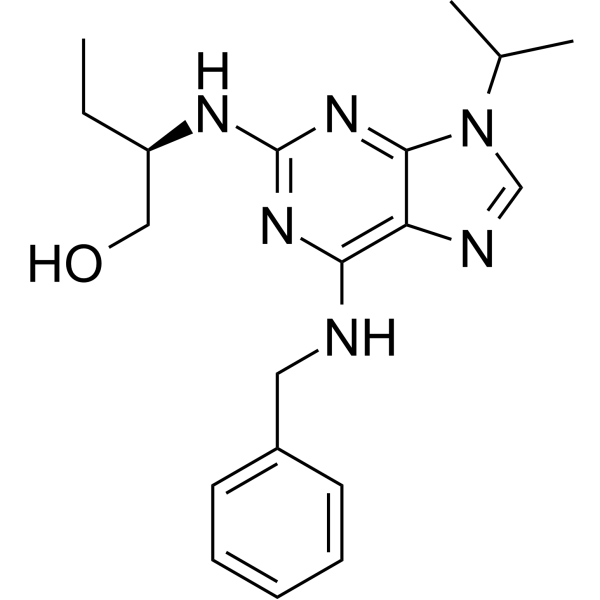 0 ImagesSynonyms: Seliciclib; CYC202
-
O6-Benzylguanine
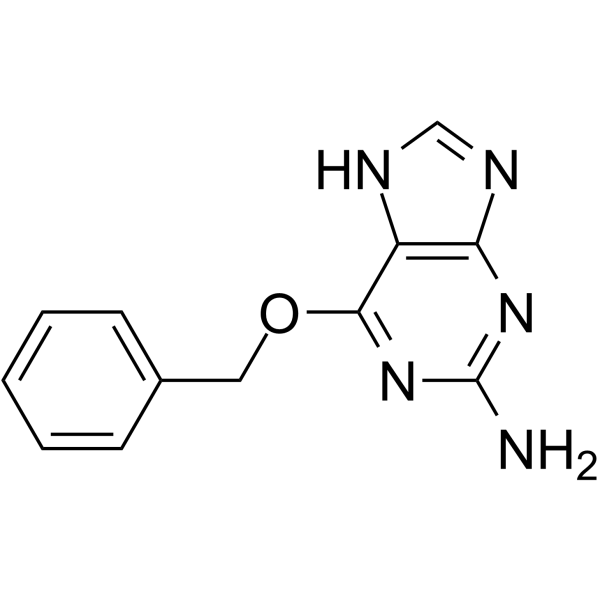 0 ImagesO6-Benzylguanine is an orally active, blood-brain barrier-penetrant inhibitor of O6-methylguanine-DNA methyltransferase (MGMT/AGT). O6-Benzylguanine modulates p53 and its downstream p21 and cyclins to induce cell cycle arrest and apoptosis, and on the other hand activates mTORC1/MAPK and other signaling pathways to induce cellular senescence by inhibiting intracellular MGMT. O6-Benzylguanine is used in research related to various tumors, cellular senescence, and vascular smooth muscle dysfunction.
-
Atuveciclib
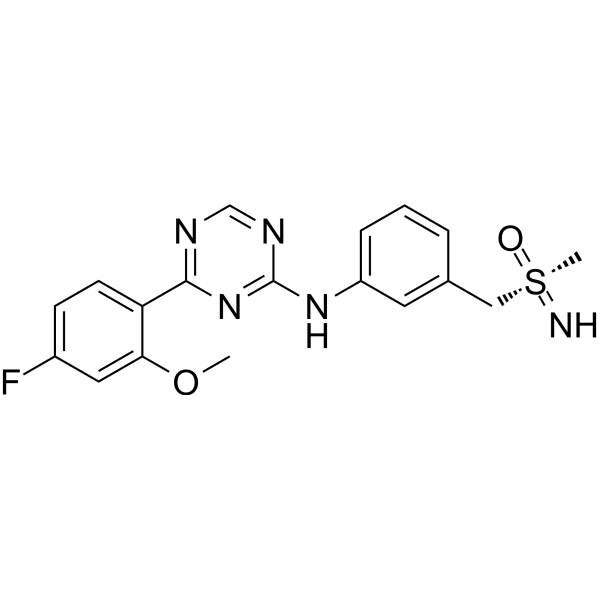 0 ImagesSynonyms: BAY-1143572
-
Abemaciclib methanesulfonate
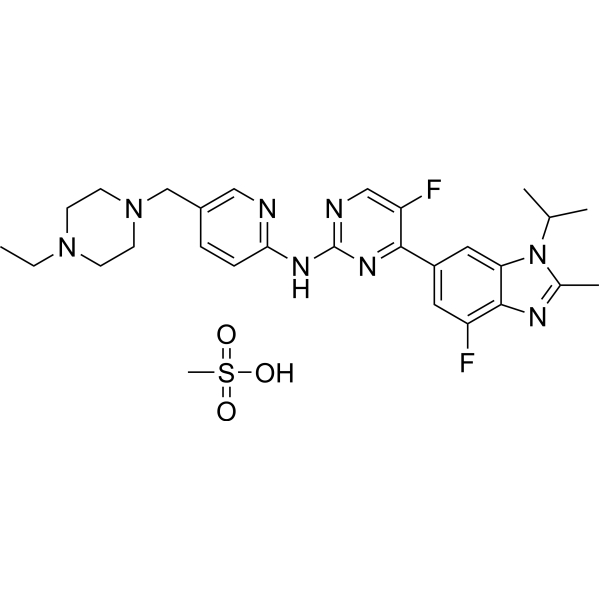 0 ImagesSynonyms: LY2835219 methanesulfonate
-
hSMG-1 inhibitor 11j
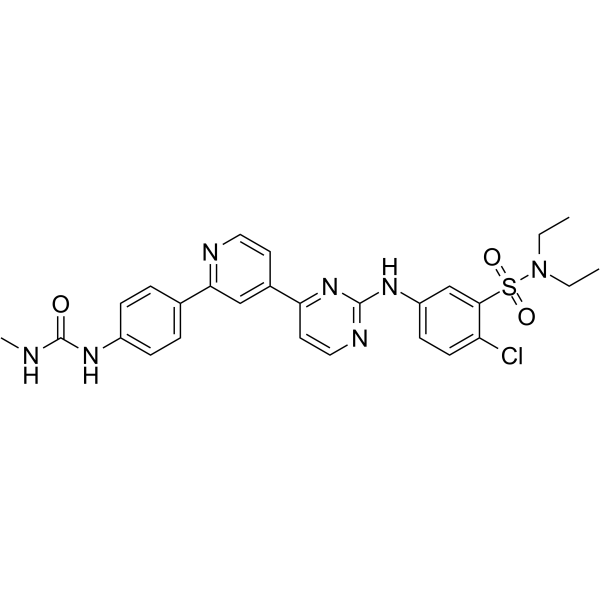 0 ImageshSMG-1 inhibitor 11j, a pyrimidine derivative, is a potent and selective inhibitor of hSMG-1, with an IC50 of 0.11 nM. hSMG-1 inhibitor 11j exhibits >455-fold selectivity for hSMG-1 over mTOR (IC50=50 nM), PI3Kα/γ (IC50=92/60 nM) and CDK1/CDK2 (IC50=32/7.1 μM). hSMG-1 inhibitor 11j can be used for the research of cancer.
-
Kenpaullone
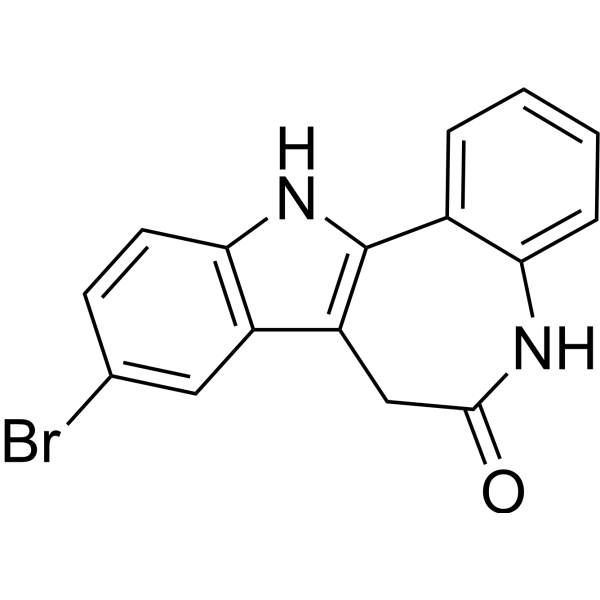 0 ImagesSynonyms: 9-Bromopaullone; NSC-664704Kenpaullone is a potent inhibitor of CDK1/cyclin B and GSK-3β, with IC50s of 0.4 μM and 23 nM, and also inhibits CDK2/cyclin A, CDK2/cyclin E, and CDK5/p25 with IC50s of 0.68 μM, 7.5 μM, 0.85 μM, respectively. Kenpaullone, a small molecule inhibitor of KLF4, reduces self-renewal of breast cancer stem cells and cell motility in vitro.
-
Samuraciclib hydrochloride
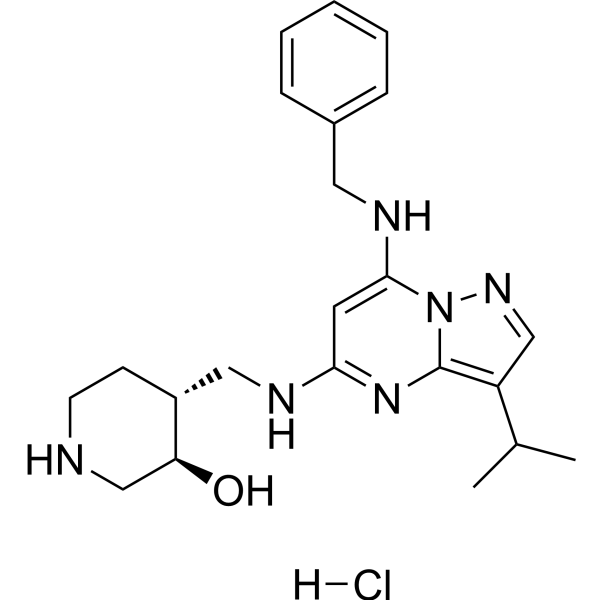 0 ImagesSynonyms: CT7001 hydrochloride; ICEC0942 hydrochlorideSamuraciclib hydrochloride (CT7001 hydrochloride) is a potent, selective, ATP-competitive and orally active CDK7 inhibitor, with an IC50 of 41 nM. Samuraciclib hydrochloride displays 45-, 15-, 230- and 30-fold selectivity over CDK1, CDK2 (IC50 of 578 nM), CDK5 and CDK9, respectively. Samuraciclib hydrochloride inhibits the growth of breast cancer cell lines with GI50 values between 0.2-0.3 µM. Samuraciclib hydrochloride has anti-tumor effects.
-
Tambiciclib
 0 ImagesSynonyms: GFH009; JSH-009; SLS009Tambiciclib (GFH009, JSH-009) is an orally active, highly potent and selective CDK9 inhibitor (IC50 = 1 nM), demonstrating >200-fold selectivity over other CDKs, >100-fold selectivity over DYRK1A/B, and excellent selectivity over 468 kinases/mutants. Tambiciclib demonstrates potent in vitro and in vivo antileukemic efficacy in acute myeloid leukemia (AML) mouse models by inhibiting RNA Pol II phosphorylation, downregulating MCL1 and MYC, and inducing apoptosis. Tambiciclib can be used for AML research.
-
CVT-313
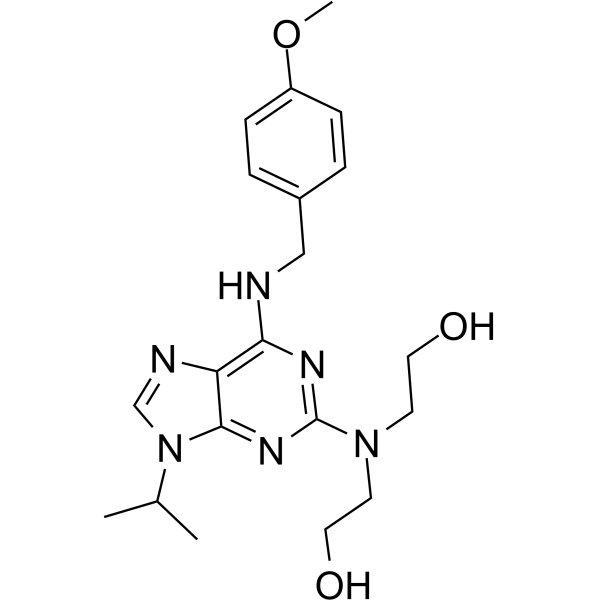 0 ImagesSynonyms: Cdk2 Inhibitor IIICVT-313 (Cdk2 Inhibitor III) is a potent, selective, reversible, and ATP-competitive inhibitor of CDK2 with IC50 of 0.5 μM. CVT-313 inhibits CDC5L phosphorylation.

-
NG 52
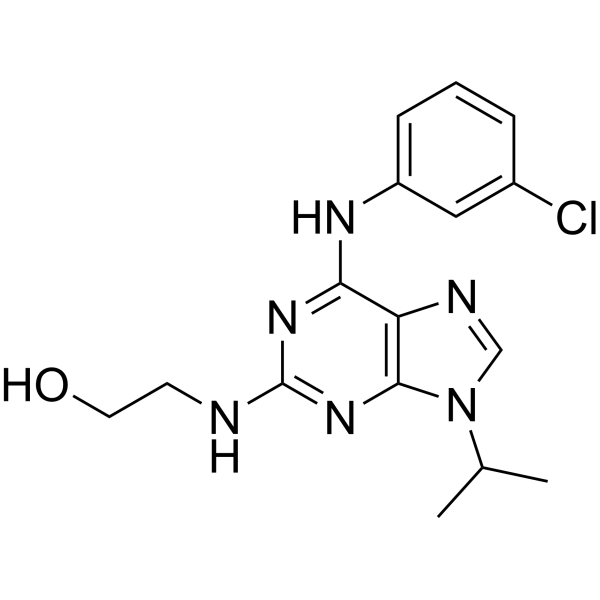 0 ImagesSynonyms: Compound 52NG 52 is a potent, cell-permeable, selective, ATP-compatible and orally active Cdc28p and Pho85p kinase inhibitor with IC50s of 7 μM and 2 μM, respectively. NG 52 also inhibits the activity of phosphoglycerate kinase 1 (PGK1) with an IC50 of 2.5 μM. NG 52 is inactive against yeast kinases Kin28p, Srb10, and Cak1p.




