CDK7
CDK7 (cyclin-dependent kinase 7) functions as a dual-regulatory kinase that coordinates cell-cycle progression and RNA polymerase II-dependent transcription through its activity within the CDK-activating kinase (CAK) complex and the general transcription factor TFIIH complex[1][2][3]. CDK7 phosphorylates and activates multiple cell-cycle CDKs, including CDK1, CDK2, CDK4, and CDK6, thereby linking transcriptional control to cell-cycle regulation[1][4]. Mechanistically, TFIIH-associated CDK7 phosphorylates the C-terminal domain (CTD) of RNA polymerase II and promotes transcription initiation, promoter clearance, and productive promoter escape[2][5][6]. CDK7 further regulates transcriptional programs through phosphorylation-dependent control of transcription-associated kinases and RNA processing factors, supporting coordinated gene expression in proliferating cells[2]. In disease models, aberrant CDK7 activity is associated with tumor cell proliferation and transcriptional dependency, making CDK7 a relevant target for cancer research and therapeutic intervention[1][7]. Compared with related CDK family members that primarily regulate discrete cell-cycle transitions, CDK7 uniquely combines CAK activity with direct transcriptional regulation through TFIIH, establishing a distinct functional position within the CDK network[4][6]. For experimental applications, selective CDK7 inhibitors have enabled mechanistic dissection of transcription initiation, RNA polymerase II dynamics, and transcriptional kinase signaling, supporting their broad use in functional genomics and oncology research[2][5].
References:
- [1]. Reiss HD, et al. Nifedipine-sensitive calcium channels are involved in polar growth of lily pollen tubes. J Cell Sci. 1985;76(1):247-254.
- [2]. Rimel JK, et al. Selective inhibition of CDK7 reveals high-confidence targets and new models for TFIIH function in transcription. Genes Dev. 2020 Nov 1;34(21-22):1452-1473. [Content Brief]
- [3]. Lee MJ, et al. Time to HIV rebound after infusion of long-acting broadly neutralising antibodies 3BNC117-LS and 10-1074-LS and analytical treatment interruption (the RIO trial): a double-blind, randomised, placebo-controlled trial. Lancet HIV. 2026 May 27:S2352-3018(26)00059-7. [Content Brief]
- [4]. Wood DJ, et al. Structural insights into the functional diversity of the CDK-cyclin family. Open Biol. 2018 Sep;8(9):180112. [Content Brief]
- [5]. Žumer K, et al. FACT maintains chromatin architecture and thereby stimulates RNA polymerase II pausing during transcription in vivo. Mol Cell. 2024 Jun 6;84(11):2053-2069.e9. [Content Brief]
- [6]. Fisher RP. Cdk7: a kinase at the core of transcription and in the crosshairs of cancer drug discovery. Transcription. 2019 Apr;10(2):47-56. doi: 10.1080/21541264.2018.1553483. Epub 2018 Dec 6. PMID: 30488763; PMCID: PMC6602562. et al. Cdk7: a kinase at the core of transcription and in the crosshairs of cancer drug discovery. Transcription. 2019 Apr;10(2):47-56. [Content Brief]
- [7]. Jones T, et al. TFIIH kinase CDK7 drives cell proliferation through a common core transcription factor network. Sci Adv. 2025 Feb 28;11(9):eadr9660. [Content Brief]
-
CDK7 Related Products (119)
Related Products (119)

-
Recombinant Proteins (4)
-
Antibodies (3)
-
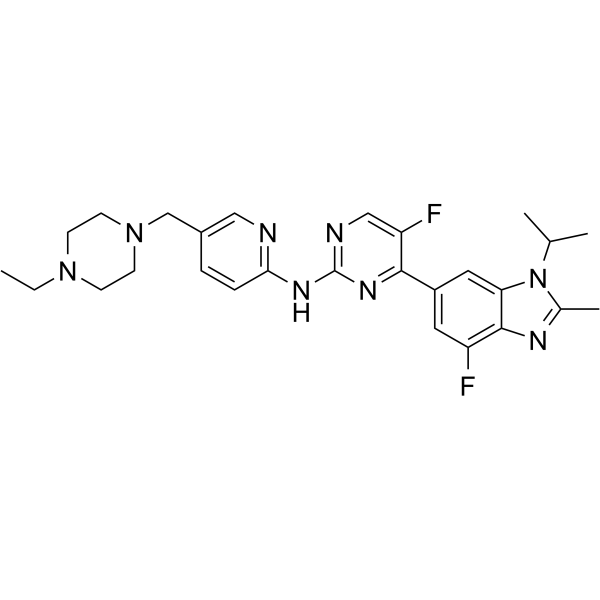
Abemaciclib
 0 ImagesSynonyms: LY2835219
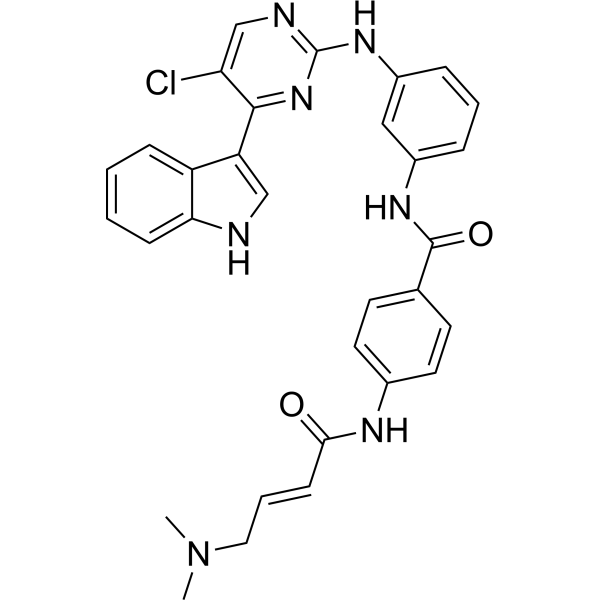
-
Abemaciclib methanesulfonate
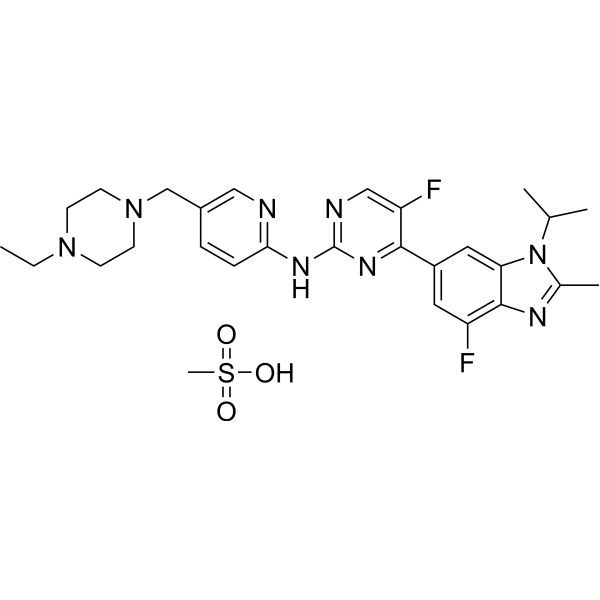 0 ImagesSynonyms: LY2835219 methanesulfonate
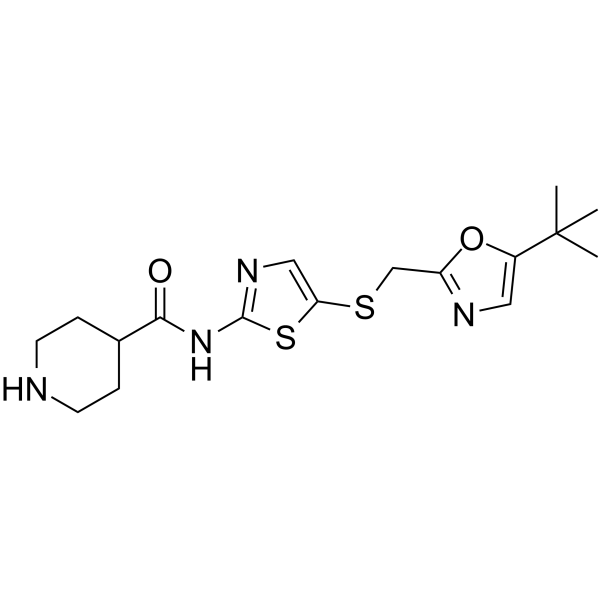
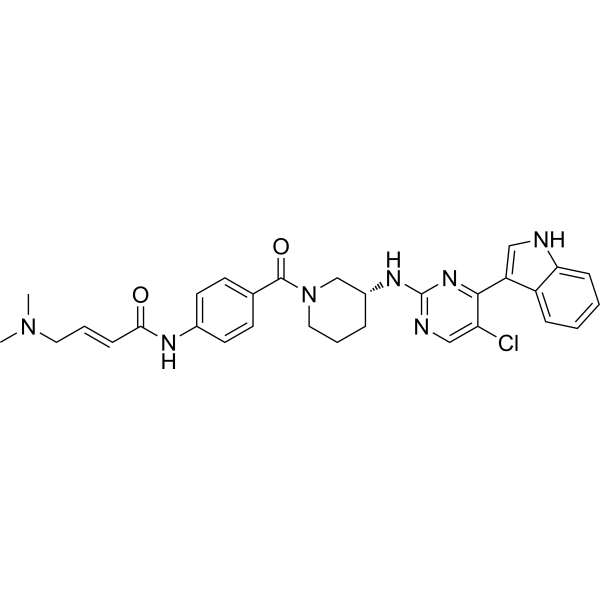
-
Samuraciclib hydrochloride
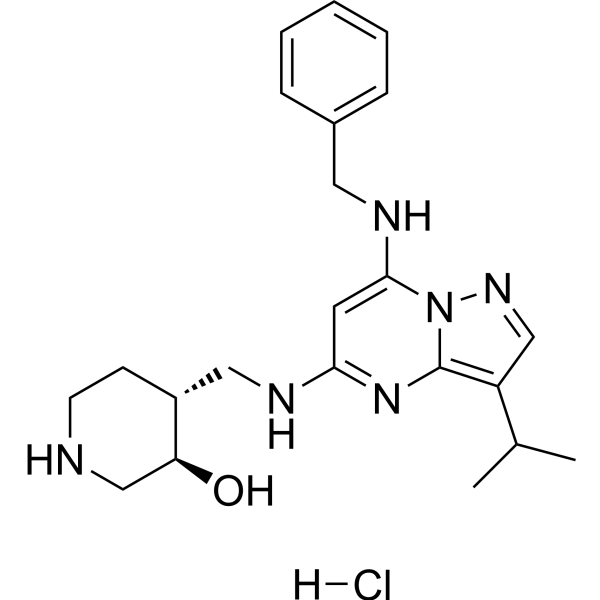 0 ImagesSynonyms: CT7001 hydrochloride; ICEC0942 hydrochlorideSamuraciclib hydrochloride (CT7001 hydrochloride) is a potent, selective, ATP-competitive and orally active CDK7 inhibitor, with an IC50 of 41 nM. Samuraciclib hydrochloride displays 45-, 15-, 230- and 30-fold selectivity over CDK1, CDK2 (IC50 of 578 nM), CDK5 and CDK9, respectively. Samuraciclib hydrochloride inhibits the growth of breast cancer cell lines with GI50 values between 0.2-0.3 µM. Samuraciclib hydrochloride has anti-tumor effects.
-
Toyocamycin
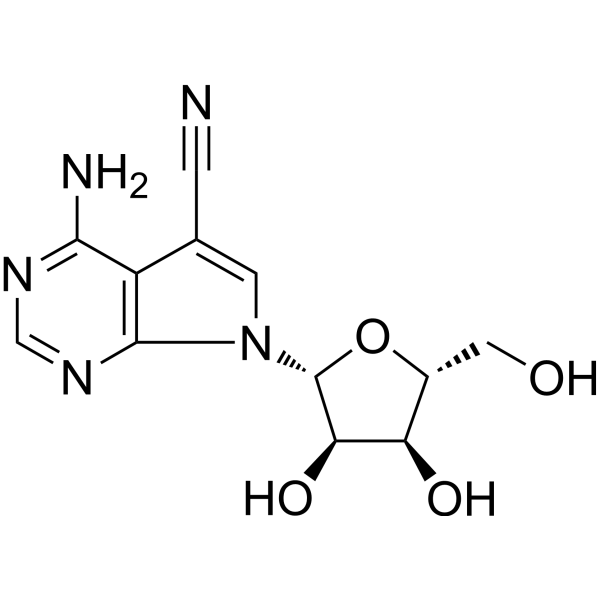 0 ImagesToyocamycin (Vengicide) is an adenosine analog produced by Streptomyces diastatochromogenes, acts as an XBP1 inhibitor. Toyocamycin blocks RNA synthesis and ribosome function, and induces apoptosis. Toyocamycin affects IRE1α-XBP1 pathway, and inhibits XBP1 mRNA cleavage with an IC50 value of 80 nM with affecting IRE1α auto-phosphorylation. Toyocamycin specifically inhibits CDK9 with an IC50 value of 79 nM.
-
YKL-5-124
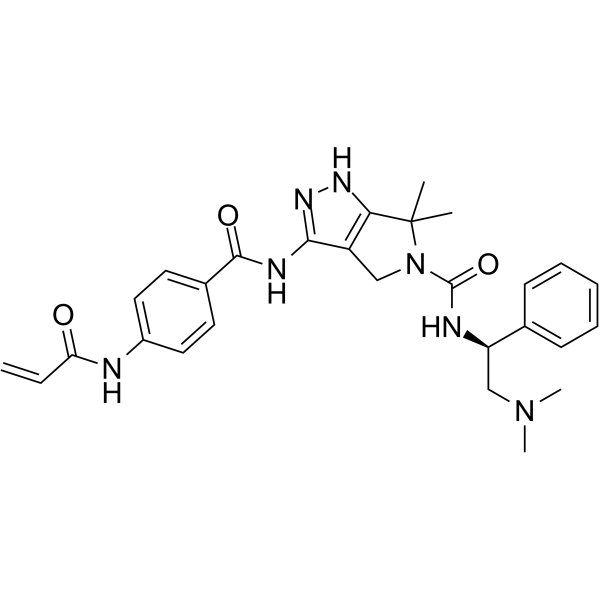 0 ImagesYKL-5-124 is a potent, selective, irreversible and covalent CDK7 inhibitor with IC50s of 53.5 nM and 9.7 nM for CDK7 and CDK7/Mat1/CycH, respectively. YKL-5-124 is >100-fold greater selective for CDK7 than CDK9 and CDK2, and inactive against CDK12 and CDK13. YKL-5-124 induces a strong cell-cycle arrest, inhibits E2F-driven gene expression, and exhibits little effect on RNA polymerase II phosphorylation status.
-
Tambiciclib
 0 ImagesSynonyms: GFH009; JSH-009; SLS009Tambiciclib (GFH009, JSH-009) is an orally active, highly potent and selective CDK9 inhibitor (IC50 = 1 nM), demonstrating >200-fold selectivity over other CDKs, >100-fold selectivity over DYRK1A/B, and excellent selectivity over 468 kinases/mutants. Tambiciclib demonstrates potent in vitro and in vivo antileukemic efficacy in acute myeloid leukemia (AML) mouse models by inhibiting RNA Pol II phosphorylation, downregulating MCL1 and MYC, and inducing apoptosis. Tambiciclib can be used for AML research.
-
BTX-A51
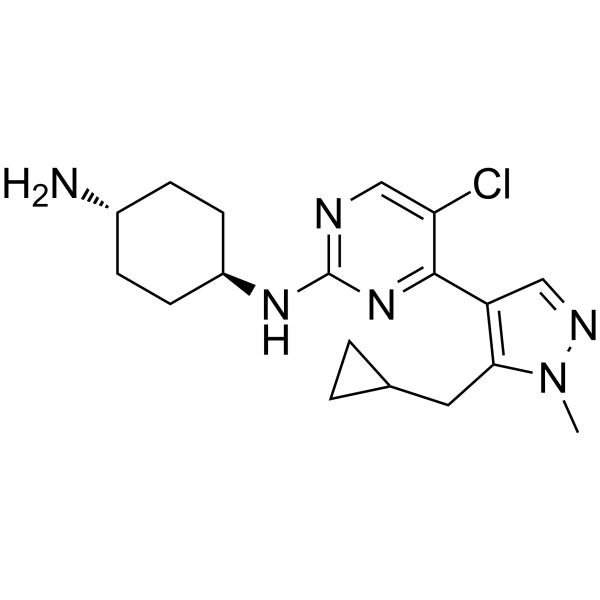 0 ImagesSynonyms: Casein Kinase inhibitor A51BTX-A51 (Casein Kinase inhibitor A51) is a potent and orally active casein kinase 1α (CK1α) inhibitor. BTX-A51 induces leukemia cell apoptosis, and has potent anti-leukemic activities.
-
(R)-CR8
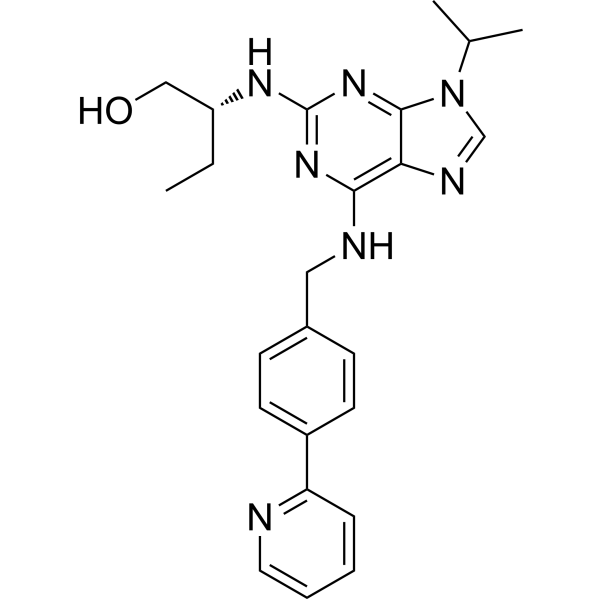 0 ImagesSynonyms: CR8, (R)-Isomer(R)-CR8, a second-generation analog of Roscovitine, is a potent CDK1/2/5/7/9 inhibitor. (R)-CR8 inhibits CDK1/cyclin B (IC50=0.09 μM), CDK2/cyclin A (0.072 μM), CDK2/cyclin E (0.041 μM), CDK5/p25 (0.11 μM), CDK7/cyclin H (1.1 μM), CDK9/cyclin T (0.18 μM) and CK1δ/ε (0.4 μM). (R)-CR8 induces apoptosis and has neuroprotective effect. (R)-CR8 acts as a molecular glue degrader that depletes cyclin K.
-
Mevociclib
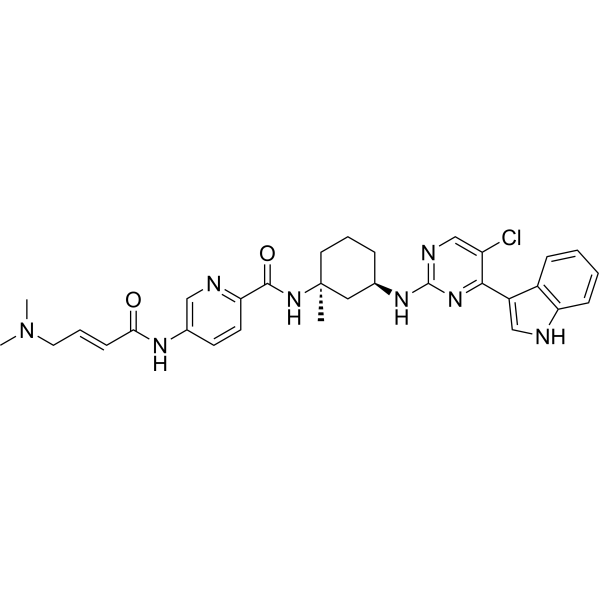 0 ImagesSynonyms: SY-1365