CDK4
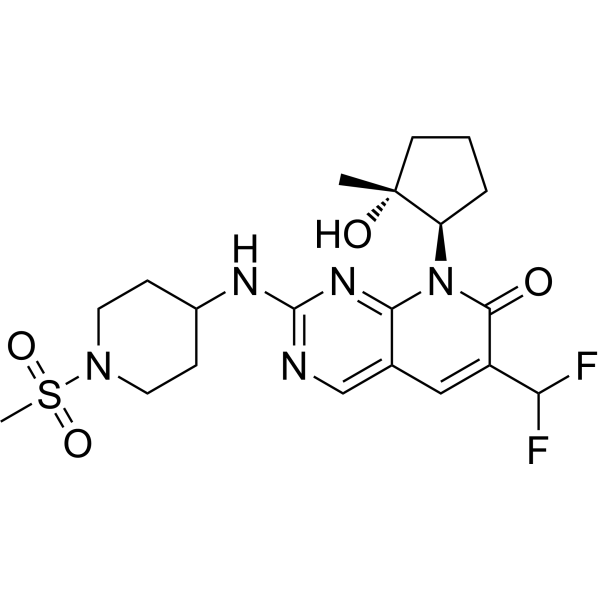
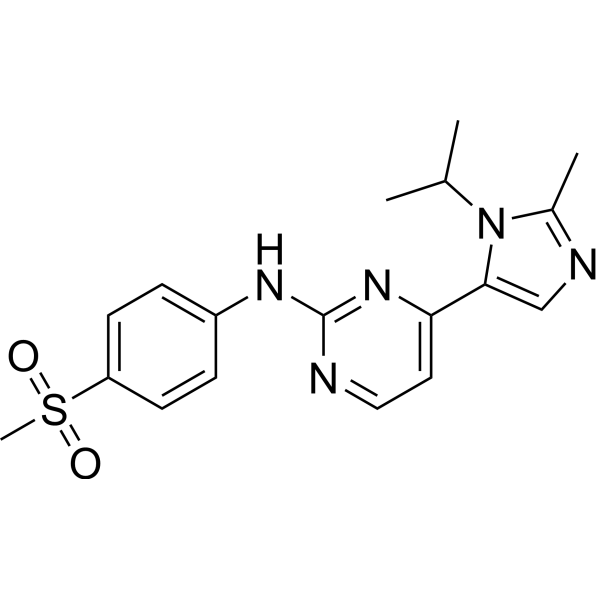
CDK4 is a cyclin-dependent serine/threonine kinase that partners with D-type cyclins to drive G1-phase progression before DNA synthesis[1]. Mechanistically, cyclin D-CDK4/6 phosphorylates RB, weakens RB-dependent transcriptional repression, and enables late-G1 signaling toward E2F-linked S-phase entry[2]. In cancer models, disruption of the CDK-RB1-E2F pathway supports malignant proliferation, and HR^+/HER2^- breast cancer provides a clinically established setting for CDK4/6 inhibition[3]. Compared with related isoforms, CDK4 and CDK6 share cell-cycle functions, but CDK4 is described as a prominent oncogenic driver in breast cancer, whereas CDK6 has a crucial role in hematopoietic stem-cell differentiation[3][4]. For experimental and translational applications, palbociclib, ribociclib, and abemaciclib inhibit CDK4/6, reduce RB phosphorylation, induce G1 arrest, and support endocrine-therapy combinations in HR^+/HER2^- advanced breast cancer studies[3][5][6][7].
Références:
- [1]. Baker SJ, et al. CDK4: a master regulator of the cell cycle and its role in cancer. Genes Cancer. 2022 Aug 25;13:21-45. [Content Brief]
- [2]. Harbour JW, et al. Cdk phosphorylation triggers sequential intramolecular interactions that progressively block Rb functions as cells move through G1. Cell. 1999 Sep 17;98(6):859-69. [Content Brief]
- [3]. Braal CL, et al. Inhibiting CDK4/6 in Breast Cancer with Palbociclib, Ribociclib, and Abemaciclib: Similarities and Differences. Drugs. 2021 Feb;81(3):317-331. [Content Brief]
- [4]. Fassl A, et al. CDK4 and CDK6 kinases: From basic science to cancer therapy. Science. 2022 Jan 14;375(6577):eabc1495. [Content Brief]
- [5]. Finn RS, et al. Palbociclib and Letrozole in Advanced Breast Cancer. N Engl J Med. 2016 Nov 17;375(20):1925-1936. [Content Brief]
- [6]. Hortobagyi GN, et al. Ribociclib as First-Line Therapy for HR-Positive, Advanced Breast Cancer. N Engl J Med. 2016 Nov 3;375(18):1738-1748. [Content Brief]
- [7]. Goetz MP, et al. MONARCH 3: Abemaciclib As Initial Therapy for Advanced Breast Cancer. J Clin Oncol. 2017 Nov 10;35(32):3638-3646. [Content Brief]
All Product Categories
-
CDK4 Produits associés (237)
Produits associés (237)

-
Protéines Recombinantes (4)
-
Anticorps (2)
-
Palbociclib
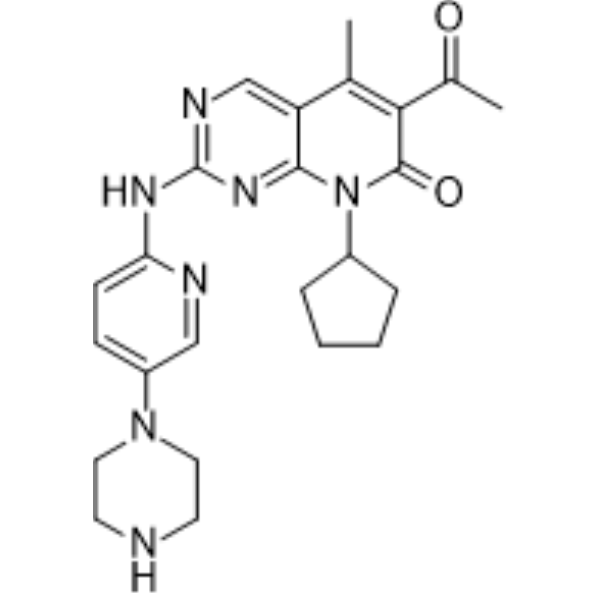 0 ImagesSynonyms: PD 0332991Palbociclib (PD 0332991) is an orally active selective CDK4 and CDK6 inhibitor with IC50 values of 11 and 16 nM, respectively. Palbociclib has potent anti-proliferative activity and induces cell cycle arrest in cancer cells, which can be used in the research of HR-positive and HER2-negative breast cancer and hepatocellular carcinoma.
-
Abemaciclib
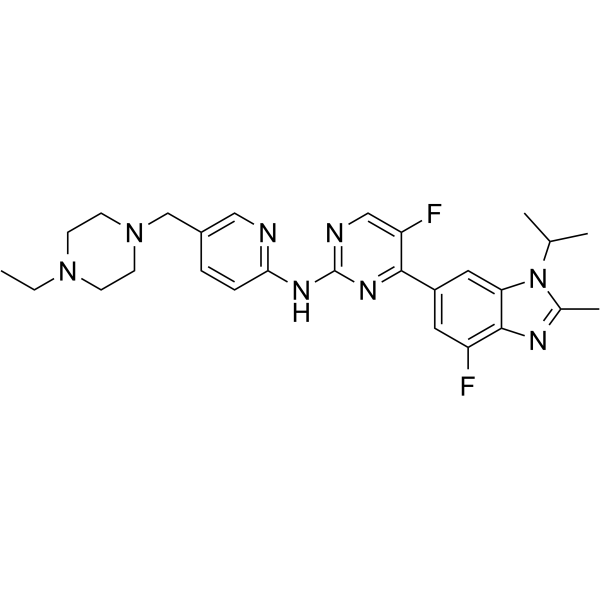 0 ImagesSynonyms: LY2835219
-
Ribociclib
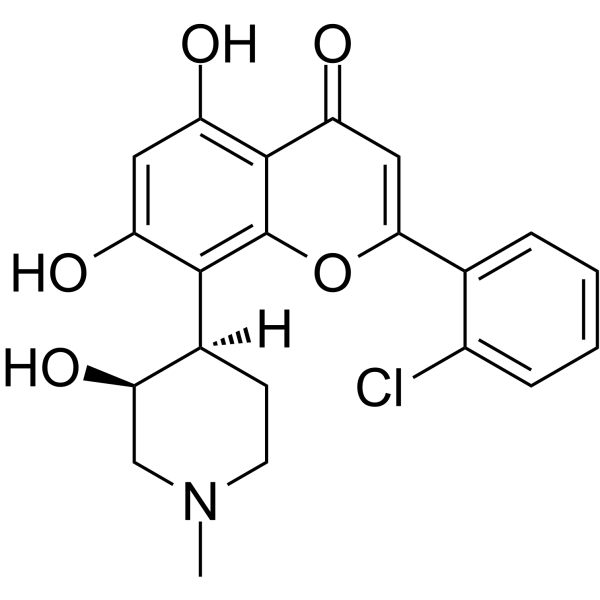
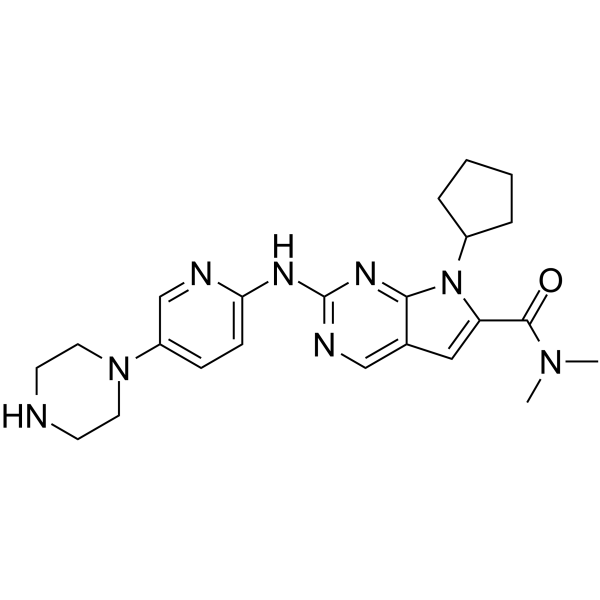 0 ImagesSynonyms: LEE011RRibociclib (LEE011) is an ATP-competitive and orally active CDK4/6 inhibitor that crosses the blood-brain barrier with IC50 values of 10 nM and 39 nM, respectively, and is over 1,000-fold less potent against the cyclin B/CDK1 complex.
-
Palbociclib hydrochloride
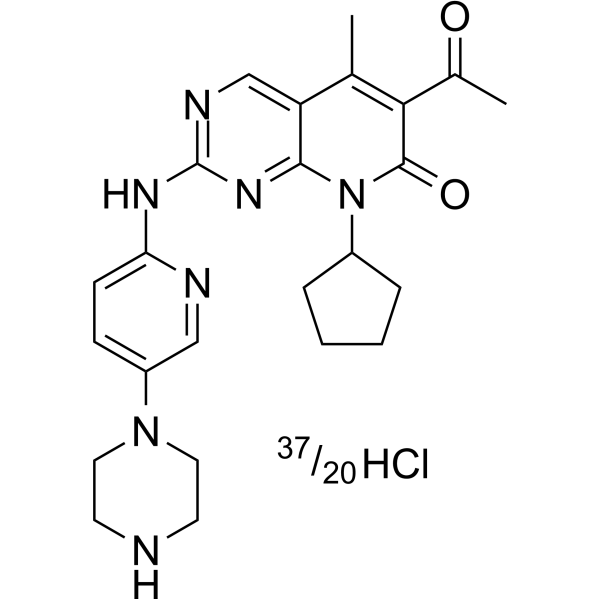 0 ImagesSynonyms: PD-0332991 hydrochloridePalbociclib (PD 0332991) hydrochloride is an orally active selective CDK4 and CDK6 inhibitor with IC50 values of 11 and 16 nM, respectively. Palbociclib hydrochloride has potent anti-proliferative activity and induces cell cycle arrest in cancer cells. Palbociclib hydrochloride can be used in the research of HR-positive and HER2-negative breast cancer and hepatocellular carcinoma.
-
Pemrametostat
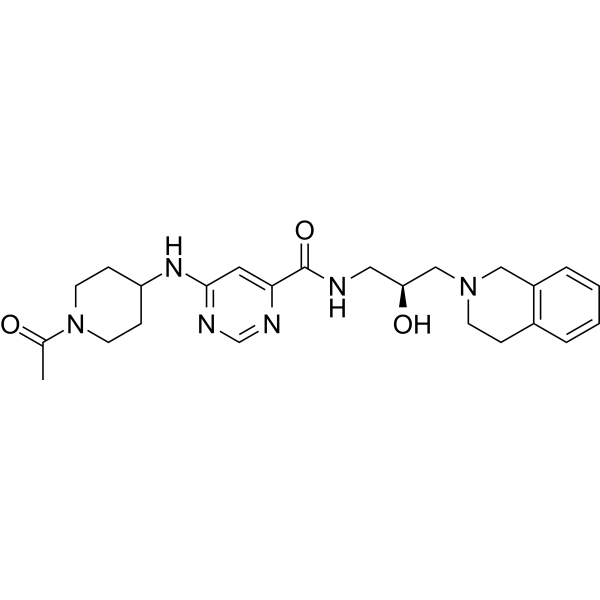 0 ImagesSynonyms: GSK3326595; EPZ015938GSK3326595 is a protein arginine methyltransferase 5 (PRMT5) inhibitor. GSK3326595 decreases SARS-CoV-2 infection, inhibits cancer cell proliferation and induces pro-inflammatory macrophage polarization and increases hepatic triglyceride levels without affecting atherosclerosis. GSK3326595 can be used for research of relapsed/refractory mantle cell lymphoma.
-
ARV-825
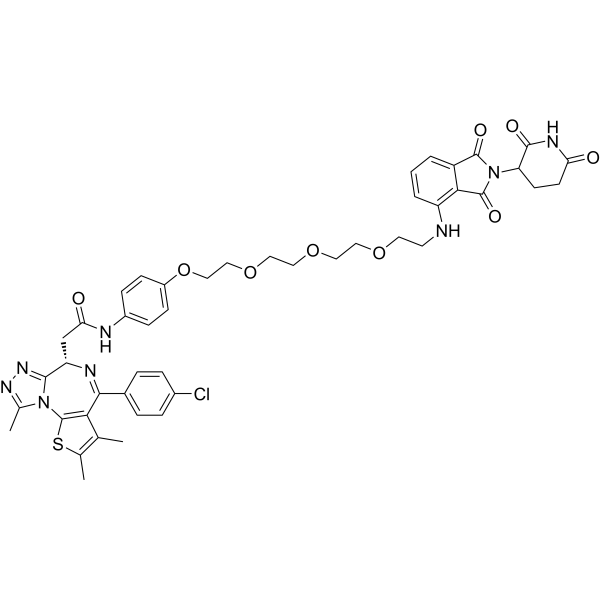 0 ImagesARV-825 is a BET protein PROTAC degrader that recruits cereblon, and it targets BRD2, BRD3, and BRD4 for degradation via the ubiquitin-proteasome pathway. ARV-825 downregulates c-MYC, PLK1, MYCN, CDK4/6, JAK2, pSTAT3/5, PIM1, and Bcl-xL, upregulates p21 and p27, and modulates H3K27Ac-mediated transcription, the G2/M checkpoint, the Wnt/β-catenin pathway, and amino acid transport pathways. ARV-825 induces G1 phase cell cycle arrest, caspase 3/PARP-mediated apoptosis, DNA damage, and reactive oxygen species (ROS) production, reduces mitochondrial respiration, and simultaneously inhibits cell proliferation, clonogenic growth, and cell migration. ARV-825 is used in research on gastric cancer, leukemia, neuroblastoma, and cholangiocarcinoma.
-
Palbociclib monohydrochloride
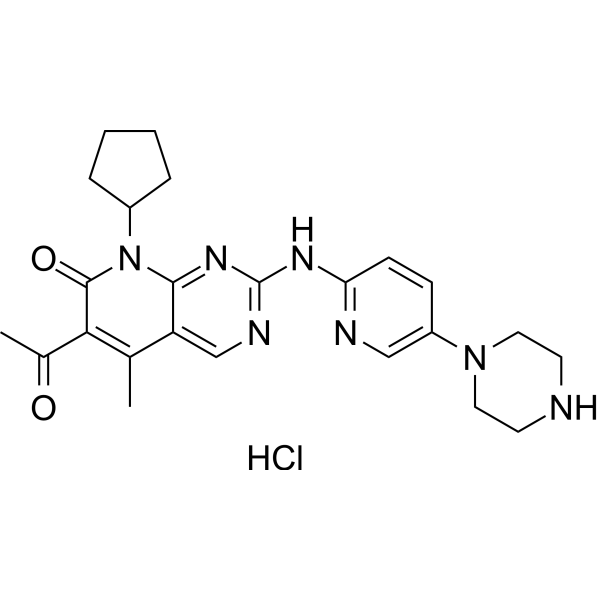 0 ImagesSynonyms: PD 0332991 monohydrochloridePalbociclib (PD 0332991) monohydrochloride is an orally active selective CDK4 and CDK6 inhibitor with IC50 values of 11 and 16 nM, respectively. Palbociclib monohydrochloride has potent anti-proliferative activity and induces cell cycle arrest in cancer cells, which can be used in the research of HR-positive and HER2-negative breast cancer and hepatocellular carcinoma.
-
Abemaciclib methanesulfonate
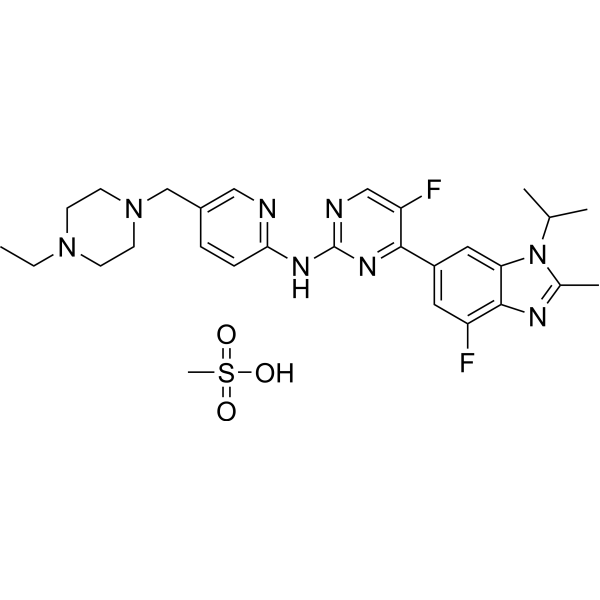 0 ImagesSynonyms: LY2835219 methanesulfonate
-
Palbociclib isethionate
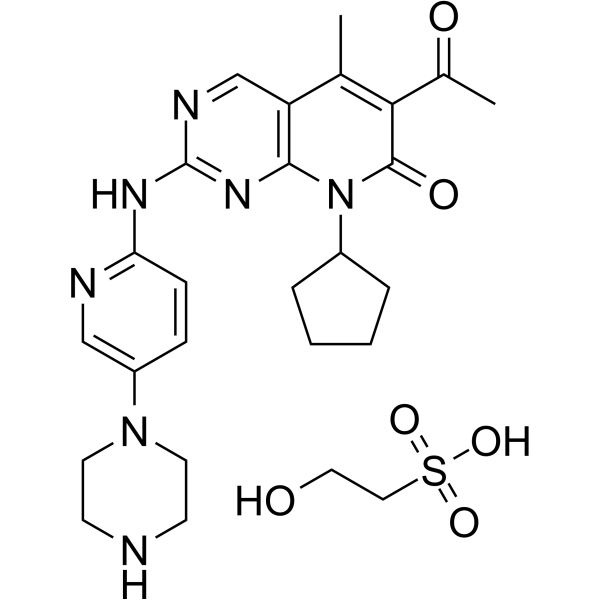 0 ImagesSynonyms: PD 0332991 isethionatePalbociclib (PD 0332991) isethionate is an orally active selective CDK4 and CDK6 inhibitor with IC50 values of 11 and 16 nM, respectively. Palbociclib isethionate has potent anti-proliferative activity and induces cell cycle arrest in cancer cells, which can be used in the research of HR-positive and HER2-negative breast cancer and hepatocellular carcinoma.
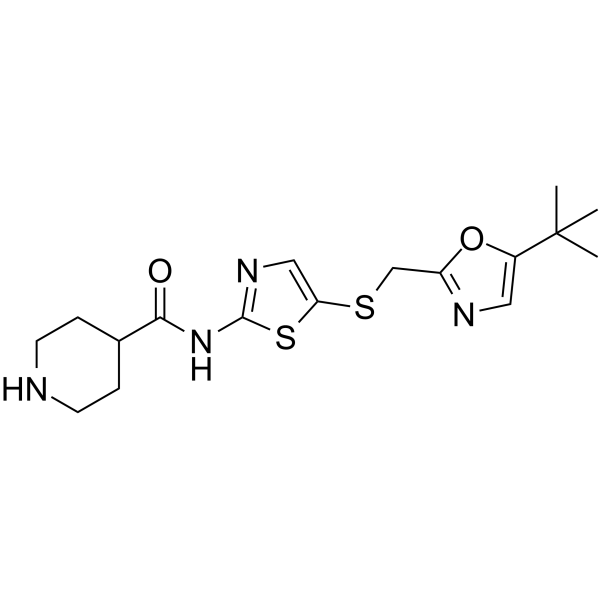
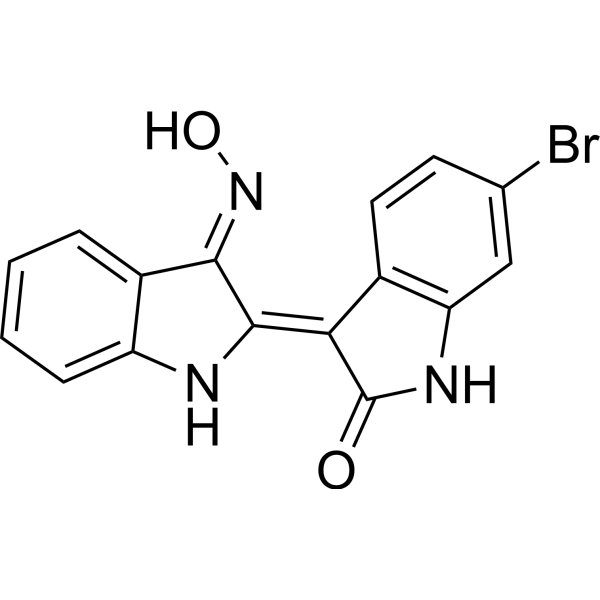
-
Samuraciclib hydrochloride
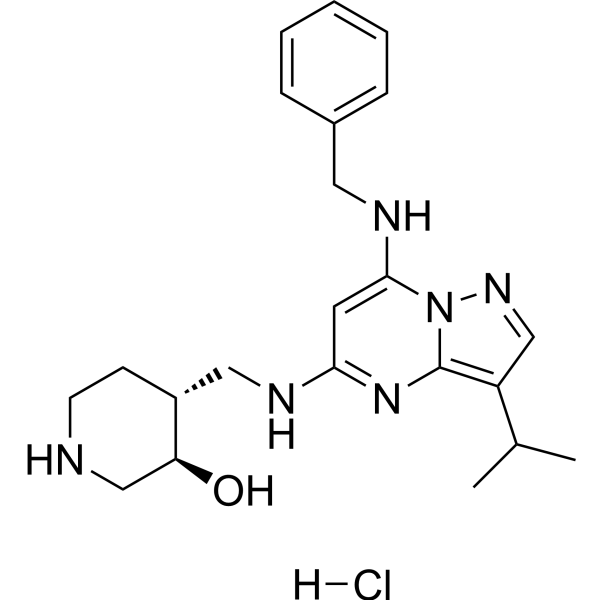 0 ImagesSynonyms: CT7001 hydrochloride; ICEC0942 hydrochlorideSamuraciclib hydrochloride (CT7001 hydrochloride) is a potent, selective, ATP-competitive and orally active CDK7 inhibitor, with an IC50 of 41 nM. Samuraciclib hydrochloride displays 45-, 15-, 230- and 30-fold selectivity over CDK1, CDK2 (IC50 of 578 nM), CDK5 and CDK9, respectively. Samuraciclib hydrochloride inhibits the growth of breast cancer cell lines with GI50 values between 0.2-0.3 µM. Samuraciclib hydrochloride has anti-tumor effects.
-
Toyocamycin
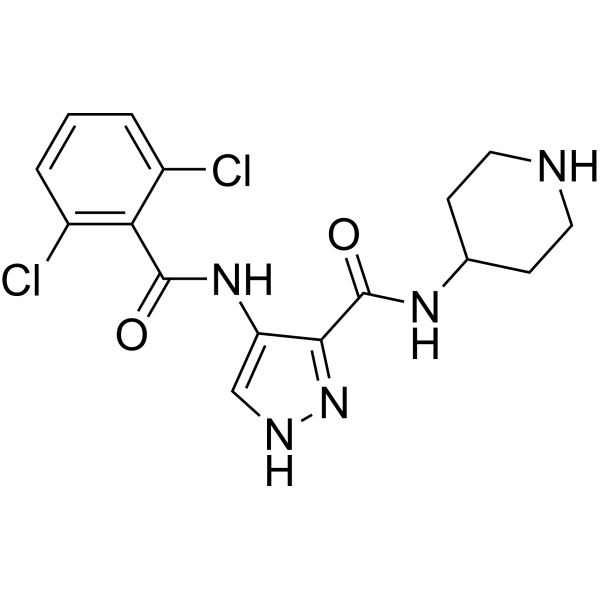
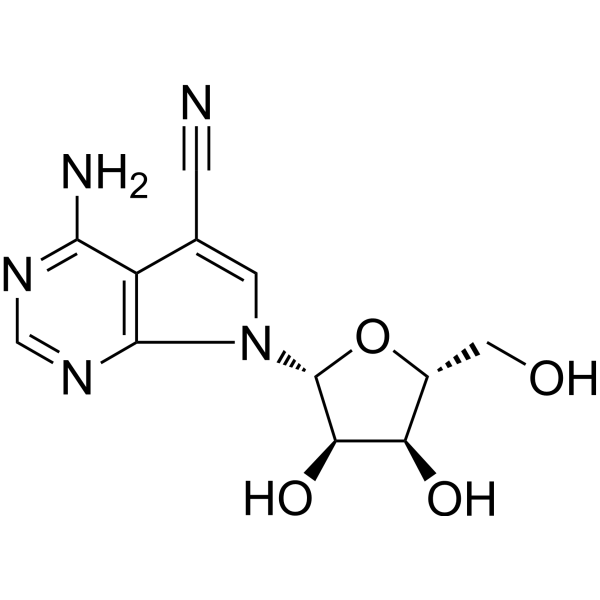 0 ImagesToyocamycin (Vengicide) is an adenosine analog produced by Streptomyces diastatochromogenes, acts as an XBP1 inhibitor. Toyocamycin blocks RNA synthesis and ribosome function, and induces apoptosis. Toyocamycin affects IRE1α-XBP1 pathway, and inhibits XBP1 mRNA cleavage with an IC50 value of 80 nM with affecting IRE1α auto-phosphorylation. Toyocamycin specifically inhibits CDK9 with an IC50 value of 79 nM.
-
CVT-313
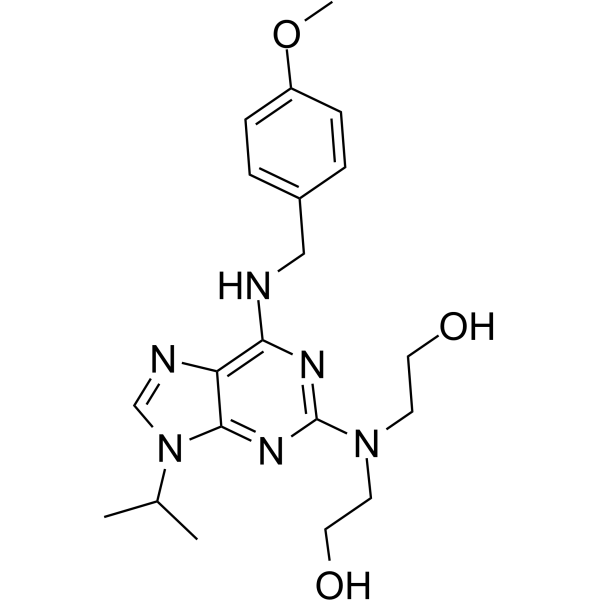 0 ImagesSynonyms: Cdk2 Inhibitor IIICVT-313 (Cdk2 Inhibitor III) is a potent, selective, reversible, and ATP-competitive inhibitor of CDK2 with IC50 of 0.5 μM. CVT-313 inhibits CDC5L phosphorylation.
-
Ribociclib succinate
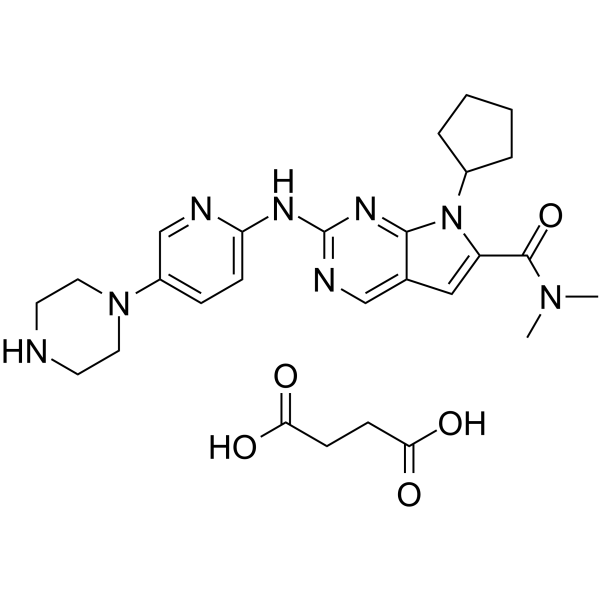 0 ImagesSynonyms: LEE011 succinateRRibociclib (LEE011) succinate is an ATP-competitive and orally active CDK4/6 inhibitor that crosses the blood-brain barrier with IC50 values of 10 nM and 39 nM, respectively, and is over 1,000-fold less potent against the cyclin B/CDK1 complex.