



Plant Infection
-
Plant Infection (157)

Cottonseed oil is an edible oil extracted from the seeds of cotton (Gossypium hirsutum). Its fatty acid composition includes 26-35% saturated fatty acids, 42-52% polyunsaturated fatty acids, and 18-24% monounsaturated fatty acids. Cottonseed oil is regarded as an Insecticide, as it is used to protect the trunks of apple trees from damage by the apple clearwing moth. Cottonseed oil possesses anti-inflammatory and cardioprotective properties. It also has extensive applications in many fields such as biofuels, animal husbandry, cosmetics, agriculture, and chemical industry.

Wheat Germ Agglutinin (WGA) Fluorescein is a classic fluorescent label that specifically binds to sugar residues such as N-acetylglucosamine, N-acetylneuraminic acid and sialic acid. Wheat Germ Agglutinin Fluorescein performs regionally differential fluorescent staining of the ocular surface epithelial glycocalyx to assess its integrity, and causes no damage to the eye at safe concentrations. Wheat Germ Agglutinin Fluorescein is also used for staining structures including red blood cells, cultured cells, bacteria and pine wood nematodes, and facilitates the isolation of wheat-associated plant-growth-promoting rhizobacterial strains. Wheat Germ Agglutinin Fluorescein can be applied to the detection of ocular glycocalyx integrity and the research of related diseases such as pine wilt disease.
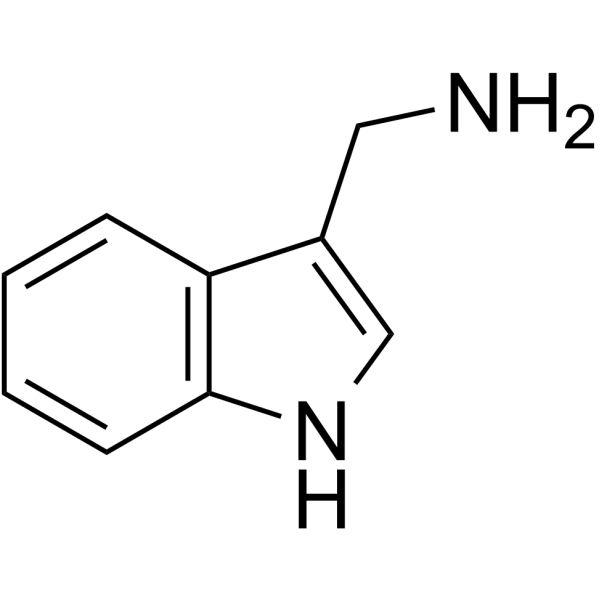
- Formula: C9H10N2
- Molecular Weight: 146.19
Indole-3-methanamine is an indole derivative, stress-related metabolite, and also a biosynthetic precursor of Gramine (HY-N0166). The accumulation level of Indole-3-methanamine increases in susceptible barley varieties infected with Bipolaris sorokiniana. Indole-3-methanamine can be used in studies related to barley spot blotch.
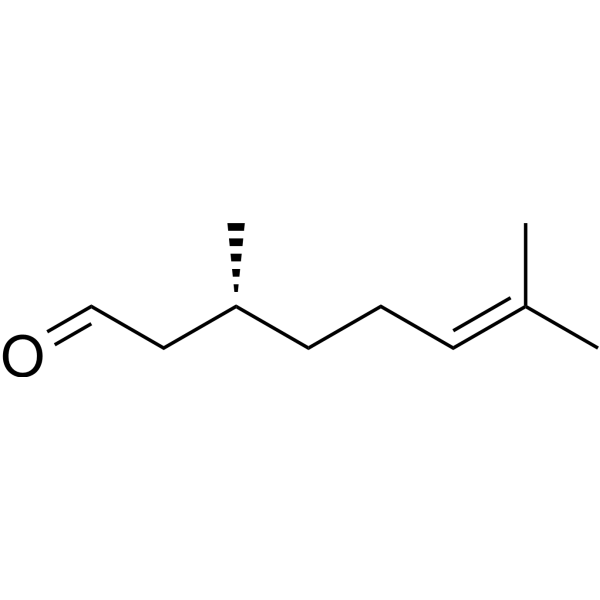
- Formula: C10H18O
- Molecular Weight: 154.25
(R)-(+)-Citronellal ((+)-Citronellal) is a monoterpenoid compound and is one of the main components of essential oils from plants such as lemon grass. (R)-(+)-Citronellal has antibacterial, antifungal, and insecticidal activities. (R)-(+)-Citronellal alleviates the bitterness of caffeine by antagonizing the bitter taste receptors Tas2r43 (IC50 = 84 μM) and Tas2R46. (R)-(+)-Citronellal generates analgesic activity by activating the opioid receptor (broad-spectrum opioid receptor) pathway, and its effect is particularly significant for inflammatory pain.
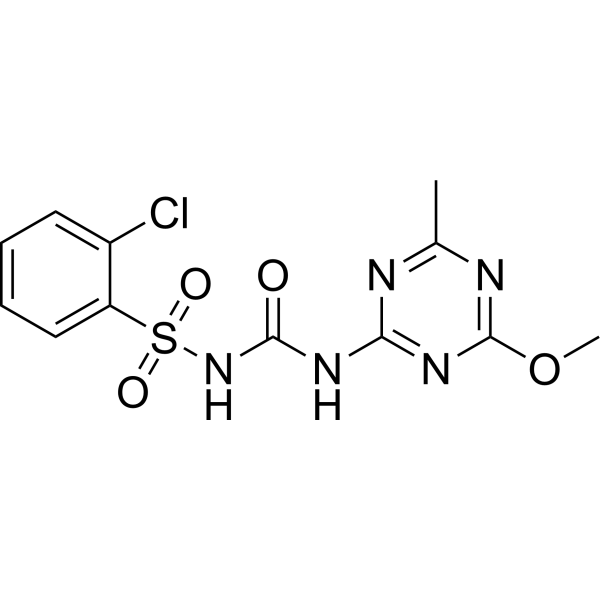
- Formula: C12H12ClN5O4S
- Molecular Weight: 357.77
Chlorsulfuron is an acetolactate synthase inhibitor and selective systemic herbicide. Chlorsulfuron blocks the synthesis of branched-chain amino acids (valine and isoleucine), thereby inhibiting protein synthesis, cell growth, and cell division. Chlorsulfuron blocks G1 and G2 phase cell cycle progression in plant root tip cells without directly interfering with mitosis or DNA synthesis. Chlorsulfuron completely inhibits germination of non-target terrestrial plants and is highly toxic to aquatic macrophytes. Chlorsulfuron has low toxicity to mammals, birds and bees, and moderate toxicity to fish and aquatic invertebrates. Chlorsulfuron can be used in studies related to herbicides, plant cell cycles and ecotoxicology.
Feruloyl esterase is a subclass of carboxylesterases that hydrolyzes the ester linkages between hydroxycinnamic acids and arabinoxylan/pectin polysaccharides in plant cell walls. Feruloyl esterase can hydrolyze ethyl ferulate to release ferulic acid, disrupt plant cell wall structure, promote fiber swelling, and facilitate cellulase hydrolysis. Feruloyl esterase synergizes with xylanase by removing ferulic acid side chains, thereby promoting efficient hydrolysis of xylan into monomers. Feruloyl esterase acts as a virulence factor for Verticillium dahliae VdFAE and Magnaporthe oryzae Fae1, facilitating host infection and colonization. Feruloyl esterase promotes the degradation of cotton GhDFR through binding to its NADPH domain, thereby inhibiting flavonoid-mediated innate immunity and inducing cell death in Nicotiana benthamiana. Feruloyl esterase can be used in studies related to verticillium wilt and rice blast.
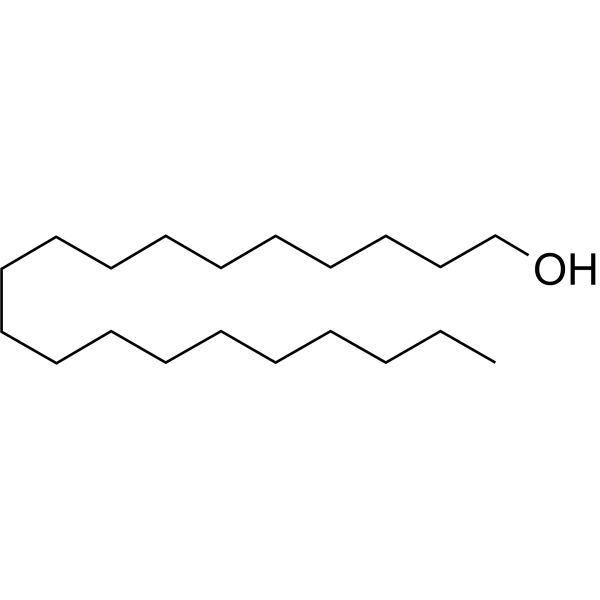
- Formula: C20H42O
- Molecular Weight: 298.55
1-Eicosanol (Arachidyl alcohol) is a long-chain fatty alcohol and volatile organic compound that can be isolated from the leaves of Leea indica and produced by Bacillus velezensis ZJ1. 1-Eicosanol inhibits mycelial growth of Alternaria solani and Botrytis cinerea. 1-Eicosanol is applicable to research related to tomato early blight and tomato gray mold.

- Formula: C104H183N39O32·xC2HF3O2
- Molecular Weight: 2491.81 (free base)
AtPep1 TFA is an endogenous inducer of innate immune responses. AtPep1 TFA can be isolated from Arabidopsis thaliana leaves. AtPep1 TFA activates the transcription of defensin (PDF1.2), the expression of PROPEP1, the synthesis of hydrogen peroxide (H2O2) near leaf veins, and the alkalization of Arabidopsis suspension cell culture medium. AtPep1 TFA induces the expression of genes encoding defensins and PR-1. AtPep1 TFA is applicable to studies related to Pythium irregulare infection and pathogen infection.

- Formula: C9H8
- Molecular Weight: 116.16
Methylphenylethyne (Phenylmethylacetylene) is an intermediate of bioactive compounds. Methylphenylethyne has antifeedant activities for larvae of Pieris rapae crucivora. Methylphenylethyne can be used for pest control research.
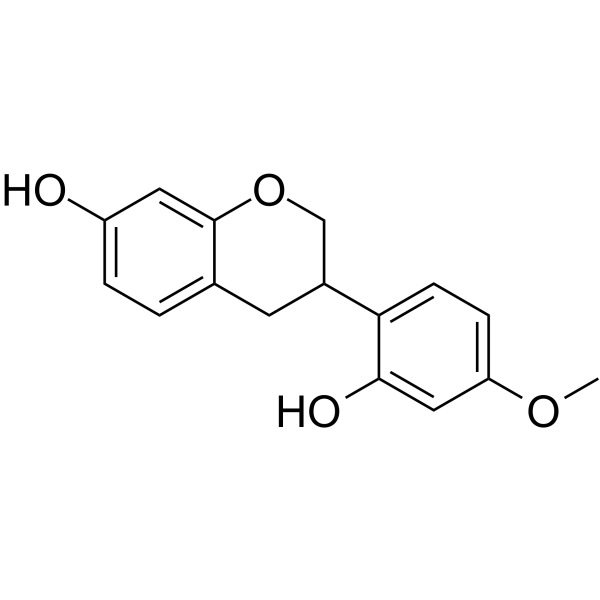
- Formula: C16H16O4
- Molecular Weight: 272.30
Vestitol ((±)-Vestitol) is an isoflavonoid phytoalexin and Antifungal agent. Vestitol can be isolated from the leaves of Trifolium arvense. Vestitol inhibits the mycelial growth of Helminthosporium carbonum with a ED50 of 17 μg/mL. Vestitol can be used in the research of fungal infections (Helminthosporium carbonum-induced plant diseases).
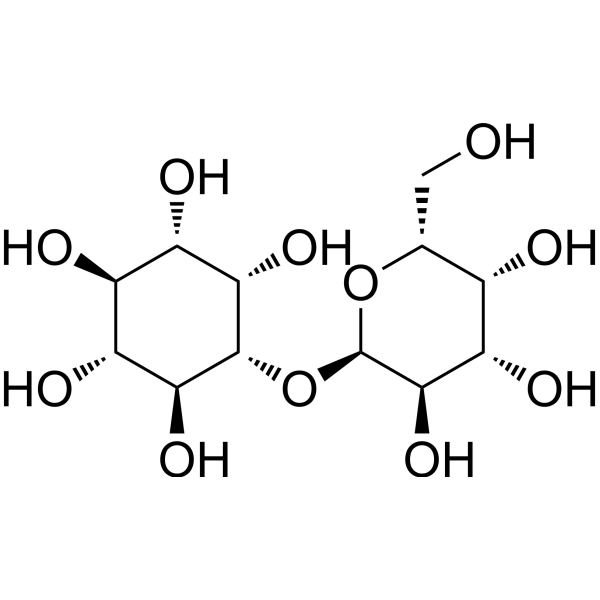
- Formula: C12H22O11
- Molecular Weight: 342.30
Galactinol is a disaccharide carbohydrate serving as a galactosyl donor, which belongs to the raffinose family oligosaccharide pathway and acts as an important osmoprotectant. Galactinol not only induces disease resistance in plants against fungal and bacterial pathogens, but also significantly enhances plant tolerance to abiotic stresses such as drought, high salinity, low temperature and oxidative damage. In addition, Galactinol has the ability to scavenge hydroxyl radicals, can act as a signaling component for root colonization-induced systemic resistance, and is positively correlated with seed longevity in various crops, making it a potential biomarker for evaluating seed vigor. Therefore, Galactinol can be used in the research of various plant diseases including fungal leaf spot, bacterial angular leaf spot, gray mold and soft rot.
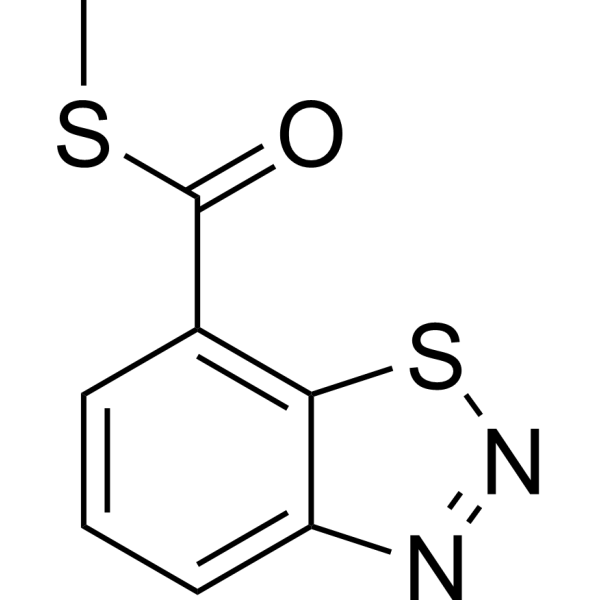
- Formula: C8H6N2OS2
- Molecular Weight: 210.28
Acibenzolar-S-methyl (ASM) is a synthetic analog of Salicylic acid (HY-B0167) and a plant activator. Acibenzolar‑S‑methyl induces increased activities of defense-related enzymes such as peroxidase and chitinase, activates stomatal defense responses and PR defense gene expression, induces the production of ROS, triggers local and systemic acquired resistance, and inhibits the proliferation of bacterial and fungal pathogens in plants. Acibenzolar‑S‑methyl can be used in studies related to plant infection.
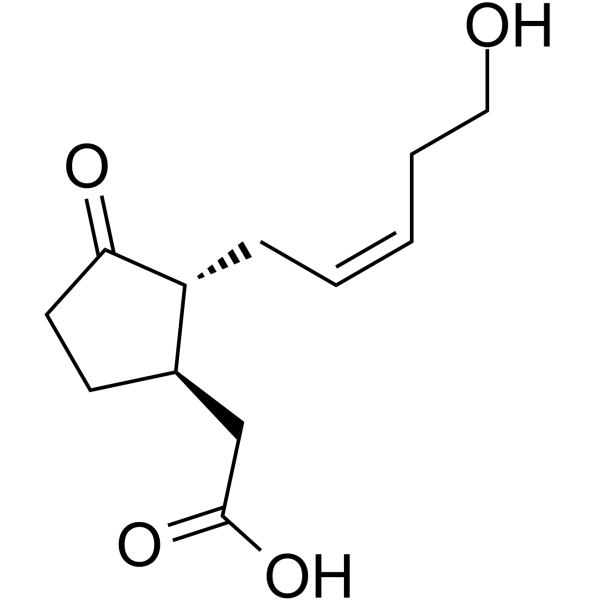
- Formula: C12H18O4
- Molecular Weight: 226.27
12-Hydroxyjasmonic acid is a metabolite of Jasmonic acid (HY-122464A) and an inducer of defense responses. 12-Hydroxyjasmonic acid can be isolated from potato leaflets. During the response of sugar beet plants to Cercospora beticola infection, 12-Hydroxyjasmonic acid is released through deglycosylation of its glucoside form and participates in the Jasmonic acid-mediated defense signaling pathway. 12-Hydroxyjasmonic acid mediates changes in source-sink relationships during pathogen infection, prioritizing the activation of defense processes over growth processes. 12-Hydroxyjasmonic acid serves as a substrate for salicylic acid Glycosyltransferases in tobacco and rice. 12-Hydroxyjasmonic acid can induce leaflet closure in Samanea saman. 12-Hydroxyjasmonic acid acts as a potato tuber-inducing substance. 12-Hydroxyjasmonic acid does not induce protoplast shrinkage in extensor motor cells of Samanea saman. 12-Hydroxyjasmonic acid can be used in studies related to brown spot disease.
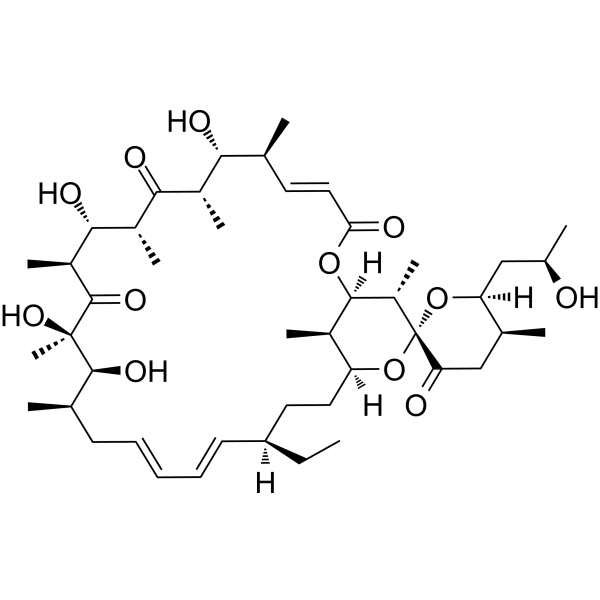
- Formula: C45H72O12
- Molecular Weight: 805.05
Oligomycin B is an antibiotic that acts as a non-selective inhibitor of ATP Synthase. Oligomycin B increases mitochondrial membrane potential. Oligomycin B induces apoptosis and necrosis. Oligomycin B impairs the motility of Plasmopara viticola zoospores and induces their lysis. Oligomycin B inhibits Magnaporthe oryzae (wheat blast fungus) and suppresses the development of wheat blast. Oligomycin B reduces hyphal growth and spore germination of Botrytis cinerea, and protects Arabidopsis thaliana against Botrytis cinerea infection. Oligomycin B exacerbates cytotoxic brain edema in rats with cerebral cortical contusion, increases intracranial pressure and brain water content, and aggravates mitochondrial damage in these rats. Oligomycin B is used in studies related to grape downy mildew, traumatic brain injury, wheat blast, and gray mold.
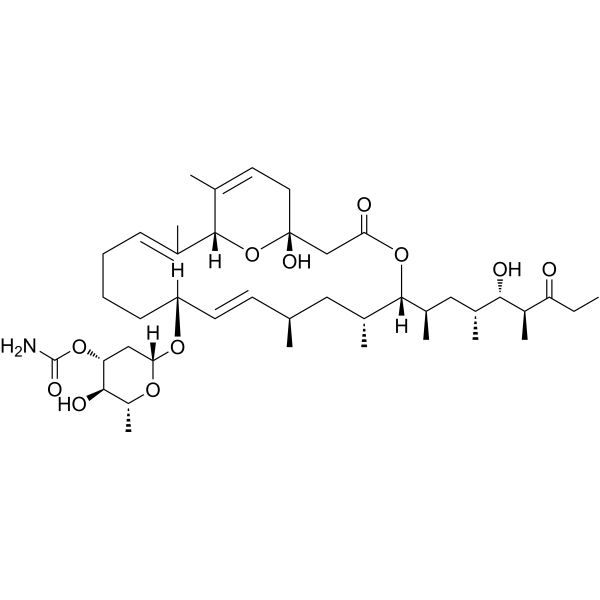
- Formula: C41H67NO11
- Molecular Weight: 749.97
Venturicidin A (Aabomycin A1) is a natural product derived from Streptomyces, possessing antifungal, anti-Trypanosoma brucei, anti-Leishmania donovani, and ATP synthase inhibitory activities. Venturicidin A acts as an antibiotic adjuvant, promoting the uptake of aminoglycoside antibiotics and enhancing bactericidal efficacy. Venturicidin A inhibits ATP synthesis by blocking proton translocation through the FO subunit. In bloodstream-form Trypanosoma brucei, Venturicidin A causes collapse of the mitochondrial membrane potential; in fungi, it disrupts cell membrane integrity, induces leakage of cytoplasmic contents, elevates ROS levels, and downregulates the expression of fungal pathogenicity-related genes. Venturicidin A exhibits antifungal activity against Botrytis cinerea. Venturicidin A is used in research on bacterial infections, trypanosome/leishmania infections, and gray mold disease.
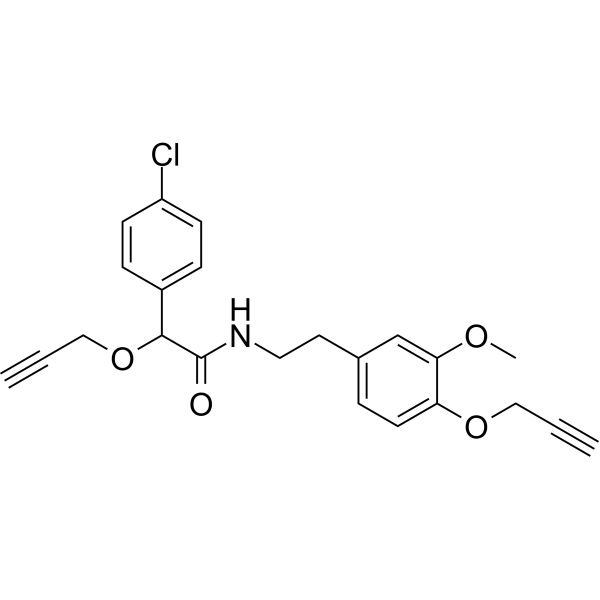
- Formula: C23H22ClNO4
- Molecular Weight: 411.88
Mandipropamid is a cellulose synthase (CesA3) inhibitor and fungicide, with an IC50 of 19.8 nM against Phytophthora infestans. Mandipropamid inhibits the synthesis of crystalline cellulose on the cell surface, disrupts the cell wall structure of oomycetes, and induces germ tube tip swelling and growth arrest in Phytophthora infestans. S-Mandipropamid, an isomer of Mandipropamid, exhibits enantioselective acute toxicity to zebrafish embryos and larvae. Mandipropamid is applicable to studies related to plant infections.
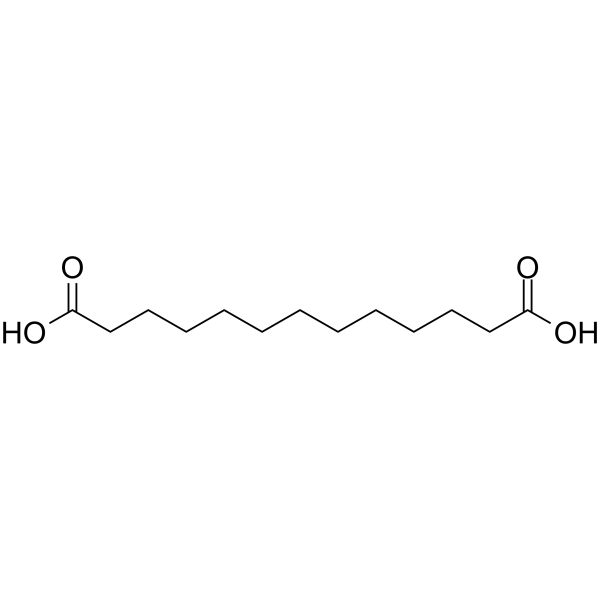
- Formula: C13H24O4
- Molecular Weight: 244.33
Tridecanedioic acid (Brassylic Acid) is a long-chain fatty acid and an endogenous serum metabolite. Tridecanedioic acid is positively correlated with the intestinal genus Tuzzerella in non-alcoholic steatohepatitis (NASH) mice fed a MCD diet. Tridecanedioic acid accumulates at high levels in Brassica napus germplasm tolerant to Plutella xylostella (diamondback moth), thereby participating in plant defense. Tridecanedioic acid can be used in studies related to Plutella xylostella infestation.

- Formula: CH3COONa·CH3COOH
- Molecular Weight: 142.09
Sodium diacetate (Sodium hydrogen diacetate) is a multifunctional biochemical reagent with antibacterial (bacteria) and antifungal (fungi) activities. Sodium diacetate exerts its antimicrobial effect mainly by effectively penetrating the cell walls of microorganisms and interfering with enzyme interactions. Sodium diacetate inhibits the growth and survival of fungi such as Botrytis cinerea, as well as bacteria such as Listeria and Escherichia coli. Sodium diacetate inhibits the growth of endothelial cells. Sodium diacetate can be used in the synthesis of food preservatives, flavoring agents and pH control additives.

- Formula: C23H22F7IN2O4S
- Molecular Weight: 682.39
Flubendiamide (NNI-0001) is an orally active phthalic diamide insecticide that acts by targeting insect ryanodine receptors (RyRs), causing insect muscle dysfunction, paralysis and death. Flubendiamide disrupts molting, metamorphosis and reproductive processes, induces oxidative stress by increasing the levels of ROS/RNS, MDA and 8OHdG and decreasing the levels of SOD, CAT and GST, activates the CncC/Maf apoptosis pathway, impairs calcium homeostasis, promotes adipogenesis, increases triglyceride accumulation, and upregulates the expression of regulatory factors for adipocyte differentiation and adipogenesis.
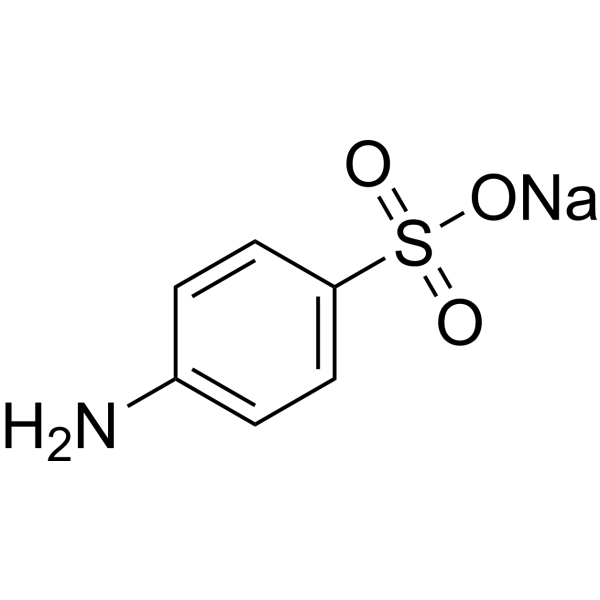
- Formula: C6H6NNaO3S
- Molecular Weight: 195.17
Sodium Sulphanilate (Sodium 4-aminobenzenesulfonate) is a folic acid synthetase inhibitor and antifungal agent, as well as a structural analog of p-aminobenzoic acid, that competitively inhibits folate biosynthesis in fungal pathogens. Sodium Sulphanilate induces host disease resistance via changes in amino acid profiles, reduces chlorophyll content in peanut leaves at high concentrations, and controls rust diseases in various plant species. Sodium Sulphanilate is applicable to studies related to peanut rust.



