



(R)-(+)-Citronellal

Based on 1 Customer Validation
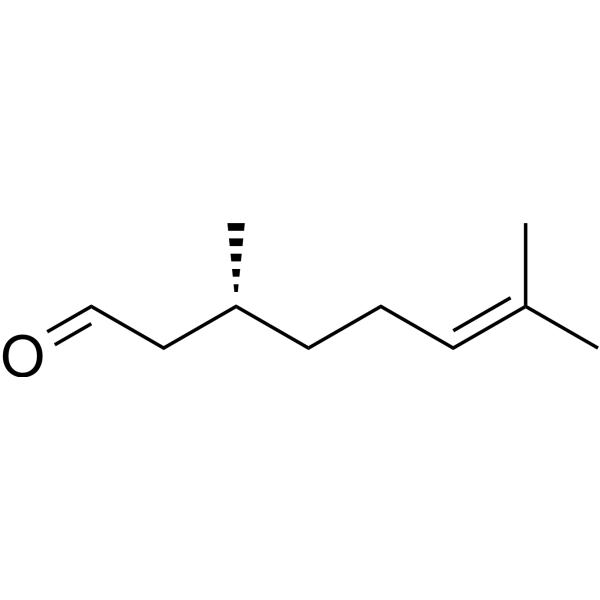
(R)-(+)-Citronellal ((+)-Citronellal) is a monoterpenoid compound and is one of the main components of essential oils from plants such as lemon grass. (R)-(+)-Citronellal has antibacterial, antifungal, and insecticidal activities. (R)-(+)-Citronellal alleviates the bitterness of caffeine by antagonizing the bitter taste receptors Tas2r43 (IC50 = 84 μM) and Tas2R46. (R)-(+)-Citronellal generates analgesic activity by activating the opioid receptor (broad-spectrum opioid receptor) pathway, and its effect is particularly significant for inflammatory pain.
For research use only. We do not sell to patients.
- Purity : 98.72%
- CAS No.: 2385-77-5
- Formula: C10H18O
- Molecular Weight:154.25
-
Storage:Pure form -20°C, 3 years , 4°C, 2 years ; In solvent -80°C, 6 months , -20°C, 1 month

To place orders, for customer services and technical support, please contact: MedChemExpress USA
Tel: 609-228-6898 E-mail: [email protected] [email protected]


-
 Biological Activity
-
Chemical Information
-
Solvent & Solubility
- Protocols
- Purity & Documentation
- References
-
 Help & FAQs


-
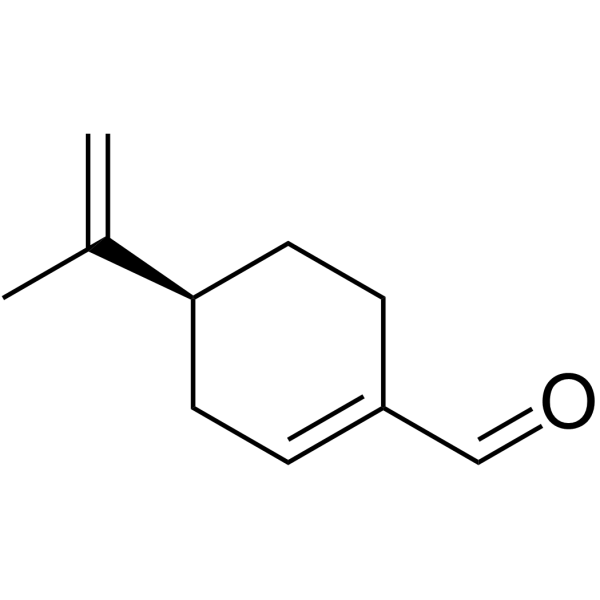
HY-N2085
L-PerillaldehydeAntidepressant-like Agent -
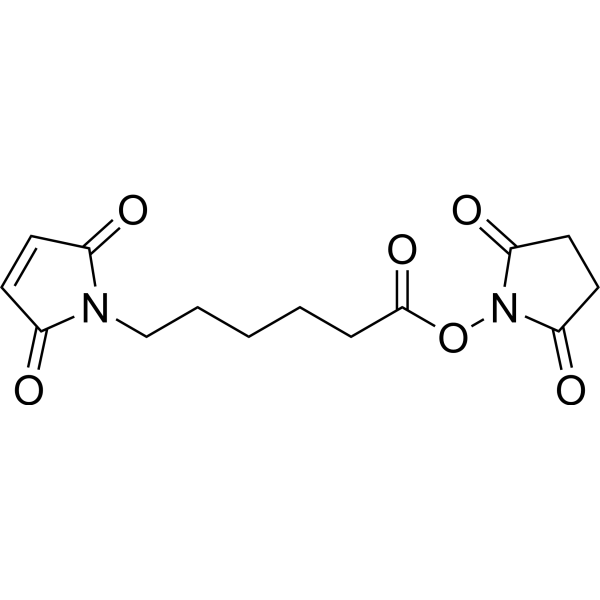
HY-78961
6-Maleimidohexanoic acid N-hydroxysuccinimide esterADC Linker -
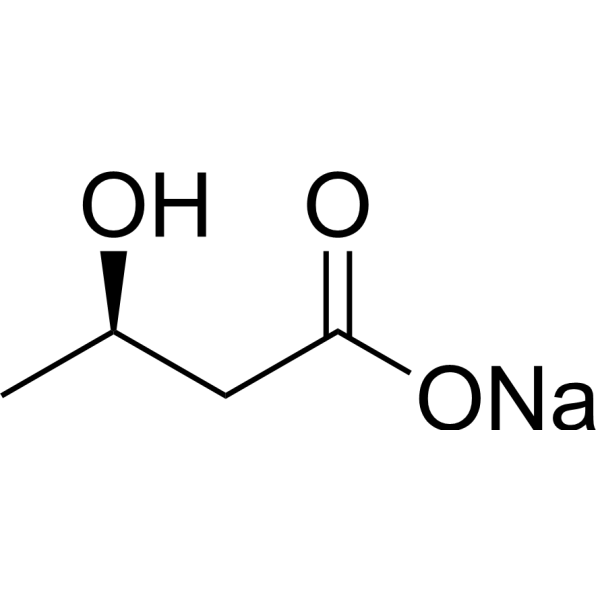
HY-W015851
(R)-3-Hydroxybutanoic acid sodiumEndogenous Metabolite -
HY-40228
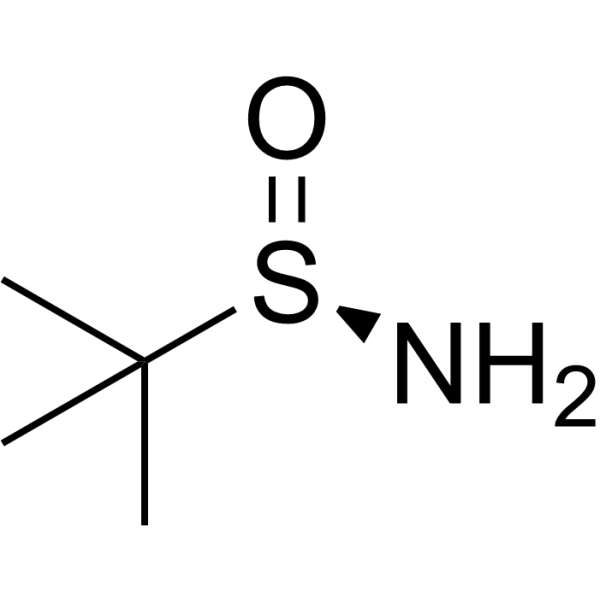
(R)-(+)-tert-ButylsulfinamideChiral Reagent -
HY-W017757
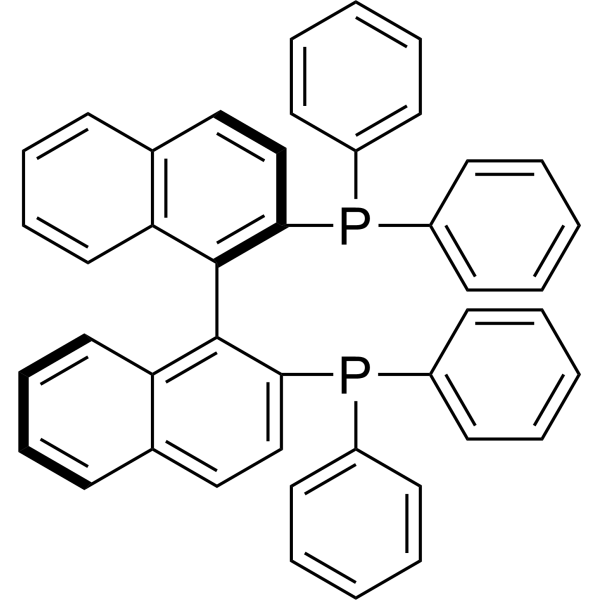
(R)-BINAPBiochemical Reagent -
HY-W051723
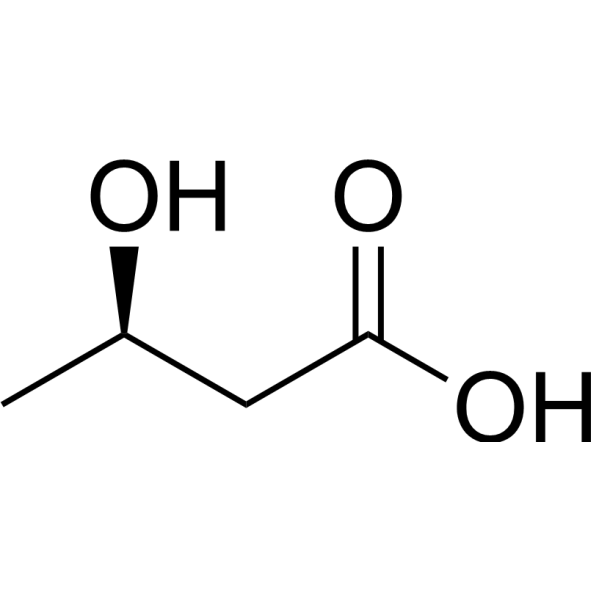
(R)-3-Hydroxybutanoic acid -

HY-I0606B
(R)-(+)-2,2-Dimethyl-1,3-dioxolane-4-carboxaldehydeStarting Material -
HY-W010695
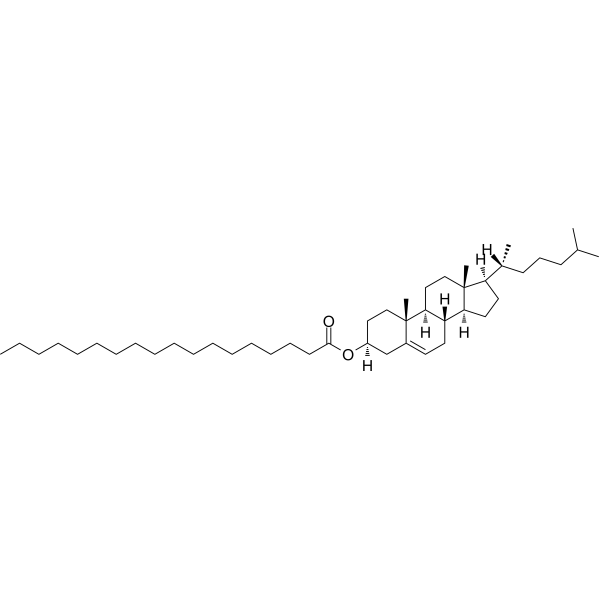
Cholesteryl stearateBiochemical Assay Reagent -
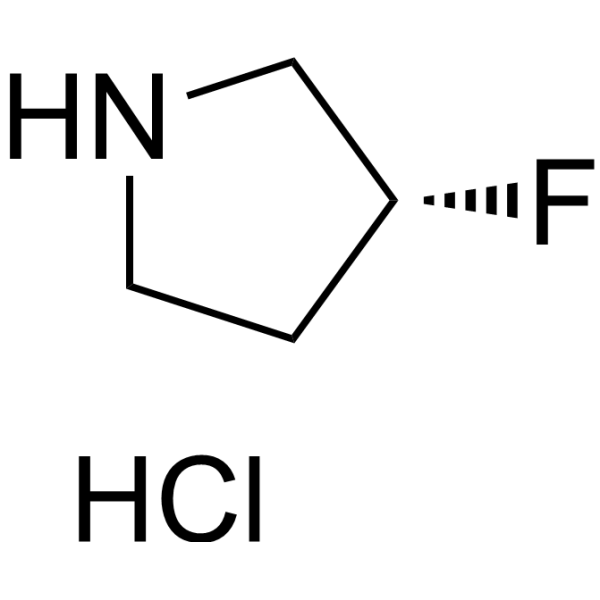
HY-40421
(R)-3-Fluoropyrrolidine hydrochlorideDrug Intermediate -
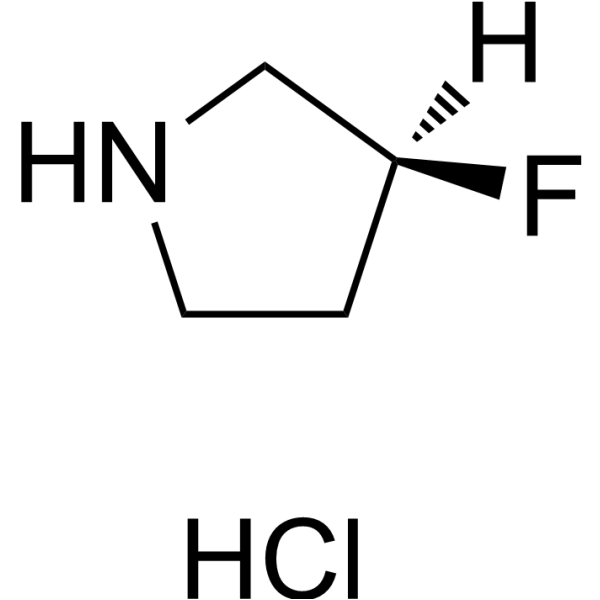
HY-W004695
(S)-3-Fluoropyrrolidine hydrochlorideBiochemical Reagent -

HY-W010695R
Cholesteryl stearate (Standard)Biochemical Assay Reagent
All Opioid Receptor Isoforms
More

Biological Activity
Description
In Vitro
(R)-(+)-Citronellal (0.5-1024 μg/mL, 48 h) acts on the cell wall and cell membrane of the fungus, and exhibits antibacterial activity against Candida albicans[1].
(R)-(+)-Citronellal (1-512 μg/mL, 24 h) has a bactericidal effect on Staphylococcus aureus and Staphylococcus epidermidis, but is ineffective against Salmonella typhimurium and Escherichia coli[2].
(R)-(+)-Citronellal (24 h) has insecticidal activity against Ae. albopictus larvae (LC₅₀ ranging from 384.81 to 395.09 ppm) and adult mosquito (LD₅₀ ranging from 133.059 to 218.962 μg/cm²)[2].
MedChemExpress (MCE) has not independently confirmed the accuracy of these methods. They are for reference only. Further protocols information, click here.
In Vivo
MedChemExpress (MCE) has not independently confirmed the accuracy of these methods. They are for reference only.
-
Animal Model:Rod rotation experiment, heating plate experiment, formalin test established in male Swiss mice over 4 weeks of age were used (26-32 g)[4]
-
Dosage:50, 100, 150 mg/kg
-
Administration:Intraperitoneal injection (i.p.), single dose
-
Result:Did not significantly shorten the time that mice spent on the rotating rod.
Was ineffective in the acute pain model caused by thermal stimulation.
Exhibited a significant analgesic effect on chemical-induced inflammatory pain, and was also effective against acute neuropathic pain at higher concentrations (150 mg/kg).
Could be completely blocked by the opioid receptor antagonist Naloxone (HY-17417A).


Chemical Information
-
CAS No. 2385-77-5
-
Appearance Liquid (Density: 1.0124 g/cm3)
-
Molecular Weight 154.25
-
Formula C10H18O
-
Color Colorless to light yellow
-
SMILES
C/C(C)=C\CC[C@@H](C)CC=O
-
Synonyms
(+)-Citronellal
-
Structure Classification
-
Shipping
Room temperature in continental US; may vary elsewhere.
-
Storage
Pure form -20°C 3 years 4°C 2 years In solvent -80°C 6 months -20°C 1 month


Solvent & Solubility
In Vitro:
DMSO : 100 mg/mL (648.30 mM; Need ultrasonic; Hygroscopic DMSO has a significant impact on the solubility of product, please use newly opened DMSO)
Please refer to the solubility information to select the appropriate solvent. Once prepared, please aliquot and store the solution to prevent product inactivation from repeated freeze-thaw cycles.
Storage method and period of stock solution: -80°C, 6 months; -20°C, 1 month. When stored at -80°C, please use it within 6 months. When stored at -20°C, please use it within 1 month.
Please refer to the solubility information to select the appropriate solvent. Once prepared, please aliquot and store the solution to prevent product inactivation from repeated freeze-thaw cycles.
Storage method and period of stock solution: -80°C, 6 months; -20°C, 1 month. When stored at -80°C, please use it within 6 months. When stored at -20°C, please use it within 1 month.
Concentration (start) × Volume (start) = Concentration (final) × Volume (final)
In Vivo:
Select the appropriate dissolution method based on your experimental animal and administration route.
- For the following dissolution methods, please ensure to first prepare a clear stock solution using an In Vitro approach and then sequentially add co-solvents:
- To ensure reliable experimental results, the clarified stock solution can be appropriately stored based on storage conditions. As for the working solution for In Vivo experiments, it is recommended to prepare freshly and use it on the same day.
- The percentages shown for the solvents indicate their volumetric ratio in the final prepared solution. If precipitation or phase separation occurs during preparation, heat and/or sonication can be used to aid dissolution.
Add each solvent one by one: 10% DMSO 40% PEG300 5% Tween-80 45% Saline
Solubility: ≥ 2.5 mg/mL (16.21 mM); Clear solution
This protocol yields a clear solution of ≥ 2.5 mg/mL (saturation unknown).
Taking 1 mL working solution as an example, add 100 μL DMSO stock solution (25.0 mg/mL) to 400 μL PEG300, and mix evenly; then add 50 μL Tween-80 and mix evenly; then add 450 μL Saline to adjust the volume to 1 mL.
Preparation of Saline: Dissolve 0.9 g sodium chloride in ddH₂O and dilute to 100 mL to obtain a clear Saline solution.
Add each solvent one by one: 10% DMSO 90% (20% SBE-β-CD in Saline)
Solubility: ≥ 2.5 mg/mL (16.21 mM); Clear solution
This protocol yields a clear solution of ≥ 2.5 mg/mL (saturation unknown).
Taking 1 mL working solution as an example, add 100 μL DMSO stock solution (25.0 mg/mL) to 900 μL 20% SBE-β-CD in Saline, and mix evenly.
Preparation of 20% SBE-β-CD in Saline (4°C, storage for one week): 2 g SBE-β-CD powder is dissolved in 10 mL Saline, completely dissolve until clear.
In Vivo Dissolution Calculator
Please enter the basic information of animal experiments:
-
-
-
-
Recommended: Prepare an additional quantity of animals to account for potential losses during experiments.
Please enter your animal formula composition:
-
%DMSO +
Recommended: Keep the proportion of DMSO in working solution below 2% if your animal is weak.
-
%+
-
+%Tween-80 + +
-
%Saline +
The co-solvents required include: DMSO, . All of co-solvents are available by MedChemExpress (MCE). , Tween 80. All of co-solvents are available by MedChemExpress (MCE).
Working solution concentration: 0.22 mg/mL
Method for preparing stock solution: mg drug dissolved in μL DMSO. Stock solution concentration: mg/mL.
1. Take μL DMSO stock solution;
2. Add μL .
μL , mix evenly;
3. Then add μL Tween 80, mix evenly;
4. Then add μL
Please ensure that the stock solution in the first step is dissolved to a clear state, and add co-solvents in sequence. You can use ultrasonic heating (ultrasonic cleaner, recommended frequency 20-40 kHz), vortexing, etc. to assist dissolution.

Protocols
-
Research Protocol for Infectious Diseases
Infectious-disease experiments test how pathogens interact with host barriers, innate immune receptors, inflammatory signaling, pathogen replication, and tissue injury; pattern-recognition receptors such as TLRs, RIG-I-like receptors, NOD-like receptors, and inflammasomes detect microbial molecules and activate NF-κB, interferon, and cytokine responses. The central hypothesis is that infection severity reflects the balance between pathogen burden and host response: protective inflammation restricts pathogen growth, whereas excessive or mislocalized inflammation contributes to tissue damage and disease phenotype. Unresolved questions include which host pathways are protective versus pathogenic, why some infection models fail to translate to human disease, and which combined readouts best predict clinically relevant infection outcomes.
-
Cell Cytotoxicity Assay
Cytotoxicity assays are usually based on the assessment of cell membrane damage, which can also be indirectly detected by measuring cell viability. Detection methods include MTT assay, CKK-8 assay, LDH assay and ATP assay, etc.
-
Formalin-Induced Paw Inflammation/Nociceptive Inflammation
The formalin-induced paw inflammation/nociceptive test is a chemical persistent pain model in rodents in which subcutaneous injection of formalin into the hind paw produces spontaneous nocifensive behaviors such as flinching and licking. The response is classically biphasic, consisting of an early acute phase (Phase I) reflecting direct activation of peripheral nociceptors (particularly C-fiber afferents), followed by a later prolonged phase (Phase II) associated with central sensitization in the spinal dorsal horn driven by sustained afferent input and inflammatory signaling. This model is widely used to evaluate analgesic and anti-inflammatory interventions because it captures both peripheral nociception and central sensitization processes within a single assay system.


Purity & Documentation
-
Data Sheet (271 KB)
-
SDS (393 KB)
- English - EN (393 KB)
- Français - FR (393 KB)
- Deutsch - DE (393 KB)
- Norwegian - NO (393 KB)
- Español - ES (393 KB)
- Swedish - SV (393 KB)
- Italian - IT (393 KB)
- Korean - KR (393 KB)
- Portuguese - PT (393 KB)
-
Handling Instructions (2659 KB)
References
[1]. Gouveia RG, et al. Antifungal effect of (R) and (S)-citronellal enantiomers and their predictive mechanism of action on Candida albicans from voriconazole-resistant onychomycoses. Braz J Biol. 2023 May 22;83:e271530. [Content Brief]
[2]. Wu P, et al. Chemical Composition, Antimicrobial and Insecticidal Activities of Essential Oils of Discarded Perfume Lemon and Leaves (Citrus Limon (L.) Burm. F.) as Possible Sources of Functional Botanical Agents. Front Chem. 2021 May 24;9:679116. [Content Brief]
[3]. Suess B, et al. The Odorant ( R)-Citronellal Attenuates Caffeine Bitterness by Inhibiting the Bitter Receptors TAS2R43 and TAS2R46. J Agric Food Chem. 2018 Mar 14;66(10):2301-2311. [Content Brief]
[4]. Costa AOC, et al. Evaluation of the antinociceptive effect generated by citronellal monoterpene isomers. Braz J Biol. 2023 May 29;83:e271781. [Content Brief]


Complete Stock Solution Preparation Table
Please refer to the solubility information to select the appropriate solvent. Once prepared, please aliquot and store the solution to prevent product inactivation from repeated freeze-thaw cycles.
Storage method and period of stock solution: -80°C, 6 months; -20°C, 1 month. When stored at -80°C, please use it within 6 months. When stored at -20°C, please use it within 1 month.
| Optional Solvent | Concentration Solvent Mass | 1 mg | 5 mg | 10 mg | 25 mg |
|---|---|---|---|---|---|
| DMSO | 1 mM | 6.4830 mL | 32.4149 mL | 64.8298 mL | 162.0746 mL |
| 5 mM | 1.2966 mL | 6.4830 mL | 12.9660 mL | 32.4149 mL | |
| 10 mM | 0.6483 mL | 3.2415 mL | 6.4830 mL | 16.2075 mL | |
| 15 mM | 0.4322 mL | 2.1610 mL | 4.3220 mL | 10.8050 mL | |
| 20 mM | 0.3241 mL | 1.6207 mL | 3.2415 mL | 8.1037 mL | |
| 25 mM | 0.2593 mL | 1.2966 mL | 2.5932 mL | 6.4830 mL | |
| 30 mM | 0.2161 mL | 1.0805 mL | 2.1610 mL | 5.4025 mL | |
| 40 mM | 0.1621 mL | 0.8104 mL | 1.6207 mL | 4.0519 mL | |
| 50 mM | 0.1297 mL | 0.6483 mL | 1.2966 mL | 3.2415 mL | |
| 60 mM | 0.1080 mL | 0.5402 mL | 1.0805 mL | 2.7012 mL | |
| 80 mM | 0.0810 mL | 0.4052 mL | 0.8104 mL | 2.0259 mL | |
| 100 mM | 0.0648 mL | 0.3241 mL | 0.6483 mL | 1.6207 mL |


(R)-(+)-Citronellal Related Classifications
HY-111664 Related Classifications
 Powered by Bioz