



Glucosinolates
-
Glucosinolates (25)

- 1
- 2
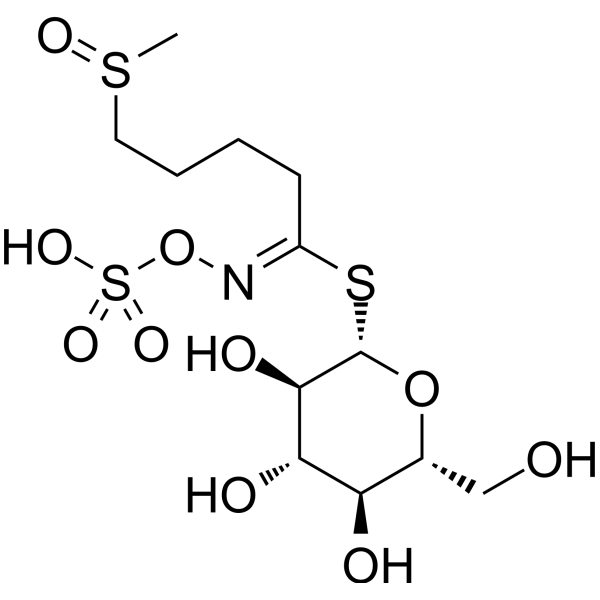
- Formula: C12H23NO10S3
- Molecular Weight: 437.51
Glucoraphanin, a natural glucosinolate found in cruciferous vegetable, is a stable precursor of the Nrf2 inducer sulforaphane, which possesses antioxidant, anti-inflammatory, and anti-carcinogenic effects.
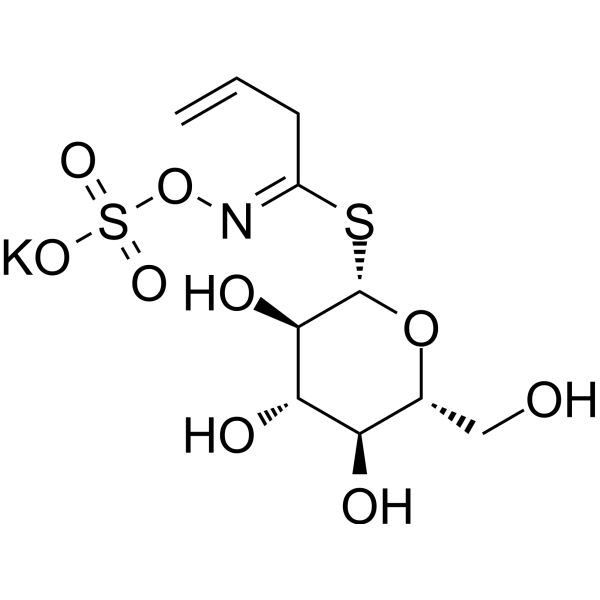
- Formula: C10H16KNO9S2
- Molecular Weight: 397.46
Sinigrin (Allyl-glucosinolate) is an orally active glucosinolate found in cruciferous plants. Sinigrin possesses multiple activities such as anti-cancer, antibacterial, antifungal, anti-inflammatory, antioxidant, and inhibition of fat synthesis. Sinigrin can be used in the research of tumors, inflammatory, and metabolic diseases.
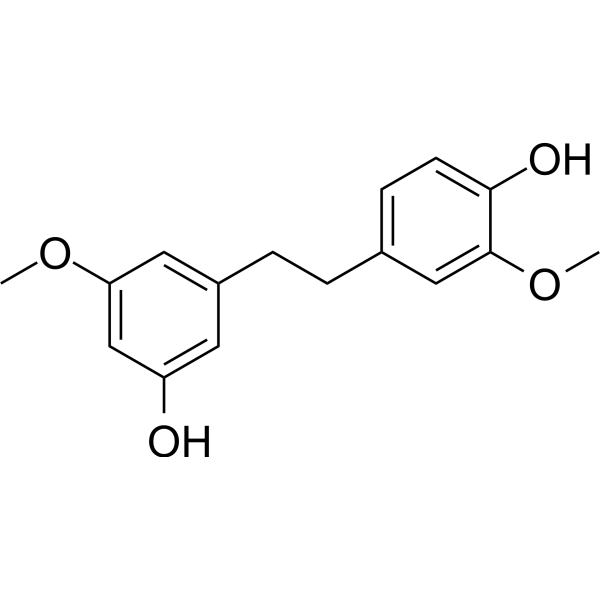
- Formula: C16H18O4
- Molecular Weight: 274.31
Gigantol is an orally active bibenzyl compound. Gigantol targets MYC to promote its ubiquitin-proteasomal degradation and inhibit the growth of lung cancer cells. Gigantol exerts anti-lung cancer activity by inducing ferroptosis (Ferroptosis) via the SLC7A11-GPX4 axis. Gigantol restores the sensitivity of mcr-harboring multidrug-resistant bacteria to colistin. Gigantol ameliorates carbon tetrachloride-induced liver injury by inhibiting the activation of the JNK/cPLA2/12-LOX inflammatory pathway. Gigantol promotes cholesterol metabolism and progesterone biosynthesis in Leydig cells. Gigantol can be used in studies related to diseases such as lung cancer, multidrug-resistant Gram-negative bacterial infections, and acute liver injury.

- Formula: C12H23NO10S3
- Molecular Weight: 437.51
Glucoraphanin (Standard) is the analytical standard of Glucoraphanin. This product is intended for research and analytical applications. Glucoraphanin, a natural glucosinolate found in cruciferous vegetable, is a stable precursor of the Nrf2 inducer sulforaphane, which possesses antioxidant, anti-inflammatory, and anti-carcinogenic effects.
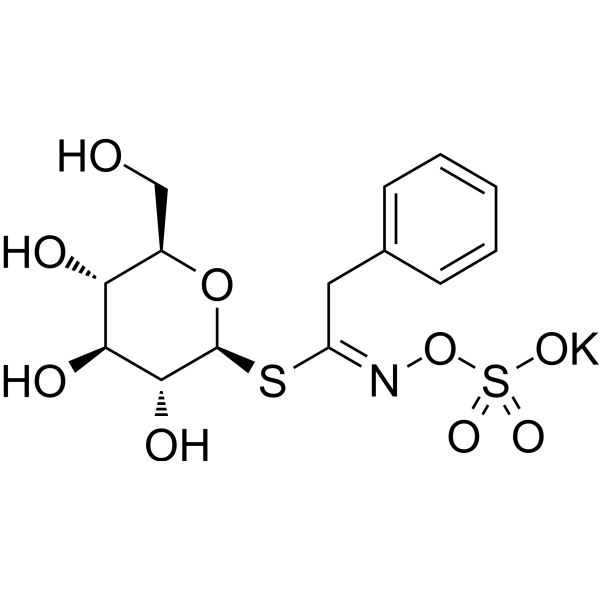
- Formula: C14H18KNO9S2
- Molecular Weight: 447.52
Glucotropaeolin (Benzylglucosinolate) potassium is an orally effective glucosinolate that can be extracted from cruciferous vegetables. Glucotropaeolin potassium exhibits activities including moderate reduction of spontaneous DNA damage in animals, anti-inflammation, antimicrobial action, and anticancer effect. Glucotropaeolin potassium can be used in research related to tendinopathy, late blight, type 2 diabetes, and cancer.
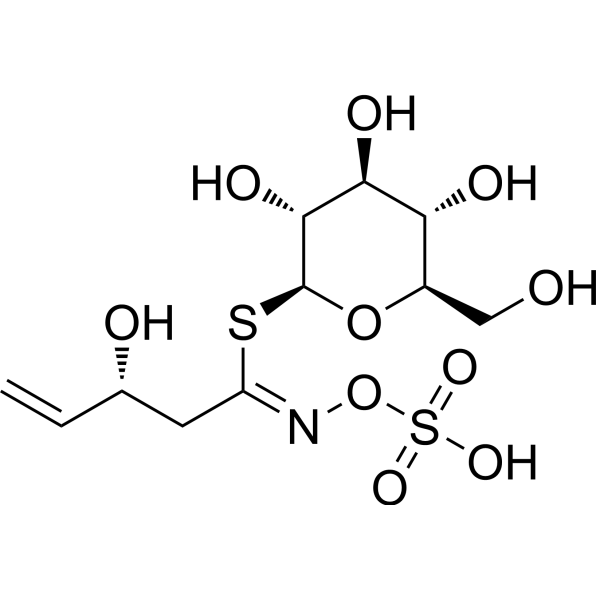
- Formula: C11H19NO10S2
- Molecular Weight: 389.40
Progoitrin is an orally active glucosinolate. As the precursor of goitrin (HY-N0224A), an antithyroid compound, progoitrin releases goitrin via hydrolysis by myrosinase or gastrointestinal glucosidase. Progoitrin converts to goitrin in vivo and exerts antithyroid activity by inhibiting the accumulation of radioactive iodine in the thyroid gland. Progoitrin can be used in the research of Graves' disease (thyrotoxicosis).

- Formula: C14H18KNO9S2
- Molecular Weight: 447.52
Glucotropaeolin (Benzylglucosinolate) potassium (Standard) is the analytical standard of Glucotropaeolin (potassium) (HY-N4321). This product is intended for research and analytical applications. Glucotropaeolin (Benzylglucosinolate) potassium is an orally effective glucosinolate that can be extracted from cruciferous vegetables. Glucotropaeolin potassium exhibits activities including moderate reduction of spontaneous DNA damage in animals, anti-inflammation, antimicrobial action, and anticancer effect. Glucotropaeolin potassium can be used in research related to tendinopathy, late blight, type 2 diabetes, and cancer.

- Formula: C11H18KNO10S2
- Molecular Weight: 427.49
Progoitrin potassium is an orally active glucosinolate. As the precursor of goitrin (HY-N0224A), an antithyroid compound, progoitrin releases goitrin via hydrolysis by myrosinase or gastrointestinal glucosidase. Progoitrin converts to goitrin in vivo and exerts antithyroid activity by inhibiting the accumulation of radioactive iodine in the thyroid gland. Progoitrin potassium can be used in the research of Graves' disease (thyrotoxicosis).
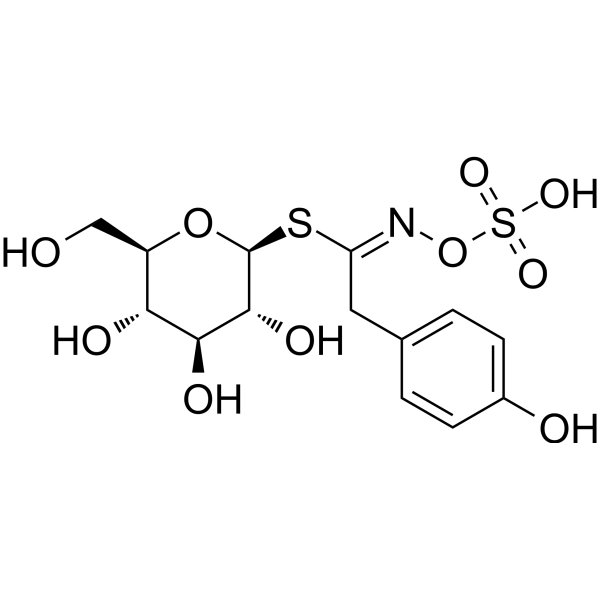
- Formula: C14H19NO10S2
- Molecular Weight: 425.43
Glucosinalbate is a natural product that can be isolated from Arabidopsis thaliana.
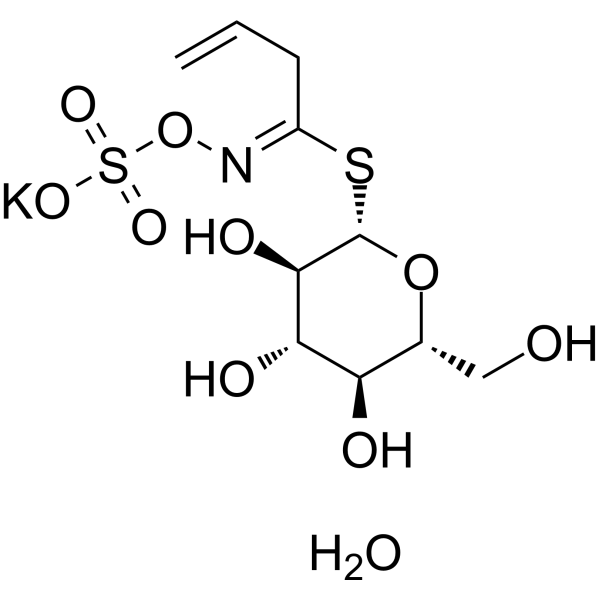
- Formula: C10H18KNO10S2
- Molecular Weight: 415.48
Sinigrin (Allyl-glucosinolate) hydrate is an orally active glucosinolate found in cruciferous plants. Sinigrin hydrate possesses multiple activities such as anti-cancer, antibacterial, antifungal, anti-inflammatory, antioxidant, and inhibition of fat synthesis. Sinigrin hydrate can be used in the research of tumors, inflammatory, and metabolic diseases.
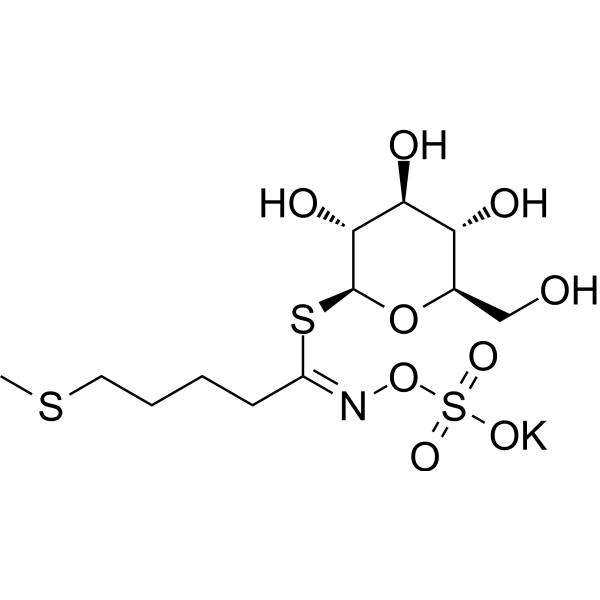
- Formula: C12H22KNO9S3
- Molecular Weight: 459.60
Glucoerucin potassium is an aryl hydrocarbon receptor antagonist and is the 4-methylthio-butyl glucosinolate found in the seeds of Eruca sativa Mill.
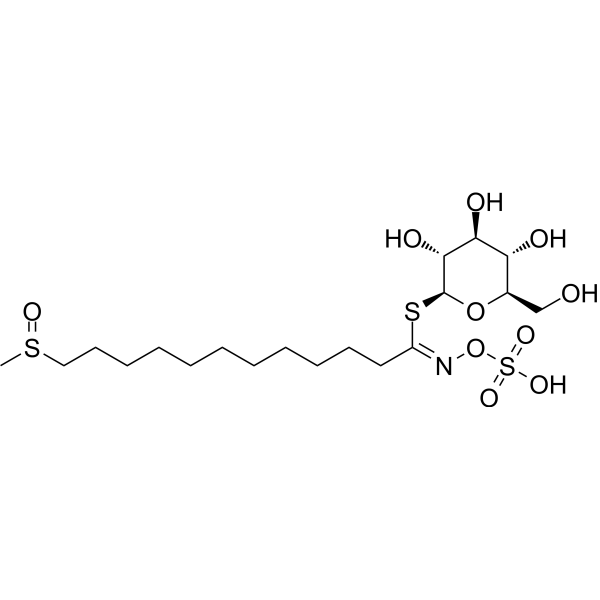
- Formula: C19H37NO10S3
- Molecular Weight: 535.69
11-(Methylsulfinyl)undecyl-glucosinolate is an aliphatic glucosinolate.

- Formula: C12H21NO10S3
- Molecular Weight: 435.48
Glucoraphenin is an orally effective glucosinolate. Glucoraphenin can be isolated from radish sprouts. Glucoraphenin enhances the enzymatic activity of Glutathione S-transferase. Glucoraphenin enhances the activity of cytochrome P450-related monooxygenase.

- Formula: C10H17NO9S2
- Molecular Weight: 359.37
(E/Z)-Sinigrin ((E/Z)-Allyl-glucosinolate; (E/Z)-2-Propenyl-glucosinolate) free base is an orally active aliphatic thioglucoside anti-leukemia compound. Allyl isothiocyanate, produced by the hydrolysis of (E/Z)-sinigrin free base by myrosinase, has an IC50 of 2.71 μM against HL60 leukemia cells. The hydrolysis products of (E/Z)-sinigrin free base can further activate apoptosis pathways, inhibit NF-κB and MAPK signaling pathways, and induce phase II metabolic enzyme activity, thus exhibiting anti-cancer, anti-inflammatory, antibacterial, antioxidant, and wound healing activities. (E/Z)-Sinigrin free base can be used in research on cancer, inflammation-related diseases (such as atherosclerosis), and infectious diseases. (E/Z)-Sinigrin free base can be naturally extracted from the seeds of Brassica nigra, Brassica juncea, and other Brassicaceae plants such as broccoli and Brussels sprouts. Methyl pechueloate is a guaiane-type sesquiterpene ester compound and a potential precursor of xerantholide. It is useful in the structural elucidation and biosynthetic pathway studies of sesquiterpenoids. Methyl pechueloate can be naturally extracted from the aerial parts of Pechuel-Loeschea leibnitziae (Kuntze) O. Hoffm.

- Formula: C10H16KNO9S2
- Molecular Weight: 397.46
Sinigrin (Standard) (Allyl-glucosinolate (Standard)) is the analytical standard of Sinigrin (HY-N0404). This product is intended for research and analytical applications. Sinigrin (Allyl-glucosinolate) is an orally active glucosinolate found in cruciferous plants. Sinigrin possesses multiple activities such as anti-cancer, antibacterial, antifungal, anti-inflammatory, antioxidant, and inhibition of fat synthesis. Sinigrin can be used in the research of tumors, inflammatory, and metabolic diseases.
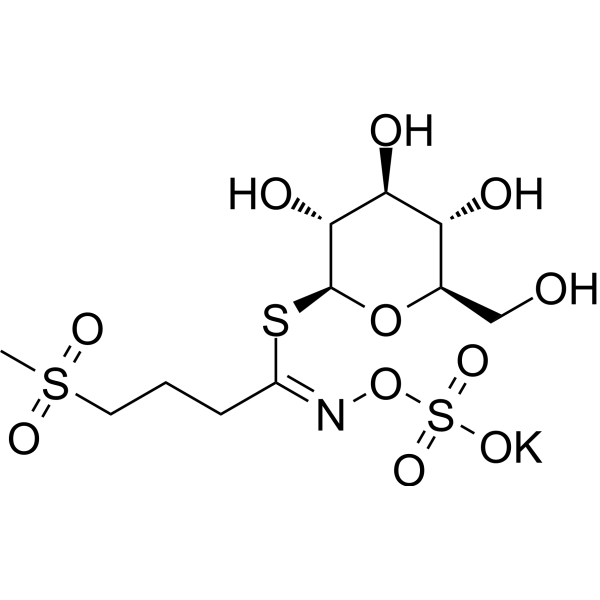
- Formula: C11H20KNO11S3
- Molecular Weight: 477.57
Glucocheirolin, a natural compound that can be isolated from Erysimum corinthium Boiss, possesses antinutritional and toxic effects in rats.
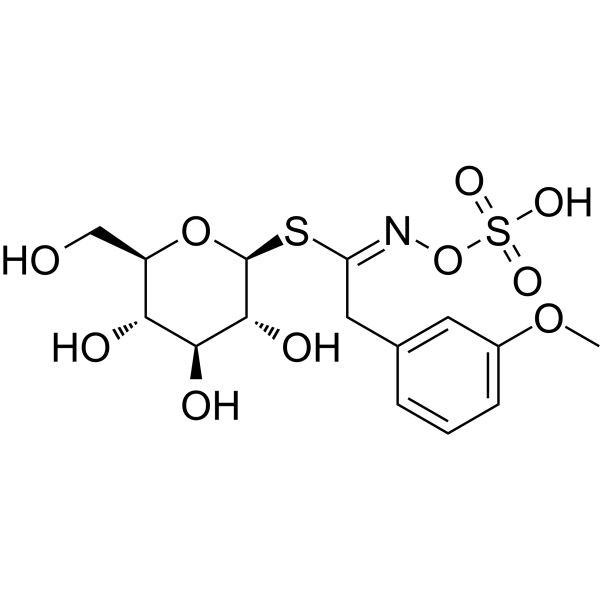
- Formula: C15H21NO10S2
- Molecular Weight: 439.46
Glucolimnanthin is a plant glucoside that can be isolated from Limnanthes douglasii. Glucolimnanthin can increase metabolic activation of benzo[a]pyrene (B[a]P) in cultured mammalian cells
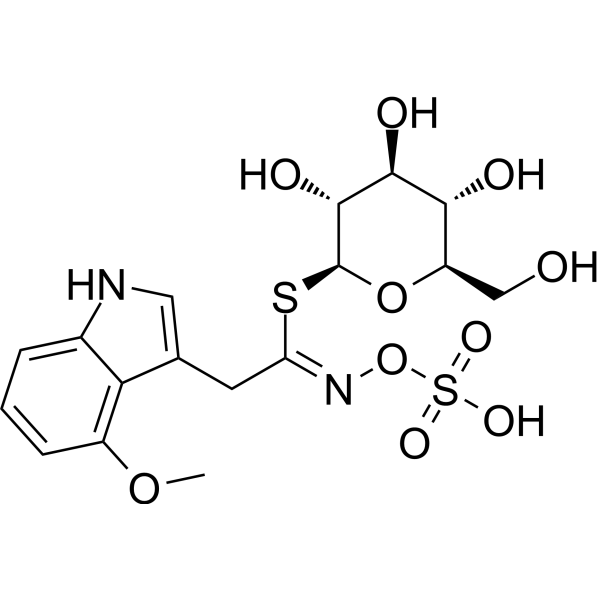
- Formula: C17H22N2O10S2
- Molecular Weight: 478.49
4-Methoxyglucobrassicin is a indole glucosinolate that can be isolated from Brassica napobrassica L. Mill.
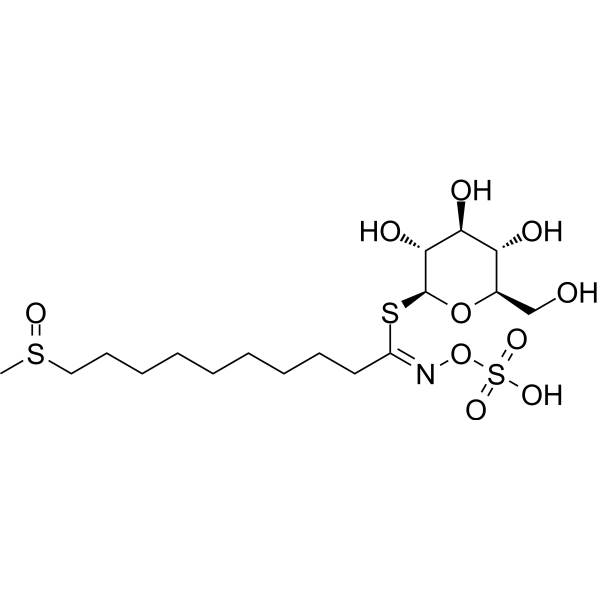
- Formula: C17H33NO10S3
- Molecular Weight: 507.64
Glucoarabin is a bioactive glucosinolate. In Hepa1c1c7 cells, hydrolyzed Glucoarabin (hGSL 9) upregulates the phase II detoxification enzyme quinone reductase (NQO1), with no effect on cytochrome P450 (CYP) 1A1 activity.
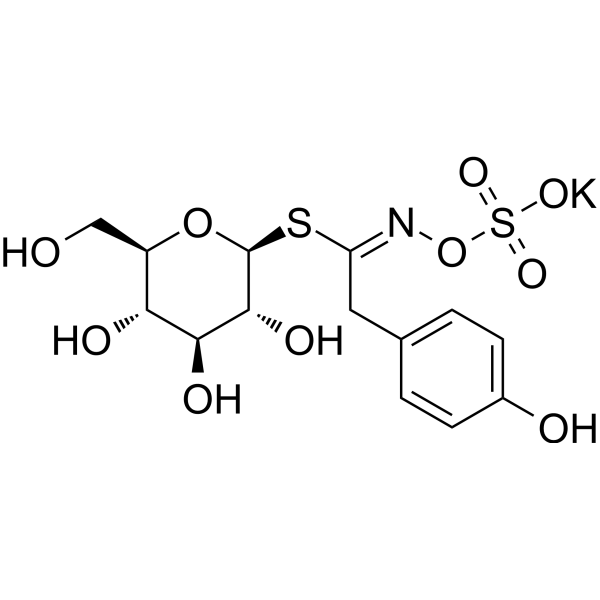
- Formula: C14H18KNO10S2
- Molecular Weight: 463.52
Glucosinalbate potassium is a natural product that can be isolated from Arabidopsis thaliana.
- 1
- 2



