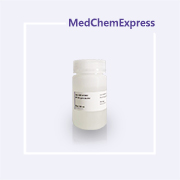
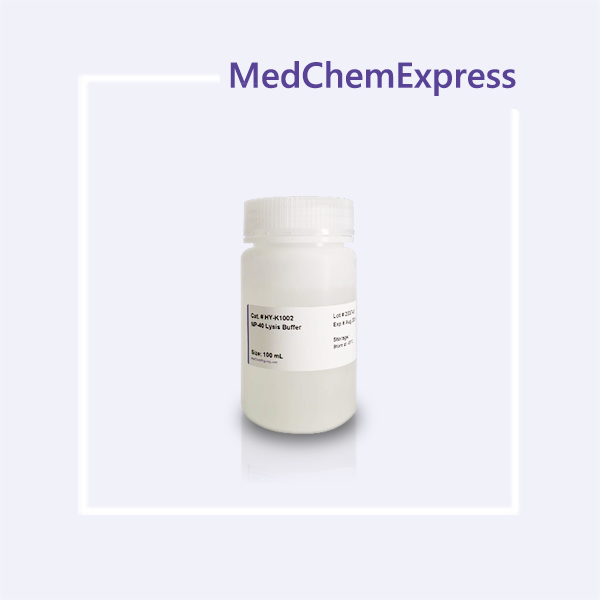
NP-40 Lysis Buffer
Based on 19 publication(s) in Google Scholar
MCE NP-40 Lysis Buffer is a relatively mild reliable buffers used to lyse cells from animal, plant tissue and fungi, bacteria etc.
-
Storage :
-20℃, 1 year.

To place orders, for customer services and technical support, please contact: MedChemExpress USA
Tel: 609-228-6898 E-mail: [email protected] [email protected]



-
HY-K0202
Protein A/G Magnetic Beads -
HY-K0010
Protease Inhibitor Cocktail (EDTA-Free, 100× in DMSO) -
HY-K1001
RIPA Lysis Buffer (Strong) -
HY-13259
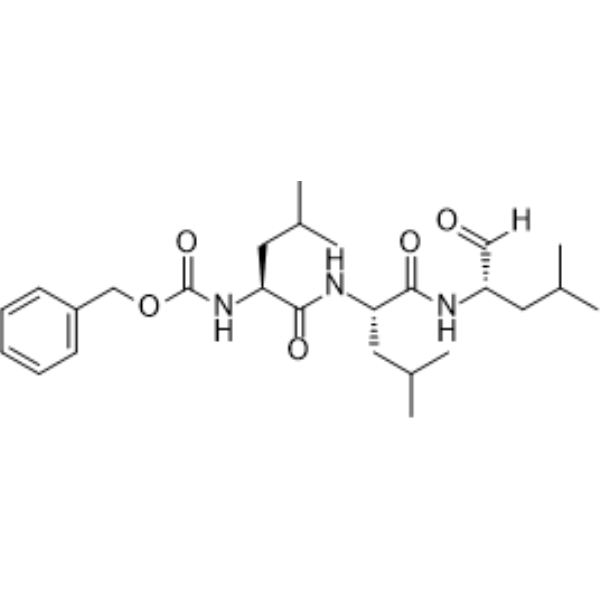
MG-132Proteasome Inhibitor -
HY-Y0320
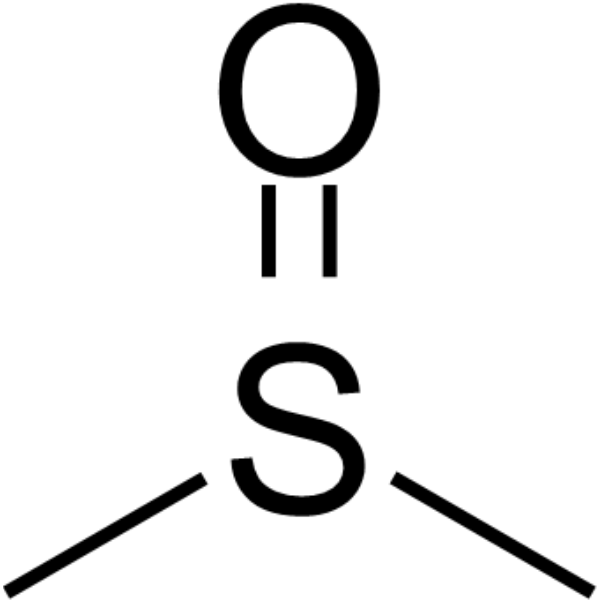
Dimethyl sulfoxide, meets analytical specification of Ch.P.Aprotic Solvent -
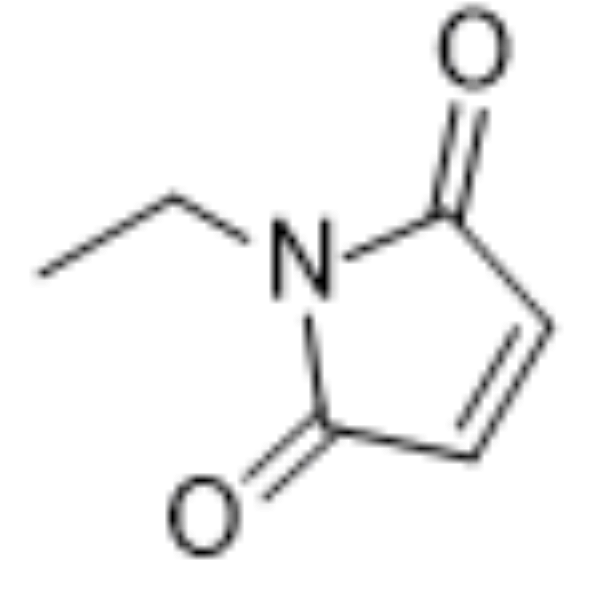
HY-D0843
N-EthylmaleimideCysteine Residues Modifier -
HY-K0022
Phosphatase Inhibitor Cocktail Ⅱ (100× in ddH2O) -
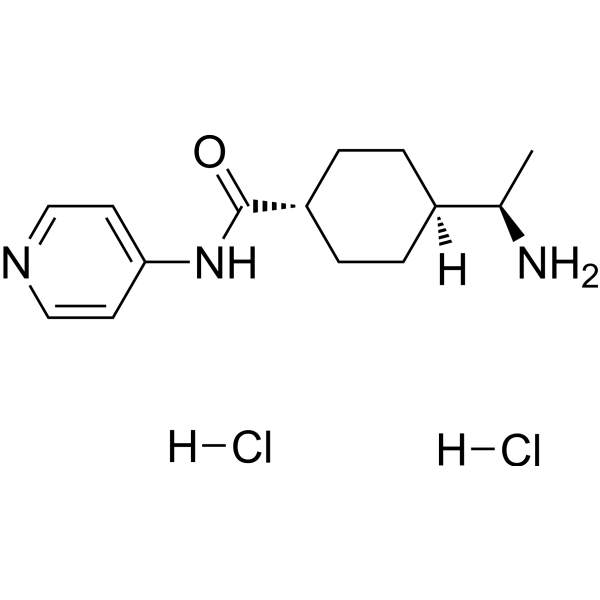
HY-10583
Y-27632 dihydrochlorideROCK Inhibitor -

HY-K1000
WB/IP Lysis Buffer -
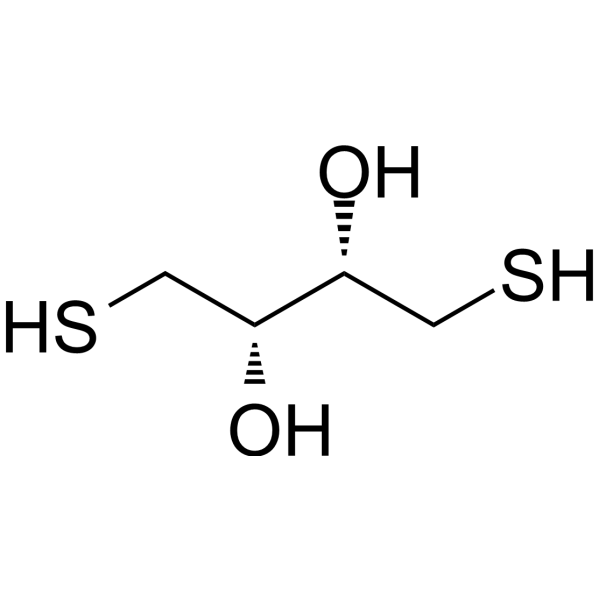
HY-15917
DL-DithiothreitolReducing Agent -
HY-K0207
Anti-Flag Magnetic Beads -
HY-K0013
Protease and Phosphatase Inhibitor Cocktail (EDTA-Free, 10× in ddH2O)


Description & Advantages
MCE NP-40 Lysis Buffer is a relatively mild lysis solution that can be used for animal and plant cells or tissues, as well as fungal and bacterial samples. The protein samples obtained by lysis can be used for PAGE, WB, IP, Co-IP, ELISA and other experiments, etc. Mild lysis is benefit for maintaining the original protein structure and the original protein-protein interactions.
NP-40 Lysis Buffer contains 50 mM Tris (pH 7.4), 150 mM NaCl, 1% NP-40 and a variety of inhibitors such as sodium pyrophosphate, β-glycerophosphate, sodium orthovanadate, sodium fluoride, EDTA and leupeptin, etc., which can effectively inhibit protein degradation.


Protocols
General Protocol
Take an appropriate volume of NP-40 Lysis Buffer, mix gently, and keep on ice. Add protease or phosphatase inhibitors as needed.
1. Cell samples
Adherent cells:
1) Carefully remove culture medium.
2) Wash cells 1-2 times with cold PBS, saline, or serum-free medium.
3) Add an appropriate volume of cold NP-40 Lysis Buffer, e.g. 150-250 μL per well of a 6-well plate, and pipette gently until cells are fully immersed. For animal cells, shake slightly on ice for 1-2 sec; for plant cells, incubate on ice for 2-10 min.
4) Centrifuge at 10,000-14,000 × g for 3-5 min and transfer the supernatant for PAGE, WB, IP, Co-IP, or other analyses.
Suspension cells:
1) Collect cells at 500 × g for 5 min and discard the supernatant. Washing 1-2 times with cold wash buffer is recommended.
2) Add an appropriate amount of cold NP-40 Lysis Buffer, e.g. 150-250 μL per equivalent well of a 6-well plate, and flick the tube to disperse the pellet.
3) Centrifuge at 10,000-14,000 × g for 3-5 min and collect the supernatant.
Bacteria or yeast:
1) For improved lysis, pretreat bacteria with lysozyme or yeast with lyticase.
2) Centrifuge 1 mL bacterial or yeast culture and discard the supernatant. Washing 1-2 times with cold wash buffer is recommended.
3) Add 100-200 μL NP-40 Lysis Buffer and incubate on ice with slight shaking for 2-10 min.
4) Centrifuge at 10,000-14,000 × g for 3-5 min and collect the supernatant.
2. Tissue samples
1) Quickly cut tissue into small pieces on ice.
2) Add 150-250 μL cold NP-40 Lysis Buffer per 20 mg tissue and homogenize thoroughly. Increase lysis buffer if the tissue is not completely lysed.
3) Centrifuge at 10,000-14,000 × g for 3-5 min and collect the supernatant for PAGE, WB, IP, Co-IP, or other analyses.
Note: Perform all steps on ice or at 4°C. Avoid repeated freeze-thaw cycles. BCA is recommended for protein quantification; Bradford is not recommended.


Publications
-
Journal Impact Factor
-
Most Recent
-
Sci AdvSurgical tumor-derived nanoplatform targets tumor-associated macrophage for personalized postsurgical cancer immunotherapy. [Abstract]2024 Mar 29;10(13):eadk7955. PMID: 38536926
-
Cancer Sci2023 Oct;114(10):3900-3913. PMID: 37519194
Storage
-20℃, 1 year.


Components
| Components | HY-K1002-100 mL | HY-K1002-500 mL |
|---|---|---|
| NP-40 Lysis Buffer | 100 mL | 100 mL × 5 |


 Please enter the correct Lot Number