



Indicators

Indicators are used in chemical reactions to to signal the progress or endpoint of a reaction, changing color rapidly upon completion of the reaction. They are commonly employed in acid-base titration, redox titration, and other chemical analyses to ascertain whether the reaction has been completed.
Based on the reaction types, indicators can be divided into acid-base indicators, metal ion indicators, redox indicators, adsorption indicators, fluorescent indicators, etc.

- Formula: C16H13NO3S
- Molecular Weight: 299.35
ANS (8-Anilino-1-naphthalenesulfonic acid) is a competitive inhibitor targeting thyroxine binding globulin (TBG) (Ki=2.09×10⁶ M-1). ANS is used in radioimmunoassay by displacing bound triiodothyronine (T3) to improve detection sensitivity. ANS can block the protein binding site of T3 and release free T3 for antibody recognition. As a fluorescent probe, ANS can specifically bind to the hydrophobic region of proteins (such as membrane proteins) and monitor the dynamics of protein conformation through changes in fluorescent signals. It is widely used in biochemical research and antibacterial material development.

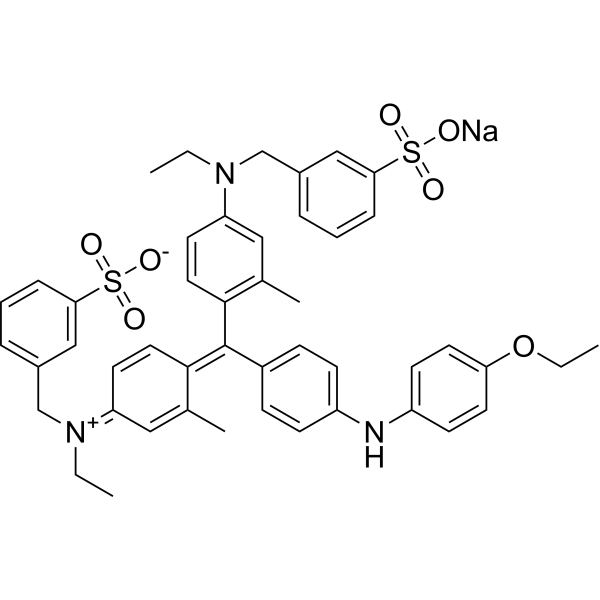
- Formula: C47H48N3NaO7S2
- Molecular Weight: 854.02
Brilliant Blue G-250 is a dye commonly used for the visualization of proteins separated by SDS-PAGE, offering a simple staining procedure and high quantitation. In the Bradford protein assay, protein concentrations are determined by the absorbance at 595 nm due to the binding of Brilliant Blue G-250 to proteins. Brilliant Blue G-250 is a safe highly selective P2×7R antagonist with promising consequent inactivation of NLRP3 inflammasome.
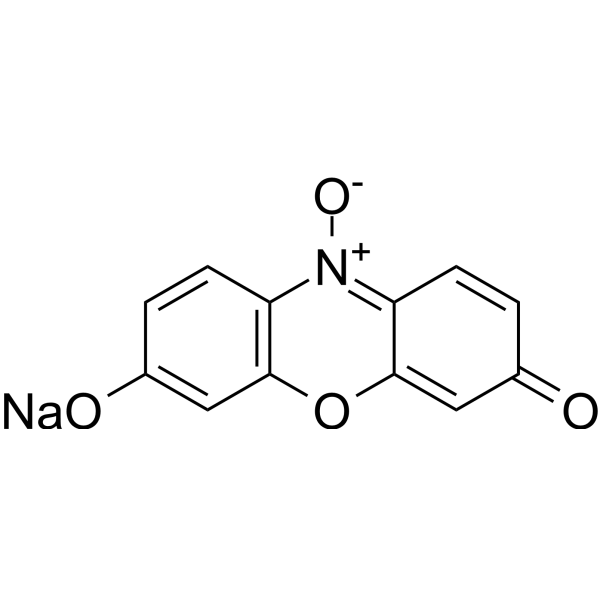
- Formula: C12H6NNaO4
- Molecular Weight: 251.17
Resazurin (Diazoresorcinol) sodium, indicator is a non-toxic, stable, membrane-permeable blue non-fluorescent dye (faintly fluorescent). Resazurin sodium, indicator is used as a redox indicator, can be reduced to pink, highly fluorescent Resorufin (Ex=530-560 nm, Em=590 nm) in living cells. Resazurin sodium, indicator can be used for the detection of cell viability, toxicity, proliferation, migration and invasion in cells (human, plant and animal, bacterial and fungal).
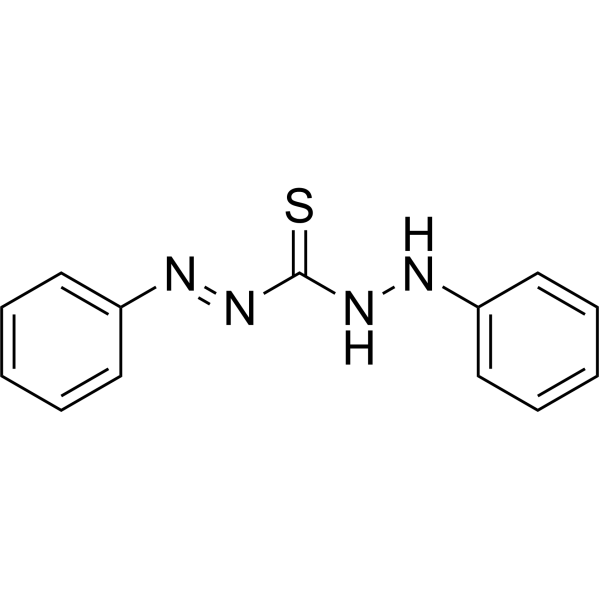
- Formula: C13H12N4S
- Molecular Weight: 256.33
Dithizone can be toxic to pancreatic islet cells and cause experimental diabetes. Dithizone can be used for in vitro in vivo staining of transplanted islets and cytoplasmic granules of bone marrow cells. Dithizone can be used as a chelating agent and colorimetric indicator for the detection and extraction of various heavy metals, including lead and mercury, in analytical and biochemical applications. Dithizone forms stable colored complexes with metal ions and can be quantitatively analyzed by methods such as spectrophotometry.
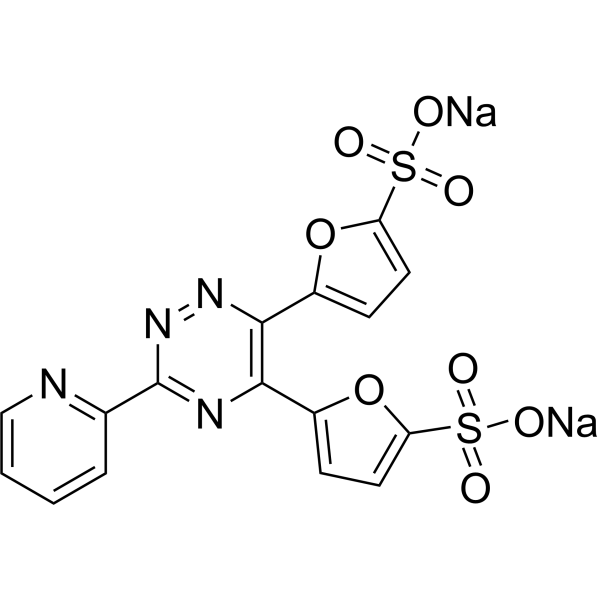
- Formula: C16H8N4Na2O8S2
- Molecular Weight: 494.37
Ferene disodium is a biochemical reagent that can be used as a biological material or organic compound for life science related research.
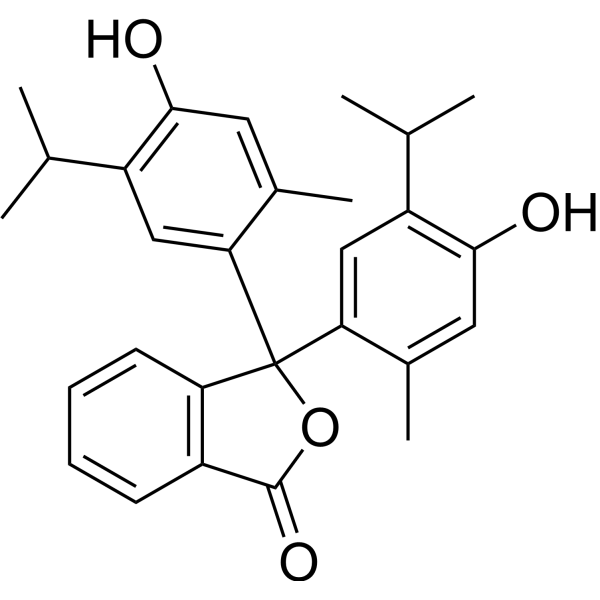
- Formula: C28H30O4
- Molecular Weight: 430.54
Thymolphthalein is a phthalocyanine dye with electrochemical activity that can serve as an acid-base indicator, appearing colorless under acidic pH conditions and blue under alkaline pH conditions. Thymolphthalein acts as a signal molecule in co-assembled AMP/TP nanoparticles (NPs) for the visual and colorimetric detection of Escherichia coli. Thymolphthalein can form a non-conductive porous polymer coating via electropolymerization.

- Formula: C7H4N2O7
- Molecular Weight: 228.12
3,5-Dinitrosalicylic acid the derivative of salicylic acid. 3,5-Dinitrosalicylic acid is used in the α-amylase assay, carbohydrase assay, and for the colorimetric determination of reducing substances.
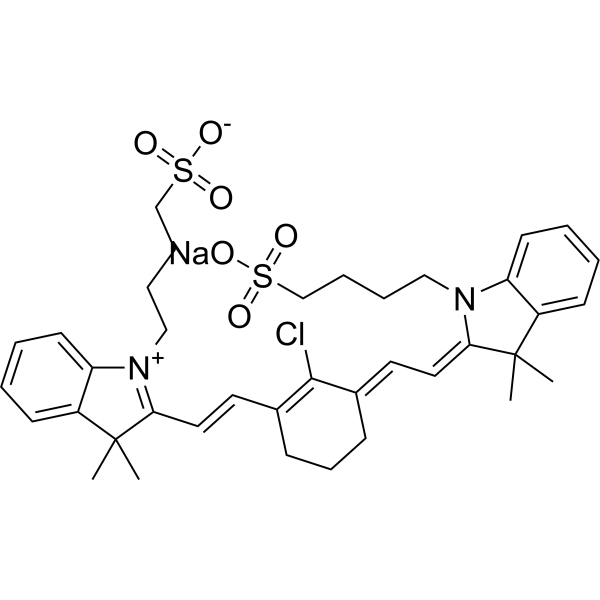
- Formula: C38H46ClN2NaO6S2
- Molecular Weight: 749.35
IR-783 (ADS 780WS) is a heptamethine cyanine dye. IR-783 induces Mitochondrial membrane potential loss, ATP depletion, mitochondrial permeability transition pore opening, Cytochrome c release and Apoptosis in breast cancer cells. IR-783 promotes the translocation of Drp1 from the cytosol to mitochondria. IR-783 increases the expression of mitochondrial fission proteins such as MFF and Fission-1. IR-783 possesses imaging, cancer-targeting and anticancer properties. IR-783 exerts anticancer effects against breast cancer. IR-783 can be used in breast cancer-related research.
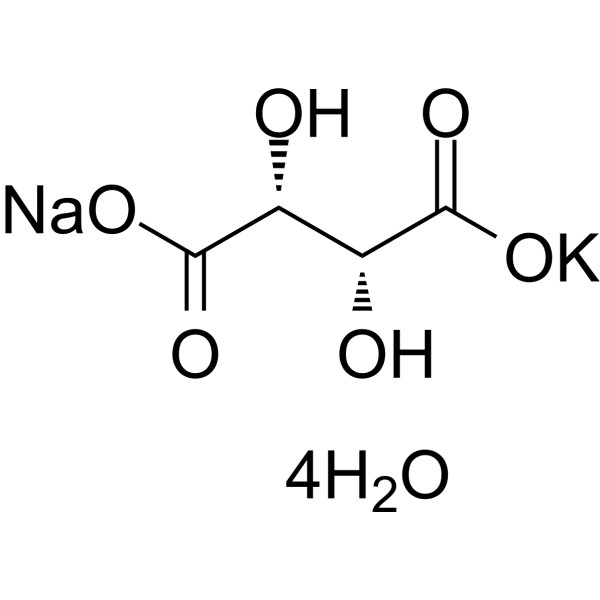
- Formula: C4H12KNaO10
- Molecular Weight: 282.22
Rochelle salt is an organic-inorganic compound commonly used as a catalyst and complexing reagent. It can be used to catalyze or promote certain chemical reactions, and is widely used in batteries, pharmaceuticals and food industries. In addition, this compound is also used as a substrate or intermediate in some biochemical reactions.

- Formula: C6Na2O6
- Molecular Weight: 214.04
Rhodizonic acid disodium (Sodium rhodizonate dibasic) is a transition metal-dependent pro-oxidant and lead detection agent that induces reactive oxygen species generation, DNA damage, and inhibits Aconitase activity. Rhodizonic acid disodium generates superoxide anion radicals in an iron (II)-dependent manner, leading to aconitase inactivation. Rhodizonic acid disodium also triggers hydroxyl radical-mediated DNA strand breaks and 8-OHdG formation via copper ion reduction. Rhodizonic acid disodium reacts with lead to form a scarlet precipitate, with the color intensity proportional to lead content, enabling qualitative or quantitative analysis of lead. Rhodizonic acid disodium can also be used for real-time visualization of the dynamic process of lead sequestration in the plant rhizosphere and evaluation of the effects of environmental factors such as soil type on the stability of lead-sequestering structures.
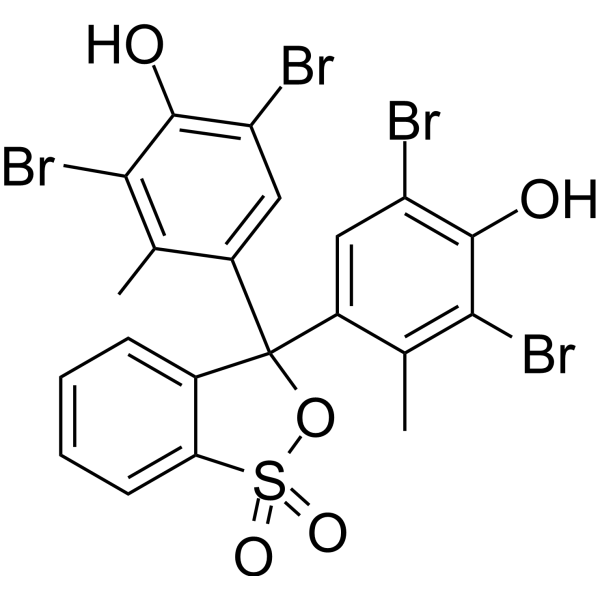
- Formula: C21H14Br4O5S
- Molecular Weight: 698.01
Bromocresol green is a pH-sensitive triphenylmethane dye commonly used for the determination of protein and albumin in serum. Bromocresol green is a bio-based dye with a yellow-green to blue-green color. Bromocresol green turns yellow (λmax=435 nm, protonated form) when placed in acidic solution (e.g. pH=4.15), and turns blue in basic solution (λmax=615 nm, deprotonated form). Bromocresol green is widely used as a pH indicator in the field of biochemical analysis. In addition, Bromocresol green is also used to detect the concentration of molecules such as creatinine, and to judge the viability of cells.
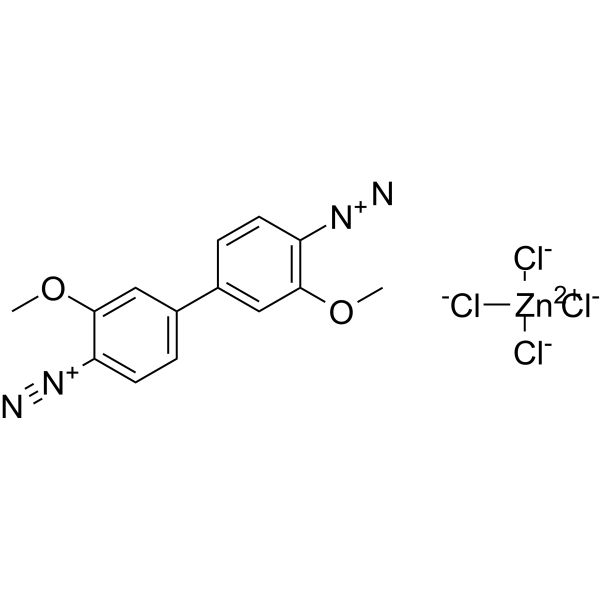
- Formula: C14H12Cl4N4O2Zn
- Molecular Weight: 475.46
Fast Blue B Salt, Dye content ~95% is a diazo dye, primarily used as a chromogenic substrate in biochemical analysis. Fast Blue B Salt, Dye content ~95% is the coupling agent for the histochemical demonstration of proteases. Fast Blue B Salt, Dye content ~95% can be used for the detection of acid phosphatase in Clostridium perfringens, and also for the determination of lipase activity. Fast Blue B Salt, Dye content ~95% reacts directly with the active hydroxyl groups in phenolic compounds to determine the content of phenolic substances.
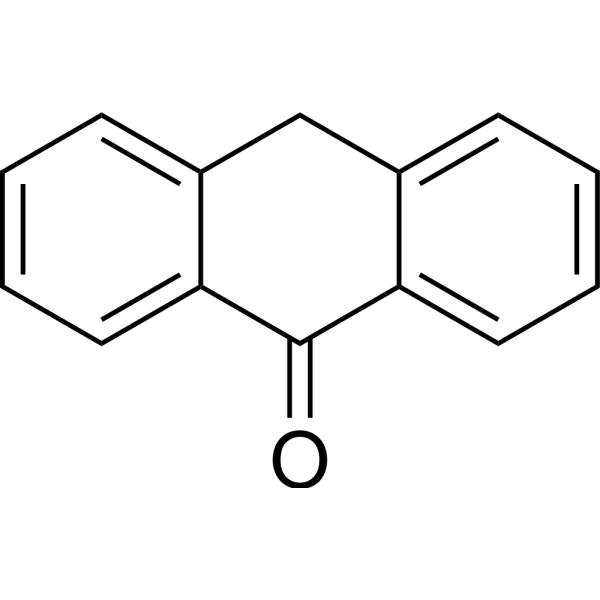
- Formula: C14H10O
- Molecular Weight: 194.23
Anthrone is an organic compound commonly used as a dye and intermediate. It can be used to make products such as pigments, dyes and fluorescent whitening agents, and is widely used in certain industrial production fields such as textile manufacturing, soap making and paper making. In addition, this compound is also used as a reagent and catalyst in some organic synthesis reactions.

- Formula: Ag2SO4
- Molecular Weight: 311.79
Silver sulfate acts as an ethylene inhibitor and a shoot regeneration promoter. Silver sulfate promotes shoot proliferation in explants of the cherry rootstock CAB-6P. Silver sulfate is applicable to studies on the optimization of micropropagation for cherry rootstocks.

- Formula: C32H18N8
- Molecular Weight: 514.54
Phthalocyanine is a type of pigment and Photosensitizer. Upon irradiation, Phthalocyanine generates ROS or converts light energy into heat, inducing oxidative damage, cytotoxicity, and photodynamic killing of bacterial biofilms. Phthalocyanine produces chemiluminescence when oxidized. It can be used in studies related to cancer, bacterial infections, and photodynamic approaches.
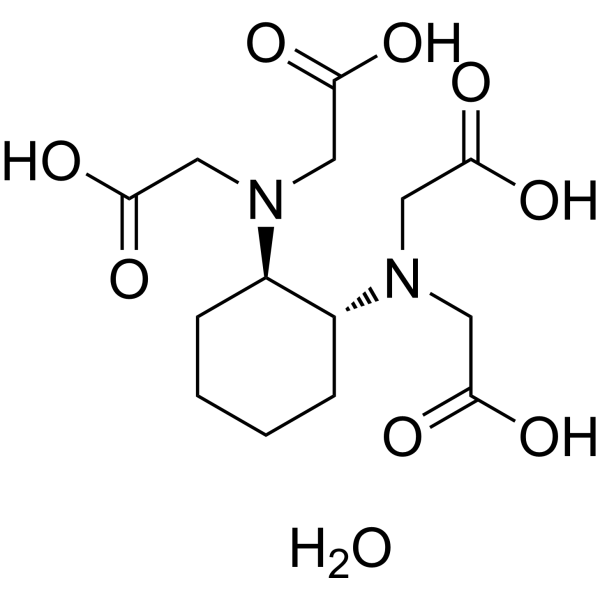
- Formula: C14H24N2O9
- Molecular Weight: 364.35
DCTA monohydrate is an organic acid. DCTA refers to N,N,N',N' -tetraacetic acid, which has a strong chelating ability. DCTA monohydrate can be used as a chelating agent and coordination reagent for metal ions. DCTA monohydrate, for example, forms stable complexes with many metal ions, including calcium, magnesium and zinc. DCTA modified with ethylene glycol is selective to calcium ions in the presence of magnesium ions.
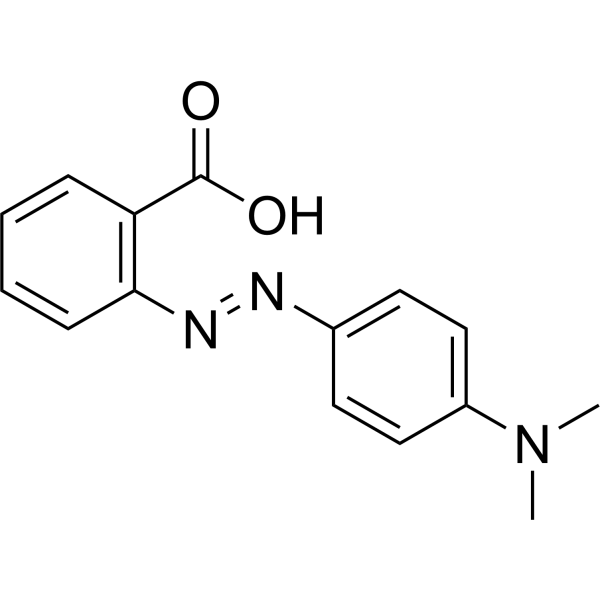
- Formula: C15H15N3O2
- Molecular Weight: 269.30
Methyl red is a pH-sensitive acid-base indicator and colorimetric reagent with a pKa of 5.1. Methyl red achieves visual judgment of the titration endpoint through reversible structural changes of protonation (red, pH < 4.4) and deprotonation (yellow, pH > 6.2). Methyl red is widely used in acid-base titration in chemical analysis and buffer pH monitoring in biochemistry.



