



DTNB
Based on 18 publication(s) in Google Scholar
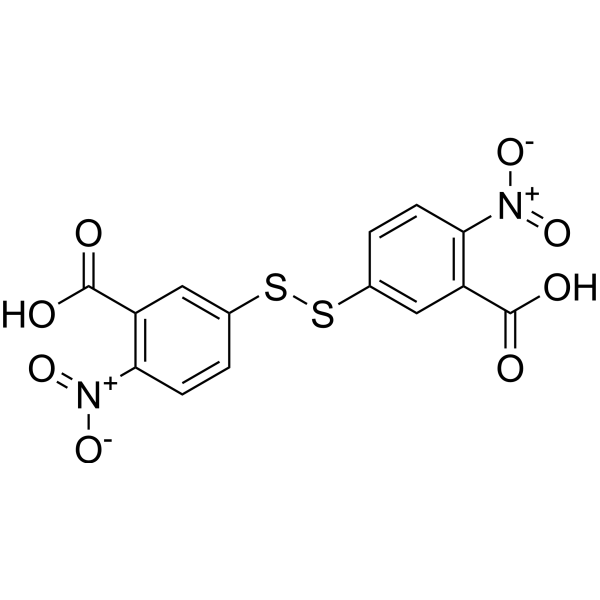
DTNB (Ellman’s Reagent) is a chemical used to quantify the number or concentration of thiol groups.
For research use only. We do not sell to patients.
- Purity : 99.80%
- CAS No.: 69-78-3
- Formula: C14H8N2O8S2
- Molecular Weight:396.35
-
Storage:Powder -20°C, 3 years , 4°C, 2 years ; In solvent -80°C, 2 years , -20°C, 1 year

To place orders, for customer services and technical support, please contact: MedChemExpress USA
Tel: 609-228-6898 E-mail: [email protected] [email protected]


-
 Biological Activity
-
Chemical Information
-
Solvent & Solubility
- Purity & Documentation
- References
-
 Help & FAQs


-
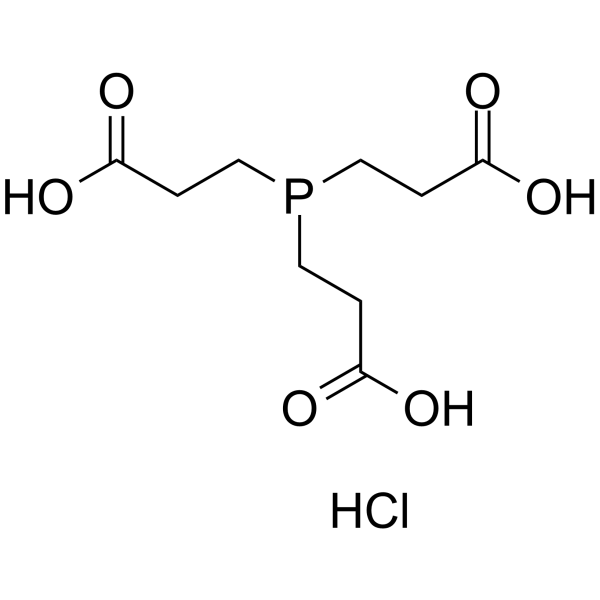
HY-W011500
TCEP hydrochlorideNon-Thiol Reducing Agent -
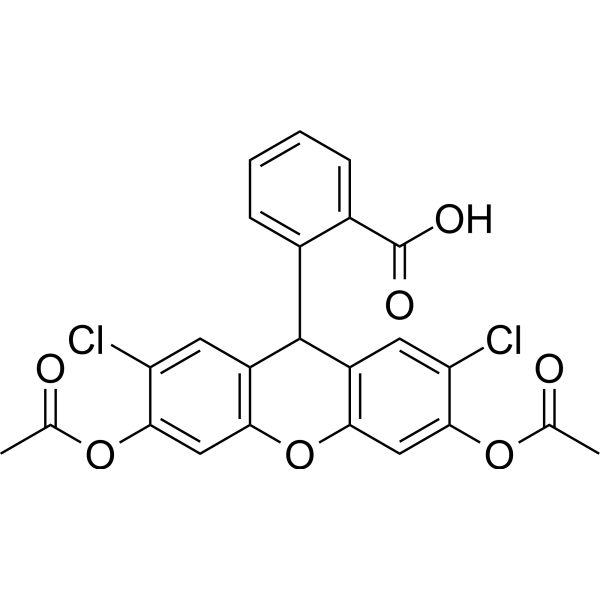
HY-D0940
H2DCFDAROS-Sensitive Probe -
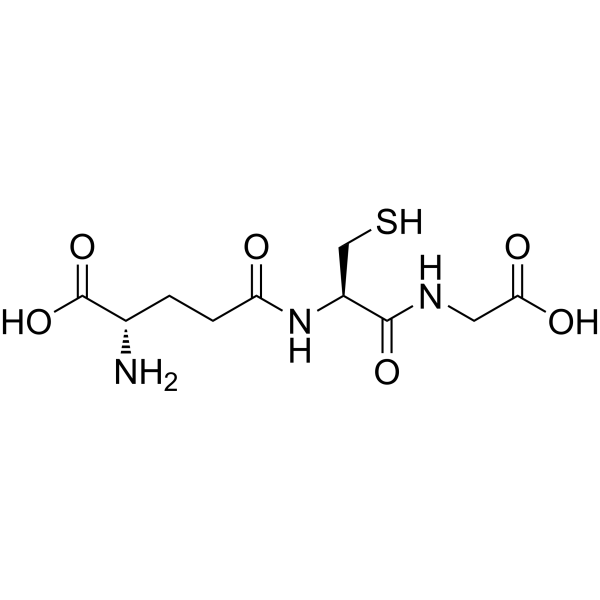
HY-D0187
L-Glutathione reducedAntioxidant -
HY-Y0337
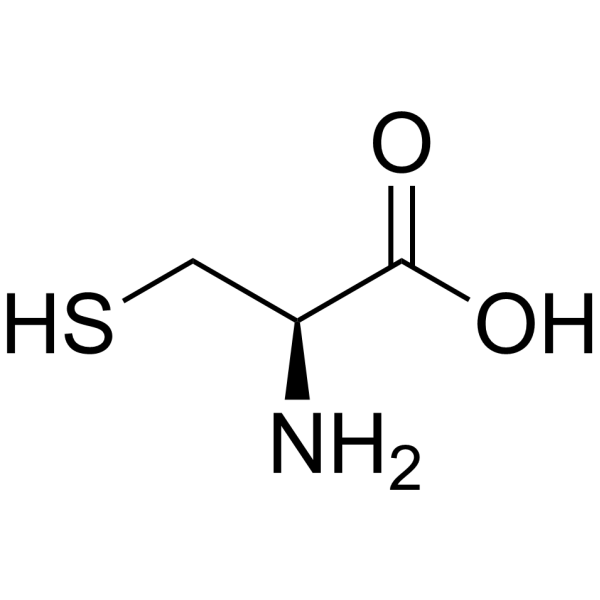
L-CysteineAnorectic Agent -
HY-15917
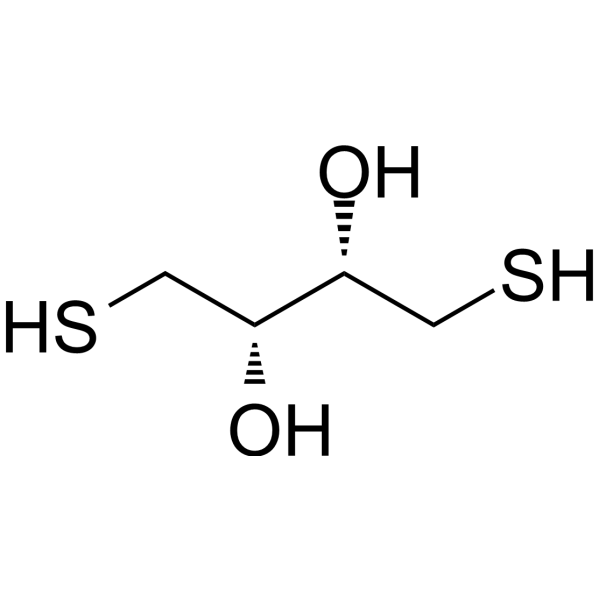
DL-DithiothreitolReducing Agent -
HY-15902
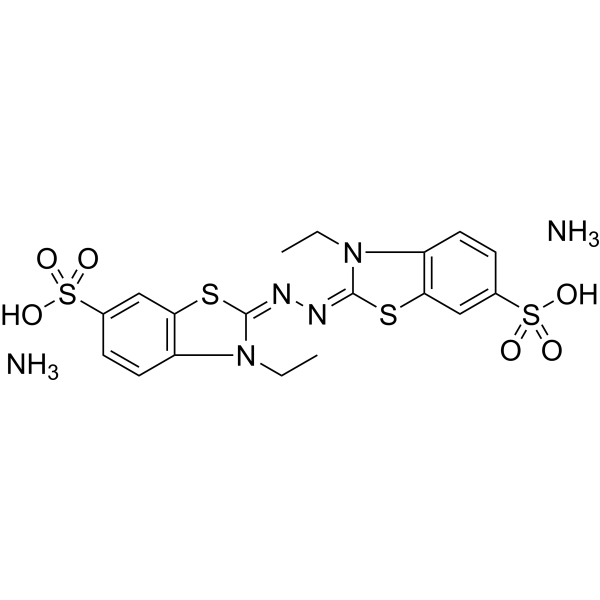
ABTS diammonium saltHRP Substrate -
HY-B0399
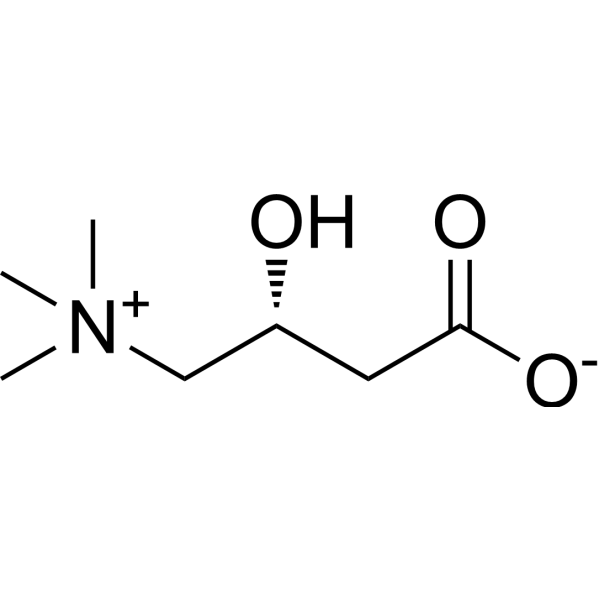
L-CarnitineCo-factor for β-oxidation -
HY-113596
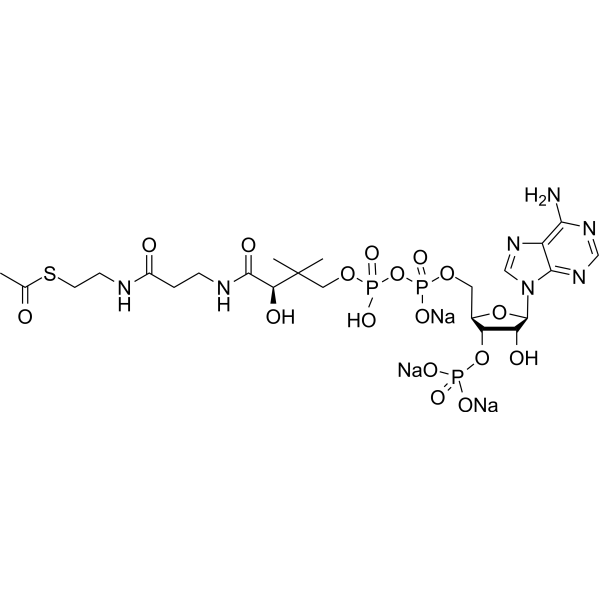
Acetyl Coenzyme A trisodiumCentral Metabolic Intermediate -
HY-10197
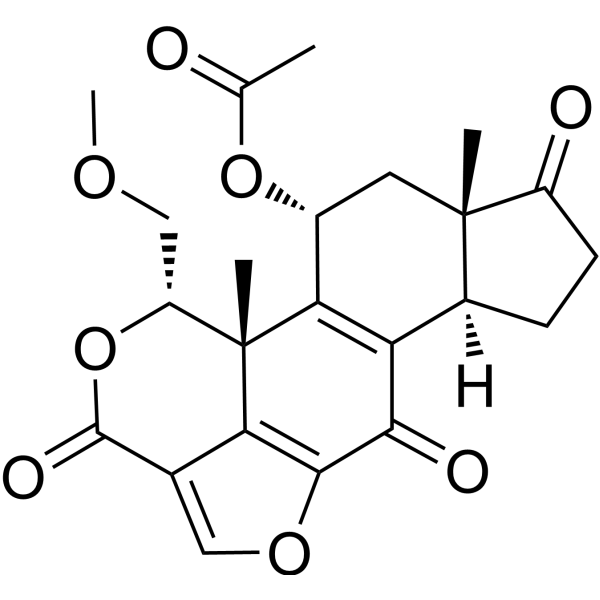
WortmanninPI3K Inhibitor -
HY-D0904
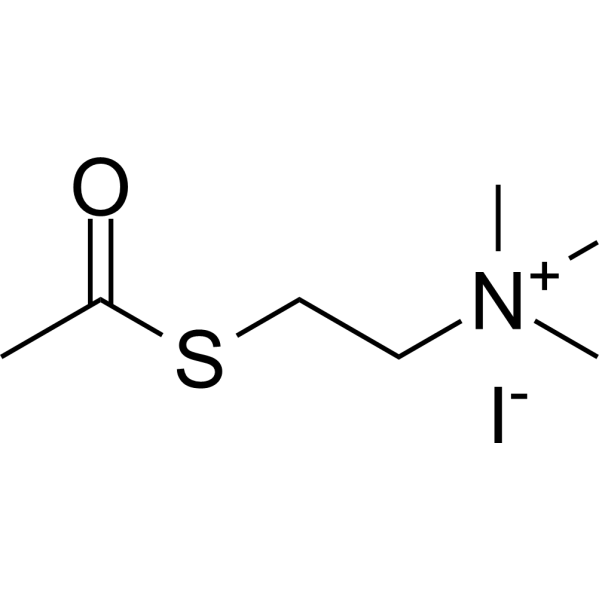
Acetylthiocholine iodideBiochemical Assay Reagent -
HY-101461
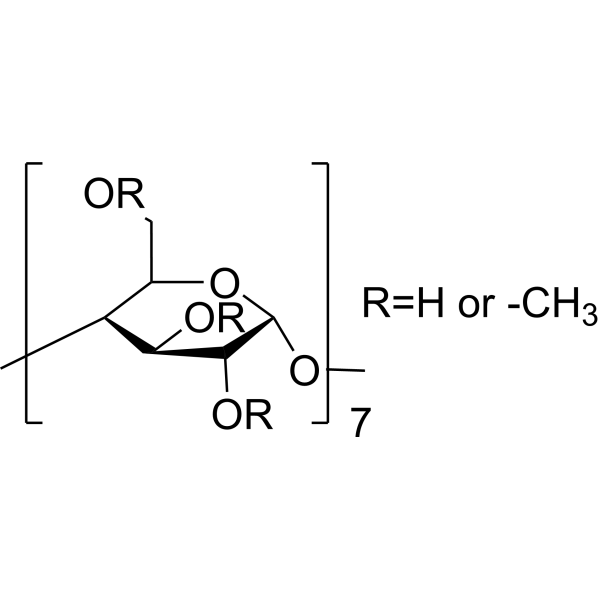
Methyl-β-cyclodextrinCholesterol-removing Agent -
HY-128851
Coenzyme ACofactor
Publications Citing Use of MedChemExpress (MCE) DTNB
More- Mater Today. 2026 Jul 31;99:103447.
- J Nanobiotechnology. 2026 Jul 23.
- J Nanobiotechnology. 2026 Jan 25;24(1):173. [Abstract]
- J Nanobiotechnology. 2024 Nov 30;22(1):744. [Abstract]
- Adv Sci (Weinh). 2025 Aug;12(30):e2505310. [Abstract]
- Adv Sci (Weinh). 2025 Aug 21:e04729. [Abstract]
- Biomaterials. 2022 Jul 21;287:121688. [Abstract]
- Carbohydr Polym. 2024 Mar 15:328:121689. [Abstract]
- Chem Eng J. 2025 Nov 24;526:171230.
- Adv Healthc Mater. 2024 Dec;13(32):e2402685. [Abstract]
- ACS Appl Mater Interfaces. 2024 Oct 2;16(39):52068-52079. [Abstract]
- Anal Chem. 2026 Mar 10;98(9):6813-6822. [Abstract]
- Drug Des Devel Ther. 2025 Jun 14:19:5085-5098. [Abstract]
- Antiviral Res. 2026 Jan:245:106323. [Abstract]
- STAR Protoc. 2022 Dec 16;3(4):101921. [Abstract]
- Res Sq. 2026 Aug 3.
- SSRN. 2026 Jun 11.
- SSRN. 2025 May 8.
 Customer Validation & Images

-
Bio/Physico-chemical Assay
-
Bio/Physico-chemical Assay
-
Bio/Physico-chemical Assay


Biological Activity
Description
In Vitro
DTNB reacts with the free sulfhydryl side chain of cysteine to form an S-S bond between the protein and a thionitrobenzoic acid (TNB) residue[1].
The main advantage of DTNB over alternative reagents (e.g., N-ethylmaleimide or iodoacetamide) is in the selectivity of this reagent and in the ability to follow the course of the reaction spectrophotometrically[1].
1. Preparation of solution
1.1 Reaction Buffer: 0.1M sodium phosphate, pH 8.0, containing 1mM EDTA
2.1 DTNB Solution: Dissolve 4 mg DTNB in 1 mL of Reaction Buffer.
2. Detection
2.1 Add 250 µL of sample to a test tube containing 50 µL of DTNB solution.
Note: For unknown samples, dilution can be performed to ensure that the thiol concentration in the sample is less than 1.0 mM.
2.2 Mix and incubate at room temperature for 15 minutes.
2.3 With a spectrophotometer set to 412 nm and then measure absorbance of each sample.
2.4 Calculate the amount and concentration of sulfhydryls in the sample from the molar extinction coefficient of TNB
(14.15 mM-1 cm-1).
MedChemExpress (MCE) has not independently confirmed the accuracy of these methods. They are for reference only.


Chemical Information
-
CAS No. 69-78-3
-
Appearance Solid
-
Molecular Weight 396.35
-
Formula C14H8N2O8S2
-
Color White to yellow
-
SMILES
O=C(O)C1=C([N+]([O-])=O)C=CC(SSC2=CC(C(O)=O)=C([N+]([O-])=O)C=C2)=C1
-
Synonyms
Ellman’s Reagent
-
Shipping
Room temperature in continental US; may vary elsewhere.
-
Storage
Powder -20°C 3 years 4°C 2 years In solvent -80°C 2 years -20°C 1 year


Publications (18)
-
Journal Impact Factor
-
Most Recent
-
-
-
J Nanobiotechnology
Synergistic regulation of TGF-β1/Smad2/3 signaling and inflammatory pathways via SA/NAC-based nanoplatforms: a novel strategy to enhance anti-fibrotic therapeutic outcomes in idiopathic pulmonary fibrosis. [Abstract]2026 Jan 25;24(1):173. PMID: 41582130 -
J Nanobiotechnology
Enhancing radiotherapy in triple-negative breast cancer with hesperetin-induced ferroptosis via AURKA targeting nanocomposites. [Abstract]2024 Nov 30;22(1):744. PMID: 39614277 -
Adv Sci (Weinh)
Nanofabricated Bacterial Cell Walls with Intrinsic Peroxidase-Mimicking and Sonodynamic Activities for Cancer Combination Treatment. [Abstract]2025 Aug;12(30):e2505310. PMID: 40365750 -
Adv Sci (Weinh)
Glabridin-Gold(I) Complex as a Novel Immunomodulatory Agent Targeting TrxR and MAPK Pathways for Synergistic Enhancement of Antitumor Immunity. [Abstract]2025 Aug 21:e04729. PMID: 40842087 -
Biomaterials
Microorganism-enabled photosynthetic oxygeneration and ferroptosis induction reshape tumor microenvironment for augmented nanodynamic therapy. [Abstract]2022 Jul 21;287:121688. PMID: 35926358
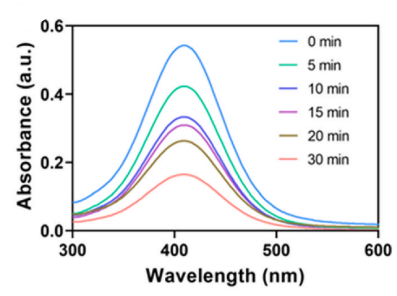
DTNB purchased from MedChemExpress. Usage Cited in: Biomaterials. 2022 Jul 21;287:121688. [Abstract]
DTNB (20 mM; 10 min) probe was utilized to detect MnOx NSs (100 μg/mL)-mediated GSH depletion. Notably, apart from ROS generation, MnOx NSs feature GSH depletion properties, because the characteristic absorption peak of DTNB at 412 nm decreases sharply over time in the presence of MnOx NSs.
-
Carbohydr Polym
Thiolated chitosan encapsulation constituted mucoadhesive nanovaccine confers broad protection against divergent influenza A viruses. [Abstract]2024 Mar 15:328:121689. PMID: 38220319 -
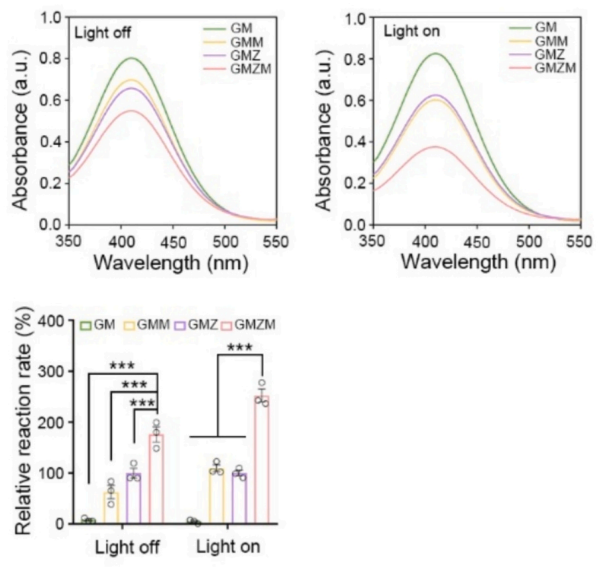
DTNB purchased from MedChemExpress. Usage Cited in: Chem Eng J. 2025 Nov 24;526:171230.
The results of the DTNB assay (1 mM, 30 min) are presented. These results suggested that the GMZM microneedle depleted glutathione (GSH) via NIR assistance.
-
Adv Healthc Mater
A Self-Assembled Transdermal Nanomedicines Incorporating Pendant Disulfides for Non-Invasive, Synergistic Treatment of Melanoma. [Abstract]2024 Dec;13(32):e2402685. PMID: 39400533 -
ACS Appl Mater Interfaces
Strategically Engineered Ru(II) Complexes with Enhanced ROS Activity Enabling Potent Sonodynamic Effect against Multidrug-Resistant Biofilms. [Abstract]2024 Oct 2;16(39):52068-52079. PMID: 39297327
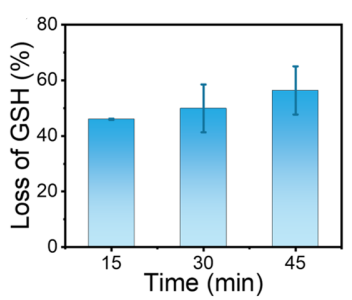
DTNB purchased from MedChemExpress. Usage Cited in: ACS Appl Mater Interfaces. 2024 Oct 2;16(39):52068-52079. [Abstract]
GSH consumption by Ru4 (10 μM) over time, with DTNB (10 mg/mL, 5 μL; 30 mim) as the GSH indicator (n = 3, mean ± SD).
-
Anal Chem
Electrochemiluminescence Biosensor Based on Dual-Signal Regulation of Gold Nanoclusters for Amyloid-β Protein Detection. [Abstract]2026 Mar 10;98(9):6813-6822. PMID: 41747767 -
Drug Des Devel Ther
Discovery of Novel Anti-Acetylcholinesterase Peptides Using a Machine Learning and Molecular Docking Approach. [Abstract]2025 Jun 14:19:5085-5098. PMID: 40534898 -
Antiviral Res
Isochlorogenic acid A impairs hepatitis B virus replication by interference with various steps of hepatitis B virus life cycle involving HO-1-mediated ROS modulation. [Abstract]2026 Jan:245:106323. PMID: 41349371 -
STAR Protoc
Identification and functional characterization of potential oncofetal targets in human hepatocellular carcinoma. [Abstract]2022 Dec 16;3(4):101921. PMID: 36595904 -
-
-


Solvent & Solubility
In Vitro:
DMSO : 100 mg/mL (252.30 mM; ultrasonic and warming and heat to 60°C; Hygroscopic DMSO has a significant impact on the solubility of product, please use newly opened DMSO)
H2O : < 0.1 mg/mL (insoluble)
Please refer to the solubility information to select the appropriate solvent. Once prepared, please aliquot and store the solution to prevent product inactivation from repeated freeze-thaw cycles.
Storage method and period of stock solution: -80°C, 2 years; -20°C, 1 year. When stored at -80°C, please use it within 2 years. When stored at -20°C, please use it within 1 year.
Please refer to the solubility information to select the appropriate solvent. Once prepared, please aliquot and store the solution to prevent product inactivation from repeated freeze-thaw cycles.
Storage method and period of stock solution: -80°C, 2 years; -20°C, 1 year. When stored at -80°C, please use it within 2 years. When stored at -20°C, please use it within 1 year.
Concentration (start) × Volume (start) = Concentration (final) × Volume (final)
In Vivo:
Select the appropriate dissolution method based on your experimental animal and administration route.
- For the following dissolution methods, please ensure to first prepare a clear stock solution using an In Vitro approach and then sequentially add co-solvents:
- To ensure reliable experimental results, the clarified stock solution can be appropriately stored based on storage conditions. As for the working solution for In Vivo experiments, it is recommended to prepare freshly and use it on the same day.
- The percentages shown for the solvents indicate their volumetric ratio in the final prepared solution. If precipitation or phase separation occurs during preparation, heat and/or sonication can be used to aid dissolution.
Add each solvent one by one: 10% DMSO 40% PEG300 5% Tween-80 45% Saline
Solubility: ≥ 2.08 mg/mL (5.25 mM); Clear solution
This protocol yields a clear solution of ≥ 2.08 mg/mL (saturation unknown).
Taking 1 mL working solution as an example, add 100 μL DMSO stock solution (20.8 mg/mL) to 400 μL PEG300, and mix evenly; then add 50 μL Tween-80 and mix evenly; then add 450 μL Saline to adjust the volume to 1 mL.
Preparation of Saline: Dissolve 0.9 g sodium chloride in ddH₂O and dilute to 100 mL to obtain a clear Saline solution.
Add each solvent one by one: 10% DMSO 90% (20% SBE-β-CD in Saline)
Solubility: ≥ 2.08 mg/mL (5.25 mM); Clear solution
This protocol yields a clear solution of ≥ 2.08 mg/mL (saturation unknown).
Taking 1 mL working solution as an example, add 100 μL DMSO stock solution (20.8 mg/mL) to 900 μL 20% SBE-β-CD in Saline, and mix evenly.
Preparation of 20% SBE-β-CD in Saline (4°C, storage for one week): 2 g SBE-β-CD powder is dissolved in 10 mL Saline, completely dissolve until clear.
In Vivo Dissolution Calculator
Please enter the basic information of animal experiments:
-
-
-
-
Recommended: Prepare an additional quantity of animals to account for potential losses during experiments.
Please enter your animal formula composition:
-
%DMSO +
Recommended: Keep the proportion of DMSO in working solution below 2% if your animal is weak.
-
%+
-
+%Tween-80 + +
-
%Saline +
The co-solvents required include: DMSO, . All of co-solvents are available by MedChemExpress (MCE). , Tween 80. All of co-solvents are available by MedChemExpress (MCE).
Working solution concentration: 0.22 mg/mL
Method for preparing stock solution: mg drug dissolved in μL DMSO. Stock solution concentration: mg/mL.
1. Take μL DMSO stock solution;
2. Add μL .
μL , mix evenly;
3. Then add μL Tween 80, mix evenly;
4. Then add μL
Please ensure that the stock solution in the first step is dissolved to a clear state, and add co-solvents in sequence. You can use ultrasonic heating (ultrasonic cleaner, recommended frequency 20-40 kHz), vortexing, etc. to assist dissolution.


Purity & Documentation
-
Data Sheet (276 KB)
-
SDS (397 KB)
- English - EN (397 KB)
- Français - FR (397 KB)
- Deutsch - DE (397 KB)
- Norwegian - NO (397 KB)
- Español - ES (397 KB)
- Swedish - SV (397 KB)
- Italian - IT (397 KB)
- Korean - KR (397 KB)
- Portuguese - PT (397 KB)
-
Handling Instructions (2659 KB)
References
[1]. T Nagaoka, et al. DTNB modification of SH groups of isocitrate dehydrogenase from Bacillus stearothermophilus purified by affinity chromatography. J Biochem. 1977 Jan;81(1):71-8. [Content Brief]
[2]. Sullivan ML,et al. Spectrophotometric determination of reaction rates and kinetic parameters of a BAHD acyltransferase using DTNB (5,5'-dithio-bis-[2-nitrobenzoic acid]). Plant Sci. 2018 Apr;269:148-152. [Content Brief]


Complete Stock Solution Preparation Table
Please refer to the solubility information to select the appropriate solvent. Once prepared, please aliquot and store the solution to prevent product inactivation from repeated freeze-thaw cycles.
Storage method and period of stock solution: -80°C, 2 years; -20°C, 1 year. When stored at -80°C, please use it within 2 years. When stored at -20°C, please use it within 1 year.
| Optional Solvent | Concentration Solvent Mass | 1 mg | 5 mg | 10 mg | 25 mg |
|---|---|---|---|---|---|
| DMSO | 1 mM | 2.5230 mL | 12.6151 mL | 25.2302 mL | 63.0756 mL |
| 5 mM | 0.5046 mL | 2.5230 mL | 5.0460 mL | 12.6151 mL | |
| 10 mM | 0.2523 mL | 1.2615 mL | 2.5230 mL | 6.3076 mL | |
| 15 mM | 0.1682 mL | 0.8410 mL | 1.6820 mL | 4.2050 mL | |
| 20 mM | 0.1262 mL | 0.6308 mL | 1.2615 mL | 3.1538 mL | |
| 25 mM | 0.1009 mL | 0.5046 mL | 1.0092 mL | 2.5230 mL | |
| 30 mM | 0.0841 mL | 0.4205 mL | 0.8410 mL | 2.1025 mL | |
| 40 mM | 0.0631 mL | 0.3154 mL | 0.6308 mL | 1.5769 mL | |
| 50 mM | 0.0505 mL | 0.2523 mL | 0.5046 mL | 1.2615 mL | |
| 60 mM | 0.0421 mL | 0.2103 mL | 0.4205 mL | 1.0513 mL | |
| 80 mM | 0.0315 mL | 0.1577 mL | 0.3154 mL | 0.7884 mL | |
| 100 mM | 0.0252 mL | 0.1262 mL | 0.2523 mL | 0.6308 mL |


DTNB Related Classifications
HY-15915 Related Classifications
 Powered by Bioz