



Solubilizing Agents
- 1
- 2

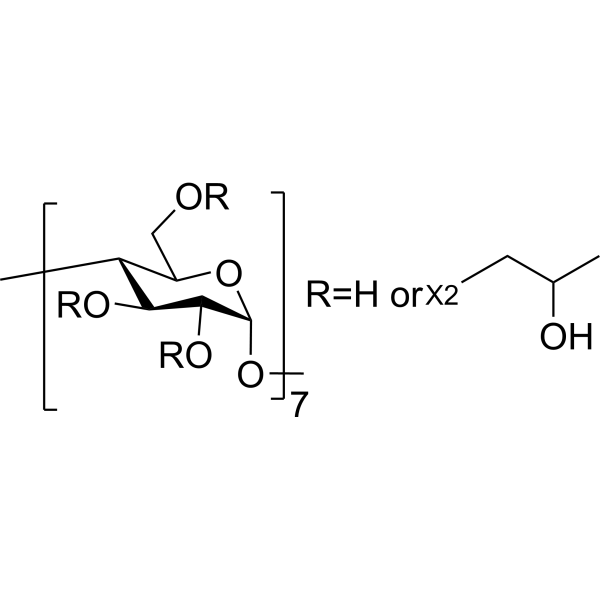
HP-β-CD ((2-Hydroxypropyl)-β-cyclodextrin) is a widely used drug delivery vehicle to improve the stability and bioavailability.
Cremophor EL-40, a polyoxyethylene castor oil derivative, is a nonionic surfactant. Cremophor EL-40 is widely employed to improve dissolution and delivery of agents.
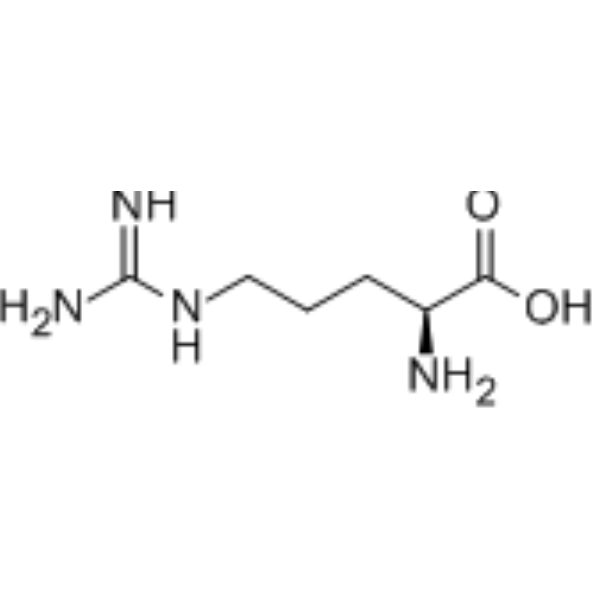
- Formula: C6H14N4O2
- Molecular Weight: 174.20
L-Arginine ((S)-(+)-Arginine) is the substrate for the endothelial nitric oxide synthase (eNOS) to generate NO. L-Arginine is transported into vascular smooth muscle cells by the cationic amino acid transporter family of proteins where it is metabolized to nitric oxide (NO), polyamines, or L-proline. L-Arginine is a potent vasodilator, and can be used to induce experimental acute pancreatitis.
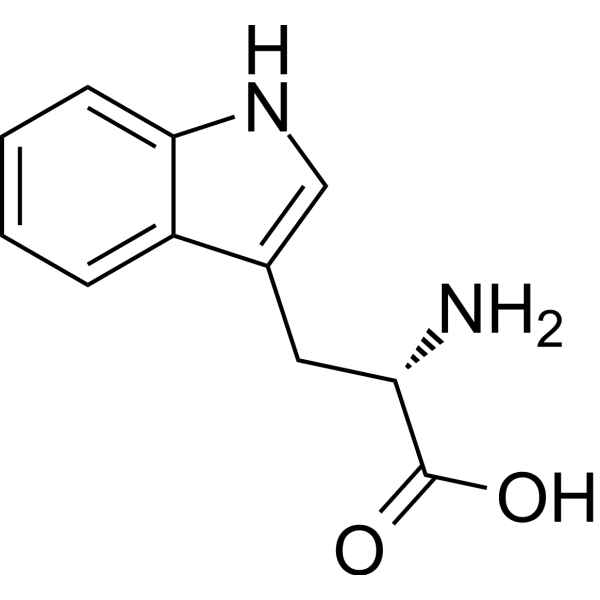
- Formula: C11H12N2O2
- Molecular Weight: 204.23
L-Tryptophan (Tryptophan) is an orally active and essential amino acid that is the precursor of serotonin, melatonin, and vitamin B3. L-Tryptophan can promote an increase in stemness and osteogenic ability of BMSCs in vitro and in vivo. L-Tryptophan inhibits cell proliferation and induced cell cycle arrest with high levels.
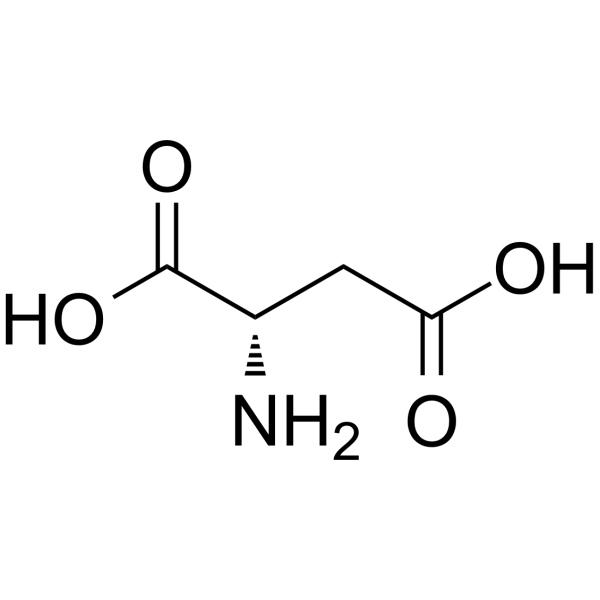
- Formula: C4H7NO4
- Molecular Weight: 133.10
L-Aspartic acid is a NMDA receptor agonist and acidic amino acid. L-Aspartic acid has no independent analgesic activity. L-Aspartic acid can antagonize the analgesic effects of D-Aspartic acid and Morphine. L-Aspartic acid regulates polymorph transformation, crystal growth/aggregation and nucleation processes of calcium carbonate, and can serve as a biomineralization template. L-Aspartic acid promotes burst firing of central neurons. L-Aspartic acid can be used in studies related to cerebral ischemia and epilepsy.
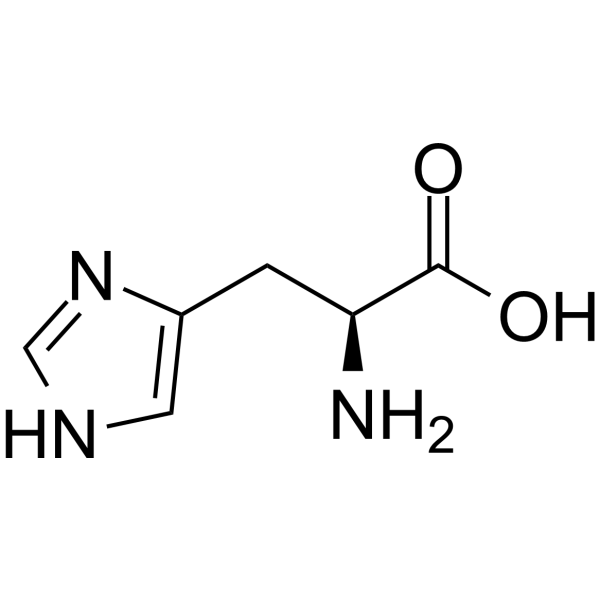
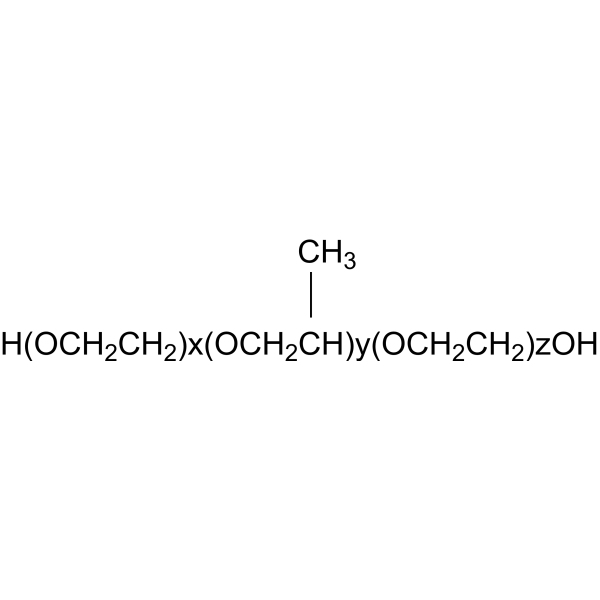
- Molecular Weight: 12600(Average)
Poloxamer 407 (F127) is a nonionic surfactant that is 100% active and relatively non-toxic to cells at low concentrations, and frequently used with dye AM esters such as Indo-1 AM, Fura-2 AM, Calcein AM, Fluo-3 AM, Fluo-4 AM, Quest Fluo-8 AM and Quest Rhod-4 AM, etc. to improve their water solubility. Poloxamer 407 is also a lipoprotein lipase inhibitor.
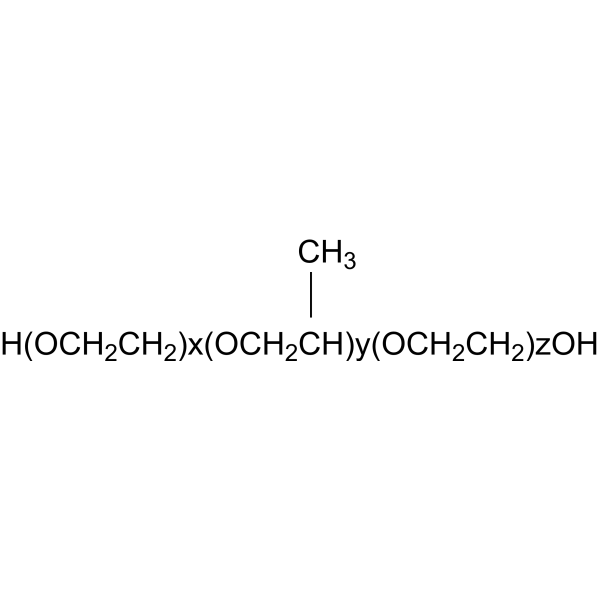
- Molecular Weight: 8800(Average)
Poloxamer 188 is a nonionic linear copolymer with surfactant properties. Poloxamer 188 exhibits anti-thrombotic, anti-inflammatory, and cytoprotective activities in various tissue injury models. Poloxamer 188 can be used for drug delivery.
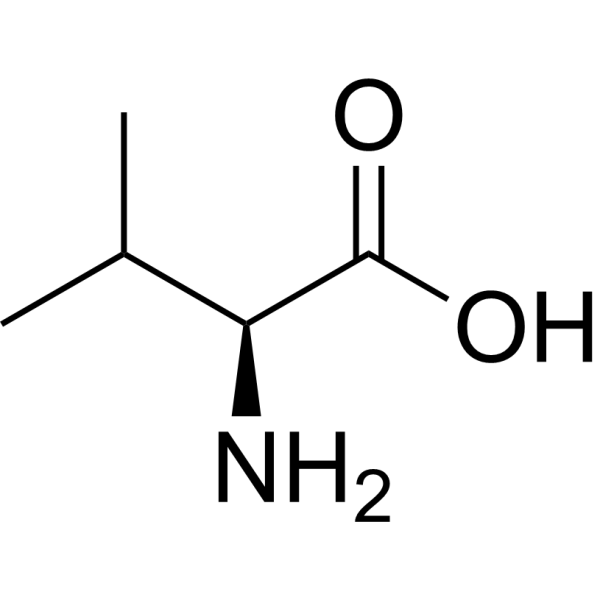
- Formula: C5H11NO2
- Molecular Weight: 117.15
L-Valine ((S)-Valine) is a nonlinear semiorganic material. L-Valine causes lipid peroxidation and accumulation of malondialdehyde (MDA), exhibits inhibitory activity against cyanobacteria. L-Valine inhibits multidrug-resistant bacteria through activation of PI3K/Akt signaling pathway and inhibition of arginase.
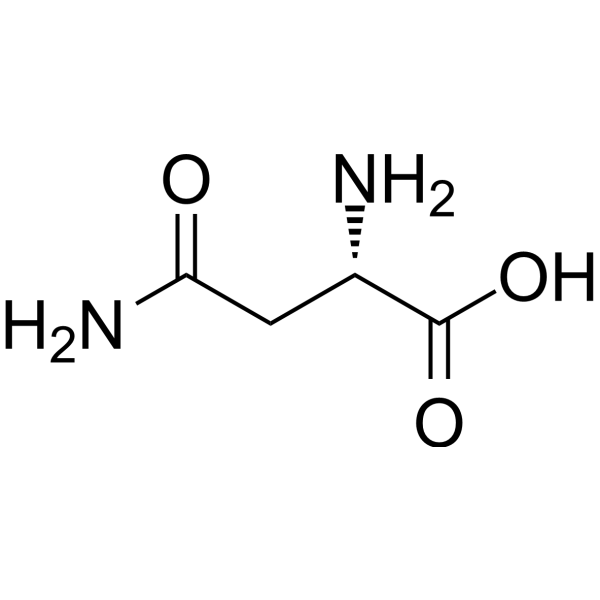
- Formula: C4H8N2O3
- Molecular Weight: 132.12
L-Asparagine is an essential amino acid for leukemic cells and a substrate for L-Asparaginase. L-Asparaginase is a potent anti-leukemic enzyme that promotes asparagine (Asn) and glutamine (Gln) depletion and inhibits protein biosynthesis in lymphoblasts. Removal of L-asparagine from plasma by L-Asparaginase results in inhibition of RNA and DNA synthesis and subsequent apoptosis. L-Asparaginase has cell-killing ability in vitro and in vivo, and selectively inhibits the growth of cancer cells with low asparagine synthetase (AASNS) expression. L-Asparagine can be used as a biomarker and sensor for the study of childhood acute lymphoblastic leukemia.
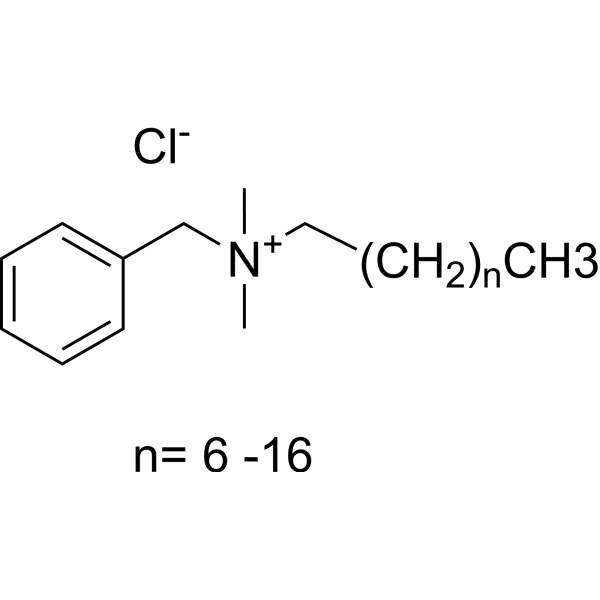
- Formula: C6H5CH2N(CH3)2RCl (R=C8H17 to C18H37)
- Molecular Weight: 283.88-424.15
Benzalkonium (Alkyldimethylbenzylammonium) chloride (51% in water) is a quaternary ammonium preservative, cationic surfactant, and antimicrobial (Antimicrobial) agent. Benzalkonium chloride (51% in water) is toxic.
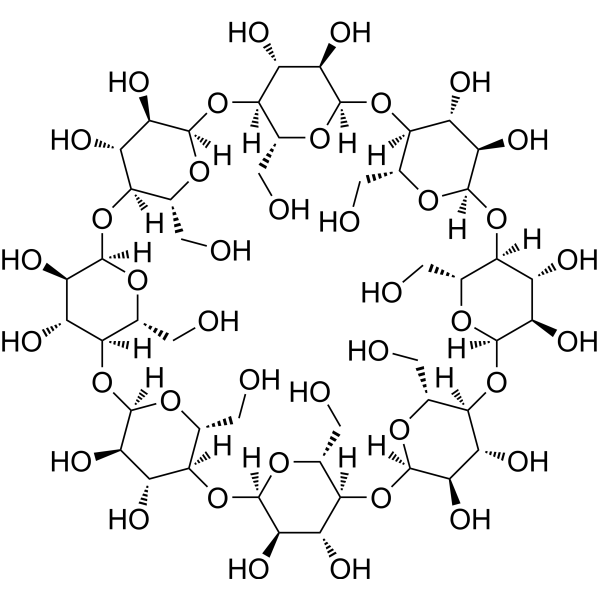
- Formula: C48H80O40
- Molecular Weight: 1297.12
γ-Cyclodextrin is an orally active cyclic oligosaccharide composed of eight glucose molecules, which can be formed by bacteria digesting starch. γ-Cyclodextrin can form water-soluble inclusion complexes with a variety of poorly soluble compounds and is widely used in fields such as pharmacy and food. In addition, γ-Cyclodextrin has good safety.
Lecithins, egg (Lecithins, egg yolk; Belovo PL 85) is an orally active natural phospholipid mixture extracted from egg yolks. Lecithins, egg inhibits the activities of acetylcholinesterase (AChE) and angiotensin-converting enzyme (ACE). Lecithins, egg exhibits antibacterial, antioxidant and anti-inflammatory activities, and helps delay cellular senescence. Lecithins, egg enhances nerve conduction, improves memory and cognitive function, and exerts positive effects on delaying neurodegenerative diseases. Lecithins, egg promotes lipid absorption and alleviates diarrhea. Lecithins, egg acts as a high-efficiency drug carrier for the preparation of targeted drug delivery systems such as liposomes.
Soya Lecithin is a phospholipid mixture that can be used as a drug delivery vehicle and is a pharmaceutical excipient. Soya Lecithin can form a lipid bilayer structure through self-assembly, and its binding properties are amphiphilic (hydrophilic head and hydrophobic tail), encapsulating hydrophobic drugs. Soya Lecithin forms stable nanoliposomes or microemulsions, improves the solubility and cellular uptake efficiency of poorly soluble drugs (such as Curcumin (HY-N0005)), and exerts activities such as enhancing drug delivery and regulating cell proliferation.
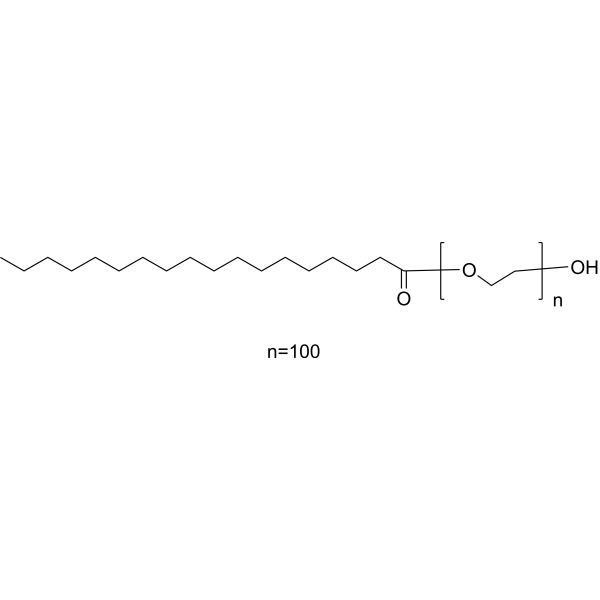
- Formula: C218H436O102
- Molecular Weight: 4686.89
Polyoxyl 100 stearate (PEG-100 stearate) is a non-ionic surfactant formed by polyethylene glycol (PEG) and stearic acid, and it is commonly used in pharmaceutical preparations, nanocarriers, emulsification systems and cosmetic formulations.
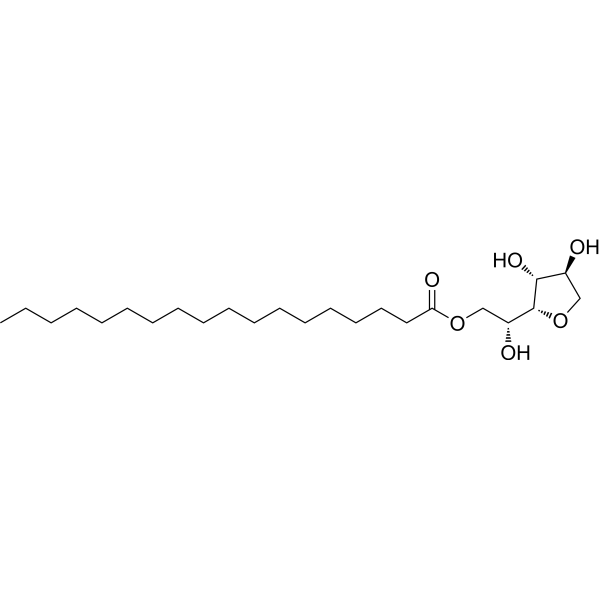
- Formula: C24H46O6
- Molecular Weight: 430.62
Sorbitan monooctadecanoate (Sorbitan monostearate) is a hydrophobic nonionic surfactant. Sorbitan monooctadecanoate can serve as a pharmaceutical excipient, such as an emulsifier, nonionic surfactant, solubilizer, wetting agent, and dispersing/suspending agent.
Polyoxyl 20 Cetostearyl Ether can be used as an excipient, such as Emulsifier and solubilizer for emulsions and creams, etc. Pharmaceutical excipients, or pharmaceutical auxiliaries, refer to other chemical substances used in the pharmaceutical process other than pharmaceutical ingredients. Pharmaceutical excipients generally refer to inactive ingredients in pharmaceutical preparations, which can improve the stability, solubility and processability of pharmaceutical preparations. Pharmaceutical excipients also affect the absorption, distribution, metabolism, and elimination (ADME) processes of co-administered drugs.
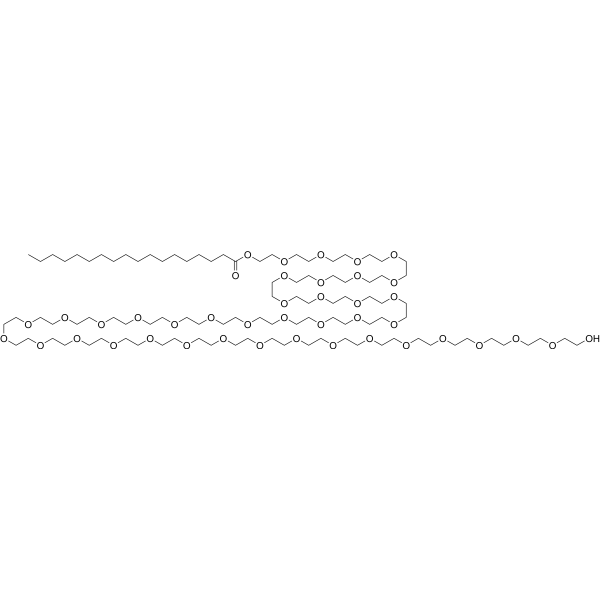
- Formula: (C2H4O)nC18H36O2
Polyoxyl 40 stearate (PEG 40 stearate) is a nonionic surfactant formed by the esterification of stearic acid with polyethylene glycol (PEG) containing approximately 40 ethoxy units, it is used in pharmaceutical preparations, nanodrug carriers, emulsification systems and biomedical materials. Polyoxyl 40 stearate can serve as a matrix component of solid lipid nanoparticles to achieve controlled release of encapsulated antifungal drugs; it can also act as a base material for solid lipid nanoparticles for vaginal administration, and polymerizable groups can be introduced via modification with acryloyl chloride.
- 1
- 2



