



L-Arginine
Based on 27 publication(s) in Google Scholar
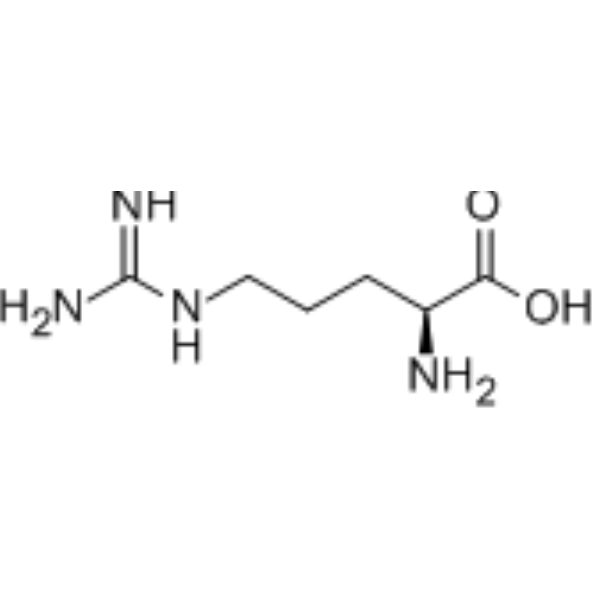
L-Arginine ((S)-(+)-Arginine) is the substrate for the endothelial nitric oxide synthase (eNOS) to generate NO. L-Arginine is transported into vascular smooth muscle cells by the cationic amino acid transporter family of proteins where it is metabolized to nitric oxide (NO), polyamines, or L-proline. L-Arginine is a potent vasodilator, and can be used to induce experimental acute pancreatitis.
For research use only. We do not sell to patients.
- Purity : 99.89%
- CAS No.: 74-79-3
- Formula: C6H14N4O2
- Molecular Weight:174.20
-
Storage:
Store at room temperature 3 years.
In solvent -80°C, 2 years , -20°C, 1 year

To place orders, for customer services and technical support, please contact: MedChemExpress USA
Tel: 609-228-6898 E-mail: [email protected] [email protected]


-
 Biological Activity
-
Chemical Information
-
Solvent & Solubility
- Purity & Documentation
- References
-
 Help & FAQs


-
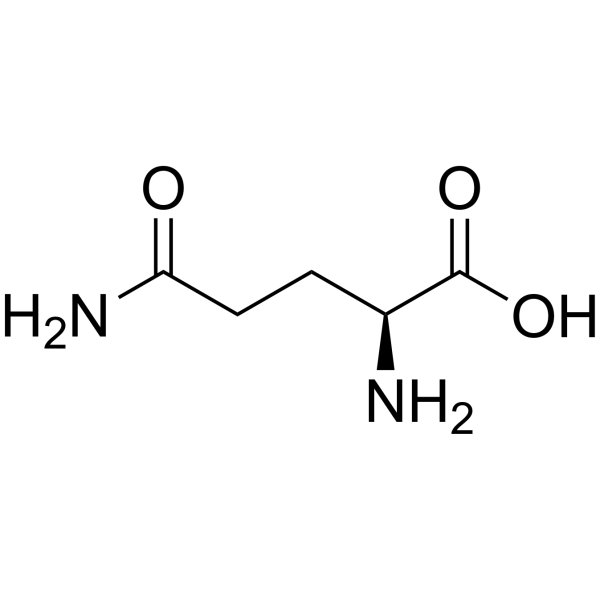
HY-N0390
L-GlutamineEndogenous Metabolite -
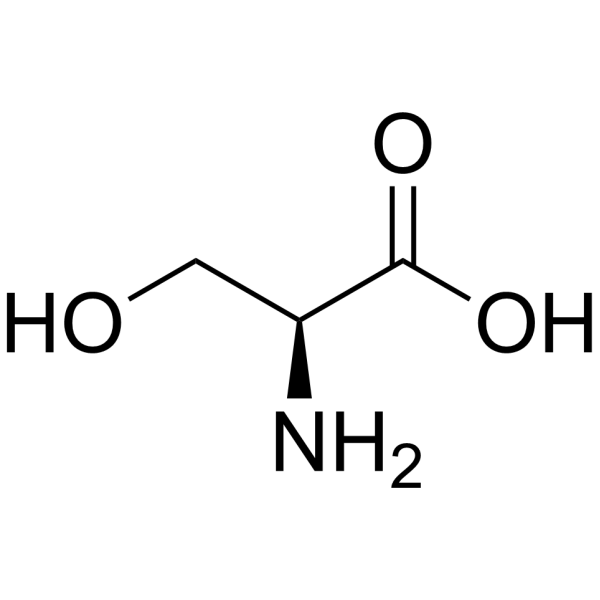
HY-N0650
L-SerineAmino Acid -
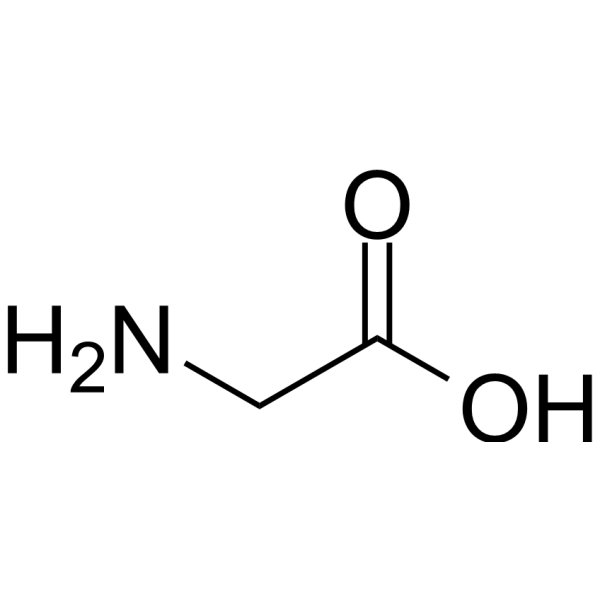
HY-Y0966
GlycineNMDAR Agonist -
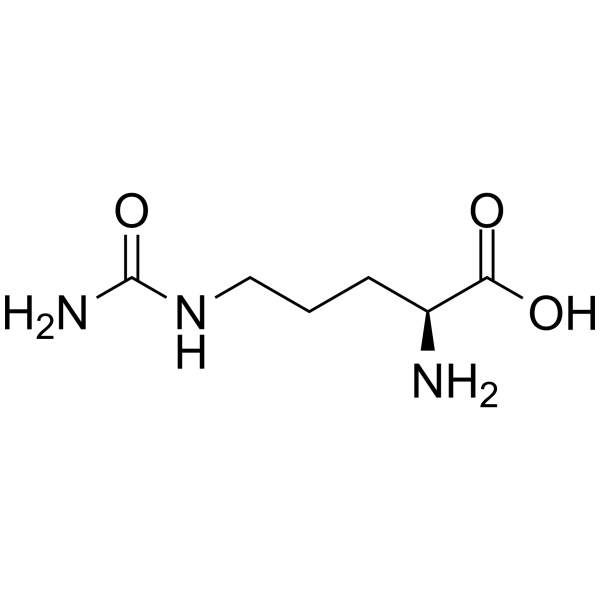
HY-N0391
L-CitrullineEndogenous Metabolite -
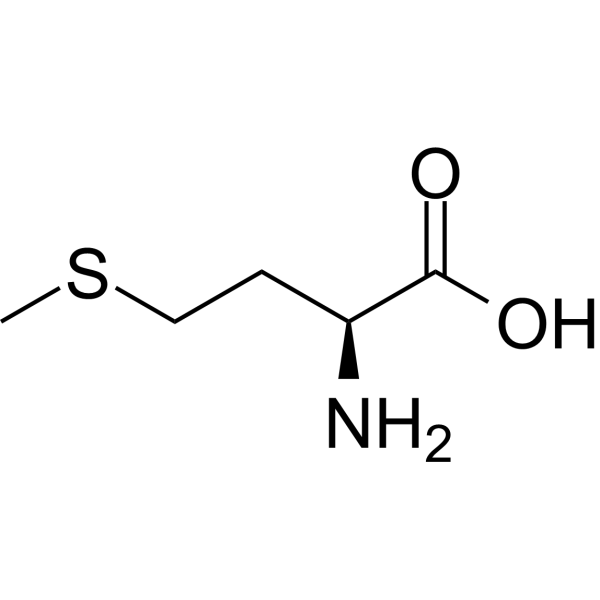
HY-N0326
L-MethionineEndogenous Metabolite -
HY-B1352
L-OrnithineAmino Acid -
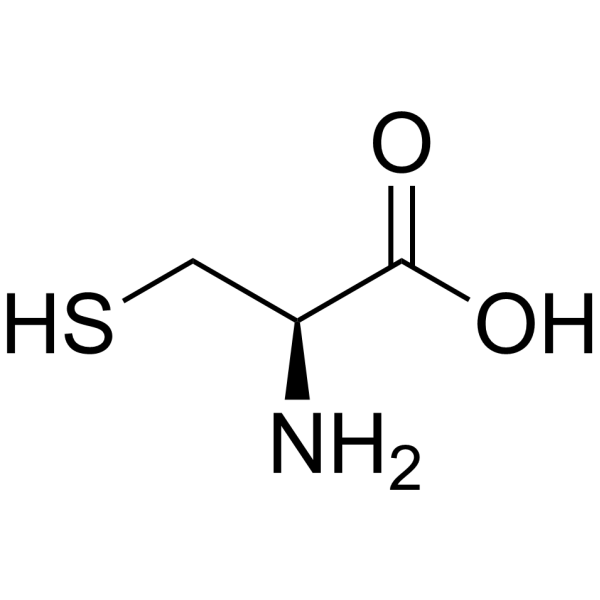
HY-Y0337
L-CysteineAnorectic Agent -
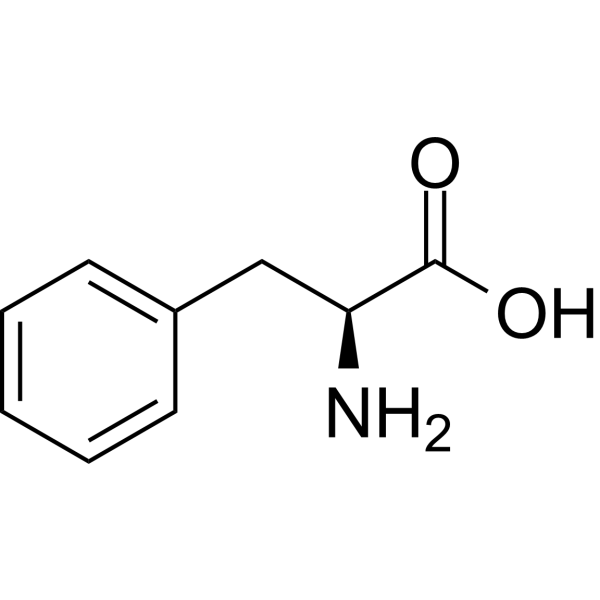
HY-N0215
L-PhenylalanineCalcium Channels Antagonist -
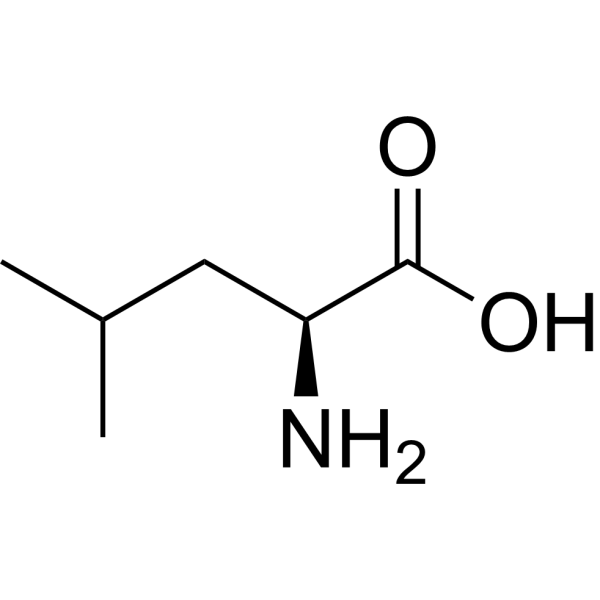
HY-N0486
L-LeucinemTOR activator -
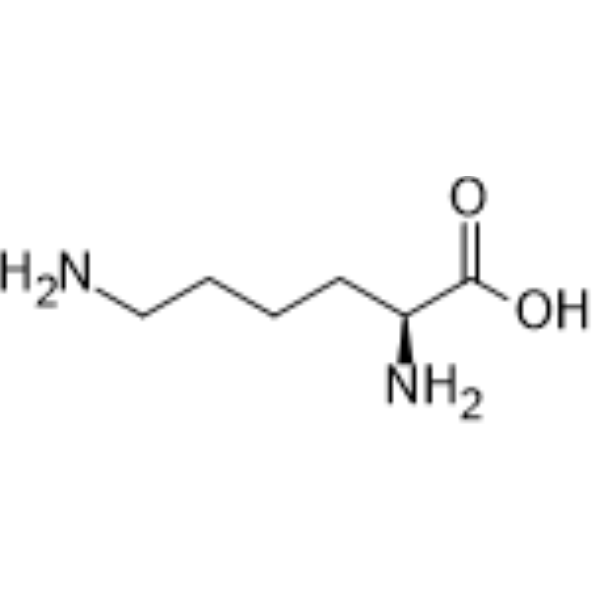
HY-N0469
L-LysineEssential Amino Acids -
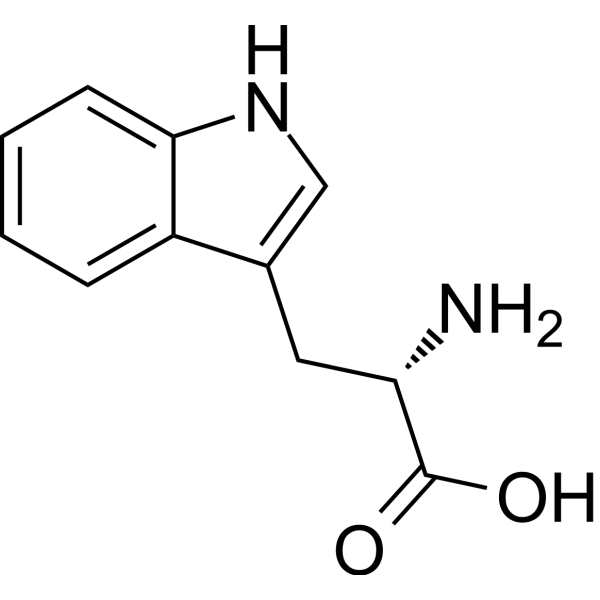
HY-N0623
L-TryptophanEssential Amino Acid -
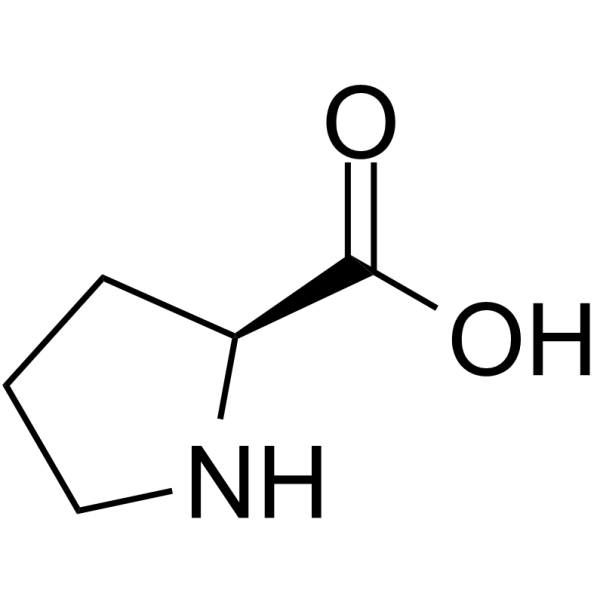
HY-Y0252
L-Proline
Publications Citing Use of MedChemExpress (MCE) L-Arginine
More- Signal Transduct Target Ther. 2025 May 28;10(1):167. [Abstract]
- Nature. 2025 Jul;643(8070):192-200. [Abstract]
- Nat Nanotechnol. 2025 Aug 11. [Abstract]
- Autophagy. 2025 Dec 23:1-25. [Abstract]
- Nat Protoc. 2021 Jan;16(1):431-457. [Abstract]
- Adv Sci (Weinh). 2025 Nov 21:e10500. [Abstract]
- Cell Rep Med. 2025 Sep 16;6(9):102333. [Abstract]
- Int J Nanomedicine. 2024 Nov 21:19:12369-12387. [Abstract]
- J Agric Food Chem. 2026 Feb 11;74(5):4582-4598. [Abstract]
- Nutrients. 2023 Oct 18;15(20):4427. [Abstract]
- Int Immunopharmacol. 2026 Feb 1:170:116055. [Abstract]
- Inflammation. 2026 Jan 28;49(1):70. [Abstract]
- Molecules. 2025 Mar 9;30(6):1224. [Abstract]
- Brain Res Bull. 2026 Oct 1:244:112037.
- iScience. 2026 Jun 23;29(7):116159. [Abstract]
- FASEB J. 2025 Sep 30;39(18):e71057. [Abstract]
- Genes Immun. 2025 Apr;26(2):124-136. [Abstract]
- J Biol Chem. 2026 Jan 23;302(3):111202. [Abstract]
- J Biomed Mater Res A. 2025 Dec;113(12):e70006. [Abstract]
- Viruses. 2021 Jun 26;13(7):1236. [Abstract]
- Mol Biol Rep. 2026 Jun 23;53(1):991.
- Dig Dis Sci. 2023 Feb;68(2):478-486. [Abstract]
- Pancreas. 2020 Jan;49(1):111-119. [Abstract]
- SSRN. 2025 Dec 17.
- Patent. US20230090691A1.
- Trop J Pharm Res. 2022 Jun 4.
- Patent. US20200352840A1.
 Customer Validation & Images

-
Cell Imaging/Staining
-
In Vivo Efficacy Study
-
Flow Cytometry
-
Cell Imaging/Staining
-
In Vivo Efficacy Study
All Endogenous Metabolite Isoforms
More

Biological Activity
Description
IC50 & Target
|
Microbial Metabolite |
Human Endogenous Metabolite |
eNOS |
Arg |
Cellular Effect
|
Cell Line

|
Type | Value | Description | References |
|---|---|---|---|---|
| HEK293 | EC50 |
283 μM
Compound: 6322
|
Substrate uptake by the Cationic Amino Acid Transporter (CAT-3, SLC7A3) as assessed by the fluorescent FLIPR membrane potential dye in HEK-293 JumpIN-SLC7A3 cells
Substrate uptake by the Cationic Amino Acid Transporter (CAT-3, SLC7A3) as assessed by the fluorescent FLIPR membrane potential dye in HEK-293 JumpIN-SLC7A3 cells
|
10.5281/zenodo.6782708 |
| HEK293 | EC50 |
283 μM
Compound: 6322
|
Substrate uptake by the Cationic Amino Acid Transporter (CAT-3, SLC7A3) as assessed by the fluorescent FLIPR membrane potential dye in HEK-293 JumpIN-SLC7A3 cells (PubChem AID: 1745863)
Substrate uptake by the Cationic Amino Acid Transporter (CAT-3, SLC7A3) as assessed by the fluorescent FLIPR membrane potential dye in HEK-293 JumpIN-SLC7A3 cells (PubChem AID: 1745863)
|
10.5281/zenodo.6782708 |
In Vitro
Arginine is an α-amino acid. The L-form is one of the 20 most common natural amino acids. At the level of molecular genetics, in the structure of the messenger ribonucleic acid mRNA, CGU, CGC, CGA, CGG, AGA, and AGG, are the triplets of nucleotide bases or codons that code for arginine during protein synthesis. In mammals, arginine is classified as a semiessential or conditionally essential amino acid, depending on the developmental stage and health status of the individual[1].
L-Arginine is associated with a decrease in cardiac index. L-Arginine (450 mg/kg during a 15-minute period) amplifies and sustains the hyperemia (38%) and increases absolute brain blood flow after eNOS upregulation by chronic Simvastatin (HY-17502) (2 mg/kg; sc; daily for 14 days) in SV-129 mice[2][3].
MedChemExpress (MCE) has not independently confirmed the accuracy of these methods. They are for reference only. .
Induced Disease Models
Please do not refer to only one article to determine the experimental conditions. It is recommended to determine the optimal experimental conditions (animal strain, age, dosage, frequency and cycle, detection time and indicators, etc.) through preliminary experiments before the formal experiment.
Dose reference for L-Arginine induction[4][5]:
(1) Model animal: Male Wistar albino rats
Acute pancreatitis: single i.p. injection of 500 mg of L-arginine/100 g body weight
(2) Model animal: Male ICR mice
Acute pancreatitis: i.p. with 2.25 g/kg body weight of L-Arginine hourly for 2 hours
Dissolution method of L-Arginine[5]:
L-arginine solution was prepared by dissolving L-arginine powder in 0.9% normal saline and adjusting the pH to 7 with 5 N HCl.
Administration: 250 mg, 500 mg, 750 mg every 100 g body weight • ip • single dose • starved for 15 hours
Administration: 450 mg/100 g body weight • ip • twice dosages • sacrificed at 72 hours
(2) Dissolution method in Reference: L-Arginine solution was prepared by dissolving L-Arginine powder in 0.9% normal saline and adjusting pH to 7 with 5N hydrochloric acid[5].
MedChemExpress (MCE) has not independently confirmed the accuracy of these methods. They are for reference only.


Chemical Information
-
CAS No. 74-79-3
-
Appearance Solid
-
Molecular Weight 174.20
-
Formula C6H14N4O2
-
Color White to off-white
-
SMILES
N[C@@H](CCCNC(N)=N)C(O)=O
-
Structure Classification
-
Initial Source
-
Shipping
Room temperature in continental US; may vary elsewhere.
-
Storage
Store at room temperature 3 years
In solvent -80°C 2 years -20°C 1 year


Publications (27)
-
Journal Impact Factor
-
Most Recent
-
Signal Transduct Target Ther
Arginase 1 drives mitochondrial cristae remodeling and PANoptosis in ischemia/hypoxia-induced vascular dysfunction. [Abstract]2025 May 28;10(1):167. PMID: 40425583 -
Nature
2025 Jul;643(8070):192-200. PMID: 39695227 -
Nat Nanotechnol
Annexin A1 mRNA-loaded liposomes alleviate acute pancreatitis by suppressing STING pathway and promoting efferocytosis in macrophages. [Abstract]2025 Aug 11. PMID: 40789923 -
Autophagy
ESRRA-ATG5-Mediated mitophagy enhances arginine metabolism to alleviate diabetic kidney disease. [Abstract]2025 Dec 23:1-25. PMID: 41376268 -
Nat Protoc
2021 Jan;16(1):431-457. PMID: 33349703 -
Adv Sci (Weinh)
Targeting the SOX9/TIMP1 Axis with iRGD-Conjugated Nanoplatform Enhances Dendritic Cell Function and Photodynamic Immunotherapy in Gastric Cancer. [Abstract]2025 Nov 21:e10500. PMID: 41270217
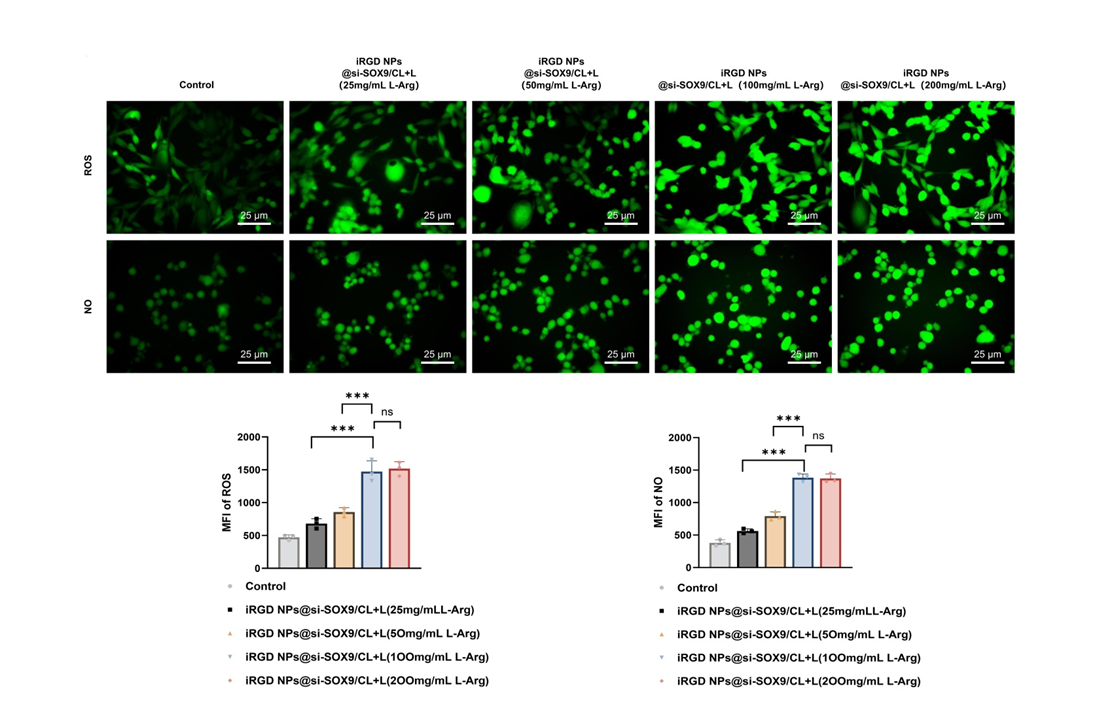
L-Arginine purchased from MedChemExpress. Usage Cited in: Adv Sci (Weinh). 2025 Nov 21:e10500. [Abstract]
Intracellular ROS and NO generation were measured under different L-Arg (25-200 mg/mL) concentrations following iRGD NPs@si-SOX9/CL+L (24 h) treatment using DCFH-DA and DAF-FM DA probes
-
Cell Rep Med
Targeting AQP5-mediated arginine deprivation in gastric cancer stem cells restores NK cell anti-tumor immunity. [Abstract]2025 Sep 16;6(9):102333. PMID: 40961922
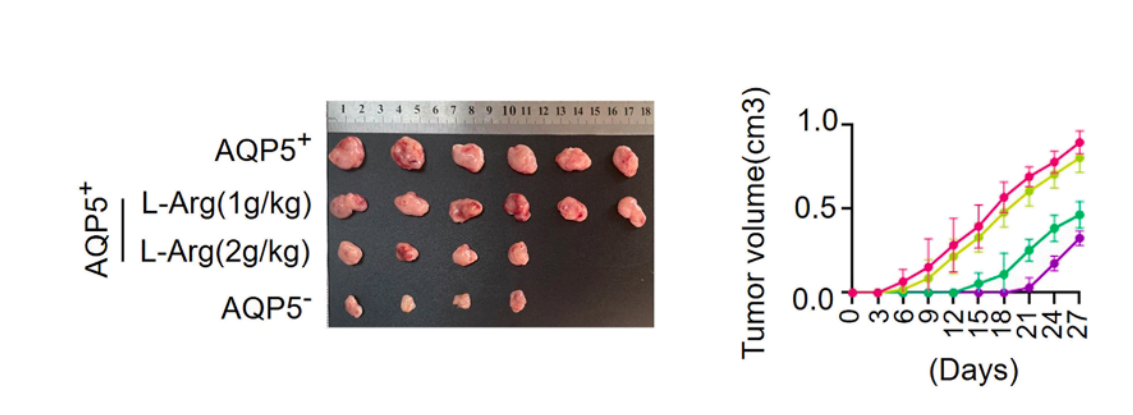
L-Arginine purchased from MedChemExpress. Usage Cited in: Cell Rep Med. 2025 Sep 16;6(9):102333. [Abstract]
Images and tumor volume in subcutaneous tumors established with AQP5+ or AQP5− MFC cells in C57BL/6J mice treated with daily oral gavage of different concentrations of L-Arginine (1-2 g/kg; p.o. daily for 27 d) or PBS.
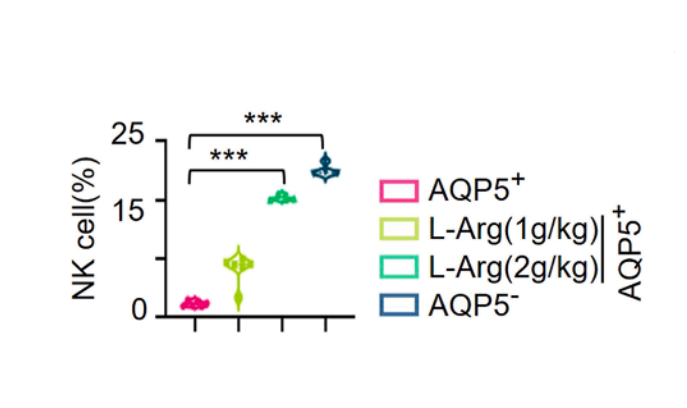
L-Arginine purchased from MedChemExpress. Usage Cited in: Cell Rep Med. 2025 Sep 16;6(9):102333. [Abstract]
Proportion of NK cells in subcutaneous tumors detected by flow cytometry (AQP5+); AQP5+ + L-Arginine (1 g/kg daily oral gavage); AQP5+ + L-Arginine (2 g/kg daily oral gavage); AQP5-).
L-Arginine purchased from MedChemExpress. Usage Cited in: Cell Rep Med. 2025 Sep 16;6(9):102333. [Abstract]
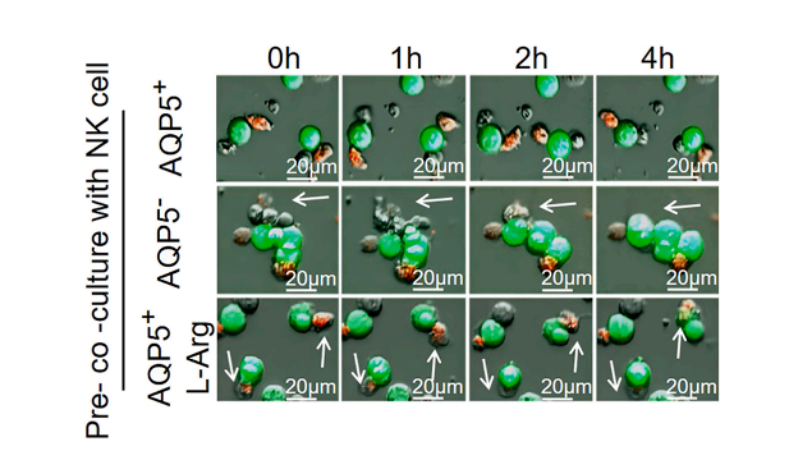
NK cells co-cultured with AQP5+ AGS cells, AQP5- AGS cells, or AQP5+ AGS cells supplemented with 40 nM L-Arginine for 48 h and co-cultured with AGS cells. Images detected by live cell workstation; NK cells were labeled green by CFSE, and AGS cells were labeled red.
-
Int J Nanomedicine
A Multifunctional Nanodrug Co-Delivering VEGF-siRNA and Dexamethasone for Synergistic Therapy in Ocular Neovascular Diseases. [Abstract]2024 Nov 21:19:12369-12387. PMID: 39606561 -
J Agric Food Chem
Protocatechuic Acid, a Gut-Derived Dietary Metabolite, Attenuates Endothelial Dysfunction via GPER-Mediated NO Signaling. [Abstract]2026 Feb 11;74(5):4582-4598. PMID: 41605862 -
Nutrients
Ketogenic Diet Exacerbates L-Arginine-Induced Acute Pancreatitis and Reveals the Therapeutic Potential of Butyrate. [Abstract]2023 Oct 18;15(20):4427. PMID: 37892502
L-Arginine purchased from MedChemExpress. Usage Cited in: Nutrients. 2023 Oct 18;15(20):4427. [Abstract]
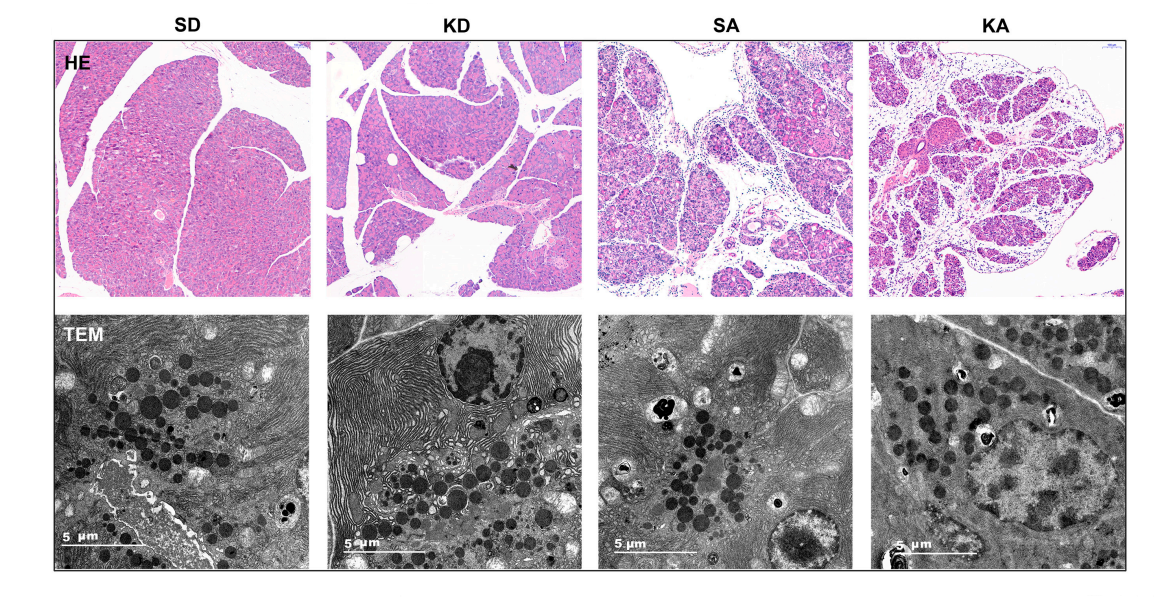
A ketogenic diet exacerbated L-Arginine (4 g/kg; hourly i.p. for 2 times )-induced acute pancreatitis. H&E staining and TEM sections of pancreatic tissue.
-
Int Immunopharmacol
Targeting periodontal inflammatory microenvironment to ameliorate periodontitis: A nitrogen ions implantation technique. [Abstract]2026 Feb 1:170:116055. PMID: 41448003 -
Inflammation
Targeting Thioredoxin Reductase 1 Alleviates Severe Acute Pancreatitis by Modulating Oxidative Stress and Ferroptosis-Related Pathways. [Abstract]2026 Jan 28;49(1):70. PMID: 41606267 -
Molecules
Seeking Correlation Among Porin Permeabilities and Minimum Inhibitory Concentrations Through Machine Learning: A Promising Route to the Essential Molecular Descriptors. [Abstract]2025 Mar 9;30(6):1224. PMID: 40142001 -
-
iScience
2026 Jun 23;29(7):116159. PMID: 42389588 -
FASEB J
Spatial Metabolism of Primary Limited Cutaneous Amyloidosis Based on Mass Spectrometry Imaging. [Abstract]2025 Sep 30;39(18):e71057. PMID: 40955599 -
Genes Immun
Annexin A1 regulates inflammatory-immune response and reduces pancreatic and extra- pancreatic injury during severe acute pancreatitis. [Abstract]2025 Apr;26(2):124-136. PMID: 40025269 -
J Biol Chem
Nitric oxide mediates ET-1-induced-inhibition of NPPB-sensitive Cl- currents in the early distal convoluted tubule of the mouse kidney. [Abstract]2026 Jan 23;302(3):111202. PMID: 41581878 -
J Biomed Mater Res A
Hyaluronic Acid-Chitosan Nanoparticles Encapsulating Gal-9 Alleviate Severe Acute Pancreatitis by Promoting M2 Macrophage Polarization. [Abstract]2025 Dec;113(12):e70006. PMID: 41307175 -
Viruses
Proteome Analysis in PAM Cells Reveals That African Swine Fever Virus Can Regulate the Level of Intracellular Polyamines to Facilitate Its Own Replication through ARG1. [Abstract]2021 Jun 26;13(7):1236. PMID: 34206713 -
-
Dig Dis Sci
Dysregulated B7H4/JAK2/STAT3 Pathway Involves in Hypertriglyceridemia Acute Pancreatitis and Is Attenuated by Baicalin. [Abstract]2023 Feb;68(2):478-486. PMID: 35781653 -
Pancreas
Nuclear Factor-κB Increases Intracellular Calcium by Upregulation of Na+-Ca2+ Exchanger 1 in Cerulein-Induced Acute Pancreatitis. [Abstract]2020 Jan;49(1):111-119. PMID: 31856086 -
-
-
-


Solvent & Solubility
In Vitro:
H2O : 50 mg/mL (287.03 mM; Need ultrasonic)
Please refer to the solubility information to select the appropriate solvent. Once prepared, please aliquot and store the solution to prevent product inactivation from repeated freeze-thaw cycles.
Storage method and period of stock solution: -80°C, 2 years; -20°C, 1 year. When stored at -80°C, please use it within 2 years. When stored at -20°C, please use it within 1 year.
* Note: If you choose water as the stock solution, please dilute it to the working solution, then filter and sterilize it with a 0.22 μm filter before use.
Please refer to the solubility information to select the appropriate solvent. Once prepared, please aliquot and store the solution to prevent product inactivation from repeated freeze-thaw cycles.
Storage method and period of stock solution: -80°C, 2 years; -20°C, 1 year. When stored at -80°C, please use it within 2 years. When stored at -20°C, please use it within 1 year.
* Note: If you choose water as the stock solution, please dilute it to the working solution, then filter and sterilize it with a 0.22 μm filter before use.
Concentration (start) × Volume (start) = Concentration (final) × Volume (final)
In Vivo:
For the following dissolution methods, please prepare the working solution directly:
It is recommended to prepare fresh solutions and use them promptly within a short period of time.
The percentages shown for the solvents indicate their volumetric ratio in the final prepared solution. If precipitation or phase separation occurs during preparation, heat and/or sonication can be used to aid dissolution.
Add each solvent one by one: PBS
Solubility: 100 mg/mL (574.05 mM); Clear solution; Need ultrasonic


Purity & Documentation
-
Data Sheet (283 KB)
-
SDS (394 KB)
- English - EN (394 KB)
- Français - FR (394 KB)
- Deutsch - DE (394 KB)
- Norwegian - NO (394 KB)
- Español - ES (394 KB)
- Swedish - SV (394 KB)
- Italian - IT (394 KB)
- Korean - KR (394 KB)
- Portuguese - PT (394 KB)
-
Handling Instructions (2659 KB)
References
[1]. Tapiero H, et al. I. Arginine. Biomed Pharmacother. 2002 Nov;56(9):439-45. [Content Brief]
[2]. Bakker J, et al. Administration of the nitric oxide synthase inhibitor NG-methyl-L-arginine hydrochloride (546C88) by intravenous infusion for up to 72 hours can promote the resolution of shock in patients with severe sepsis: results of a randomized, double-blind, placebo-controlled multicenter study (study no. 144-002). Crit Care Med. 2004 Jan;32(1):1-12. [Content Brief]
[3]. Yamada M, et al. Endothelial nitric oxide synthase-dependent cerebral blood flow augmentation by L-arginine after chronic statin treatment. J Cereb Blood Flow Metab. 2000 Apr;20(4):709-17. [Content Brief]
[4]. Mizunuma T, et al. Effects of injecting excess arginine on rat pancreas. J Nutr. 1984 Mar;114(3):467-71. [Content Brief]
[5]. Siriviriyakul P, et al. Effects of curcumin on oxidative stress, inflammation and apoptosis in L-arginine induced acute pancreatitis in mice. Heliyon. 2019 Aug 27;5(8):e02222. [Content Brief]


Complete Stock Solution Preparation Table
Please refer to the solubility information to select the appropriate solvent. Once prepared, please aliquot and store the solution to prevent product inactivation from repeated freeze-thaw cycles.
Storage method and period of stock solution: -80°C, 2 years; -20°C, 1 year. When stored at -80°C, please use it within 2 years. When stored at -20°C, please use it within 1 year.
| Optional Solvent | Concentration Solvent Mass | 1 mg | 5 mg | 10 mg | 25 mg |
|---|---|---|---|---|---|
| H2O | 1 mM | 5.7405 mL | 28.7026 mL | 57.4053 mL | 143.5132 mL |
| 5 mM | 1.1481 mL | 5.7405 mL | 11.4811 mL | 28.7026 mL | |
| 10 mM | 0.5741 mL | 2.8703 mL | 5.7405 mL | 14.3513 mL | |
| 15 mM | 0.3827 mL | 1.9135 mL | 3.8270 mL | 9.5675 mL | |
| 20 mM | 0.2870 mL | 1.4351 mL | 2.8703 mL | 7.1757 mL | |
| 25 mM | 0.2296 mL | 1.1481 mL | 2.2962 mL | 5.7405 mL | |
| 30 mM | 0.1914 mL | 0.9568 mL | 1.9135 mL | 4.7838 mL | |
| 40 mM | 0.1435 mL | 0.7176 mL | 1.4351 mL | 3.5878 mL | |
| 50 mM | 0.1148 mL | 0.5741 mL | 1.1481 mL | 2.8703 mL | |
| 60 mM | 0.0957 mL | 0.4784 mL | 0.9568 mL | 2.3919 mL | |
| 80 mM | 0.0718 mL | 0.3588 mL | 0.7176 mL | 1.7939 mL | |
| 100 mM | 0.0574 mL | 0.2870 mL | 0.5741 mL | 1.4351 mL |
* Note: If you choose water as the stock solution, please dilute it to the working solution, then filter and sterilize it with a 0.22 μm filter before use.


L-Arginine Related Classifications
HY-N0455 Related Classifications
 Powered by Bioz