



AChE
Acetylcholinesterase (AChE) is the principal cholinergic enzyme that rapidly hydrolyzes acetylcholine at cholinergic synapses and neuromuscular junctions, thereby terminating neurotransmission and maintaining synaptic signaling fidelity[1]. Mechanistically, AChE regulates cholinergic pathway activity through efficient acetylcholine clearance, a process that is essential for normal neuronal communication and neuromuscular function[1]. Beyond its catalytic role, AChE displays multiple molecular forms and has been implicated in cellular interactions, neuronal activity modulation, and pathological states, supporting broader biological functions outside classical neurotransmission[1]. In neurodegenerative disease models, particularly Alzheimer’s disease (AD), altered cholinergic signaling is closely associated with cognitive impairment, and cholinesterase inhibition remains a major symptomatic therapeutic strategy[2][3]. Compared with the related isoform butyrylcholinesterase (BChE), AChE is the predominant cholinesterase in the brain and plays a primary role in synaptic acetylcholine hydrolysis, whereas BChE may compensate when AChE activity is reduced and exhibits distinct pathological changes during AD progression[3][4]. For experimental and translational applications, reversible and dual AChE/BChE inhibitors, including rivastigmine, are widely used to enhance cholinergic neurotransmission and investigate mechanisms underlying neurodegeneration and cognitive dysfunction[2][3].
References:
- [1]. Massoulié J, et al. Structure and functions of acetylcholinesterase and butyrylcholinesterase. Prog Brain Res. 1993;98:139-46. [Content Brief]
- [2]. Walczak-Nowicka ŁJ, et al. Acetylcholinesterase Inhibitors in the Treatment of Neurodegenerative Diseases and the Role of Acetylcholinesterase in their Pathogenesis. Int J Mol Sci. 2021 Aug 27;22(17):9290. [Content Brief]
- [3]. Nordberg A, et al. A review of butyrylcholinesterase as a therapeutic target in the treatment of Alzheimer's disease. Prim Care Companion CNS Disord. 2013;15(2):PCC.12r01412. [Content Brief]
- [4]. Geula C, et al. Butyrylcholinesterase, cholinergic neurotransmission and the pathology of Alzheimer's disease. Drugs of Today (Barcelona, Spain : 1998). 2004 Aug;40(8):711-721. [Content Brief]
-
AChE Related Products (486)
Related Products (486)

-
Donepezil Hydrochloride
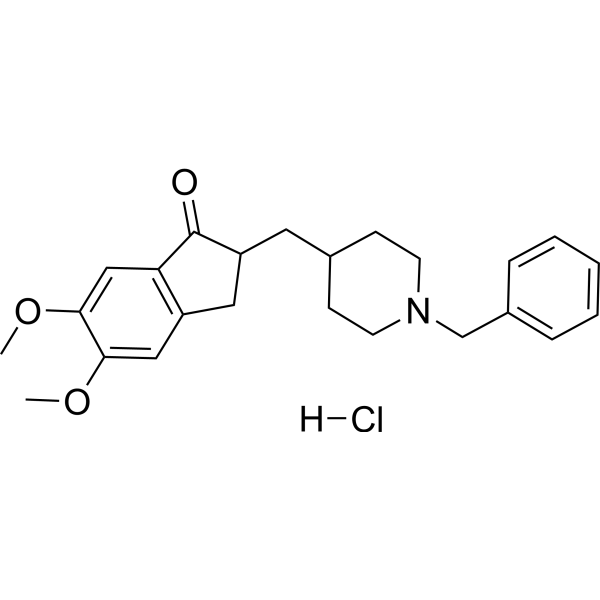 0 ImagesSynonyms: E2020
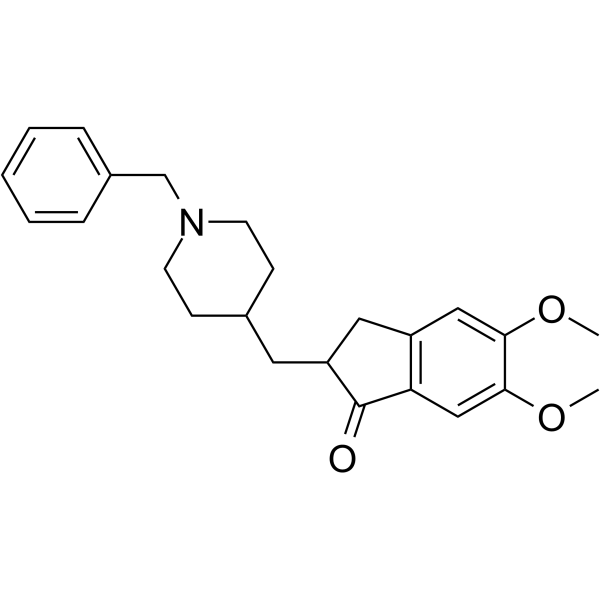
-
TMPyP4 tosylate
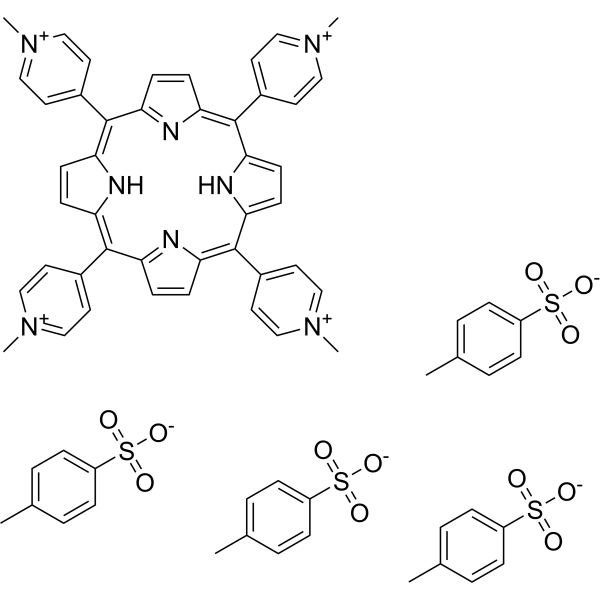 0 ImagesSynonyms: TMP 1363TMPyP4 tosylate (TMP 1363) is a quadruplex-specific ligand. TMPyP4 tosylate inhibits the interaction between G-quadruplexes and IGF-1. TMPyP4 tosylate is a telomerase inhibitor and inhibits cancer cells proliferation. TMPyP4 tosylate is also a stabilizer of nucleic acid secondary structure and an acetylcholinesterase inhibitor. Besides, TMPyP4 tosylate has antiviral activity against SARS-CoV-2.
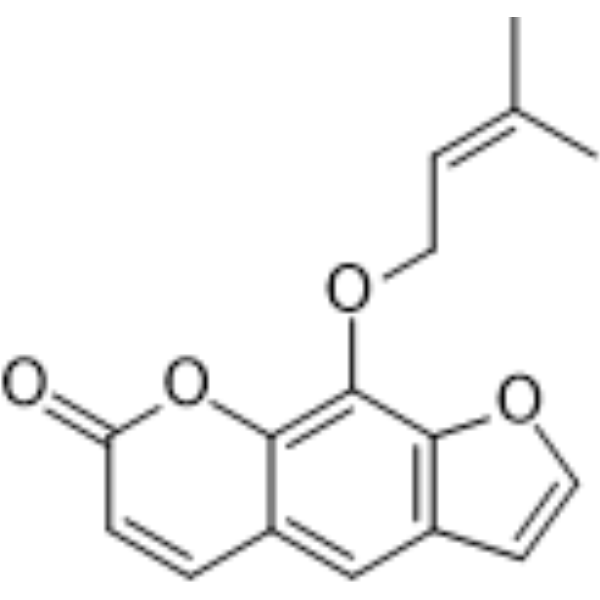
-
Garcinol
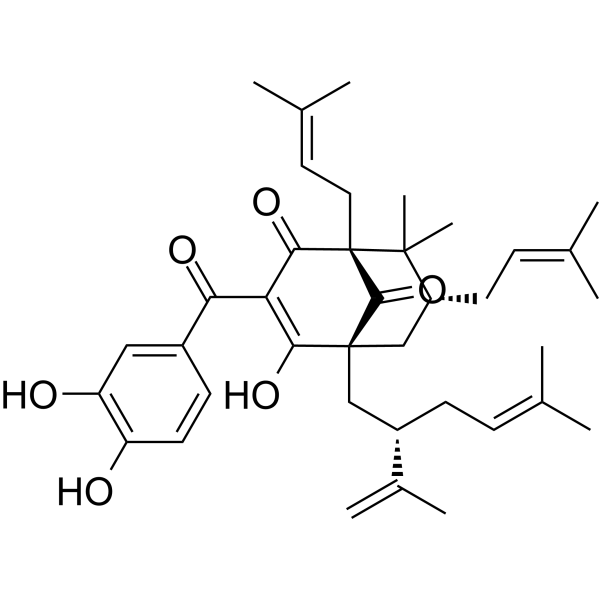 0 ImagesGarcinol, a polyisoprenylated benzophenone harvested from Garcinia indica, exerts anti-cholinesterase properties towards acetyl cholinesterase (AChE) and butyrylcholinesterase (BChE) with IC50s of 0.66 μM and 7.39 μM, respectively. Garcinol also inhibits histone acetyltransferases (HATs, IC50= 7 μM) and p300/CPB-associated factor (PCAF, IC50 = 5 μM). Garcinol has anti-inflammatory and anti-cancer activity.
-
Jatrorrhizine chloride
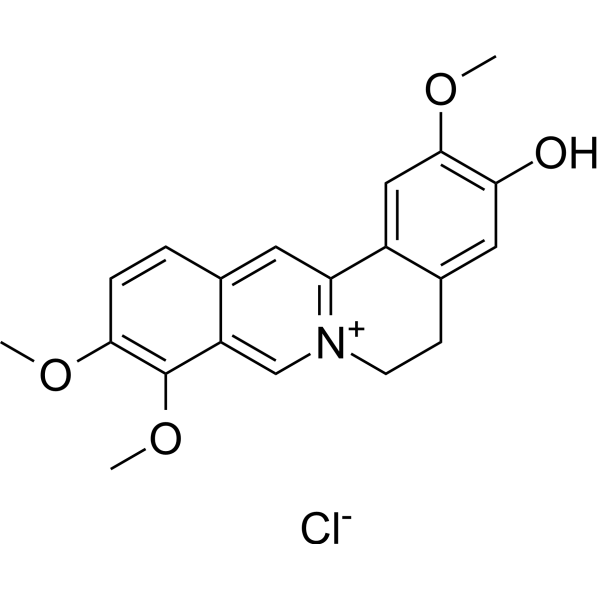 0 ImagesJatrorrhizine chloride is an alkaloid isolated from Coptis chinensis with neuroprotective, antimicrobial, antiplasmodial and antioxidant activities. Jatrorrhizine chloride is a potent and orally active inhibitor of AChE (IC50=872 nM) over >115-fold selectivity for BuChE. Jatrorrhizine chloride reduces uptake of serotonin (5-HT) and norepinephrine (NE) via inhibition of uptake-2 transporters.
-
Dyclonine hydrochloride
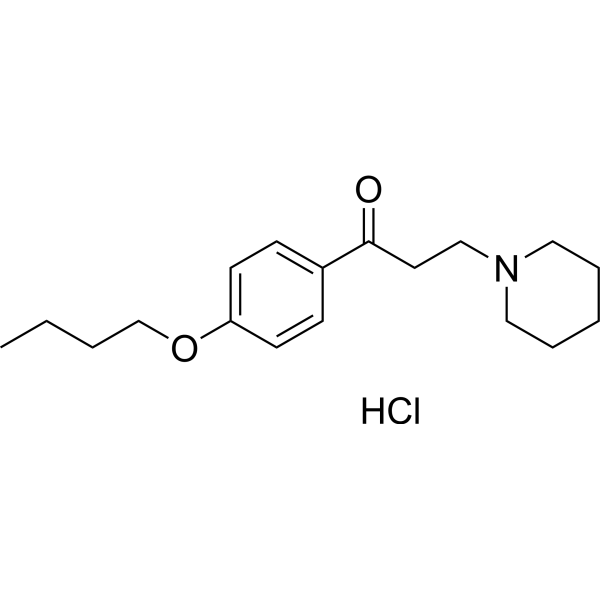 0 ImagesDyclonine hydrochloride (Dyclocaine hydrochloride) is an orally active, blood-brain barrier-permeable piperidine phenylacetone small molecule commonly used as a local anesthetic. Dyclonine hydrochloride acts as a highly selective allosteric antagonist of TRPV3; it also reversibly inhibits G9a, ALDH2 and ALDH3A1, non-competitively blocks AChE. Dyclonine hydrochloride activates the Nrf2/ARE pathway, relieves the epigenetic silencing of FXN, blocks Aβ42 aggregation, and promotes remyelination and reparative polarization of microglia. Dyclonine hydrochloride alleviates pruritus via TRPV3 inhibition; it is used in studies of neurodegenerative disease models based on its AChE inhibitory, antioxidant and remyelinating effects; it sensitizes drug-resistant tumors through ALDH inhibition, and combined use with protease inhibitors induces more tumor cell apoptosis; it inhibits Candida albicans in vitro. Dyclonine hydrochloride can be used for research on multiple diseases including neurodegenerative diseases, cancer and pruritic dermatitis.
-
Coumaran
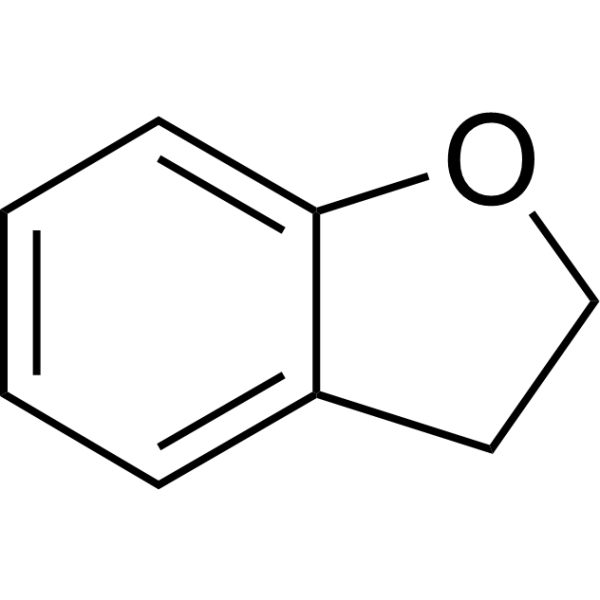 0 ImagesCoumaran (2,3-Dihydrobenzofuran) is an AChE inhibitor with antileishmanial activity. Coumaran may acquire antiparasitic capabilities through activation of macrophages and exert immunomodulatory activity. Coumaran can be used as a biopesticide..
-
α-NETA
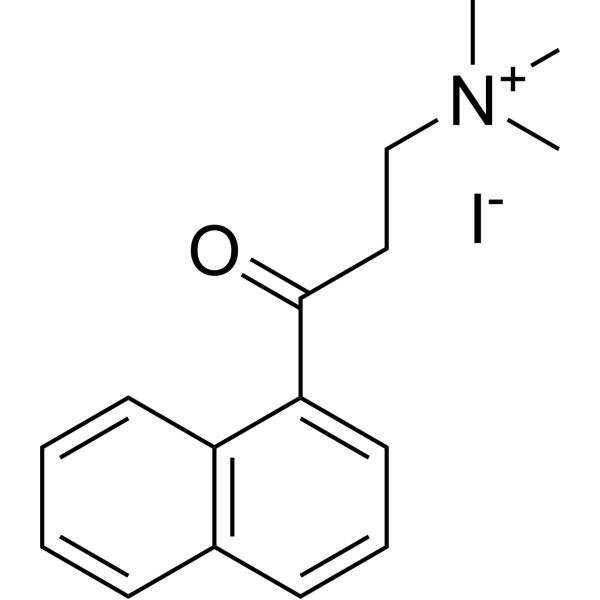 0 Imagesα-NETA is a potent and noncompetitive choline acetyltransferase (ChA) inhibitor with an IC50 of 9 μM. α-NETA is a potent ALDH1A1 (IC50=0.04 µM) and chemokine-like receptor-1 (CMKLR1) antagonist. α-NETA weakly inhibits cholinesterase (ChE; IC50=84 µM) and acetylcholinesterase (AChE; IC50=300 µM). α-NETA has anti-cancer activity.
-
Chlorpyrifos
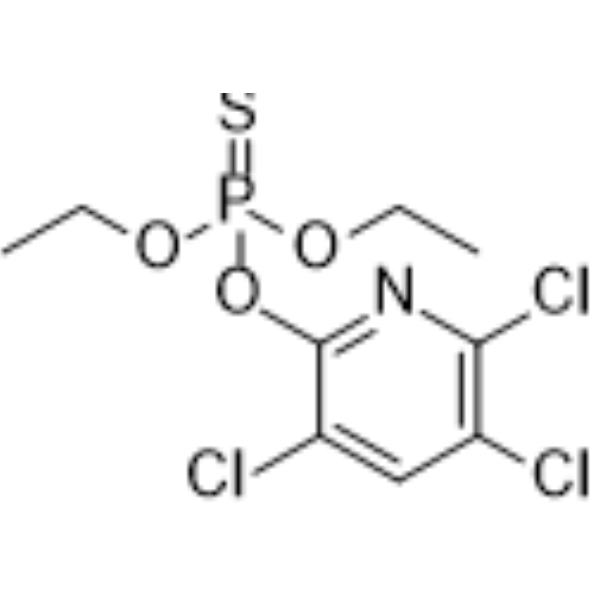 0 ImagesChlorpyrifos is a neurotoxic insecticide that belongs to the class of thionite esters. Chlorpyrifos is also a AChE inhibitor that affects neurological function in insects, humans and other animals. Chlorpyrifos interferes with cell replication and differentiation, ultimately altering synaptic transmission in neurons.
-
Rivastigmine
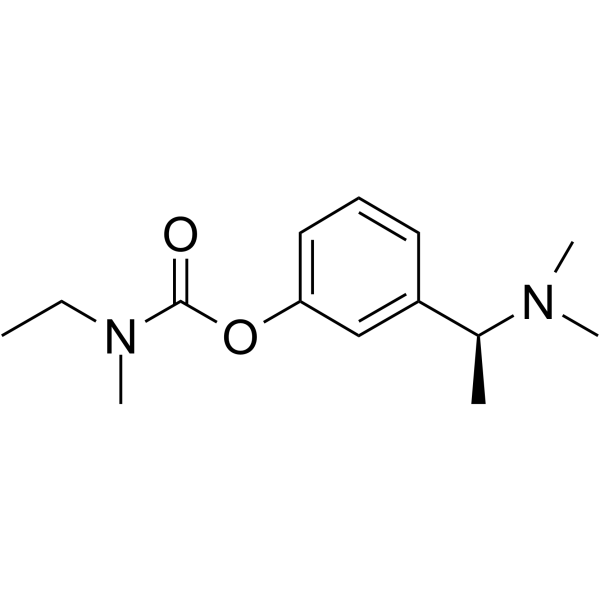 0 ImagesSynonyms: ENA 713 free base; SDZ-ENA 713 free baseRivastigmine (ENA 713 free base) is an orally active and potent cholinesterase (ChE) inhibitor and inhibits butyrylcholinesterase (BChE) and acetylcholinesteras (AChE) with IC50s of 0.037 μM , 4.15 μM, respectively. Rivastigmine can pass the blood brain barrier (BBB). Rivastigmine is a parasympathomimetic or cholinergic agent used for the research of mild to moderate dementia of the Alzheimer's type and dementia due to Parkinson's disease.
-
Linarin
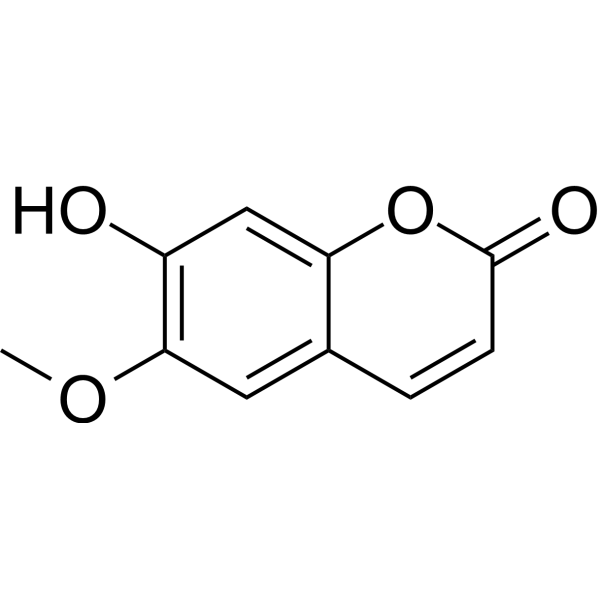
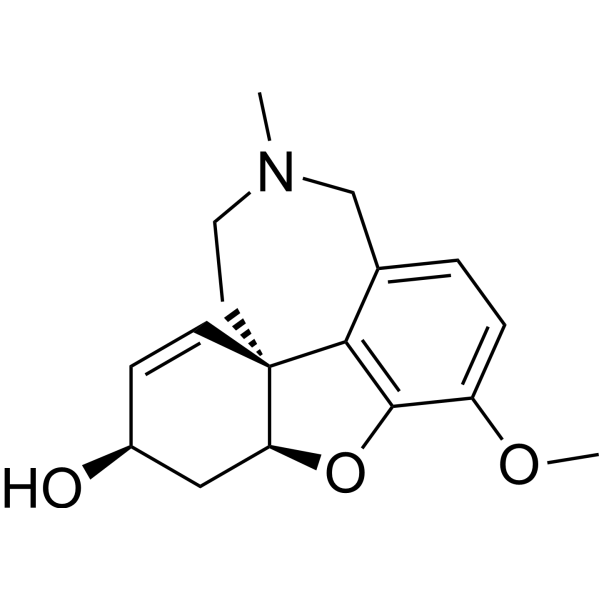
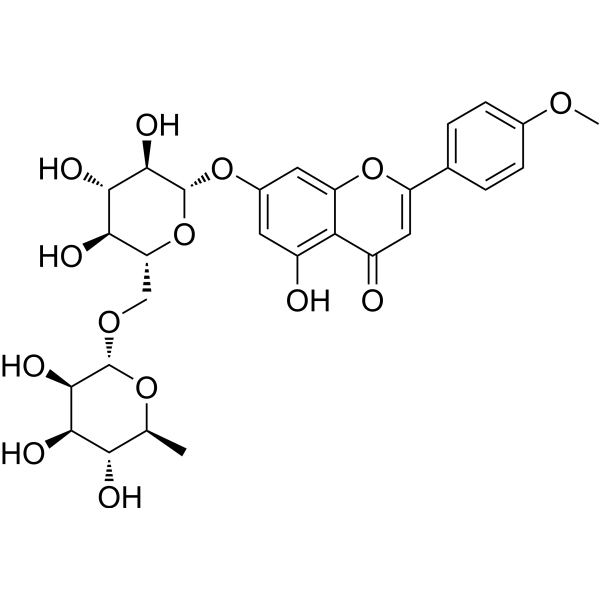 0 ImagesLinarin (Buddleoside) is an orally active and selective inhibitor of acetylcholinesterase (AChE). Linarin has many activities, such as anti-inflammatory, antioxidant, sleep aid and sedation, bone differentiation, anti-tumor, antibacterial and antiviral. Linarin can be used to study diseases such as the nervous system, osteoporosis and cancer.
-
Epiberberine chloride
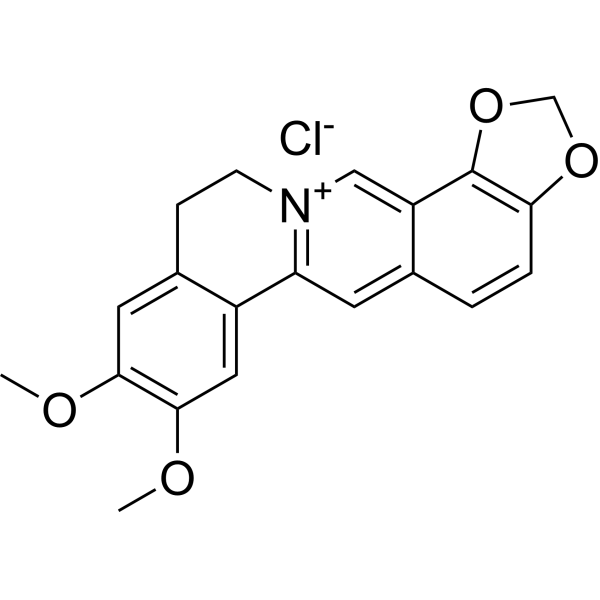 0 ImagesEpiberberine chloride is an alkaloid isolated from Coptis chinensis, acts as a potent AChE and BChE inhibitor, and a non-competitive BACE1 inhibitor, with IC50s of 1.07, 6.03 and 8.55 μM, respectively. Epiberberine chloride has antioxidant activity, with peroxynitrite ONOO- scavenging effect (IC50, 16.83 μM), and may protect against Alzheimer disease. Epiberberine chloride inhibits the early stage of differentiation of 3T3-L1 preadipocytes, downregulates the Raf/MEK1/2/ERK1/2 and AMPKα/Akt pathways. Epiberberine has the potential effect in the research of diabetic disease.
-
Rivastigmine tartrate
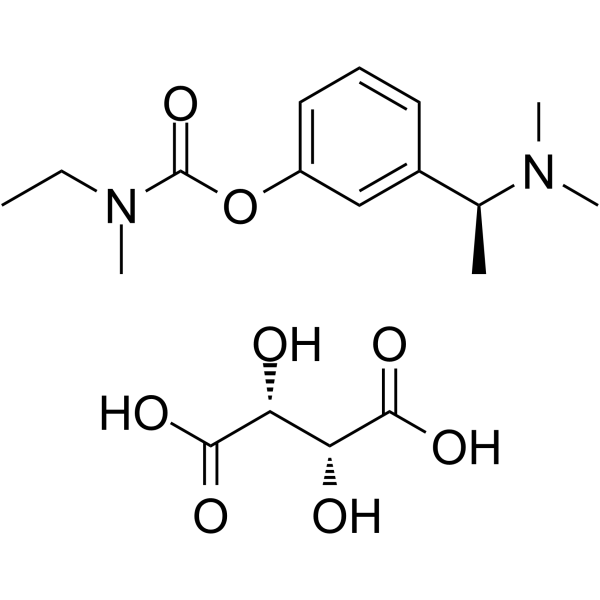 0 ImagesSynonyms: ENA 713; SDZ-ENA 713Rivastigmine tartrate (ENA 713; SDZ-ENA 713) is an orally active and potent cholinesterase (ChE) inhibitor and inhibits butyrylcholinesterase (BChE) and acetylcholinesteras (AChE) with IC50s of 0.037 μM, 4.15 μM, respectively. Rivastigmine tartrate can pass the blood brain barrier (BBB). Rivastigmine tartrate is a parasympathomimetic or cholinergic agent used for the research of mild to moderate dementia of the Alzheimer's type and dementia due to Parkinson's disease.
-
Pyridostigmine bromide
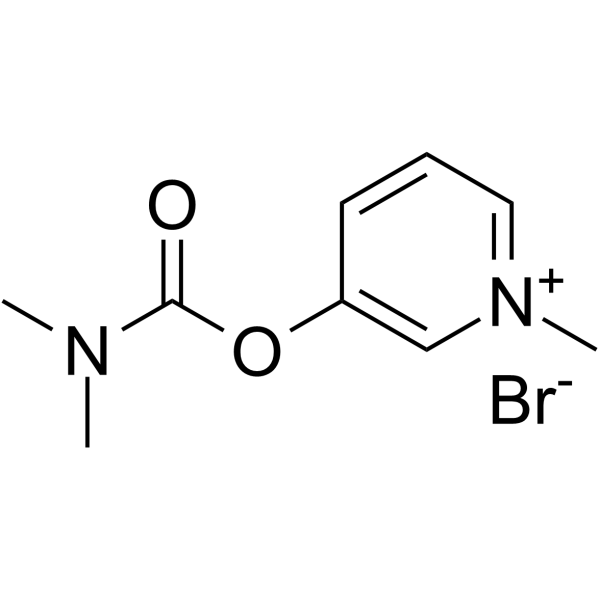 0 ImagesPyridostigmine bromide is an orally active cholinesterase (ChE) inhibitor that can be used in cardiovascular disease research.
-
(-)-Huperzine A
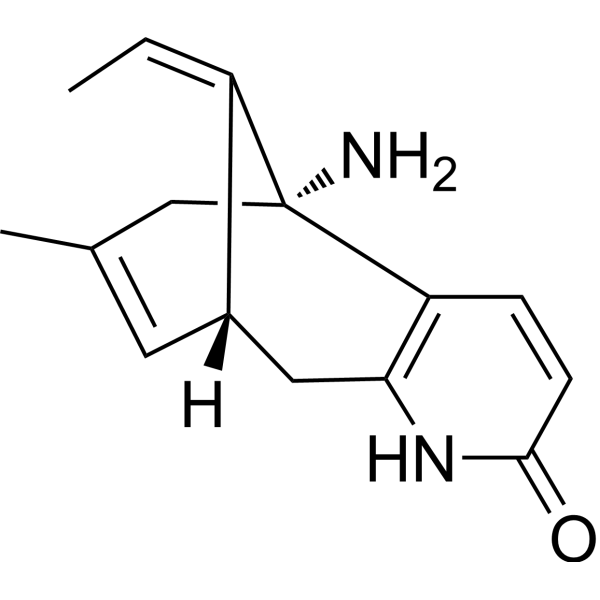 0 ImagesSynonyms: Huperzine A(-)-Huperzine A (Huperzine A) is an alkaloid isolated from Huperzia serrata, with neuroprotective activity. (-)-Huperzine A is a potent, highly specific, reversible and blood-brain barrier penetrant inhibitor of acetylcholinesterase (AChE), with an IC50 of 82 nM. (-)-Huperzine A also is non-competitive antagonist of N-methyl-D-aspartate glutamate (NMDA) receptor. (-)-Huperzine A is developed for the research of neurodegenerative diseases, including Alzheimer’s disease.
-
Sinapine
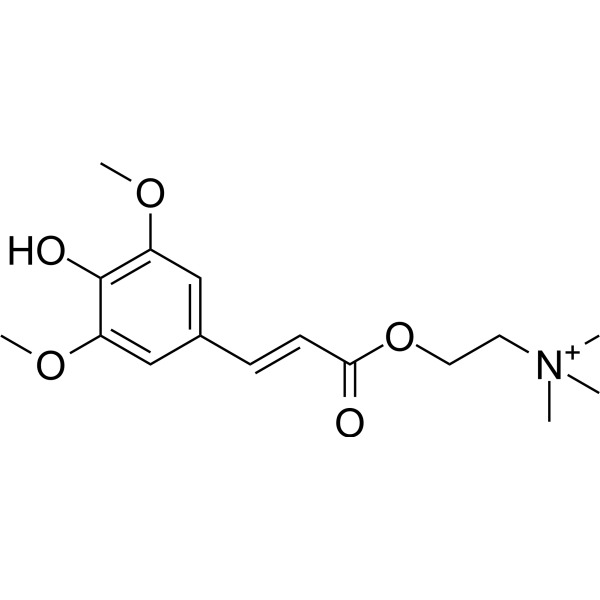 0 ImagesSinapine is an alkaloid isolated from seeds of the cruciferous species. Sinapine exhibits anti-inflammatory, anti-oxidant, anti-tumor, anti-angiogenic and radio-protective effects. Sinapine is also an acetylcholinesterase (AChE) inhibitor and can be used for the research of Alzheimer’s disease, ataxia, myasthenia gravis, and Parkinson’s disease.



