



Linarin
Based on 4 publication(s) in Google Scholar
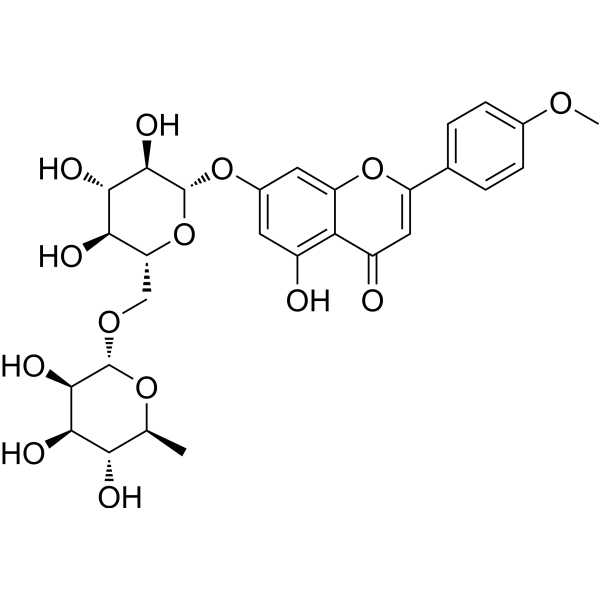
Linarin (Buddleoside) is an orally active and selective inhibitor of acetylcholinesterase (AChE). Linarin has many activities, such as anti-inflammatory, antioxidant, sleep aid and sedation, bone differentiation, anti-tumor, antibacterial and antiviral. Linarin can be used to study diseases such as the nervous system, osteoporosis and cancer.
For research use only. We do not sell to patients.
- Purity : 98.02%
- CAS No.: 480-36-4
- Formula: C28H32O14
- Molecular Weight:592.55
-
Storage:
4°C, protect from light
* In solvent : -80°C, 6 months; -20°C, 1 month (protect from light)

To place orders, for customer services and technical support, please contact: MedChemExpress USA
Tel: 609-228-6898 E-mail: [email protected] [email protected]


-
 Biological Activity
-
Chemical Information
-
Solvent & Solubility
- Protocols
- Purity & Documentation
- References
-
 Help & FAQs


-
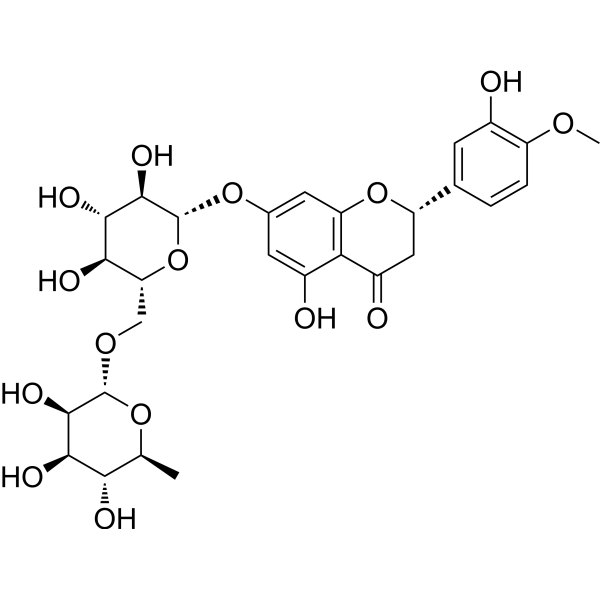
HY-15337
HesperidinAntioxidant -
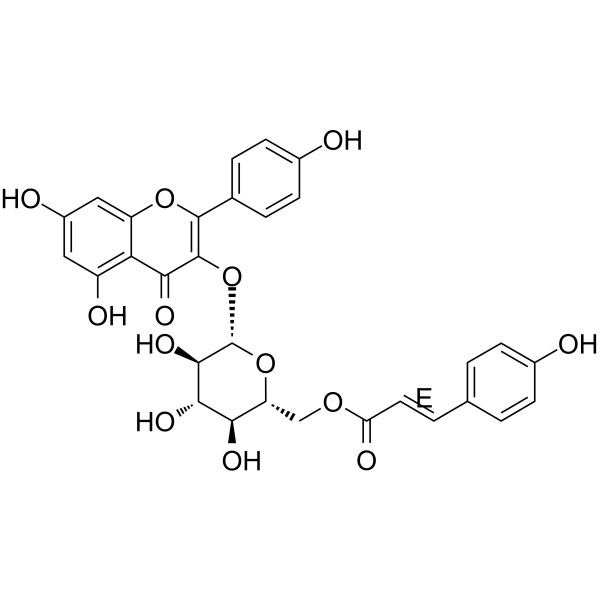
HY-N1425
Tilirosideα-amylase Inhibitor -
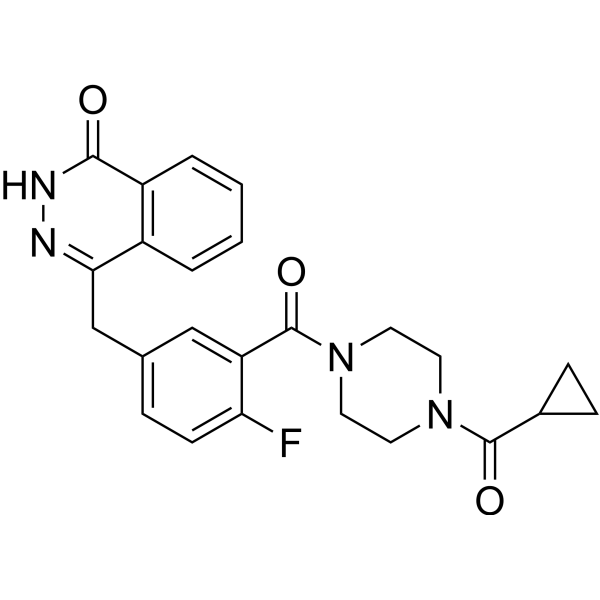
HY-10162
OlaparibPARP Inhibitor -
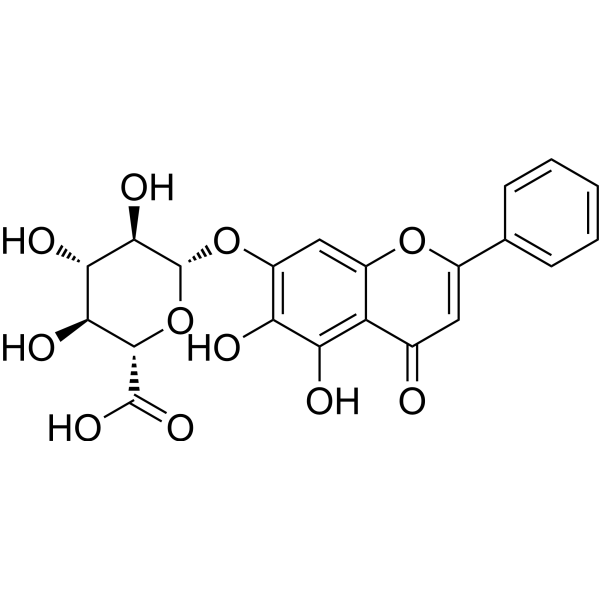
HY-N0197
BaicalinAutophagy Inducer -
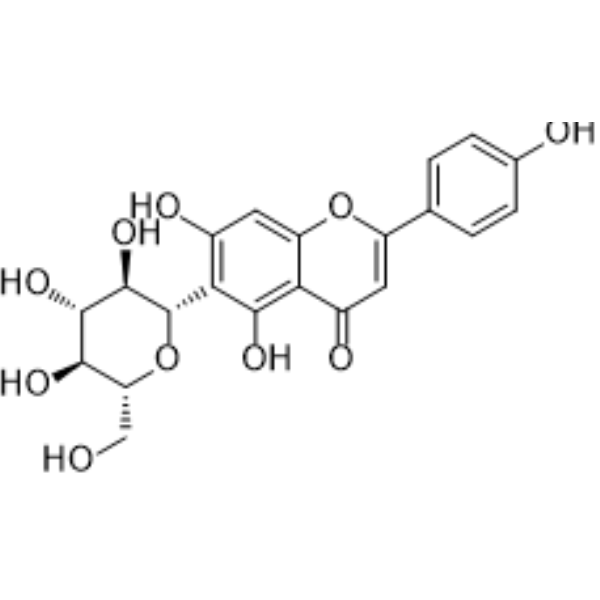
HY-N0773
IsovitexinNF-κB Inhibitor -
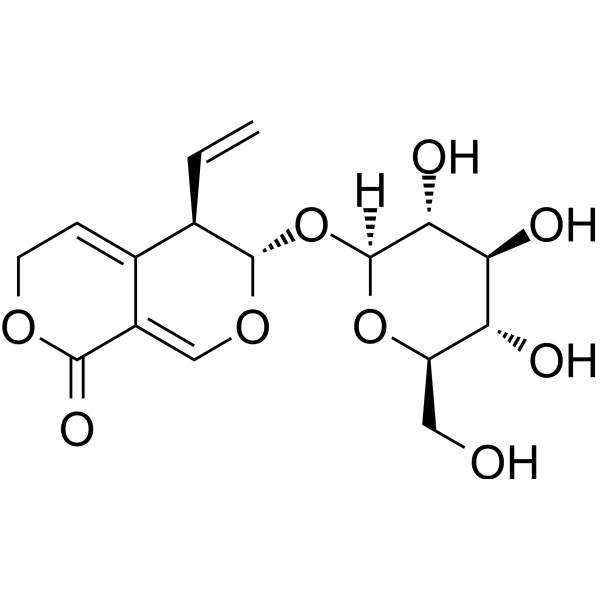
HY-N0494
GentiopicrosideCytochrome P450 Inhibitor -
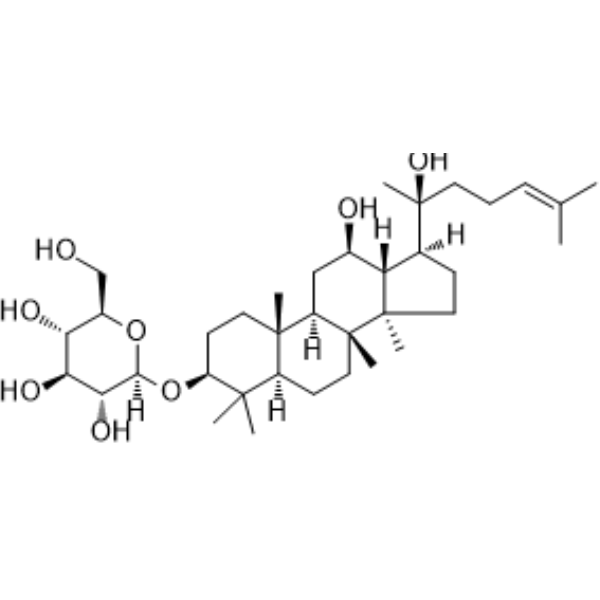
HY-N0605
Ginsenoside Rh2Caspase Activator -
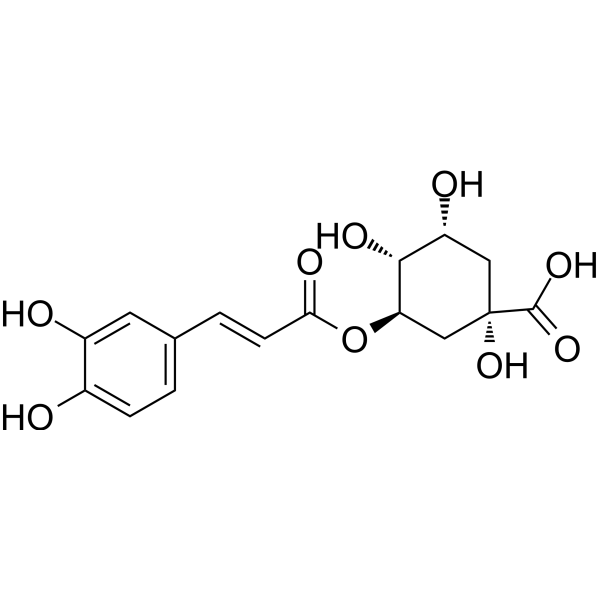
HY-N0055
Chlorogenic acidAntioxidant -
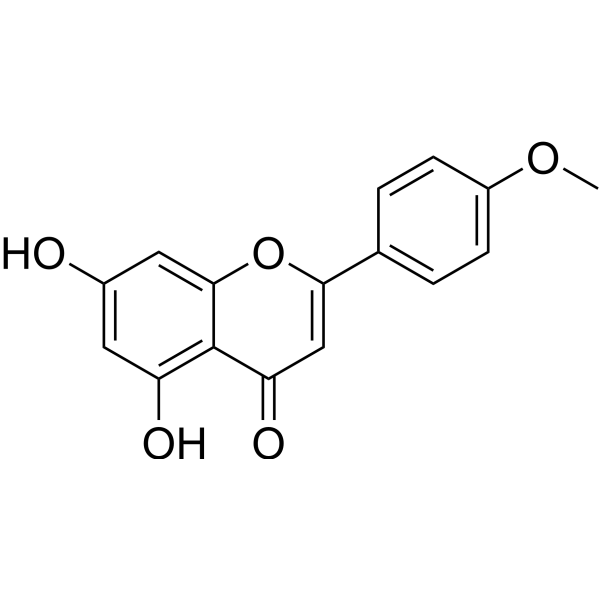
HY-N0451
AcacetinAutophagy Inducer -
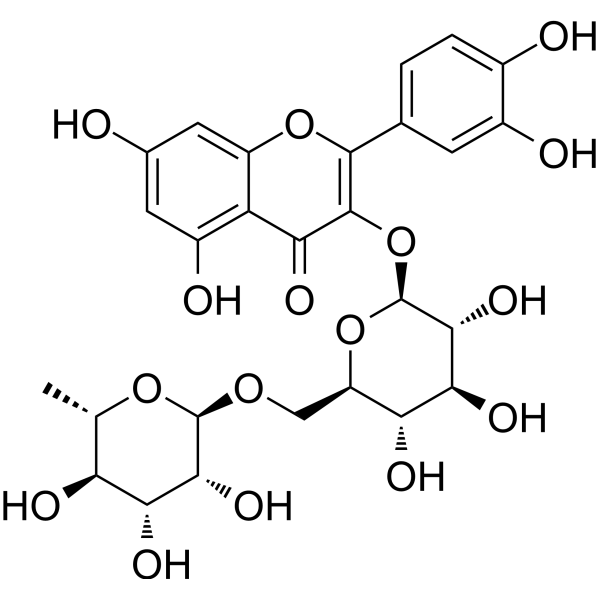
HY-N0148
RutinCBR1 Inhibitor -
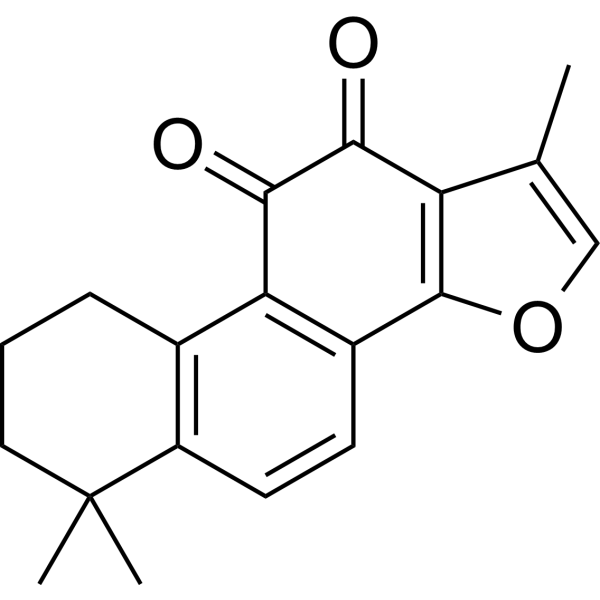
HY-N0135
Tanshinone IIAVEGFR Inhibitor -
HY-N0182
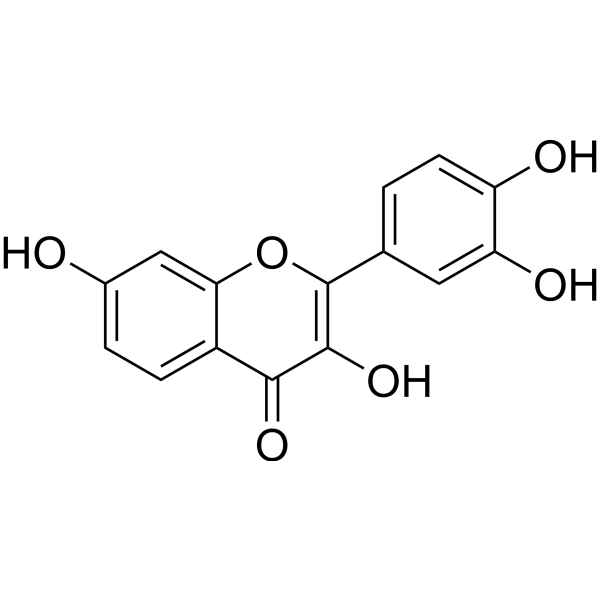
FisetinTNF Receptor Inhibitor
Publications Citing Use of MedChemExpress (MCE) Linarin
More Customer Validation & Images

-
Cell Proliferation/Viability Assay
-
IF
-
Flow Cytometry
-
WB
-
Cell Imaging/Staining


Biological Activity
Description
IC50 & Target
|
AChE |
Cellular Effect
|
Cell Line

|
Type | Value | Description | References |
|---|---|---|---|---|
| HT-22 | EC50 |
69.3 μM
Compound: 8
|
Neuroprotective activity against glutamate-induced cell death in mouse HT-22 cells assessed as increase in cell viability after 24 hrs by EZ-Cytox assay
Neuroprotective activity against glutamate-induced cell death in mouse HT-22 cells assessed as increase in cell viability after 24 hrs by EZ-Cytox assay
|
[PMID: 32991171] |
| RAW264.7 | CC50 |
>100 μM
Compound: 25
|
Cytotoxicity against mouse RAW264.7 cells assessed as reduction in cell viability measured after 24 hrs by MTT assay
Cytotoxicity against mouse RAW264.7 cells assessed as reduction in cell viability measured after 24 hrs by MTT assay
|
[PMID: 33667099] |
| RAW264.7 | IC50 |
>100 μM
Compound: 25
|
Inhibition of LPS induced NO production in mouse RAW264.7 cells measured after 24 hrs by Griess reagent based assay
Inhibition of LPS induced NO production in mouse RAW264.7 cells measured after 24 hrs by Griess reagent based assay
|
[PMID: 33667099] |
| RAW264.7 | IC50 |
10.02 μM
Compound: 10
|
Inhibition of NO production in LPS-stimulated mouse RAW264.7 cells pre-incubated for 2 hrs before LPS stimulation for 24 hrs by Griess assay method
Inhibition of NO production in LPS-stimulated mouse RAW264.7 cells pre-incubated for 2 hrs before LPS stimulation for 24 hrs by Griess assay method
|
[PMID: 25176187] |
In Vitro
Linarin (25-100 μM; 24-72 h) inhibits the growth of human prostate cancer cells (LNCaP and DU145) and induces apoptosis[1].
Linarin (0.1-10 μM; 6-21 days) activates the BMP-2/RUNX2 pathway through PKA signal transduction, and then induces osteogenic differentiation and mineralization of MC3T3-E1 osteoblasts[2].
MedChemExpress (MCE) has not independently confirmed the accuracy of these methods. They are for reference only.
-
Cell Line:MC3T3-E1 cells
-
Concentration:0.1, 1 and 10 μM
-
Incubation Time:48 h
-
Result:Dose-dependently increased BMP-2 and RUNX2 protein levels.
-
Cell Line:MC3T3-E1 cells
-
Concentration:0.1, 1 and 10 μM
-
Incubation Time:6, 12, 24 and 48 h
-
Result:Markedly stimulated PKA protein expression in a time- and dose-dependent manner.
In Vivo
MedChemExpress (MCE) has not independently confirmed the accuracy of these methods. They are for reference only.
-
Animal Model:Ovariectomy treated female C57/BL6 mice[2]
-
Dosage:50 and 150 mg/kg
-
Administration:Oral administration (p.o.); 8 weeks
-
Result:Dose‑dependently preserved the trabecular bone microarchitecture of ovariectomized mice.
Slightly increased BMD compared to the control OVX group.
Significantly decreased OVX-induced serum ALP and OCN levels.


Chemical Information
-
CAS No. 480-36-4
-
Appearance Solid
-
Molecular Weight 592.55
-
Formula C28H32O14
-
Color White to off-white
-
SMILES
O=C(C=C(C1=CC=C(OC)C=C1)OC2=CC(O[C@@H]([C@@H]([C@@H](O)[C@@H]3O)O)O[C@@H]3CO[C@H](O[C@@H](C)[C@H](O)[C@H]4O)[C@@H]4O)=C5)C2=C5O
-
Synonyms
Buddleoside; Linarine
-
Structure Classification
-
Shipping
Room temperature in continental US; may vary elsewhere.
-
Storage
4°C, protect from light
* In solvent : -80°C, 6 months; -20°C, 1 month (protect from light)


Publications (4)
-
Journal Impact Factor
-
Most Recent
-
Food Chem
Effects of sun drying combined with baking processes on the flavor quality of Chongqing Tuocha raw tea. [Abstract]2025 Dec 30:497:146992. PMID: 41285060 -
Food Chem
Flavonoid-mediated metabolic underpinning quality variation in red bud-sport pear mutants. [Abstract]2025 Oct 15:489:144992. PMID: 40466530 -
-
Pharmaceuticals (Basel)
Herba Patriniae Component Linarin Induces Cell Cycle Arrest and Senescence in Non-Small-Cell Lung Cancer Associated with Cyclin A2 Downregulation. [Abstract]2026 Jan 8;19(1):111. PMID: 41599710
Linarin purchased from MedChemExpress. Usage Cited in: Pharmaceuticals (Basel). 2026 Jan 8;19(1):111. [Abstract]
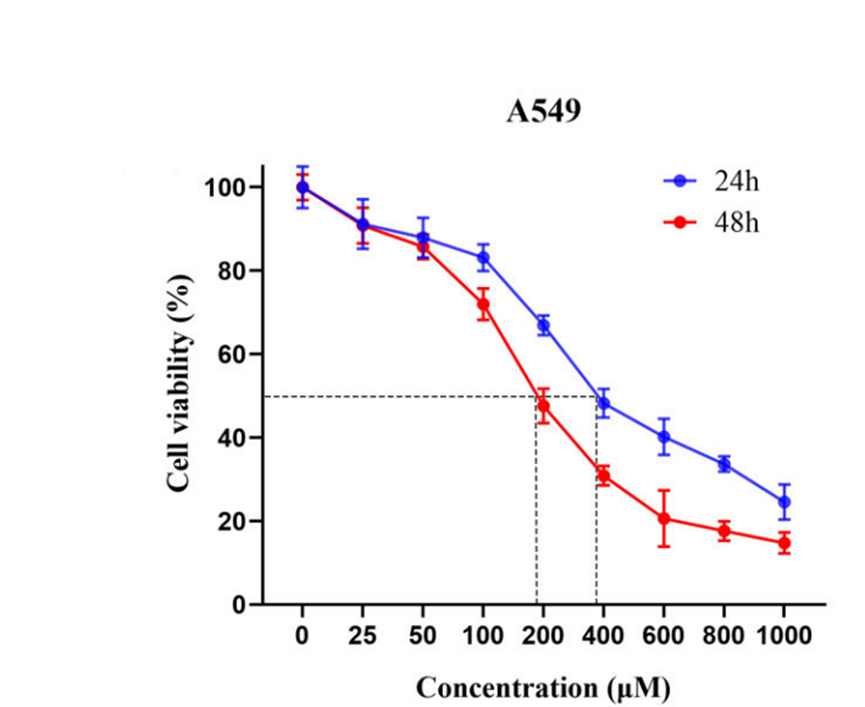
A549 cells were treated with the indicated doses of Linarin for 24 and 48 h to assess cell viability.
Linarin purchased from MedChemExpress. Usage Cited in: Pharmaceuticals (Basel). 2026 Jan 8;19(1):111. [Abstract]
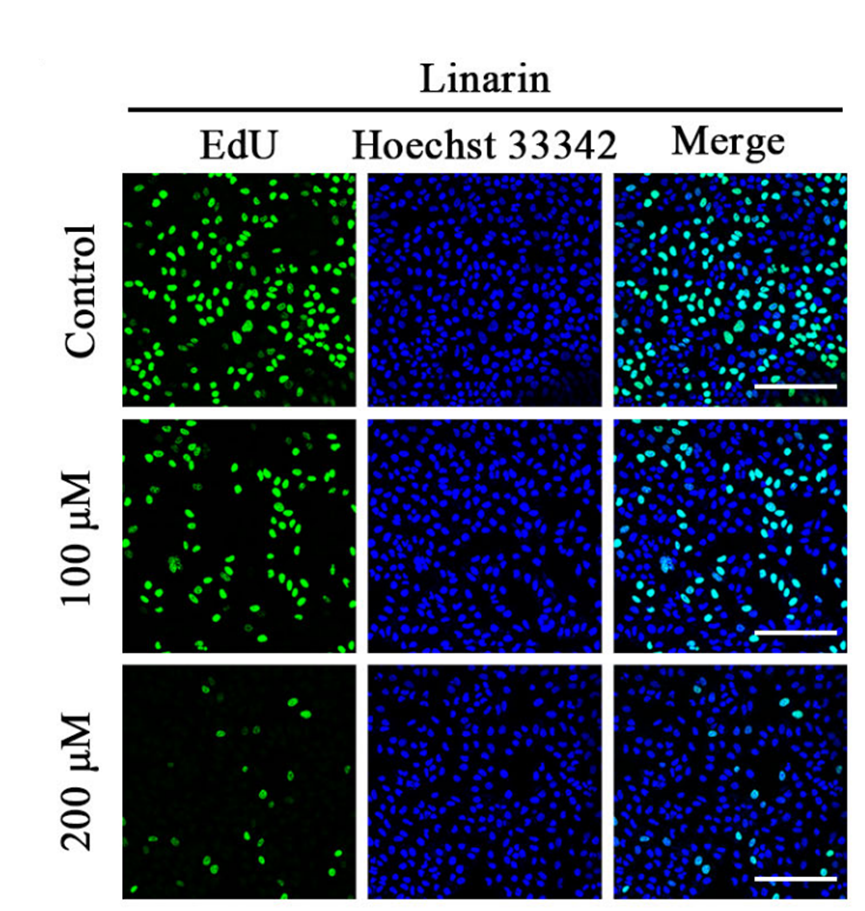
A549 cells were treated with the indicated doses of Linarin (100, 200 μM) for 24 h, followed by EdU experiments to evaluate cell proliferation.
Linarin purchased from MedChemExpress. Usage Cited in: Pharmaceuticals (Basel). 2026 Jan 8;19(1):111. [Abstract]
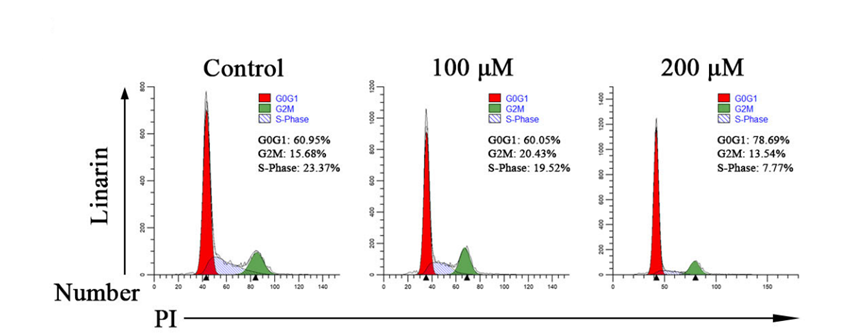
Flow cytometric analysis of cell cycle in A549 cells treated with the indicated doses of Linarin (100, 200 μM) for 24 h. The percentages of cells in G0/G1, S, and G2/M phases are indicated within each panel.
Linarin purchased from MedChemExpress. Usage Cited in: Pharmaceuticals (Basel). 2026 Jan 8;19(1):111. [Abstract]
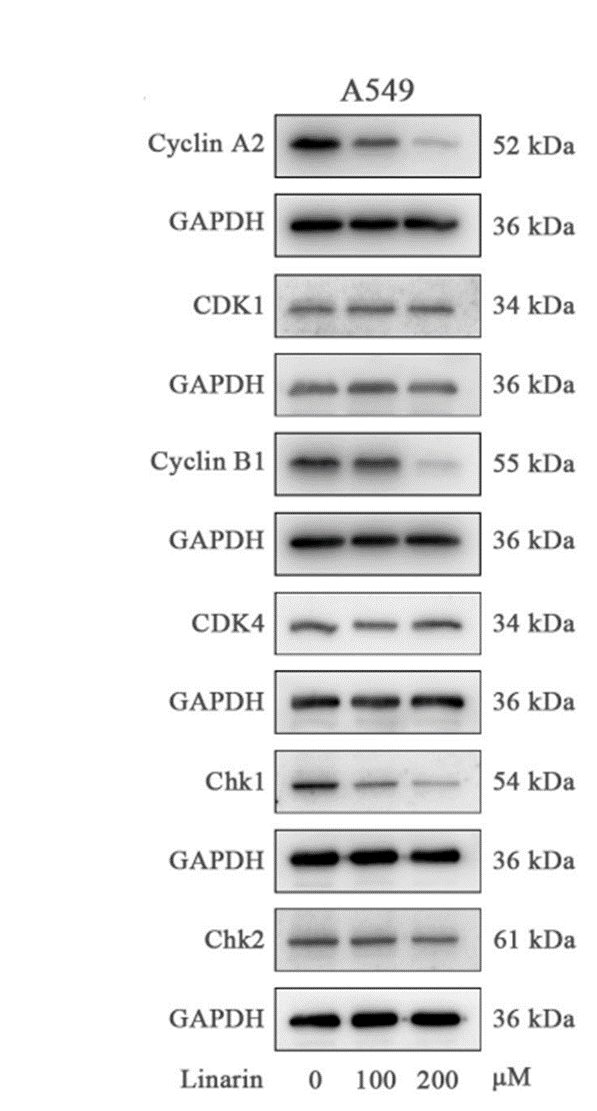
Representative Western blot images showing the expression of key cell cycle proteins (CDK1/4, CCNA2/B1 (Cyclin A2/B1), CHEK1/2 (Chk1/2)) in A549 cells treated with Linarin (100, 200 μM).
Linarin purchased from MedChemExpress. Usage Cited in: Pharmaceuticals (Basel). 2026 Jan 8;19(1):111. [Abstract]
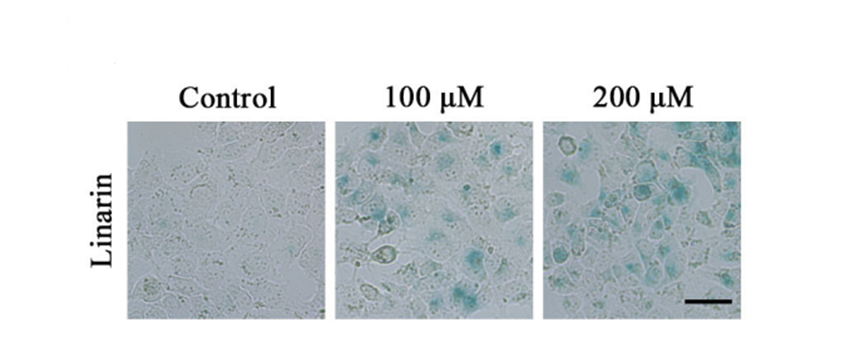
SA-β-gal staining of H1299 cells treated with Linarin (100, 200 μM).


Solvent & Solubility
In Vitro:
DMSO : 250 mg/mL (421.91 mM; Need ultrasonic; Hygroscopic DMSO has a significant impact on the solubility of product, please use newly opened DMSO)
Please refer to the solubility information to select the appropriate solvent. Once prepared, please aliquot and store the solution to prevent product inactivation from repeated freeze-thaw cycles.
Storage method and period of stock solution: -80°C, 6 months; -20°C, 1 month (protect from light). When stored at -80°C, please use it within 6 months. When stored at -20°C, please use it within 1 month.
Please refer to the solubility information to select the appropriate solvent. Once prepared, please aliquot and store the solution to prevent product inactivation from repeated freeze-thaw cycles.
Storage method and period of stock solution: -80°C, 6 months; -20°C, 1 month (protect from light). When stored at -80°C, please use it within 6 months. When stored at -20°C, please use it within 1 month.
Concentration (start) × Volume (start) = Concentration (final) × Volume (final)
In Vivo:
Select the appropriate dissolution method based on your experimental animal and administration route.
- For the following dissolution methods, please ensure to first prepare a clear stock solution using an In Vitro approach and then sequentially add co-solvents:
- To ensure reliable experimental results, the clarified stock solution can be appropriately stored based on storage conditions. As for the working solution for In Vivo experiments, it is recommended to prepare freshly and use it on the same day.
- The percentages shown for the solvents indicate their volumetric ratio in the final prepared solution. If precipitation or phase separation occurs during preparation, heat and/or sonication can be used to aid dissolution.
Add each solvent one by one: 10% DMSO 40% PEG300 5% Tween-80 45% Saline
Solubility: ≥ 2.08 mg/mL (3.51 mM); Clear solution
This protocol yields a clear solution of ≥ 2.08 mg/mL (saturation unknown).
Taking 1 mL working solution as an example, add 100 μL DMSO stock solution (20.8 mg/mL) to 400 μL PEG300, and mix evenly; then add 50 μL Tween-80 and mix evenly; then add 450 μL Saline to adjust the volume to 1 mL.
Preparation of Saline: Dissolve 0.9 g sodium chloride in ddH₂O and dilute to 100 mL to obtain a clear Saline solution.
Add each solvent one by one: 10% DMSO 90% (20% SBE-β-CD in Saline)
Solubility: ≥ 2.08 mg/mL (3.51 mM); Clear solution
This protocol yields a clear solution of ≥ 2.08 mg/mL (saturation unknown).
Taking 1 mL working solution as an example, add 100 μL DMSO stock solution (20.8 mg/mL) to 900 μL 20% SBE-β-CD in Saline, and mix evenly.
Preparation of 20% SBE-β-CD in Saline (4°C, storage for one week): 2 g SBE-β-CD powder is dissolved in 10 mL Saline, completely dissolve until clear.
In Vivo Dissolution Calculator
Please enter the basic information of animal experiments:
-
-
-
-
Recommended: Prepare an additional quantity of animals to account for potential losses during experiments.
Please enter your animal formula composition:
-
%DMSO +
Recommended: Keep the proportion of DMSO in working solution below 2% if your animal is weak.
-
%+
-
+%Tween-80 + +
-
%Saline +
The co-solvents required include: DMSO, . All of co-solvents are available by MedChemExpress (MCE). , Tween 80. All of co-solvents are available by MedChemExpress (MCE).
Working solution concentration: 0.22 mg/mL
Method for preparing stock solution: mg drug dissolved in μL DMSO. Stock solution concentration: mg/mL. * In solvent : -80°C, 6 months; -20°C, 1 month (protect from light)
1. Take μL DMSO stock solution;
2. Add μL .
μL , mix evenly;
3. Then add μL Tween 80, mix evenly;
4. Then add μL
Please ensure that the stock solution in the first step is dissolved to a clear state, and add co-solvents in sequence. You can use ultrasonic heating (ultrasonic cleaner, recommended frequency 20-40 kHz), vortexing, etc. to assist dissolution.


Purity & Documentation
-
Data Sheet (281 KB)
-
SDS (393 KB)
- English - EN (393 KB)
- Français - FR (393 KB)
- Deutsch - DE (393 KB)
- Norwegian - NO (393 KB)
- Español - ES (393 KB)
- Swedish - SV (393 KB)
- Italian - IT (393 KB)
- Korean - KR (393 KB)
- Portuguese - PT (393 KB)
-
Handling Instructions (2659 KB)
References
[1]. Singh RP, et al. Acacetin inhibits cell growth and cell cycle progression, and induces apoptosis in human prostate cancer cells: structure-activity relationship with linarin and linarin acetate. Carcinogenesis. 2005 Apr;26(4):845-54. [Content Brief]
[2]. Li J, et al. Linarin promotes osteogenic differentiation by activating the BMP-2/RUNX2 pathway via protein kinase A signaling. Int J Mol Med. 2016 Apr;37(4):901-10. [Content Brief]
[3]. Päivi P. Oinonen,etc. Linarin, a selective acetylcholinesterase inhibitor from Mentha arvensis, Fitoterapia,Volume 77, Issue 6, 2006, Pages 429-434, ISSN 0367-326X [Content Brief]
[4]. Mottaghipisheh J, et al. Linarin, a Glycosylated Flavonoid, with Potential Therapeutic Attributes: A Comprehensive Review. Pharmaceuticals (Basel). 2021 Oct 29;14(11):1104. [Content Brief]


Complete Stock Solution Preparation Table
Please refer to the solubility information to select the appropriate solvent. Once prepared, please aliquot and store the solution to prevent product inactivation from repeated freeze-thaw cycles.
Storage method and period of stock solution: -80°C, 6 months; -20°C, 1 month (protect from light). When stored at -80°C, please use it within 6 months. When stored at -20°C, please use it within 1 month.
| Optional Solvent | Concentration Solvent Mass | 1 mg | 5 mg | 10 mg | 25 mg |
|---|---|---|---|---|---|
| DMSO | 1 mM | 1.6876 mL | 8.4381 mL | 16.8762 mL | 42.1905 mL |
| 5 mM | 0.3375 mL | 1.6876 mL | 3.3752 mL | 8.4381 mL | |
| 10 mM | 0.1688 mL | 0.8438 mL | 1.6876 mL | 4.2191 mL | |
| 15 mM | 0.1125 mL | 0.5625 mL | 1.1251 mL | 2.8127 mL | |
| 20 mM | 0.0844 mL | 0.4219 mL | 0.8438 mL | 2.1095 mL | |
| 25 mM | 0.0675 mL | 0.3375 mL | 0.6750 mL | 1.6876 mL | |
| 30 mM | 0.0563 mL | 0.2813 mL | 0.5625 mL | 1.4064 mL | |
| 40 mM | 0.0422 mL | 0.2110 mL | 0.4219 mL | 1.0548 mL | |
| 50 mM | 0.0338 mL | 0.1688 mL | 0.3375 mL | 0.8438 mL | |
| 60 mM | 0.0281 mL | 0.1406 mL | 0.2813 mL | 0.7032 mL | |
| 80 mM | 0.0211 mL | 0.1055 mL | 0.2110 mL | 0.5274 mL | |
| 100 mM | 0.0169 mL | 0.0844 mL | 0.1688 mL | 0.4219 mL |


Linarin Related Classifications
HY-N0528 Related Classifications
 Powered by Bioz