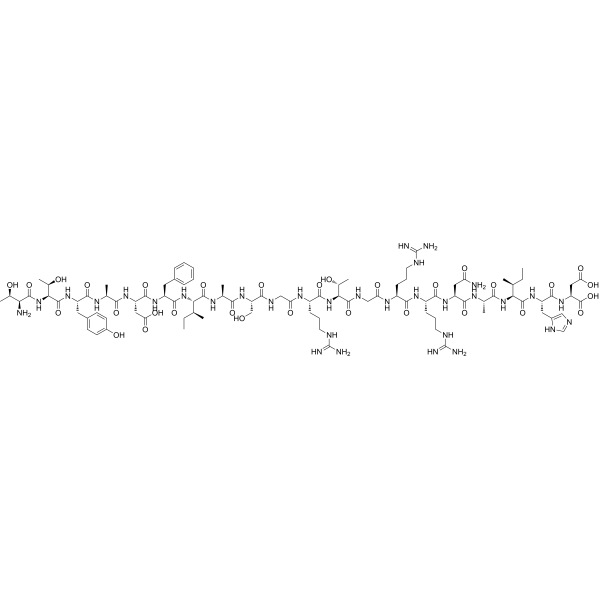
PKA
Protein kinase A (PKA) is a cAMP-dependent serine/threonine kinase that functions as a central regulator of cellular phosphorylation networks controlling metabolism, gene transcription, proliferation, differentiation, and apoptosis[1][2]. In its inactive state, PKA exists as a tetrameric holoenzyme composed of two regulatory subunits and two catalytic subunits, whereas cAMP binding triggers holoenzyme dissociation and releases active catalytic subunits that phosphorylate substrates in the cytoplasm and nucleus[2][3]. Mechanistically, PKA operates downstream of G protein-coupled receptor signaling and adenylyl cyclase activation, linking extracellular stimuli to rapid intracellular signal transduction and transcriptional responses[3]. Dysregulation of PKA signaling has been associated with endocrine disorders, neurodevelopmental abnormalities, cardiovascular disease, and tumorigenesis, highlighting its importance in both physiological regulation and disease mechanisms[1][4][5]. Compared with related catalytic isoforms, the PRKACA-encoded Cα isoform represents the most extensively characterized catalytic subunit and is broadly expressed across tissues, whereas PRKACB-encoded Cβ isoforms display distinct tissue distribution patterns, particularly in the nervous system, and exhibit non-redundant biological functions[1][6][7]. Increasing evidence indicates that catalytic-subunit specificity is influenced by isoform-dependent subcellular targeting, structural variation, and interactions with anchoring proteins, thereby generating signaling selectivity despite a highly conserved kinase core[3][6]. For experimental applications, pharmacological PKA inhibitors such as H-89 and peptide inhibitors derived from PKI are widely used to interrogate cAMP-PKA signaling, although isoform-selective targeting remains an important challenge for mechanistic and translational research[1][4].
参考文献:
- [1]. Turnham RE, et al. Protein kinase A catalytic subunit isoform PRKACA; History, function and physiology. Gene. 2016 Feb 15;577(2):101-8. [Content Brief]
- [2]. PKA gene information from NCBI.
- [3]. Søberg K, et al. The Molecular Basis for Specificity at the Level of the Protein Kinase a Catalytic Subunit. Front Endocrinol (Lausanne). 2018 Sep 12;9:538. [Content Brief]
- [4]. Pirooznia SK, et al. Parkinson Disease: Translating Insights from Molecular Mechanisms to Neuroprotection. Pharmacol Rev. 2021 Oct;73(4):33-97. [Content Brief]
- [5]. Glebov-McCloud AGP, et al. Protein Kinase A in neurological disorders. J Neurodev Disord. 2024 Mar 13;16(1):9. [Content Brief]
- [6]. Taylor SS, et al. PKA Cβ: a forgotten catalytic subunit of cAMP-dependent protein kinase opens new windows for PKA signaling and disease pathologies. Biochem J. 2021 Jun 11;478(11):2101-2119. [Content Brief]
- [7]. Søberg K, et al. Evolution of the cAMP-dependent protein kinase (PKA) catalytic subunit isoforms. PLoS One. 2017 Jul 25;12(7):e0181091. [Content Brief]
All Product Categories
-
PKA 関連製品 (214)
関連製品 (214)

-
抗体 (2)
-
Bucladesine sodium
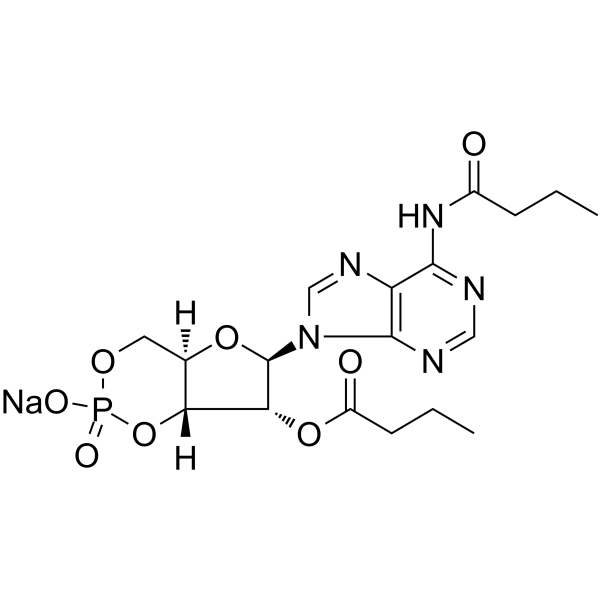 0 Images別名: Dibutyryl cAMP sodium; DBcAMP sodiumBucladesine (Dibutyryl cAMP; DBcAMP) sodium is a membrane-permeable 3′, 5′-cyclic adenosine monophosphate (cAMP) analog. Bucladesine selectively activates cAMP dependent protein kinase (PKA) by increasing the intracellular level of cAMP. Bucladesine significantly attenuates MDMA-induced increases in hippocampal mitochondrial ROS formation, mitochondrial outer membrane damage, cytochrome c release, and hippocampal ADP/ATP ratio, thereby improving spatial learning and memory impairments. Bucladesine exhibit anti-nociceptive and anti-inflammation effect. Bucladesine can inhibit cancer cells proliferation, induce apoptosis. Bucladesine can be used for the researches of neurological disease, cancer, inflammation.
-
H-89
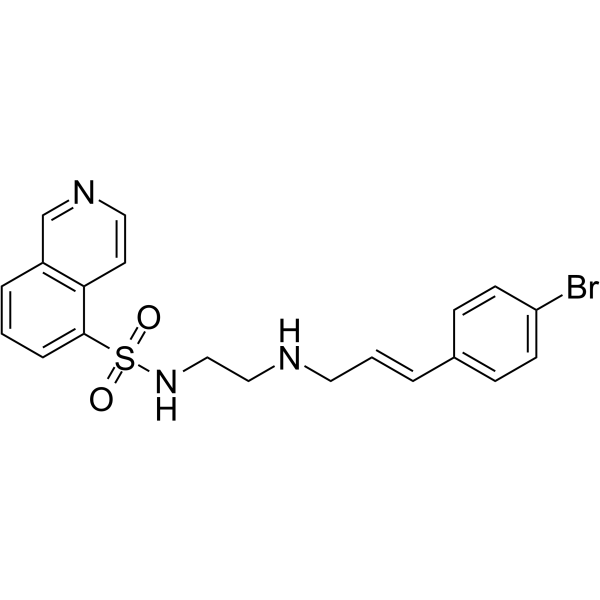 0 ImagesH-89 is a potent and selective inhibitor of cyclic AMP-dependent protein kinase (protein kinase A) with IC50 of 48 nM and has weak inhibition on PKG, PKC, Casein Kinase, and others kinases.
-
8-Bromo-cAMP sodium salt
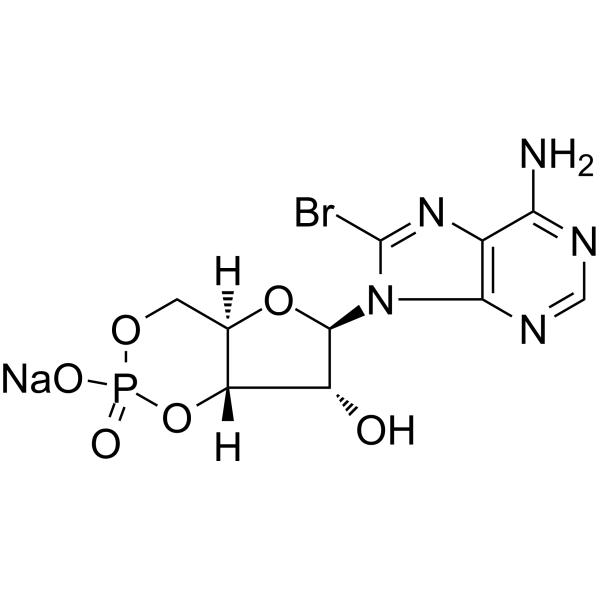 0 Images別名: 8-Br-Camp sodium salt
-
H-89 dihydrochloride
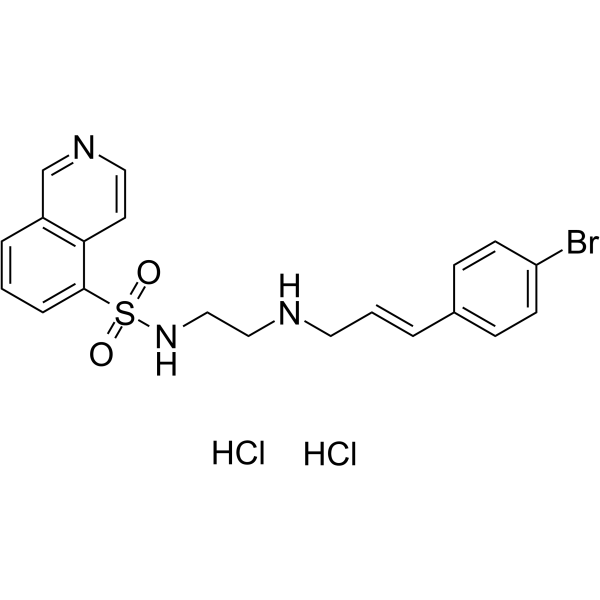 0 ImagesH-89 dihydrochloride is a potent and selective inhibitor of protein kinase A (PKA) with an IC50 of 48 nM and has weak inhibition on PKG, PKC, Casein Kinase.
-
8-Bromo-cAMP
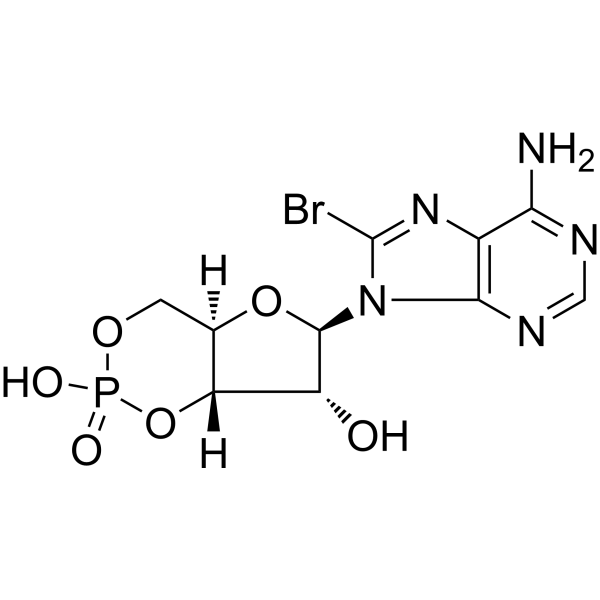 0 Images別名: 8-Br-Camp
-
Fasudil Hydrochloride
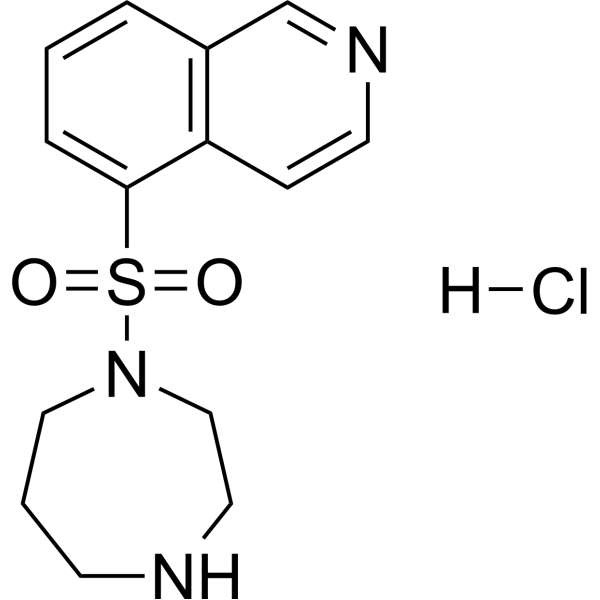 0 Images別名: HA-1077 Hydrochloride; AT-877 HydrochlorideFasudil (HA-1077; AT877) Hydrochloride is a nonspecific RhoA/ROCK inhibitor and also has inhibitory effect on protein kinases, with an Ki of 0.33 μM for ROCK1, IC50s of 0.158 μM and 4.58 μM, 12.30 μM, 1.650 μM for ROCK2 and PKA, PKC, PKG, respectively. Fasudil Hydrochloride is also a potent Ca2+ channel antagonist and vasodilator.
-
Anti-TSHR Antibody (M22)
 0 Images製品番号: HY-P991202純度: 98.56%Anti-TSHR Antibody (M22) is a selective agonist targeting TSHR (thyroid-stimulating hormone receptor), acting through competitive binding to the extracellular domain of TSHR. Anti-TSHR Antibody (M22) can mimic the biological effects of thyroid-stimulating hormone (TSH), activating downstream cAMP-PKA and other signaling pathways. Anti-TSHR Antibody (M22) can stimulate the proliferation of thyroid follicular epithelial cells and human umbilical vein endothelial cells (HUVECs), promote angiogenesis and tube formation, cell migration, and also upregulate the expression of angiogenesis-related proteins such as PROX1. Anti-TSHR Antibody (M22) can be used in research areas such as the mechanisms of goiter formation in Graves' disease (GD), angiogenesis regulation, and TSHR antagonist screening.
-
Taurodeoxycholate sodium
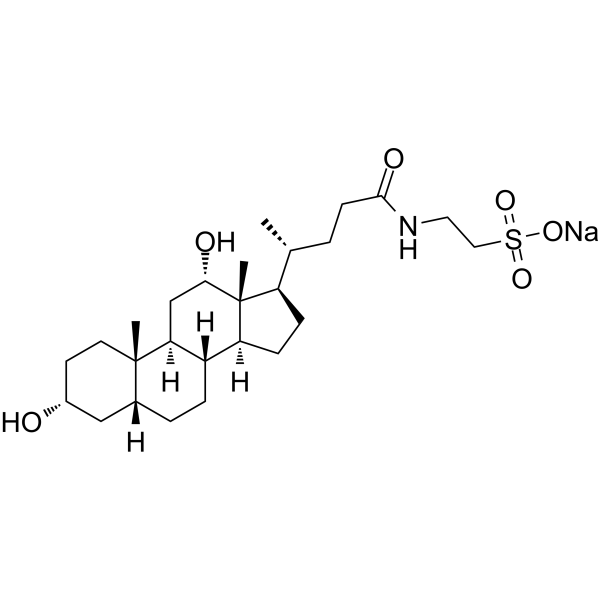 0 ImagesTaurodeoxycholate sodium salt is a bile salt-related anionic detergent. Taurodeoxycholate sodium salt is formed in the liver by conjugation of deoxycholate with Taurine (HY-B0351). Taurodeoxycholate sodium salt is used for isolation of membrane proteins including inner mitochondrial membrane proteins. Taurodeoxycholate (TDCA) exhibits anti-inflammatory and neuroprotective effects.
-
KT5823
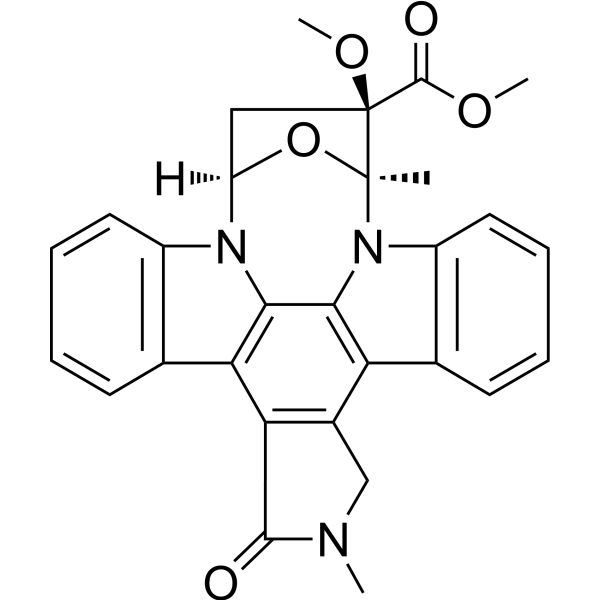 0 ImagesKT5823, a selective the cGMP-dependent protein kinase (PKG) inhibitor with an Ki value of 0.23 μM, it also inhibits PKA and PKC with Ki values of 10 μM and 4 μM, respectively. KT5823 is a Staurosporine-related protein kinase inhibitor, increases thyroid-stimulating hormone-induced (Na+/I- symporter) NIS expression, and iodide uptake in thyroid cells. KT5823 arrests cells after the G0/G1 boundary and causes increases in the levels of apoptotic DNA fragmentation.
-
Bucladesine hemicalcium
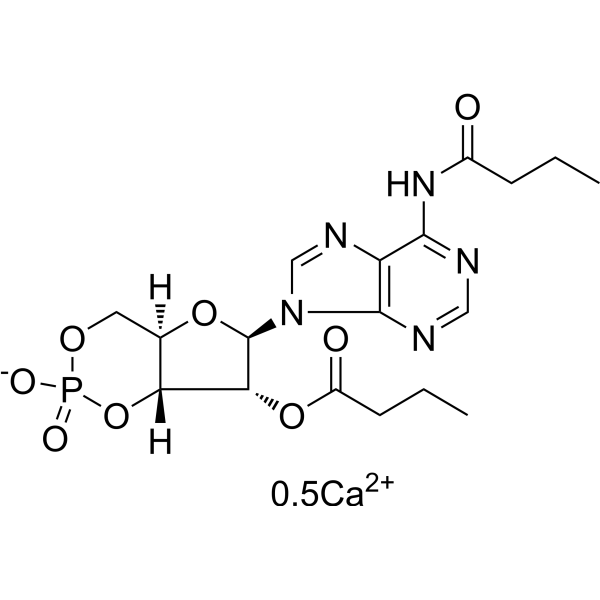 0 Images別名: Dibutyryl cAMP hemicalcium; DBcAMP hemicalciumBucladesine (Dibutyryl cAMP; DBcAMP) hemicalcium is a membrane-permeable 3′, 5′-cyclic adenosine monophosphate (cAMP) analog. Bucladesine selectively activates cAMP dependent protein kinase (PKA) by increasing the intracellular level of cAMP. Bucladesine significantly attenuates MDMA-induced increases in hippocampal mitochondrial ROS formation, mitochondrial outer membrane damage, cytochrome c release, and hippocampal ADP/ATP ratio, thereby improving spatial learning and memory impairments. Bucladesine exhibit anti-nociceptive and anti-inflammation effect. Bucladesine can inhibit cancer cells proliferation, induce apoptosis. Bucladesine can be used for the researches of neurological disease, cancer, inflammation.
-
Fasudil
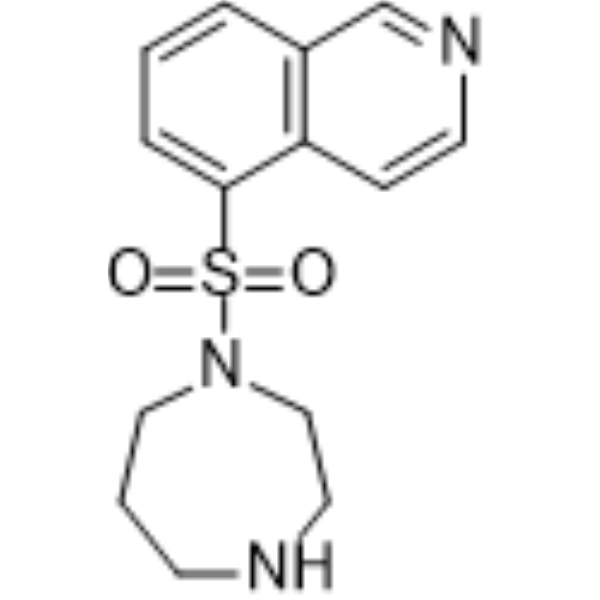 0 Images別名: HA-1077; AT877Fasudil (HA-1077; AT877) is a nonspecific RhoA/ROCK inhibitor and also has inhibitory effect on protein kinases, with an Ki of 0.33 μM for ROCK1, IC50s of 0.158 μM and 4.58 μM, 12.30 μM, 1.650 μM for ROCK2 and PKA, PKC, PKG, respectively. Fasudil is also a potent Ca2+ channel antagonist and vasodilator.
-
PKI 14-22 amide,myristoylated
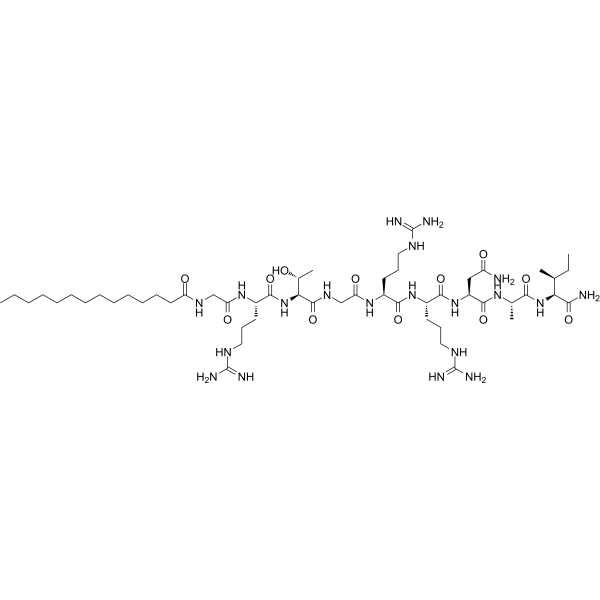 0 ImagesPKI 14-22 amide, myristoylated is a selective, cAMP-dependent, competitive PKA inhibitor with Ki=~36 nM. The myristoylation modification of PKI 14-22 amide, myristoylated makes it more permeable to cell membranes and blood-brain barriers than the precursor molecule. PKI 14-22 amide, myristoylated can block the phosphorylation of cAMP-dependent downstream targets (such as CREB). PKI 14-22 amide, myristoylated can prevent the development of morphine analgesic tolerance in mice, and also inhibits protein translation and negative-strand RNA synthesis of Zika virus. PKI 14-22 amide, myristoylated can be used in research fields such as opioid tolerance mechanisms and antiviral drugs.
-
8-CPT-Cyclic AMP sodium
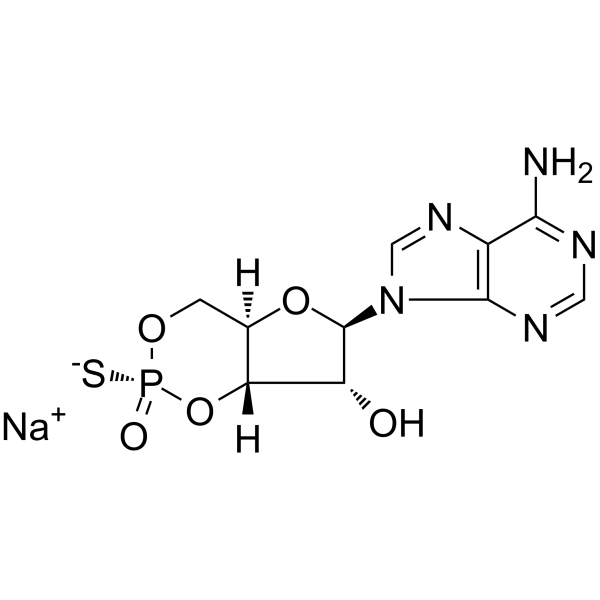
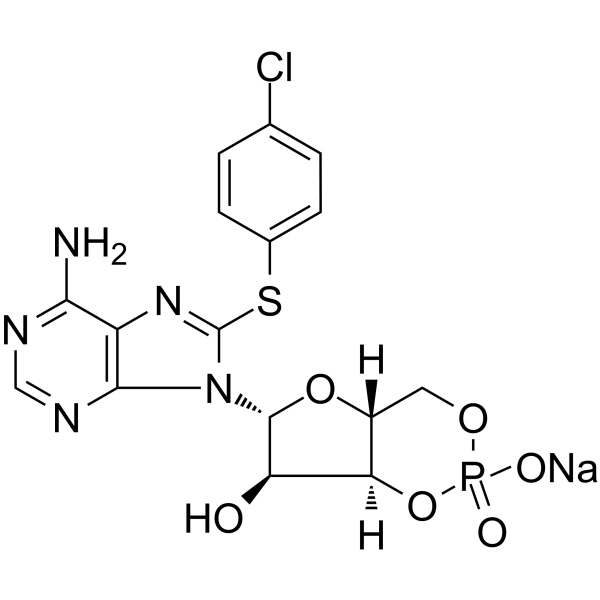 0 Images別名: 8-CPT-cAMP sodium; 8-(p-Chlorophenylthio)-cAMP sodium8-CPT-Cyclic AMP (8-CPT-cAMP) sodium is a selective activator of cyclic AMP-dependent protein kinase (PKA). 8-CPT-Cyclic AMP sodium is also a potent inhibitor of the cyclic GMP-specific phosphodiesterase (PDE VA) with an IC50 of 0.9 μM. 8-CPT-Cyclic AMP sodium also inhibits PDE III and PDE IV with IC50Epac and is a potent Epac activator.
-
Adropin (34-76) (human, mouse, rat)
 0 ImagesAdropin (34-76) is a secretory domain of Adropin. Adropin (34-76) can inhibit cAMP level and glucose production in hepatocytes, and has a hypoglycemic effect. Adropin (34-76) plays an antifibrotic role by inhibiting the GLI1 signaling pathway.
-
Daphnetin
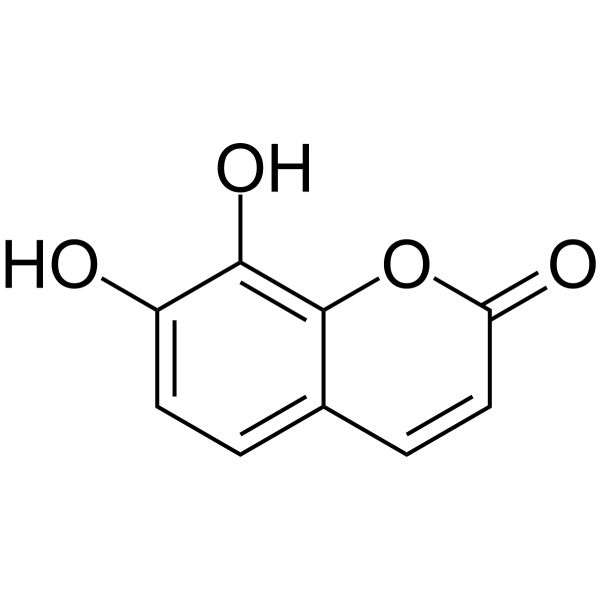 0 ImagesDaphnetin (7,8-dihydroxycoumarin), one coumarin derivative can be found in plants of the Genus Daphne, is a potent, oral active protein kinase inhibitor, with IC50s of 7.67 μM, 9.33 μM and 25.01 μM for EGFR, PKA and PKC in vitro, respectively. Daphnetin triggers ROS-induced cell apoptosis and induces cytoprotective autophagy by modulating the AMPK/Akt/mTOR pathway. Daphnetin has anti-inflammation activitity and inhibits TNF-α, IL-1β, ROS, and MDA production. Daphnetin has schizontocidal activity against malaria parasites. Daphnetin can be used for rheumatoid arthritis , cancer and anti-malarian research.
-
Bilobetin
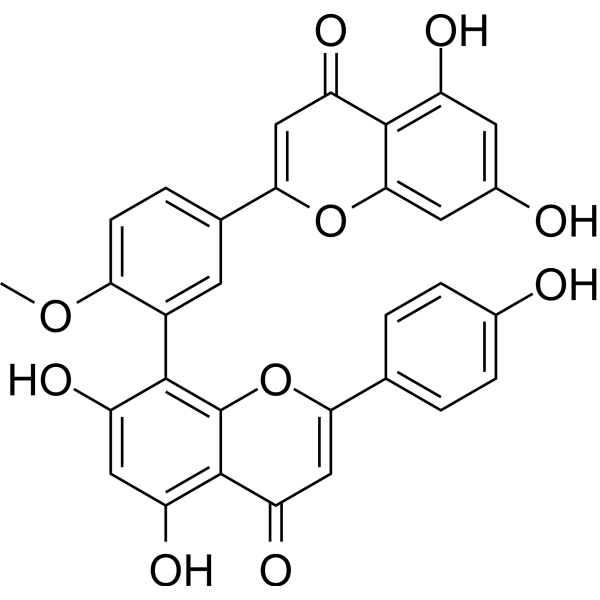 0 ImagesBilobetin, an active component of Ginkgo biloba, can reduce blood lipids and improve the effects of insulin. Bilobetin ameliorated insulin resistance, increased the hepatic uptake and oxidation of lipids, reduced very-low-density lipoprotein triglyceride secretion and blood triglyceride levels, enhanced the expression and activity of enzymes involved in β-oxidation and attenuated the accumulation of triglycerides and their metabolites in tissues. Bilobetin also increased the phosphorylation, nuclear translocation and activity of PPARα accompanied by elevated cAMP level and PKA activity.
-
Gliotoxin
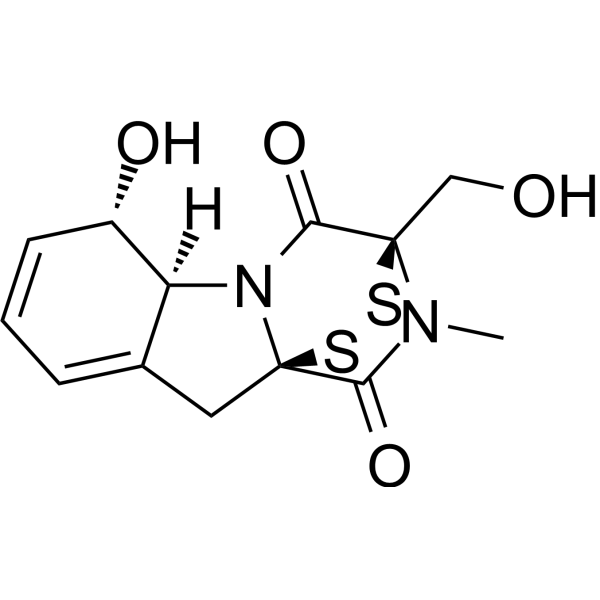 0 ImagesGliotoxin is a secondary metabolite, the most abundant mycotoxin secreted by A. fumigatus, inhibits the phagocytosis of macrophages and the immune functions of other immune cells . Gliotoxin inhibits inducible NF-κB activity by preventing IκB degradation, which consequently induces host-cell apoptosis. Gliotoxin activates PKA and increases intracellular cAMP concentration; modulates actin cytoskeleton rearrangement to facilitate A. fumigatus internalization into lung epithelial cells. Gliotoxin is a potent NOTCH2 transactivation inhibitor, can effectively induce apoptosis of chronic lymphocytic leukemia (CLL) cells.
-
KT5720
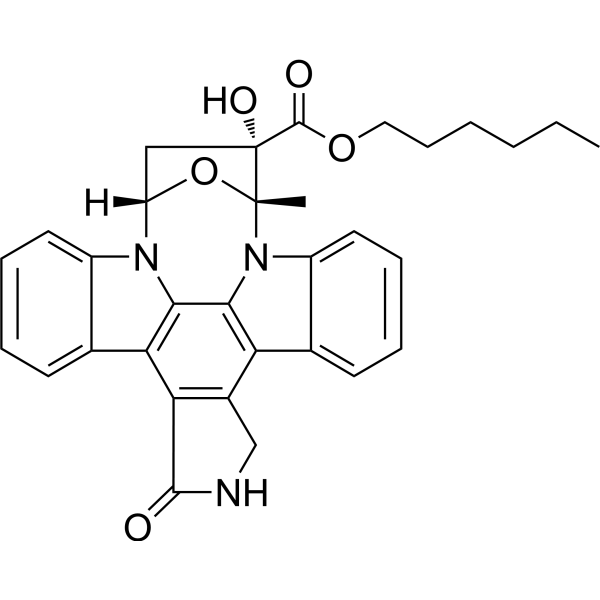 0 ImagesKT5720 is a potent, cell-permeable, specific, reversible and ATP-competitive PKA inhibitor (IC50=3.3 μM). KT5720 is effective in reversing MDR1-mediated multidrug resistance. KT5720 also reduces the excitability of dorsal root ganglion (DRG) neurons by attenuating Hyperpolarization-activated cyclic nucleotide-gated (HCN) channel activity and reducing intracellular Ca2+ concentrations. KT5720 can be used in the study of haematological malignancies as well as HCN and DRG neuron-related diseases.