



PPARα
PPARα is a ligand-activated nuclear receptor that controls fatty acid metabolism in oxidative tissues, especially liver, heart, and muscle[1]. Mechanistically, hepatocyte PPARα acts as a lipid sensor that coordinates fasting-responsive gene networks for fatty acid homeostasis, ketogenesis, and metabolic adaptation[2]. In disease models, liver PPARα protects against NAFLD by supporting whole-body fatty acid homeostasis, while combined PPARα and PPARβ/δ activation improves steatosis, inflammation, and fibrosis in preclinical liver disease models[3][1]. Compared with related isoforms, PPARα primarily promotes fatty acid catabolism, whereas PPARγ favors fatty acid uptake, triglyceride storage, insulin sensitivity, and glucose metabolism[4][5]. For experimental applications, fibrates and WY-14,643 serve as PPARα agonists, while GW6471 supports antagonist-based studies by stabilizing corepressor recruitment to the PPARα ligand-binding domain[6][7].
References:
- [1]. Pawlak M, et al. Molecular mechanism of PPARα action and its impact on lipid metabolism, inflammation and fibrosis in non-alcoholic fatty liver disease. J Hepatol. 2015 Mar;62(3):720-33. [Content Brief]
- [2]. Fougerat A, et al. Lipid sensing by PPARα: Role in controlling hepatocyte gene regulatory networks and the metabolic response to fasting. Prog Lipid Res. 2024 Nov;96:101303. [Content Brief]
- [3]. Montagner A, et al. Liver PPARα is crucial for whole-body fatty acid homeostasis and is protective against NAFLD. Gut. 2016 Jul;65(7):1202-14. [Content Brief]
- [4]. Wang YX. PPARs: diverse regulators in energy metabolism and metabolic diseases. Cell Res. 2010 Feb;20(2):124-37. doi: 10.1038/cr.2010.13. Epub 2010 Jan 26. PMID: 20101262; PMCID: PMC4084607. et al. PPARs: diverse regulators in energy metabolism and metabolic diseases. Cell Res. 2010 Feb;20(2):124-37. [Content Brief]
- [5]. Montaigne D, et al. PPAR control of metabolism and cardiovascular functions. Nat Rev Cardiol. 2021 Dec;18(12):809-823. [Content Brief]
- [6]. Oike Y, et al. Angiopoietin-like proteins: potential new targets for metabolic syndrome therapy. Trends Mol Med. 2005 Oct;11(10):473-9. [Content Brief]
- [7]. Xu HE, et al. Structural basis for antagonist-mediated recruitment of nuclear co-repressors by PPARalpha. Nature. 2002 Feb 14;415(6873):813-7. [Content Brief]
-
PPARα Related Products (140)
Related Products (140)

-
Recombinant Proteins (2)
-
Antibodies (1)
-
Retinoic acid
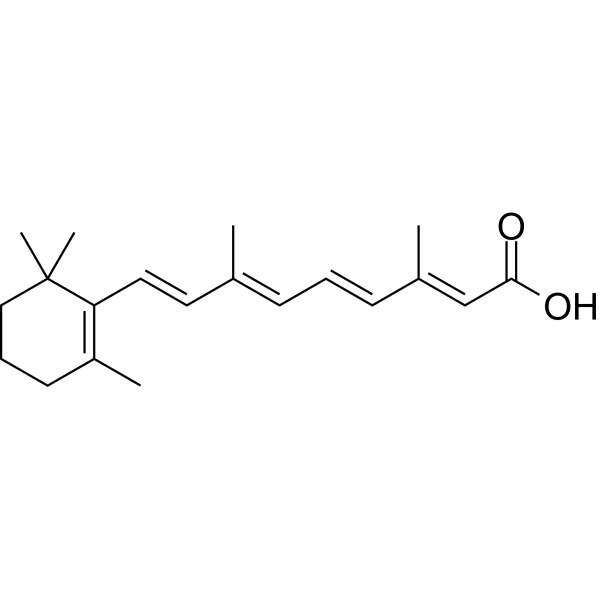 0 ImagesSynonyms: Vitamin A acid; all-trans-Retinoic acid; ATRARetinoic acid is a metabolite of vitamin A that plays important roles in cell growth, differentiation, and organogenesis. Retinoic acid is a natural agonist of RAR nuclear receptors, with IC50s of 14 nM for RARα/β/γ. Retinoic acid bind to PPARβ/δ with Kd of 17 nM. Retinoic acid acts as an inhibitor of transcription factor Nrf2 through activation of retinoic acid receptor alpha.
-
GW6471
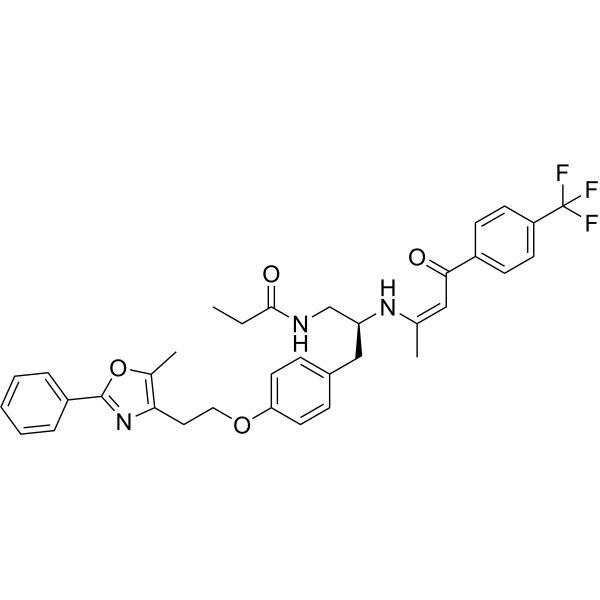 0 ImagesGW6471 is a selective peroxisome proliferator-activated receptor α (PPARα) antagonist. GW6471 reduces cancer stem cell viability, proliferation, and spheroid formation. GW6471 induces apoptosis and causes metabolic impairment including energy imbalance. GW6471 can be used for the research of paragangliomas and triple-negative breast cancer.
-
Pioglitazone
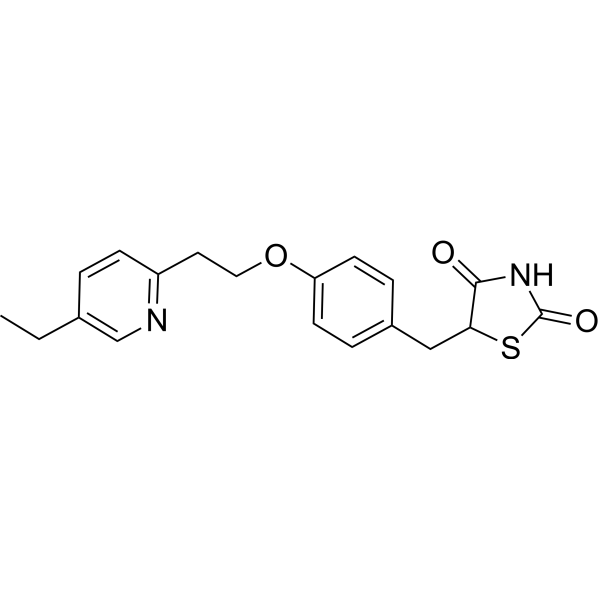 0 ImagesSynonyms: U 72107Pioglitazone (U 72107) is an orally active and selective PPARγ (peroxisome proliferator-activated receptor) agonist with high affinity binding to the PPARγ ligand-binding domain with EC50 of 0.93 and 0.99 μM for human and mouse PPARγ, respectively. Pioglitazone can be used in diabetes research.
-
Retinoic acid (Standard)
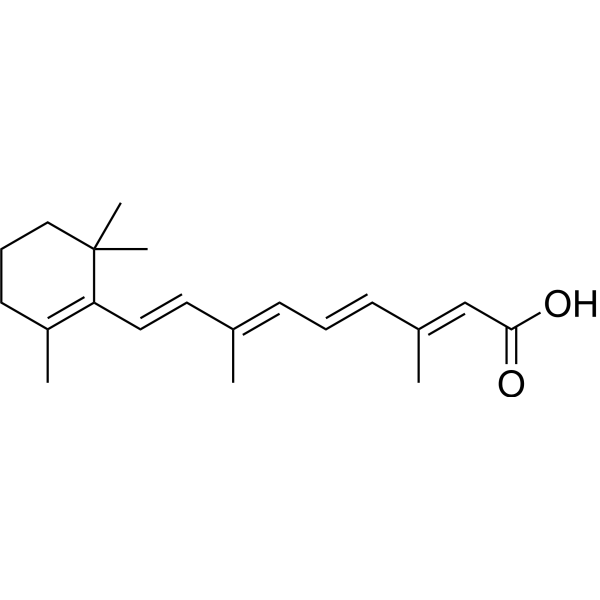 0 ImagesSynonyms: Vitamin A acid (Standard); all-trans-Retinoic acid (Standard); ATRA (Standard)Retinoic acid (Standard) is the analytical standard of Retinoic acid. This product is intended for research and analytical applications. Retinoic acid is a metabolite of vitamin A that plays important roles in cell growth, differentiation, and organogenesis. Retinoic acid is a natural agonist of RAR nuclear receptors, with IC50s of 14 nM for RARα/β/γ. Retinoic acid bind to PPARβ/δ with Kd of 17 nM. Retinoic acid acts as an inhibitor of transcription factor Nrf2 through activation of retinoic acid receptor alpha.
-
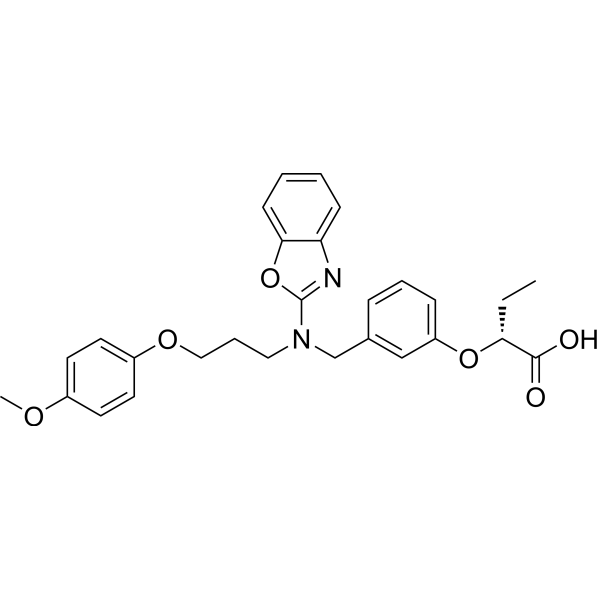
Elafibranor
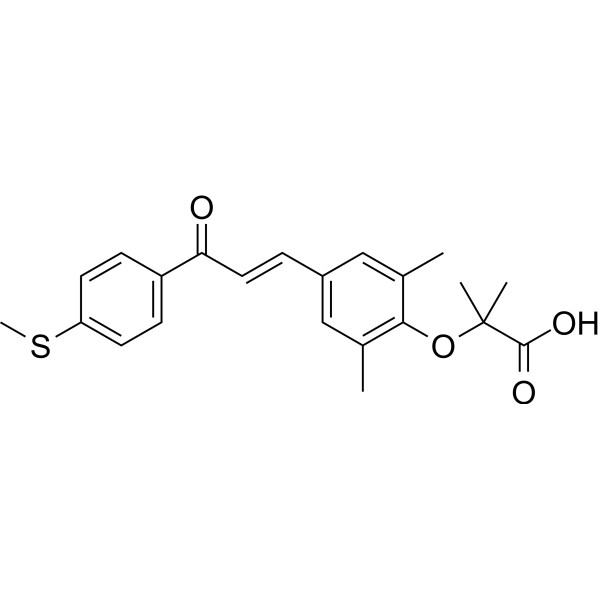 0 ImagesSynonyms: GFT505Elafibranor (GFT505) is a PPARα/δ agonist with EC50s of 45 and 175 nM, respectively. Elafibranor can be used for the study of primary biliary cholangitis.
-
Fucoxanthin
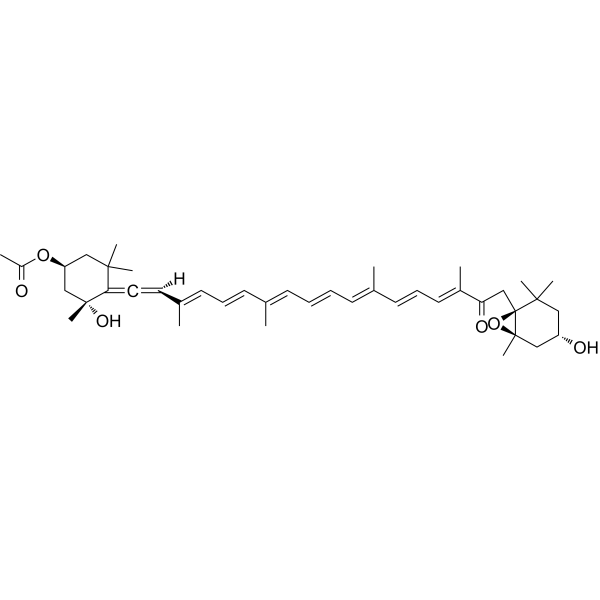 0 ImagesFucoxanthin (all-trans-Fucoxanthin) is a marine carotenoid and shows anti-obesity, anti-diabetic, anti-oxidant, anti-inflammatory and anticancer activities.
-
Pioglitazone hydrochloride
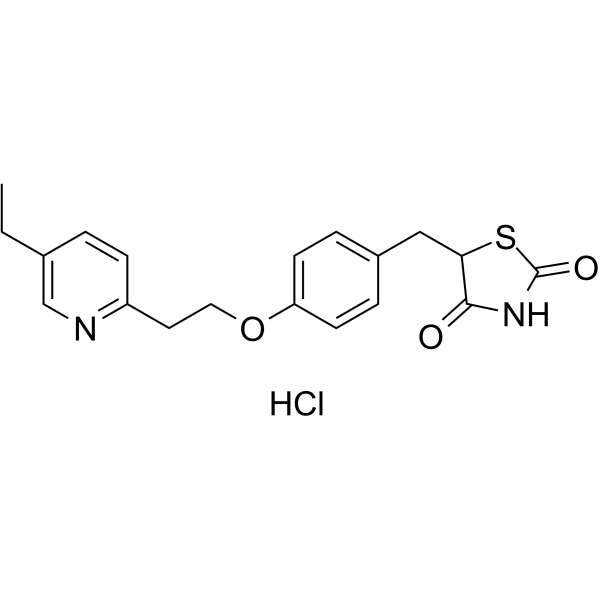 0 ImagesSynonyms: U 72107A; AD 4833
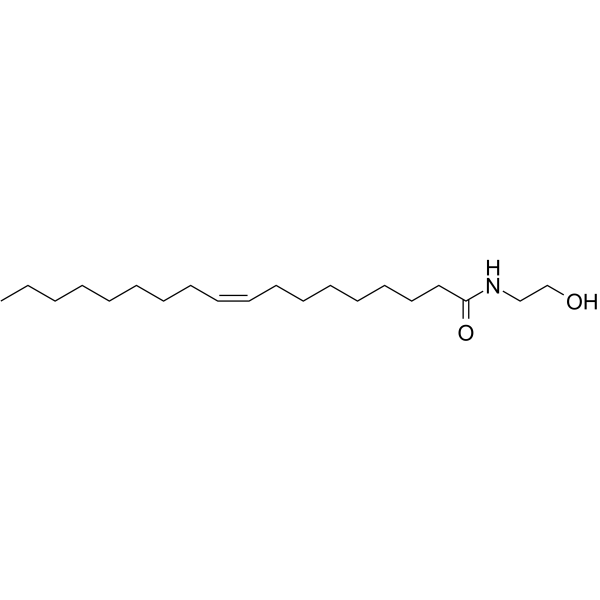
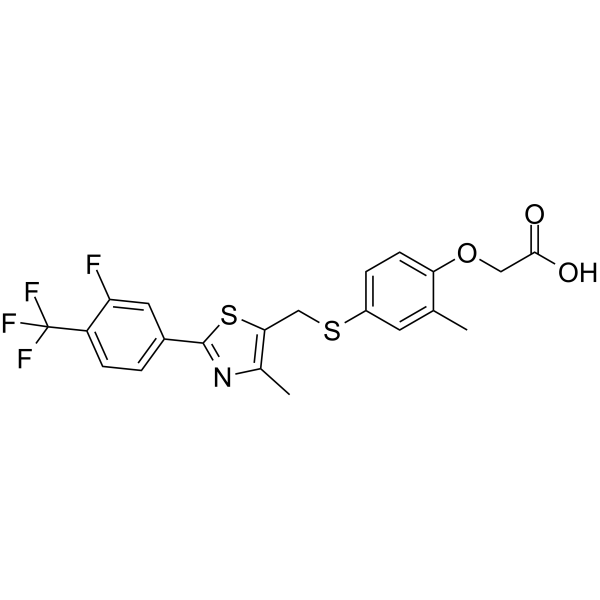
-
Dehydroepiandrosterone sulfate
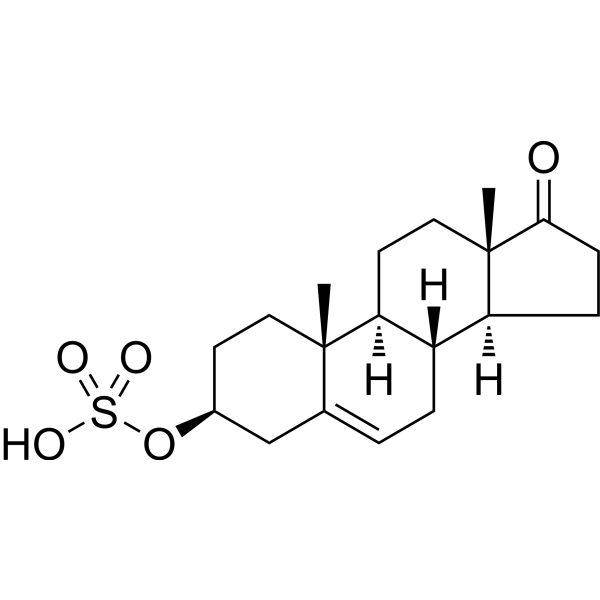 0 ImagesDehydroepiandrosterone sulfate (DHEA sulfate; Prasterone sulfate) is a neurosteroid and the main secretion product of the adrenal gland. Dehydroepiandrosterone sulfate has both non-competitive antagonist activity of GABAA receptor and agonist activity of σ1 receptor. Dehydroepiandrosterone sulfate can partially penetrate the blood-brain barrier, inhibit GABAA receptor-mediated chloride influx, enhance NMDA receptor activity through σ1 receptors, exert anti-inflammatory, anti-glucocorticoid and antidepressant effects, and increase convulsive sensitivity. Dehydroepiandrosterone sulfate participates in neuroprotection, neurite growth regulation and catecholamine secretion regulation, and can be used in the study of depression, post-traumatic stress disorder (PTSD), Alzheimer's disease, etc. Dehydroepiandrosterone sulfate may also be a biomarker for cardiovascular disease mortality, and its concentration is independently and negatively correlated with mortality.
-
Seladelpar
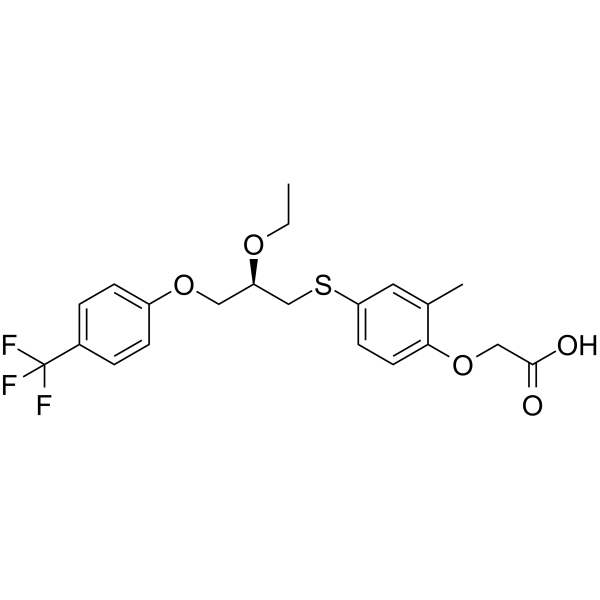 0 ImagesSynonyms: MBX-8025; RWJ-800025




