



PPARβ/δ
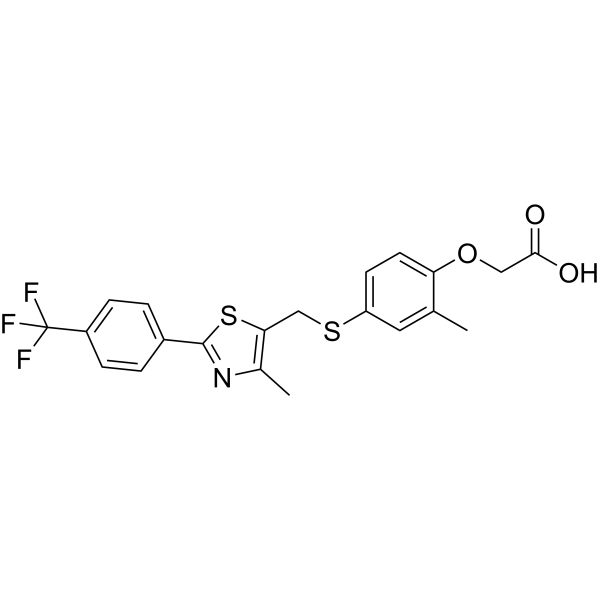
PPARβ/δ (peroxisome proliferator-activated receptor β/δ) is a ligand-activated nuclear receptor that functions as a transcription factor through heterodimerization with retinoid X receptor (RXR), thereby regulating gene networks involved in cellular differentiation, survival, and energy metabolism[1]. Mechanistically, PPARβ/δ controls lipid utilization, fatty acid β-oxidation, glucose metabolism, mitochondrial function, and fuel switching, linking nutrient-derived lipid signals to transcriptional programs that maintain metabolic homeostasis[1][2][3]. Through both ligand-dependent and ligand-independent modes of transcriptional regulation, PPARβ/δ can activate, derepress, or repress target genes, highlighting its complex role in cellular adaptation and metabolic regulation[4][5]. In disease-related contexts, PPARβ/δ has been implicated in metabolic syndrome, cardiovascular disease, liver metabolic disorders, neuroinflammation, and neurodegeneration, where its regulatory effects on lipid metabolism and inflammatory pathways are considered biologically important[1][2][6]. Compared with related isoforms, PPARα predominantly regulates fatty acid oxidation in liver and other oxidative tissues, whereas PPARγ primarily controls adipogenesis and insulin sensitivity; in contrast, PPARβ/δ exhibits broader tissue distribution and plays a distinctive role in fuel utilization, mitochondrial biogenesis, and cardiac lipid metabolism[3][7][1]. For experimental applications, selective agonists such as GW0742 and GW501516 have been widely used to investigate PPARβ/δ-dependent metabolic and inflammatory responses, and PPARβ/δ agonism has been associated with enhanced fatty acid metabolism and altered substrate preference toward lipid utilization in preclinical models[6][8].
References:
- [1]. Rabezanahary H, et al. Live virus neutralizing antibodies against pre and post Omicron strains in food and retail workers in Québec, Canada. Heliyon. 2024 May 21;10(10):e31026. [Content Brief]
- [2]. Ngoi NY, et al. The redox-senescence axis and its therapeutic targeting. Redox Biol. 2021 Sep;45:102032. [Content Brief]
- [3]. Gilde AJ, et al. Peroxisome proliferator-activated receptor (PPAR) alpha and PPARbeta/delta, but not PPARgamma, modulate the expression of genes involved in cardiac lipid metabolism. Circ Res. 2003 Mar 21;92(5):518-24. [Content Brief]
- [4]. Adhikary T, et al. Genomewide analyses define different modes of transcriptional regulation by peroxisome proliferator-activated receptor-β/δ (PPARβ/δ). PLoS One. 2011 Jan 19;6(1):e16344. [Content Brief]
- [5]. Giordano Attianese GM, et al. Integrative and systemic approaches for evaluating PPARβ/δ (PPARD) function. Nucl Recept Signal. 2015 Apr 27;13:e001. [Content Brief]
- [6]. Strosznajder AK, et al. Recent Insights on the Role of PPAR-β/δ in Neuroinflammation and Neurodegeneration, and Its Potential Target for Therapy. Neuromolecular Med. 2021 Mar;23(1):86-98. [Content Brief]
- [7]. Lonardo A, et al. PPARs in molecular pathogenesis and drug treatment of type 2 diabetes-related MASLD. Explor Dig Dis. 2025;4:100590.
- [8]. Da'adoosh B, et al. Discovering highly selective and diverse PPAR-delta agonists by ligand based machine learning and structural modeling. Sci Rep. 2019 Jan 31;9(1):1106. [Content Brief]
-
PPARβ/δ Related Products (45)
Related Products (45)

-
Retinoic acid
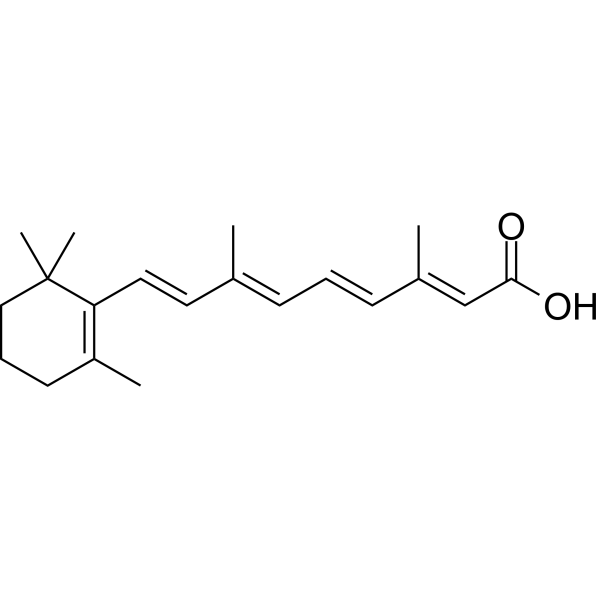 0 ImagesSynonyms: Vitamin A acid; all-trans-Retinoic acid; ATRARetinoic acid is a metabolite of vitamin A that plays important roles in cell growth, differentiation, and organogenesis. Retinoic acid is a natural agonist of RAR nuclear receptors, with IC50s of 14 nM for RARα/β/γ. Retinoic acid bind to PPARβ/δ with Kd of 17 nM. Retinoic acid acts as an inhibitor of transcription factor Nrf2 through activation of retinoic acid receptor alpha.
-
Pioglitazone
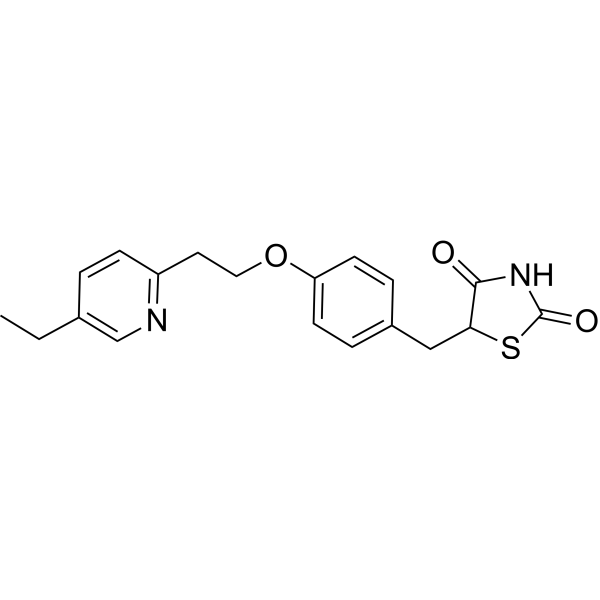 0 ImagesSynonyms: U 72107Pioglitazone (U 72107) is an orally active and selective PPARγ (peroxisome proliferator-activated receptor) agonist with high affinity binding to the PPARγ ligand-binding domain with EC50 of 0.93 and 0.99 μM for human and mouse PPARγ, respectively. Pioglitazone can be used in diabetes research.
-
Retinoic acid (Standard)
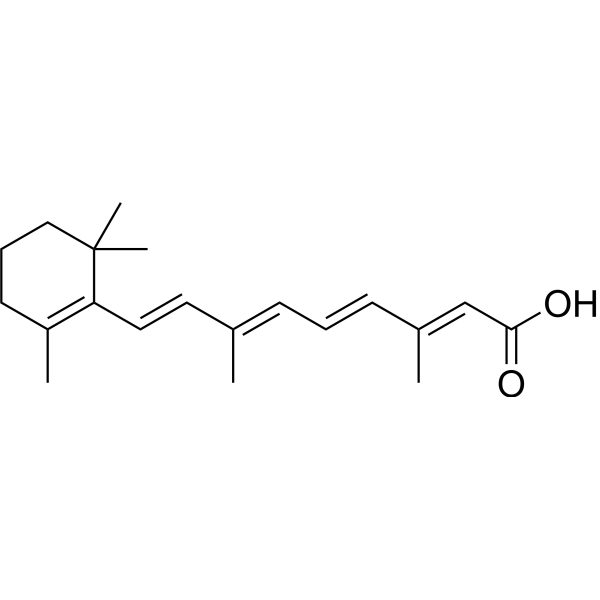 0 ImagesSynonyms: Vitamin A acid (Standard); all-trans-Retinoic acid (Standard); ATRA (Standard)Retinoic acid (Standard) is the analytical standard of Retinoic acid. This product is intended for research and analytical applications. Retinoic acid is a metabolite of vitamin A that plays important roles in cell growth, differentiation, and organogenesis. Retinoic acid is a natural agonist of RAR nuclear receptors, with IC50s of 14 nM for RARα/β/γ. Retinoic acid bind to PPARβ/δ with Kd of 17 nM. Retinoic acid acts as an inhibitor of transcription factor Nrf2 through activation of retinoic acid receptor alpha.
-
Fenofibric acid (Standard)
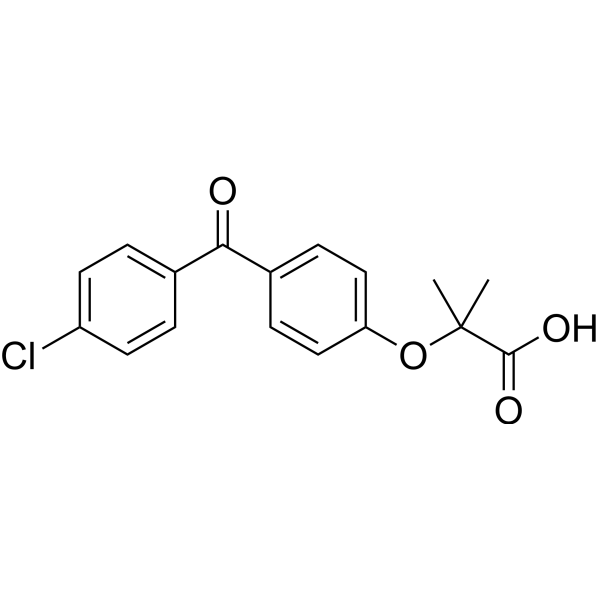 0 ImagesSynonyms: FNF acid (Standard)Fenofibric acid (Standard) is the analytical standard of Fenofibric acid. This product is intended for research and analytical applications. Fenofibric acid, an active metabolite of fenofibrate, is a PPAR activitor, with EC50s of 22.4 μM, 1.47 μM, and 1.06 μM for PPARα, PPARγ and PPARδ, respectively; Fenofibric acid also inhibits COX-2 enzyme activity, with an IC50 of 48 nM.
-
Elafibranor
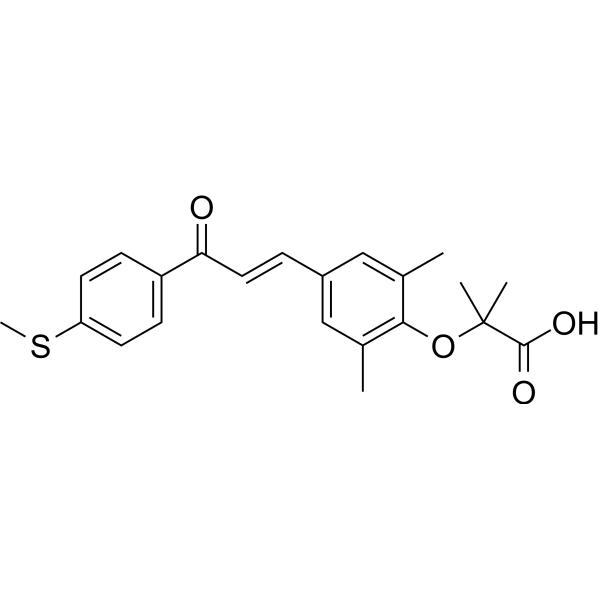 0 ImagesSynonyms: GFT505Elafibranor (GFT505) is a PPARα/δ agonist with EC50s of 45 and 175 nM, respectively. Elafibranor can be used for the study of primary biliary cholangitis.
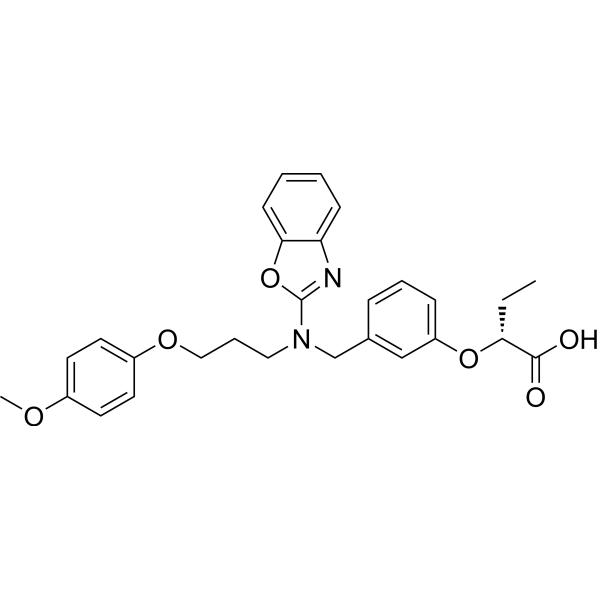
-
Pioglitazone hydrochloride
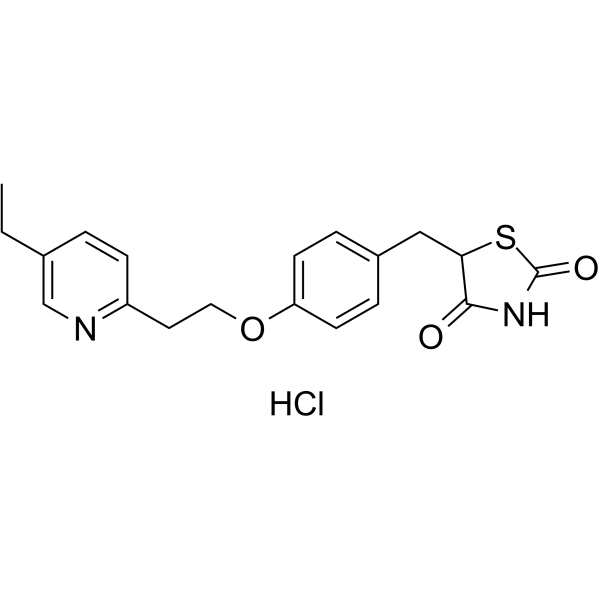 0 ImagesSynonyms: U 72107A; AD 4833
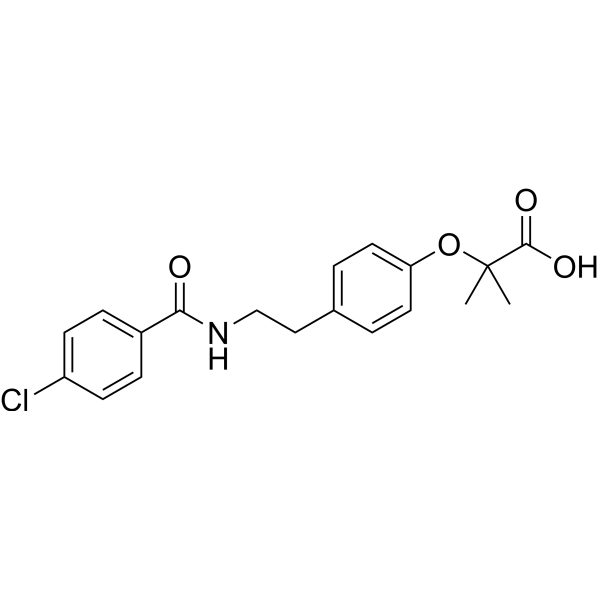
-
GSK3787
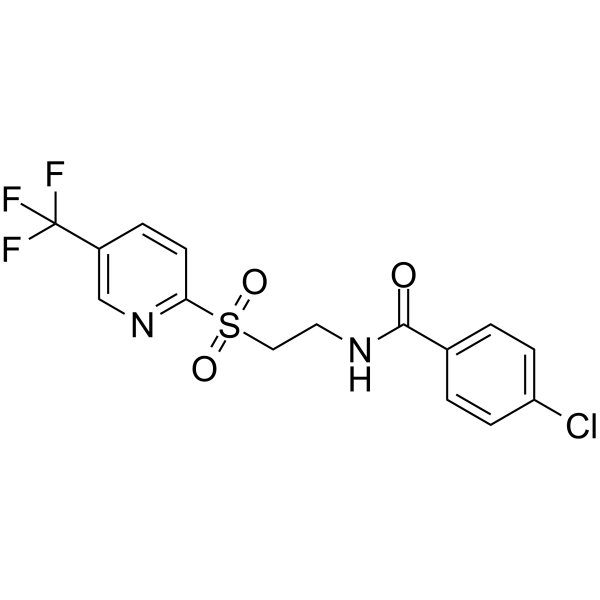 0 ImagesGSK3787 is a selective and irreversible peroxisome proliferator-activated receptor δ (PPARδ) antagonist with pIC50 of 6.6.
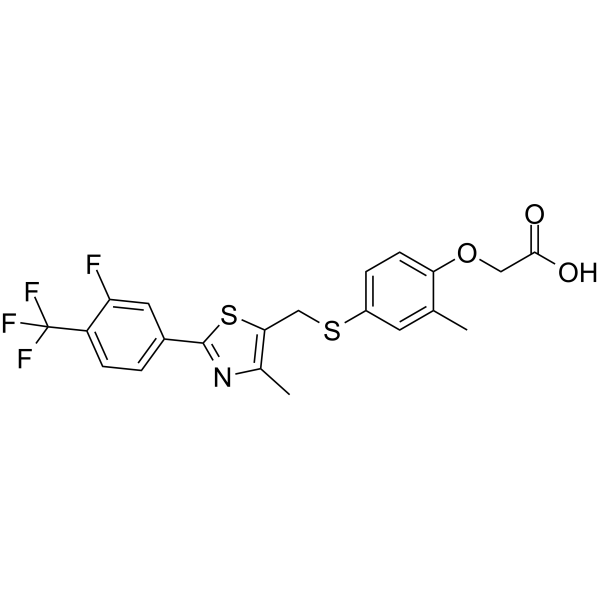
-
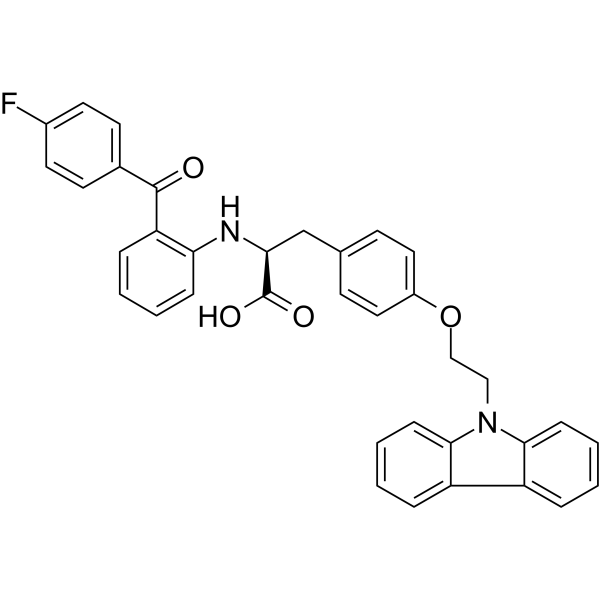
Seladelpar
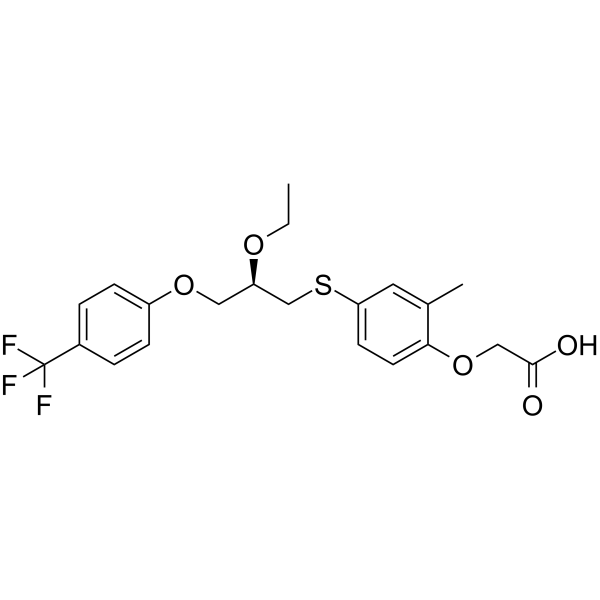 0 ImagesSynonyms: MBX-8025; RWJ-800025
-
Bavachinin
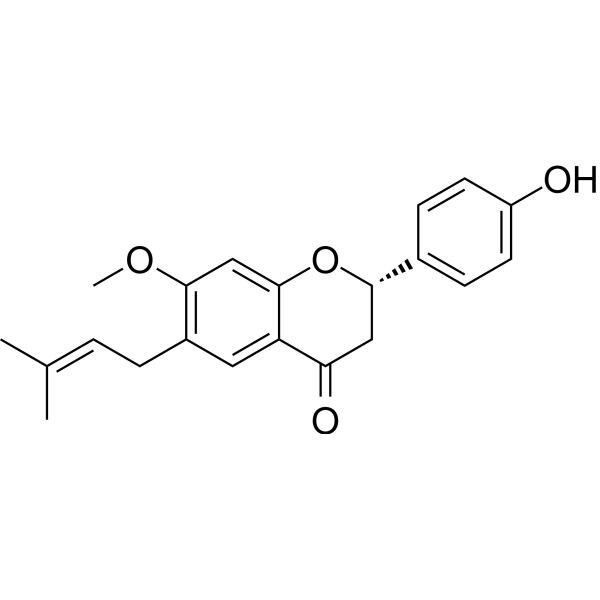 0 ImagesSynonyms: 7-O-Methylbavachin; Bavachinin ABavachinin is agonist of pan-peroxisome proliferator-activated receptor (PPAR), with the IC50 value of 21.043 μM, 12.819 μM, and 0.622 μM to PPAR-α, RRAR-β/δ, and PPAR-γ, respectively. Bavachinin is an inhibitor of HIF-1α. Bavachinin exhibits antitumor activity against non-small cell lung cancer by targeting RRAR-γ. Bavachinin is a natural compound with anti-inflammatory and anti-angiogenic activities. Bavachinin has orally bioactivity..
-
Fenofibric acid
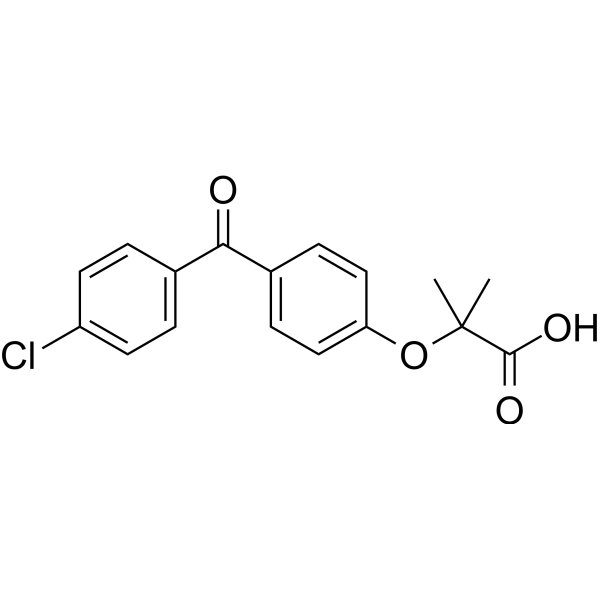 0 ImagesSynonyms: FNF acid
-
15-Deoxy-Δ-12,14-prostaglandin J2
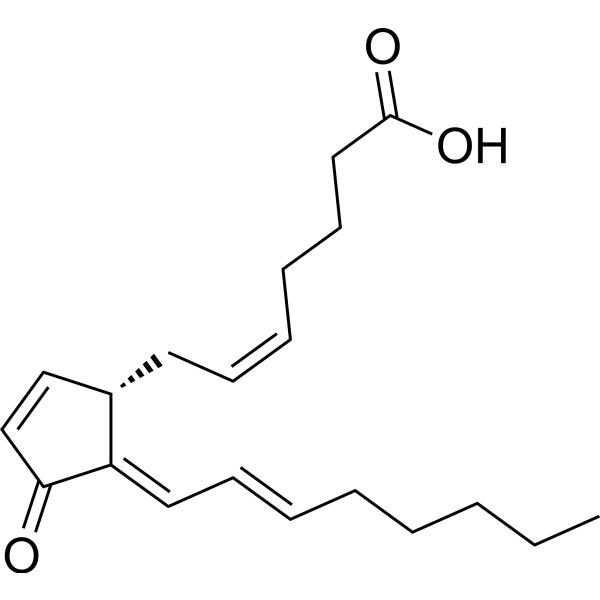 0 ImagesCat. No.: HY-108568CAS No.: 87893-55-8Synonyms: 15d-PGJ2; 15-Deoxy-Δ12,14-PGJ215-Deoxy-Δ-12,14-prostaglandin J2 (15d-PGJ2) is a cyclopentenone prostaglandin and a metabolite of PGD2. 15-Deoxy-Δ-12,14-prostaglandin J2 is a selective PPARγ (EC50 of 2 µM) and a covalent PPARδ agonist. 15-Deoxy-Δ-12,14-prostaglandin J2 promotes efficient differentiation of C3H10T1/2 fibroblasts to adipocytes with an EC50 of 7 μM.



