



Pemafibrate
Based on 10 publication(s) in Google Scholar
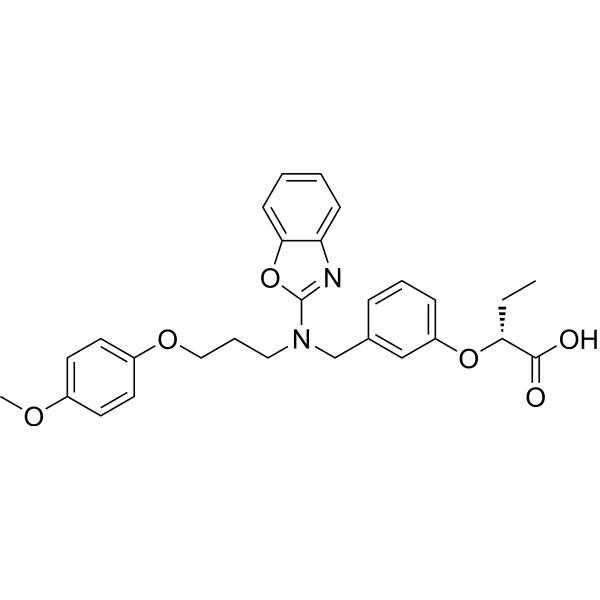
Pemafibrate is a highly selective PPARα agonist, with an EC50 of 1 nM.
Nur für Forschungszwecke. Wir verkaufen nicht an Patienten.
- Reinheit : 99.81%
- CAS. Nr.: 848259-27-8
- Formel: C28H30N2O6
- Molecular Weight:490.55
-
Speicherung:Powder -20°C, 3 years , 4°C, 2 years ; In solvent -80°C, 6 months , -20°C, 1 month

To place orders, for customer services and technical support, please contact: MedChemExpress USA
Tel: 609-228-6898 E-mail: [email protected] [email protected]


-
 Biologische Aktivität
-
Chemical Information
-
Lösungsmittel & Löslichkeit
- Reinheit & Dokumentation
- Verweise
-
 Help & FAQs


-
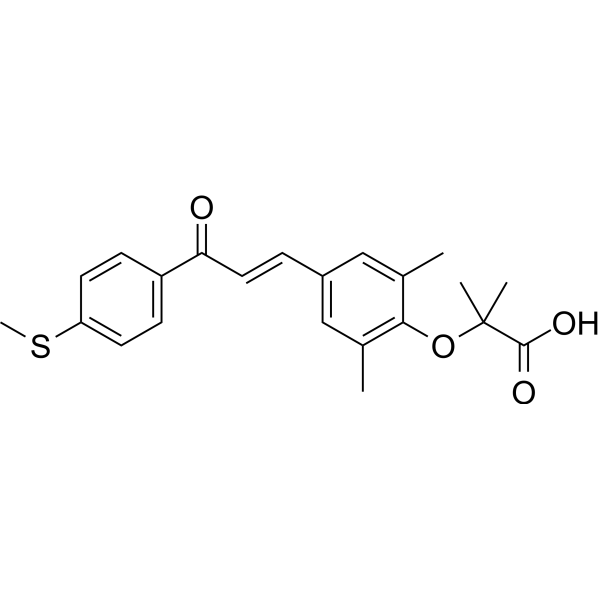
HY-16737
ElafibranorPPARα/δ Agonist -
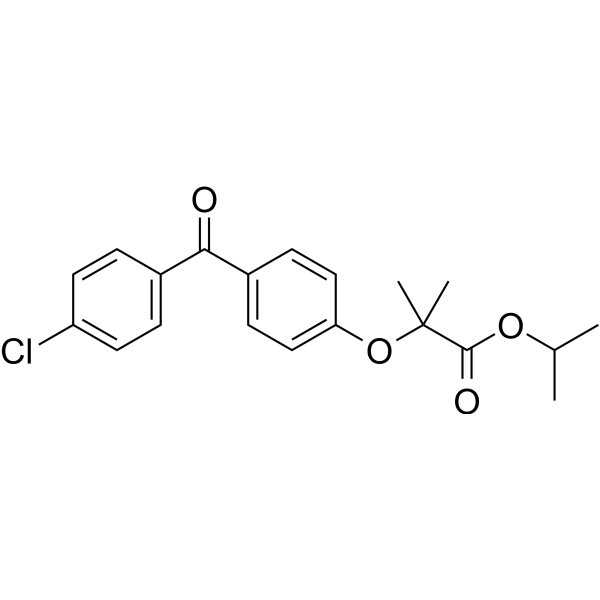
HY-17356
Fenofibrate -
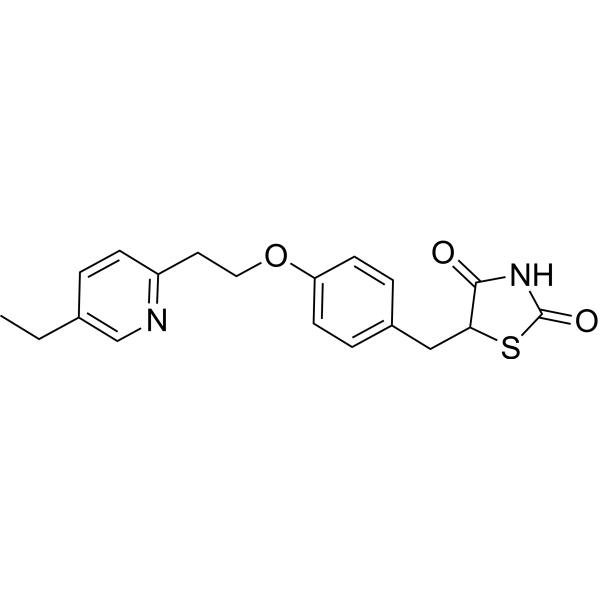
HY-13956
PioglitazonePPARγ Agonist -
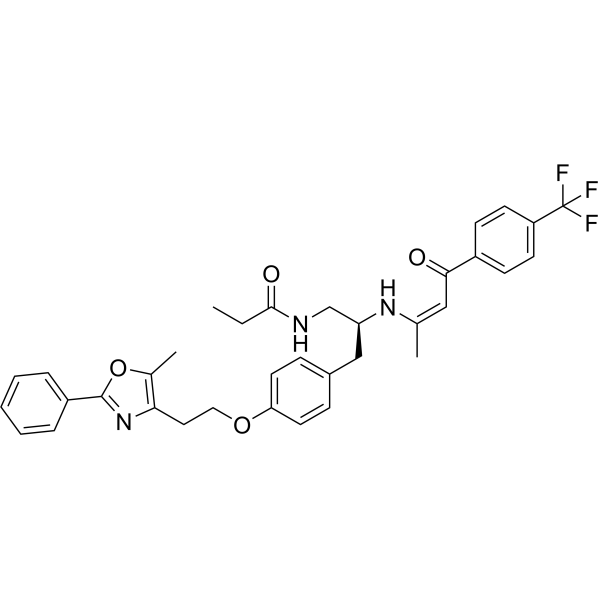
HY-15372
GW6471PPARα Antagonist -
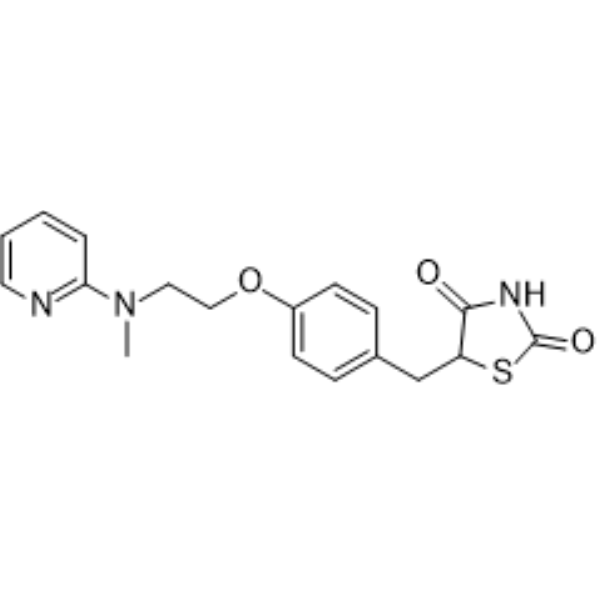
HY-17386
RosiglitazonePPARγ Agonist -
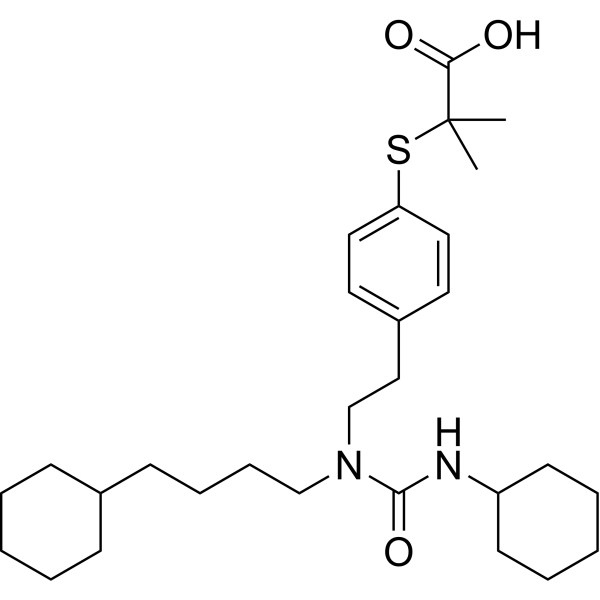
HY-13861
GW7647PPAR Agonist -
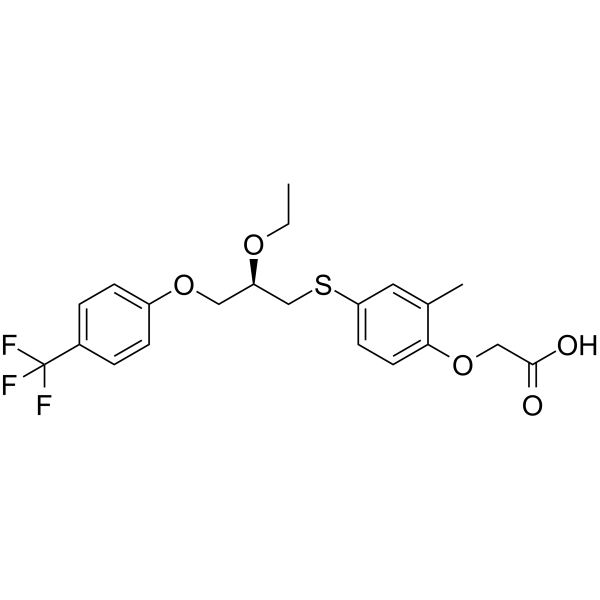
HY-19522
SeladelparPPAR-δ Agonist -
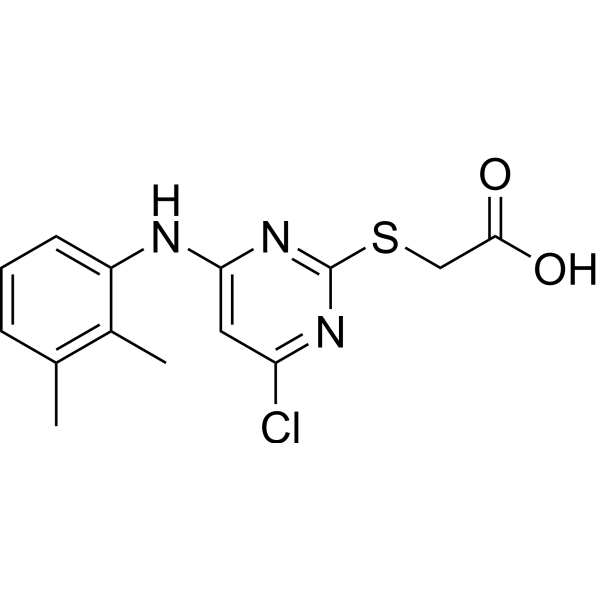
HY-16995
Pirinixic acidPPAR Agonist -
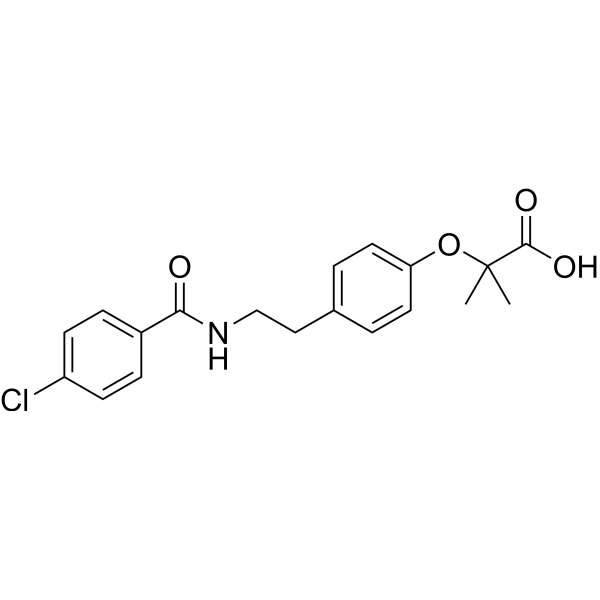
HY-B0637
BezafibratePPAR Agonist -
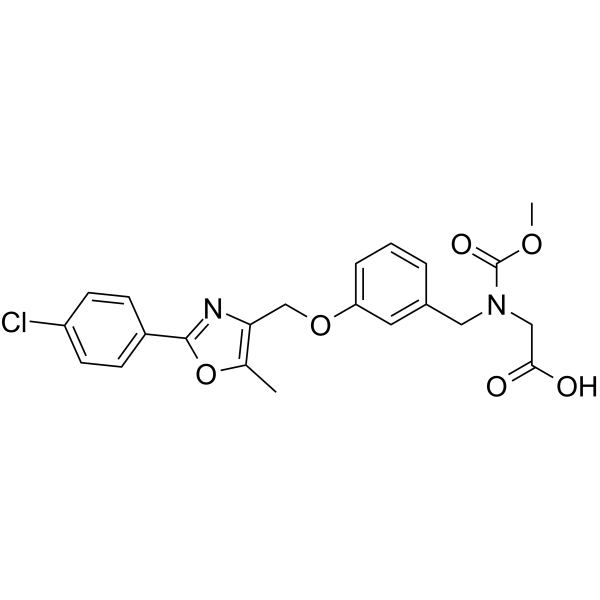
HY-10678
BMS-687453 -
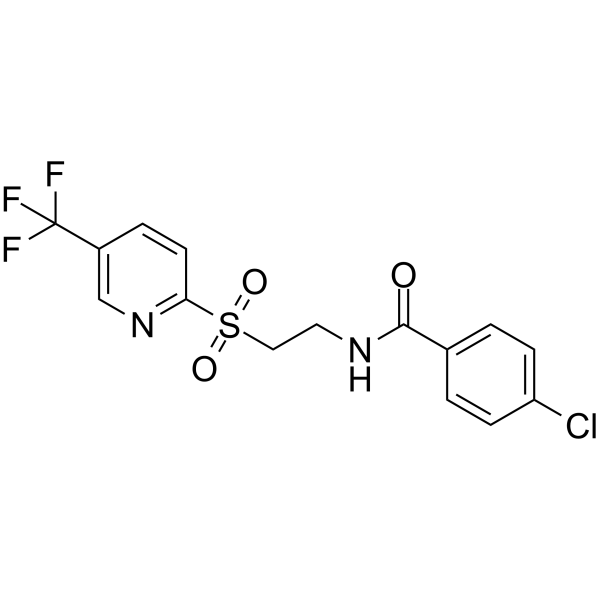
HY-15577
GSK3787PPARδ Antagonist -
HY-10838
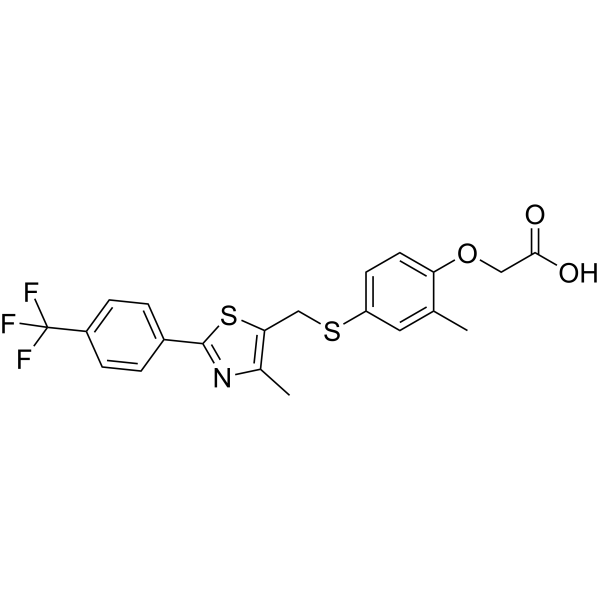
GW 501516PPARδ Agonist
Publications Citing Use of MedChemExpress (MCE) Pemafibrate
More- J Clin Invest. 2023 Dec 15;133(24):e173160. [Abstract]
- Cell Biol Toxicol. 2021 Apr;37(2):293-311. [Abstract]
- Int J Neuropsychopharmacol. 2025 Sep 1;28(9):pyaf063. [Abstract]
- Drug Metab Dispos. 2025 Nov;53(11):100168. [Abstract]
- PPAR Res. 2021 Mar 11:2021:6632137. [Abstract]
- Open Biol. 2019 Dec;9(12):190141. [Abstract]
- Life Sci Alliance. 2019 Mar 20;2(2):e201800262. [Abstract]
- Biochem Biophys Res Commun. 2020 Apr 2;524(2):385-391. [Abstract]
- Exp Ther Med. 2021 Apr;21(4):331. [Abstract]
- Research Square Preprint. 2021 Sep.
 Customer Validation & Images

-
Cell Proliferation/Viability Assay
-
IF
-
RT-PCR
-
WB
-
IF


Biologische Aktivität
Beschreibung
IC50 & Target
[1]|
h-PPARα 1 nM (EC50) |
h-PPARγ 1.1 μM (EC50) |
PPARδ 1.58 μM (EC50) |
Cellular Effect
|
Cell Line

|
Type | Value | Description | References |
|---|---|---|---|---|
| HEK-293T | EC50 |
1 nM
Compound: SC-3
|
Agonist activity at GAL4-tagged PPARalpha ligand-binding domain (unknown origin) expressed in HEK293T cells incubated for 16 to 19 hrs by beta-lactamase reporter gene assay
Agonist activity at GAL4-tagged PPARalpha ligand-binding domain (unknown origin) expressed in HEK293T cells incubated for 16 to 19 hrs by beta-lactamase reporter gene assay
|
[PMID: 25491112] |
In Vitro
Pemafibrate is a potent PPARα agonist, with EC50s of 1 nM, 1.10 μM and 1.58 μM for h-PPARα, h-PPARγ and h-PPARδ, respectively. Pemafibrate is more than 1000 fold selective towards PPARα than PPARγ and PPARδ[1].
MedChemExpress (MCE) has not independently confirmed the accuracy of these methods. They are for reference only.
In Vivo
MedChemExpress (MCE) has not independently confirmed the accuracy of these methods. They are for reference only.
Clinical Trial
| NCT Number | Sponsor | Condition | Start Date |
Phase
|
|---|---|---|---|---|
| NCT01329991 | 2011-05 | PHASE1 |


Chemical Information
-
CAS. Nr. 848259-27-8
-
Appearance Solid
-
Molecular Weight 490.55
-
Formel C28H30N2O6
-
Color White to off-white
-
SMILES
CC[C@@H](OC1=CC=CC(CN(C2=NC3=CC=CC=C3O2)CCCOC4=CC=C(OC)C=C4)=C1)C(O)=O
-
Synonyms
(R)-K-13675
-
Versand
Room temperature in continental US; may vary elsewhere.
-
Speicherung
Powder -20°C 3 years 4°C 2 years In solvent -80°C 6 months -20°C 1 month


Publications (10)
-
Journal Impact Factor
-
Most Recent
-
J Clin Invest
Endothelial lipid droplets suppress eNOS to link high fat consumption to blood pressure elevation. [Abstract]2023 Dec 15;133(24):e173160. PMID: 37824206 -
Cell Biol Toxicol
2021 Apr;37(2):293-311. PMID: 32613381
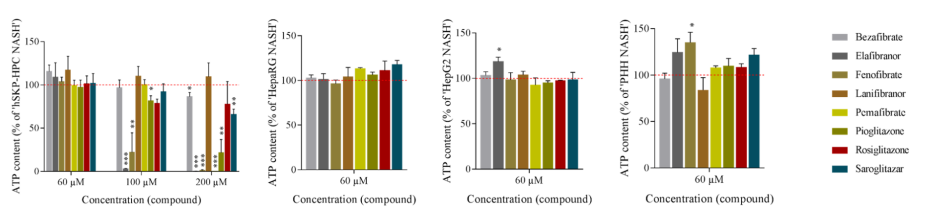
Pemafibrate purchased from MedChemExpress. Usage Cited in: Cell Biol Toxicol. 2021 Apr;37(2):293-311. [Abstract]
a ATP content in NASH-triggered hSKP-HPC upon increasing concentrations of PPAR agonists (Pemafibrate; 60, 100, 200 μM; 24 h). b ATP content in NASH-triggered HepG2, HepaRG and PHH cultures upon exposure to PPAR agonists at a concentration of 60 µM.
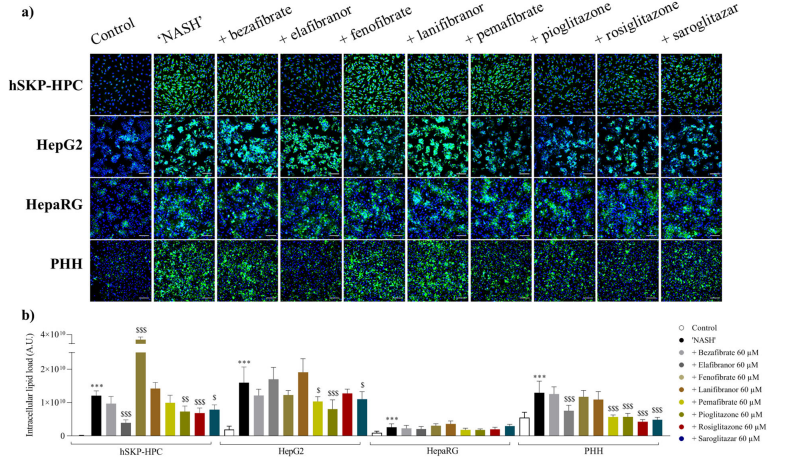
Pemafibrate purchased from MedChemExpress. Usage Cited in: Cell Biol Toxicol. 2021 Apr;37(2):293-311. [Abstract]
Pemafibrate (60 μM) reduces lipid levels only in HepG2 and PHH. Micrographs of in vitro NASH models stained for neutral lipids with BODIPY™ 493/503 (green) and DAPI (blue, nuclei).
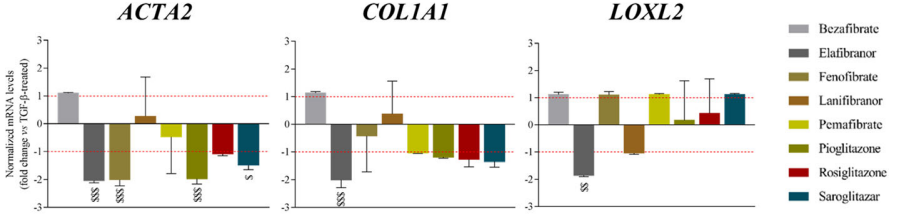
Pemafibrate purchased from MedChemExpress. Usage Cited in: Cell Biol Toxicol. 2021 Apr;37(2):293-311. [Abstract]
Pemafibrate (10 μM) decreased the ACTA2 and COL1A1 mRNA level, increased the LOXL2 mRNA levels in human LX-2 stellate cells.
-
Int J Neuropsychopharmacol
Pemafibrate treatment produces antidepressant-like effects in CUMS and CRS models through activation of hippocampal PPARa and BDNF signaling. [Abstract]2025 Sep 1;28(9):pyaf063. PMID: 40884470 -
Drug Metab Dispos
Metabolic flux analysis of bile acid biosynthesis acidic pathway in HepG2 cells reveals CYP8B1 inhibition of azole antifungals. [Abstract]2025 Nov;53(11):100168. PMID: 41124962 -
PPAR Res
Pemafibrate Pretreatment Attenuates Apoptosis and Autophagy during Hepatic Ischemia-Reperfusion Injury by Modulating JAK2/STAT3 β/PPAR α Pathway. [Abstract]2021 Mar 11:2021:6632137. PMID: 33777128 -
Open Biol
Identification of a novel regulatory pathway for PPARα by RNA-seq characterization of the endothelial cell lipid peroxidative injury transcriptome. [Abstract]2019 Dec;9(12):190141. PMID: 31847785
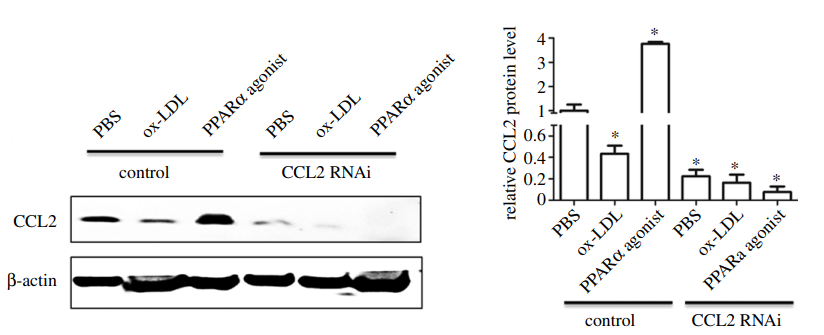
Pemafibrate purchased from MedChemExpress. Usage Cited in: Open Biol. 2019 Dec;9(12):190141. [Abstract]
Pemafibrate increased the protein expression of CCL2 in stable CCL2 knockdown HUVECs.
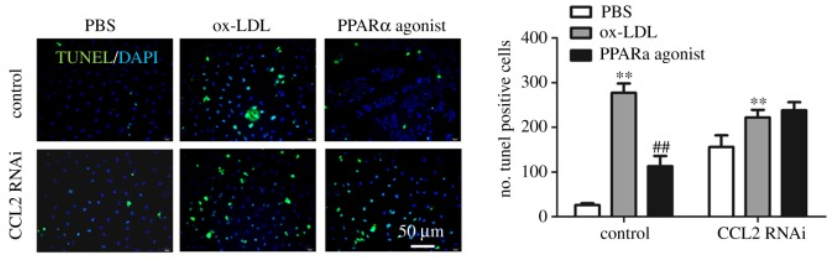
Pemafibrate purchased from MedChemExpress. Usage Cited in: Open Biol. 2019 Dec;9(12):190141. [Abstract]
Pemafibrate did not inhibit HUVEC apoptosis when CCL2 expression was inhibited.
-
Life Sci Alliance
2019 Mar 20;2(2):e201800262. PMID: 30894406 -
Biochem Biophys Res Commun
Pemafibrate, a selective PPARα modulator, and fenofibrate suppress microglial activation through distinct PPARα and SIRT1-dependent pathways. [Abstract]2020 Apr 2;524(2):385-391. PMID: 32005522 -
Exp Ther Med
Pemafibrate suppresses oxidative stress and apoptosis under cardiomyocyte ischemia-reperfusion injury in type 1 diabetes mellitus. [Abstract]2021 Apr;21(4):331. PMID: 33732304 -


Lösungsmittel & Löslichkeit
In Vitro:
DMSO : ≥ 100 mg/mL (203.85 mM; Hygroscopic DMSO has a significant impact on the solubility of product, please use newly opened DMSO)
* "≥" means soluble, but saturation unknown.
Please refer to the solubility information to select the appropriate solvent. Once prepared, please aliquot and store the solution to prevent product inactivation from repeated freeze-thaw cycles.
Storage method and period of stock solution: -80°C, 6 months; -20°C, 1 month. When stored at -80°C, please use it within 6 months. When stored at -20°C, please use it within 1 month.
Please refer to the solubility information to select the appropriate solvent. Once prepared, please aliquot and store the solution to prevent product inactivation from repeated freeze-thaw cycles.
Storage method and period of stock solution: -80°C, 6 months; -20°C, 1 month. When stored at -80°C, please use it within 6 months. When stored at -20°C, please use it within 1 month.
Konzentration (Stammlösung) × Volumen (Stammlösung) = Konzentration (Ziellösung) × Volumen (Ziellösung)
In Vivo:
Select the appropriate dissolution method based on your experimental animal and administration route.
- For the following dissolution methods, please ensure to first prepare a clear stock solution using an In Vitro approach and then sequentially add co-solvents:
- To ensure reliable experimental results, the clarified stock solution can be appropriately stored based on storage conditions. As for the working solution for In Vivo experiments, it is recommended to prepare freshly and use it on the same day.
- The percentages shown for the solvents indicate their volumetric ratio in the final prepared solution. If precipitation or phase separation occurs during preparation, heat and/or sonication can be used to aid dissolution.
Add each solvent one by one: 10% DMSO 40% PEG300 5% Tween-80 45% Saline
Solubility: ≥ 2.5 mg/mL (5.10 mM); Clear solution
This protocol yields a clear solution of ≥ 2.5 mg/mL (saturation unknown).
Taking 1 mL working solution as an example, add 100 μL DMSO stock solution (25.0 mg/mL) to 400 μL PEG300, and mix evenly; then add 50 μL Tween-80 and mix evenly; then add 450 μL Saline to adjust the volume to 1 mL.
Preparation of Saline: Dissolve 0.9 g sodium chloride in ddH₂O and dilute to 100 mL to obtain a clear Saline solution.
Add each solvent one by one: 10% DMSO 90% (20% SBE-β-CD in Saline)
Solubility: 2.5 mg/mL (5.10 mM); Suspended solution; Need ultrasonic
This protocol yields a suspended solution of 2.5 mg/mL. Suspended solution can be used for oral and intraperitoneal injection.
Taking 1 mL working solution as an example, add 100 μL DMSO stock solution (25.0 mg/mL) to 900 μL 20% SBE-β-CD in Saline, and mix evenly.
Preparation of 20% SBE-β-CD in Saline (4°C, storage for one week): 2 g SBE-β-CD powder is dissolved in 10 mL Saline, completely dissolve until clear.
In Vivo Dissolution Calculator
Please enter the basic information of animal experiments:
-
-
-
-
Recommended: Prepare an additional quantity of animals to account for potential losses during experiments.
Please enter your animal formula composition:
-
%DMSO +
Recommended: Keep the proportion of DMSO in working solution below 2% if your animal is weak.
-
%+
-
+%Tween-80 + +
-
%Saline +
The co-solvents required include: DMSO, . All of co-solvents are available by MedChemExpress (MCE). , Tween 80. All of co-solvents are available by MedChemExpress (MCE).
Working solution concentration: 0.22 mg/mL
Method for preparing stock solution: mg drug dissolved in μL DMSO. Stock solution concentration: mg/mL.
1. Take μL DMSO stock solution;
2. Add μL .
μL , mix evenly;
3. Then add μL Tween 80, mix evenly;
4. Then add μL
Please ensure that the stock solution in the first step is dissolved to a clear state, and add co-solvents in sequence. You can use ultrasonic heating (ultrasonic cleaner, recommended frequency 20-40 kHz), vortexing, etc. to assist dissolution.


Reinheit & Dokumentation
-
Data Sheet (278 KB)
-
SDS (396 KB)
- English - EN (396 KB)
- Français - FR (396 KB)
- Deutsch - DE (396 KB)
- Norwegian - NO (396 KB)
- Español - ES (396 KB)
- Swedish - SV (396 KB)
- Italian - IT (396 KB)
- Korean - KR (396 KB)
- Portuguese - PT (396 KB)
-
Handling Instructions (2659 KB)
Verweise
[1]. Yamazaki Y, et al. Design and synthesis of highly potent and selective human peroxisome proliferator-activated receptor alpha agonists. Bioorg Med Chem Lett. 2007 Aug 15;17(16):4689-93. Epub2007 May 24. [Content Brief]
[2]. Honda Y, et al. Pemafibrate, a novel selective peroxisome proliferator-activated receptor alpha modulator, improves the pathogenesis in a rodent model of nonalcoholic steatohepatitis. Sci Rep. 2017 Feb 14;7:42477. [Content Brief]
[3]. Sairyo M, et al. A Novel Selective PPARα Modulator (SPPARMα), K-877 (Pemafibrate), Attenuates Postprandial Hypertriglyceridemia in Mice. J Atheroscler Thromb. 2018 Feb 1;25(2):142-152. [Content Brief]


Complete Stock Solution Preparation Table
Please refer to the solubility information to select the appropriate solvent. Once prepared, please aliquot and store the solution to prevent product inactivation from repeated freeze-thaw cycles.
Storage method and period of stock solution: -80°C, 6 months; -20°C, 1 month. When stored at -80°C, please use it within 6 months. When stored at -20°C, please use it within 1 month.
| Optional Solvent | Concentration Solvent Mass | 1 mg | 5 mg | 10 mg | 25 mg |
|---|---|---|---|---|---|
| DMSO | 1 mM | 2.0385 mL | 10.1926 mL | 20.3853 mL | 50.9632 mL |
| 5 mM | 0.4077 mL | 2.0385 mL | 4.0771 mL | 10.1926 mL | |
| 10 mM | 0.2039 mL | 1.0193 mL | 2.0385 mL | 5.0963 mL | |
| 15 mM | 0.1359 mL | 0.6795 mL | 1.3590 mL | 3.3975 mL | |
| 20 mM | 0.1019 mL | 0.5096 mL | 1.0193 mL | 2.5482 mL | |
| 25 mM | 0.0815 mL | 0.4077 mL | 0.8154 mL | 2.0385 mL | |
| 30 mM | 0.0680 mL | 0.3398 mL | 0.6795 mL | 1.6988 mL | |
| 40 mM | 0.0510 mL | 0.2548 mL | 0.5096 mL | 1.2741 mL | |
| 50 mM | 0.0408 mL | 0.2039 mL | 0.4077 mL | 1.0193 mL | |
| 60 mM | 0.0340 mL | 0.1699 mL | 0.3398 mL | 0.8494 mL | |
| 80 mM | 0.0255 mL | 0.1274 mL | 0.2548 mL | 0.6370 mL | |
| 100 mM | 0.0204 mL | 0.1019 mL | 0.2039 mL | 0.5096 mL |


Pemafibrate Related Classifications
HY-17618 Related Classifications
 Powered by Bioz