RAD51
RAD51, an essential eukaryotic DNA recombinase, promotes homologous pairing and strand exchange during homologous recombination (HR) and the recombinational repair of double strand breaks. RAD51 protein is recruited onto the DNA break by BRCA2 and forms homopolymeric filaments that invade the homologous chromatid and use it as a template for repair. RAD51 filaments are detectable by immunofluorescence as distinct foci in the cell nucleus, and their presence is a read out of HR proficiency. RAD51 is an essential gene, protecting cells from genetic instability.
RAD51 recombinase activity plays a critical role for cancer cell proliferation and survival, and often contributes to drug-resistance. Abnormally elevated RAD51 function and hyperactive homologous recombination (HR) rates have been found in a panel of cancers, including breast cancer and chronic myeloid leukaemia (CML). Directly targeting RAD51 and attenuating the deregulated RAD51 activity has therefore been proposed as an alternative and supplementary strategy for cancer treatment.
All Product Categories
-
RAD51 Related Products (50)
Related Products (50)

-
Antibodies (6)
-
DIDS sodium salt
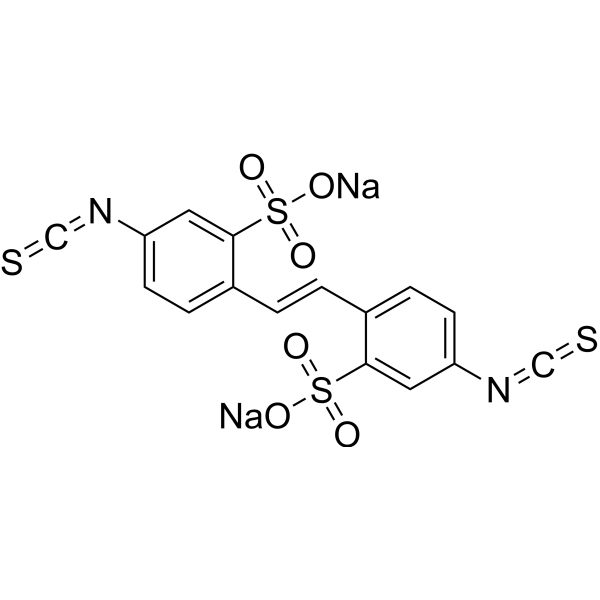 0 ImagesSynonyms: MDL101114ZADIDS sodium salt (MDL101114ZA) is a dual inhibitor of ABCA1 and VDAC1. DIDS also inhibits RAD51, inhibiting RAD51-mediated homologous pairing and strand exchange reactions. DIDS inhibits anion exchange and binding to red blood cell membranes, inhibits the activation of caspase-3 and -9, and can be used in cancer research.
-
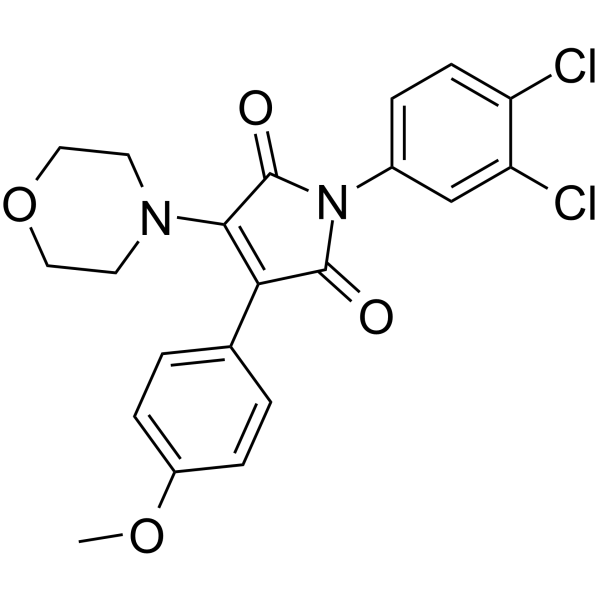
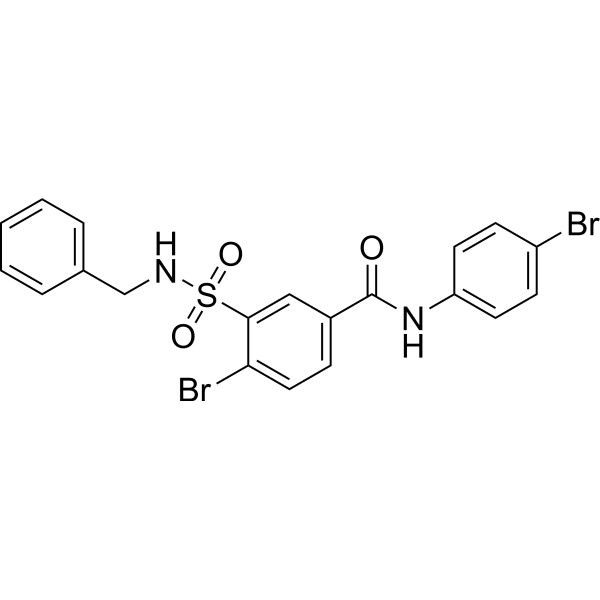
RAD51 Inhibitor B02
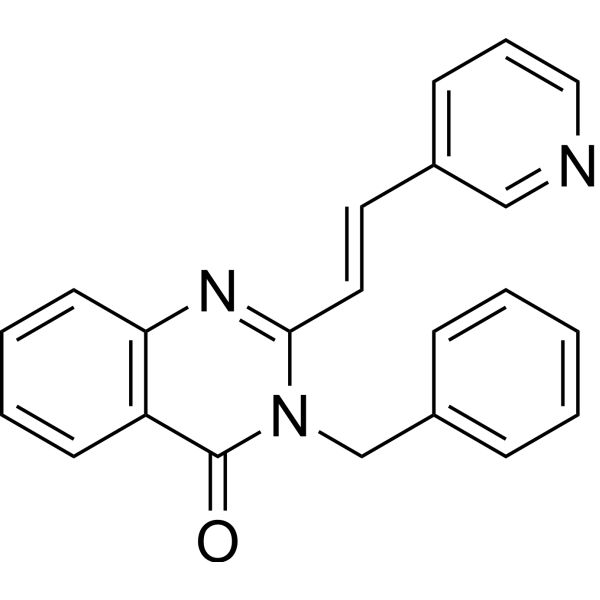 0 ImagesSynonyms: B02
-
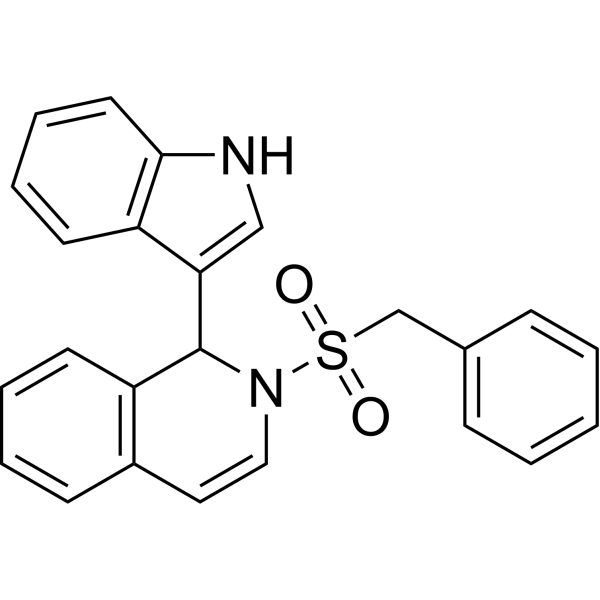
RI-1
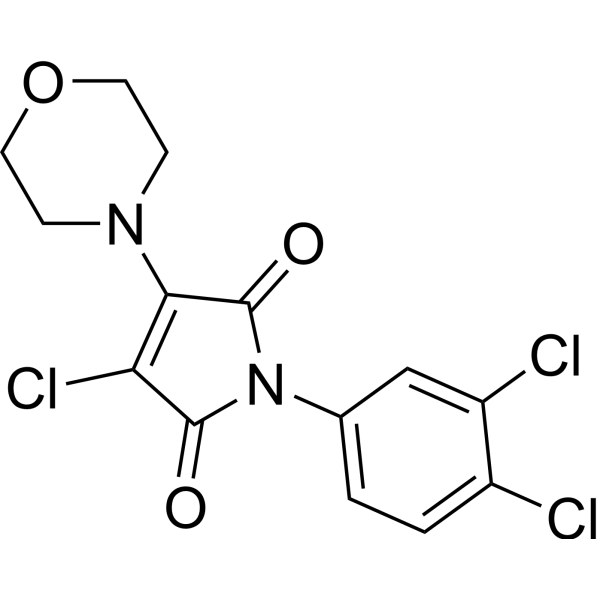 0 ImagesRI-1 is a RAD51 inhibitor, with IC50s ranging from 5 to 30 μM. RI-1 binds covalently to the surface of RAD51 protein at cysteine 319. RI-1 inactivates RAD51 by directly binding to a protein surface that serves as an interface between protein subunits in RAD51 filaments. RI-1 can disrupt homologous recombination in human cells.
-
PARP1/PRMT5-IN-1
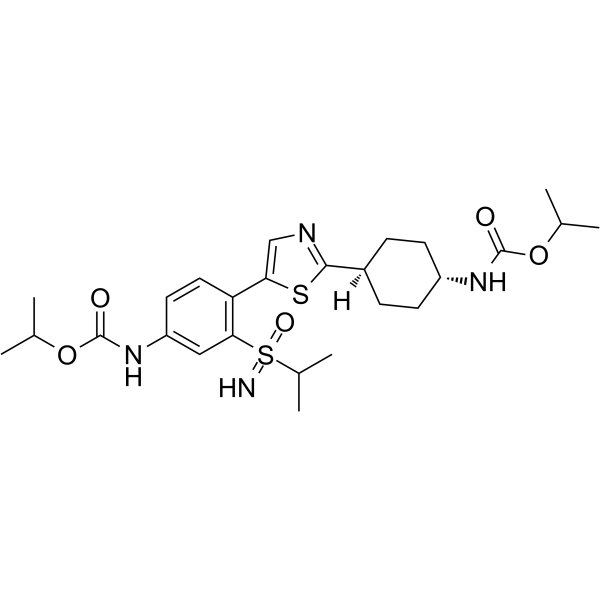
 0 ImagesCat. No.: HY-189242CAS No.: 3133817-84-9PARP1/PRMT5-IN-1 is an inhibitor of PARP1 and PRMT5, with an IC50 of 0.60 nM against PARP1 and an IC50 of 4.67 nM against PRMT5. PARP1/PRMT5-IN-1 downregulates the homologous recombination (HR)-associated factors BRCA1, BRCA2, and RAD51, thereby suppressing homologous recombination function. PARP1/PRMT5-IN-1 induces the accumulation of DNA double-strand breaks. PARP1/PRMT5-IN-1 triggers apoptosis. PARP1/PRMT5-IN-1 is applicable for breast cancer research.
-
ERα/RAD51 degrader 1
 0 ImagesCat. No.: HY-187096ERα/RAD51 degrader 1 is a ERα and RAD51 HyT degrader as well as an apoptosis (Apoptosis) inducer. ERα/RAD51 degrader 1 induces conformational changes in helices 11-12 of ERα, promotes the recruitment of Hsp70, and drives the degradation of ERα and RAD51 via the ubiquitin-proteasome pathway. ERα/RAD51 degrader 1 downregulates the expression of BRCA1/2. ERα/RAD51 degrader 1 acts on tamoxifen (HY-13757A)-sensitive and tamoxifen-resistant breast cancer in both in vitro and in vivo models. ERα/RAD51 degrader 1 is applicable to breast cancer-related research (hydrophobic tag: (HY-B0402)).
-
IBR120
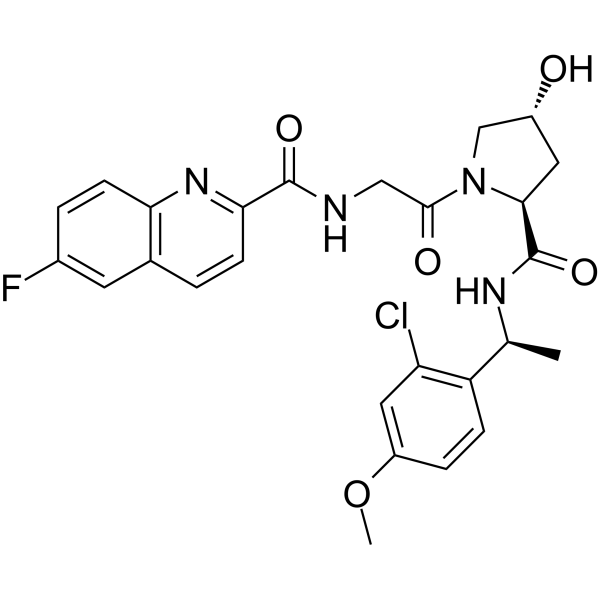
 0 ImagesCat. No.: HY-176549ACAS No.: 1704699-99-9IBR120 is a RAD51 inhibitor. IBR120 inhibits homologous recombination (HR) repair and attenuates RAD51-DNA interaction by binding to the hydrophobic pocket of the RAD51 core domain and disrupting RAD51 multimerization. IBR120 induces apoptotic cell death and inhibits the proliferation of a broad spectrum of cancer cell lines. IBR120 in combination with anticancer agents such as EGFR inhibitors and microtubule agents produces synergistic anti-proliferative effects. IBR120 can be used in research related to breast cancer, chronic myeloid leukemia, osteosarcoma, cervical cancer, and glioblastoma.
-
Bractoppin
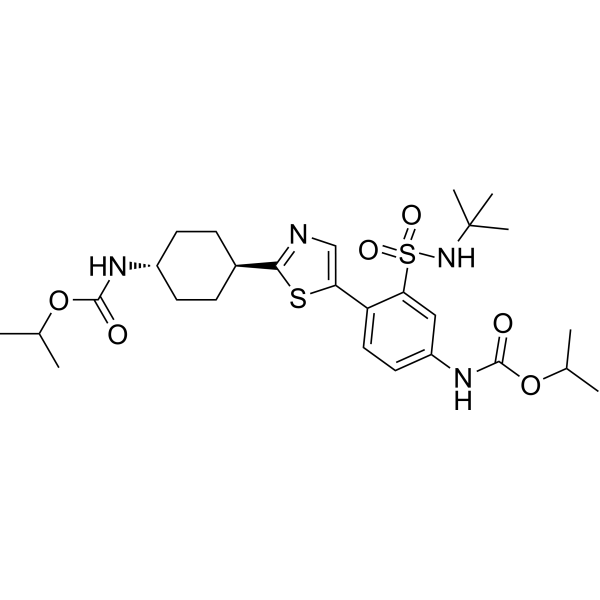
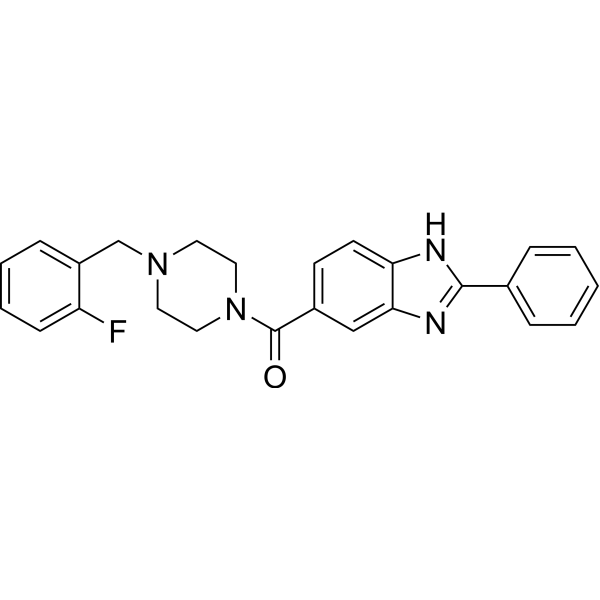 0 ImagesBractoppin is a potent and selective agent-like inhibitor of phosphopeptide recognition by the human BRCA1 tandem(t) BRCT domain (binding IC50: 74 nM). Bractoppin diminishes BRCA1 recruitment to DNA breaks, in turn suppressing damage-induced G2 arrest and assembly of the recombinase, RAD51. Bractoppin preferentially inhibits BRCA1 tBRCT-dependent steps in the DNA damage response.
-
Amuvatinib
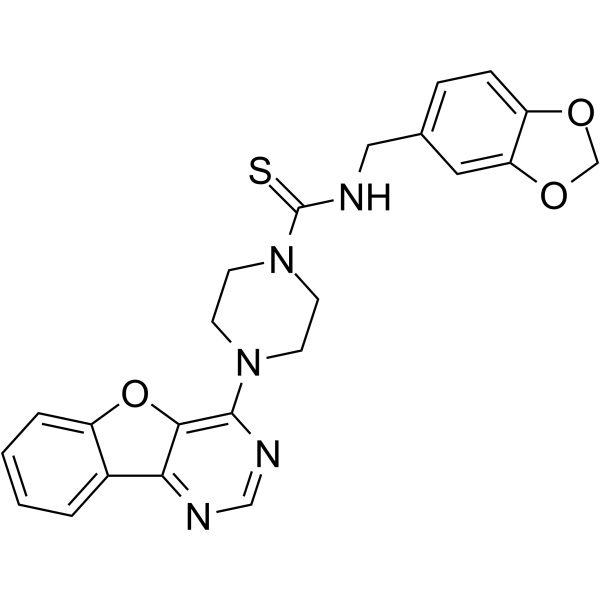 0 ImagesSynonyms: MP470; HPK 56Amuvatinib (MP470) is an orally bioavailable multi-targeted tyrosine kinase inhibitor with potent activity against mutant c-Kit, PDGFRα, Flt3, c-Met and c-Ret. Amuvatinib (MP470) is also a DNA repair suppressor through suppression of DNA repair protein RAD51, thereby disrupting DNA damage repair. Antineoplastic activity.
-
Guaiol
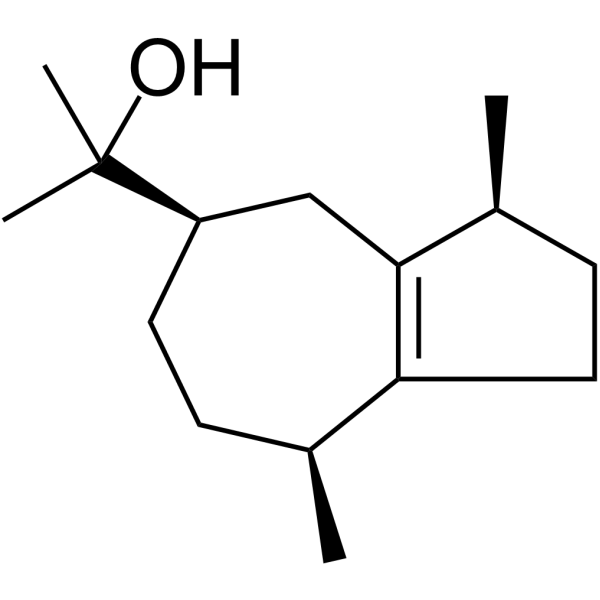 0 ImagesGuaiol is a sesquiterpenoid alcohol with oral activity found in various traditional Chinese medicines, exhibiting biological activities such as anti-proliferative, autophagy-promoting, insecticidal, anti-anxiety, anti-inflammatory, diuretic, and blood pressure-lowering effects. Guaiol induces apoptosis in non-small cell lung cancer cells by regulating the stability of RAD51 through autophagy modulation. Guaiol can also act directly on parasites, inhibiting their growth by affecting the kinetoplast, mitochondrial matrix and plasma membrane of the promastigotes. Guaiol kills amastigotes at an IC50 of 0.01 µg/mL. Guaiol can be used in research related to cancer, infections, cardiovascular diseases, and inflammatory conditions[4]
-
Solanidine
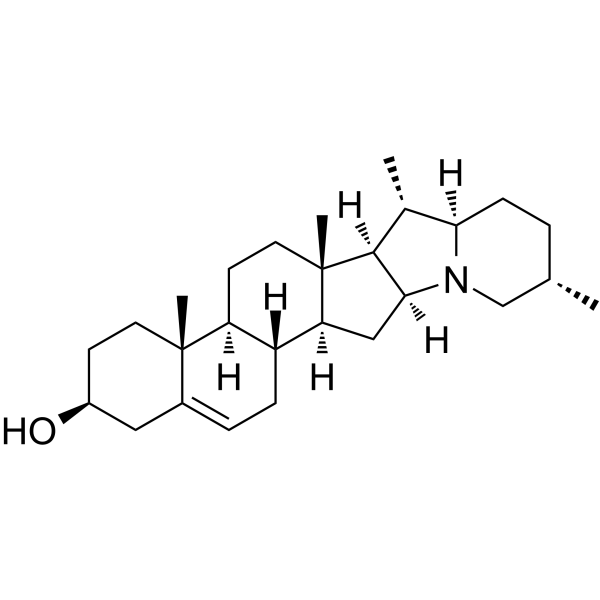 0 ImagesSolanidine is an orally active cholestane alkaloid. Solanidine can be isolated from potato. Solanidine decreases RAD51 and increases γH2AX and p53. Solanidine has anti-tumor effects on LLC tumors and lung cancer. Solanidine promotes breast cancer cell proliferation. Solanidine reduces neovascularization. Solanidine causes abortion in some pregnant mice.
-
LL-K12-18
 0 ImagesLL-K12-18 is a CDK12 kinase inhibitor and a dual-site molecular glue. LL-K12-18 inhibits human CDK12 with an IC50 value of 283.9 nM, and selectively degrades cyclin K via the ubiquitin-proteasome system by stabilizing the CDK12-DDB1 complex. LL-K12-18 downregulates DNA damage response genes, reduces the phosphorylation level of CTD Ser2 in RNA polymerase II, and modulates biomarkers such as ATM, RAD51, γ-H2AX and cleaved PARP, thereby effectively inducing apoptosis and inhibiting proliferation of breast cancer cells. LL-K12-18 exhibits high target selectivity and serves as a research tool for studies on triple-negative breast cancer.
-
Homologous recombination-IN-1
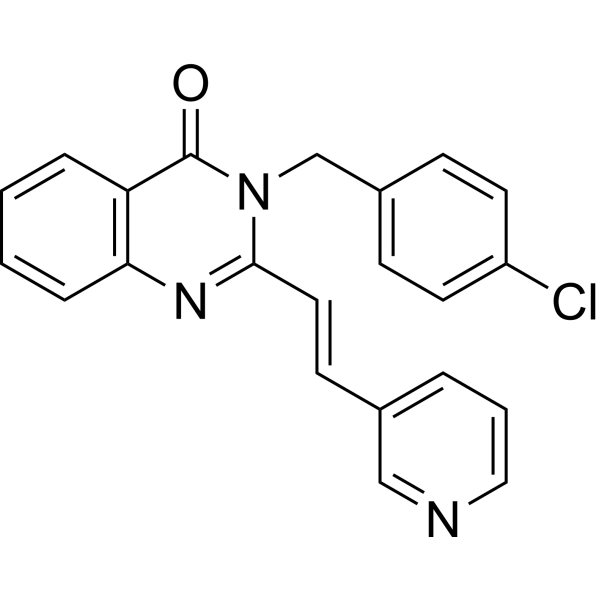
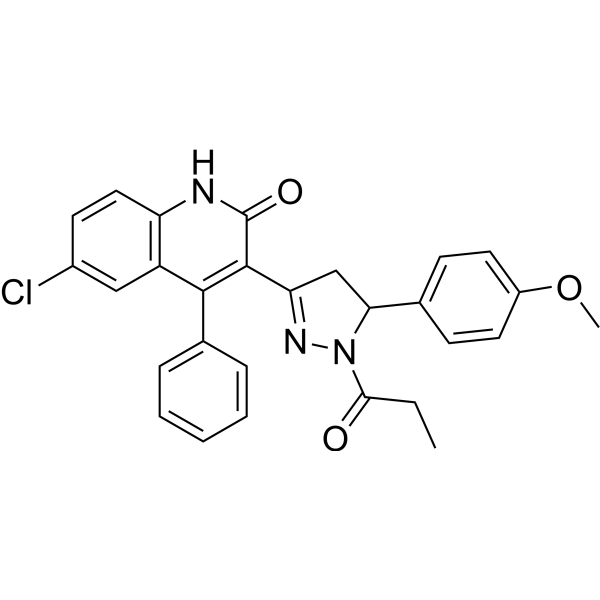 0 ImagesHomologous recombination-IN-1 is a novel RAD51-BRCA2 protein-protein interaction inhibitor (EC50=19 μM). Homologous recombination-IN-1 can interfere with homologous recombination.
-
RI(dl)-2 TFA
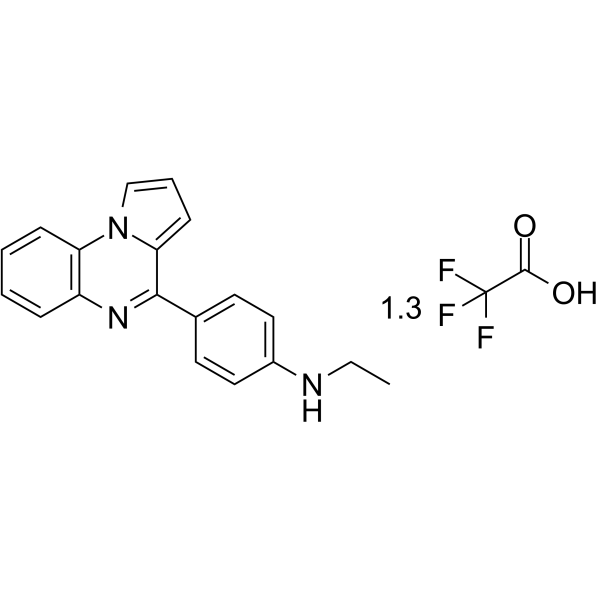 0 ImagesCat. No.: HY-126972APurity: 98.8%RI(dl)-2 TFA is a potent and selective RAD51-mediated D-loop formation inhibitor with an IC50 of 11.1 μM. RI(dl)-2 TFA does not influence RAD51 binding to ssDNA and inhibits homologous recombination (HR) activity in human cells (IC50 of 3.0 μM).