



Parasitic Infection
-
Parasitic Infection (951)

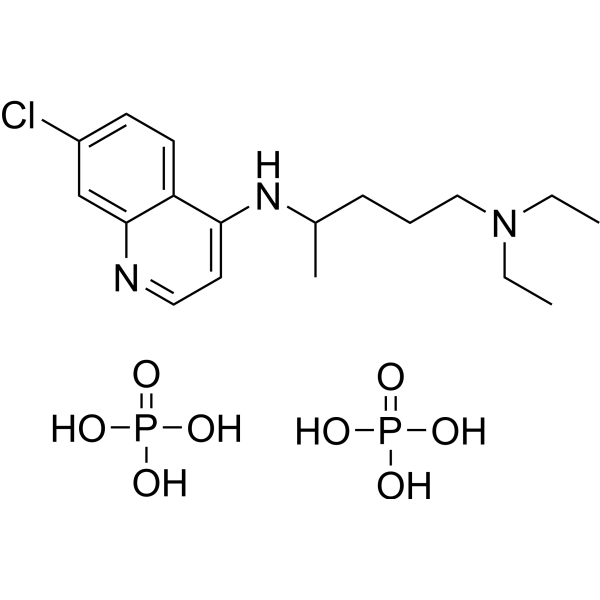
- Formula: C18H32ClN3O8P2
- Molecular Weight: 515.86
Chloroquine phosphate is an antimalarial and anti-inflammatory agent widely used to treat malaria and rheumatoid arthritis. Chloroquine phosphate is an autophagy and toll-like receptors (TLRs) inhibitor. Chloroquine phosphate is highly effective in the control of SARS-CoV-2 (COVID-19) infection in vitro (EC50=1.13 μM).
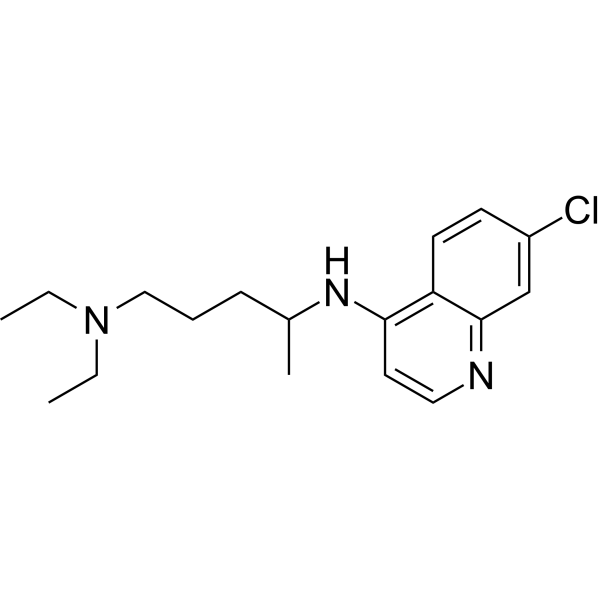
- Formula: C18H26ClN3
- Molecular Weight: 319.87
Chloroquine is an antimalarial and anti-inflammatory agent widely used to treat malaria and rheumatoid arthritis. Chloroquine is an autophagy and toll-like receptors (TLRs) inhibitor. Chloroquine is highly effective in the control of SARS-CoV-2 (COVID-19) infection in vitro (EC50=1.13 μM).
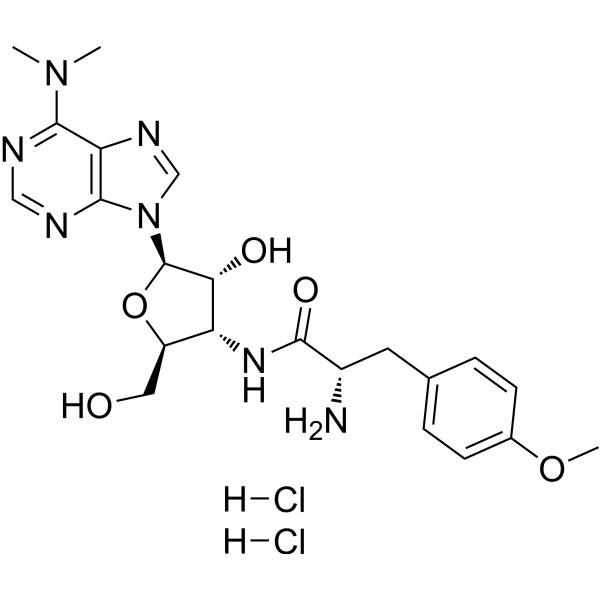
- Formula: C22H31Cl2N7O5
- Molecular Weight: 544.43
Puromycin dihydrochloride (CL13900 dihydrochloride), an aminonucleoside antibiotic, inhibits protein synthesis.

- Formula: C22H29N7O5
- Molecular Weight: 471.51
Puromycin dihydrochloride is the dihydrochloride salt of puromycin. Puromycin is an aminoglycoside antibiotic that inhibits protein synthesis.
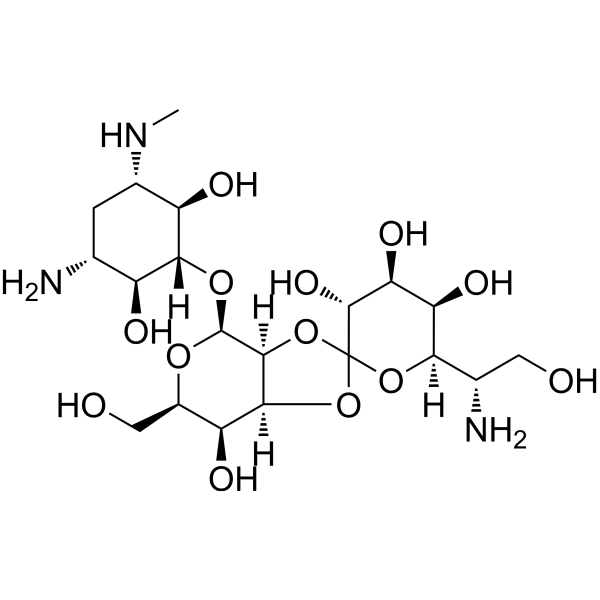
- Formula: C20H37N3O13
- Molecular Weight: 527.52
Hygromycin B is an aminoglycoside antibiotic active against prokaryotic and eukaryotic cells.
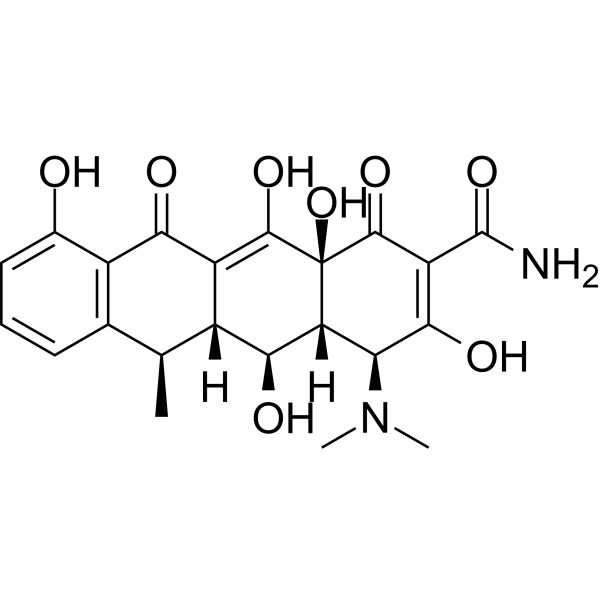
- Formula: C22H24N2O8
- Molecular Weight: 444.43
Doxycycline, an antibiotic, is an orally active and broad-spectrum metalloproteinase (MMP) inhibitor. Doxycycline shows antibacterial activity and anti-cancer cell proliferation activity.
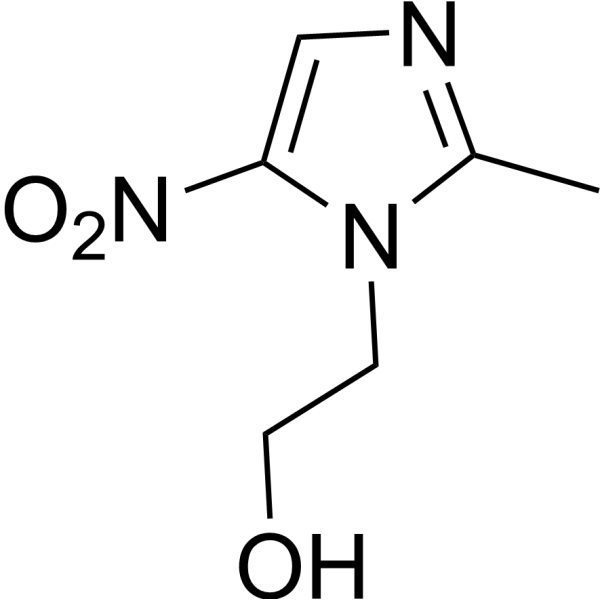
- Formula: C6H9N3O3
- Molecular Weight: 171.16
Metronidazole is an orally active nitroimidazole antibiotic. Metronidazole can cross blood brain barrier. Metronidazole can be used for the research of anaerobic infections.
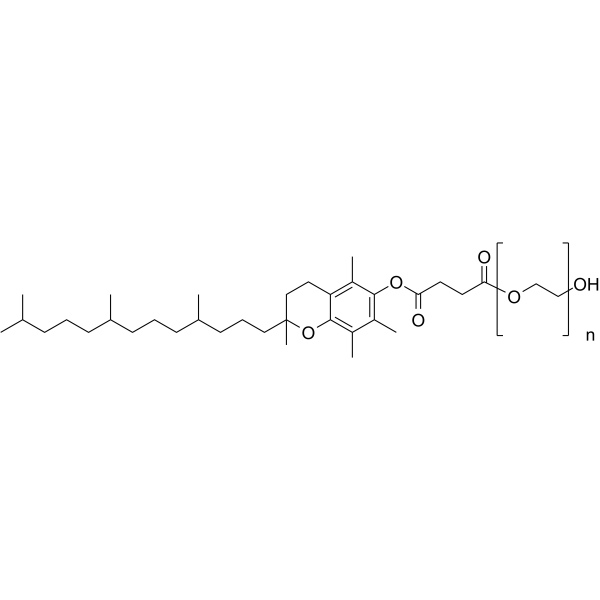
- Formula: C35H58O6
- Molecular Weight: 1513.00
Tocofersolan is synthetic polyethylene glycol derivative of α-tocopherol. Tocofersolan is an orally active and water-soluble analog of vitamin E. Tocofersolan can reduce neurobehavioral deficits in zebrafish embryos exposed to moderate and high concentrations of BaP during early development. Tocofersolan shows antioxidant activity. Tocofersolan can be used to provide an orally bioavailable source of vitamin E.
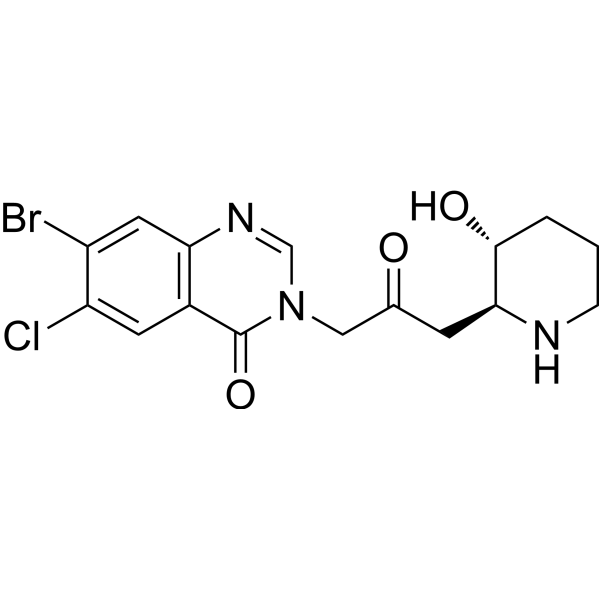
- Formula: C16H17BrClN3O3
- Molecular Weight: 414.68
Halofuginone (RU-19110), a Febrifugine derivative, is a competitive prolyl-tRNA synthetase inhibitor with a Ki of 18.3 nM. Halofuginone is a specific inhibitor of type-I collagen synthesis and attenuates osteoarthritis (OA) by inhibition of TGF-β activity. Halofuginone is also a potent pulmonary vasodilator by activating Kv channels and blocking voltage-gated, receptor-operated and store-operated Ca2+ channels. Halofuginone has anti-malaria, anti-inflammatory, anti-cancer, anti-fibrosis effects.
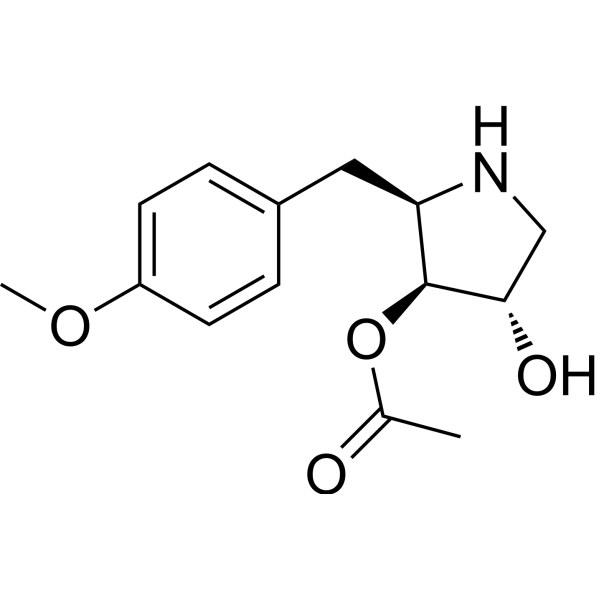
- Formula: C14H19NO4
- Molecular Weight: 265.31
Anisomycin is a potent protein synthesis inhibitor which interferes with protein and DNA synthesis by inhibiting peptidyl transferase or the 80S ribosome system. Anisomycin is a JNK activator, which increases phospho-JNK. Anisomycin is a bacterial antibiotic.
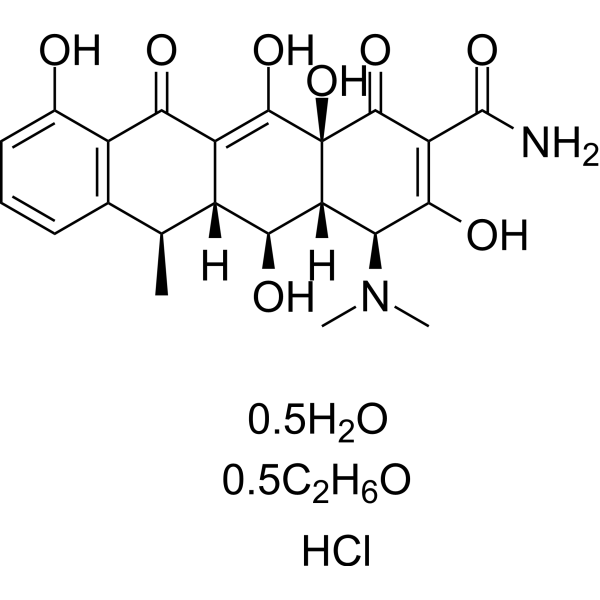
- Formula: C23H29ClN2O9
- Molecular Weight: 512.94
Doxycycline hyclate, an antibiotic, is an orally active and broad-spectrum metalloproteinase (MMP) inhibitor. Doxycycline hyclate shows antibacterial activity and anti-cancer cell proliferation activity. Doxycycline hyclate can be used to construct gene expression regulation models.
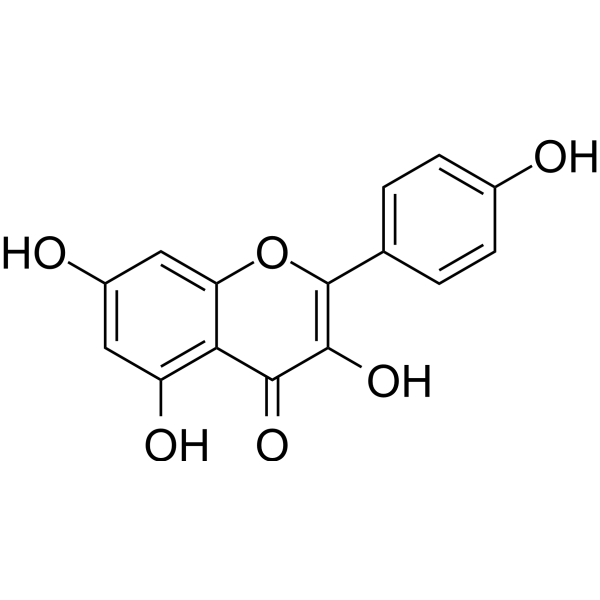
- Formula: C15H10O6
- Molecular Weight: 286.24
Kaempferol (Kempferol), a flavonoid found in many edible plants, inhibits estrogen receptor α expression in breast cancer cells and induces apoptosis in glioblastoma cells and lung cancer cells by activation of MEK-MAPK. Kaempferol can be uesd for the research of breast cancer.
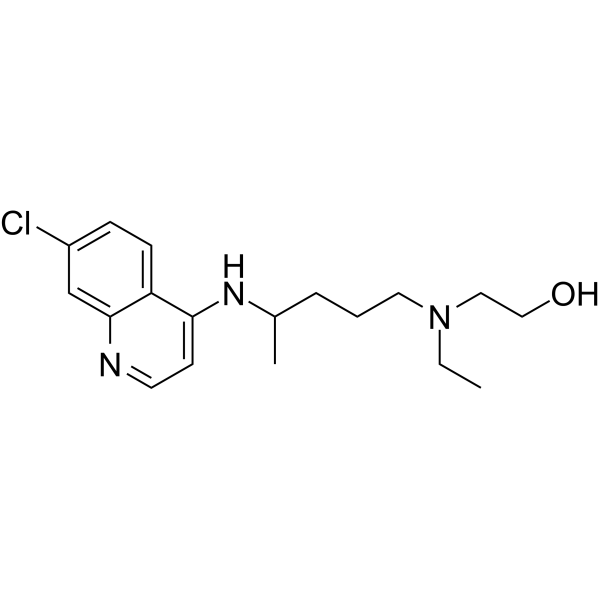
- Formula: C18H26ClN3O
- Molecular Weight: 335.87
Hydroxychloroquine (HCQ) is a synthetic oral antimalarial drug that can be used in the study of malaria and autoimmune diseases such as systemic lupus erythematosus and rheumatoid arthritis. Hydroxychloroquine is a potent autophagic flux inhibitor with antiviral activity (such as SARS-CoV-2 virus) that inhibits Toll-like receptor 7/9 (TLR7/9) signaling.
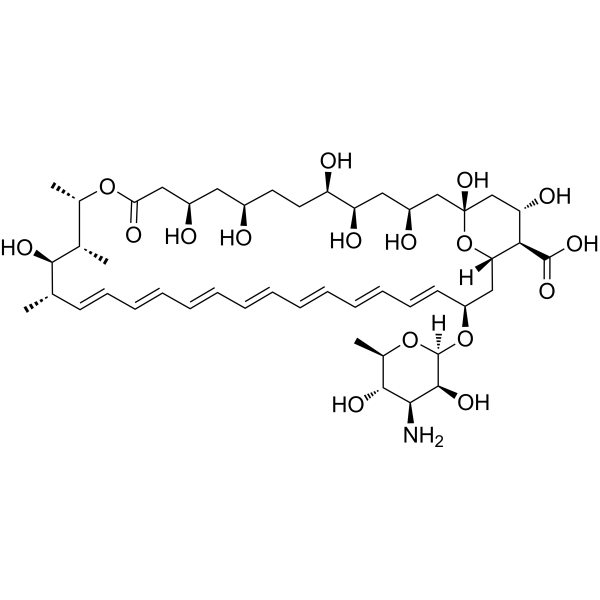
- Formula: C47H73NO17
- Molecular Weight: 924.08
Amphotericin B is a polyene antifungal agent against a wide variety of fungal pathogens. It binds irreversibly to ergosterol, resulting in disruption of membrane integrity and ultimately cell death.
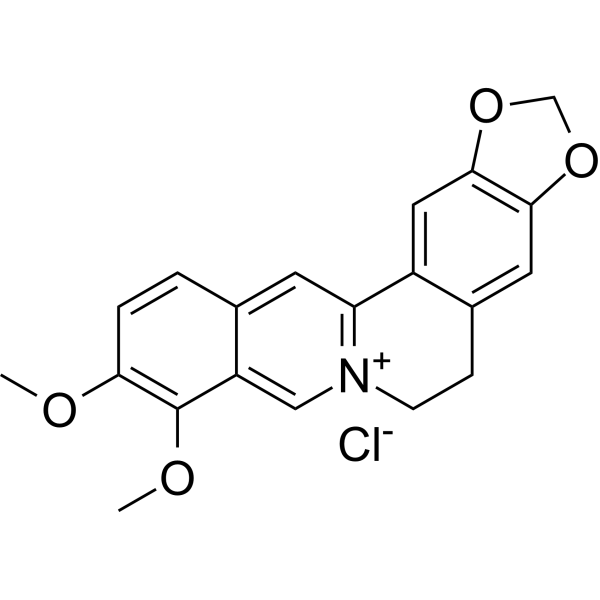
- Formula: C20H18ClNO4
- Molecular Weight: 371.81
Berberine chloride is an alkaloid that acts as an antibiotic. Berberine chloride induces reactive oxygen species (ROS) generation and inhibits DNA topoisomerase. Antineoplastic properties.
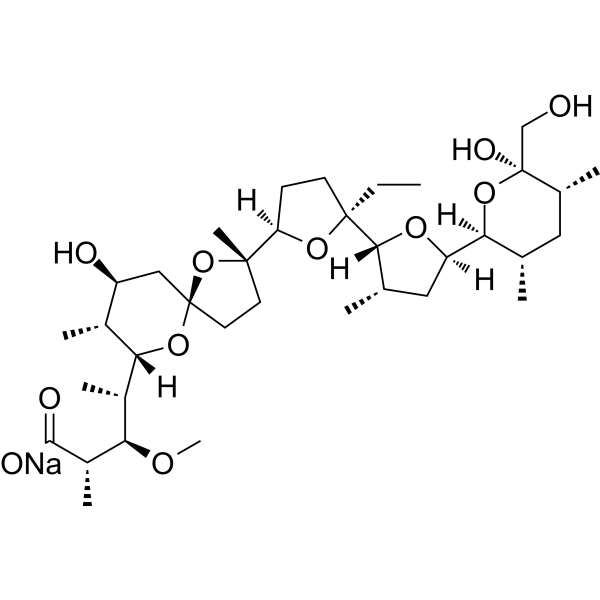
- Formula: C36H61NaO11
- Molecular Weight: 692.85
Monensin (Monensin A) sodium, an orally active antibiotic, is an ionophore that mediates Na+/H+ exchange. Monensin sodium is a potent Wnt signaling inhibitor. Monensin sodium causes a marked enlargement of the multivesicular bodies (MVBs) and regulates exosome secretion. Monensin sodium can be used for bacterial, fungal, and parasitic infections research, and shows anticancer effects.
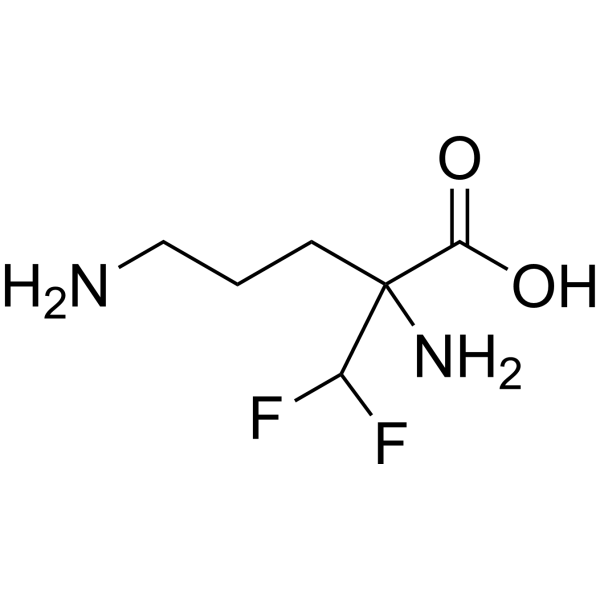
- Formula: C6H12F2N2O2
- Molecular Weight: 182.17
Eflornithine is a specific, irreversible inhibitor of the enzyme ornithine decarboxylase. Eflornithine is a medication for the treatment of African trypanosomiasis and excessive facial hair growth in women.
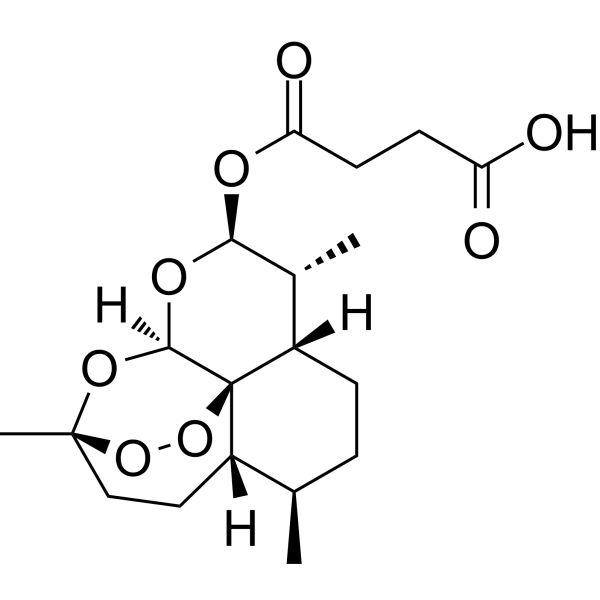
- Formula: C19H28O8
- Molecular Weight: 384.42
Artesunate is an inhibitor of both STAT-3 and exported protein 1 (EXP1).
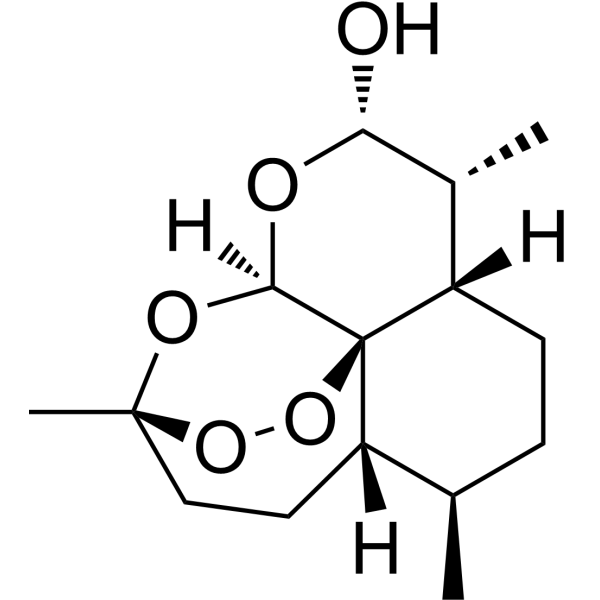
- Formula: C15H24O5
- Molecular Weight: 284.35
Dihydroartemisinin is an orally active metabolite of rtemisinin (HY-B0094) and antimalarial agent. Dihydroartemisinin induces Autophagy by inhibiting NF-κB activation. Dihydroartemisinin promotes ROS accumulation. Dihydroartemisinin exhibits anticancer activity in esophageal cancer cells. Dihydroartemisinin shows schistosomicidal activity against juvenile and adult worms of Schistosoma japonicum, reduces worm burden, and displays antiparasitic activity. Dihydroartemisinin can be used in research related to multiple myeloma, promyelocytic leukemia, esophageal cancer, and Schistosoma japonicum infection.
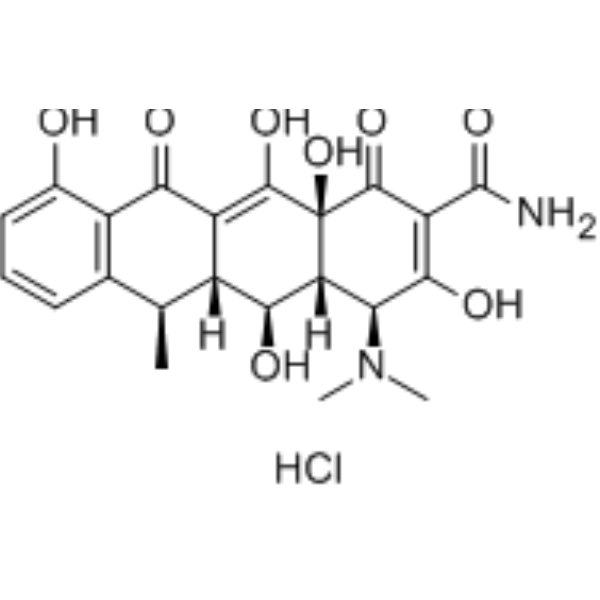
- Formula: C22H25ClN2O8
- Molecular Weight: 480.90
Doxycycline hydrochloride, an antibiotic, is an orally active and broad-spectrum metalloproteinase (MMP) inhibitor. Doxycycline hydrochloride shows antibacterial activity and anti-cancer cell proliferation activity. Doxycycline hydrochloride can be used to construct gene expression regulation models.



