



Plasmodium Infection
-
Plasmodium Infection (126)

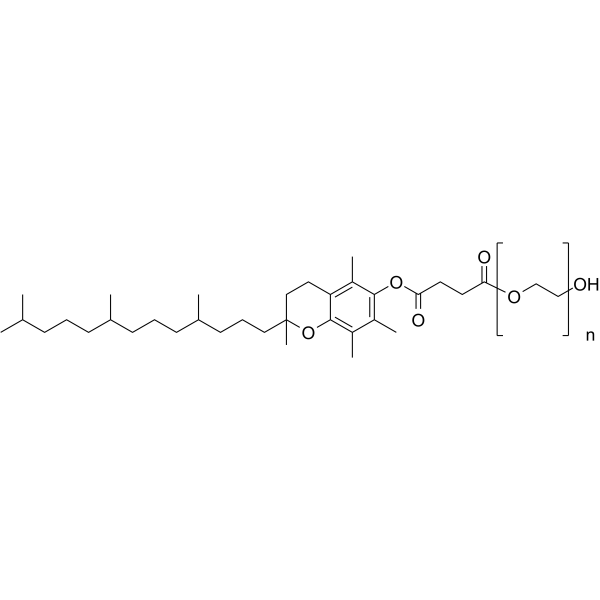
- Formula: C35H58O6
- Molecular Weight: 1513.00
Tocofersolan is synthetic polyethylene glycol derivative of α-tocopherol. Tocofersolan is an orally active and water-soluble analog of vitamin E. Tocofersolan can reduce neurobehavioral deficits in zebrafish embryos exposed to moderate and high concentrations of BaP during early development. Tocofersolan shows antioxidant activity. Tocofersolan can be used to provide an orally bioavailable source of vitamin E.
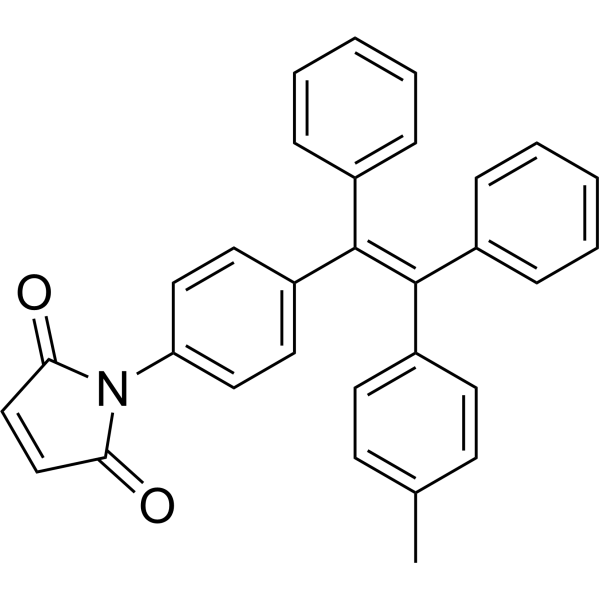
- Formula: C31H23NO2
- Molecular Weight: 441.52
TPE-MI (Tetraphenylethene maleimide) is a thiol probe for measuring unfolded protein load and proteostasis in cells (the excitation wavelength is 350 nm and the emission wavelength is 470 nm). TPE-MI can report imbalances in proteostasis in induced pluripotent stem cell models of Huntington disease, as well as cells transfected with mutant Huntington exon 1 before the formation of visible aggregates. TPE-MI also detects protein damage following dihydroartemisinin research of the malaria parasites Plasmodium falciparum .

Zymolyase, Arthrobacter luteus, is a zymolyase mainly found in Arthrobacter luteus. Enzyme, an enzyme with beta-1,3 glucanase activity, removes the electron-dense outer layer of the Plasmodium karinii cell wall, exposing an electron-lucent layer.
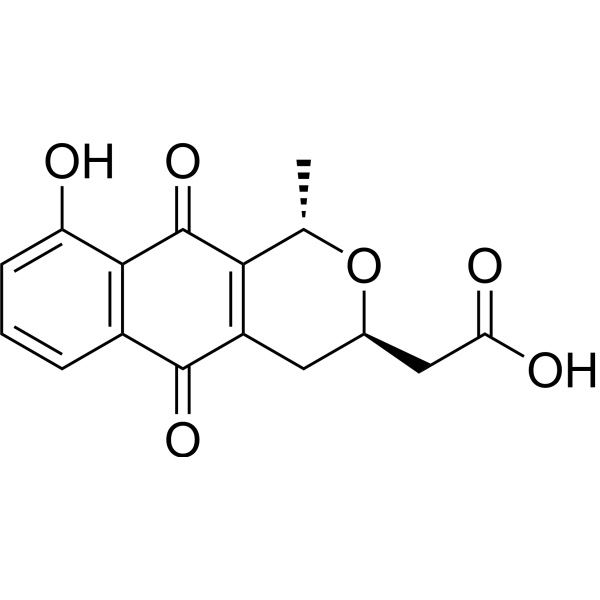
- Formula: C16H14O6
- Molecular Weight: 302.28
Nanaomycin A is a selective DNMT3B inhibitor with an IC50 of 500 nM. Nanaomycin A inhibits the in vitro growth of human Plasmodium falciparum with an IC80 of 33.1 nM.
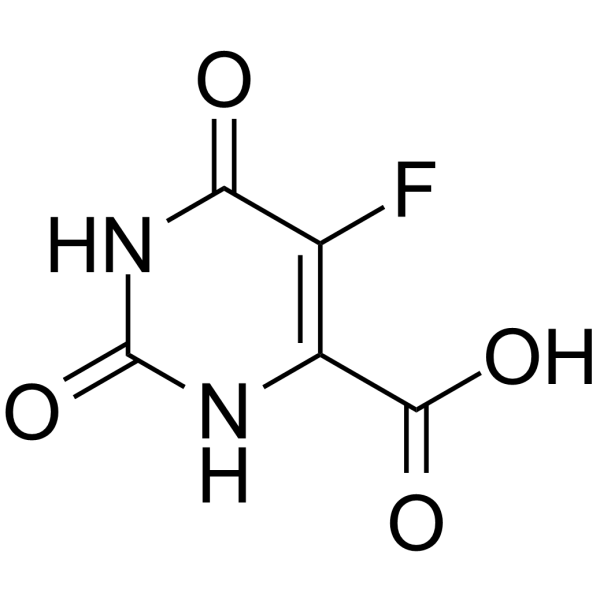
- Formula: C5H3FN2O4
- Molecular Weight: 174.09
5-Fluoroorotic acid is the inhibitor for thymidylate synthase that acts as a selective agent in yeast molecular genetics. 5-Fluoroorotic acid exhibits antimalarial activity.
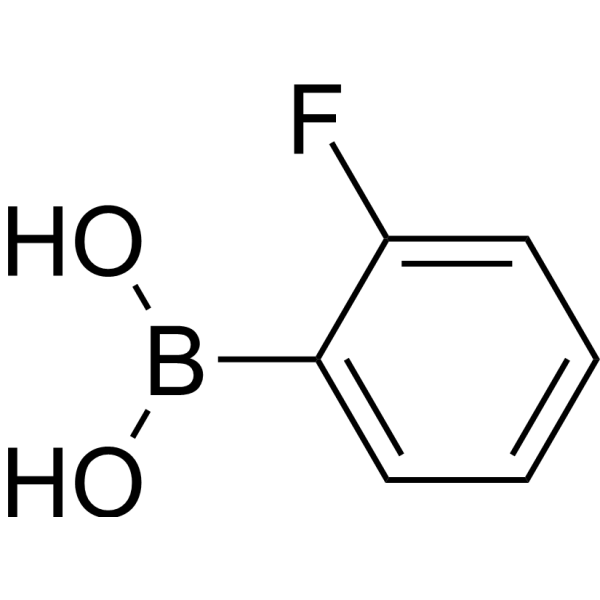
- Formula: C6H6BFO2
- Molecular Weight: 139.92
2-Fluorophenylboronic acid is an organic synthesis intermediate belonging to the fluorinated arylboronic acid class. The electron-withdrawing fluorine substituent in 2-Fluorophenylboronic acid reduces its pKa, thereby enhancing boronate bond formation with diols. 2-Fluorophenylboronic acid serves as a key synthetic intermediate for inhibitors of Plasmodium phosphatidylinositol 4-kinase IIIβ (PI4K). 2-Fluorophenylboronic acid can also be used to functionalize linear polyglycerols for constructing dual dynamic covalent cross-linked hydrogels that support 3D tumor spheroid culture of various cancer cells. 2-Fluorophenylboronic acid is applicable to research related to malaria and tumors.
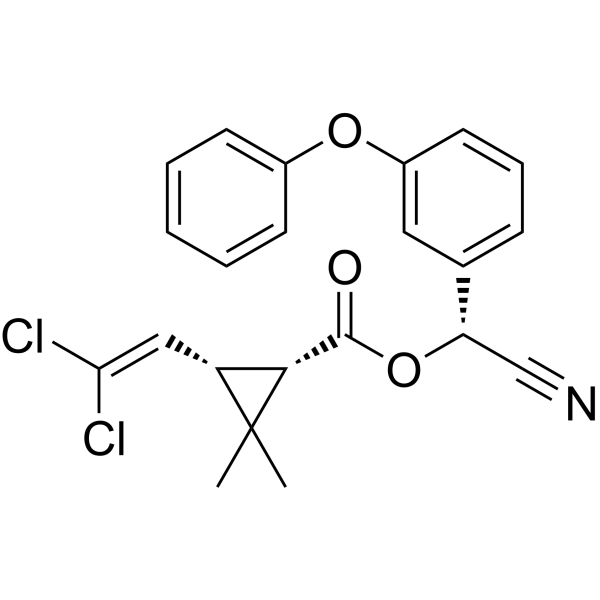
- Formula: C22H19Cl2NO3
- Molecular Weight: 416.30
Alpha-Cypermethrin (FMC 45497; Fendona; WL 85871) is a type II pyrethroid insecticide. Alpha-Cypermethrin acts by delaying the inactivation of voltage-gated sodium channels, prolonging sodium tail currents, and triggering repetitive neural discharges. Alpha-Cypermethrin exhibits knockdown and lethal activity against target insects such as Musca domestica and Anopheles culicifacies. Alpha-Cypermethrin induces neurotoxicity in mammals, alters placental and fetal neurodevelopment, and causes acute mortality in fish. Alpha-Cypermethrin can be used in studies related to neurotoxicity, vector-borne diseases, and malaria.

- Formula: C15H24O5
- Molecular Weight: 284.35
Dihydroartemisinin (Standard) (Dihydroqinghaosu (Standard)) is the analytical standard of Dihydroartemisinin (HY-N0176). This product is intended for research and analytical applications. Dihydroartemisinin is an orally active metabolite of rtemisinin (HY-B0094) and antimalarial agent. Dihydroartemisinin induces Autophagy by inhibiting NF-κB activation. Dihydroartemisinin promotes ROS accumulation. Dihydroartemisinin exhibits anticancer activity in esophageal cancer cells. Dihydroartemisinin shows schistosomicidal activity against juvenile and adult worms of Schistosoma japonicum, reduces worm burden, and displays antiparasitic activity. Dihydroartemisinin can be used in research related to multiple myeloma, promyelocytic leukemia, esophageal cancer, and Schistosoma japonicum infection.
- Molecular Weight: 150 kDa
Anti-Mouse IL-10R/CD210 Antibody (1B1.3A) is a rat-derived IgG1 κ type antibody inhibitor, targeting to mouse IL-10R/CD210. Anti-Mouse IL-10R/CD210 Antibody (1B1.3A) blocks IL-10R signaling. Anti-Mouse IL-10R/CD210 Antibody (1B1.3A) can be used for the researches of cancer, infection and metabolic disease, such as diabetes and malaria.
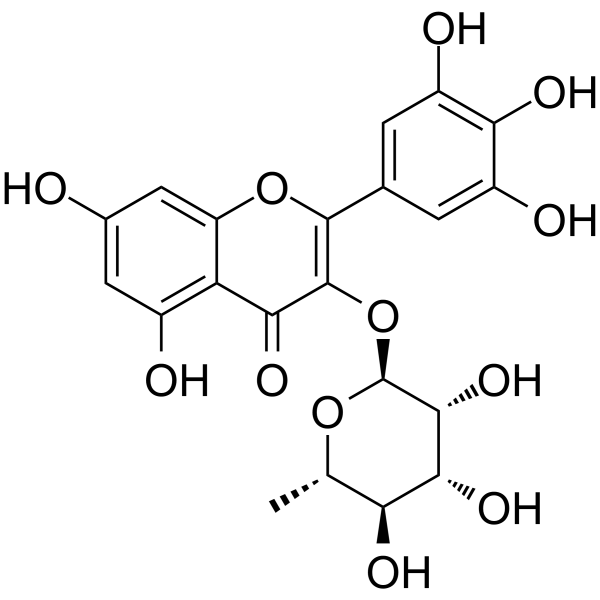
- Formula: C21H20O12
- Molecular Weight: 464.38
Myricitrin, a naturally occurring flavonoid, is an orally active nitric oxide (NO) and PKC inhibitor. Myricitrin has central nervous system activity, including anxiolytic-like action. Myricitrin possesses antioxidant, anti-inflammatory, antifibrotic and anti-malarial effects.

- Formula: NaVO3
- Molecular Weight: 121.93
Sodium metavanadate, 99% (Sodium vanadate (V), 99%) is an orally active phosphate structural analog and protein tyrosine phosphatase (PTPases) inhibitor. Sodium metavanadate, 99% mimics phosphate to interfere with phosphoprotein reactions, inhibits GAPDH, Na+/K+-ATPase and microbial membrane ATPase, and acts as a terminal electron acceptor for anaerobic respiration. Sodium metavanadate, 99% induces ROS production, G2/M phase arrest, mitochondrial membrane potential loss and apoptosis in breast cancer cells, and reduces tumor volume in tumor-bearing mice. Sodium metavanadate, 99% also exhibits oral insulin-sensitizing and metabolic regulatory activities, and reduces plasmodium parasitemia levels. Sodium metavanadate, 99% can be used in studies related to cadmium exposure-induced metabolic syndrome, plasmodium infection, breast cancer and type 1 diabetes.
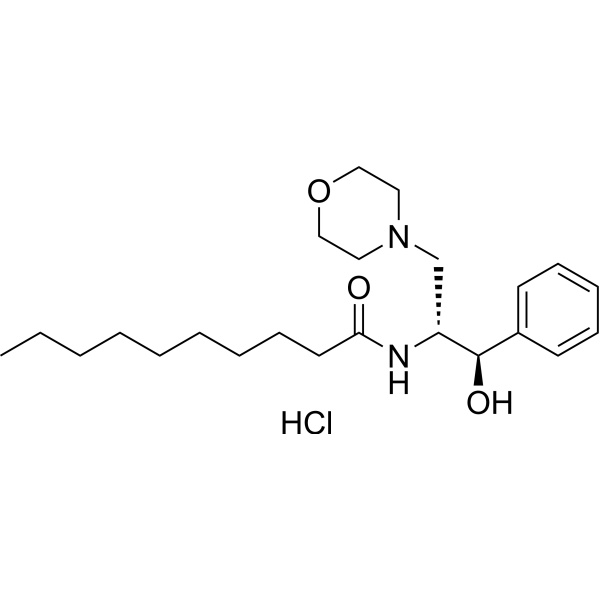
- Formula: C23H39ClN2O3
- Molecular Weight: 427.02
DL-threo-PDMP hydrochloride is a competitive glucosylceramide synthase (GCS) inhibitor and antimalarial agent. DL-threo-PDMP hydrochloride competitively inhibits the activity of GCS. DL-threo-PDMP hydrochloride restores cisplatin sensitivity in cisplatin-resistant testicular germ cell tumor cells. DL-threo-PDMP hydrochloride blocks the growth of ring-stage Plasmodium falciparum parasites.
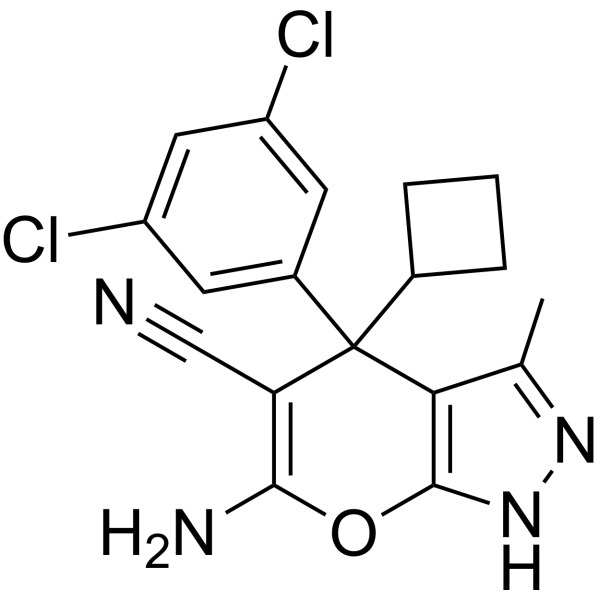
- Formula: C18H16Cl2N4O
- Molecular Weight: 375.25
SHMT-IN-1 is a Plasmodium falciparum Serine Hydroxymethyltransferase (PfSHMT) inhibitor with an IC50 of 350 nM. SHMT-IN-1 can be used for the research of malaria.
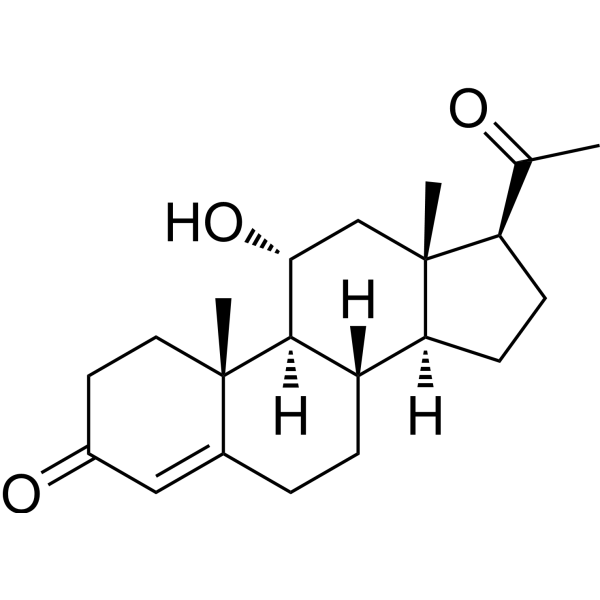
- Formula: C21H30O3
- Molecular Weight: 330.46
11alpha-Hydroxyprogesterone is a naturally occurring steroid hormone and an 11β-hydroxysteroid dehydrogenase (11β-HSD) inhibitor. 11alpha-Hydroxyprogesterone decreases FAK protein expression and regulates epithelial-mesenchymal transition, cell migration, and cell invasion. 11alpha-Hydroxyprogesterone exhibits antiandrogenic and blood pressure-regulating activities. 11alpha-Hydroxyprogesterone is used in the research of breast cancer and malaria.
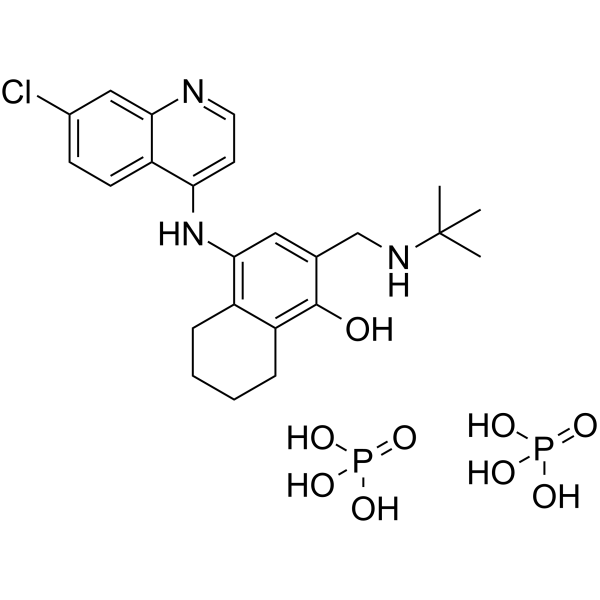
- Formula: C24H34ClN3O9P2
- Molecular Weight: 605.94
Naphthoquine phosphate is an orally active antimalarial and antiviral agent. Naphthoquine phosphate exhibits ex vivo activity against multidrug-resistant Plasmodium falciparum and Plasmodium vivax, preferentially targeting ring-stage rather than trophozoite-stage parasites. Naphthoquine phosphate inhibits coronavirus (SARS-CoV-2, HCoV-OC43, HCoV-229E) replication by affecting viral entry and post-entry replication. Naphthoquine phosphate is used for research on malaria and Covid-19.
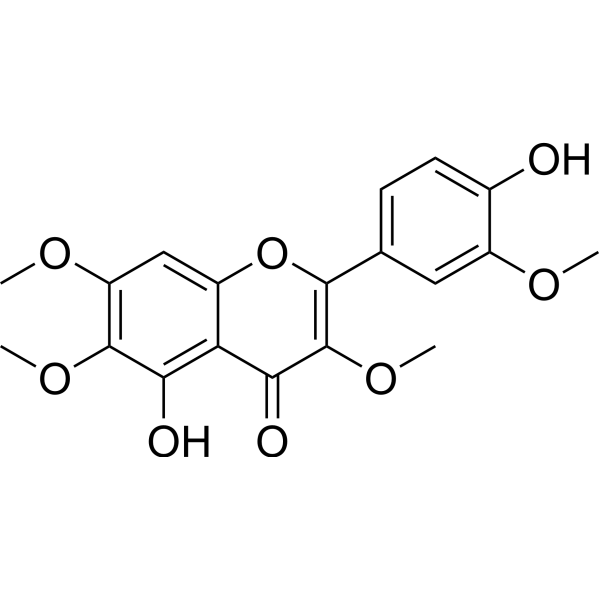
- Formula: C19H18O8
- Molecular Weight: 374.34
Chrysosplenetin is an orally active polymethoxyflavone. Chrysosplenetin exerts anticancer effects by inhibiting topoisomerase, protecting DNA and inducing apoptosis. Chrysosplenetin acts as an antimalarial sensitizer, reverses Artemisinin (HY-B0094) resistance by inhibiting and downregulating P-glycoprotein, and enhances the efficacy of Artemisinin. Chrysosplenetin promotes bone formation by activating the Wnt/β-catenin pathway and exerts anti-osteoporotic effects.
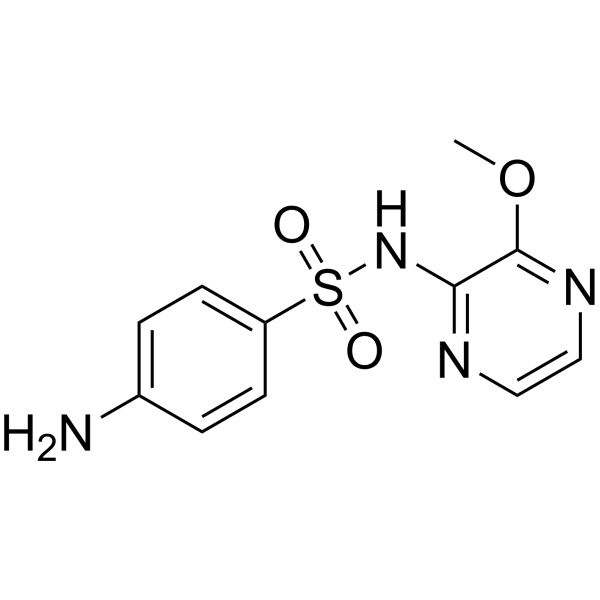
- Formula: C11H12N4O3S
- Molecular Weight: 280.30
Sulfalene (Sulfametopyrazine) is an orally active antimalarial agent. Sulfalene competes with para-aminobenzoic acid in plasmodial and bacterial folic acid synthesis pathways. Sulfalene reduces trachoma-associated pathological changes. Sulfalene can be used for the research of acute falciparum malaria, Schistosoma mansoni infection, trachoma, chronic bronchitis, and bacteriuria in pregnancy.
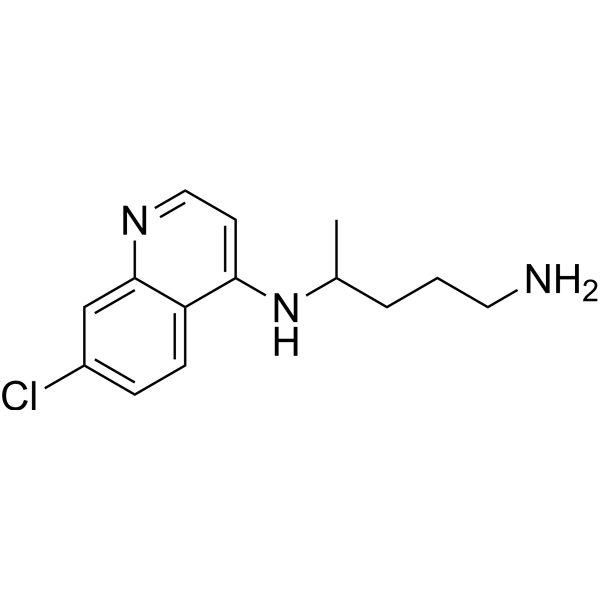
- Formula: C14H18ClN3
- Molecular Weight: 263.77
Didesethyl chloroquine (Bisdesethylchloroquine) is the major metabolite of the antimalarial agent Chloroquine (HY-17589A). Didesethyl chloroquine is a potent myocardial inhibitor. Didesethyl chloroquine reduces calcium binding and accumulation in cardiac mitochondria, induces mitochondrial swelling, rupture and membrane conformational changes. Didesethyl chloroquine inhibits the growth of Plasmodium falciparum strains. Didesethyl chloroquine can be used in research related to malaria, chikungunya virus infection, and cardiovascular and cerebrovascular diseases.
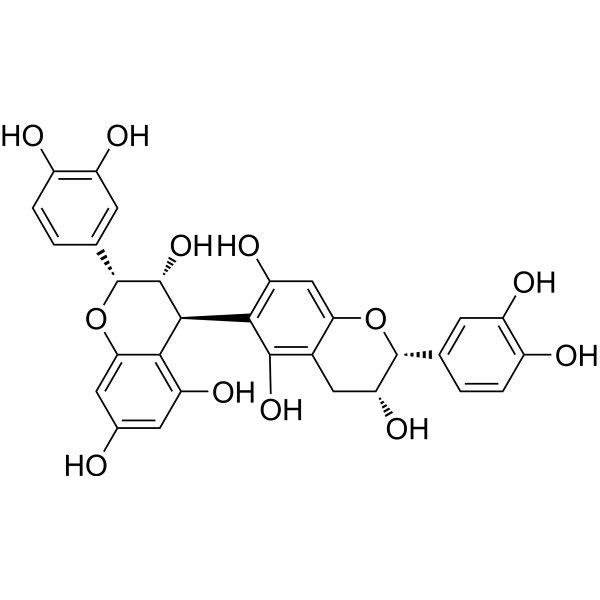
- Formula: C30H26O12
- Molecular Weight: 578.52
Procyanidin B5 is an antioxidant with a IC50 of 0.1 mM in lipid peroxidation assays using mouse liver homogenates. Procyanidin B5 scavenges superoxide anions and hydroxyl radicals, and inhibits lipid peroxidation. Procyanidin B5 can be used in research related to cardiovascular diseases, cancer, and malaria.
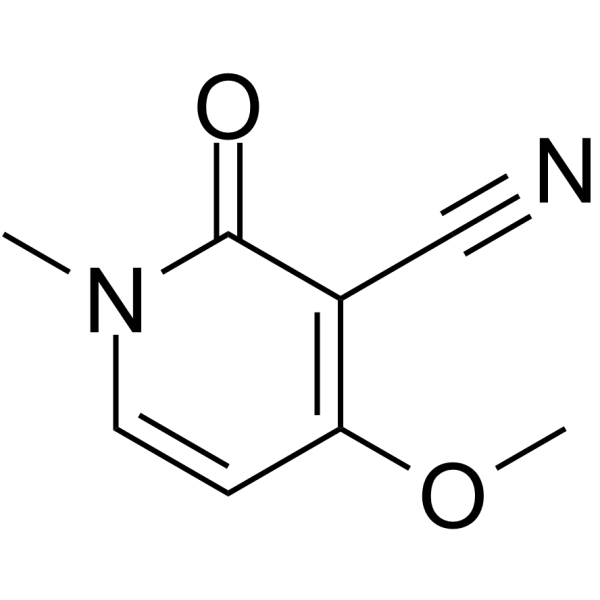
- Formula: C8H8N2O2
- Molecular Weight: 164.16
Ricinine is a central nervous system stimulant found in Ricinus communis. Ricinine binds near the benzodiazepine site of the GABAA receptor, reducing benzodiazepine binding affinity through an allosteric effect, and shows no interaction with AMPA, 5-HT1A, muscarinic receptors, or α1 adrenergic receptors. Ricinine improves memory consolidation in mice at low doses, while at high doses it induces seizures, an effect that is selectively inhibited by diazepam. Ricinine shortens the lifespan of Anopheles mosquitoes through sugar feeding and promotes the development of Plasmodium falciparum in mosquitoes. Ricinine is used in research related to epilepsy, amnesia, and malaria.



