



Metronidazole
Based on 79 publication(s) in Google Scholar
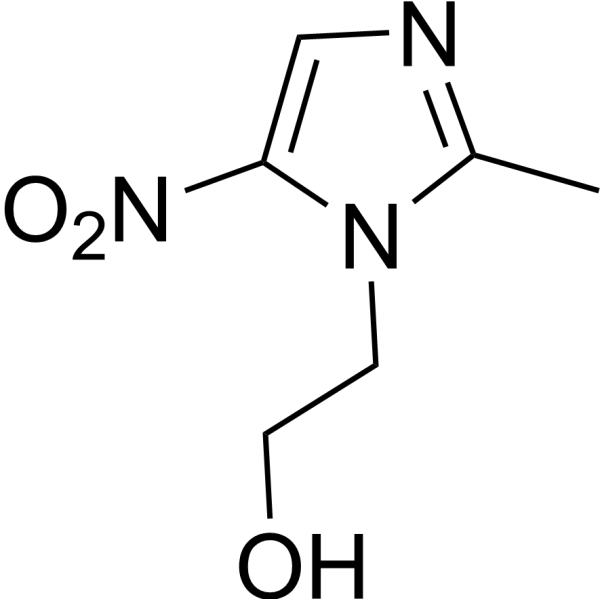
Metronidazole is an orally active nitroimidazole antibiotic. Metronidazole can cross blood brain barrier. Metronidazole can be used for the research of anaerobic infections.
For research use only. We do not sell to patients.
- Purity : 99.98%
- CAS No.: 443-48-1
- Formula: C6H9N3O3
- Molecular Weight:171.16
-
Storage:
4°C, protect from light
* In solvent : -80°C, 1 year; -20°C, 6 months (protect from light)

To place orders, for customer services and technical support, please contact: MedChemExpress USA
Tel: 609-228-6898 E-mail: [email protected] [email protected]


-
 Biological Activity
-
Chemical Information
-
Solvent & Solubility
- Purity & Documentation
- References
-
 Help & FAQs


-
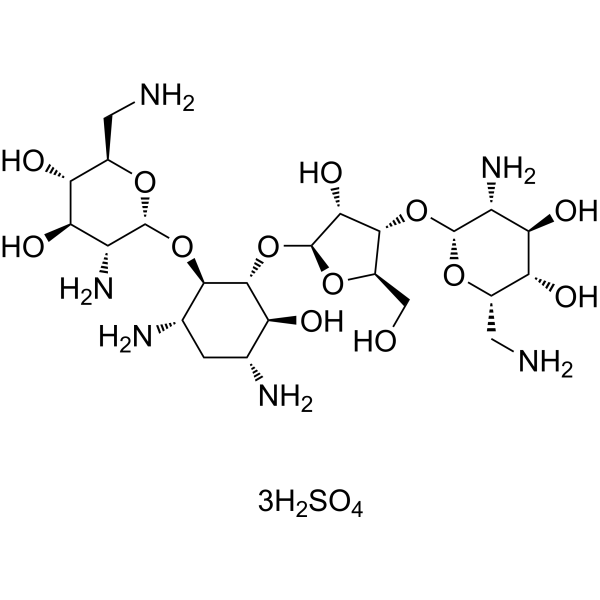
HY-B0470
Neomycin sulfatePhospholipase C Inhibitor, Angiogenesis Modulator -
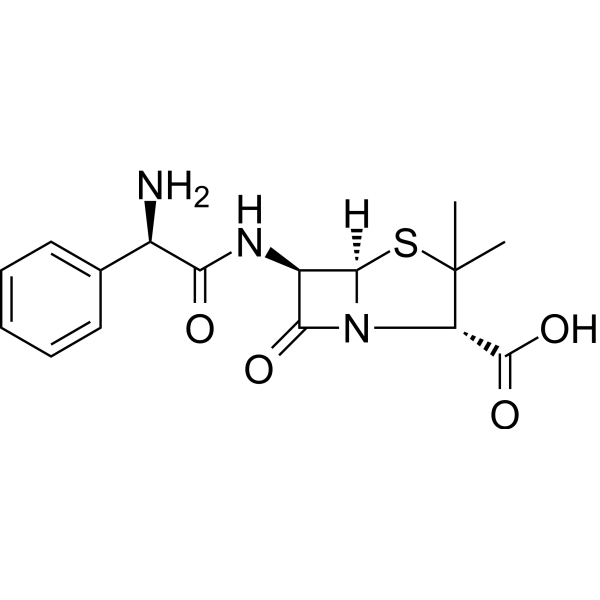
HY-B0522
AmpicillinBacterial Inhibitor -
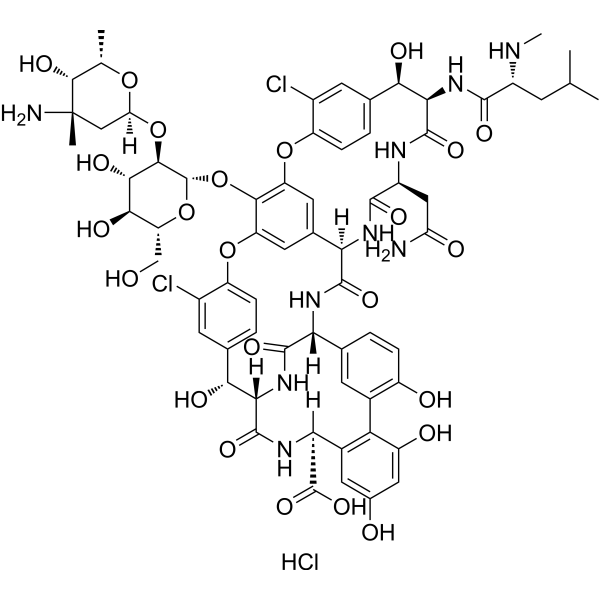
HY-17362
Vancomycin hydrochlorideAntibiotic -
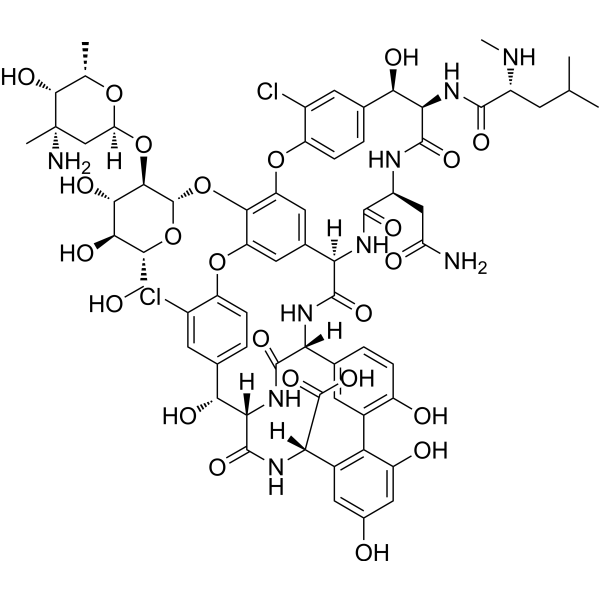
HY-B0671
VancomycinAntibiotic -
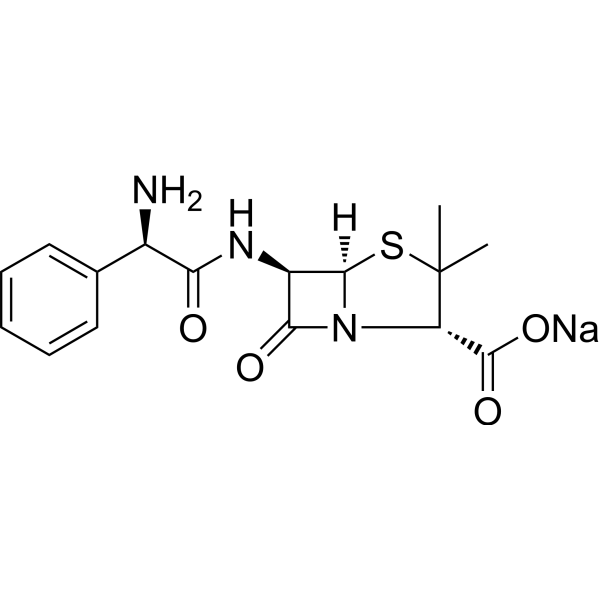
HY-B0522A
Ampicillin sodiumBacterial Inhibitor -
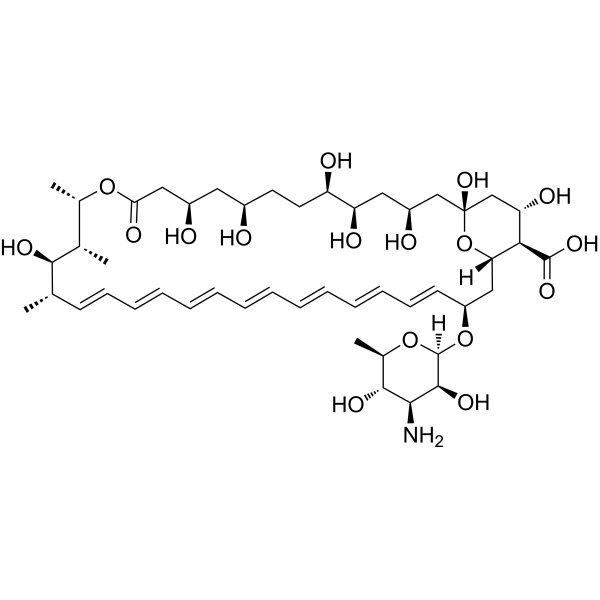
HY-B0221
Amphotericin BAntifungal Agent -

HY-B0318R
Metronidazole (Standard)Antibiotic -
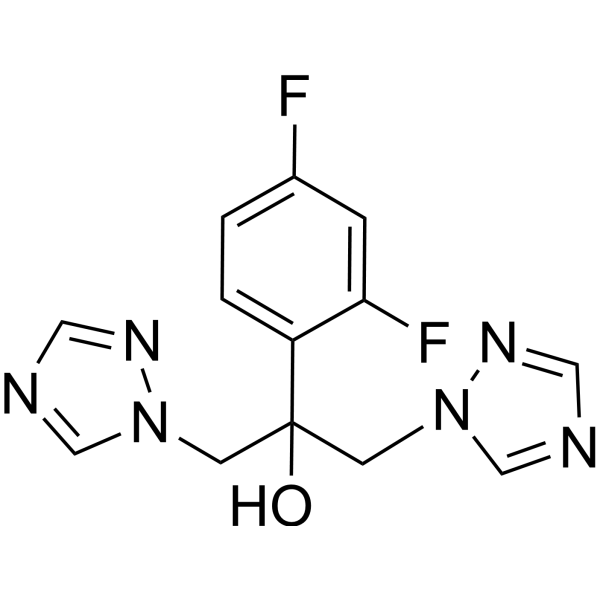
HY-B0101
FluconazoleAntifungal Agent -
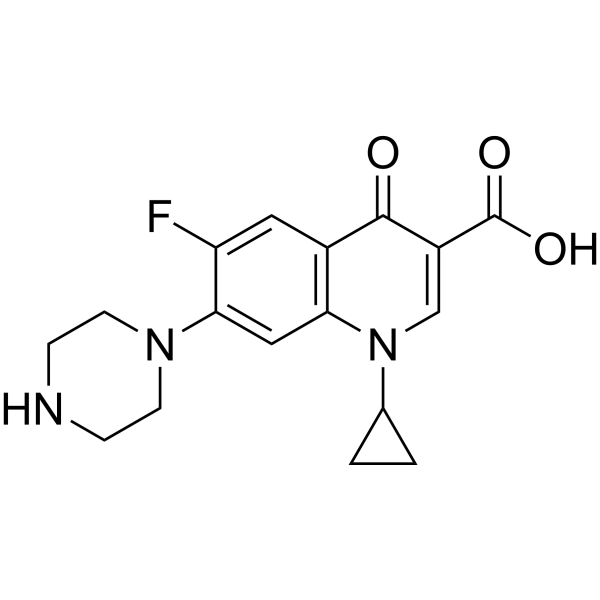
HY-B0356
CiprofloxacinTopoisomerase IV Inhibitor -
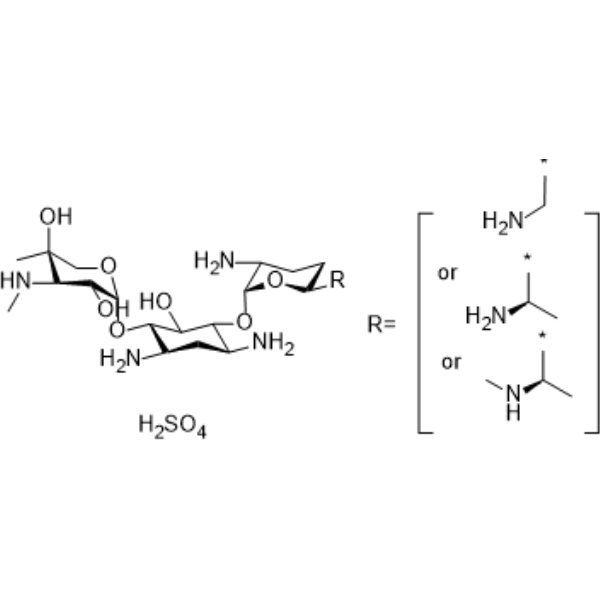
HY-A0276
Gentamicin sulfateAminoglycoside Antibiotic -
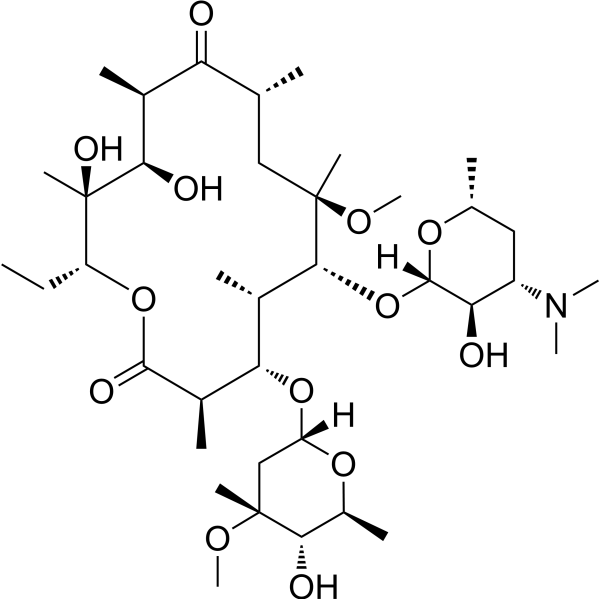
HY-17508
ClarithromycinAntimicrobial Agent -
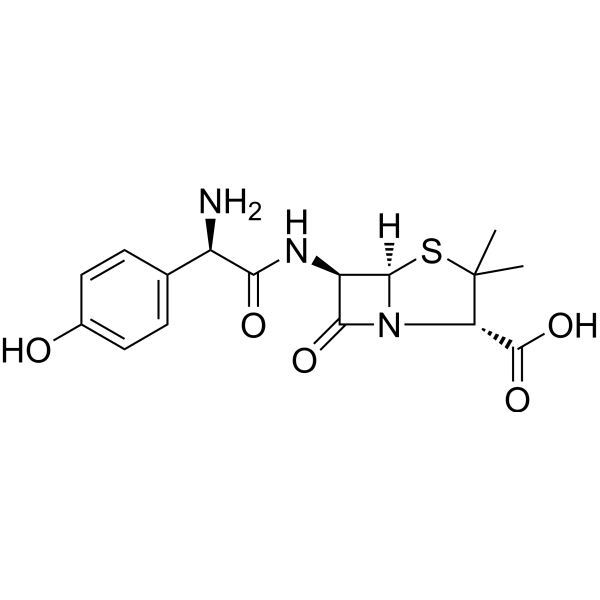
HY-B0467A
AmoxicillinAntibiotic
Publications Citing Use of MedChemExpress (MCE) Metronidazole
More- Cancer Cell. 2025 Sep 25:S1535-6108(25)00394-0. [Abstract]
- Science. 2026 Mar 19;391(6791):eadu7686. [Abstract]
- Cell Metab. 2025 Jan 7;37(1):87-103.e10. [Abstract]
- Cell Metab. 2023 Nov 7;35(11):1961-1975.e6. [Abstract]
- Immunity. 2026 Mar 10;59(3):598-617.e11. [Abstract]
- Immunity. 2026 Mar 27:S1074-7613(26)00086-5. [Abstract]
- Gut. 2025 May 7;74(6):935-947. [Abstract]
- Cell Host Microbe. 2026 Jul 8;34(7):1350-1366.e8. [Abstract]
- Cancer Res. 2026 May 15. [Abstract]
- J Adv Res. 2024 Oct 21:S2090-1232(24)00472-7. [Abstract]
- Gut Microbes. 2026 Dec 31;18(1):2620125. [Abstract]
- Gut Microbes. 2025 Dec;17(1):2545434. [Abstract]
- Gut Microbes. 2023 Dec;15(2):2249143. [Abstract]
- Gut Microbes. 2023 Dec;15(2):2282790. [Abstract]
- Microbiome. 2020 Aug 20;8(1):120. [Abstract]
- Adv Sci (Weinh). 2025 May;12(20):e2409837. [Abstract]
- Cell Rep Med. 2025 Oct 21;6(10):102410. [Abstract]
- Water Res. 2023 Jul 15:240:120110. [Abstract]
- Pharmacol Res. 2024 Jul:205:107229. [Abstract]
- Pharmacol Res. 2024 Jun:204:107214. [Abstract]
- Cell Death Dis. 2021 Jun 7;12(6):582. [Abstract]
- J Immunother Cancer. 2026 Jul 21;14(7):e015159.
- J Exp Med. 2026 Mar 2;223(3):e20241287. [Abstract]
- J Neuroinflammation. 2026 May 26.
- J Neuroinflammation. 2025 Nov 4;22(1):259. [Abstract]
- NPJ Biofilms Microbiomes. 2026 Aug 24.
- NPJ Biofilms Microbiomes. 2024 Oct 28;10(1):111. [Abstract]
- J Pharm Anal. 2023 Oct;13(10):1153-1167. [Abstract]
- Ultrason Sonochem. 2026 Sep:132:107985.
- Sci China Life Sci. 2026 Apr;69(4):1271-1283. [Abstract]
- Food Chem X. 2026 Feb 8:34:103646. [Abstract]
- Food Res Int. 2026 Jul 31:236:119200. [Abstract]
- Int J Biol Macromol. 2024 Nov;281(Pt 4):135835. [Abstract]
- Neural Regen Res. 2024 Sep 1;19(9):2081-2088. [Abstract]
- Free Radic Biol Med. 2025 Oct:238:640-652. [Abstract]
- Clin Transl Med. 2026 Aug;16(8):e70754.
- Clin Transl Med. 2024 Oct;14(10):e70035. [Abstract]
- Cancer Immunol Res. 2022 Dec 2;10(12):1542-1558. [Abstract]
- Am J Chin Med. 2024;52(5):1527-1554. [Abstract]
- Aging Cell. 2026 May;25(5):e70539. [Abstract]
- Cell Rep. 2025 Feb 28;44(3):115356. [Abstract]
- Cell Rep. 2020 Dec 1;33(9):108438. [Abstract]
- Neurotherapeutics. 2023 Sep;20(5):1405-1426. [Abstract]
- Emerg Microbes Infect. 2022 Dec;11(1):815-828. [Abstract]
- J Ethnopharmacol. 2026 Mar 1:358:120992. [Abstract]
- J Agric Food Chem. 2024 Apr 10. [Abstract]
- CNS Neurosci Ther. 2026 May;32(5):e70933. [Abstract]
- Ecotoxicol Environ Saf. 2025 Nov 15:307:119433. [Abstract]
- CNS Neurosci Ther. 2025 Feb;31(2):e70253. [Abstract]
- Biochem Pharmacol. 2024 Dec;230(Pt 2):116593. [Abstract]
- Life Sci. 2020 Nov 15:261:118473. [Abstract]
- Int Immunopharmacol. 2025 Jun 26:159:114888. [Abstract]
- Front Aging Neurosci. 2022 Jul 28;14:858130. [Abstract]
- Sci Rep. 2025 Jul 2;15(1):22990. [Abstract]
- Exp Neurol. 2025 Mar:385:115142. [Abstract]
- iScience. 2025 Sep 25;28(11):113648. [Abstract]
- iScience. 2025 May 13;28(7):112658. [Abstract]
- iScience. 2025 May 27;28(6):112763. [Abstract]
- iScience. 2023 Oct 7;26(11):108158. [Abstract]
- Aquaculture. 2021, 736248.
- Antimicrob Agents Chemother. 2021 Feb 17;65(3):e01921-20. [Abstract]
- Naunyn Schmiedebergs Arch Pharmacol. 2025 Apr;398(4):3681-3695. [Abstract]
- J Cell Physiol. 2022 Mar;237(3):1845-1856. [Abstract]
- AMB Express. 2026 May 20. [Abstract]
- Carcinogenesis. 2023 Dec 2;44(8-9):682-694. [Abstract]
- Mol Immunol. 2022 Sep:149:94-106. [Abstract]
- Biochem Biophys Res Commun. 2025 Aug 30:776:152161. [Abstract]
- medRxiv. 2026 Aug 10.
- SSRN. 2026 Aug 7.
- Res Sq. 2026 Mar 11.
- bioRxiv. 2026 Feb 26.
- SSRN. 2026 Jan 7.
- bioRxiv. 2025 Oct 9.
- Res Sq. 2024 Oct 02.
- bioRxiv. 2024 Jul 25.
- bioRxiv. 2024 May 10.
- Research Square Print. 2023 Mar 10.
- Research Square Preprint. 2021 Aug.
- bioRxiv. 2019 Oct.
 Customer Validation & Images

-
ELISA
-
WB
-
RT-PCR
-
In Vivo Imaging
-
Bio/Physico-chemical Assay
All Antibiotic Isoforms
MoreAll Parasite Isoforms
More

Biological Activity
Description
Cellular Effect
|
Cell Line

|
Type | Value | Description | References |
|---|---|---|---|---|
| A549 | IC50 |
>100 μM
Compound: Mtz
|
Cytotoxicity against human A549 cells assessed as reduction in cell viability after 48 hrs by MTT assay
Cytotoxicity against human A549 cells assessed as reduction in cell viability after 48 hrs by MTT assay
|
[PMID: 27598233] |
| A549 | IC50 |
223.78 μg/mL
Compound: MTZ
|
Cytotoxicity against human A549 cells after 24 hrs by MTT assay
Cytotoxicity against human A549 cells after 24 hrs by MTT assay
|
[PMID: 30554970] |
| BEAS-2B | IC50 |
2.24 mM
Compound: MTZ
|
Cytotoxicity against human BEAS-2B cells assessed as reduction in cell viability after 24 hrs by MTT assay
Cytotoxicity against human BEAS-2B cells assessed as reduction in cell viability after 24 hrs by MTT assay
|
[PMID: 33231455] |
| CHO | IC50 |
177.9 μM
Compound: metronidazole
|
Inhibition of Cav1.2 current measured using QPatch automatic path clamp system in CHO cells expressing Cav1.2, beta-2 and alpha-2/delta-1 subunits
Inhibition of Cav1.2 current measured using QPatch automatic path clamp system in CHO cells expressing Cav1.2, beta-2 and alpha-2/delta-1 subunits
|
[PMID: 23812503] |
| CHO | IC50 |
>400 μM
Compound: 18; MNZ
|
Cytotoxicity against CHO cells assessed as reduction in cell viability after 48 hrs by MTT assay
Cytotoxicity against CHO cells assessed as reduction in cell viability after 48 hrs by MTT assay
|
[PMID: 27597415] |
| CHO | IC50 |
280 μM
Compound: 18; MNZ
|
Cytotoxicity against CHO cells assessed as reduction in cell viability after 72 hrs by MTT assay
Cytotoxicity against CHO cells assessed as reduction in cell viability after 72 hrs by MTT assay
|
[PMID: 27597415] |
| CHO-AA8 | IC50 |
23 mM
Compound: 5
|
Concentration required to reduce AA8 cell numbers to 50% of controls in a growth inhibition microassay
Concentration required to reduce AA8 cell numbers to 50% of controls in a growth inhibition microassay
|
[PMID: 8308864] |
| CHO-K1 | IC50 |
2.92 mM
Compound: MTZ
|
Cytotoxicity against CHO-K1 cells assessed as reduction in cell viability after 24 hrs by MTT assay
Cytotoxicity against CHO-K1 cells assessed as reduction in cell viability after 24 hrs by MTT assay
|
[PMID: 33231455] |
| Epithelial cell | IC50 |
>100 μM
Compound: Metronidazole
|
Cytotoxicity against human kidney epithelial cells after 44 hrs by MTT assay
Cytotoxicity against human kidney epithelial cells after 44 hrs by MTT assay
|
[PMID: 18068273] |
| Epithelial cell | IC50 |
>100 μM
Compound: metronidazole
|
Cytotoxicity against human kidney epithelial cells after 44 hrs by MTT assay
Cytotoxicity against human kidney epithelial cells after 44 hrs by MTT assay
|
[PMID: 18187238] |
| Epithelial cell | IC50 |
>100 μM
Compound: Metronidazole
|
Cytotoxicity against human kidney epithelial cells after 44 hrs by MTT assay
Cytotoxicity against human kidney epithelial cells after 44 hrs by MTT assay
|
[PMID: 18378360] |
| H9c2 | IC50 |
>116 μM
Compound: Metronidazole
|
Toxicity in rat H9c2 cells after 48 hrs by MTT assay
Toxicity in rat H9c2 cells after 48 hrs by MTT assay
|
[PMID: 19589625] |
| H9c2 | IC50 |
>200 μM
Compound: MNZ
|
Cytotoxicity against rat H9c2 cells assessed as cell viability after 48 hrs by MTT assay
Cytotoxicity against rat H9c2 cells assessed as cell viability after 48 hrs by MTT assay
|
[PMID: 21715066] |
| HEK293 | IC50 |
>100 μM
Compound: Metronidazole
|
Cytotoxicity against HEK cells after 44 hrs by MTT assay
Cytotoxicity against HEK cells after 44 hrs by MTT assay
|
[PMID: 18384916] |
| HEK293 | CC50 |
>100 μM
Compound: 1
|
Cytotoxicity against HEK293 cells assessed as cell growth inhibition after 24 hrs by resazurin assay
Cytotoxicity against HEK293 cells assessed as cell growth inhibition after 24 hrs by resazurin assay
|
[PMID: 27236016] |
| HeLa | EC50 |
>1000 μg/mL
Compound: Metronidazole
|
Cytotoxicity against human HeLa cells by MTT assay
Cytotoxicity against human HeLa cells by MTT assay
|
[PMID: 22846917] |
| HeLa | IC50 |
>1000 μg/mL
Compound: MTZ
|
Cytotoxicity against human HeLa cells after 24 hrs by MTT assay
Cytotoxicity against human HeLa cells after 24 hrs by MTT assay
|
[PMID: 24727243] |
| HeLa | IC50 |
>1000 μg/mL
Compound: MTZ
|
Cytotoxicity against human HeLa cells
Cytotoxicity against human HeLa cells
|
[PMID: 24900434] |
| HeLa | IC50 |
>5000 μM
Compound: MTZ
|
Cytotoxicity against human HeLa cells after 24 hrs by MTT assay
Cytotoxicity against human HeLa cells after 24 hrs by MTT assay
|
[PMID: 27643640] |
| HeLa | IC50 |
>5000 μM
Compound: MTZ
|
Cytotoxicity against human HeLa cells after 24 hrs by MTT assay
Cytotoxicity against human HeLa cells after 24 hrs by MTT assay
|
[PMID: 29216562] |
| HeLa | CC50 |
285.7 μM
Compound: MTZ
|
Cytotoxicity against human HeLa cells assessed as reduction in cell viability incubated for 48 hrs by MTT assay
Cytotoxicity against human HeLa cells assessed as reduction in cell viability incubated for 48 hrs by MTT assay
|
[PMID: 38461555] |
| HeLa | CC50 |
666.2 μM
Compound: MTZ
|
Cytotoxicity against human HeLa cells assessed as reduction in cell viability incubated for 24 hrs by MTT assay
Cytotoxicity against human HeLa cells assessed as reduction in cell viability incubated for 24 hrs by MTT assay
|
[PMID: 38461555] |
| HepG2 | IC50 |
>100 μM
Compound: MNZ
|
Cytotoxicity against human HepG2 cells after 48 hrs by MTT assay
Cytotoxicity against human HepG2 cells after 48 hrs by MTT assay
|
[PMID: 22236470] |
| HepG2 | IC50 |
>100 μM
Compound: MNZ, Metronidazole
|
Cytotoxicity against human HepG2 cells after 48 hrs by MTT assay
Cytotoxicity against human HepG2 cells after 48 hrs by MTT assay
|
[PMID: 22658085] |
| HepG2 | IC50 |
>100 μM
Compound: MNZ, Metronidazole
|
Cytotoxicity against human HepG2 cells after 48 hrs by MTT assay
Cytotoxicity against human HepG2 cells after 48 hrs by MTT assay
|
[PMID: 22840694] |
| HepG2 | IC50 |
>100 μM
Compound: MNZ
|
Cytotoxicity against human HepG2 cells after 48 hrs by MTT assay
Cytotoxicity against human HepG2 cells after 48 hrs by MTT assay
|
[PMID: 23644202] |
| HepG2 | CC50 |
>100 μM
Compound: 1
|
Cytotoxicity against human HepG2 cells assessed as cell growth inhibition after 24 hrs by resazurin assay
Cytotoxicity against human HepG2 cells assessed as cell growth inhibition after 24 hrs by resazurin assay
|
[PMID: 27236016] |
| HT-29 | IC50 |
278.08 μg/mL
Compound: MTZ
|
Cytotoxicity against human HT-29 cells after 24 hrs by MTT assay
Cytotoxicity against human HT-29 cells after 24 hrs by MTT assay
|
[PMID: 30554970] |
| KB | IC50 |
>100 μM
Compound: metronidazole (MNZ)
|
Cytotoxicity against human KB cells after 44 hrs by MTT assay
Cytotoxicity against human KB cells after 44 hrs by MTT assay
|
[PMID: 17513021] |
| KB | IC50 |
>100 μM
Compound: MNZ, metronidazole
|
Cytotoxicity against human KB cells after 44 hrs by MTT assay
Cytotoxicity against human KB cells after 44 hrs by MTT assay
|
[PMID: 18222017] |
| MCF7 | IC50 |
>100 μM
Compound: Metronidazole
|
Cytotoxicity against human MCF7 cells after 48 hrs by MTT assay
Cytotoxicity against human MCF7 cells after 48 hrs by MTT assay
|
[PMID: 20696501] |
| MCF7 | IC50 |
>100 μM
Compound: Metronidazole
|
Cytotoxicity against human MCF7 cells after 48 hrs by MTT assay
Cytotoxicity against human MCF7 cells after 48 hrs by MTT assay
|
[PMID: 20961670] |
| MCF7 | IC50 |
>100 μM
Compound: metronidazole
|
Cytotoxicity against human MCF7 cells after 48 hrs by MTT assay
Cytotoxicity against human MCF7 cells after 48 hrs by MTT assay
|
[PMID: 21377771] |
| MCF7 | IC50 |
>250 μM
Compound: Metronidazole
|
Cytotoxicity against human MCF7 cells assessed as cell viability after 48 hrs by MTT assay
Cytotoxicity against human MCF7 cells assessed as cell viability after 48 hrs by MTT assay
|
[PMID: 22309914] |
| MCF7 | IC50 |
>250 μM
Compound: MNZ
|
Cytotoxicity against human MCF7 cells after 48 hrs by MTT assay
Cytotoxicity against human MCF7 cells after 48 hrs by MTT assay
|
[PMID: 22444681] |
| MCF7 | IC50 |
>250 μM
Compound: 1, MNZ
|
Cytotoxicity against human MCF7 cells after 48 hrs by MTT assay
Cytotoxicity against human MCF7 cells after 48 hrs by MTT assay
|
[PMID: 22832309] |
| MCF7 | IC50 |
347.96 μg/mL
Compound: MTZ
|
Cytotoxicity against human MCF7 cells after 24 hrs by MTT assay
Cytotoxicity against human MCF7 cells after 24 hrs by MTT assay
|
[PMID: 30554970] |
| MCF7 | IC50 |
>250 μM
Compound: MNZ
|
Cytotoxicity against Homo sapiens (human) MCF-7 cells assessed as decrease in number of viable cells after 48 hr by MTT assay
Cytotoxicity against Homo sapiens (human) MCF-7 cells assessed as decrease in number of viable cells after 48 hr by MTT assay
|
10.1007/s00044-012-0070-6 |
| MCF7 | IC50 |
>250 μM
Compound: Metronidazole
|
Cytotoxicity against Homo sapiens (human) MCF7 cells after 48 hr by MTT assay
Cytotoxicity against Homo sapiens (human) MCF7 cells after 48 hr by MTT assay
|
10.1007/s00044-012-0107-x |
| MDCK | CC50 |
68 μM
Compound: Met
|
Cytotoxicity against MDCK cells after 72 hrs by MTT assay
Cytotoxicity against MDCK cells after 72 hrs by MTT assay
|
[PMID: 19208443] |
| Splenocyte | IC50 |
5.4 μM
Compound: Mtz
|
Cytotoxicity against BALB/c mouse splenocytes assessed as [3H]-thymidine incorporation after 24 hrs by beta-radiation counting analysis relative to control
Cytotoxicity against BALB/c mouse splenocytes assessed as [3H]-thymidine incorporation after 24 hrs by beta-radiation counting analysis relative to control
|
[PMID: 24530492] |
| THP-1 | IC50 |
>1460 μM
Compound: 5
|
Cytotoxicity against human THP1 cells after 72 hrs by propidium iodide-based flow cytometry
Cytotoxicity against human THP1 cells after 72 hrs by propidium iodide-based flow cytometry
|
[PMID: 18590939] |
| THP-1 | IC50 |
>500 μM
Compound: Metronidazole
|
Cytotoxicity against human THP1 cells after 72 hrs by propidium iodide staining-based flow cytometry
Cytotoxicity against human THP1 cells after 72 hrs by propidium iodide staining-based flow cytometry
|
[PMID: 19748781] |
| Vero | CC50 |
387 μM
Compound: Metronidazole
|
Cytotoxicity against african green monkey Vero cells after 72 hrs by MTT assay
Cytotoxicity against african green monkey Vero cells after 72 hrs by MTT assay
|
[PMID: 21397502] |
| Vero | CC50 |
>16 μg/mL
Compound: metronidazole
|
Cytotoxicity against african green monkey Vero cells after 72 hrs by CellTiterGlo assay
Cytotoxicity against african green monkey Vero cells after 72 hrs by CellTiterGlo assay
|
[PMID: 22691154] |
| Vero | IC50 |
>100 μM
Compound: MTZ
|
Cytotoxicity against african green monkey Vero cells assessed as cell viability after 48 hrs by WST-1 assay
Cytotoxicity against african green monkey Vero cells assessed as cell viability after 48 hrs by WST-1 assay
|
[PMID: 23787289] |
| Vero | CC50 |
387 μM
Compound: MNZ
|
Cytotoxicity against African green monkey Vero cells assessed as cell viability after 48 hrs by SRB assay
Cytotoxicity against African green monkey Vero cells assessed as cell viability after 48 hrs by SRB assay
|
[PMID: 24529307] |
| Vero | CC50 |
>600 μM
Compound: MTZ
|
Cytotoxicity against African green monkey Vero cells assessed as inhibition of cell growth after 24 hrs by resazurin redox dye based fluorimetric microtiter method
Cytotoxicity against African green monkey Vero cells assessed as inhibition of cell growth after 24 hrs by resazurin redox dye based fluorimetric microtiter method
|
[PMID: 25771033] |
| Vero | CC50 |
367 μM
Compound: Metronidazole
|
Cytotoxicity against African green monkey Vero cells after 48 hrs by MTT assay
Cytotoxicity against African green monkey Vero cells after 48 hrs by MTT assay
|
[PMID: 25801157] |
| Vero | CC50 |
>600 μM
Compound: Metronidazole
|
Cytotoxicity against african green monkey Vero cells assessed as inhibition of cell growth after 24 hrs by resazurin dye based fluorescence assay
Cytotoxicity against african green monkey Vero cells assessed as inhibition of cell growth after 24 hrs by resazurin dye based fluorescence assay
|
[PMID: 27017556] |
| Vero | CC50 |
387 μM
Compound: Metronidazole
|
Cytotoxicity against African green monkey Vero cells incubated for 24 to 48 hrs by SRB assay
Cytotoxicity against African green monkey Vero cells incubated for 24 to 48 hrs by SRB assay
|
[PMID: 28645659] |
| Vero | CC50 |
>300 μM
Compound: MTZ
|
Cytotoxicity against African green monkey Vero cells
Cytotoxicity against African green monkey Vero cells
|
[PMID: 33556576] |
| Vero | CC50 |
>300 μM
Compound: Metro
|
Cytotoxicity against African green monkey Vero cells assessed as reduction in cell viability incubated for 24 hrs by resazurin dye based fluorometric analysis
Cytotoxicity against African green monkey Vero cells assessed as reduction in cell viability incubated for 24 hrs by resazurin dye based fluorometric analysis
|
[PMID: 37729094] |
In Vitro
Metronidazole displays inhibitory activity towards anaerobic protozoa Trichomonas vaginalis, Entamoeba histolytica, Giardia lamblia, and Balantidium coli[1].
Metronidazole (4-8 μg/mL) inhibits anaerobic bacteria and shows good bactericidal activity[1].
Metronidazole (0.1 μg/mL-0.01 mg/mL; 12-96 h) induces granular formation and triggers apoptosis in Blastocystis sp[2].
MedChemExpress (MCE) has not independently confirmed the accuracy of these methods. They are for reference only.
-
Cell Line:Blastocystis sp. Cells
-
Concentration:0.1 μg/mL-0.01 mg/mL
-
Incubation Time:12, 24, 48, 60, 72, 84, 96 hours
-
Result:Decreased cell diameter, as a hallmark of an apoptotic cell, and resulted cell shrinkage.
In Vivo
Metronidazole (1 g/L; p.o.; 4 weeks) results skeletal muscle atrophy and changes the expression of genes involved in the muscle peripheral circadian rhythm machinery and metabolic regulation[4].
MedChemExpress (MCE) has not independently confirmed the accuracy of these methods. They are for reference only.
-
Animal Model:Sprague-Dawley (SD) rats (200-220 g)[3]
-
Dosage:135 mg/kg
-
Administration:Oral gavage; once daily; 28 days
-
Result:Caused inflammatory markers increasing, including iNOS, eNOS, Bax and caspase 3 protein expressions increasing and caused oxidative stress damage in brain tissue, with MDA content rising.
-
Animal Model:SPF C57Bl/6J mice (6-7 months old)[4]
-
Dosage:1 g/L
-
Administration:Oral gavage; provided with drinking water for 4 weeks, changed twice weekly
-
Result:Resulted the muscle core clock and effector genes Cry2, Ror-β, E4BP4, PP ARγ and adiponectin expression increasing.
Decreased hind limb muscle weight and resulted in smaller fibers in the tibialis anterior muscle.


Chemical Information
-
CAS No. 443-48-1
-
Appearance Solid
-
Molecular Weight 171.16
-
Formula C6H9N3O3
-
Color White to off-white
-
SMILES
OCCN1C([N+]([O-])=O)=CN=C1C
-
Initial Source
Gram-negative and Gram-positive anaerobic
-
Shipping
Room temperature in continental US; may vary elsewhere.
-
Storage
4°C, protect from light
* In solvent : -80°C, 1 year; -20°C, 6 months (protect from light)


Publications (79)
-
Journal Impact Factor
-
Most Recent
-
Cancer Cell
Ketogenic diet inhibits glioma progression by promoting gut microbiota-derived butyrate production. [Abstract]2025 Sep 25:S1535-6108(25)00394-0. PMID: 41005305 -
Science
Commensal-driven serotonin production modulates in vivo delivery of synthetic and viral vectors. [Abstract]2026 Mar 19;391(6791):eadu7686. PMID: 41855345 -
Cell Metab
Stress triggers irritable bowel syndrome with diarrhea through a spermidine-mediated decline in type I interferon. [Abstract]2025 Jan 7;37(1):87-103.e10. PMID: 39366386 -
Cell Metab
High dietary fructose promotes hepatocellular carcinoma progression by enhancing O-GlcNAcylation via microbiota-derived acetate. [Abstract]2023 Nov 7;35(11):1961-1975.e6. PMID: 37797623 -
Immunity
2026 Mar 10;59(3):598-617.e11. PMID: 41722568 -
Immunity
NF-κB-activated fibroblasts orchestrate inflammaging and emergence of pro-inflammatory granzyme K+ T cells. [Abstract]2026 Mar 27:S1074-7613(26)00086-5. PMID: 41903549 -
Gut
Dysbiotic oral microbiota-derived kynurenine, induced by chronic restraint stress, promotes head and neck squamous cell carcinoma by enhancing CD8+ T cell exhaustion. [Abstract]2025 May 7;74(6):935-947. PMID: 39904603 -
Cell Host Microbe
Gut bacteria that produce fatty acid ethanolamides alleviate diarrhea-predominant IBS with insulin resistance. [Abstract]2026 Jul 8;34(7):1350-1366.e8. PMID: 42320473 -
Cancer Res
Distinct Inflammatory Cytotoxic T Lymphocyte Populations Mediate PD-1 Blockade Induced Immune-Related Adverse Events in Multiple Organs. [Abstract]2026 May 15. PMID: 42139517 -
J Adv Res
The gut microbiotas with metabolites regulate the protective role of miR-30a-5p in myocardial infarction. [Abstract]2024 Oct 21:S2090-1232(24)00472-7. PMID: 39442873 -
Gut Microbes
Gut microbial ammonia as a mediator of PFOS neurotoxicity and its remediation by the flavonoid Icaritin. [Abstract]2026 Dec 31;18(1):2620125. PMID: 41629743 -
Gut Microbes
Gut microbiota-mediated betaine regulates skeletal muscle fiber type transition by affecting m6A RNA methylation and Myh7 expression. [Abstract]2025 Dec;17(1):2545434. PMID: 40824213
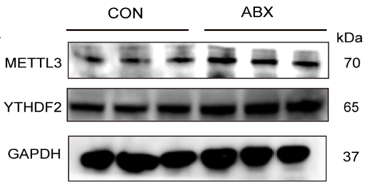
Metronidazole purchased from MedChemExpress. Usage Cited in: Gut Microbes. 2025 Dec;17(1):2545434. [Abstract]
Western blot analysis of METTL3 and YTHDF2 protein expression from the CON and ABX (Ampicillin (1 g/L), Neomycin (1 g/L), Metronidazole (1 g/L), and vancomycin (0.5 g/L); drinking water from 6 to 12 weeks) mice (n = 3/group).
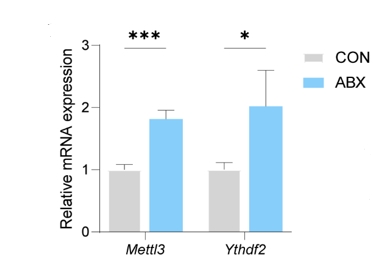
Metronidazole purchased from MedChemExpress. Usage Cited in: Gut Microbes. 2025 Dec;17(1):2545434. [Abstract]
RT-qPCR analysis of METTL3 and YTHDF2 protein expression from the CON and ABX (Ampicillin (1 g/L), Neomycin (1 g/L), Metronidazole (1 g/L), and vancomycin (0.5 g/L); drinking water from 6 to 12 weeks) mice (n = 3/group).
-
Gut Microbes
Microbial metabolite butyrate promotes anti-PD-1 antitumor efficacy by modulating T cell receptor signaling of cytotoxic CD8 T cell. [Abstract]2023 Dec;15(2):2249143. PMID: 37635362
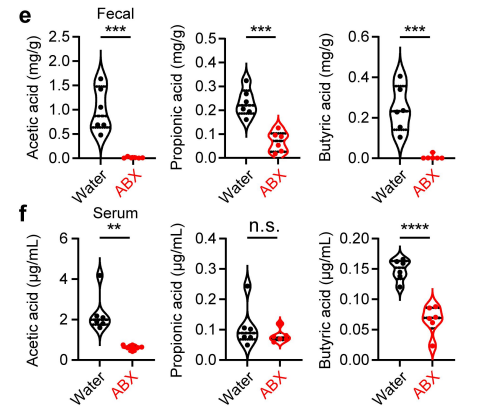
Metronidazole purchased from MedChemExpress. Usage Cited in: Gut Microbes. 2023 Dec;15(2):2249143. [Abstract]
Targeted metabolomics analysis of gut microbial metabolites (AA, PA, and BA) in colon contents (feces) and serum from mice with or without ABX treatment (n = 6 per group). ABX: an antibiotic cocktail of 0.5 g/L Vancomycin, 1 g/L Metronidazole,1 g/L Neomycin and 1 g/L Ampicillin
-
Gut Microbes
Multi-omics data reveals aberrant gut microbiota-host glycerophospholipid metabolism in association with neuroinflammation in APP/PS1 mice. [Abstract]2023 Dec;15(2):2282790. PMID: 37992400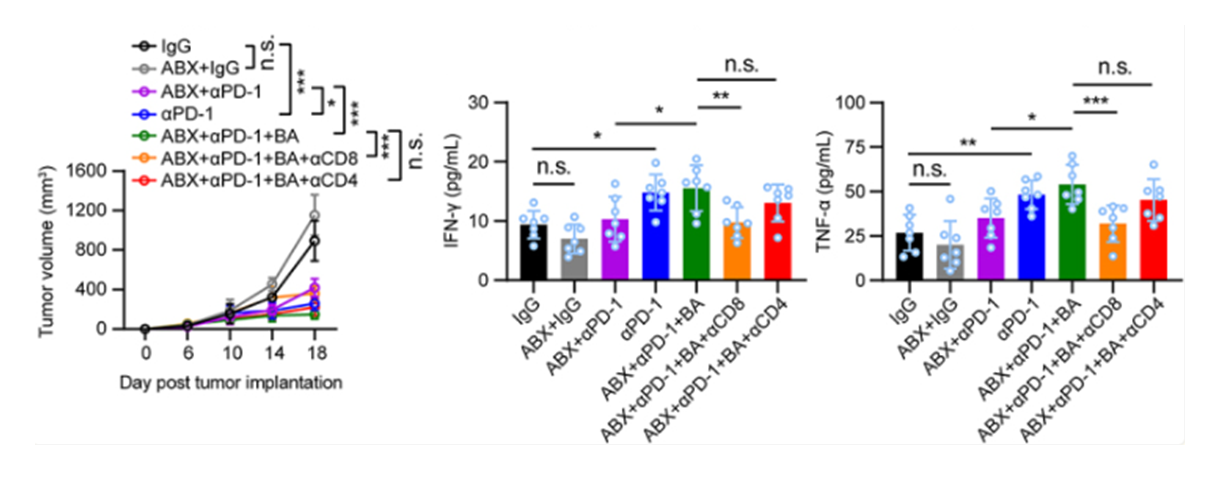
Metronidazole purchased from MedChemExpress. Usage Cited in: Gut Microbes. 2023 Dec;15(2):2282790. [Abstract]
Depletion of CD8+ T cells in ABX-treated B16-F0 tumor-bearing mice dampened the antitumor effect of butyrate combined with anti-PD-1 (Figure 4b–e). Decreased serum IFN-γ and TNF-α production during the depletion of CD8+ T cells was also observed. ABX:an antibiotic cocktail of 0.5 g/L Vancomycin, 1 g/L Metronidazole, 1 g/L Neomycin and 1 g/L Ampicillin.
-
Microbiome
The gut microbiota regulates autism-like behavior by mediating vitamin B6 homeostasis in EphB6-deficient mice. [Abstract]2020 Aug 20;8(1):120. PMID: 32819434 -
Adv Sci (Weinh)
Microbiota-Derived Inosine Suppresses Systemic Autoimmunity via Restriction of B Cell Differentiation and Migration. [Abstract]2025 May;12(20):e2409837. PMID: 40289872 -
Cell Rep Med
Intestinal Lachnospiraceae bacterium-derived propionate inhibits the progression of clear cell renal cell carcinoma. [Abstract]2025 Oct 21;6(10):102410. PMID: 41067230 -
Water Res
Quantifying community-wide antibiotic usage via urban water fingerprinting: Focus on contrasting resource settings in South Africa. [Abstract]2023 Jul 15:240:120110. PMID: 37247434 -
Pharmacol Res
Multi-omics approaches for the understanding of therapeutic mechanism for Huang-Qi-Long-Dan Granule against ischemic stroke. [Abstract]2024 Jul:205:107229. PMID: 38782148 -
Pharmacol Res
Oral microbiota dysbiosis alters chronic restraint stress-induced depression-like behaviors by modulating host metabolism. [Abstract]2024 Jun:204:107214. PMID: 38763328 -
Cell Death Dis
Effects of short-chain fatty acids in inhibiting HDAC and activating p38 MAPK are critical for promoting B10 cell generation and function. [Abstract]2021 Jun 7;12(6):582. PMID: 34099635 -
-
J Exp Med
2026 Mar 2;223(3):e20241287. PMID: 41400657
Metronidazole purchased from MedChemExpress. Usage Cited in: J Exp Med. 2026 Mar 2;223(3):e20241287. [Abstract]
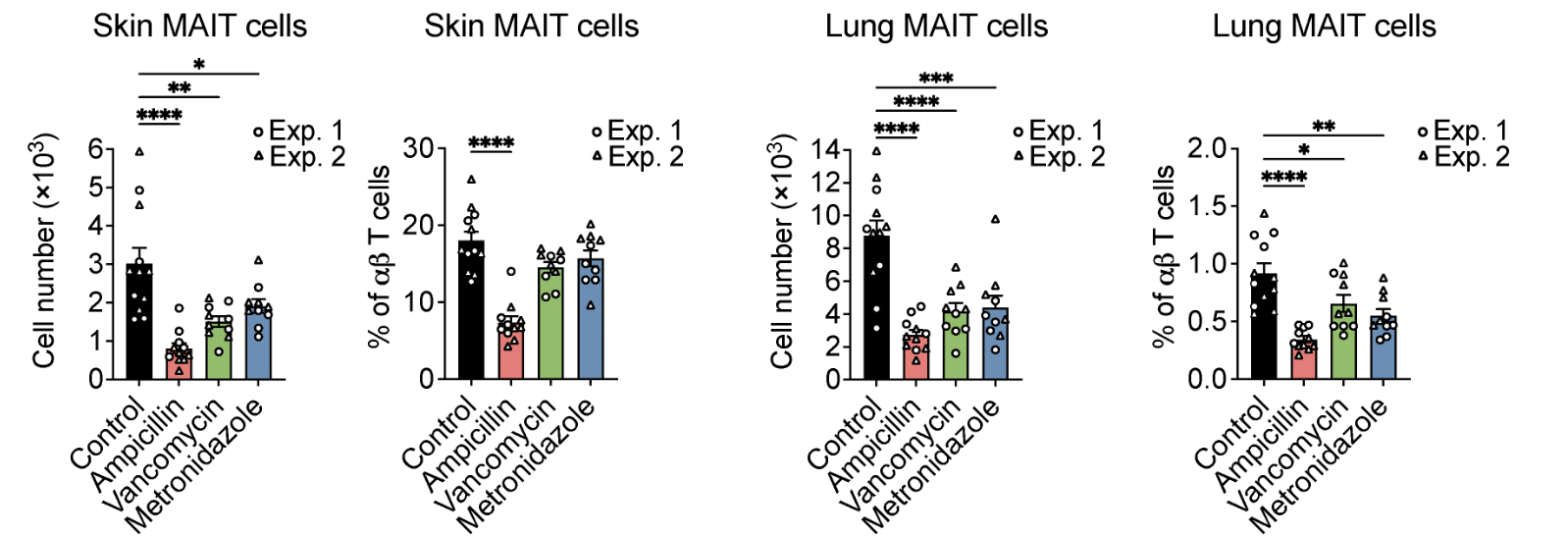
The number and frequency of MAIT cells in the ear pinnae and lungs of mice at 8 wk old following treatment with Metronidazole (30 mg/kg/day; oral gavage; from 2 to 4 weeks).
-
-
J Neuroinflammation
The gut microbiota limits systemic inflammation during neurotrophic viral CNS infection by priming tonic type I interferon signaling. [Abstract]2025 Nov 4;22(1):259. PMID: 41189008
Metronidazole purchased from MedChemExpress. Usage Cited in: J Neuroinflammation. 2025 Nov 4;22(1):259. [Abstract]
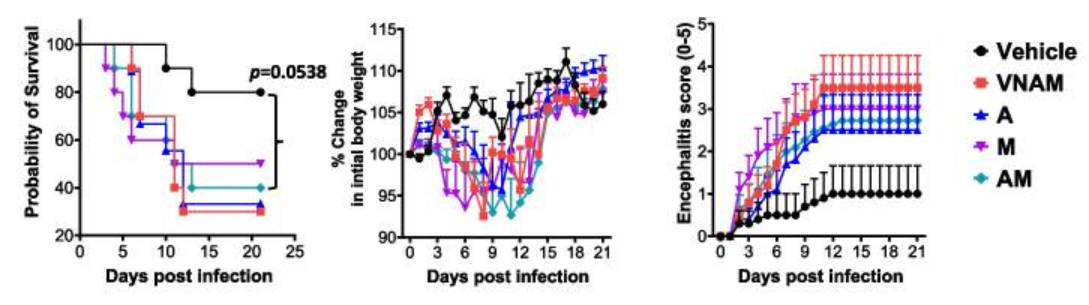
Sufficiently enhanced susceptibility to JE by ampicillin (A) and/or Metronidazole (M) (1 g/L; drinking water; for 21 days) treatment in C57BL/6 mice.
-
-
NPJ Biofilms Microbiomes
Gut microbiota dysbiosis-mediated ceramides elevation contributes to corticosterone-induced depression by impairing mitochondrial function. [Abstract]2024 Oct 28;10(1):111. PMID: 39468065 -
J Pharm Anal
Protective effects of dioscin against Parkinson's disease via regulating bile acid metabolism through remodeling gut microbiome/GLP-1 signaling. [Abstract]2023 Oct;13(10):1153-1167. PMID: 38024855 -
-
Sci China Life Sci
Endometrial microbiota-dimethylglycine-Treg cell axis affects endometrial receptivity in recurrent implantation failure. [Abstract]2026 Apr;69(4):1271-1283. PMID: 41627665 -
Food Chem X
Machine learning prioritization of antibiotic residues in aquatic foods reveals exposure-driven genotoxic risk mediated by BCL2. [Abstract]2026 Feb 8:34:103646. PMID: 41756597 -
Food Res Int
Fructooligosaccharides alleviate early-life antibiotic-exposed food allergy via the Indole-3-propionic acid-AhR-Nrf2 Axis: A multi-omics prospective cohort study. [Abstract]2026 Jul 31:236:119200. PMID: 42116470 -
Int J Biol Macromol
Tremella aurantialba polysaccharides alleviate ulcerative colitis in mice by improving intestinal barrier via modulating gut microbiota and inhibiting ferroptosis. [Abstract]2024 Nov;281(Pt 4):135835. PMID: 39306158 -
Neural Regen Res
Gut microbiota dysbiosis contributes to α-synuclein-related pathology associated with C/EBPβ/AEP signaling activation in a mouse model of Parkinson's disease. [Abstract]2024 Sep 1;19(9):2081-2088. PMID: 38227539 -
Free Radic Biol Med
Gut microbiota derived butyrate enhances ferroptosis sensitivity in endometriosis through FFAR2/PPAR-γ/PINK1/Parkin mediated mitophagy. [Abstract]2025 Oct:238:640-652. PMID: 40669572 -
-
Clin Transl Med
Gut microbiota of miR-30a-5p-deleted mice aggravate high-fat diet-induced hepatic steatosis by regulating arachidonic acid metabolic pathway. [Abstract]2024 Oct;14(10):e70035. PMID: 39360667 -
Cancer Immunol Res
NET-Triggered NLRP3 Activation and IL18 Release Drive Oxaliplatin-Induced Peripheral Neuropathy. [Abstract]2022 Dec 2;10(12):1542-1558. PMID: 36255412 -
Am J Chin Med
Astragaloside IV Ameliorates Colonic Adenomatous Polyps Development by Orchestrating Gut Bifidobacterium and Serum Metabolome. [Abstract]2024;52(5):1527-1554. PMID: 39164214 -
Aging Cell
BNIP3-Dependent Mitophagy Non-Autonomously Regulates Systemic Aging via NF-κB Suppression in Drosophila. [Abstract]2026 May;25(5):e70539. PMID: 42128879 -
Cell Rep
Temporal dynamics of immune cell transcriptomics in brain metastasis progression influenced by gut microbiome dysbiosis. [Abstract]2025 Feb 28;44(3):115356. PMID: 40023843 -
Cell Rep
Multi-modal Single-Cell Analysis Reveals Brain Immune Landscape Plasticity during Aging and Gut Microbiota Dysbiosis. [Abstract]2020 Dec 1;33(9):108438. PMID: 33264626 -
Neurotherapeutics
Fecal Microbiota Transplantation from Aged Mice Render Recipient Mice Resistant to MPTP-Induced Nigrostriatal Degeneration Via a Neurogenesis-Dependent but Inflammation-Independent Manner. [Abstract]2023 Sep;20(5):1405-1426. PMID: 37596429 -
Emerg Microbes Infect
2022 Dec;11(1):815-828. PMID: 35191819 -
J Ethnopharmacol
Quyushengxin formula restores the integrity of intestinal barrier by regulating the gut microbiota to ameliorate DSS-induced ulcerative colitis in mice. [Abstract]2026 Mar 1:358:120992. PMID: 41344523 -
J Agric Food Chem
Lactiplantibacillus plantarum-Derived Indole-3-lactic Acid Ameliorates Intestinal Barrier Integrity through the AhR/Nrf2/NF-κB Axis. [Abstract]2024 Apr 10. PMID: 38597152 -
CNS Neurosci Ther
Sleep Deprivation Exacerbates Ischemic Stroke Outcomes via Akkermansia Depletion and Metabolic Dysregulation. [Abstract]2026 May;32(5):e70933. PMID: 42157727 -
Ecotoxicol Environ Saf
PPARγ-responsive luciferase reporter system for high-throughput screening of chemical toxins with potential pulmonary fibrosis effects. [Abstract]2025 Nov 15:307:119433. PMID: 41273832 -
CNS Neurosci Ther
Berberine Alleviates Kainic Acid-Induced Acute Epileptic Seizures in Mice via Reshaping Gut Microbiota-Associated Lipid Metabolism. [Abstract]2025 Feb;31(2):e70253. PMID: 39915895 -
Biochem Pharmacol
MNAM enhances Blautia abundance and modulates Th17/Treg balance to alleviate diabetes in T2DM mice. [Abstract]2024 Dec;230(Pt 2):116593. PMID: 39454734 -
Life Sci
Electroacupuncture preserves intestinal barrier integrity through modulating the gut microbiota in DSS-induced chronic colitis. [Abstract]2020 Nov 15:261:118473. PMID: 32971101 -
Int Immunopharmacol
Early-life antibiotic dysbiosis impairs microbial tryptophan- nicotinic acid metabolism exacerbating food allergy in adulthood. [Abstract]2025 Jun 26:159:114888. PMID: 40403504 -
Front Aging Neurosci
Transplantation of fecal microbiota from APP/PS1 mice and Alzheimer's disease patients enhanced endoplasmic reticulum stress in the cerebral cortex of wild-type mice. [Abstract]2022 Jul 28;14:858130. PMID: 35966768 -
Sci Rep
The role and mechanism of lung microbiota in coal mine dust-induced NLRP3 inflammasome upregulate and lung injury. [Abstract]2025 Jul 2;15(1):22990. PMID: 40594884 -
Exp Neurol
Indoleamine 2, 3-dioxygenase 1 inhibition mediates the therapeutic effects in Parkinson's disease mice by modulating inflammation and neurogenesis in a gut microbiota dependent manner. [Abstract]2025 Mar:385:115142. PMID: 39793693 -
iScience
Stability and biocompatibility of hBD3 with different chiral configurations and their therapeutic efficacy in periodontitis. [Abstract]2025 Sep 25;28(11):113648. PMID: 41142128 -
iScience
AF6 regulates intestinal IgA via crosstalk between intestinal epithelial cells and immune cells in inflammatory bowel disease. [Abstract]2025 May 13;28(7):112658. PMID: 40687779 -
iScience
Gut microbiota from voluntary exercised mice protects the intestinal barrier by inhibiting neutrophil extracellular trap formation. [Abstract]2025 May 27;28(6):112763. PMID: 40585508 -
iScience
Analysis of microbiota reveals the underlying mechanism of PHF11 in the development of Enterococcus-regulated endometriotic cysts. [Abstract]2023 Oct 7;26(11):108158. PMID: 37915596 -
-
Antimicrob Agents Chemother
Dihydrotanshinone I Is Effective against Drug-Resistant Helicobacter pylori In Vitro and In Vivo. [Abstract]2021 Feb 17;65(3):e01921-20. PMID: 33318002 -
Naunyn Schmiedebergs Arch Pharmacol
5-aminosalicylic acid alleviates colitis and protects intestinal barrier function by modulating gut microbiota in mice. [Abstract]2025 Apr;398(4):3681-3695. PMID: 39352537 -
J Cell Physiol
Lactobacillus plantarum alleviates irradiation-induced intestinal injury by activation of FXR-FGF15 signaling in intestinal epithelia. [Abstract]2022 Mar;237(3):1845-1856. PMID: 34881818 -
AMB Express
Odoribacter laneus protects intestinal barrier by bile acid-FXR axis in acute pancreatitis. [Abstract]2026 May 20. PMID: 42162499 -
Carcinogenesis
EphB6 deficiency in intestinal neurons promotes tumor growth in colorectal cancer by neurotransmitter GABA signaling. [Abstract]2023 Dec 2;44(8-9):682-694. PMID: 37294054 -
Mol Immunol
Alteration of intestinal microecology by oral antibiotics promotes oral squamous cell carcinoma development. [Abstract]2022 Sep:149:94-106. PMID: 35803000 -
Biochem Biophys Res Commun
Multi-omics approaches to explore the therapeutic mechanism for ginsenoside Rg1 against MASLD. [Abstract]2025 Aug 30:776:152161. PMID: 40527176 -
-
-
-
-
-
-
-
-
-
-
-


Solvent & Solubility
In Vitro:
DMSO : 100 mg/mL (584.25 mM; Need ultrasonic; Hygroscopic DMSO has a significant impact on the solubility of product, please use newly opened DMSO)
H2O : 5 mg/mL (29.21 mM; ultrasonic and warming and heat to 60°C)
Please refer to the solubility information to select the appropriate solvent. Once prepared, please aliquot and store the solution to prevent product inactivation from repeated freeze-thaw cycles.
Storage method and period of stock solution: -80°C, 1 year; -20°C, 6 months (protect from light). When stored at -80°C, please use it within 1 year. When stored at -20°C, please use it within 6 months.
* Note: If you choose water as the stock solution, please dilute it to the working solution, then filter and sterilize it with a 0.22 μm filter before use.
Please refer to the solubility information to select the appropriate solvent. Once prepared, please aliquot and store the solution to prevent product inactivation from repeated freeze-thaw cycles.
Storage method and period of stock solution: -80°C, 1 year; -20°C, 6 months (protect from light). When stored at -80°C, please use it within 1 year. When stored at -20°C, please use it within 6 months.
* Note: If you choose water as the stock solution, please dilute it to the working solution, then filter and sterilize it with a 0.22 μm filter before use.
Concentration (start) × Volume (start) = Concentration (final) × Volume (final)
In Vivo:
Select the appropriate dissolution method based on your experimental animal and administration route.
- For the following dissolution methods, please ensure to first prepare a clear stock solution using an In Vitro approach and then sequentially add co-solvents:
- To ensure reliable experimental results, the clarified stock solution can be appropriately stored based on storage conditions. As for the working solution for In Vivo experiments, it is recommended to prepare freshly and use it on the same day.
- The percentages shown for the solvents indicate their volumetric ratio in the final prepared solution. If precipitation or phase separation occurs during preparation, heat and/or sonication can be used to aid dissolution.
Add each solvent one by one: 10% DMSO 40% PEG300 5% Tween-80 45% Saline
Solubility: ≥ 2.08 mg/mL (12.15 mM); Clear solution
This protocol yields a clear solution of ≥ 2.08 mg/mL (saturation unknown).
Taking 1 mL working solution as an example, add 100 μL DMSO stock solution (20.8 mg/mL) to 400 μL PEG300, and mix evenly; then add 50 μL Tween-80 and mix evenly; then add 450 μL Saline to adjust the volume to 1 mL.
Preparation of Saline: Dissolve 0.9 g sodium chloride in ddH₂O and dilute to 100 mL to obtain a clear Saline solution.
Add each solvent one by one: 10% DMSO 90% (20% SBE-β-CD in Saline)
Solubility: ≥ 2.08 mg/mL (12.15 mM); Clear solution
This protocol yields a clear solution of ≥ 2.08 mg/mL (saturation unknown).
Taking 1 mL working solution as an example, add 100 μL DMSO stock solution (20.8 mg/mL) to 900 μL 20% SBE-β-CD in Saline, and mix evenly.
Preparation of 20% SBE-β-CD in Saline (4°C, storage for one week): 2 g SBE-β-CD powder is dissolved in 10 mL Saline, completely dissolve until clear.
For the following dissolution methods, please prepare the working solution directly:
It is recommended to prepare fresh solutions and use them promptly within a short period of time.
The percentages shown for the solvents indicate their volumetric ratio in the final prepared solution. If precipitation or phase separation occurs during preparation, heat and/or sonication can be used to aid dissolution.
Add each solvent one by one: PBS
Solubility: 12.5 mg/mL (73.03 mM); Clear solution; Need ultrasonic and warming and heat to 60°C
In Vivo Dissolution Calculator
Please enter the basic information of animal experiments:
-
-
-
-
Recommended: Prepare an additional quantity of animals to account for potential losses during experiments.
Please enter your animal formula composition:
-
%DMSO +
Recommended: Keep the proportion of DMSO in working solution below 2% if your animal is weak.
-
%+
-
+%Tween-80 + +
-
%Saline +
The co-solvents required include: DMSO, . All of co-solvents are available by MedChemExpress (MCE). , Tween 80. All of co-solvents are available by MedChemExpress (MCE).
Working solution concentration: 0.22 mg/mL
Method for preparing stock solution: mg drug dissolved in μL DMSO. Stock solution concentration: mg/mL. * In solvent : -80°C, 1 year; -20°C, 6 months (protect from light)
1. Take μL DMSO stock solution;
2. Add μL .
μL , mix evenly;
3. Then add μL Tween 80, mix evenly;
4. Then add μL
Please ensure that the stock solution in the first step is dissolved to a clear state, and add co-solvents in sequence. You can use ultrasonic heating (ultrasonic cleaner, recommended frequency 20-40 kHz), vortexing, etc. to assist dissolution.


Purity & Documentation
-
Data Sheet (295 KB)
-
SDS (419 KB)
- English - EN (419 KB)
- Français - FR (419 KB)
- Deutsch - DE (419 KB)
- Norwegian - NO (419 KB)
- Español - ES (419 KB)
- Swedish - SV (419 KB)
- Italian - IT (419 KB)
- Korean - KR (419 KB)
- Portuguese - PT (419 KB)
-
Handling Instructions (2659 KB)
References
[1]. Scully BE. Metronidazole. Med Clin North Am. 1988 May;72(3):613-21. [Content Brief]
[2]. Dhurga DB, et al. Granular Formation during Apoptosis in Blastocystis sp. Exposed to Metronidazole (MTZ). PLoS One. 2016 Jul 29;11(7):e0155390. [Content Brief]
[3]. Chaturvedi S, et al. Mechanistic exploration of quercetin against metronidazole induced neurotoxicity in rats: Possible role of nitric oxide isoforms and inflammatory cytokines. Neurotoxicology. 2020 Jul;79:1-10. [Content Brief]
[4]. Manickam R, et al. Metronidazole Causes Skeletal Muscle Atrophy and Modulates Muscle Chronometabolism. Int J Mol Sci. 2018 Aug 16;19(8):2418. [Content Brief]


Complete Stock Solution Preparation Table
Please refer to the solubility information to select the appropriate solvent. Once prepared, please aliquot and store the solution to prevent product inactivation from repeated freeze-thaw cycles.
Storage method and period of stock solution: -80°C, 1 year; -20°C, 6 months (protect from light). When stored at -80°C, please use it within 1 year. When stored at -20°C, please use it within 6 months.
| Optional Solvent | Concentration Solvent Mass | 1 mg | 5 mg | 10 mg | 25 mg |
|---|---|---|---|---|---|
| H2O / DMSO | 1 mM | 5.8425 mL | 29.2124 mL | 58.4249 mL | 146.0622 mL |
| 5 mM | 1.1685 mL | 5.8425 mL | 11.6850 mL | 29.2124 mL | |
| 10 mM | 0.5842 mL | 2.9212 mL | 5.8425 mL | 14.6062 mL | |
| 15 mM | 0.3895 mL | 1.9475 mL | 3.8950 mL | 9.7375 mL | |
| 20 mM | 0.2921 mL | 1.4606 mL | 2.9212 mL | 7.3031 mL | |
| 25 mM | 0.2337 mL | 1.1685 mL | 2.3370 mL | 5.8425 mL | |
| DMSO | 30 mM | 0.1947 mL | 0.9737 mL | 1.9475 mL | 4.8687 mL |
| 40 mM | 0.1461 mL | 0.7303 mL | 1.4606 mL | 3.6516 mL | |
| 50 mM | 0.1168 mL | 0.5842 mL | 1.1685 mL | 2.9212 mL | |
| 60 mM | 0.0974 mL | 0.4869 mL | 0.9737 mL | 2.4344 mL | |
| 80 mM | 0.0730 mL | 0.3652 mL | 0.7303 mL | 1.8258 mL | |
| 100 mM | 0.0584 mL | 0.2921 mL | 0.5842 mL | 1.4606 mL |
* Note: If you choose water as the stock solution, please dilute it to the working solution, then filter and sterilize it with a 0.22 μm filter before use.


Metronidazole Related Classifications
HY-B0318 Related Classifications
 Powered by Bioz