



Trypanosoma
Trypanosoma spp. are divergent protozoan parasites that cause human African trypanosomiasis, Chagas disease, and animal trypanosomiasis[1][2]. Their core biology centers on stage-specific adaptation between mammalian hosts and insect vectors, requiring changes in morphology, organelle positioning, surface biology, and gene expression[2][3]. Mechanistically, kinetoplastids contain glycosomes that compartmentalize major glycolytic and pentose-phosphate enzymes, supporting energy and carbohydrate metabolism[4]. cAMP signaling differs from mammalian pathways because trypanosomatids lack G-protein-coupled receptors, possess structurally different adenylyl cyclases, and express class 1 cyclic nucleotide phosphodiesterases PDEA-D[5]. Compared with related isoforms, only T. brucei PDEB, expressed as PDEB1 and PDEB2, has been reported essential after ablation[5]. Disease models use T. brucei to study bloodstream infection, tsetse-vector differentiation, antigenic variation, cytokinesis, and drug discovery[2][3]. For experimental intervention, N-myristoyltransferase inhibition causes trypanosomatid cell death, compromises virulence, and cures T. brucei infection in rodents[6]. Neuropeptides also kill T. brucei by disrupting lysosome integrity, redistributing glycolytic enzymes, and inducing autophagic-like cell death[7].
References:
- [1]. Lopes AH, et al. Trypanosomatids: odd organisms, devastating diseases. Open Parasitol J. 2010;4:30-59.
- [2]. Dean S. Basic Biology of Trypanosoma brucei with Reference to the Development of Chemotherapies. Curr Pharm Des. 2021;27(14):1650-1670. [Content Brief]
- [3]. Matthews KR. The developmental cell biology of Trypanosoma brucei. J Cell Sci. 2005 Jan 15;118(Pt 2):283-90. doi: 10.1242/jcs.01649. Erratum in: J Cell Sci. 2005 May 1;118(Pt 9):2078. PMID: 15654017; PMCID: PMC2686837. et al. The developmental cell biology of Trypanosoma brucei. J Cell Sci. 2005 Jan 15;118(Pt 2):283-90. [Content Brief]
- [4]. Hannaert V, et al. Evolution of energy metabolism and its compartmentation in Kinetoplastida. Kinetoplastid Biology and Disease. 2003;2:11.
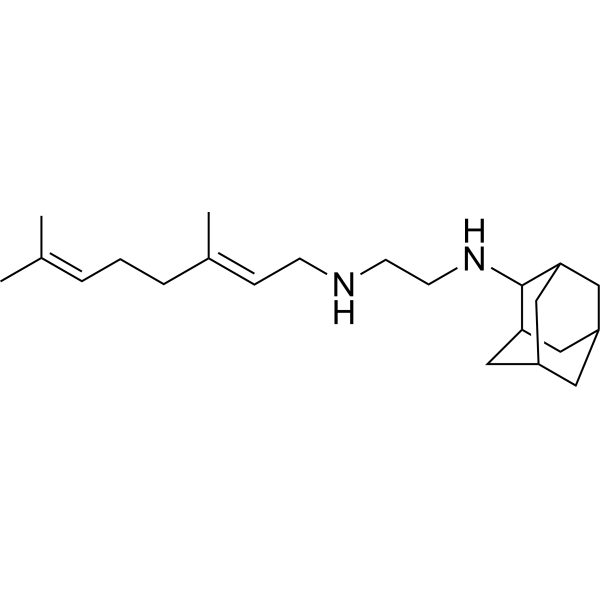
- [5]. Tagoe DN, et al. The ever unfolding story of cAMP signaling in trypanosomatids: vive la difference! Front Pharmacol. 2015 Sep 7;6:185. [Content Brief]
- [6]. Goldston AM, et al. Acylation in trypanosomatids: an essential process and potential drug target. Trends Parasitol. 2014 Jul;30(7):350-60. [Content Brief]
- [7]. Delgado M, et al. Neuropeptides kill African trypanosomes by targeting intracellular compartments and inducing autophagic-like cell death. Cell Death Differ. 2009 Mar;16(3):406-16. [Content Brief]
All Product Categories
-
Trypanosoma Related Products (82)
Related Products (82)

-
Eflornithine
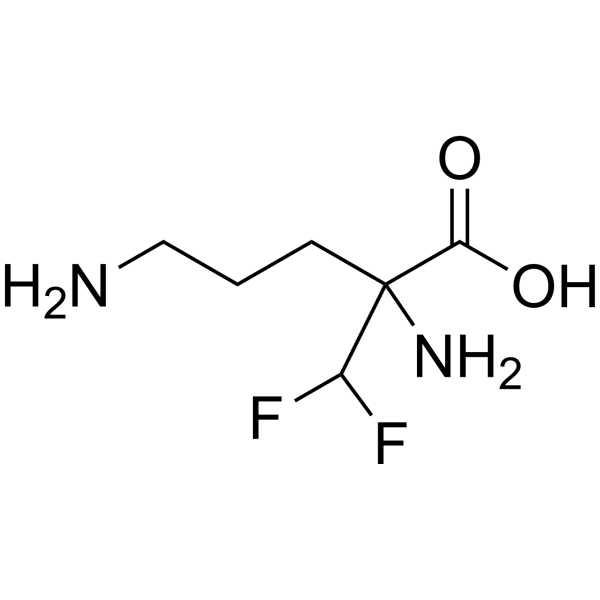 0 ImagesSynonyms: DFMO; MDL71782; RMI71782; α-difluoromethylornithineEflornithine is a specific, irreversible inhibitor of the enzyme ornithine decarboxylase. Eflornithine is a medication for the treatment of African trypanosomiasis and excessive facial hair growth in women.
-
Eflornithine hydrochloride hydrate
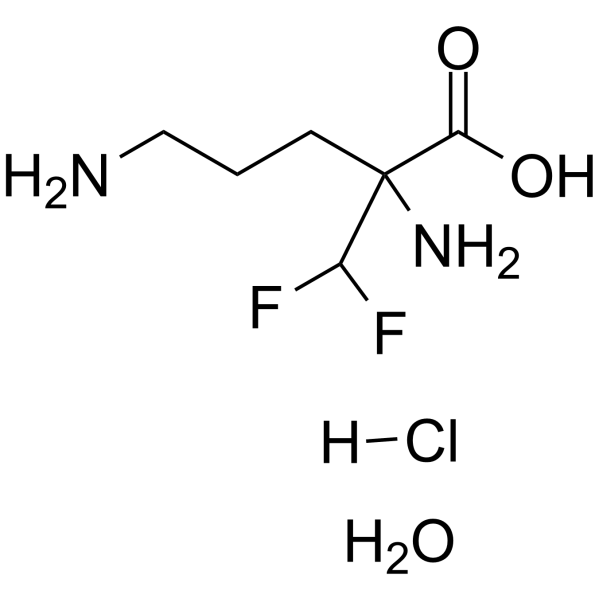 0 ImagesSynonyms: DFMO hydrochloride hydrate; MDL-71782 hydrochloride hydrate; RMI-71782 hydrochloride hydrate; α-difluoromethylornithine hydrochloride hydrateEflornithine hydrochloride hydrate (DFMO hydrochloride hydrate) is a specific, irreversible inhibitor of the enzyme ornithine decarboxylase. Eflornithine hydrochloride hydrate is a medication for the treatment of African trypanosomiasis and excessive facial hair growth in women.
-
Diminazene aceturate
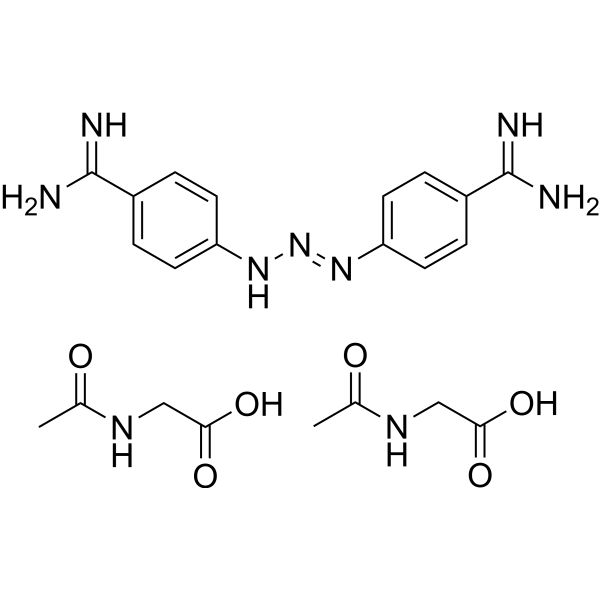 0 ImagesDiminazene aceturate (Diminazene diaceturate) is an anti-trypanosome agent for livestock. The main biochemical mechanism of the trypanocidal actions of Diminazene aceturate is by binding to trypanosomal kinetoplast DNA (kDNA) in a non-intercalative manner through specific interaction with sites rich in adenine-thymine base pairs. Diminazene aceturate is also an angiotensin-converting enzyme 2 (ACE2) activator and has strong and potent anti-inflammatory properties.
-
Pentamidine
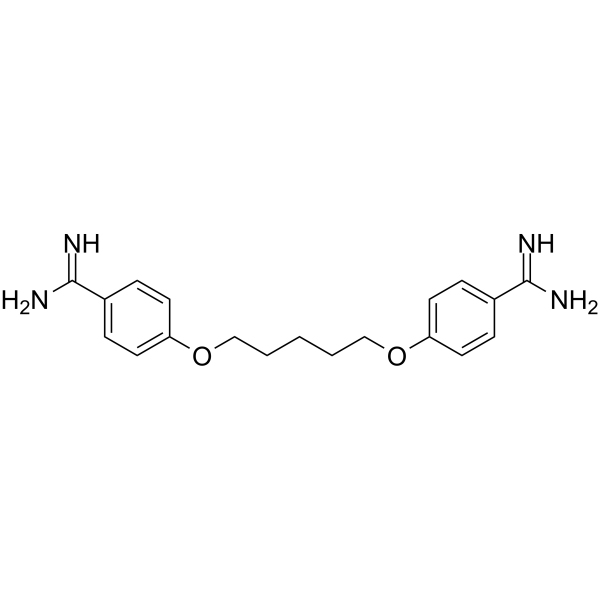 0 ImagesPentamidine (MP-601205) is an antimicrobial agent and interferes with DNA biosynthetics. Pentamidine inhibits parasite Leishmania infantum with an IC50 of 2.5 μM. Pentamidine is a potent and selective protein tyrosine phosphatases (PTPases) and phosphatase of regenerating liver (PRL) inhibitor. Pentamidine has the potential for Gambian trypanosomiasis, antimony-resistant leishmaniasis, and Pneumocystis carinii pneumonia treatment. Antitumor and antibacterial activities.
-
Hesperadin
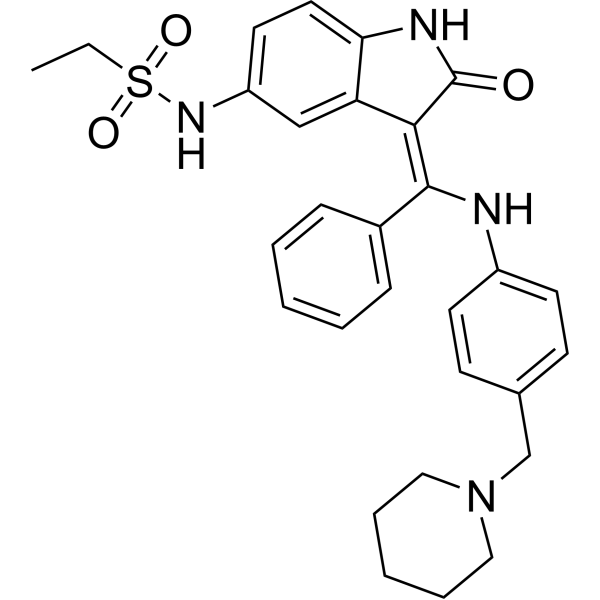 0 ImagesHesperadin is an ATP competitive indolinone inhibitor of Aurora A and B. Hesperadin inhibits Aurora B with an IC50 of 250 nM. Hesperadin inhibits the growth of Trypanosoma brucei by blocking nuclear division and cytokinesis. Hesperadin also is a broad-spectrum influenza antiviral.
-
Jaspamycin
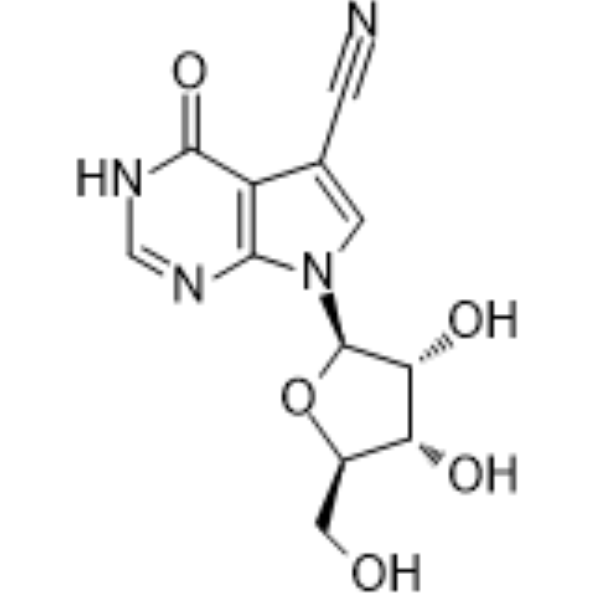 0 ImagesSynonyms: 7-CN-7-C-InoJaspamycin (7-CN-7-C-Ino) is a potent activator of PKA, binding to the R site (PKAR), with an EC50 of 6.5 nM and Kd of 8 nM in Trypanosoma brucei. Jaspamycin (7-CN-7-C-Ino) does not bind with purified human PKARIα. Anti-parasite activity.
-
Enfiborole
 0 ImagesCat. No.: HY-184074CAS No.: 2152662-88-7Enfiborole is an oxaborolane ester inhibitor with trypanocidal activity against parasites. Enfiborole displays IC50 values ≤ 20 nM against Trypanosoma brucei and Trypanosoma cruzi, and its IC50 against replicating trypanosomes ranges from 21 to 999 nM. Enfiborole inhibits the growth of Trypanosoma brucei, suppresses hypoxanthine incorporation in replicating trypanosomes, and inhibits the growth of Trypanosoma cruzi amastigotes. Enfiborole can be used in studies related to trypanosome infections.
-
KLK6-IN-2
 0 ImagesCat. No.: HY-189095CAS No.: 57323-76-9KLK6-IN-2 is a reversible non-covalent and selective KLK6 inhibitor, with an IC50 of 2.1 μM against hKLK6. KLK6-IN-2 acts as a reversible competitive inhibitor of boar Spermatozoa acrosin, with a Ki of 2.6 μM against porcine acrosin. KLK6-IN-2 exhibits trypanocidal activity against Trypanosoma brucei rhodesiense, with an IC50 of 3.71 μM.
-
Pentamidine isethionate
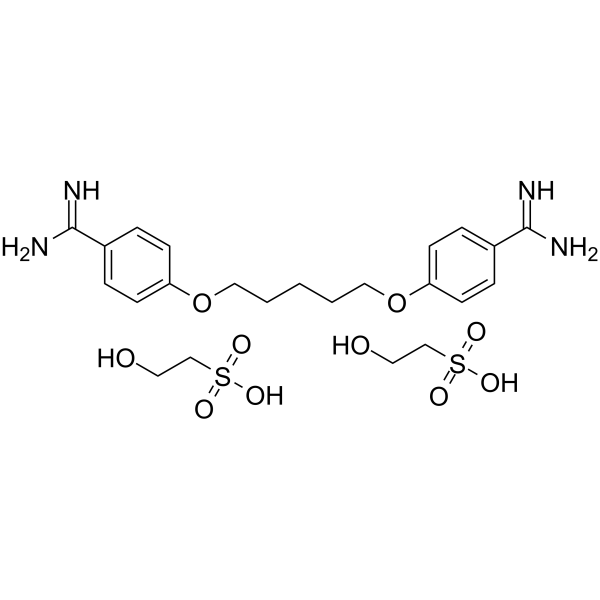 0 ImagesPentamidine isethionate (MP-601205 isethionate) is an antimicrobial agent and interferes with DNA biosynthetics. Pentamidine isethionate inhibits parasite Leishmania infantum with an IC50 of 2.5 μM. Pentamidine isethionate is a potent and selective protein tyrosine phosphatases (PTPases) and phosphatase of regenerating liver (PRL) inhibitor. Pentamidine isethionate has the potential for Gambian trypanosomiasis, antimony-resistant leishmaniasis, and Pneumocystis carinii pneumonia treatment. Antitumor and antibacterial activities.
-
K777
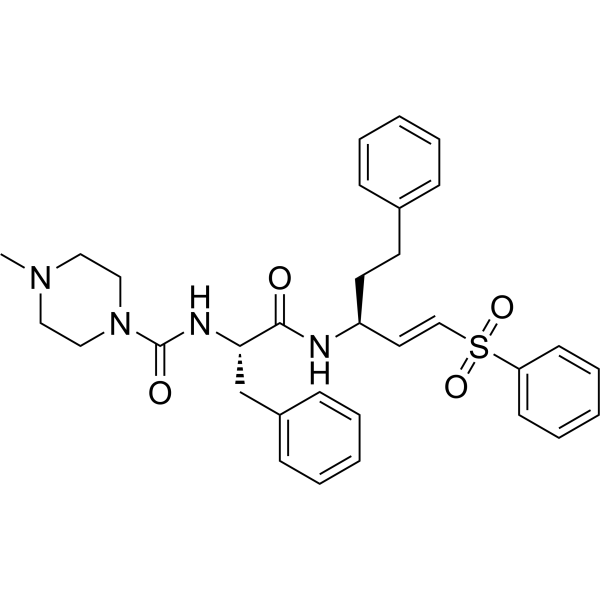 0 ImagesK777 is a potent, orally active and irreversible cysteine protease inhibitor. K777 is also a potent CYP3A4 inhibitor with an IC50 of 60 nM. K777 irreversibly inhibits Cruzain, the major cysteine protease of Trypansoma cruzi, and cathepsins B and L. K777 is a broad-spectrum antiviral by targeting cathepsin-mediated cell entry. K777 inhibits SARS-CoV and EBOV pseudovirus entry with IC50 values of 0.68 nM and 0.87 nM, respectively.
-
DDD85646
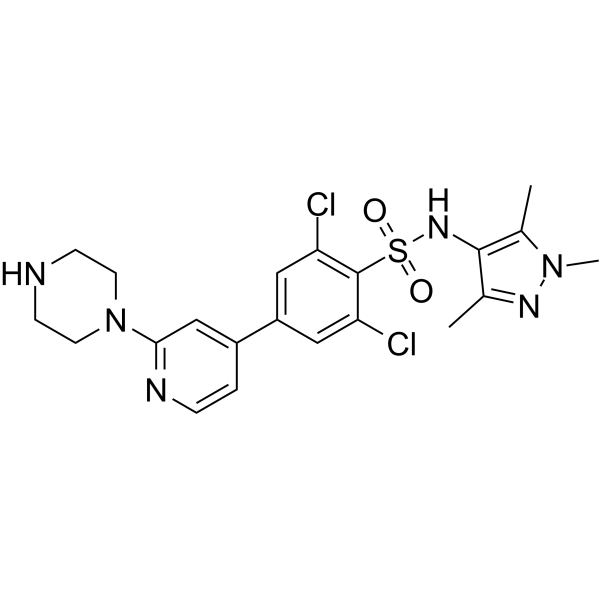 0 ImagesSynonyms: IMP-366DDD85646 (IMP-366) is an orally active of trypanosoma brucei N-myristoyltransferase (TbNMT IC50=2 nM; hNMT IC50=4 nM). The enzyme N-myristoyltransferase (NMT) is a potential agent target for human African trypanosomiasis.
-
Eflornithine hydrochloride
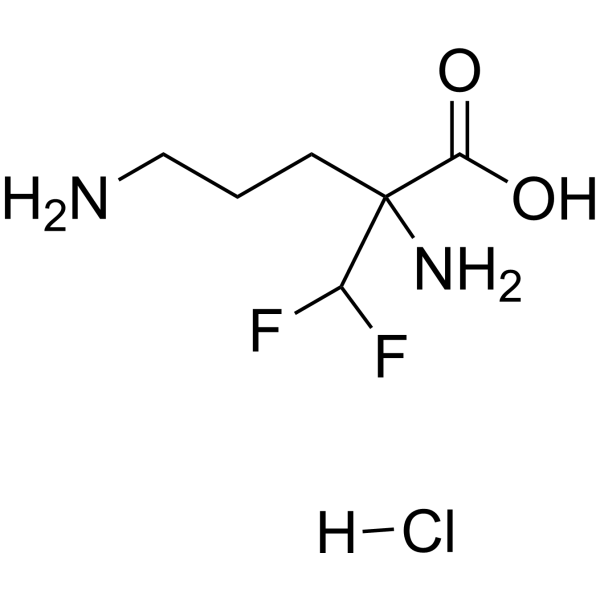 0 ImagesSynonyms: DFMO hydrochloride; MDL71782 hydrochloride; RMI71782 hydrochloride; α-difluoromethylornithine hydrochlorideEflornithine hydrochloride is a specific, irreversible inhibitor of the enzyme ornithine decarboxylase. Eflornithine is a medication for the treatment of African trypanosomiasis and excessive facial hair growth in women.
-
Z-Leu-Arg-AMC
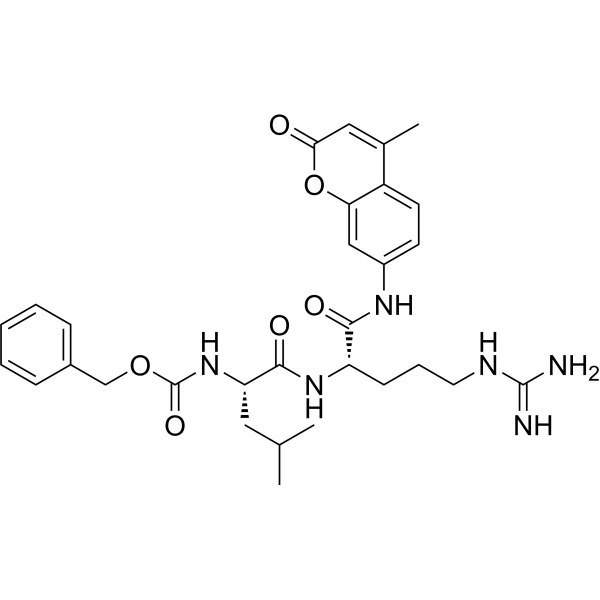 0 ImagesZ-Leu-Arg-AMC is a fluorogenic peptide substrate for cysteine proteases (e.g., Cathepsin) (Ex=350 nm,Em=460 nm). Z-Leu-Arg-AMC is preferentially cleaved by Cathepsin K and S under weakly acidic conditions, while its hydrolysis relies on residual Cathepsin S activity at neutral pH. Z-Leu-Arg-AMC serves as a substrate for recombinant Sphenophorus levis Cathepsin L, falcipain-2, falcipain-3, berghepain-2, knowlepain-2, vivapain-2, as well as falcipain-2 chimeras and constructs. It enables quantitative detection of cysteine protease activity in human inflammatory bronchoalveolar lavage fluid via fluorescence generation. Z-Leu-Arg-AMC can be used in research related to pulmonary inflammatory diseases and malaria.
-
Acoziborole
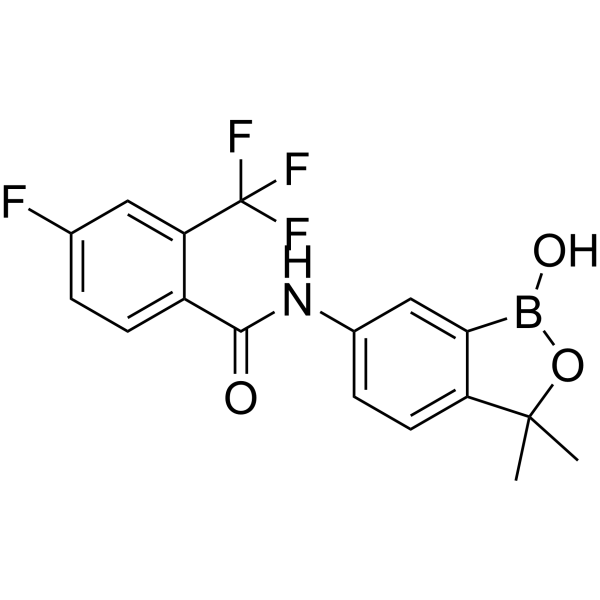 0 ImagesSynonyms: SCYX-7158; AN5568Acoziborole (SCYX-7158) is an effective, safe and orally active antiprotozoal agent for the research of human african trypanosomiasis (HAT). In the T. b. brucei S427 strain, the MIC value for SCYX-7158 is 0.6 μg/mL.
-
trans-4-Methylcyclohexanamine
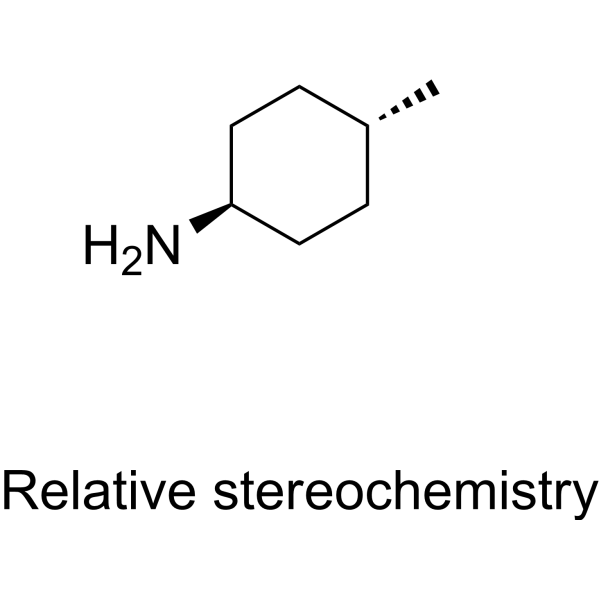 0 Imagestrans-4-Methylcyclohexanamine is an organic amine compound that can be used in the development of T. cruzi enzyme inhibitors.
-
Obtusifoliol
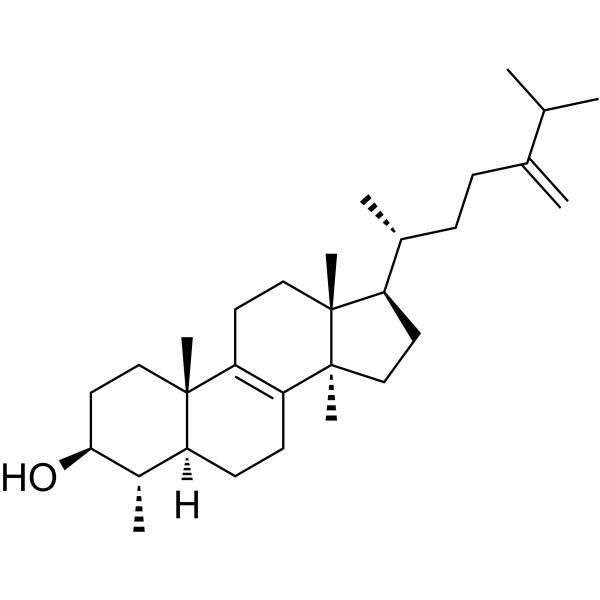 0 ImagesObtusifoliol is a specific CYP51 inhibitor, Obtusifoliol shows the affinity with Kd values of 1.2 μM and 1.4 μM for Trypanosoma brucei (TB) and human CYP51, respectively.
-
N-p-trans-Coumaroyltyramine
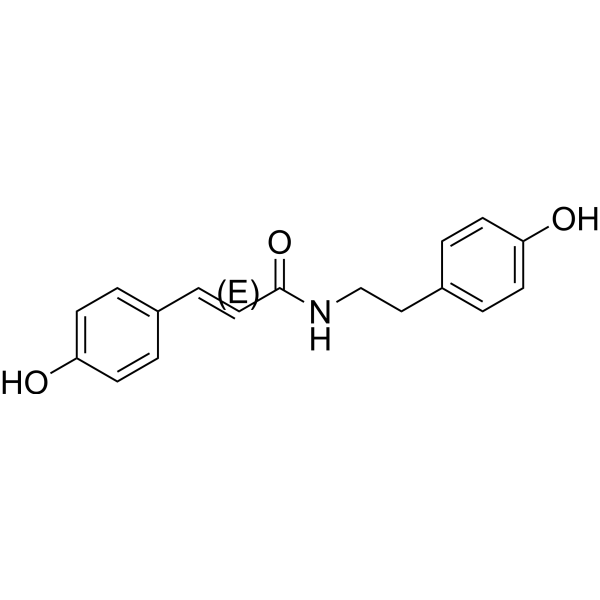 0 ImagesN-p-trans-Coumaroyltyramine is a natural phenolic amide compound and an inhibitor of AChE (IC50: 122 μM) and α-glucosidase (IC50: 2.7 μM). N-p-trans-Coumaroyltyramine also has anti-trypanosomal activity, with an IC50 of 13.3 µM against T. brucei rhodesiense. N-p-trans-Coumaroyltyramine can be used in the research of diseases such as Alzheimer's disease.
-
Benznidazole
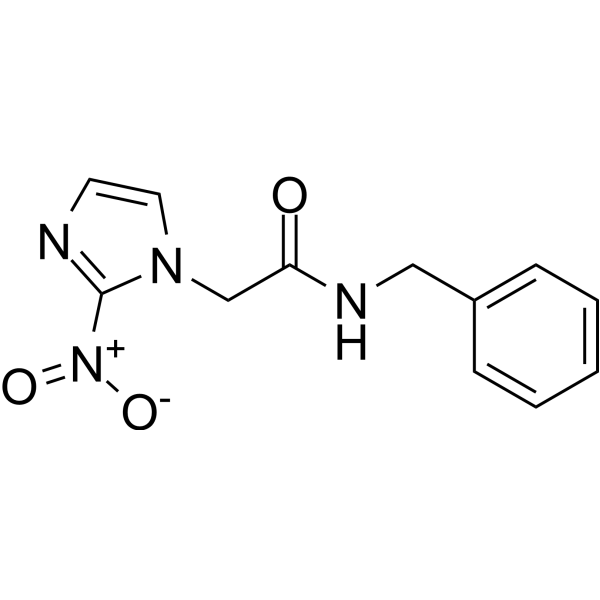 0 ImagesSynonyms: Benznidazol; Ro 07-1051; Ro 71051Benznidazole (Ro 07-1051) is an antiparasitic medication, with an IC50 of 20.35 μM for Colombian T. cruzi strains, and has been used in the treatment of Chagas disease.
-
Harpagide
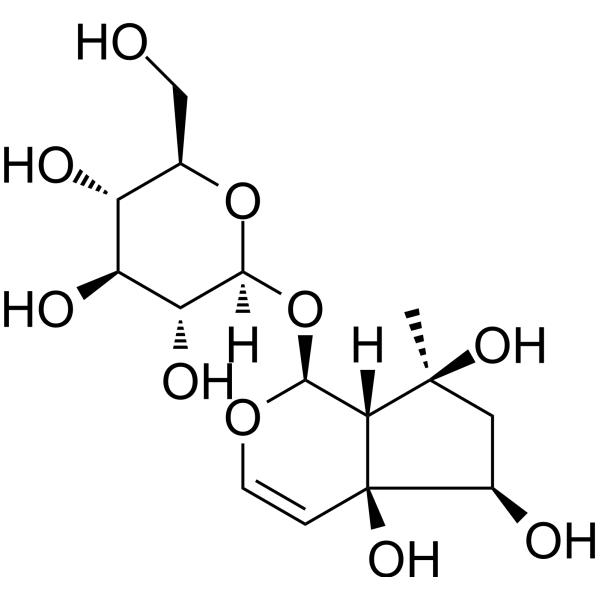 0 ImagesHarpagide is a class of iridoid glycoside isolated from Scrophularia ningpoensis and has antiparasitic activity, which exhibits good in vitro trypanocidal activities against African trypanosomes (T.b. rhodesiense) with an IC50 of 21 μg/mL. Harpagide exerts significant antileishmanial activity against L. donovani with an IC50 value of 2.0 μg/mL. Harpagide also possess significant anti-inflammatory activities.



