



Leishmania
Leishmania is an obligate intracellular protozoan parasite transmitted by sand flies, and mammalian infection centers on macrophages as both host cells and immune effector cells[1]. Mechanistically, the parasite regulates phagosome maturation to support intracellular growth and avoid destruction after uptake into macrophages[1]. Lipophosphoglycan (LPG) is a surface glycoconjugate virulence factor that supports metacyclic establishment in host cells but declines during amastigote development[2]. Compared with related glycoconjugates, LPG showed a distinct virulence role in Leishmania major, because lpg mutants were attenuated in macrophage and mouse infection models[3]. GP63, or leishmanolysin, represents a separate virulence factor; targeted deletion in L. major identified GP63 as required for full parasite virulence[4]. In macrophage biology, GP63 influences antimicrobial functions and alters signaling pathways that regulate microbicidal responses[5]. For experimental applications, intracellular amastigote assays provide a clinically relevant drug-screening model, whereas promastigote screens are easier to automate but can miss active compounds[6].
References:
- [1]. Podinovskaia M, et al. Leishmania and the macrophage: a multifaceted interaction. Future Microbiol. 2015;10(1):111-29. [Content Brief]
- [2]. Mandell MA, et al. Quantitative single-cell analysis of Leishmania major amastigote differentiation demonstrates variably extended expression of the lipophosphoglycan (LPG) virulence factor in different host cell types. PLoS Negl Trop Dis. 2022 Oct 27;16(10):e0010893. [Content Brief]
- [3]. Späth GF, et al. Lipophosphoglycan is a virulence factor distinct from related glycoconjugates in the protozoan parasite Leishmania major. Proc Natl Acad Sci U S A. 2000 Aug 1;97(16):9258-63. [Content Brief]
- [4]. Joshi PB, et al. Targeted gene deletion in Leishmania major identifies leishmanolysin (GP63) as a virulence factor. Mol Biochem Parasitol. 2002 Mar;120(1):33-40. [Content Brief]
- [5]. Olivier M, et al. Leishmania virulence factors: focus on the metalloprotease GP63. Microbes Infect. 2012 Dec;14(15):1377-89. [Content Brief]
- [6]. De Muylder G, et al. A screen against Leishmania intracellular amastigotes: comparison to a promastigote screen and identification of a host cell-specific hit. PLoS Negl Trop Dis. 2011 Jul;5(7):e1253. [Content Brief]
All Product Categories
-
Leishmania Related Products (101)
Related Products (101)

-
Amphotericin B
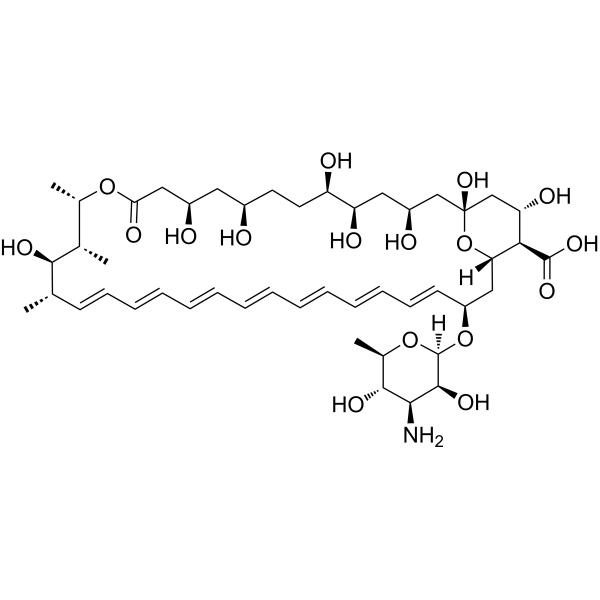 0 ImagesAmphotericin B is a polyene antifungal agent against a wide variety of fungal pathogens. It binds irreversibly to ergosterol, resulting in disruption of membrane integrity and ultimately cell death.
-
PK 11195
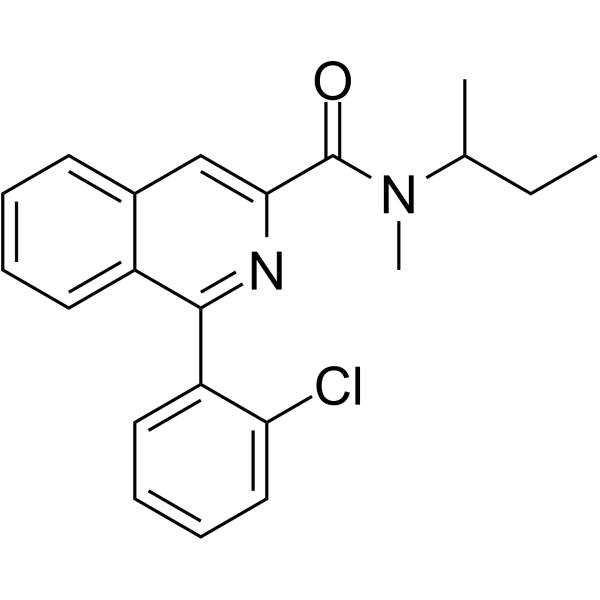 0 ImagesSynonyms: RP 52028PK 11195 (RP 52028) is a ligand of translocator protein (TSPO), which targets Leishmania chemotherapy, with IC50s of 14.2 μM, 8.2 μM, 3.5 μM for L. amazonensis, L. major and L. braziliensis, respectively.
-
Miransertib
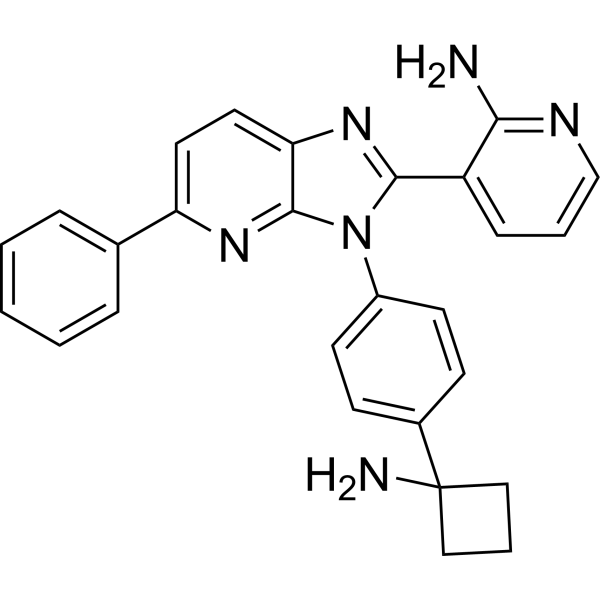 0 ImagesSynonyms: ARQ-092Miransertib (ARQ-092) is a potent, orally active, selective and allosteric Akt inhibitor with IC50s of 2.7 nM, 14 nM and 8.1 nM for Akt1, Akt2, Akt3, respectively. Miransertib is also a potent the AKT1-E17K mutant protein inhibitor and has the potential for PI3K/AKT-driven tumors and Proteus syndrome research. Miransertib is effective against Leishmania.
-
Pentamidine
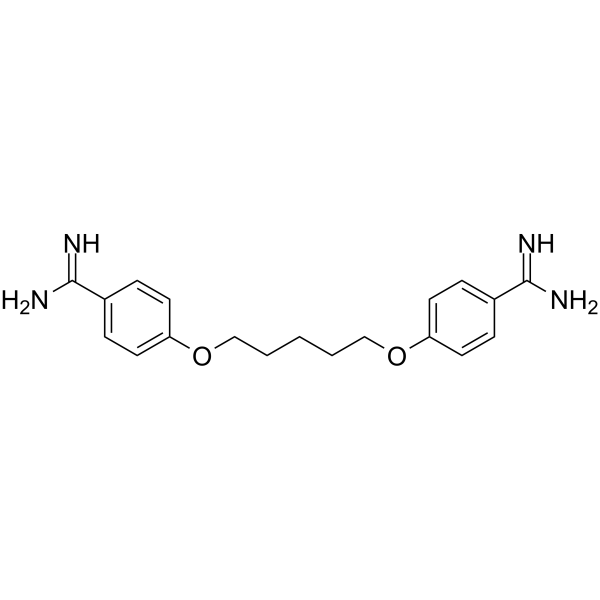 0 ImagesPentamidine (MP-601205) is an antimicrobial agent and interferes with DNA biosynthetics. Pentamidine inhibits parasite Leishmania infantum with an IC50 of 2.5 μM. Pentamidine is a potent and selective protein tyrosine phosphatases (PTPases) and phosphatase of regenerating liver (PRL) inhibitor. Pentamidine has the potential for Gambian trypanosomiasis, antimony-resistant leishmaniasis, and Pneumocystis carinii pneumonia treatment. Antitumor and antibacterial activities.
-
Pentamidine isethionate
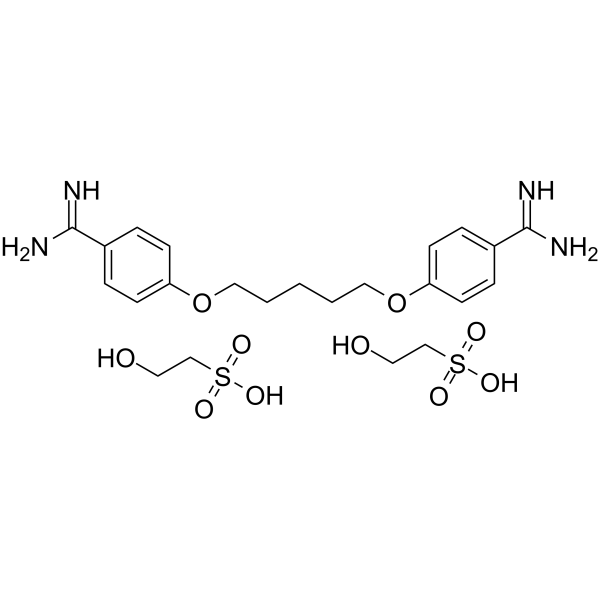 0 ImagesPentamidine isethionate (MP-601205 isethionate) is an antimicrobial agent and interferes with DNA biosynthetics. Pentamidine isethionate inhibits parasite Leishmania infantum with an IC50 of 2.5 μM. Pentamidine isethionate is a potent and selective protein tyrosine phosphatases (PTPases) and phosphatase of regenerating liver (PRL) inhibitor. Pentamidine isethionate has the potential for Gambian trypanosomiasis, antimony-resistant leishmaniasis, and Pneumocystis carinii pneumonia treatment. Antitumor and antibacterial activities.
-
N-Desmethyl clomipramine hydrochloride
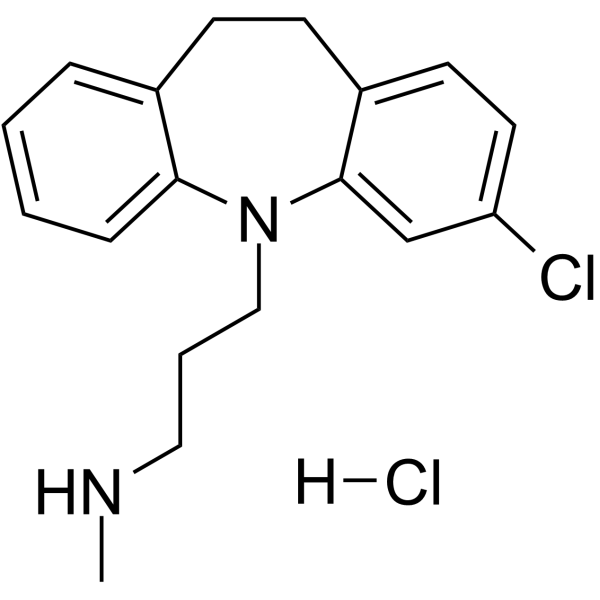 0 ImagesSynonyms: Desmethylclomipramine hydrochloride; Norclomipramine hydrochlorideN-Desmethyl clomipramine hydrochloride (Desmethylclomipramine hydrochloride; Norclomipramine hydrochloride) is the orally active major active metabolite of the tricyclic antidepressant Clomipramine (HY-B0457A), possessing multiple activities including anti-inflammatory, antioxidant, antibacterial, and antiparasitic effects. N-Desmethyl clomipramine hydrochloride blocks autophagosome-lysosome fusion, leading to the accumulation of LC3-II, p62, ATG7, WIPI2, and ATG5-12, reactivates the p53/p21 pathway, induces apoptosis through C-PARP and C-CAS3, and inhibits the proliferation, migration, and invasion of renal cancer cells. N-Desmethyl clomipramine hydrochloride inhibits LdTOPIA, inducing R-loop accumulation in the nucleus of Leishmania, ultimately causing parasite death. N-Desmethyl clomipramine hydrochloride can be used for research on depression, metastatic renal cell carcinoma, and leishmaniasis.
-
3'-Deoxyinosine
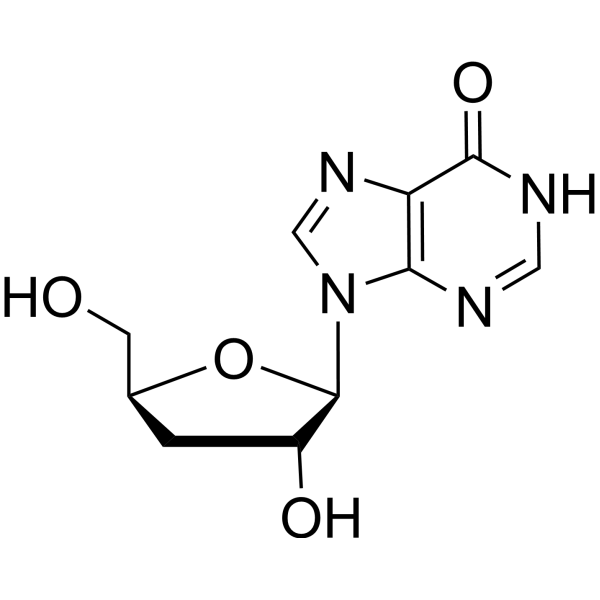 0 Images3'-Deoxyinosine is an antiprotozoal purine nucleoside and a metabolite of Cordycepin (HY-N0262). 3'-Deoxyinosine inhibits inflammatory gene expression. 3'-Deoxyinosine inhibits the growth of Leishmania tropica promastigotes. 3'-Deoxyinosine can be used in research on cutaneous leishmaniasis.
-
N-Desmethyl clomipramine-d3 hydrochloride
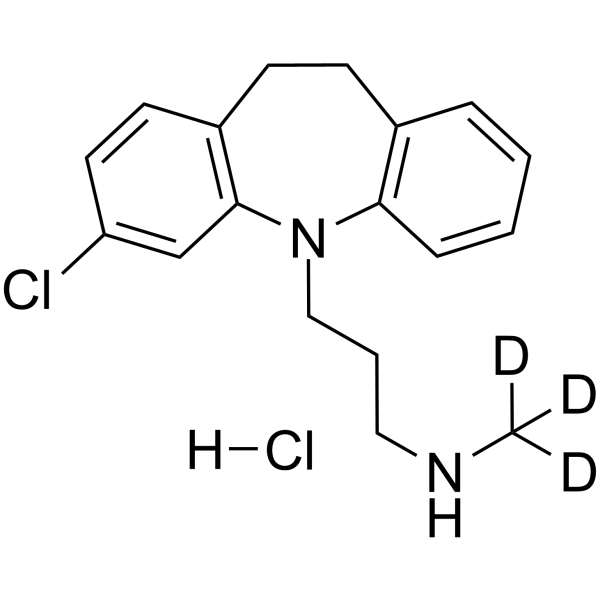 0 ImagesSynonyms: Desmethylclomipramine-d3 hydrochloride;Norclomipramine-d3 hydrochlorideN-Desmethyl clomipramine-d3 hydrochloride (Desmethylclomipramine-d3 hydrochloride; Norclomipramine-d3 hydrochloride) is the deuterated-labeled N-Desmethyl clomipramine hydrochloride (HY-12388A). N-Desmethyl clomipramine hydrochloride is the orally active major active metabolite of the tricyclic antidepressant Clomipramine (HY-B0457A), possessing multiple activities including anti-inflammatory, antioxidant, antibacterial, and antiparasitic effects. N-Desmethyl clomipramine hydrochloride blocks autophagosome-lysosome fusion, leading to the accumulation of LC3-II, p62, ATG7, WIPI2, and ATG5-12, reactivates the p53/p21 pathway, induces apoptosis through C-PARP and C-CAS3, and inhibits the proliferation, migration, and invasion of renal cancer cells. N-Desmethyl clomipramine hydrochloride inhibits LdTOPIA, inducing R-loop accumulation in the nucleus of Leishmania, ultimately causing parasite death. N-Desmethyl clomipramine hydrochloride can be used for research on depression, metastatic renal cell carcinoma, and leishmaniasis.
-
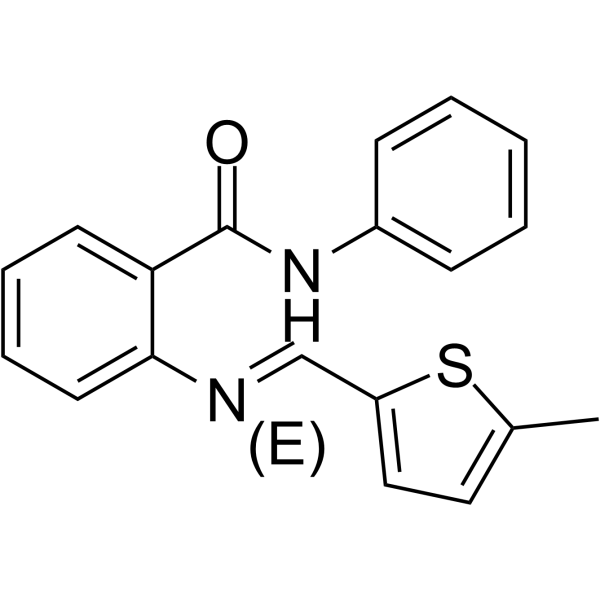
SID 26681509
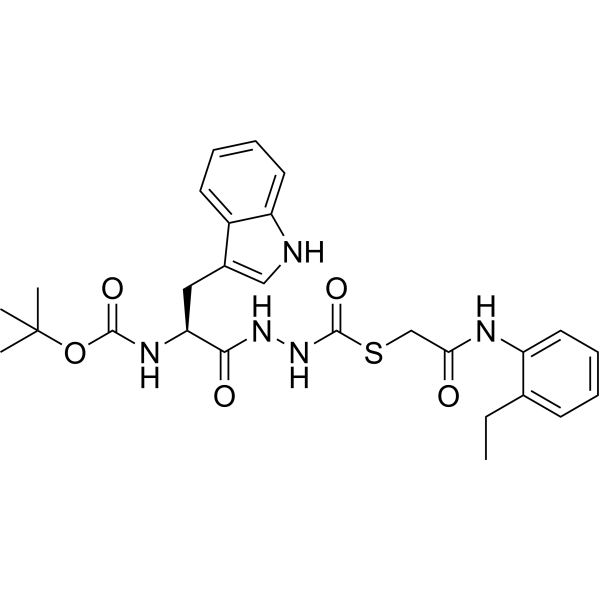 0 ImagesSID 26681509 is a potent, reversible, competitive, and selective inhibitor of human cathepsin L with an IC50 of 56 nM. SID 26681509 inhibits in vitro propagation of malaria parasite Plasmodium falciparum and inhibits Leishmania major with IC50s of 15.4 μM and 12.5 μM, respectively. SID 26681509 shows no inhibitory activity against cathepsin G.
-
Triclabendazole
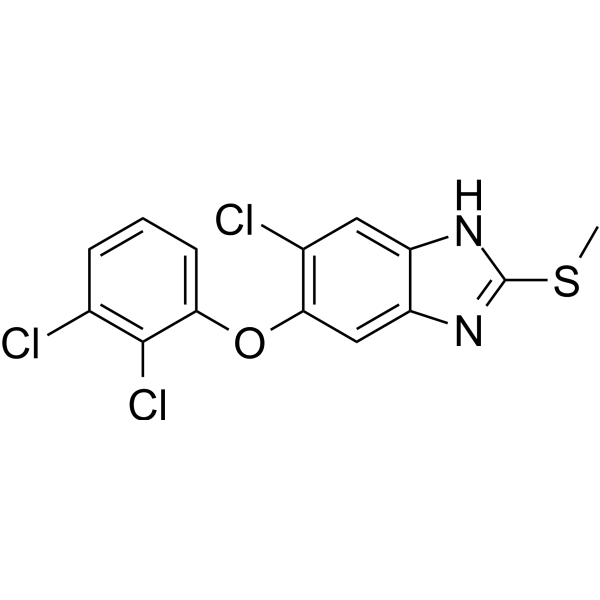 0 ImagesSynonyms: CGA89317Triclabendazole is an orally active parasite inhibitor. Triclabendazole has anti-Leishmania activity and induces gasdermin E (GSDME)-dependent pyroptosis by caspase-3 activation. Triclabendazole can be used for the research of fasciola hepatica.
-
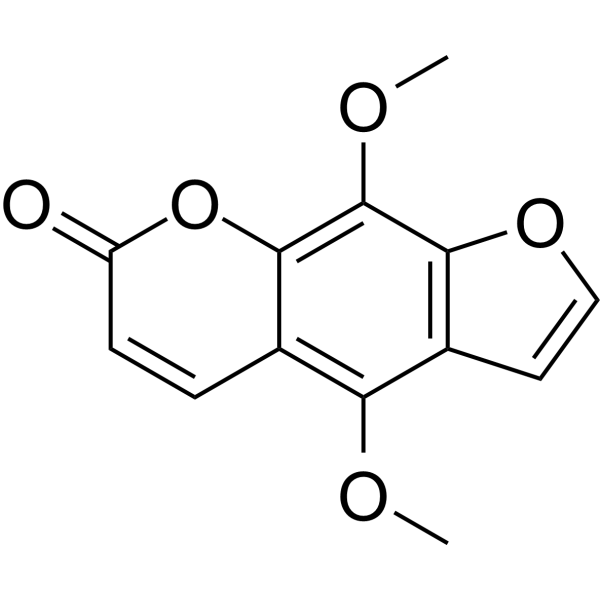
Lapachol
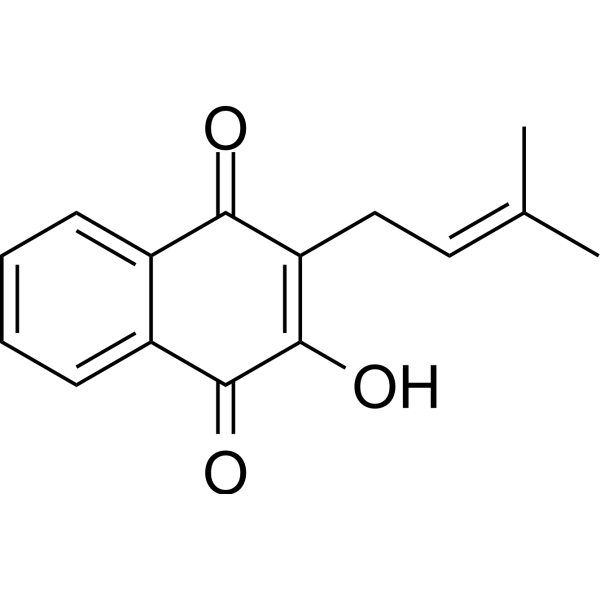 0 ImagesLapachol, a natural naphthoquinone, is an orally active, potent DHODH inhibitor. Lapachol has immunosuppressive activity on lymphocytes through its direct ability to block DHODH activity and inhibit pyrimidine synthesis. Lapachol is a vitamin K antagonist with antitumor activity and can inhibit DNA and RNA synthesis in neoplastic cells. Lapachol has anti-Leishmania activity.
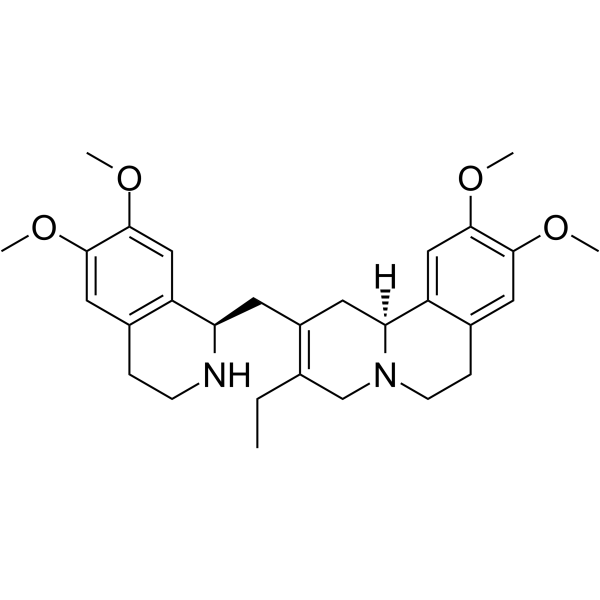
-
Hypocrellin A
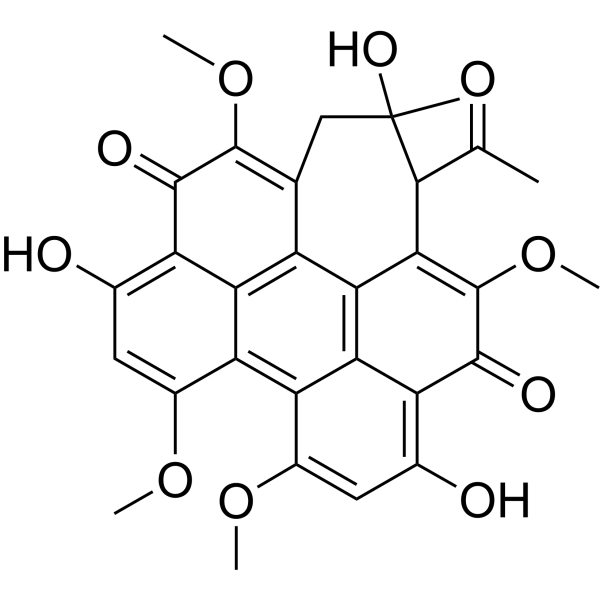 0 ImagesHypocrellin A is a PKC inhibitor that exerts antidiabetic activity by reversing the effects of high glucose on endothelin (ET-1) expression. Hypocrellin A is also a photosensitizer for photodynamic therapy (PDT) with anticancer, antibacterial and antiviral activities, especially against human immunodeficiency virus (HIV). In addition, Hypocrellin-A also possesses anti-Leishmania activity (IC50=0.27 μg/ml).
-
BpV(phen) trihydrate
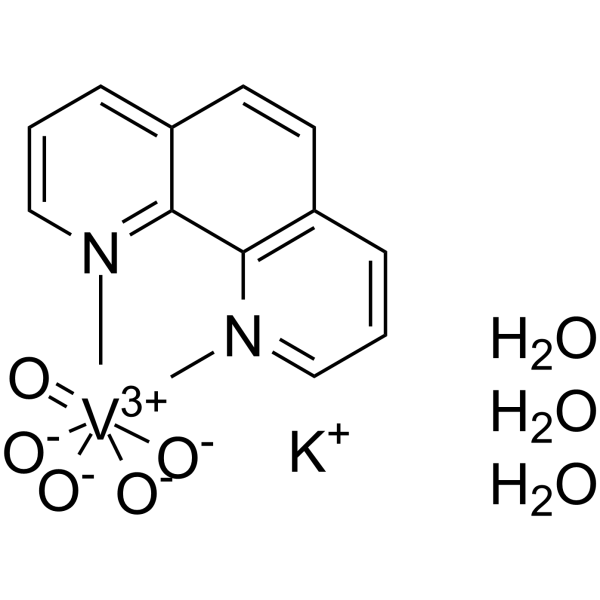 0 ImagesSynonyms: Bisperoxovanadium(phen) trihydrateBpV(phen) trihydrate, a insulin-mimetic agent, is a potent protein tyrosine phosphatase (PTP) and PTEN inhibitor with IC50s of 38 nM, 343 nM and 920 nM for PTEN, PTP-β and PTP-1B, respectively. BpV(phen) trihydrate inhibits proliferation of the protozoan parasite Leishmania in vitro. bpV(phen) trihydrate strongly induces the secretion of a large number of chemokines and pro-inflammatory cytokines, and it activates a Th1-type pathway (IL-12, IFNγ). BpV(phen) trihydrate can also induce cell apoptosis, and has anti-angiogenic and anti-tumor activity.
-
Harpagide
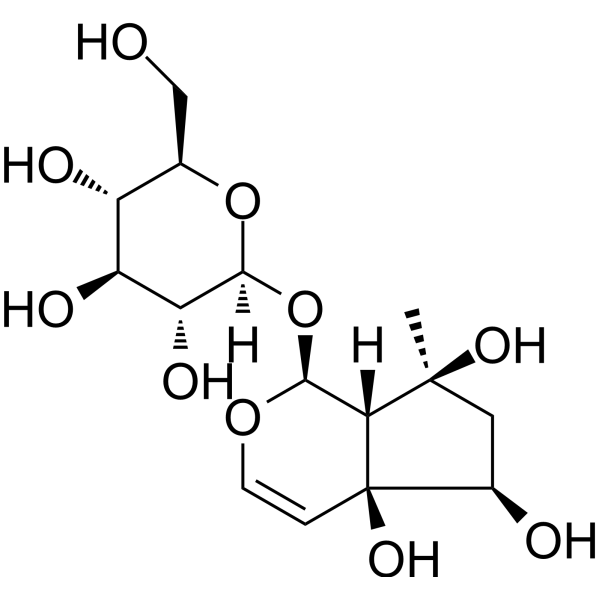 0 ImagesHarpagide is a class of iridoid glycoside isolated from Scrophularia ningpoensis and has antiparasitic activity, which exhibits good in vitro trypanocidal activities against African trypanosomes (T.b. rhodesiense) with an IC50 of 21 μg/mL. Harpagide exerts significant antileishmanial activity against L. donovani with an IC50 value of 2.0 μg/mL. Harpagide also possess significant anti-inflammatory activities.
-
Defensin HNP-1 human
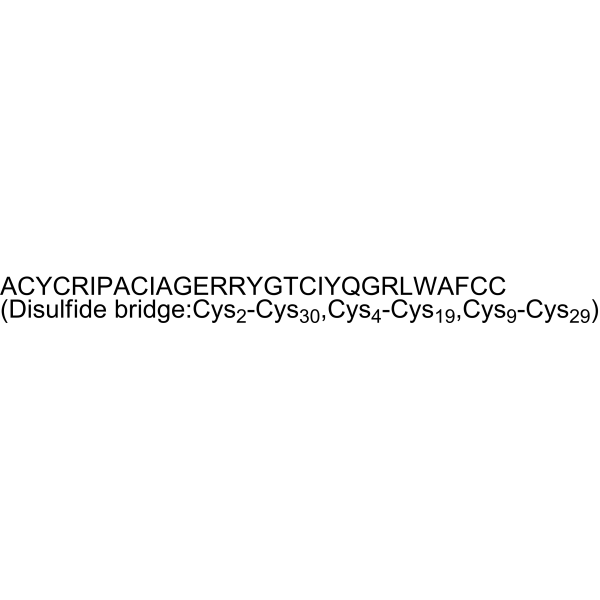 0 ImagesDefensin HNP-1 human is a type of human neutrophil peptide (HNPs). Defensin HNP-1 human possesses immunomodulatory functions and can delay the apoptosis of neutrophils. Defensin HNP-1 human inhibits DNA/RNA/protein synthesis and interferes with metabolic pathways, thus exhibiting broad antibacterial activity. Defensin HNP-1 human has direct inactivation effects on HIV, HSV-1, HSV-2, CMV, influenza virus, etc. Defensin HNP-1 human has antileishmanial activity. Defensin HNP-1 human is involved in endothelial cell dysfunction during the early development of atherosclerosis.
-
Miransertib hydrochloride
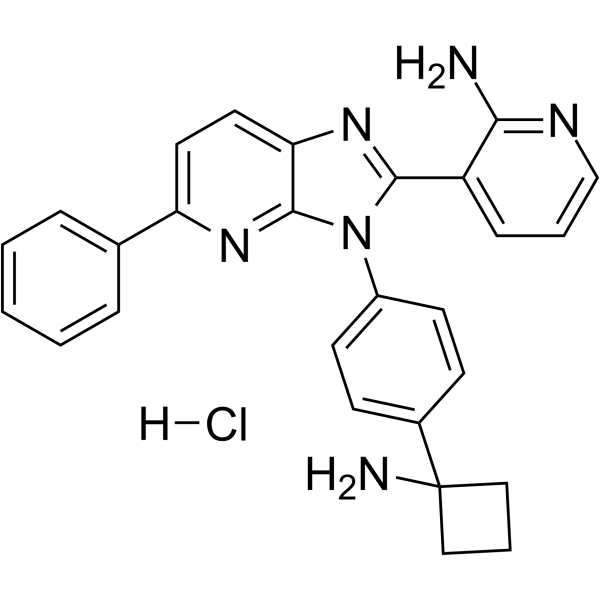 0 ImagesSynonyms: ARQ-092 hydrochlorideMiransertib hydrochloride (ARQ-092 hydrochloride) is a potent, orally active, selective and allosteric Akt inhibitor with IC50s of 2.7 nM, 14 nM and 8.1 nM for Akt1, Akt2, Akt3, respectively. Miransertib hydrochloride is also a potent the AKT1-E17K mutant protein inhibitor and has the potential for PI3K/AKT-driven tumors and Proteus syndrome research. Miransertib hydrochloride is effective against Leishmania.
-
Hypocrellin B
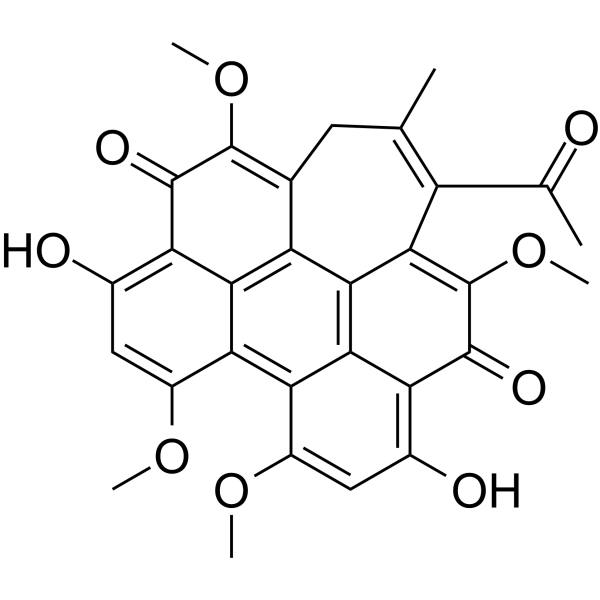 0 ImagesHypocrellin B, a pigment isolated from the fungi Hypocrella bambusae and Shiraia bambusicola, is an apoptosis inducer. Hypocrellin B can be used as a photosensitizer for photodynamic therapy of cancer. Hypocrellin B also has antimicrobial and antileishmanial activities.



