



Akt1
AKT1 (protein kinase Bα, PKBα) is a serine/threonine kinase that functions as a central effector of the PI3K/AKT/mTOR signaling pathway, regulating cellular growth, survival, metabolism, proliferation, and differentiation across multiple tissues and cell types[1][2][3]. Activation of AKT1 occurs downstream of PI3K through phosphoinositide-dependent kinase-1 (PDK1)-mediated phosphorylation, enabling downstream regulation of targets involved in protein synthesis, apoptosis control, and metabolic adaptation[4][5]. Mechanistically, AKT1 contributes to angiogenesis, physiological tissue growth, immune-cell function, and stress-response signaling, making it a critical node in both normal physiology and disease-associated signaling networks[2][4][5]. In disease models, dysregulated AKT signaling is strongly associated with cancer, metabolic disorders, cardiovascular pathology, and inflammatory conditions, and constitutive activation of AKT-dependent pathways promotes oncogenic progression and therapeutic resistance[2][6][7]. Compared with related isoforms, AKT1 exhibits distinct biological functions despite substantial structural homology with AKT2 and AKT3; genetic studies demonstrate that AKT1 deficiency primarily causes growth retardation, whereas AKT2 deficiency induces insulin resistance and diabetes, and AKT3 loss predominantly affects brain development[4][5]. Isoform-specific investigations further show that AKT1 and AKT2 can exert non-redundant or even opposing effects on migration, invasion, inflammation, and fibrogenesis depending on cellular context[2][6][8]. For experimental applications, increasing efforts focus on developing AKT1-selective inhibitors and isoform-selective cellular models, which provide valuable tools for dissecting AKT isoform-specific signaling and for evaluating targeted therapeutic strategies with improved selectivity profiles[6][7][9].
References:
- [1]. Guerau-de-Arellano M, et al. Akt isoforms in the immune system. Front Immunol. 2022 Aug 23;13:990874. [Content Brief]
- [2]. Reyes-Gordillo K, et al. Akt1 and Akt2 Isoforms Play Distinct Roles in Regulating the Development of Inflammation and Fibrosis Associated with Alcoholic Liver Disease. Cells. 2019 Oct 29;8(11):1337. [Content Brief]
- [3]. O'Neill BT, et al. Akt1 in the cardiovascular system: friend or foe? J Clin Invest. 2005 Aug;115(8):2059-64. [Content Brief]
- [4]. Tellai AD, et al. The complex post-transcriptional regulation of genes coding for methionine adenosyl transferase: New insights for liver cancer. Biochimie. 2025 Nov;238(Pt A):19-28. [Content Brief]
- [5]. Quambusch L, et al. Cellular model system to dissect the isoform-selectivity of Akt inhibitors. Nat Commun. 2021 Sep 6;12(1):5297. [Content Brief]
-
Akt1 Related Products (40)
Related Products (40)

-
Antibodies (4)
- 1
- 2
-
MK-2206
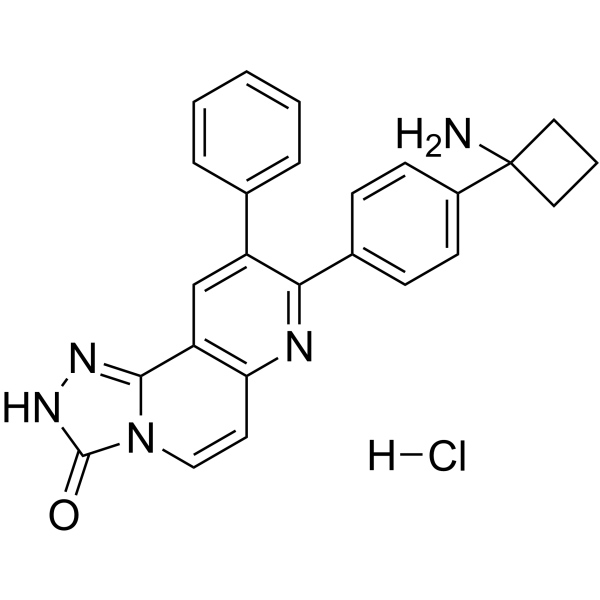 0 ImagesMK-2206 is an orally active pan-AKT inhibitor, with IC50 values of 8 nM, 12 nM and 65 nM against AKT1, AKT2 and AKT3, respectively. MK-2206 inhibits the Akt/mTOR signaling pathway and reduces the levels of downstream GSK3β and Mcl-1 via proteasomal degradation. MK-2206 induces G1-phase cell cycle arrest, apoptosis, epithelial-mesenchymal transition, fibroblast activation and extracellular matrix deposition. MK-2206 causes transient hyperglycemia and hyperinsulinemia in animals. MK-2206 can be used in research related to solid tumors, renal fibrosis and hypercholesterolemia.
-
SETDB1-TTD-IN-1
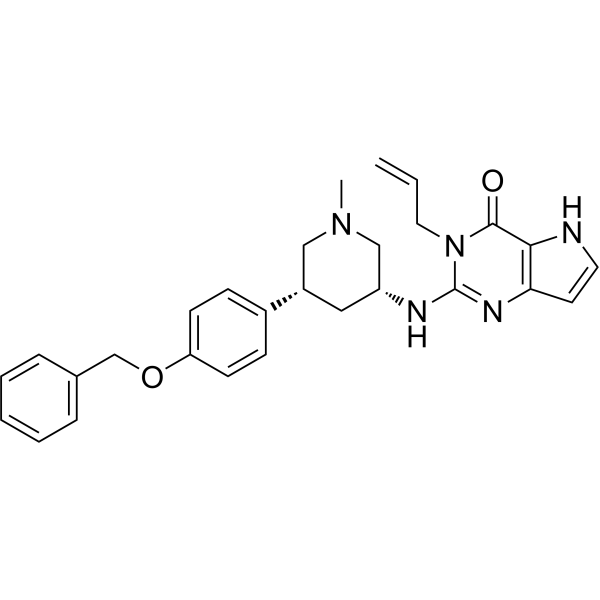 0 ImagesSETDB1-TTD-IN-1 is a SETDB1 methyltransferase activator and SETDB1-TTD competitive inhibitor (Kd of 88 nM), and selectivity for SETDB1-TTD over other tudor and bromodomain proteins. SETDB1-TTD-IN-1 stimulates methyltransferase activity via increased catalytic activity, promotes Akt1 Lys64 methylation, Akt1 Thr308 phosphorylation and activation. SETDB1-TTD-IN-1 prevents SETDB1-TTD-histone H3 peptide association, induces global gene expression changes, exhibits cellular target engagement, and acts as a tool compound for SETDB1-TTD function exploration. SETDB1-TTD-IN-1 can be used for the research of breast cancer.
-
Serplulimab
 0 ImagesSynonyms: HLX 10Serplulimab (HLX 10) is a humanized anti-PD-1 monoclonal antibody. Serplulimab can inhibit tumor growth, regulate the tumor microenvironment, and has anti-tumor activity. Serplulimab can be used in the research of cancer such as lung cancer and colon cancer.
-
Triadimefon
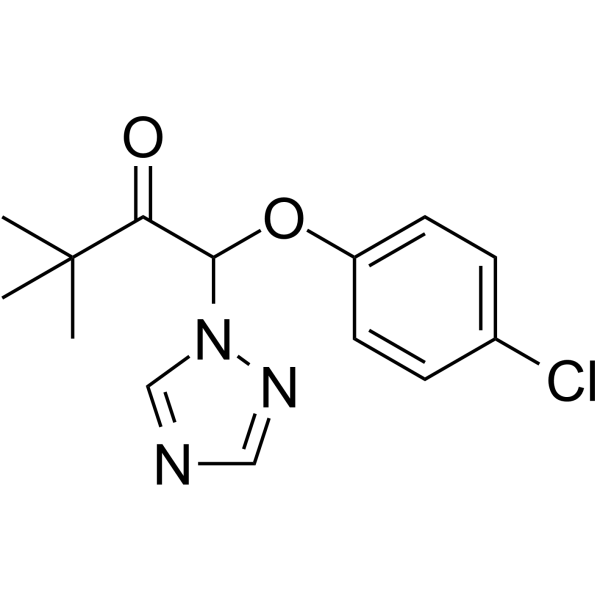 0 ImagesTriadimefon is an orally active fungicide. Triadimefon significantly reduces the phosphorylation of AKT1 and ERK1/2. Triadimefon significantly increases pAMPK levels, but does not affect total AMPK levels. Triadimefon inhibits the growth of Saccharomyces cerevisiae, disrupts hormone homeostasis (affecting the synthesis of testosterone, etc.), inhibits fetal adrenal development in rats, induces metabolic shifts in hepatocytes, and impairs spatial learning and memory.
-
Sulfabenzamide
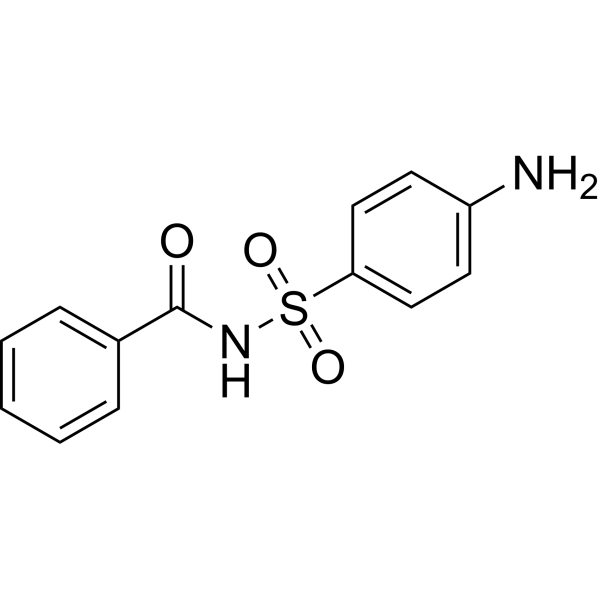 0 ImagesSulfabenzamide (N-Sulfanilylbenzamide) is a sulfonamide antibacterial agent. Sulfabenzamide exhibit antibacterial activity against Staphylococcus aureus (ATCC 25923) and Escherichia coli (ATCC 8739). Sulfabenzamide can promote autophagic cell autophagy in breast cancer cells through p53/ DRAM pathway. Sulfabenzamide increases caspase-3 activity, deactivates PARP1 and DNA-PK, downregulates AKT1 and AKT2. Sulfabenzamide can be used for the researches of breast cancer and bacterial infections.
-
MS98
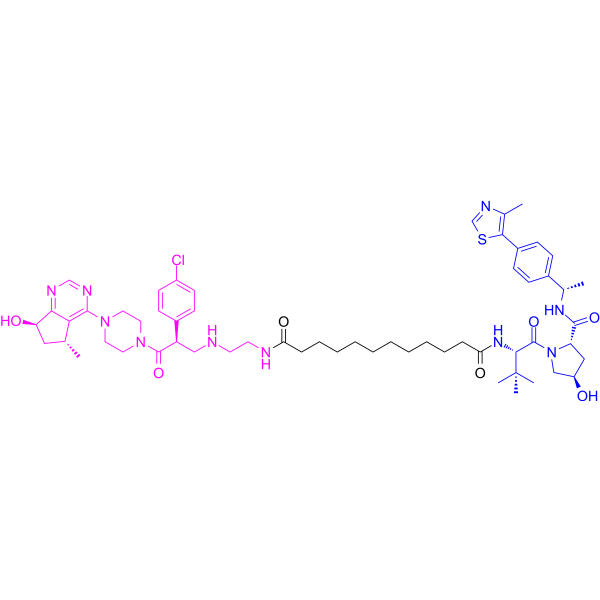 0 ImagesCat. No.: HY-145281CAS No.: 2376137-31-2MS98 is a AKT PROTAC degrader with a DC50 of 78 nM in BT474 cells. MS98 binds to purified AKT1, AKT2 and AKT3 isoforms with Kd values of 4 nM, 140 nM and 8 nM, respectively. MS98 recruits the VHL E3 ligase to induce polyubiquitination and proteasomal degradation of AKT. MS98 inhibits downstream signal transduction of the PI3K/AKT/m-TOR pathway. MS98 suppresses cancer cell proliferation. MS98 can be used for the research of prostate cancer and breast cancer.
-
Avenanthramide B
 0 ImagesCat. No.: HY-W795967CAS No.: 108605-69-2Avenanthramide B is an oat phytoalexin, a porcine liver esterase inhibitor, and an amyloglucosidase inhibitor, with an IC50 of 4.4 mg/mL against Aspergillus niger amyloglucosidase. Avenanthramide B increases the activation status of Akt1 and the expression level of eNOS, elevates the levels of NO and cGMP, and reduces the level of superoxide anions. Avenanthramide B acts on amyloglucosidase via a competitive mixed mechanism, functions as a fluorescence quencher, and exerts bidirectional regulatory effects on protein thermal stability. Avenanthramide B serves as a substrate for oat leaf peroxidase. Avenanthramide B can be used in research related to type 2 diabetes.
-
Anticancer agent 331
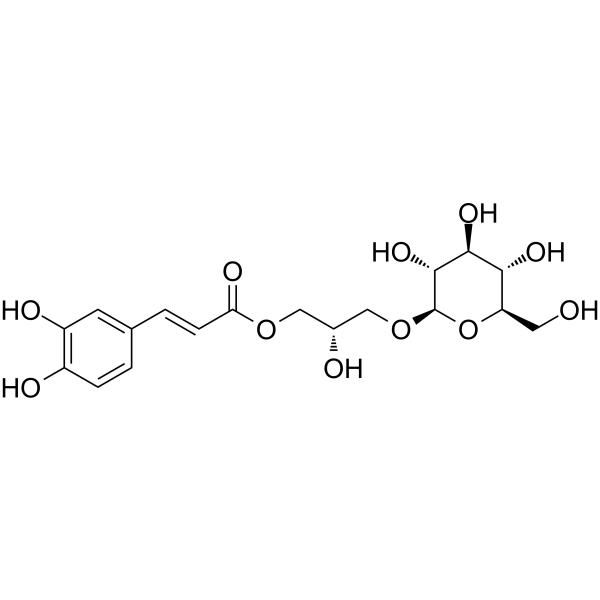
 0 ImagesCat. No.: HY-184487Anticancer agent 331 is an anticancer agent with favorable cell permeability and limited blood-brain barrier penetration. Anticancer agent 331 forms stable long-acting complexes with TNF-α, PI3K p110α, AKT1 and mTOR, and exerts cytotoxic effects on cancer cells. Anticancer agent 331 can be used in the research of colorectal cancer.
-
INY-03-041 trihydrochloride
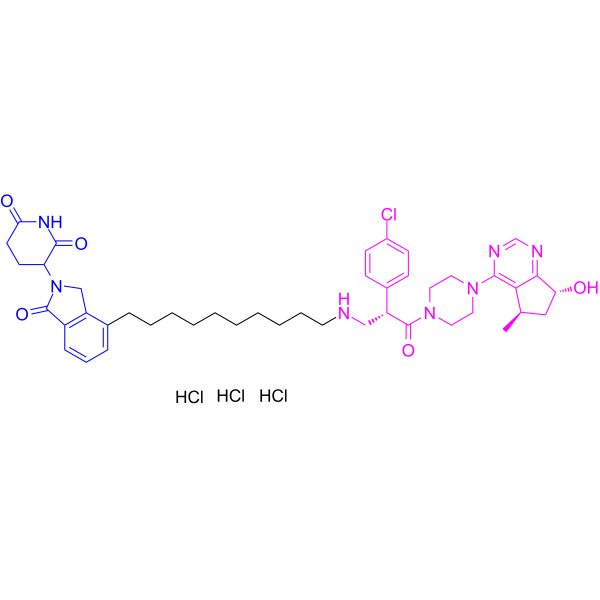 0 ImagesCat. No.: HY-133120AINY-03-041 trihydrochloride is a potent, highly selective and PROTAC-based pan-AKT degrader consisting of the ATP-competitive AKT inhibitor Ipatasertib (HY-15186) conjugated to Lenalidomide (HY-A0003). INY-03-041 trihydrochloride inhibits AKT1, AKT2 and AKT3 with IC50s of 2.0, 6.8 and 3.5 nM, respectively.

-
20(R)-Ginsenoside Rh2
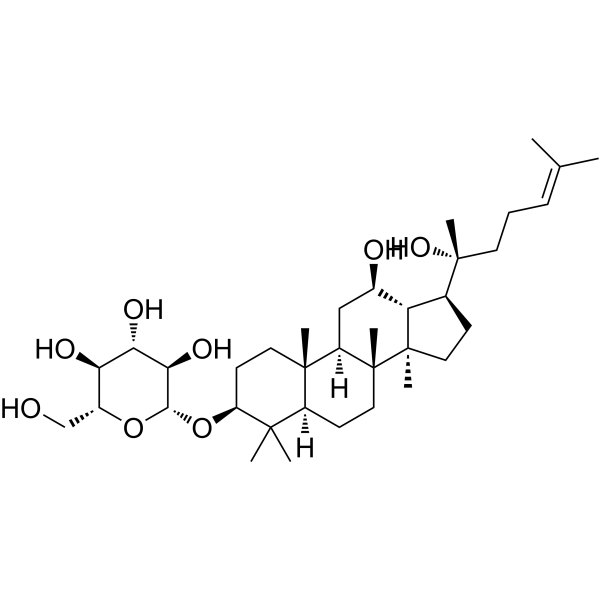 0 Images20(R)-Ginsenoside Rh2 is an orally active protopanaxadiol-type saponin with multiple biological activities. 20(R)-Ginsenoside Rh2 exerts a significant inhibitory effect on non-small cell lung cancer and liver cancer by inducing cell cycle arrest and promoting apoptosis. 20(R)-Ginsenoside Rh2 exerts anti-γ-herpesvirus effects by inhibiting viral DNA replication. 20(R)-Ginsenoside Rh2 inhibits inflammatory mediators by reducing the levels of NO, PGE2, and ROS; it can delay skin photoaging by reducing ROS and inhibiting MMP-9/2 activity. 20(R)-Ginsenoside Rh2 accelerates the recovery after muscle injury by activating the Akt1/PKB signaling pathway. 20(R)-Ginsenoside Rh2 can inhibit osteoclast formation and exert an anti-osteoporosis effect.
-
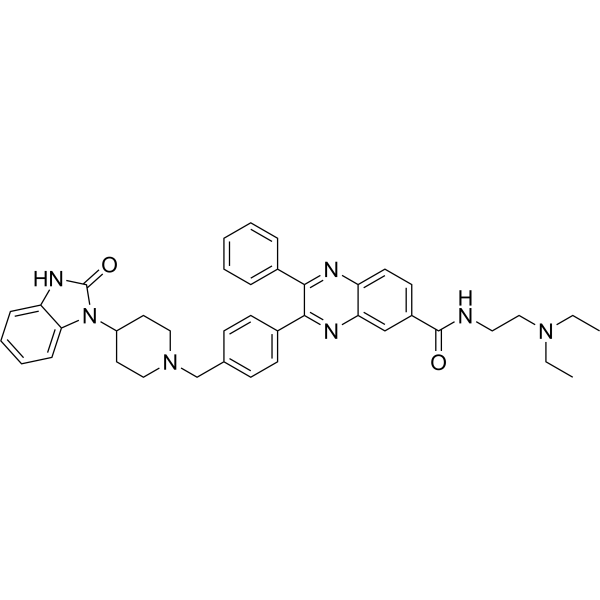
Gamendazole
 0 ImagesGamendazole, an indazole carboxylic acid (ICA), is an orally active, selective HSP90AB1 (HSP90BETA) and EEF1A1 (eEF1A) inhibitor. Gamendazole binds to the C-terminal nucleotide binding pocket of HSP90 and cause downregulation of clients AKT1 and ERBB2, but stabilizes the HSP90 heterocomplex. Gamendazole specifically inhibits the actin bundling function of EEF1A1, but does not bind to the nucleotide docking pocket nor inhibits the ribosome charging or protein translation functions of EEF1A1. Gamendazole, an antispermatogenic compound with antifertility effects, has the potential for reversible non-hormonal male contraceptive agent research.
-
Momordicine I
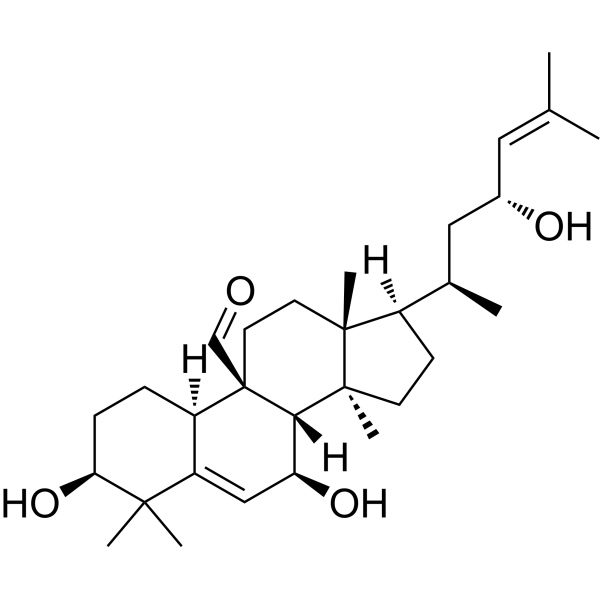 0 ImagesCat. No.: HY-122949CAS No.: 91590-76-0Momordicine I is a cucurbitane-type triterpenoids. Momordicine I suppresses glioma growth by promoting apoptosis and impairing mitochondrial oxidative phosphorylation. Momordicine I inhibits glycolysis, lipid metabolism, induces autophagy in HNC cells to suppress head and neck cancer growth. Momordicine I alleviates isoproterenol-induced cardiomyocyte hypertrophy through suppression of PLA2G6 and DGK-ζ. Momordicine I exerts its cardiovascular benefits by upregulating nitric oxide, inhibiting the activity of angiotensin-converting enzyme (ACE), activating the PI3K/Akt pathway, reducing oxidative stress and inflammation. Momordicine I inhibits AKT1, IL-6, and SRC, suggesting its potential application in type 2 diabetes.

-
Akt1&PKA-IN-2
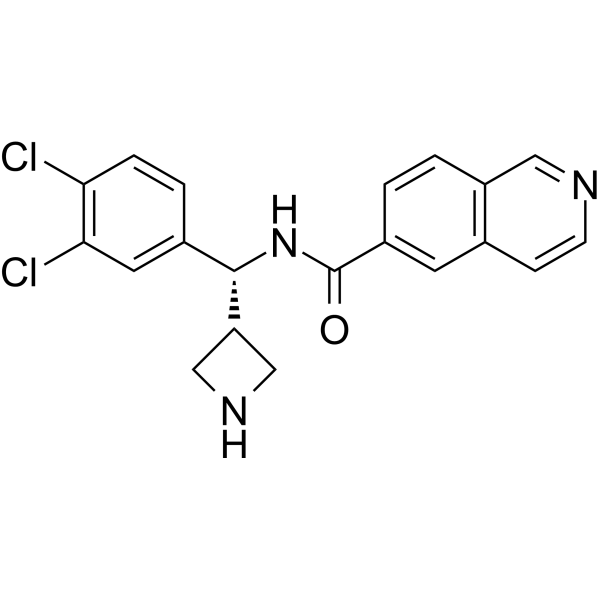 0 ImagesCat. No.: HY-148868ACAS No.: 1334108-00-7
-
MS143
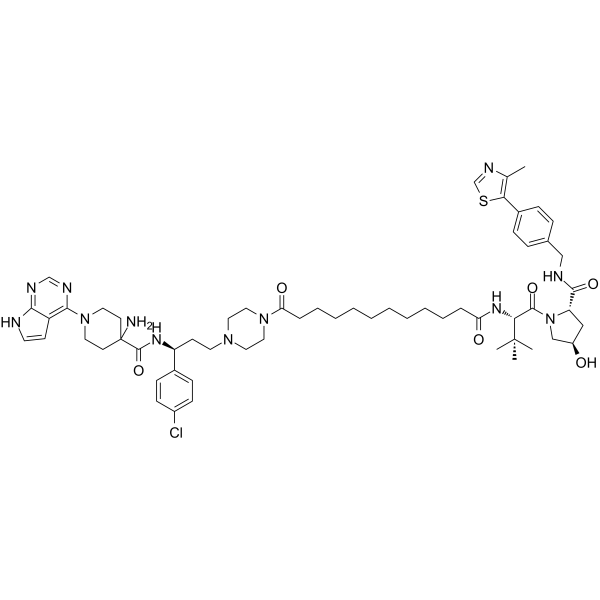 0 ImagesCat. No.: HY-143883CAS No.: 2376137-41-4MS143 is a VHL-recruiting AKT protein PROTAC degrader with a DC50 of 46 nM in PC3 prostate cancer cells. MS143 preferentially binds to AKT1 and AKT3, with weaker binding activity towards AKT2. MS143 degrades AKT and blocks the phosphorylation of downstream signaling molecules in the PI3K/AKT/mTOR pathway. MS143 inhibits cancer cell growth and xenograft tumor growth. MS143 can be used for research on prostate cancer, triple-negative breast cancer, and breast cancer.
-
Perfluorotetradecanoic acid
 0 ImagesSynonyms: PFTeDAPerfluorotetradecanoic acid (PFTeDA) is an orally active perfluoroalkyl substance. Perfluorotetradecanoic acid directly binds to the ligand-binding domain of purified hPPARγ, with a Kd value of 157.8 μM. Perfluorotetradecanoic acid significantly reduces the activity of the SIRT1/PGC1α and AMPK signaling pathways while stimulating the activity of the AKT1/mTOR signaling pathway. Perfluorotetradecanoic acid significantly upregulates the expression of corticosterone biosynthesis genes. Perfluorotetradecanoic acid increases ROS levels and promotes Apoptosis. Perfluorotetradecanoic acid impairs Leydig cell function and male reproductive endocrine function in adult male rats.
-
Triadimefon (Standard)
 0 ImagesTriadimefon (Standard) is the analytical standard of Triadimefon (HY-123037). This product is intended for research and analytical applications. Triadimefon is an orally active fungicide. Triadimefon significantly reduces the phosphorylation of AKT1 and ERK1/2. Triadimefon significantly increases pAMPK levels, but does not affect total AMPK levels. Triadimefon inhibits the growth of Saccharomyces cerevisiae, disrupts hormone homeostasis (affecting the synthesis of testosterone, etc.), inhibits fetal adrenal development in rats, induces metabolic shifts in hepatocytes, and impairs spatial learning and memory.
- 1
- 2




