



MEK1
MEK1 is a MAP kinase or ERK kinase that phosphorylates the ERK gene product and acts as an immediate upstream activator of ERK signaling[1][2]. Mechanistically, MEK1 and MEK2 phosphorylate and activate ERK1/ERK2, positioning MEK proteins as pathway gatekeepers in the RAS-RAF-MEK-ERK cascade[3][4]. This cascade regulates cell proliferation, differentiation, survival, invasion, and other ERK-dependent cellular responses[3][5]. In disease models, ERK pathway activation is prominent in cancers driven by receptor tyrosine kinase, RAS, BRAF, CRAF, MEK1, or MEK2 alterations, which promote growth factor-independent ERK1/2 activation[5]. Compared with MEK2, MEK1 shares the same ERK substrates, but Mek1- embryos die from placental defects whereas Mek2- mice survive, indicating isoform-related developmental differences and functional redundancy controlled by total MEK protein level[4]. Structurally, MEK1 and MEK2 are closely related dual-specificity tyrosine/threonine kinases with a hydrophobic allosteric pocket adjacent to the ATP-binding site[6][5]. For experimental applications, PD098059 selectively inhibited MEK without significant inhibition of MAPK itself, and allosteric MEK blockade suppressed colon tumor growth in vivo[7][8].
References:
- [1]. Crews CM, et al. The primary structure of MEK, a protein kinase that phosphorylates the ERK gene product. Science. 1992 Oct 16;258(5081):478-80. [Content Brief]
- [2]. Zheng CF, et al. Properties of MEKs, the kinases that phosphorylate and activate the extracellular signal-regulated kinases. J Biol Chem. 1993 Nov 15;268(32):23933-9. [Content Brief]
- [3]. Shaul YD, et al. The MEK/ERK cascade: from signaling specificity to diverse functions. Biochim Biophys Acta. 2007 Aug;1773(8):1213-26. [Content Brief]
- [4]. Aoidi R, et al. Functional redundancy of the kinases MEK1 and MEK2: Rescue of the Mek1 mutant phenotype by Mek2 knock-in reveals a protein threshold effect. Sci Signal. 2016 Jan 26;9(412):ra9. [Content Brief]
- [5]. Caunt CJ, et al. MEK1 and MEK2 inhibitors and cancer therapy: the long and winding road. Nat Rev Cancer. 2015 Oct;15(10):577-92. [Content Brief]
- [6]. Ohren JF, et al. Structures of human MAP kinase kinase 1 (MEK1) and MEK2 describe novel noncompetitive kinase inhibition. Nat Struct Mol Biol. 2004 Dec;11(12):1192-7. [Content Brief]
- [7]. Dudley DT, et al. A synthetic inhibitor of the mitogen-activated protein kinase cascade. Proc Natl Acad Sci U S A. 1995 Aug 15;92(17):7686-9. [Content Brief]
- [8]. Sebolt-Leopold JS, et al. Blockade of the MAP kinase pathway suppresses growth of colon tumors in vivo. Nat Med. 1999 Jul;5(7):810-6. [Content Brief]
-
MEK1 관련 제품 (62)
관련 제품 (62)

-
Antibodies (3)
-
Trametinib
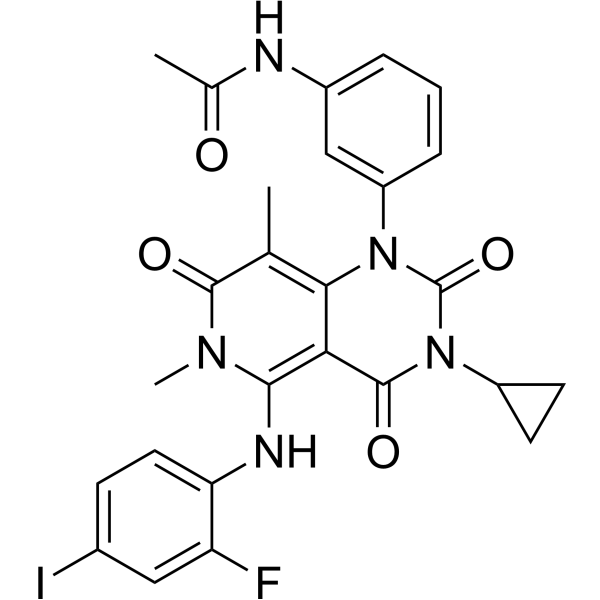 0 ImagesSynonyms: GSK1120212; JTP-74057
-
Mirdametinib
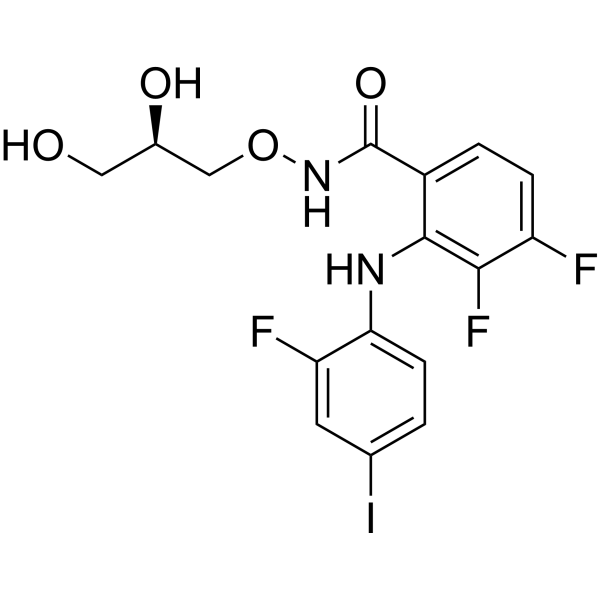 0 ImagesSynonyms: PD0325901; PD325901Mirdametinib (PD0325901) is an orally active, selective and non-ATP-competitive MEK inhibitor with an IC50 of 0.33 nM. Mirdametinib exhibits a Kiapp of 1 nM against activated MEK1 and MEK2. Mirdametinib suppresses the expression of p-ERK1/2 and induces apoptosis. Mirdametinib has anti-cancer activity for a broad spectrum of human tumor xenografts.
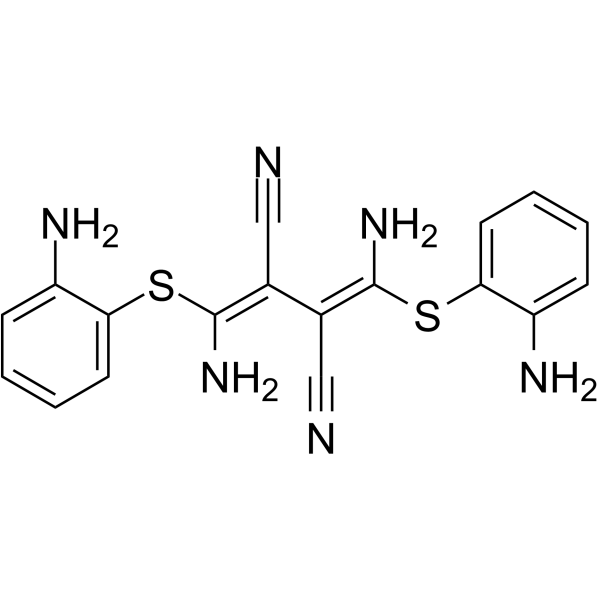
-
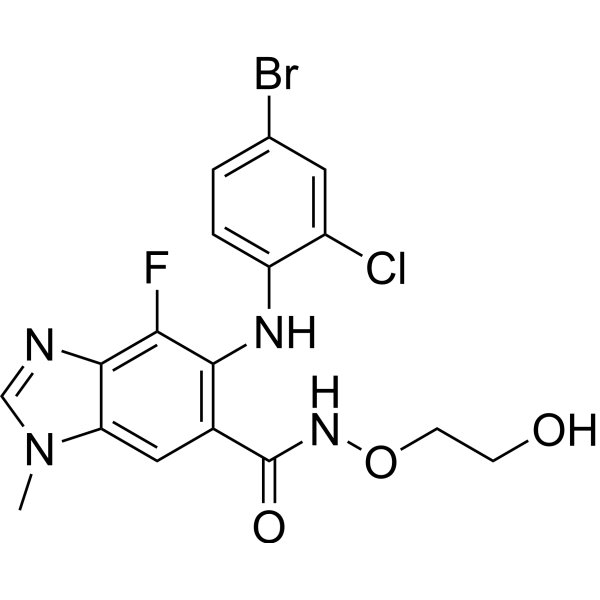
PD98059
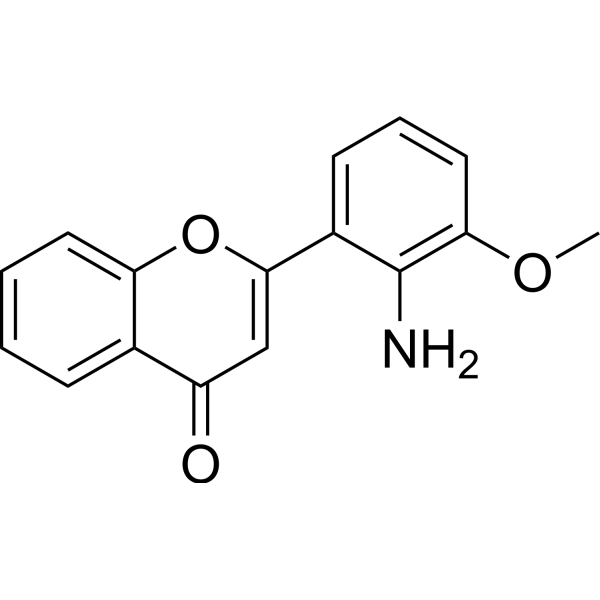 0 ImagesPD98059 is a potent and selective MEK inhibitor with an IC50 of 5 µM. PD98059 binds to the inactive form of MEK, thereby preventing the activation of MEK1 (IC50 of 2-7 µM) and MEK2 (IC50 of 50 µM) by upstream kinases. PD98059 is a ERK1/2 signaling inhibitor. PD98059 is a ligand for the aryl hydrocarbon receptor (AHR), and suppresses TCDD binding (IC50 of 4 μM) and AHR transformation (IC50 of 1 μM). PD98059 also inhibits Mycobacterium bovis Bacillus CalmetteGuerin (BCG)-induced autophagy.
-
Refametinib
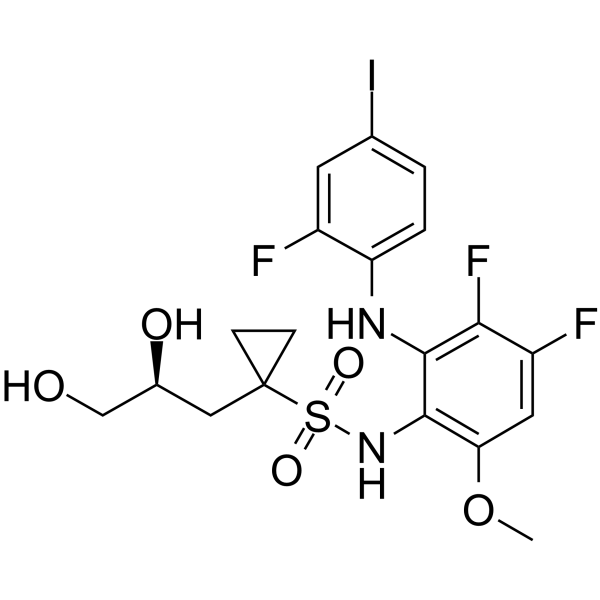 0 ImagesSynonyms: BAY 869766; RDEA119
-
RGB-286638
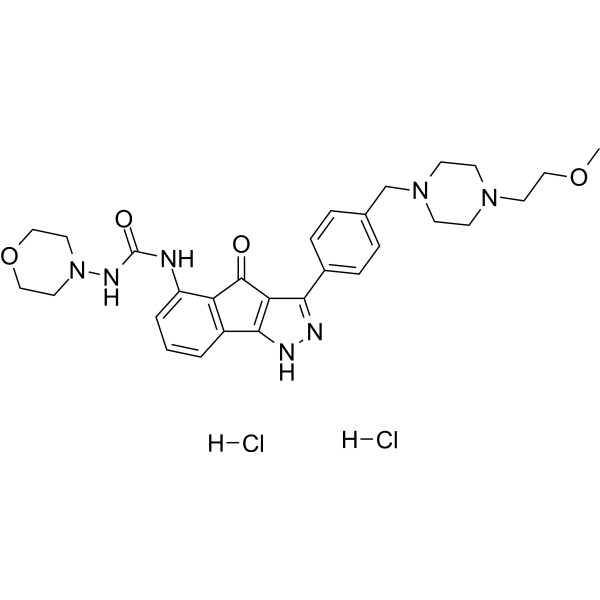 0 ImagesRGB-286638 is a potent inhibitor of CDK and MAPK9. RGB-286638 inhibits the activities of cyclin T1-CDK9, cyclin B1-CDK1, cyclin E-CDK2, cyclin D1-CDK4, cyclin E-CDK3 and p35-CDK5, with IC50 values of 1, 2, 3, 4, 5 and 5 nM, respectively. RGB-286638 inhibits GSK-3β and TAK1, with IC50 values of 3 nM and 5 nM, respectively. RGB-286638 induces caspase-dependent Apoptosis in cells. RGB-286638 delays tumor growth in an orthotopic glioblastoma mouse model. RGB-286638 extends survival in multiple myeloma models. RGB-286638 can be used in research related to glioblastoma and multiple myeloma.
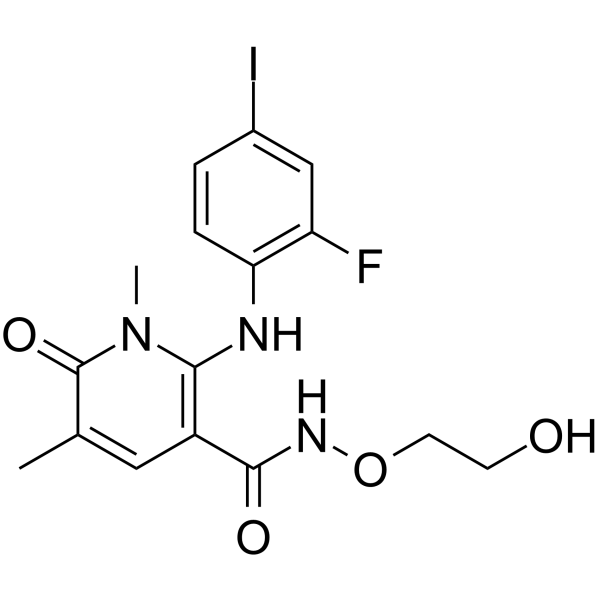
-
Cobimetinib
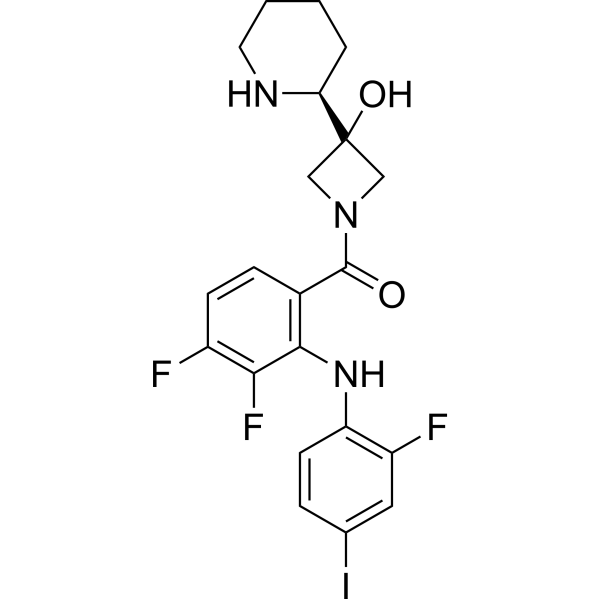 0 ImagesSynonyms: GDC-0973; XL518
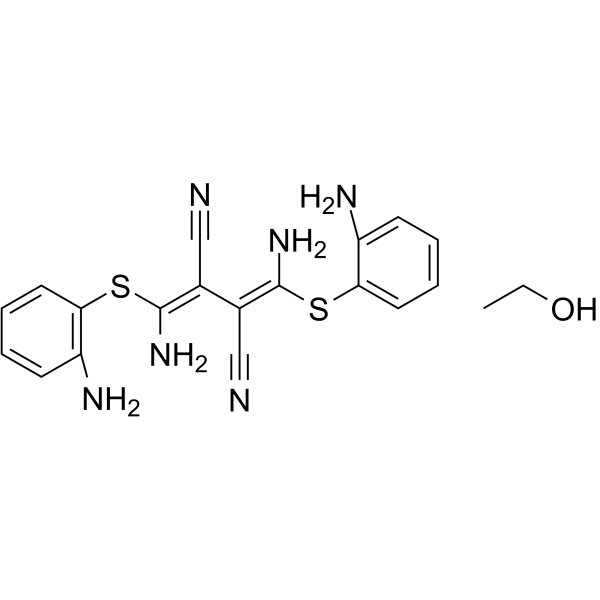
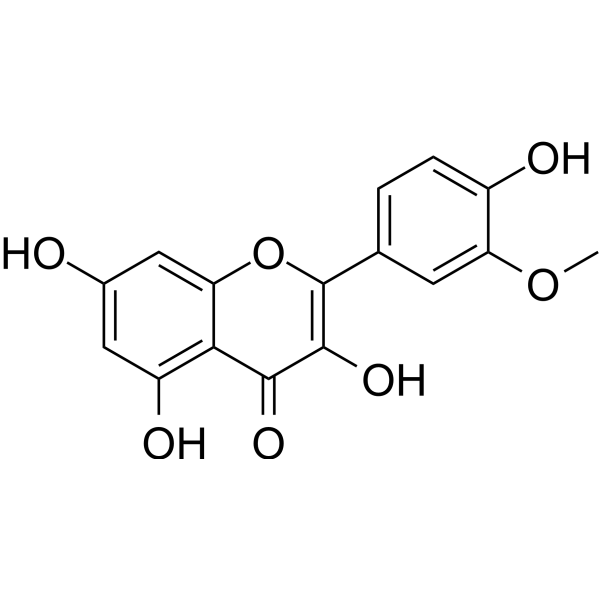
-
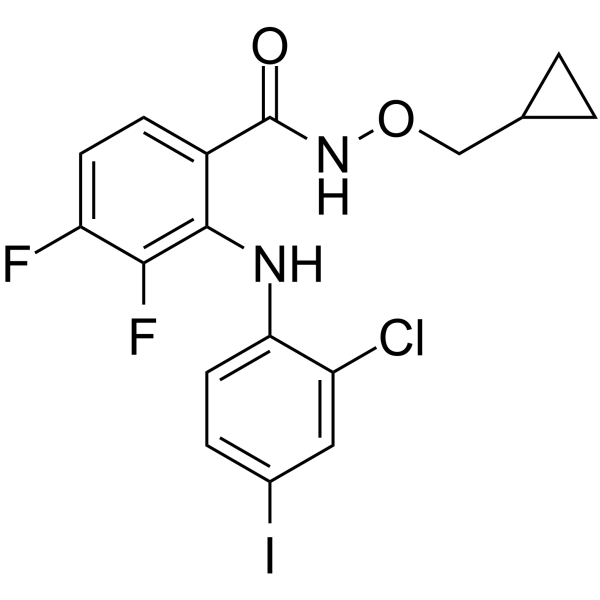
Trametinib (DMSO solvate)
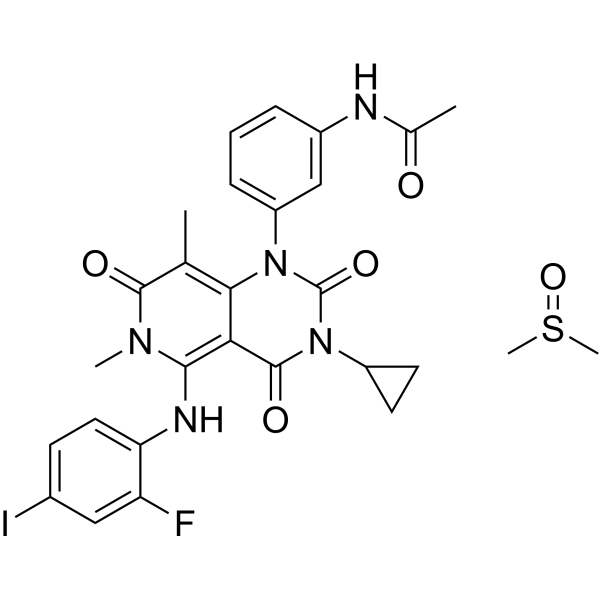 0 ImagesSynonyms: GSK-1120212 (DMSO solvate); JTP-74057 (DMSO solvate)
-
Lixisenatide
 0 ImagesLixisenatide is a glucagon-like peptide-1 (GLP-1) receptor agonist. Lixisenatide inhibits the inflammatory response through down regulation of pro-inflammatory cytokines, and suppresses of the Akt-MEK1/2 signaling pathway. Lixisenatide can inhibit oxidative stress, mitochondrial dysfunction and apoptosis. Lixisenatide can be used for the researches of inflammation, metabolic disease, neurological disease and cardiovascular disease, such as rheumatoid arthritis, diabetes, Alzheimer's disease and atherosclerosis.
-
TERT activator-1
 0 ImagesTERT activator-1 is a small molecule activator of telomerase reverse transcriptase (TERT). TERT activator-1 promotes TERT transcription through the MEK/ERK/AP-1 signaling cascade. TERT activator-1 promotes adult neurogenesis and enhances neuromuscular function. TERT activator-1 reduces cellular senescence and systemic inflammation in aged mice, and can be used in the study of aging.
-
Tunlametinib
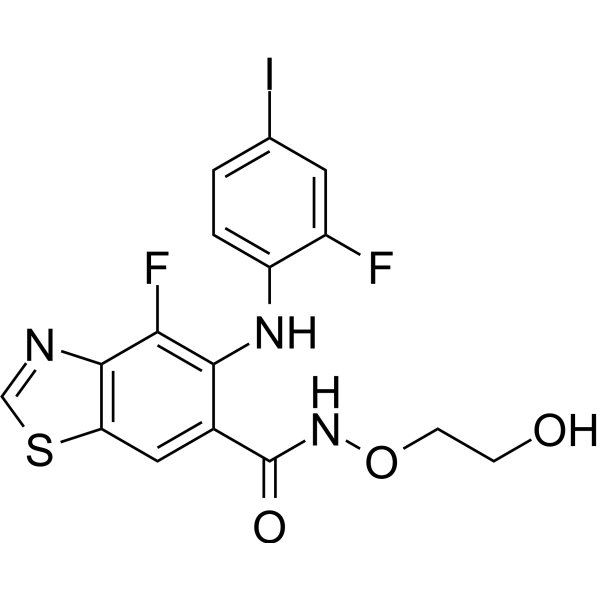 0 ImagesSynonyms: HL-085Tunlametinib is a highly selective, orally active MEK1/2 inhibitor (IC50=1.9 nM, MEK1). Tunlametinib blocks the RAS-RAF-MEK-ERK signaling pathway, arrests tumor cell cycle and promotes apoptosis. Tunlametinib potently inhibits the proliferation of RAS/RAF mutant cancer cells (such as BRAF V600E, KRAS G12C mutant cells). Tunlametinib shows synergistic anti-tumor effects with BRAF/KRASG12C/SHP2 inhibitors, Docetaxel (HY-B0011). Tunlametinib can be used to study targeted therapy for RAS/RAF mutation-driven malignancies (such as melanoma, colorectal cancer, and non-small cell lung cancer).
-
Pimasertib
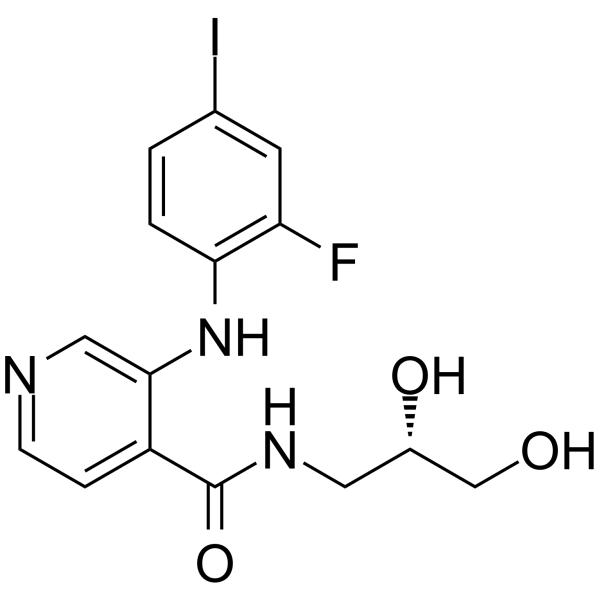 0 ImagesSynonyms: AS703026; MSC1936369BPimasertib (AS703026) is a highly selective, ATP non-competitive allosteric orally available MEK1/2 inhibitor.
-
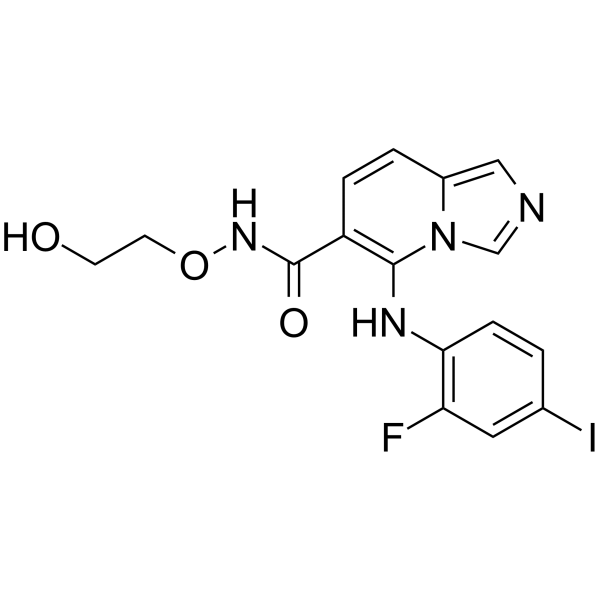
Trametiglue
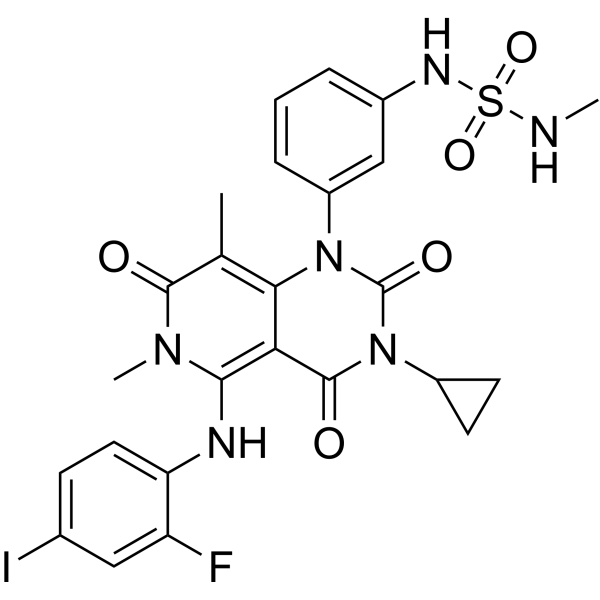 0 ImagesTrametiglue, a derivative of Trametinib (HY-10999), targets both KSR-MEK and RAF-MEK with unprecedented potency and selectivity via unique interfacial binding interactions.
-
Azelnidipine
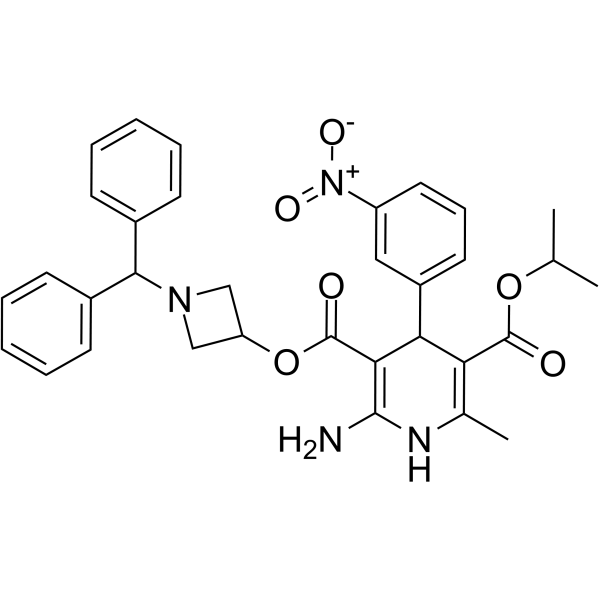 0 ImagesSynonyms: CS 905Azelnidipine (CS 905) is a dihydropyridine calcium channel blocker that is effective orally. Azelnidipine inhibits the intracellular calcium ion flow and lower blood pressure by selectively blocking L-type calcium channel on the membrane of vascular smooth muscle. Azelnidipine inhibits esophageal squamous cell carcinoma proliferation by targeting MEK1/2. Azelnidipine also has anti-inflammatory, antioxidant and neuroprotective effects .




